Shimadzu Europe
  • News
    • Featured Articles
    • Product News
    • E-News
  • Magazine
    • About us
    • Digital edition
    • Archived issues
    • Free subscriptions
    • Media kit
    • Submit Press Release
  • White Papers
  • Events
  • Suppliers
  • E-Alert
  • Contact us
  • FREE newsletter subscription
  • Search
  • Menu Menu
Clinical Laboratory int.
  • Allergies
  • Cardiac
  • Gastrointestinal
  • Hematology
  • Microbiology
  • Microscopy & Imaging
  • Molecular Diagnostics
  • Pathology & Histology
  • Protein Analysis
  • Rapid Tests
  • Therapeutic Drug Monitoring
  • Tumour Markers
  • Urine Analysis

Archive for category: E-News

E-News

aptamer

Aptamer Group, PinotBio collaborate to develop Optimer-drug conjugates

, 7 July 2021/in E-News /by panglobal

Aptamer Group, the developer of Optimer Therapeutics, and PinotBio (Gyeonggi-do, Korea), a clinical-stage oncology-focused biotechnology company, have entered into a strategic collaboration agreement. The agreement is to develop Optimer-drug conjugates for targeted drug delivery combining Aptamer Group’s Optimer technology with PinotBio’s technology using the chemotherapeutic FL-118 compound with specific linker.

Read more
https://clinlabint.com/wp-content/uploads/sites/2/2021/07/aptamer.png 608 922 panglobal https://clinlabint.com/wp-content/uploads/sites/2/2020/06/clinlab-logo.png panglobal2021-07-07 14:34:062021-07-07 14:34:06Aptamer Group, PinotBio collaborate to develop Optimer-drug conjugates
Byondis Logo 1

Beyondis reports positive results from Phase III trial of antibody-drug conjugate for breast cancer

, 7 July 2021/in E-News /by panglobal

Byondis has reported positive topline results from the Phase III TULIP study, a multi-centre, open-label, randomized clinical trial. The trial compared the efficacy and safety of the company’s antibody-drug conjugate (ADC) [vic-]trastuzumab duocarmazine (SYD985) to physician’s choice treatment in patients with pretreated HER2-positive unresectable locally advanced or metastatic breast cancer.

Read more
https://clinlabint.com/wp-content/uploads/sites/2/2021/07/Byondis_Logo-1.jpg 684 1874 panglobal https://clinlabint.com/wp-content/uploads/sites/2/2020/06/clinlab-logo.png panglobal2021-07-07 14:31:272021-07-07 14:31:27Beyondis reports positive results from Phase III trial of antibody-drug conjugate for breast cancer

Celemics partners with Strand Life Science to develop bioinformatics solutions

, 7 July 2021/in E-News /by panglobal

Celemics has partnered with Strand Life Sciences to develop a bioinformatics solution capable of providing users with an accelerated means of producing high-quality, in-class clinical genomics reports and enabling a complete sample-to-answer solution, including assayspecific variant filters.

Read more
https://clinlabint.com/wp-content/uploads/sites/2/2020/06/clinlab-logo.png 0 0 panglobal https://clinlabint.com/wp-content/uploads/sites/2/2020/06/clinlab-logo.png panglobal2021-07-07 14:26:592021-07-07 14:26:59Celemics partners with Strand Life Science to develop bioinformatics solutions

Algorics acquires Domain Clinical Data Sciences

, 7 July 2021/in E-News /by panglobal

Algorics, a provider of biostatistics and programming solutions for the pharmaceutical and biotechnology industry, has acquired Domain Clinical Data Sciences (DCDS), a clinical data services organisation based in India.

Read more
https://clinlabint.com/wp-content/uploads/sites/2/2020/06/clinlab-logo.png 0 0 panglobal https://clinlabint.com/wp-content/uploads/sites/2/2020/06/clinlab-logo.png panglobal2021-07-07 14:25:072021-07-07 14:25:07Algorics acquires Domain Clinical Data Sciences
Abviris

Investors inject €2 million into Abviris to boost HPV cancer biomarker expansion

, 7 July 2021/in E-News /by panglobal

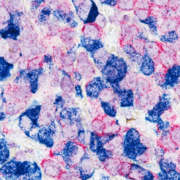
Abviris Deutschland, a biotech company, has received an injection of €2 million from existing investors to speed up expansion. The move comes after the publication of highly promising results for its pioneering immunoassay biomarker as an aid in the early diagnosis of head, neck and anogenital cancers caused by human papilloma viruses (HPV).

Read more
https://clinlabint.com/wp-content/uploads/sites/2/2021/07/Abviris.jpg 150 293 panglobal https://clinlabint.com/wp-content/uploads/sites/2/2020/06/clinlab-logo.png panglobal2021-07-07 13:57:082021-07-07 14:22:27Investors inject €2 million into Abviris to boost HPV cancer biomarker expansion
Chris Sale, CEO of Nonacus

Birmingham University, Nonacus partner to develop urine test for bladder cancer

, 2 July 2021/in E-News /by panglobal
Chris Sale, CEO of Nonacus

Chris Sale, CEO of Nonacus

Nonacus, a provider of genetic testing products for precision medicine and liquid biopsy, and the University of Birmingham have partnered to develop a non-invasive urine test for bladder cancer. The test, which is expected to be available by mid-2022, will use highly sensitive liquid biopsy technology developed by Nonacus, and a panel of biomarkers validated by Dr Rik Bryan and Dr Douglas Ward from the university’s Bladder Cancer Research Centre, to diagnose the disease from urine samples.

Chris Sale, CEO of Nonacus, commented: “We expect this partnership to deliver better care and outcomes for patients by reducing the number of invasive procedures, providing earlier diagnosis and speeding up access to treatment for people with bladder cancer.”

Haematuria

Bladder cancer is the seventh most common cancer in the developed world [1]. In the UK, over 100,000 people a year are referred to hospital clinics that investigate for bladder cancer, usually after passing blood in their urine (haematuria). The first stage of investigation is usually cystoscopy, which involves inserting a camera into the bladder. Of these 100,000 patients, around 12% are subsequently diagnosed with bladder cancer, normally after a second invasive procedure to extract a biopsy.

Dr Bryan, Director of the Bladder Cancer Research Centre, commented: “While blood visible in the urine should always be investigated, over 80% of people who have a cystoscopy at a haematuria clinic are diagnosed with non-malignant conditions or have no abnormality. Unfortunately, the remaining 20% will need a further invasive procedure to confirm diagnosis. What is required is a highly sensitive and specific, non-invasive test that can rapidly determine those who need a biopsy and those who do not, and a urine test is the obvious place to start.”

While the ‘liquid biopsy’ approach is attractive, the low levels of tumour DNA in a background of DNA from normal tissues requires highly sensitive analytical techniques to obtain accurate results. However, researchers at the University of Birmingham started their work in the knowledge that Nonacus had successfully pioneered commercial non-invasive prenatal tests to identify low-levels of foetal DNA in maternal blood samples. Moreover, the company was developing methods to allow confident and sensitive calling of mutations from as little as 10ng of DNA.

Deep sequencing of tumour DNA

The researchers used ‘deep sequencing’ of tumour DNA to identify mutations that are present in the majority of urothelial bladder cancers (UBCs). Their work, which was funded by Cancer Research UK and an MRC Confidence in Concept grant, involved sequencing 23 genes from tumour samples collected from 956 newly diagnosed, treatment-naïve patients. This deep sequencing of genes identified 451 unique mutations that were present in over 96% of tumours. The researchers also demonstrated that these mutations were identifiable in urine samples collected at the same time as tumour sampling [2].

As the researchers have shown, mutated DNA in a urine sample can be extracted from cancer cells shed into the urine from the lining of the urinary tract, or can be found as cell-free DNA fragments [2]. However, extracting DNA from the cancer cells provides more reliable amounts of DNA for the test, especially when only small volumes of urine may be available. Coupling the mutation panel with the unique molecular identifiers and the proprietary target capture technology provided by the Nonacus Cell3 Target™ will provide a much more sensitive test than the existing PCR-based approach. The researchers are already working on validating this combination in a further 600 cases (including non-cancer cases) and they expect to publish data on sensitivity and specificity within six months.

Nonacus intends to launch the new bladder cancer test within 12 months, and the final product will include access to bioinformatics software to help with analysis. The company expects the test will provide high sensitivity for all stages and grades of disease, and will ensure the test is available worldwide to laboratories, hospitals and clinics.

Influence of  mutations on cancer progression

Promisingly, the original research also determined the influence of the mutations on cancer progression, time to recurrence, and overall and disease-specific survival in patients with non-muscle-invasive bladder cancer (NMIBC), and disease-specific survival in patients with muscle-invasive bladder cancer (MIBC), raising the possibility that the test could be used to stratify patients according to risk.

Allen Knight, Chair of Trustees, Action Bladder Cancer UK, said: “This really is very exciting and has the potential to make an incredible difference for patients and for Bladder Cancer treatment. Currently urine tests do not accurately pick up bladder cancer, and invasive tests are required to confirm a diagnosis. A urine test that can rapidly determine who needs these tests will be a very welcome development. Many patients, myself included, find cystoscopies very uncomfortable at best, and they can have lasting side effects. This research could pave the way for routine screening, common in other cancers, but unavailable at present for Bladder Cancer.”

References

[1] Antoni, S. et al. Bladder cancer incidence and mortality: a global overview and recent trends. Eur Urol 2017; 71: 96–108.

[2] Bryan RT et al. Targeted deep sequencing of urothelial bladder cancers and associated urinary DNA: a 23 gene panel with utility for non-invasive diagnosis and risk stratification. BJU Int 2019: 124; 532-544.

https://clinlabint.com/wp-content/uploads/sites/2/2021/07/Chris-Sale_web.jpg 1113 863 panglobal https://clinlabint.com/wp-content/uploads/sites/2/2020/06/clinlab-logo.png panglobal2021-07-02 10:44:032021-07-02 10:44:03Birmingham University, Nonacus partner to develop urine test for bladder cancer
experiment web

Thermo Fisher Scientific, Advanced Electrophoresis Solutions agree to combine essential protein separation techniques with mass spectrometry

, 25 June 2021/in E-News /by panglobal

test tubes 904546 1280

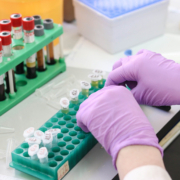
Thermo Fisher Scientific and Advanced Electrophoresis Solutions (AES), specialists in protein imaging technologies, have agreed to combine essential protein separation techniques with mass spectrometry (MS) to advance therapeutic protein development through streamlined characterization.

Together, the companies will promote Thermo Fisher’s expertise as a leading provider of mass spectrometry technology for biopharma and proteomics applications, and AES’ ability to provide high performing whole column imaging detection capillary electrophoresis systems for protein separation, quantification and characterization. The companies will highlight the strengths of their technologies when coupled for protein analysis to provide laboratories with new and advanced biopharmaceutical capabilities that will enable greater insight into results generated by Imaged Capillary Isoelectric Focusing (iCIEF) protein separation. This will be of particular benefit to scientists working in the areas of biopharma, clinical, food analysis and academia.

“Protein separation, purification and analysis are crucial components in biotherapeutic development, but the process can be complex and challenging,” said Eric Grumbach, director, pharma/biopharma, chromatography and mass spectrometry, Thermo Fisher Scientific. “While mass spectrometry does provide high-sensitivity and high-resolution protein mass information, there are cases where insight from a different angle is required. Through this agreement we will pair our technology with more widely used and essential separation tools previously not routinely coupled to MS to make protein variant identification easier and more accurate to advance high-quality information and scientific knowledge.”

Tiemin Huang, CEO, AES, said: “There is a growing demand for proteomics and protein characterization, driven by the rise of personalized medicine, so it’s important that the best combination of tools are available to progress our understanding and research in this important field. By working side-by-side with Thermo Fisher to combine high resolution accurate mass-mass spectrometry (HRAM-MS) with alternative protein separation techniques, we will support our customers to achieve more precise analyses that will play a significant role in the continued development of effective therapeutics.”

https://clinlabint.com/wp-content/uploads/sites/2/2021/06/experiment_web.jpg 1280 853 panglobal https://clinlabint.com/wp-content/uploads/sites/2/2020/06/clinlab-logo.png panglobal2021-06-25 12:50:362021-06-25 12:50:36Thermo Fisher Scientific, Advanced Electrophoresis Solutions agree to combine essential protein separation techniques with mass spectrometry
Selux bacteria

Selux Diagnostics receives additional $14.6 million in BARDA funding after successfully completing first clinical trial

, 25 June 2021/in E-News /by panglobal

Selux bacteria

Selux Diagnostics, which is leading a new era in personalized diagnostics to combat superbug infections and fight antibiotic resistance, has been awarded an additional $14.6 million in funding from the Biomedical Advanced Research and Development Authority (BARDA), part of Office of the Assistant Secretary for Preparedness and Response at the U.S. Department of Health and Human Services.

BARDA modified the cost sharing contract, raising the Government’s cost share of $45 million to a total level of $60.8 million if all options are exercised. This additional funding will allow Selux to continue implementing its microbiology roadmap and commercialize its Next Generation ‘Phenotyping’ (NGP) platform for rapid antimicrobial susceptibility testing (AST).

Selux received the latest round of funding after successfully achieving a key milestone: completion of its first clinical trial. The trial confirmed the platform’s ability to accurately provide rapid AST results from cultured isolates with a broad antibiotic menu all within the same shift – the patient’s most vulnerable window and critical period of infection. Selux will now submit the clinical trial results to the U.S. Food and Drug Administration (FDA), the next step in clearing the way for the commercialization of the innovative NGP platform.

Antibiotic resistance

“A global crisis of antibiotic resistance requires innovation to save lives, and we believe this next generation technology represents the future backbone of microbiology,” said Steve Lufkin, CEO of Selux. “Our plan is to build on the success of this first clinical study and turn our attention to the next phase of product development to speed the time to targeted antibiotic treatment further, preserving the lifesaving power of antibiotics for future generations.”

The Centers for Disease Control and Prevention calls antibiotic resistance one of the “biggest public health challenges of our time” – a growing problem that is not only deadly but extremely costly. According to a January report by the CDC and the University of Utah, multi-drug resistant pathogens are estimated to cost the U.S. more than $4.6 billion annually.

The proprietary Selux technology uniquely provides targeted therapy results days faster than the current standard of care providing actionable information to inform patient treatment for all Infectious Diseases. Selux’s NGP platform provides unprecedented speed-to-results and breadth of menu while meeting the accuracy, throughput, and cost effectiveness requirements of clinical microbiology laboratories and integrated healthcare systems.

The Selux platform is an investigational device, limited by U.S. federal law to investigational use.

https://clinlabint.com/wp-content/uploads/sites/2/2021/06/selux-bacteria.jpg 1134 1134 panglobal https://clinlabint.com/wp-content/uploads/sites/2/2020/06/clinlab-logo.png panglobal2021-06-25 12:39:362021-06-25 12:39:36Selux Diagnostics receives additional $14.6 million in BARDA funding after successfully completing first clinical trial
integra

INTEGRA Biosciences takes significant step towards sustainability

, 25 June 2021/in E-News /by panglobal

integra

INTEGRA Biosciences has made significant progress towards its goal of minimizing its ecological footprint with the installation of new photovoltaic systems at the company’s US facilities in Hudson, NH. These systems will provide 77 percent of the total energy requirement for both the company’s US headquarters and production centre, saving as much CO2 as 2900 cars or 2300 single-family homes produce in the USA each year.

INTEGRA first introduced photovoltaic systems at its global headquarters in Zizers, Switzerland, in 2019. Combined with extensive use of Swiss hydropower, this ensures that the Zizers site – including heating and cooling – is run entirely with renewable energy. Expanding this approach to its US facilities, INTEGRA has now completed the installation of almost 1500 panels with double-sided solar cells on the roofs of its two buildings in Hudson. Capable of producing 817,000 kWh per year, they are expected to produce more than 19 million kWh over their service life.

This latest step is part of the company’s overall commitment to sustainability, which also includes, promoting the recycling of single-use consumables, encouraging employees to use sustainable forms of transport wherever possible, and using sustainable energy supplies.

Ursula Leuthold, INTEGRA’s dedicated sustainability coordinator, commented: “We constantly review our processes to make them more environmentally friendly. By commissioning these new solar power systems in the USA, we have now reached our next important milestone towards sustainability.”

https://clinlabint.com/wp-content/uploads/sites/2/2021/06/integra-scaled.jpg 1440 2560 panglobal https://clinlabint.com/wp-content/uploads/sites/2/2020/06/clinlab-logo.png panglobal2021-06-25 12:32:542021-06-25 12:32:54INTEGRA Biosciences takes significant step towards sustainability
UvSmart 108 1

UV Smart aims to provide healthcare facilities all over the world with validated UV-C disinfection methods to ensure a safer environment for patients and healthcare professionals.

, 16 June 2021/in E-News, Product News /by panglobal

Disinfection with high-energy UV-C light has been proven safe and effective. UV Smart makes this technology easily applicable for the validated disinfection of medical instruments and equipment. The result: a safer environment for healthcare professionals and their patients.

Read more
https://clinlabint.com/wp-content/uploads/sites/2/2021/06/UvSmart-108-1.jpg 596 1060 panglobal https://clinlabint.com/wp-content/uploads/sites/2/2020/06/clinlab-logo.png panglobal2021-06-16 14:12:372021-06-17 08:34:30UV Smart aims to provide healthcare facilities all over the world with validated UV-C disinfection methods to ensure a safer environment for patients and healthcare professionals.
Page 67 of 227«‹6566676869›»
Bio-Rad - Preparing for a Stress-free QC Audit

Latest issue of Clinical laboratory

November 2025

CLi Cover nov 2025
13 November 2025

New Chromsystems Product for Antiepileptic Drugs Testing

11 November 2025

Trusted analytical solutions for reliable results

10 November 2025

Chromsystems | Therapeutic Drug Monitoring by LC-MS/MS

Digital edition
All articles Archived issues

Free subscription

View more product news

Get our e-alert

The leading international magazine for Clinical laboratory Equipment for everyone in the Vitro diagnostics

Sign up today
  • News
    • Featured Articles
    • Product News
    • E-News
  • Magazine
    • About us
    • Archived issues
    • Free subscriptions
    • Media kit
    • Submit Press Release
clinlab logo blackbg 1

Prins Hendrikstraat 1
5611HH Eindhoven
The Netherlands
info@clinlabint.com

PanGlobal Media is not responsible for any error or omission that might occur in the electronic display of product or company data.

Scroll to top

This site uses cookies. By continuing to browse the site, you are agreeing to our use of cookies.

Accept settingsHide notification onlyCookie settings

Cookie and Privacy Settings


How we use cookies

We may ask you to place cookies on your device. We use cookies to let us know when you visit our websites, how you interact with us, to enrich your user experience and to customise your relationship with our website.

Click on the different sections for more information. You can also change some of your preferences. Please note that blocking some types of cookies may affect your experience on our websites and the services we can provide.

Essential Website Cookies

These cookies are strictly necessary to provide you with services available through our website and to use some of its features.

Because these cookies are strictly necessary to provide the website, refusing them will affect the functioning of our site. You can always block or delete cookies by changing your browser settings and block all cookies on this website forcibly. But this will always ask you to accept/refuse cookies when you visit our site again.

We fully respect if you want to refuse cookies, but to avoid asking you each time again to kindly allow us to store a cookie for that purpose. You are always free to unsubscribe or other cookies to get a better experience. If you refuse cookies, we will delete all cookies set in our domain.

We provide you with a list of cookies stored on your computer in our domain, so that you can check what we have stored. For security reasons, we cannot display or modify cookies from other domains. You can check these in your browser's security settings.

.

Google Analytics Cookies

These cookies collect information that is used in aggregate form to help us understand how our website is used or how effective our marketing campaigns are, or to help us customise our website and application for you to improve your experience.

If you do not want us to track your visit to our site, you can disable this in your browser here:

.

Other external services

We also use various external services such as Google Webfonts, Google Maps and external video providers. Since these providers may collect personal data such as your IP address, you can block them here. Please note that this may significantly reduce the functionality and appearance of our site. Changes will only be effective once you reload the page

Google Webfont Settings:

Google Maps Settings:

Google reCaptcha settings:

Vimeo and Youtube videos embedding:

.

Privacy Beleid

U kunt meer lezen over onze cookies en privacy-instellingen op onze Privacybeleid-pagina.

Privacy policy
Accept settingsHide notification only

Subscribe now!

Become a reader.

Free subscription