



The digitalization of pathology is seen as a challenging but transformative process. It is one of the fastest growing areas in healthcare and Philips Digital Pathology Solutions is a pioneer and leader in this field.
The technique creates digitalized slides from patient samples, allowing pathologists to review and share clinical data within seconds.
Digital enhances overall pathology workflow and productivity, while additionally the use of image recognition and smart software will further help pathologists to work more efficiently. It also opens up professional opportunities, globally, for remote and collaborative working. Ultimately, it has the potential to enhance patient care.
European pathology innovators like Dr Ivo van den Berghe, director of surgical pathology at the AZ Sint-Jan Bruges Hospital, Belgium, were quick to seize the initiative, understanding that digital pathology would be an enabling technology: improving patient safety, removing subjectivity and leading to new diagnostic insights.
Fundamental impact on workflow
The Bruges laboratory has a high and often challenging workload, handling around 80,000 slides a year generated by around 17,500 clinical cases. For Dr van den Berghe, the deciding factors in favour of digitalizing pathology in the clinical setting are: exceptional image quality, accuracy, measurable standardization and turnaround time. He first anticipated its impact more than eight years ago, but it was not until he began actively collaborating with Philips that his vision came to fruition. “Image, speed, quality, magnification – with Philips, they have now reached a level where we can say yes – we are there.”
The opportunity for him to instigate a complete reappraisal of the laboratory’s processes, as well as reengineering the workflow, came in 2013 when the hospital’s pathology service moved into new premises. Since then, Dr van den Berghe has worked closely with the Philips lntelliSite Pathology Solution to introduce digital pathology into routine diagnosis. “Philips could see the bigger picture from the start – and together, we have fundamentally changed the way the histopathology lab works,” he explained.
“Until now, there has been no opportunity for objectivity; pathology was therefore more of an art rather than a science. Digital pathology enables the lab to replace the subjective nature of manual slide inspection under the microscope. It enhances clinical confidence in our histopathology findings by delivering the right result first time.”
Dr van den Berghe stressed: “For our partnership to succeed, it was not simply a question of upgrading the lab’s hardware and IT. Our lab required a partner who shared our vision and would be open-minded and adaptable in understanding our changing workflow requirements. It involved matching processes and people so that they could work effectively within a modern laboratory environment.”
Philips IntelliSite Pathology Solution is an automated digital pathology image creation, management and viewing system which combines an ultra-fast scanner and image management system with dedicated software tools. The aim is to facilitate the quality of diagnosis, with the potential to allow new therapies to be developed and ultimately enhance patient care. Already available in Europe, it recently became the first global digital pathology solution marketed for primary diagnostic use in the U.S.
Confidence in results interpretation
One of the most important requirements when deciding on a digital pathology solution is image quality. Dr van den Berghe explained: “If you don’t have the highest quality available, then you can’t work effectively. For something like a polyp biopsy or with chronic gastritis, that might be acceptable. However, when working with special stains, perhaps looking for mitotic figures, identifying an infiltrate or dealing with kidney tissue samples, you need the highest quality and magnification, and you need this upfront.”
Digital pathology delivers measurable levels of standardization which enhances overall quality and confidence in results. This is particularly important with the interpretation of immunohistochemistry stains. Being able to use the accuracy of whole slide imaging to determine the degree of positivity and whether to give chemotherapy or not to a patient could be very decisive in therapy. In lymphoma pathology, for instance, where typically there are numerous stains, digital pathology enables up to 10 slides to be opened in one screen so that the histopathologist can easily align them to compare different regions in the same lymph nodes. The same image can be reviewed remotely with peers.
Alongside quality, time is a critical factor. “From the moment a biopsy is taken from a patient, the clock starts ticking,” Dr van den Berghe added: “Our task is to have a turnaround time (TAT), from the biopsy to the validated report, which is as short as possible. So, the performance of the whole slide image (WSI) scanner is of equal importance. It is no use having a high quality image if you have to wait a day to see one whole slide – that won’t work.”
Scan quality, speed and performance
Delays in scanning times can also be avoided by standardizing the workflow, and reducing the need to rescan by ensuring accuracy, so that each scan is right the first time. As part of their digital pathology review process, the lab evaluated several different scanners alongside the Philips system; and identified significant discrepancies in workflow performance which could also affect TAT. If a slide’s image scan is rejected for any reason, some scanners stop operating without manual intervention, preventing further whole slide images being created and holding up workflow.
“Our scanners run overnight, so we cannot risk leaving the department and have a problem then developing which stops the scanner and the next day we arrive to find there are no slides,” said Dr van den Berghe. “With the Philips scanner, the system simply carries on.”
If the quality of one slide is flagged up for any reason, the Ultra Fast Scanner (UFS) maintains continuous production without stopping, which helps streamline overnight operation. It does not require manual corrections or rescans that may interrupt the workflow or delay a pathologist from reviewing cases. Further, it can scan one slide of 15 x 15mm tissue) within 60 seconds including the total handling time. The ease of use of the Philips scanner also helps to streamline workflow. “Very easy to use, open door, load the slides, close the door, and start – that is what a whole slide scanner should do, while delivering the highest quality and throughput possible,” he added.
Long term storage was one of the first lab processes to benefit from digitalization. The lab stores around 200,000 slides each year and ‘increased traceability and faster access without mix-ups’ has had a huge impact on overall productivity and time management. It was also helpful in enlisting staff support as the changes were implemented. “The time-saving benefits of digitalization make work less stressful for the lab technicians and there is more balance in their job, “explained Dr van den Berghe.
“As well as relying on automated traceability for stored slides, they no longer have to spend time sorting out slides by case number and by pathologist, just put the slides into the racks and load into the scanner. Our LIS automatically assigned the slides to the appropriate or subspecialist pathologist.”
Enhances multi-disciplinary collaboration
Referring to histopathology colleagues, Dr van den Berghe believes that whole slide imaging will ‘revitalize the profession’, boosting global collaboration and enhancing their diagnostic reputation. He already sees greater collaboration in the multi-disciplinary consultation meetings within the hospital, where colleagues, wherever they are based, can simply log into the system and review all the relevant patient slides. The next step will be to expand their digital platform consultancy so that the lab can add as many hospitals as possible into their consulting network, both national and international.
“I anticipate that the use of digital pathology in difficult and diagnostically rare diseases will lead to centralization of expertise through our consultancy platform, enhancing expert diagnosis. And this, at the end, will lead to the best patient care,” he confirmed.
When slides are digitized, he says, true collaboration is possible. “This is the power of digital slides. We can manage workflow and streamline everything in terms of image management, image sharing, and image analysis—simply not possible with the microscope and glass slides.”
Dr van den Berghe believes that digitalizing pathology and the resulting standardization of results will lead to more consistent, overall quality. For example, a lab can set its own parameter for an acceptable quality threshold and create a specific rule for image quality. “Any image that does not meet that predetermined measure will then automatically fail.”
New parameters for quality
However, he accepts that setting new objective parameters for quality control will have an impact on existing lab protocols, especially where decision making is still subjective. He draws specific attention to Hematoxylin & Eosin (H&E) slides and the use of their colour containers. In most labs, these are still used until someone subjectively decides that quality has started to decline. “Requiring good quality here is paramount to being confident in the results and making a positive contribution to improving outcomes. With digital pathology we need to actively discourage this subjective process,” stressed Dr van den Berghe.
Pathology plays a pivotal role in the diagnosis of disease, as well as determining and monitoring treatment. However, the need to master the manual technique of the microscope has increasingly been seen as old-fashioned and many believe it deters the next generation of recruits into the profession. “Digitizing pathology will end their reluctance,” predicts Dr van den Berghe.
When he started his journey eight years ago, he recognized that whole slide imaging could only reach its potential as part of a fully digitalized pathology workflow. Philips has created such a solution with IntelliSite. The company predicts that the digitalization of pathology will open up the sharing of clinical information with pathologists in the lab or working remotely, helping to build global networks of expertise. While their solution helps the lab satisfy demand for increased productivity, it is ultimately the patient who benefits – with faster diagnosis and enhanced outcomes.
The author
Ivo van den Berghe, MD,
Director of surgical pathology
AZ Sint-Jan Bruges Hospital, Belgium


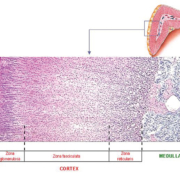
by Dr Petraki Munujos The detection of anti-adrenal cortex antibodies, also known as 21-hydroxylase or 21-OH antibodies, is an aid in the diagnosis and treatment of autoimmune adrenalitis. Far from being outdated, indirect immunofluorescence is a major analytical procedure used in the autoimmune laboratory for the measurement of these autoantibodies. Several techniques can be currently […]

Stroke biomarkers provide much insight into stroke biology that could be translated for patient benefit. When carefully harnessed, these biomarkers could guide decision-making in challenging clinical scenarios. This article offers an overview on current notable brain biomarkers that could aid clinicians in acute stroke management.
by Geelyn J.L. Ng and Dr Raymond C.S. Seet
Introduction
Stroke is a leading cause of permanent disability and the second most important cause of death globally [1]. Against a backdrop of a rapidly ageing society, there are concerns that a silent epidemic of stroke looms over our population.
Ischemic stroke, a subset that affects 87% of stroke population, results from atherosclerosis that affects predominantly the cerebral vasculature. Atherosclerosis of the blood vessels can lead to a cessation or depletion of blood flow to the brain, triggering cerebral ischemia when brain tissues are no longer viable. Blood clots can also be formed in blood vessels and in the heart, subsequently dislodging into the brain (‘embolic stroke’). Presently, there are only two clinically adopted methods of acute reperfusion treatment – intravenous recombinant tissue plasminogen activator (TPA) [2] and endovascular treatment through device-driven retrieval or aspiration of blood clots [3]. Although good functional recovery is five times more likely to occur with early reperfusion [3], the use of acute reperfusion treatment is restricted to a small group of patients where the benefits of treatment are weighed against the persisting risk of hemorrhagic transformation [4].
Sieving out stroke patients who are at risk of recurrent attacks is the first step to enable accurate triaging of patients to specialized units for in-depth observation and individualized treatment for complications arising from stroke. Presently, such identification is highly reliant on a clinician’s intuition and knowledge of neurologic deficits, as well as neuroimaging results. Tapping into the use of cerebral ischemia biomarkers could shed light on the complex pathological consequences following ischemic stroke and bring forth an unbiased system to weigh risks and benefits of treatments for clinicians and researchers alike.
Biomarkers are biological indicators of physiology that are objectively measured for use in risk stratification and development of therapeutic strategies. Having high sensitivity and specificity for the outcome it is expected to diagnose is generally a trait of a good biomarker, especially when targeting a complex and heterogenous disease such as stroke. Using a multi-biomarker platform could aim at different pathways of this multifaceted disease, thereby allowing for a more comprehensive treatment. Due to the presence of the blood-brain barrier (BBB) that holds a tight control over the inflow and outflow of particles, human brain tissues are typically difficult to access, making it impracticable to measure a biomarker within the brain. During cerebral ischemia, the BBB is broken down, causing brain-derived biomarkers to be released into the blood circulation, making it possible for a closer examination of the pathologic processes that take place following stroke onset. Although many biomarkers exist that could aid in stroke research, we have previously focused on notable blood-based stroke biomarkers that may play a bigger part in supporting the difficult clinical decision-making process [5]. This article will be providing an overview of several well-researched blood-based biomarkers, with much potential in aiding the clinical assessment of stroke patients.
Stroke biomarkers in the clinical scene
Studies in ischemic stroke have investigated the usefulness of blood-based biomarkers in identifying stroke mimics, establishing stroke etiology and prognosticating stroke severity and outcomes, such as vascular events and functional recovery [6, 7]. Presently, use of biomarkers in routine clinical practice remains uncommon, as stroke severity is still determined mainly through a thorough clinical neurological assessment and subjective interpretation of neuroimaging findings by a skilled physician. Nevertheless, having an objective means to prognosticate an outcome via a blood sample retrieved from a patient upon stroke presentation could add value to clinical decision-making, especially during times when neuroimaging results and clinical interpretations are unable to yield conclusive results. As stroke is a heterogeneous condition, investigating biomarkers that target different stroke pathways could be promising in establishing a multi-biomarker platform, especially for outcomes such as hemorrhagic transformation (HT), early neurologic deterioration (END) and malignant cerebral infarction.
Matrix metalloproteinase-9
Although administrating TPA could potentially achieve the benefit of arterial recanalization, the risk of symptomatic intracranial secondary hemorrhage within the infarcted brain tissues must not be forgotten. Matrix metalloproteinase-9 (MMP-9) is an enzyme that degrades the basal lamina and breaks down the extracellular matrix when activated during TPA treatment. The function of the BBB is crippled in this process and an inflammatory cascade is initiated, resulting in edema and the dreaded HT [8]. Apart from its involvement in HT, MMP-9 could also be used to identify high-risk END patients and plays a part in malignant cerebral infarction.
C-reactive protein
C-reactive protein (CRP) is a sensitive systemic marker of inflammation and a well-researched biomarker of ischemic stroke found in the blood plasma. CRP has been associated with END and noted to be predictive of adverse outcome, where ischemic stroke patients with higher CRP levels tend to suffer from a significantly worse outcome and mortality [9, 10].
S100β
S100β is a biomarker of ischemic stroke expressed by neuronal cells that can be released into the bloodstream when the BBB is compromised. Its concentration needs to be carefully balanced, as it may be protective in low concentrations, but at high levels has been shown to predict cerebral malignant infarction and correlate with infarct size [11, 12]. However, trial data on the use of biomarkers to guide clinical decisions leading to early decompressive surgery are currently lacking. Several studies have also uncovered an increase in S100β in ischemic stroke patients who present 1 to 7 days from symptom onset [13, 14]. In acute stroke patients, elevated S100β serum levels before thrombolytic therapy have also been demonstrated as a risk factor for HT [15].
N-terminal pro-brain natriuretic peptide
The brain natriuretic peptide (BNP) and its precursor, N-terminal proBNP (NT-proBNP), have been extensively studied as useful biomarkers for the prognosis and diagnosis of heart failure [16]. In recent years, BNP is gradually gaining recognition as a marker of atrial fibrillation (AF) and, therefore, as a biomarker to diagnose and predict stroke of cardioembolic origin [17, 18]. Plasma BNP levels have also been demonstrated to have significant correlations with infarct volume and National Institutes of Health stroke scale (NIHSS), making it a potentially powerful clinical biomarker for acute ischemic stroke [19].
Uric acid
Although uric acid has been adopted clinically for metabolic diseases, it is slowly garnering interest in the field of cardiovascular diseases due to its antioxidant properties. Despite data to suggest a strong association between uric acid levels and positive stroke outcomes [20, 21], several studies have observed an adverse relationship where higher uric acid levels were found to predict poor functional outcome and increased mortality [22, 23]. This disparity could highlight a dual role of uric acid in stroke, where both high and low levels of uric acid could adversely affect stroke outcomes [24]. Much remains to be explored for this biomarker before it could be roled out for use in stroke prognosis or diagnosis.
F2-isoprostanes
The product of arachidonic acid peroxidation generated by free radicals, F2-isoprostanes is well-established as a reliable biomarker for oxidative damage. Even though stroke is widely known as partly the result of oxidative damage, the relationship between F2-isoprostanes and human stroke remains poorly understood. Studies have demonstrated its importance in ischemic stroke as elevated levels of F2-isoprostanes could be observed in patients during the early course of stroke onset, with one even as early as three hours after [25–27].
Conclusion
Cerebral ischemia biomarkers have the potential to bridge translational gaps in medicine by shedding light on the pathological events leading to cerebral infarction and the ischemic cascade, aiding in clinical assessment during the critical time-sensitive decision-making process. Results in this area are still emerging, and more efforts could focus on ensuring the feasibility of incorporating stroke biomarkers for patient benefit. The translation of stroke biomarkers to clinical practice is challenging but can be extremely rewarding, especially when such concerted efforts of researchers, clinicians, industry partners and regulatory authorities result in a positive outcome for stroke patients.
Acknowledgements
We would like to thank the National Medical Research Council, Singapore (NMRC/CSA-SI/0003/2015, NMRC/CNIG/1115/2014 and NMRC/MOHIAFCat1/0015/2014) for their generous support.
References
1. GBD 2015 Mortality and Causes of Death Collaborators. Global, regional, and national life expectancy, all-cause mortality, and cause-specific mortality for 249 causes of death, 1980-2015: a systematic analysis for the Global Burden of Disease Study 2015. Lancet 2016; 388(10053): 1459–1544.
2. NINDS rt-PA Stroke Study Group. Tissue plasminogen activator for acute ischemic stroke. N Engl J Med 1995; 333(24): 1581–1587.
3. Powers WJ, Derdeyn CP, Biller J, Coffey CS, Hoh BL, Jauch EC, et al. 2015 American Heart Association/American Stroke Association focused update of the 2013 guidelines for the early management of patients with acute ischemic stroke regarding endovascular treatment: a guideline for healthcare professionals from the American Heart Association/American Stroke Association. Stroke 2015; 46(10): 3020–3035.
4. Seet RC, Rabinstein AA. Symptomatic intracranial hemorrhage following intravenous thrombolysis for acute ischemic stroke: a critical review of case definitions. Cerebrovasc Dis 2012; 34(2): 106–114.
5. Ng GJL, Quek AML, Cheung C, Arumugam TV, Seet RCS. Stroke biomarkers in clinical practice: a critical appraisal. Neurochem Int 2017; 107: 11–22.
6. Bustamante A, López-Cancio E, Pich S, Penalba A, Giralt D, García-Berrocoso T, et al. Blood biomarkers for the early diagnosis of stroke: The Stroke-Chip Study. Stroke 2017; 48(9): 2419–2425.
7. Whiteley W, Chong WL, Sengupta A, Sandercock P. Blood markers for the prognosis of ischemic stroke: a systematic review. Stroke 2009; 40(5): e380–389.
8. Barr TL, Latour LL, Lee KY, Schaewe TJ, Luby M, Chang GS, et al. Blood-brain barrier disruption in humans is independently associated with increased matrix metalloproteinase-9. Stroke 2010; 41(3): e123–128.
9. Muir KW, Weir CJ, Alwan W, Squire IB, Lees KR. C-reactive protein and outcome after ischemic stroke. Stroke 1999; 30(5): 981–985.
10. Idicula TT, Brogger J, Naess H, Waje-Andreassen U, Thomassen L. Admission C-reactive protein after acute ischemic stroke is associated with stroke severity and mortality: the ‘Bergen stroke study’. BMC Neurol 2009; 9: 18.
11. Vahedi K, Hofmeijer J, Juettler E, Vicaut E, George B, Algra A, et al. Early decompressive surgery in malignant infarction of the middle cerebral artery: a pooled analysis of three randomised controlled trials. Lancet Neurol 2007; 6(3): 215–222.
12. Abraha HD, Butterworth RJ, Bath PM, Wassif WS, Garthwaite J, Sherwood RA. Serum S-100 protein, relationship to clinical outcome in acute stroke. Ann Clin Biochem 1997; 34(Pt4): 366–370.
13. Aurell A, Rosengren LE, Karlsson B, Olsson JE, Zbornikova V, Haglid KG. Determination of S-100 and glial fibrillary acidic protein concentrations in cerebrospinal fluid after brain infarction. Stroke 1991; 22(10): 1254–1258.
14. Buttner T, Weyers S, Postert T, Sprengelmeyer R, Kuhn W. S-100 protein: serum marker of focal brain damage after ischemic territorial MCA infarction. Stroke 1997; 28(10): 1961–1965.
15. Foerch C, Wunderlich MT, Dvorak F, Humpich M, Kahles T, Goertler M, et al. Elevated serum S100B levels indicate a higher risk of hemorrhagic transformation after thrombolytic therapy in acute stroke. Stroke 2007; 38(9): 2491–2495.
16. Yancy CW, Jessup M, Bozkurt B, Butler J, Casey DE, Drazner MH, et al. 2013 ACCF/AHA Guideline for the management of heart failure: A report of the American College of Cardiology Foundation/American Heart Association Task Force on practice guidelines. Circulation 2013; 128(16): e240–327.
17. Naya T, Yukiiri K, Hosomi N, Takahashi T, Ohkita H, Mukai M, et al. Brain natriuretic peptide as a surrogate marker for cardioembolic stroke with paroxysmal atrial fibrillation. Cerebrovasc Dis 2008; 26(4): 434–440.
18. Fonseca AC, Matias JS, Pinho e Melo T, Falcao F, Canhao P, Ferro JM. N-terminal probrain natriuretic peptide as a biomarker of cardioembolic stroke. Int J Stroke 2011; 6(5): 398–403.
19. Tomita H, Metoki N, Saitoh G, Ashitate T, Echizen T, Katoh C, et al. Elevated plasma brain natriuretic peptide levels independent of heart disease in acute ischemic stroke: correlation with stroke severity. Hypertens Res 2008; 31(9): 1695–1702.
20. Amaro S, Urra X, Gomez-Choco M, Obach V, Cervera A, Vargas M, et al. Uric acid levels are relevant in patients with stroke treated with thrombolysis. Stroke 2011; 42(1 Suppl): S28–32.
21. Chamorro A, Obach V, Cervera A, Revilla M, Deulofeu R, Aponte JH. Prognostic significance of uric acid serum concentration in patients with acute ischemic stroke. Stroke 2002; 33(4): 1048–1052.
22. Weir CJ, Muir SW, Walters MR, Lees KR. Serum urate as an independent predictor of poor outcome and future vascular events after acute stroke. Stroke 2003; 34(8): 1951–1956.
23. Karagiannis A, Mikhailidis DP, Tziomalos K, Sileli M, Savvatianos S, Kakafika A, et al. Serum uric acid as an independent predictor of early death after acute stroke. Circ J 2007; 71(7): 1120–1127.
24. Seet RC, Kasiman K, Gruber J, Tang SY, Wong MC, Chang HM, et al. Is uric acid protective or deleterious in acute ischemic stroke? A prospective cohort study. Atherosclerosis 2010; 209(1): 215–219.
25. Sanchez-Moreno C, Dashe JF, Scott T, Thaler D, Folstein MF, Martin A. Decreased levels of plasma vitamin C and increased concentrations of inflammatory and oxidative stress markers after stroke. Stroke 2004; 35(1): 163–168.
26. Ward NC, Croft KD, Blacker D, Hankey GJ, Barden A, Mori TA, et al. Cytochrome P450 metabolites of arachidonic acid are elevated in stroke patients compared with healthy controls. Clin Sci (Lond) 2011; 121(11): 501–507.
27. Seet RC, Lee CY, Chan BP, Sharma VK, Teoh HL, Venketasubramanian N, et al. Oxidative damage in ischemic stroke revealed using multiple biomarkers. Stroke 2011; 42(8): 2326–2329.
The authors
Geelyn J.L. Ng1,2 BSc, Raymond C.S. Seet*1,2 MBBS, MRCP (UK), MMed (Int Med), FRCP (UK)
1Department of Medicine, Yong Loo Lin School of Medicine, National University of Singapore, Singapore
2Division of Neurology, Department of Medicine, National
University Health System, Singapore
*Corresponding author
E-mail: raymond_seet@nuhs.edu.sg


The need to differentiate patients with advanced liver disease from those with earlier stage, or more benign diseases for optimal management and allocation of resources is an ever present challenge. In this article we discuss our experiences of using the aspartate transaminase (AST) : alanine transaminase (ALT) ratio as part of a pathway to screen patients for referral to secondary care.
by Dr Raphael Buttigieg and Dr Sara Jenks
Introduction
Deaths from liver disease in Scotland are on the increase [1]. More often than not patients are picked up at a late stage of their disease with significant fibrosis and/or cirrhosis already present. As a result there is a need to try to identify patients with progressive disease earlier on in the course of their illness.
Abnormal liver function tests (LFTs) are frequently picked up on general screening blood samples done in primary care. The degree of abnormality correlates poorly with the extent of liver disease. The gold standard test for liver disease diagnosis and staging is considered to be a liver biopsy; however, there are many other considerations to this invasive procedure including clinical risk, technical ability of person doing the biopsy, inter-pathologist variation in scoring and others. These limitations have led to the development of non-invasive methods for the assessment of liver fibrosis. Although there have been suggestions by different groups regarding the appropriate use of non-invasive fibrosis scoring systems, no one guideline is currently in use.
Non-invasive methods rely on two different approaches [2]:
(a) A biomarker-based approach using serum samples. Advantages are their high applicability (>95%) and good inter-laboratory reproducibility.
(b) A physical approach based on the measurement of liver stiffness. Liver stiffness corresponds to an intrinsic physical property of liver parenchyma. Physical approaches include transient elastography such as FibroScan® and MR elastography.
Because of noted variations in care, as well as to ensure appropriate referrals, NHS Lothian made a guideline for GPs in 2013. At the time, based on the best available clinical evidence, the aspartate transaminase (AST) : alanine transaminase (ALT) ratio was chosen as a scoring system to guide referrals, which was developed in recognition that as liver fibrosis develops, the normal ratio tends to reverse. An abnormal AST:ALT ratio can, thus, be used to pick up patients who should be referred to secondary care for further investigation, as well as closer monitoring and treatment.
However, other biomarker-based fibrosis risk scores have also been developed [2], which have been used for this purpose including the Fibrosis-4 (FIB-4) [3], NAFLD (non-alcoholic fatty liver disease) fibrosis score, and APRI (AST to platelet ratio index), which may have a better performance than the AST:ALT ratio [4]. Each of these has been validated for different liver diseases – and in many cases different cut-off points are recommended for diagnosis of advancing fibrosis based on the likely primary pathology involved in the individual patient. For example, alcohol use in itself will raise the AST and, thus, the same AST:ALT ratio is likely to indicate more advanced fibrosis in someone with HCV-related liver disease than in alcoholic liver disease with ongoing ethanol excess. This adds to the complexity of using any one score in a guideline to ensure the right balance between sensitivity and specificity.
A final consideration to note is that specifically for NAFLD/non-alcoholic steatohepatitis (NASH), the continued development of pharmaceuticals for the prevention of disease progression means that, once again, the threshold for diagnosis may need to change as therapies to target earlier stages become available [5].
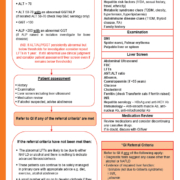
This article will discuss our guideline (Fig. 1) and conclusions drawn from an audit of its use.
Method
A list of all the requests for a AST:ALT ratio in a 6-month period in NHS Lothian was obtained from laboratory records – in terms of date of request, patient name and CHI number (unique patient identifier) (n=874). These records were encoded into a spreadsheet and a plan for analysis made.
Following this, various data were audited retrospectively from the patient electronic record. Individual notes and files were not used because of the logistical difficulty in analysing large numbers of case notes.
Of the total number of ratios (n=874) requested in the 6-month period, 49 were elevated at >1.0 and 295 were normal at ≤1.0; 530 ratio requests were cancelled due to ALT being within the reference range.
Results
The various aspects of the referral process from primary to secondary care were audited with the following aims.
1. To identify all the abnormal ratios in a 6-month period (n=49) (Table 1).
2. To identify all the ratios in the same 6-month period that were in the range 0.8–1.0 (n=53) (Table 2).
This was carried out to assess whether there should be concern about the ratio producing false negative results, and how useful it was to actually exclude liver disease. We thus audited all patients with a borderline ratio of 0.8–1.0.
Additionally, we asked if the FIB-4 score or APRI score was used, would this have affected referral?
3. To identify the first 50 individuals in a 6-month period tested with an ALT level of 40–49 on whom the AST:ALT ratio had been cancelled (n=50) (Table 3).
Although an upper limit of 50 is taken for the normal range of ALT, there is evidence that even at levels below this a certain amount of liver inflammation is present, and, thus, different health boards use other values – such as an upper limit of normal of 40.
This last part of the project set out to identify people with a borderline abnormal ALT of 40–49, and assess whether using different scores – such as the FIB-4 or APRI scores would potentially label these individuals as having liver disease and needing to be referred
Limitations of our study
Most of these patients had a very short-term follow-up, which in many cases did not allow proper determination of their disease severity, as well as assessment of long-term mortality/morbidity risk using different scoring systems.
Secondly, we were unable to compare scores to a gold standard as in many cases a liver biopsy had not been carried out. Transient elastography and hyaluronic acid testing had been carried out in a selection of patients which allowed further characterization of fibrosis staging; however, it is appreciated that neither of these are the gold standard.
Conclusions and considerations
The AST:ALT ratio is a good test for assessing whether people should be referred to secondary care or not. This conclusion is based on the fact that many patients who were referred with a positive ratio were seen in secondary care and kept under review. However, better tests are needed to further assess their stage of disease, ideally non-invasively.
The FIB-4 (possibly in association with further tests below) may be a more sensitive/specific score to be used in diagnosing patients; however, cut-off points would need to be determined to guide the most effective use of available resources in primary and secondary care. As can be seen in the second group FIB-4 and the APRI were raised in patients which would not have been picked up by the AST:ALT ratio, which thus increases pick-up. Another consideration is, as previously mentioned, that the AST:ALT ratio tends to be raised in patients drinking excessive ethanol, even if their disease is not very advanced. Since in our cohort alcohol use was very prevalent, other scores may possibly be better suited.
The plan from now is to adopt a pathway of cascading lab tests based on patients’ alcohol consumption, BMI/metabolic syndrome markers, LFT results and automatic scoring with interpretation will be issued to GPs. Also possible is further testing – either in the community or in secondary care to further guide patients in different scoring groups – including either transient elastography (FibroScan), or further biochemical testing. NHS Lothian currently uses hyaluronic acid, and this may be a way of further classifying/evaluating people in ‘intermediate’ categories. The elastography (FibroScan) test could be another option and this is the current recommendation in the current NICE guidelines.
For any further information please feel free to contact the authors:
Raphael Buttigieg: ST3 Chemical Pathology and Metabolic Medicine, NHS Greater Glasgow and Clyde, UK; raphael.buttigieg@nhs.net.
Sara Jenks: Consultant in Chemical Pathology and Metabolic Medicine, NHS Lothian, Edinburgh, UK; sjenks@nhs.net.
References
1. Gray L, Leyland AH. Alcohol. The Scottish Health Survey 2014: Volume 1: Main report (http://www.gov.scot/Publications/2015/09/6648/318753)
2. European Association for Study of Liver. EASL-ALEH Clinical Practice Guidelines: Non-invasive tests for evaluation of liver disease severity and prognosis. J Hepatol 2015; 63(1): 237.
3. McPherson S, Anstee QM, Henderson E, Day CP, Burt AD. Are simple noninvasive scoring systems for fibrosis reliable in patients with NAFLD and normal ALT levels? Eur J Gastroenterol Hepatol 2013; 25(6): 652–658.
4. Parkes J, Guha IN, Harris S, Rosenberg WM, Roderick PJ. Systematic review of the diagnostic performance of serum markers of liver fibrosis in alcoholic liver disease. Comp Hepatol 2012; 11(1): 5.
5. Dyson JK, Anstee QM, McPherson S. Non-alcoholic fatty liver disease: a practical approach to diagnosis and staging. Frontline gastroenterology 2014; 5(3):211–218.
The authors
Raphael Buttigieg*1 Sara Jenks2
1Department of Clinical biochemistry, Glasgow Royal Infirmary, NHS Greater Glasgow and Clyde, UK
2Department of Clinical biochemistry, NHS Lothian, Royal Infirmary of Edinburgh, Edinburgh, UK
*Corresponding author
E-mail: raphael.buttigieg@nhs.net
May 2026


Prins Hendrikstraat 1
5611HH Eindhoven
The Netherlands
info@clinlabint.com
PanGlobal Media is not responsible for any error or omission that might occur in the electronic display of product or company data.