• News
    • Featured Articles
    • Product News
    • E-News
  • Magazine
    • About us
    • Digital edition
    • Archived issues
    • Free subscriptions
    • Media kit
    • Submit Press Release
  • White Papers
  • Events
  • Suppliers
  • E-Alert
  • Contact us
  • FREE newsletter subscription
  • Search
  • Menu Menu
Clinical Laboratory int.
  • Allergies
  • Cardiac
  • Gastrointestinal
  • Hematology
  • Microbiology
  • Microscopy & Imaging
  • Molecular Diagnostics
  • Pathology & Histology
  • Protein Analysis
  • Rapid Tests
  • Therapeutic Drug Monitoring
  • Tumour Markers
  • Urine Analysis

Archive for category: Featured Articles

Featured Articles

p28 02

Assessment of tumour markers on the Maglumi 2000 Chemiluminescence Immunoassay System

, 26 August 2020/in Featured Articles /by 3wmedia

Tumour markers have been widely used in clinical settings for early cancer detection, diagnosis, prognosis and recurrence surveillance. Due to the growing usage, it is of vital importance to assess the performance of common tumour markers on in-vitro diagnosis instruments. In this study, the most commonly used tumour markers have been selected to evaluate the performance of the SNIBE Maglumi 2000  chemiluminescence immunoassay system by comparing with our reference methods.

by Dr Xiao Hu, Dr Sheng Kang, Zhiyun Duan and Professor Guichen Zhang

Background
Tumour markers are substances that rise abnormally in the body when cancer is present. They are useful indicators for cancer risk determination, screening, diagnosis, prognosis, post-treatment surveillance and recurrence monitoring [1]. Alpha-fetoprotein (AFP) is a well established marker in liver cancer diagnosis and post-treatment monitoring [2]. Another well studied tumour marker, prostate-specific antigen (PSA), is recommended for the screening of prostate cancer with men over 50 years old [3]. Carcinoembryonic antigen (CEA) is particularly used as a tumour marker for bowel cancer. It measures the response to treatment and monitors whether the disease has revisited [4]. Elevated serum ferritin has been found in patients with pancreatic cancer, breast cancer, colon cancer, non small cell lung cancer, hepatocellular carcinoma and Hodgkin’s lymphoma [5]. Cancer antigen 125 (CA 125) is a marker commonly used for following up patients with ovarian cancer after treatment [6], while cancer antigen 15-3 (CA 15-3) is widely used for breast cancer management [7]. Cancer antigen 19-9 (CA 19-9) is the best validated marker for pancreatic cancer post-treatment evaluation [8]. Cytokeratin 19 fragment (CYFRA 21-1) and squamous cell carcinoma antigen (SCCA) are useful markers for lung cancer diagnosis in combination with other markers [9] [10]. This study has evaluated the performance of ten tumour markers on the SNIBE Maglumi 2000 chemiluminescence immunoassay system.

Precision
According to the principle and method of the CLSI EP5-A2 guideline [11], we made some adjustments to evaluate the precision of ten tumour markers. Intra-assay precision was evaluated on three different levels of serum samples. Each sample was repeatedly measured for 20 times in the same run to calculate the coefficient of variation (CV%). Inter-assay precision was assessed by repeatedly measuring three different levels of samples for 10 days with the same batch of kit. Samples were run in duplicates, two runs per day with at least 3 hours time interval to calculate the coefficient of variation. The results are displayed as mean value and CV%. Table 1 lists the precision results of ten tumour markers. The CVs of the intra- and inter-assays were less than 4.12% and 6.67% respectively (Table 1).

Method comparison
Serum samples from patients with benign diseases to various cancers were offered by the clinical laboratory of our hospital. The patient names were coded with confidentiality. The samples were measured by our reference system and the SNIBE Maglumi 2000 system to form correlation dot plots. Concordance between SNIBE Maglumi 2000 and reference systems for each tumour marker was analysed. For each tested marker, the number of serum samples is ranged from 166 to 460.

By comparing with our reference methods, good correlations were shown between the SNIBE Maglumi 2000 and the ROCHE Cobas e601 or the ABBOTT Architect i2000. The slopes for all markers were between 0.853 and 1.361 while the intercepts ranges from -2.515 to +5.138 (Figure 1A-J). Total PSA has the highest correlation between the SNIBE Maglumi 2000 and the ROCHE Cobas e601 while the lowest relevance (R2=0.981) was seen in CA 19-9 between the SNIBE Maglumi 2000 and the ROCHE Cobas e601 (Figure 1). The total coincidence rate is between 93.7% (Figure 1I) and 99.6% (Figure 1B).

Conclusion
In this study, we have evaluated the performance of the SNIBE Maglumi 2000 chemiluminescence immunoassay system via ten tumour markers. The intra-assay precision and inter-assay precision for all markers examined here are highly acceptable. By comparing with our reference methods, a high correlation has been shown for all markers tested with the SNIBE Maglumi 2000 system. The total coincidence rate is within the acceptable range for all markers examined. To conclude, the SNIBE Maglumi 2000 system is reliable for the measurement of tumour markers in clinical use.

References
1. Sturgeon CM, Hoffman BR, Chan DW, et al. National academy of clinical biochemistry laboratory medicine practice guidelines for use of tumour markers in clinical practice: Quality requirements. Clin Chem. 2008; 54 (8): e1-e10.
2. Manini MA, Sangiovanni A, Fornari F, et al. Clinical and economical impact of 2010 AASLD guidelines for the diagnosis of hepatocellular carcinoma. J Hepatol. 2014; 60 (5): p995-1001.
3. Qaseem A, Barry MJ, Denberg TD, et al. Screening for prostate cancer: a guidance statement from the clinical guidelines committee of the American College of Physicians. Ann Intern Med. 2013; 158 (10): 761-769.
4. Labianca R, Nordlinger B, Beretta GD, et al. Primary colon cancer: ESMO Clinical Practice Guidelines for diagnosis, adjuvant treatment and follow-up. Ann Oncol. 2010; 21 (S5): v70-v77.
5. Alkhateeb AA, Connor JR. The significance of ferritin in cancer: Anti-oxidation, inflammation and tumorigenesis. BBA. 2013; 1836 (2): 245-254.
6. Forstner R, Sala E, Kinkel K, et al. ESUR guidelines: ovarian cancer staging and follow-up. Eur Radiol. 2010; 20: 2773-2780.
7. Sandri MT, Salvatici M, Botteri E, et al. Prognostic role of CA15.3 in 7942 patients with operable breast cancer. Breast Cancer Res Treat. 2012; 132:317–326.
8. Duffy MJ, Sturgeon C, Lamerz R, et al. Tumor markers in pancreatic cancer: a European Group on Tumor Markers (EGTM) status report. Ann Oncol. 2010; 21: 441-447.
9. Molina R, Auge JM, Escudero JM, et al. Mucins CA 125, CA 19.9, CA 15.3 and TAG-72.3 as tumour markers in patients with lung cancer: comparison with CYFRA 21-1, CEA, SCC and NSE. Tumour Biol. 2008; 29:371–380.
10. Chu XY, Hou XB, Song WA, et al. Diagnostic values of SCC, CEA, Cyfra21-1 and NSE for lung cancer in patients  with suspicious pulmonary masses: A single center analysis. Cancer Biol Ther. 2011; 11(12): 995-1000.
11. Tholen DW, Kallner A, Kennedy JW, et al. Evaluation of precision performance of quantitative measurement methods; approved guidelines-second edition, EP5 A2. 2004; 24(25).

The authors
Xiao Hu* MD, Sheng Kang PhD, Zhiyun Duan MSc, Dept of Clinical Laboratory, Shenzhen Sixth People’s Hospital, Shenzhen, Guangdong 518052, China
Guichen Zhang Professor, PhD, MD, Medical College, Shenzhen University, Shenzhen, Guangdong 518052 China
(*Corresponding author:  xiao121386@163.com)

https://clinlabint.com/wp-content/uploads/sites/2/2020/08/p28_02.jpg 211 700 3wmedia https://clinlabint.com/wp-content/uploads/sites/2/2020/06/clinlab-logo.png 3wmedia2020-08-26 09:44:292021-01-08 11:37:20Assessment of tumour markers on the Maglumi 2000 Chemiluminescence Immunoassay System
26783 KIMES 2015 IHE CLI Nov

Kimes 2015

, 26 August 2020/in Featured Articles /by 3wmedia
https://clinlabint.com/wp-content/uploads/sites/2/2020/08/26783-KIMES-2015_IHE_CLI_Nov.jpg 1000 668 3wmedia https://clinlabint.com/wp-content/uploads/sites/2/2020/06/clinlab-logo.png 3wmedia2020-08-26 09:44:292021-01-08 11:37:01Kimes 2015
p25 02

Ovarian reserve and beyond: AMH’s role in women’s reproductive health

, 26 August 2020/in Featured Articles /by 3wmedia

The human gene for anti-Müllerian hormone (AMH) was isolated and sequenced 20 years ago [1], with the first immunoassays developed in 1990 [2,3].  Since then, our understanding of this hormone has significantly increased, with most clinical use today focusing on women’s reproductive health. AMH’s ability to reflect the number of small antral and pre-antral follicles present in the ovaries, and therefore the ovarian reserve, has led to AMH measurement being used in a wide array of clinical applications.

One of the first was as a tumour marker in the diagnosis and follow up of women with ovarian granulosa cell tumours (GCT) [4, 5]. More recently, with the dramatic improvements in the treatment of childhood cancers, attention is focused on AMH to assess the likelihood of gonadal damage and infertility after treatment.  It is also being used to investigate the toxicity of different therapeutic regimens, in the choice of those treatments, and the prediction (and potential preservation) of fertility in young women and children following cancer therapy.

Sensitive diagnostic marker for GCT
GCT accounts for 2-3% of all ovarian tumours, with two distinct types: the juvenile and the adult form. The more common adult form generally presents in women at around 50 years. A majority have endocrine manifestations as a direct consequence of hormone secretion by the tumour [6].

GCTs have the potential to secrete estradiol, Inhibin (A and B) and AMH. Inhibin and AMH are the more useful biomarkers since estradiol is only produced in 50-60% of GCT patients and is dependent on stimulation by testosterone from adjacent theca cells. While serum total Inhibin is secreted in almost all GCT and has been shown to successfully detect recurrence following surgery, it is also increased in some epithelial ovarian tumours and fluctuates significantly within the menstrual cycle. AMH is more specific to GCT as expression is limited to ovarian granulosa cells and it does not change substantially over the menstrual cycle.

Although GCT is extremely rare, it is noted for its late recurrence, usually within four-six years, but can be up to 10-20 years after removal of the primary tumour. AMH disappears within days of removal of the ovaries [7] and, following tumour resection, a rise in AMH precedes clinical detection, making it an extremely sensitive marker for the early detection of tumour recurrence.

Lane’s 1999 study followed 56 patients post operatively and showed that AMH was useful in evaluating the completeness of tumour removal [4]. In addition, serial AMH measurements were able to detect recurrence on average three months prior to clinical detection. A second study, which followed 31 patients for up to seven years, confirmed these observations [5]. This group used an AMH assay 20 times more sensitive than previously used and, when comparing both assays found discrepant values in six out of 31 patients. The more sensitive assay accurately reflected the clinical situation and was elevated up to 16 months earlier in patients with tumour recurrence.

However, there is still insufficient published information on which to assess the sensitivity and specificity of AMH for the diagnosis of GCT.  This is due to small patient numbers, the insensitivity of older assays and the lack of solid reference values in pre-menopausal women and children. The advent of more sensitive, fully automated assays will facilitate more robust studies.

Assessment of ovarian damage
The relationship between AMH and the number of small growing follicles (and therefore the number of primordial follicles or ovarian reserve) makes it useful for assessing the gonadal toxicity of cancer therapy and loss of ovarian reserve.  Levels fall rapidly with the onset of cancer treatment, with subsequent recovery dependant on degree of ovarian damage. AMH appears to identify which treatments may spare the ovaries, or are most toxic to them, and may give clinicians additional information to direct therapeutic choices in children and women of childbearing age with cancer.

Radiotherapy is a well-known cause of ovarian damage, even at low radiation levels. Women who have undergone pelvic or total body irradiation are likely to have low or undetectable AMH levels [9, 10]. The gonadal toxicity of alkylating agents is also well established. In a study involving young women with lymphoma, those receiving alkylating agents showed little or no recovery in AMH levels following treatment whereas those receiving alternative chemotherapy showed good recovery. 

Childhood cancer and fertility
Childhood cancer treatment has improved dramatically with survival rates of more than 90%.  However, the consequences of treatment may be permanent damage to the ovaries, affecting fertility. AMH is detectable in females of all ages rising steadily throughout childhood. Several studies have confirmed its role as a clinically useful marker to assess impairment of ovarian reserve in those receiving treatment for cancer  [11, 12, 13].

Brougham showed that AMH decreased during chemotherapy in both prepubertal and pubertal girls, becoming undetectable in 50% of patients; recovery occurred in the low to medium risk groups after completion of treatment, yet remained undetectable in the high risk group.  Inhibin B was undetectable in most patients before treatment and FSH showed no relationship with treatment. Thus AMH indicates a more useful  assessment of residual ovarian reserve, revealing partial loss or ovarian failure.

It is clear that a woman can suffer a significant loss of ovarian reserve without any lasting effects on her fertility, for example following removal of an ovary.  For survivors of childhood cancer this may mean that only a substantial loss of ovarian reserve would have a clinical impact. Indeed, recent work has shown that there is a high number of successful pregnancies in lymphoma survivors, despite low AMH levels [14].  In a study of 84 childhood cancer survivors they achieved pregnancy rates similar to controls despite impaired ovarian reserve [15]. However, a 10-year follow up study of childhood cancer survivors, now in their 30s, showed that the percentage of childless women in this group was greater than in the normal Danish population, particularly in the group of women who received the most gonadotoxic treatment burden. Their pregnancy rate and outcome was especially poor [16].  The truth is difficult to discern on current evidence and more work is required on long term follow up, with fertility and age at menopause as end points.

The real value of measuring AMH in young women surviving cancer would be to forecast long-term reproductive outcome and take steps to preserve their fertility.

Reproductive outcomes in adult women
The same fertility concerns exist for women of childbearing age.  Using AMH values to assess ovarian reserve and individualize risk, more invasive methods of fertility preservation may be appropriate for women with a low AMH, while those with high values for their age may decide  to start cancer treatment without delay.

Most evidence comes from breast cancer studies and is based on the assumption that a woman with a higher pre-treatment AMH before chemotherapy will be more likely to retain ovarian function. A prospective study in women with newly diagnosed breast cancer linked high levels of AMH detected before treatment with retaining long-term ovarian function five years after surgery [17]. Pretreatment serum AMH was seen to be markedly higher in women who continued to have menses. The predictive value of AMH for post-chemotherapy ovarian function has subsequently been confirmed [18] allowing the development of prediction tools combining age and AMH [18].

Individualizing breast cancer adjuvant chemotherapy
Adjuvant endocrine therapy has been shown to reduce the likelihood of reocurrence and improve overall survival rates in hormone receptor-positive (HR-positive) breast cancer. However, it appears that ovarian function after chemotherapy has direct implications on the choice of therapy.  Aromatase inhibitors (AIs) are more effective in postmenopausal women than tamoxifen [19]. However, in premenopausal women, AIs may cause a rise in estrogen levels due to reactivation of ovarian function. Consequently, even in women who have developed chemotherapy-induced ovarian failure, tamoxifen is the standard of care [20, 21].

It has been suggested that all women who are premenopausal prior to chemotherapy, even those in their late 40s and early 50s, should be treated with adjuvant tamoxifen therapy or, if they are going to receive an aromatase inhibitor, should have their ovaries removed or chemically suppressed [22]. For the latter group, these strategies are invasive and are associated with increased side effects. Consequently, being able to predict permanent ovarian failure using information other than the patient’s age is relevant.

Data from recent studies [8, 17] suggest that  pre-chemotherapy assessment of serum AMH concentrations, possibly in combination with inhibin B, may provide important information about the likelihood of developing permanent ovarian failure with chemotherapy. In addition, this could help identify a patient population in which it would be safe to treat with upfront AI monotherapy. The expanding number of studies available all add to our understanding of the role of AMH in ovarian function, its ability to predict a woman’s ovarian reserve for her fertility and the impact of cancer treatment on reproductive health.

References
1. Cate RL, Mattaliano RJ, Hession C, et al.  Isolation of the bovine and human genes for Müllerian inhibiting substance and expression of the human gene in animal cells. Cell 1986; 45, 685-698.
2. Hudson PL, Dougas I, Donahoe PK, et al. An immunoassay to detect human Müllerian inhibiting substance in males and females during normal development. J Clin Endocrinol Metab. 1990; 70, 16-22.
3. Josso et al. An enzyme linked immunoassay for anti-müllerian hormone: a new tool for the evaluation of testicular function in infants and children. JCEM 1990; 70, 23-27.
4. Lane AH, Lee MM, Fuller AF Jr, et al. Diagnostic utility of Müllerian inhibiting substance determination in patients with primary and recurrent granulosa cell tumors. Gynecol Oncol 1999; 73, :51–55.
5. Long WQ, Ranchin V, Pautier P, et al. Detection of minimal levels of serum anti-Müllerian hormone during follow-up of patients with ovarian granulosa cell tumor by means of a highly sensitive enzyme-linked immunosorbent assay. J Clin Endocrinol Metab 2000; 85, 540–544.
6. Bjorkholm E, Silfversward C. Prognostic factors in granulosa-cell tumors. Gynecol Oncol. 1981;11, 261–274.
7. LaMarca A, De Leo V, Giulini S, et al. Anti-Müllerian hormone in premenopausal women and after spontaneous or surgically induced menopause. J Soc Gynecol Invest 2005; 12, 545–548.
8. Henry, NL, Xia R, Schott AF, McConnell D, et al. Prediction of Postchemotherapy Ovarian Function Using Markers of Ovarian Reserve. The Oncologist 2014; 19, 68–74.
9. Lie Fong S, Laven JS, Hakvoort-Cammel FG, et al. Assessment of ovarian reserve in adult childhood cancer survivors using anti-Mullerian hormone. Hum Reprod 2009;24, 982–990
10. Gracia CR, Sammel MD, Freeman E, et al. Impact of cancer therapies on ovarian reserve. Fertil Steril 2012; 97, 134–140 e131.
11. Bath LE, Wallace WH, Shaw MP, et al. Depletion of ovarian reserve in young women after treatment for cancer in childhood: detection by anti-Müllerian hormone, inhibin B and ovarian ultrasound. Hum Reprod 2003; 18, 2368–2374.
12. van Beek RD, van den Heuvel-Eibrink MM, Laven JS, et al. Anti-Müllerian hormone is a sensitive serum marker for gonadal function in women treated for Hodgkin’s lymphoma during childhood. J Clin Endocrinol Metab 2007; 92, 3869–3874.
13. Brougham MF, Crofton PM, Johnson EJ, et al. Anti-Müllerian hormone is a marker of gonadotoxicity in pre- and postpubertal girls treated for cancer: a prospective study. J Clin Endocrinol Metab 2012; 97, 2059–2067.
14. Janse F, Donnez J, Anckaert E, et al. Limited value of ovarian function markers following orthotopic transplantation of ovarian tissue after gonadotoxic treatment. J Clin Endocrinol Metab 2011; 96, 1136–1144.
15. Dillon KE, Sammel MD, Ginsberg JP, et al. Pregnancy After Cancer: Results From a Prospective Cohort Study of Cancer Survivors. Pediatr Blood Cancer. 2013 Dec; 60(12), 2001-6.
16. Nielsen SN, Andersen AN, Schmidt KT, et al. A 10-year follow up of reproductive function in women treated for childhood cancer. Reprod Biomed Online 2013; 27, 192–200.
17. Anderson RA, Cameron DA. Pretreatment serum anti-müllerian hormone predicts long-term ovarian function and bone mass after chemotherapy for early breast cancer. J Clin Endocrinol Metab 2011; 96, 1336–1343.
18. Anderson RA, Rosendahl M, Kelsey TW, et al. Pretreatment anti-Müllerian hormone predicts for loss of ovarian function after chemotherapy for early breast cancer. Eur J Cancer 2013;49, 3404–3411.
19. Burstein HJ, Prestrud AA, Seidenfeld J et al. American Society of Clinical Oncology clinical practice guideline: Update on adjuvant endocrine therapy for women with hormone receptor-positive breast cancer. J Clin Oncol 2010; 28, 3784–3796.
20. Smith IE, Dowsett M, Yap Y-S et al. Adjuvant aromatase inhibitors for early breast cancer after chemotherapy-induced amenorrhoea: Caution and suggested guidelines. J Clin Oncol 2006; 24, 2444–2447.
21. Burstein HJ, Mayer E, Patridge AH et al. Inadvertent use of aromatase inhibitors in patients with breast cancer with residual ovarian function: Cases and lessons. Clin Breast Cancer 2006;7, 158–161.
22. Henry NL, Xia R, Banerjee M et al. Predictors of recovery of ovarian function during aromatase inhibitor therapy. Ann Oncol 2013; 24, 2011–2016.

The author

Sherry Faye, PhD
Director, Global Scientific Affairs,
Beckman Coulter Diagnostics
Brea, CA, USA

https://clinlabint.com/wp-content/uploads/sites/2/2020/08/p25_02.jpg 603 800 3wmedia https://clinlabint.com/wp-content/uploads/sites/2/2020/06/clinlab-logo.png 3wmedia2020-08-26 09:44:292021-01-08 11:37:10Ovarian reserve and beyond: AMH’s role in women’s reproductive health
26714 Vela Ad Next gen seq EU 92x270mm 140821 PRINT

CDx solution for NSCLC, Melanoma and CRC testing

, 26 August 2020/in Featured Articles /by 3wmedia
https://clinlabint.com/wp-content/uploads/sites/2/2020/08/26714-Vela_Ad_Next-gen-seq_EU_92x270mm_140821_PRINT.jpg 1000 337 3wmedia https://clinlabint.com/wp-content/uploads/sites/2/2020/06/clinlab-logo.png 3wmedia2020-08-26 09:44:292021-01-08 11:37:23CDx solution for NSCLC, Melanoma and CRC testing
26794 Elitech CLI MEDICA Puma ingenius A4 print

ELITe InGenius System

, 26 August 2020/in Featured Articles /by 3wmedia
https://clinlabint.com/wp-content/uploads/sites/2/2020/08/26794-Elitech-CLI-MEDICA-Puma-ingenius-A4-print.jpg 987 700 3wmedia https://clinlabint.com/wp-content/uploads/sites/2/2020/06/clinlab-logo.png 3wmedia2020-08-26 09:44:292021-01-08 11:37:04ELITe InGenius System
26739 Jokoh Histra GTad for CLI Nov2014

Ultrasonic Rapid Tissue Processor: Histra-GT

, 26 August 2020/in Featured Articles /by 3wmedia
https://clinlabint.com/wp-content/uploads/sites/2/2020/08/26739-Jokoh_Histra-GTad-for-CLI-Nov2014.jpg 1000 453 3wmedia https://clinlabint.com/wp-content/uploads/sites/2/2020/06/clinlab-logo.png 3wmedia2020-08-26 09:44:292021-01-08 11:37:14Ultrasonic Rapid Tissue Processor: Histra-GT
Capture 2014 11 04

Pharmacogenomics and therapy for hepatitis C virus infection

, 26 August 2020/in Featured Articles /by 3wmedia

Pharmacogenomic research has been active in the area of hepatitis C virus infection. Both viral and host polymorphisms are discussed in this review to describe how the genotype information helps predict response to conventional peginterferon alfa and ribavirin therapy as well as more recently recommended direct-acting antivirals, simeprevir and sofosbuvir.

by M. Kawaguchi-Suzuki and Dr R. F. Frye

Hepatitis C virus infection
Hepatitis C virus (HCV) chronically infects 170 million people worldwide [1]. After exposure to HCV, some patients may experience fever, fatigue, dark urine, clay-coloured stool, abdominal pain, loss of appetite, nausea, vomiting, joint pain or jaundice [2]. However, the majority of patients are asymptomatic and do not seek medical attention, leading to the chronic infection rate of 75–85% [2]. HCV infection is a significant burden to society, not only because of the prevalence but also because the infection can lead to severe complications and mortality. Patients infected with HCV can develop chronic liver disease, progressing to advanced fibrosis and cirrhosis and eventually to hepatocellular carcinoma [1]. Additionally, HCV infection is the primary indication for liver transplantation in developed countries [1].

HCV is a blood-borne 9.6 kb positive-sense, single-stranded RNA virus [1, 2]. Typically, the first screening method used to diagnose HCV is the detection of anti-HCV antibodies [3]. Definitive diagnosis of HCV infection is then made by measurements of HCV RNA or ‘viral load’, with a sensitive molecular method having a lower limit of detection <15 IU/mL [3, 4]. Once a decision to treat has been made, the therapeutic goal is to achieve virologic cure or sustained virologic response (SVR) defined as undetectable HCV RNA 12 weeks after the completion of therapy [4]. Recent advancements in HCV treatment now make HCV curable for more patients, which will reduce mortality and liver-related health adverse consequences. Therapy for HCV infection
Since the identification of HCV in 1989, various treatment regimens have been used to treat HCV infection [1]. Interferon therapy was the first treatment against HCV and then combination therapy with ribavirin (RBV) became available in 1998 [1]. After the introduction of the pegylated formulation of interferon or peginterferon alfa (PEG) in 2001, the dual therapy of PEG and RBV has been the standard care for a decade, until the recent approval of direct-acting antivirals (DAAs) [1]. The first-generation DAAs are the protease inhibitors boceprevir and telaprevir. Subsequently, another protease inhibitor, simeprevir, and a polymerase inhibitor, sofosbuvir, were introduced. The three protease inhibitors were approved in combination with PEG and RBV. However, PEG-free regimens became an option for select patients with the approval of sofosbuvir.
Although the likelihood of achieving SVR has improved with each advance in treatment, HCV infection is a therapeutic area in which large inter-patient variability in response has been observed. In order to predict treatment response and to tailor therapy for individual patients infected with HCV, the extent to which pharmacogenomic biomarkers explain this variability has been examined.

Pharmacogenomics: viral polymorphism
HCV is categorized into genotypes 1–7 and further classified into subtypes a, b, etc., based on sequence divergence [1]. The observed HCV genotype depends largely on the geographic location; genotype 1 accounts for 70% of cases in the Americas, 50–70% of cases in Europe, and 75% of cases in Japan, with genotypes 2 and 3 being the next most prevalent [1]. In contrast, genotypes 3 and 6 have been widely identified in South and Southeast Asia, while genotypes 4 and 5 are most commonly observed in Africa [1]. Genotype 7 was most recently discovered, but its clinical importance has not yet been determined [1]. Identification of the HCV genotype is important for HCV-infected patients because treatment choice, therapy duration, and treatment response depend on the viral genotype. The first-generation DAAs and simeprevir are only indicated for genotype 1 infection. However, sofosbuvir has pan-genotypic activity and is approved for the treatment of genotypes 1, 2, 3, and 4 [5].

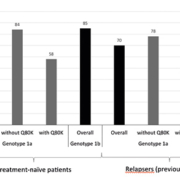
Before the approval of the use of DAAs, HCV therapy targeted the host immune system with the use of PEG. However, since therapy now directly targets the virus itself, various viral polymorphisms that may confer treatment resistance have been reported. The most notable one is the Q80K polymorphism observed in HCV genotype 1a [6]. Findings from the phase 3 QUEST-1, QUEST-2, and PROMISE trials are shown in Figure 1 [6]. QUEST-1 and QUEST-2 were conducted among treatment-naïve patients, whereas PROMISE was a study in patients who relapsed after previous treatment with an interferon-based regimen.

In general, HCV genotype 1a was considered less susceptible to the treatment, but when the data were analysed based on Q80K polymorphism, the SVR rates in genotype 1a were similar to those in genotype 1b if the Q80K polymorphism was absent. However, the SVR rates turned out to be even lower when the polymorphism was present. Based on these data, both prescribing information and clinical guidelines suggest alternative therapy if the Q80K polymorphism is detected in HCV genotype 1a infection [6]. Consequently, Q80K polymorphism testing is recommended by the clinical guidelines in all patients before the initiation of simeprevir, PEG, and RBV triple regimen [4].

Pharmacogenomics: host polymorphism
Earlier, various genome-wide association studies and candidate gene studies found two single nucleotide polymorphisms (SNPs) in the host were associated with SVR in HCV genotype 1 infection after PEG and RBV therapy [7]. The two SNPs, rs12979860 and rs8099917, are located in IFNL3 gene (previously called IL28B) [7]. Rs12979860 CC and rs8099917 TT genotypes have been considered as favourable response genotypes, with SVR rates of around 80% achieved in genotype 1 infection, whereas rs12979860 minor T allele or rs8099917 minor G allele carriers had lower SVR rates of about 20% [8]. SVR rates tend to be higher in HCV genotype 2 and 3 infections with PEG and RBV therapy, compared to those in genotype 1 therapy, and the association of these two SNPs with SVR has not been as strong in genotype 2 and 3 infections [7]. However, similar association of the two IFNL3 SNPs with SVR to that in genotype 1 infection has been shown in genotype 4 infection [7]. Although data has been scarce in other rare genotype infections, the IFNL3 genotype has been one of the strongest predictors of SVR with PEG and RBV therapy [7, 8]. The exact mechanism by which the IFNL3 SNPs affect the phenotype has not been fully elucidated, but baseline differences in the expression level of interferon-stimulated genes have been proposed [9]. Data has been collected with both IFNL3 SNPs, but rs12979860 is more commonly used if a single SNP has to be chosen for research or clinical purpose.

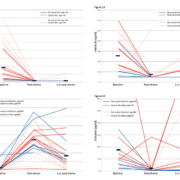
The association of treatment response with the IFNL3 genotype has also been observed with interferon-based DAA therapies. Currently, treatment with boceprevir or telaprevir is not recommended by the guidelines, and most commonly used regiments include simeprevir and/or sofosbuvir [4]. Figure 2 describes SVR rates in treatment-naïve and treatment-experienced patients who were treated with simeprevir or sofosbuvir combined with PEG and RBV as indicated in the prescribing information [5, 6]. Higher SVR rates were consistently observed in patients with the rs12979860 CC genotype, compared to the T allele carriers. However, it should be noted that the difference in SVR rates between the IFNL3 genotypes was comparatively modest with the addition of a DAA to the conventional PEG and RBV therapy. In addition, no significant difference was observed in SVR rates based on the IFNL3 genotype in patients infected with HCV genotype 2 or 3 after an interferon-free regimen of sofosbuvir and RBV [10].

Summary and future directions
Large inter-patient variability exists in response to PEG and RBV therapy, and the IFNL3 genotype has been demonstrated as one of the strongest predictors for SVR, especially in HCV genotype 1 infection. This trend has also been observed in interferon-based DAA therapies. However, if an interferon-free regimen becomes more readily available in the future, with the potential for SVR rates to approach 100%, the IFNL3 genotype may no longer hold clinical utility. However, IFNL3 genotype may still need to be tested during drug development to ensure that investigational agents will have efficacy in patients carrying the variant allele previously associated with an unfavourable treatment response. Additionally, when PEG is eliminated from treatment regimens and only DAAs are combined, cross-resistance may become a concern in the future, especially in patients who failed a DAA regimen previously. Various viral polymorphisms have been detected in protease inhibitors, and cross-resistance can be an issue in this drug class [6, 11, 12]. Viral polymorphisms may play a bigger role and need to be monitored for the future.

References
1. Scheel TK, Rice CM. Understanding the hepatitis C virus life cycle paves the way for highly effective therapies. Nat Med. 2013; 19(7): 837–849.
2. Centers for Disease Control and Prevention. Hepatitis C information for health professionals. 2013; http://www.cdc.gov/hepatitis/hcv/. Accessed January 11, 2014.
3. EASL. EASL Clinical Practice Guidelines: Management of hepatitis C virus infection. J Hepatol. 2014; 60(2): 392–420.
4. AASLD, IDSA, IAS–USA. Recommendations for testing, managing, and treating hepatitis C. 2014; http://www.hcvguidelines.org/.
5. Sovaldi (sofosbuvir) package insert. Gilead Sciences, Inc. 2013.
6. Olysio (simeprevir) package insert. Janssen Therapeutics. 2013.
7. Kawaguchi-Suzuki M, Frye RF. The role of pharmacogenetics in the treatment of chronic hepatitis C infection. Pharmacotherapy. 2014; 34(2): 185–201.
8. Pacanowski M, et al. New genetic discoveries and treatment for hepatitis C. JAMA. 2012; 307(18): 1921–1922.
9. Cariani E, et al. Translating pharmacogenetics into clinical practice: interleukin (IL)28B and inosine triphosphatase (ITPA) polymophisms in hepatitis C virus (HCV) infection. Clin Chem Lab Med. 2011; 49(8): 1247–1256.
10. Jacobson IM, et al. Sofosbuvir for hepatitis C genotype 2 or 3 in patients without treatment options. N Engl J Med. 2013; 368(20): 1867–1877.
11. Victrelis (boceprevir) package insert. Merck & Co., Inc. 2013.
12. Incivek (telaprevir) package insert. Vertex Pharmaceuticals 2013.

The authors
Marina Kawaguchi-Suzuki PharmD, BCPS; Reginald F. Frye* PharmD, PhD, FCCP
Department of Pharmacotherapy and Translational Research,
University of Florida College of Pharmacy, Gainesville,
FL 32610-0486, USA
*Corresponding author
E-mail: frye@cop.ufl.edu

https://clinlabint.com/wp-content/uploads/sites/2/2020/08/Capture-2014-11-04.jpg 293 500 3wmedia https://clinlabint.com/wp-content/uploads/sites/2/2020/06/clinlab-logo.png 3wmedia2020-08-26 09:44:292021-01-08 11:37:07Pharmacogenomics and therapy for hepatitis C virus infection
C160 McGrath figure 1

NGS for inherited skin diseases

, 26 August 2020/in Featured Articles /by 3wmedia

Inherited skin diseases can be difficult to assess clinically and often diagnosis relies on multiple laboratory investigations. Traditionally, examination of skin biopsies is followed by  biochemical testing and Sanger sequencing of genomic DNA. This approach is labour-intensive, costly and time-consuming. The advent of next-generation sequencing (NGS) methods provides an alternative or complementary approach to making highly accurate diagnoses, but is not without its own challenges.

by J. Lee, Dr A. Salam, Dr T. Takeichi and Prof. J. A. McGrath

Background
The identification of pathogenic mutations in monogenic diseases represents one of the major challenges, and fundamental goals, of early 21st Century human genetics. Most genetic diseases are rare, clinically heterogeneous, and difficult to diagnose – a task made more challenging by disparity in genotype–phenotype correlations, inter- and intra-familial variability, and well as mosaic patterns of disease. It is these hurdles that have led to the advent of Next-Generation DNA Sequencing (NGS); a group of technologies that can improve the speed, accuracy, and cost-efficiency of genetic sequencing, while simultaneously mapping normal variation, and thus furthering our understanding of human genetics in both health and disease. Inherited skin diseases encompass a collection of over 500 clinical entities – with variable structural or inflammatory manifestations that can also affect hair, nails, teeth and certain mucosal surfaces [1]. Individually these disorders are uncommon, but collectively they generate a significant health burden and many diagnostic conundrums.

Traditional approaches to the diagnosis of inherited skin diseases
For patients with inherited skin disorders, the traditional approach to diagnosis is to document a comprehensive patient history, including recording accurate family pedigrees, and noting any consanguinity. The clinician will then go on to perform a physical examination, take clinical photographs, and order laboratory investigations, which often include a skin biopsy. Light microscopy is usually uninformative, and the skin may need to be examined by transmission electron microscopy and immunohistochemistry. Additional blood or urine samples may be need for further diagnostic biochemical studies. Changes in skin structure or protein expression may provide clues to candidate genes, for which polymerase chain reaction primers can be designed and used for Sanger sequencing of genomic DNA. This ‘candidate gene’ approach has proved very useful for several autosomal recessive inherited skin diseases, but is typically unhelpful in most dominant diseases or in those with more subtle changes in skin morphology. Cue the advent of NGS technologies and a different approach to diagnostics, where the challenge in genetic discovery shifts away from the generation of data, to the filtering of relevant data [2, 3].

The impact of NGS
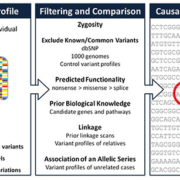
NGS encompasses a number of new technologies that vary in their sequencing protocols, thus determining the type of data produced. The approaches taken vary in template preparation, sequencing and imaging, genome alignment and assembly methods. The methodology is therefore also known as high throughput or massively parallel sequencing due to the ability of NGS to process large volumes of genetic data in a short time, in stark contrast to individual gene screening with Sanger sequencing. Whole-genome sequencing (WGS) and whole-exome sequencing (WES) are the two most commonly used NGS techniques. WGS has the ability to sequence an individual’s entire genome, but at the expense of speed and cost. In contrast, WES uses an array to capture protein-coding regions of the human genome, encompassing ~21,000 genes, which make up less than 2% of the genome. Compared with the 2–3 million variants generated by WGS, the data from WES typically reveals around 25,000 variants. Nevertheless, WES is a more economical option than WGS because ~85% of the pathogenic mutations in monogenic diseases are predicted to be in exons. The plethora of data then has to be filtered, with any potentially disease variant with evidence for causality established (Fig. 1). This process often involves the filtering of variants through databases of previously identified sequences, and cross referencing with known biological or genetic databases, for which considerable bioinformatics support is required: a single WES run can generate one terabyte of data.

Whole-exome sequencing: the possible advantages
The challenge
The key questions for WES in the diagnosis of inherited skin diseases are as follows. (1) Are the new technologies better than what already exist for diagnosing known diseases? (2) Can the new technologies be helpful in resolving unknown diagnoses or discovering new clinical entities? (3) Can the new technologies be introduced into clinical work and overcome any practical obstacles? Emerging data indicate a resounding yes to the first two questions, although the third remains work in progress [4].

Breadth of cover
WES encompasses most of the coding regions of the genome, whereas Sanger sequencing targets a predetermined gene, or part of a gene, between specially designed primers. WES is also efficient for sequencing large genes, such as COL7A1, which encodes type VII collagen. This gene, which is mutated in the blistering disease, dystrophic epidermolysis bullosa, is composed of 118 exons. Conventional Sanger sequencing approaches are based on designing ~72 primer pairs to amplify the COL7A1 exons and flanking introns. Thus the Sanger sequencing approach is therefore laborious and expensive, particularly as COL7A1 contains few recurrent mutations and the gene needs to be screened in its entirety to identify pathogenic mutations.

Genetic diagnosis
WES has emerged as an invaluable tool where a patient’s clinical diagnosis is unclear or erroneous. In this situation, Sanger sequencing of multiple candidate genes is destined to failure and to exhaust both time and resources. WES, on the other hand, can identify known variants in order to make a genetic diagnosis that was not initially considered, as has been demonstrated for subtypes of epidermolysis bullosa, and other inherited skin diseases [5, 6]. Indeed, WES has been used to accurately diagnose inherited skin diseases without any a priori clinical information [7]. The rationale is that more accurate and timely diagnoses offered by WES will allow for earlier targeted therapy and ultimately improved patient care.

Genetic discovery
The value of WES in genetic discovery is evident in the number of inherited skin diseases whose original genetic basis has been informed by WES. Recent examples include the discovery of inherited skin and bowel inflammation resulting from mutations in ADAM17 and EGFR [8, 9]. Given the protean nature of inherited skin diseases, many mutations cannot be anticipated based on clinical phenotype and initial investigations, leaving no candidate gene targets for Sanger sequencing. One pertinent example of the completely unexpected candidate gene is the identification of mutations in EXPH5 [10], which encodes a GTPase effector protein, exophilin-5, in a form of intra-epidermal epidermolysis bullosa – a disease that usually arises as a genetic disorder of keratin. WES is therefore superior to Sanger sequencing in the diagnosis of both novel and genetically heterogeneous conditions.

Cost efficiency
The cost of DNA sequencing has reduced by around 100,000-fold over the last 20 years. Although the technique remains relatively expensive at present (~£900 per sample at King’s College London, 2014 prices), further cost reductions are expected that will soon make WES a more economically viable option than Sanger sequencing, for all but a few disorders in which there are recurrent mutations in a small number of small genes. Even at current costs, however, WES already has advantages over Sanger sequencing for some genes, such as COL7A1, for which the cost of Sanger sequencing is ~£1000 (or greater) in the small number of laboratories that undertake sequencing of this gene.

Considering the patient
The diagnosis of many inherited skin disorders often relies on invasive investigations such as sampling a small piece of skin (punch or ellipse biopsy) (Fig. 2). The procedure involves injection of local anesthetic, which can be painful, and the wound usually heals with a small but evident scar. Occasionally, skin biopsy sites can be complicated by bleeding or infection. WES can be performed using DNA extracted from blood, saliva or tissue samples, and although Sanger sequencing can also be performed on similar templates, for many patients, a skin biopsy would have been necessary to determine the gene(s) for sequencing. Thus WES typically offers a less-invasive approach for the patient.

Variant mapping
Aside from discovering genes and pinpointing mutations in inherited skin diseases, WES also generates a huge amount of other data that can be used to map genetic variation. In the longer term, the dissection of bioinformatics data will lead to a better understanding of the implications of certain variants, refining genotype–phenotype correlation, thus providing insight into individual prognosis, and allowing stratified or personalized medicine and therapeutics.

Whole-exome sequencing: the possible disadvantages

Data analysis
The large quantity of sequencing data generated by WES is potentially also a disadvantage. Before WES can be used in routine clinical practice, fast and efficient filtering techniques must exist to allow clinicians and non-geneticists to interpret WES data and to extract the relevant information in order to manage their patient’s needs. But the plethora of data generated by WES also provides considerably more information beyond the pathogenic mutation itself, including several co-incidental potentially damaging mutations (known as ‘incidental findings’) that are completely unconnected to the primary disease being investigated. What should diagnosticians do with this information? Does it make a difference if the implications are clinically actionable or not? There are clearly several unresolved issues.

Accuracy of data

Given the volume of data produced by WES, it is inevitable that some false positive variants are identified. Most laboratories therefore still elect to confirm mutations via an alternative sequencing platform, generally Sanger sequencing, which is therefore a significant barrier to the routine use of WES in diagnostics. From a technical perspective, NGS methods still need to be improved to cover important regulatory elements such as promoters and enhancers, and poorly annotated parts of the genome. Moreover, if WES is to become a routine diagnostic technique, standardized operating procedures and protocols must be created and implemented. For inherited skin disease diagnostics there would also need to be a realignment of technical wet lab skills (skin microscopy) in favour of computer database and in silico work.

Time to diagnosis
Perhaps the biggest challenge for WES, however, lies in the time it takes to process and analyse a case. For many inherited skin diseases, a rapid diagnosis is often very important to optimize clinical management, for example in neonates with suspected epidermolysis bullosa. The diagnostic approach using skin biopsy assessment followed by Sanger sequencing of candidate genes (implicated by skin biopsy) allows for possible diagnoses to be made within 2 to 3 days. In contrast, the quickest time that WES could be completed (at present) would be a minimum of 5 days, although in practice WES often takes considerably longer to complete and analyse. New platforms to shorten WES protocols are in development, but only when more rapid sample analysis is feasible in a diagnostic lab setting can one really begin to think about wholesale change of diagnostic practice.

Conclusion
Since 2011, WES has proven to be a valuable asset in the diagnosis and discovery of inherited skin diseases. But the adoption of WES into clinical diagnostics diagnosis is still being refined and piloted. WES techniques are constantly being improved to become more accurate, quicker and cost-effective, while enrichment methodologies and sequencing technology become more reproducible and standardized. This progress may allow WES to function independently as the stand alone diagnostic and discovery tool in genetics, negating the need for Sanger sequencing to confirm WES findings. However, as our understanding of the role of non-coding DNA in molecular biology grows, and as WGS is further refined, WES is at risk of being superseded by newer NGS techniques both for genetic discovery diagnostics and prognostics. Innovation looms, but ever it was in molecular genetics.
 
References
1. Leech SN, Moss C. Br J Dermatol. 2007; 156: 1115–1148.
2. Metzker ML. Genome Res. 2005; 15: 1767–1776.
3. Metzker ML. Nat Rev Genet. 2010; 11: 31–46.
4. Cho RJ, et al. J Invest Dermatol. 2012; 132(E1): E27–28.
5. Takeichi T, et al. Br J Dermatol. 2014; doi: 10.1111/bjd.13190. [Epub ahead of print]
6. Salam A, et al. Matrix Biol. 2013; 33: 35–40.
7. Takeichi T, et al. Exp Dermatol. 2013; 22: 825–831.
8. Blaydon DC, et al. N Engl J Med. 2011; 365: 1502–1508.
9. Campbell P, et al. J Invest Dermatol. 2014; doi: 10.1038/jid.2014.164. [Epub ahead of print].
10. McGrath JA, et al. Am J Hum Genet. 2012; 91: 1115–1121.

The authors
John Lee, Amr Salam BSc, MBChB, MRCP(UK), Takuya Takeichi MD PhD, John A McGrath* MD FRCP
St John’s Institute of Dermatology, King’s College London (Guy’s Campus), London, UK.
*Corresponding author
E-mail: john.mccgrath@kcl.ac.uk

https://clinlabint.com/wp-content/uploads/sites/2/2020/08/C160_McGrath_figure-1.jpg 307 500 3wmedia https://clinlabint.com/wp-content/uploads/sites/2/2020/06/clinlab-logo.png 3wmedia2020-08-26 09:44:292021-01-08 11:37:21NGS for inherited skin diseases
26556 RBiopharm 2014 10 Ad Clinical Laboratory Easy Kits 60x270mm EN HighRes

R-Biopharm’s new Easy-Kit-Format: DYNEX Agility Elisa

, 26 August 2020/in Featured Articles /by 3wmedia
https://clinlabint.com/wp-content/uploads/sites/2/2020/08/26556-RBiopharm-2014-10_Ad_Clinical-Laboratory_Easy-Kits_60x270mm_EN_HighRes.jpg 1000 222 3wmedia https://clinlabint.com/wp-content/uploads/sites/2/2020/06/clinlab-logo.png 3wmedia2020-08-26 09:44:292021-01-08 11:37:01R-Biopharm’s new Easy-Kit-Format: DYNEX Agility Elisa
26740 ARK newSeptember2014 voriconazole 92x132

ARK Voriconazole Assay

, 26 August 2020/in Featured Articles /by 3wmedia
https://clinlabint.com/wp-content/uploads/sites/2/2020/08/26740-ARK_newSeptember2014_voriconazole_92x132.jpg 1000 696 3wmedia https://clinlabint.com/wp-content/uploads/sites/2/2020/06/clinlab-logo.png 3wmedia2020-08-26 09:44:292021-01-08 11:37:10ARK Voriconazole Assay
Page 70 of 146«‹6869707172›»
Bio-Rad - Preparing for a Stress-free QC Audit

Latest issue of Clinical laboratory

June 2026

CLi Cover June 2026
18 June 2026

Immunoglobulin Assays

18 June 2026

euroimmun From Revvity | Fully automated specialty testing with the IDS i20.

18 June 2026

HOLOGIC | A New Approach to Gastrointestinal Bacterial Testing.1,2

Digital edition
All articles Archived issues

Free subscription

View more product news

Get our e-alert

The leading international magazine for Clinical laboratory Equipment for everyone in the Vitro diagnostics

Sign up today
  • News
    • Featured Articles
    • Product News
    • E-News
  • Magazine
    • About us
    • Archived issues
    • Free subscriptions
    • Media kit
    • Submit Press Release
clinlab logo blackbg 1

Prins Hendrikstraat 1
5611HH Eindhoven
The Netherlands
info@clinlabint.com

PanGlobal Media is not responsible for any error or omission that might occur in the electronic display of product or company data.

Scroll to top

This site uses cookies. By continuing to browse the site, you are agreeing to our use of cookies.

Accept settingsHide notification onlyCookie settings

Cookie and Privacy Settings


How we use cookies

We may ask you to place cookies on your device. We use cookies to let us know when you visit our websites, how you interact with us, to enrich your user experience and to customise your relationship with our website.

Click on the different sections for more information. You can also change some of your preferences. Please note that blocking some types of cookies may affect your experience on our websites and the services we can provide.

Essential Website Cookies

These cookies are strictly necessary to provide you with services available through our website and to use some of its features.

Because these cookies are strictly necessary to provide the website, refusing them will affect the functioning of our site. You can always block or delete cookies by changing your browser settings and block all cookies on this website forcibly. But this will always ask you to accept/refuse cookies when you visit our site again.

We fully respect if you want to refuse cookies, but to avoid asking you each time again to kindly allow us to store a cookie for that purpose. You are always free to unsubscribe or other cookies to get a better experience. If you refuse cookies, we will delete all cookies set in our domain.

We provide you with a list of cookies stored on your computer in our domain, so that you can check what we have stored. For security reasons, we cannot display or modify cookies from other domains. You can check these in your browser's security settings.

.

Google Analytics Cookies

These cookies collect information that is used in aggregate form to help us understand how our website is used or how effective our marketing campaigns are, or to help us customise our website and application for you to improve your experience.

If you do not want us to track your visit to our site, you can disable this in your browser here:

.

Other external services

We also use various external services such as Google Webfonts, Google Maps and external video providers. Since these providers may collect personal data such as your IP address, you can block them here. Please note that this may significantly reduce the functionality and appearance of our site. Changes will only be effective once you reload the page

Google Webfont Settings:

Google Maps Settings:

Google reCaptcha settings:

Vimeo and Youtube videos embedding:

.

Privacy Beleid

U kunt meer lezen over onze cookies en privacy-instellingen op onze Privacybeleid-pagina.

Privacy policy
Accept settingsHide notification only

Subscribe now!

Become a reader.

Free subscription