MENA Metabolic Conference
  • News
    • Featured Articles
    • Product News
    • E-News
  • Magazine
    • About us
    • Digital edition
    • Archived issues
    • Free subscriptions
    • Media kit
    • Submit Press Release
  • White Papers
  • Events
  • Suppliers
  • E-Alert
  • Contact us
  • FREE newsletter subscription
  • Search
  • Menu Menu
Clinical Laboratory int.
  • Allergies
  • Cardiac
  • Gastrointestinal
  • Hematology
  • Microbiology
  • Microscopy & Imaging
  • Molecular Diagnostics
  • Pathology & Histology
  • Protein Analysis
  • Rapid Tests
  • Therapeutic Drug Monitoring
  • Tumour Markers
  • Urine Analysis

Archive for category: Product News

Product News

amsbiopr271 01

AMSBIO introduces StemFit for Differentiation for human iPS and ES cells

, 26 August 2020/in Product News /by 3wmedia

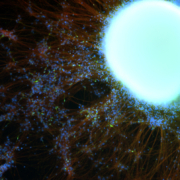
AMSBIO has introduced StemFit for Differentiation – a new chemically defined and animal component-free formulation that enables unmatched differentiation of human Induced Pluripotent Stem (hiPS) and Embryonic Stem (hES) cells.
The unique chemically defined composition of StemFit for Differentiation minimizes lot-to-lot variation, enabling highly consistent cell differentiation. Free of animal- and human-derived components, StemFit for Differentiation can be used to eliminate the risk of immunogenic contamination.
Applications proven to benefit from StemFit for Differentiation include: lineage-specific (endodermal, mesodermal and ectodermal) differentiation where this new product is used to replace serum-free supplements, as well as spontaneous differentiation of hiPSCs to organoids via embryoid body formation.
Used in combination with StemFit Basic feeder-free medium with iMatrix-511 laminin as extracellular matrix, StemFit for Differentiation enables researchers to undertake clinical applications involving both expansion and differentiation of human Pluripotent Stem Cell-derived cells and tissues.
Supplied as a 5X concentrate, StemFit for Differentiation has been formulated for use with basal cell culture medium (e.g. DMEM, RPMI 1640, DMEM/F12 etc.) and a variety of different induction factors or cytokines (including Activin A and bFGF from AMSBIO).

  • For further information on StemFit for Differentiation, visit: www.amsbio.com/stemfit-for-differentiation

Read more

https://clinlabint.com/wp-content/uploads/sites/2/2020/08/amsbiopr271_01.jpg 808 808 3wmedia https://clinlabint.com/wp-content/uploads/sites/2/2020/06/clinlab-logo.png 3wmedia2020-08-26 09:16:522021-01-08 11:20:29AMSBIO introduces StemFit for Differentiation for human iPS and ES cells
PRODUCT CLI MICROLUTE

Porvair Sciences sets a new standard for labs with Microlute Protein Precipitation Plate

, 26 August 2020/in Product News /by 3wmedia

Incorporating a novel dual hydrophobically treated matrix filter, Microlute Protein Precipitation Plate from Porvair Sciences sets a new standard for labs looking to remove interfering proteins from serum, plasma or whole blood samples prior to analysis by Liquid Chromatography / Mass Spectrometry (LC/MS). Biological samples commonly contain proteins that interfere with downstream applications such as LC/MS analysis. Microlute Protein Precipitation Plates (PPP) use the CRASH method, in which protein is denatured with acetonitrile and the flocculant filtered out, allowing 96 samples to be processed in parallel. Based on the industry standard MicroLute format, but without the chromatographic sorbent, protein ‘crashes’ out of solution and precipitates directly in each well when acetonitrile is added, thus solving all common problems associated with the CRASH technique of protein cleanup. The novel dual frit, hydrophobically treated matrix used by the Microlute PPP means that there is no ‘wetting out’ and leakage of sample before the application of vacuum. Due to its ease of use, high performance and reliability the Microlute PPP is commonly used as the protein precipitation plate of choice in many major pharmaceutical companies worldwide. Established in 1992, Porvair Sciences is one of the largest global manufacturers of ultra-clean microplates and top-quality microplate equipment for life science, synthetic chemistry and many other applications.
Read more

https://clinlabint.com/wp-content/uploads/sites/2/2020/08/PRODUCT_CLI_MICROLUTE.jpg 457 694 3wmedia https://clinlabint.com/wp-content/uploads/sites/2/2020/06/clinlab-logo.png 3wmedia2020-08-26 09:16:522021-01-08 11:20:37Porvair Sciences sets a new standard for labs with Microlute Protein Precipitation Plate
CLI 190902 doc Image SAA

Serum Amyloid A (SAA), CE-IVD marked, turbidimetric assay

, 26 August 2020/in Product News /by 3wmedia

TRIMERO has added to its catalogue a new Serum Amyloid A, CE-IVD marked, particle-enhanced turbidimetric immunoassay. Applications are available for the most popular clinical chemistry analysers, and for IMMAGE® nephelometers of Beckman Coulter. In order to ensure lot to lot traceability, the assay has been standardized to the Serum Amyloid A (SAA) 1st International Standard (NIBSC code: 92/680) of the WHO (World Health Organization).

Other available assays for turbidimetry and nephelometry include:

KLoneus® Free Light Chains (FLC), IgD Immunoglobulins, Retinol Binding Protein (RBP) for serum and urine, Soluble Transferrin Receptor (sTfR), Hemopexin, Cystatin-C for serum and urine, A1-Microglobulin, B2-Microglobulin for serum and urine, Kappa and Lambda Light Chains for serum and urine, Complement C1q, Complement C5, Factor B (C3 Proactivator), C1 (Esterase) Inhibitor.   

Read more

https://clinlabint.com/wp-content/uploads/sites/2/2020/08/CLI_190902_doc_Image-SAA.jpg 440 720 3wmedia https://clinlabint.com/wp-content/uploads/sites/2/2020/06/clinlab-logo.png 3wmedia2020-08-26 09:16:522021-01-08 11:20:47Serum Amyloid A (SAA), CE-IVD marked, turbidimetric assay

Ansh labs launches two new immunoassays for SARS-COV2

, 26 August 2020/in Corona News, Product News /by 3wmedia

Ansh labs has launched two new immunoassays, SARS-CoV2 IgG and IgM ELISAs, to assist in the fight against the Covid-19 pandemic.
Ansh Labs is releasing these two kits for sale in the United States under the provisions outlined in Section D of Policy for Diagnostic Tests for Coronavirus Disease-2019 during the Public Health Emergency. At the time of going to press, these tests were under review by the FDA for an Emergency Use Authorization.
IgM antibody is the first to be produced in response to viral proteins (antigens) and will be primarily detectable during the early onset of the disease. IgG antibodies are long-lasting and can persist in the bloodstream for many years after infection. This test has the advantage of detecting not only individuals with active infection (IgM), but also those who were previously exposed to the virus and may have subsequently developed immunity (IgG).
Testing for SARS-CoV2 antibodies can help in epidemiological surveillance about the spread of the virus and possible herd immunity. Ansh Labs’ SARS-CoV2 ELISAs are highly accurate with IgG ELISA offering 96% specificity and IgM ELISA offering 99% specificity.
For more information, visit: www.covid-diagnostics.com
Read more

https://clinlabint.com/wp-content/uploads/sites/2/2020/06/clinlab-logo.png 0 0 3wmedia https://clinlabint.com/wp-content/uploads/sites/2/2020/06/clinlab-logo.png 3wmedia2020-08-26 09:16:522021-01-08 11:20:31Ansh labs launches two new immunoassays for SARS-COV2
NEWS CLI PORVAIR

Porvair Sciences expands range of black microplates

, 26 August 2020/in Product News /by 3wmedia

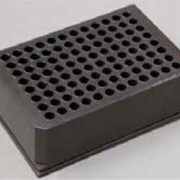
Porvair Sciences has expanded its range of high quality, black microplates that minimise sample degradation by exposure to light, even over long storage periods.
Available in a choice of 48-, 96- and 384-well formats – the black plates are precisely manufactured to applicable ANSI / SLAS dimensions ensuring complete compatibility with almost all readers and automated equipment. Manufactured from polypropylene, the range of black microplates offer excellent heat and solvent resistant qualities. Using only ultra-pure grade polymer means that each black plate has near zero leachates ensuring long-term sample integrity. The black plates are supplied RNase / DNase free meaning they can be used to store the most sensitive biological samples. To prevent evaporation, hydration of DMSO solutions and to completely eliminate light from samples – Porvair Sciences additionally offers a selection of Absorb Max light blocking sealing films that may be applied to the top of the black plates. A split backing and edge cut-outs make positioning and applying the sealing film quick and simple. The light-blocking and absorbing properties of Porvair Sciences black microplates, used in conjunction with Absorb Max sealing films, provides a perfect combination for protecting light-sensitive assays or samples during storage.
For more information, visit: www.microplates.com/solid-bottom
Read more

https://clinlabint.com/wp-content/uploads/sites/2/2020/08/NEWS_CLI_PORVAIR.jpg 488 694 3wmedia https://clinlabint.com/wp-content/uploads/sites/2/2020/06/clinlab-logo.png 3wmedia2020-08-26 09:16:522021-01-08 11:20:40Porvair Sciences expands range of black microplates
C435 EUROIMMUN ELISA microplate manuell

ELISA for urinary sCD163 measurement

, 26 August 2020/in Product News /by 3wmedia

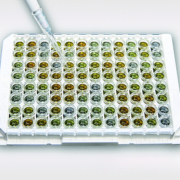
Urinary soluble CD163 (sCD163) is a novel non-invasive marker of renal inflammation, and its determination supports early detection and monitoring of active glomerulonephritis (GN). Studies by experts in the field led by Prof. Mark Little (Trinity College, Dublin, Ireland) showed that significantly increased sCD163 levels in urine are present in up to 87% of patients with active ANCA-associated vasculitis (AAV) with renal involvement. In contrast, only slight increases are detected in AAV patients in remission, patients with acute kidney failure or sepsis, and patients with AAV without kidney involvement (O’Reilly et al. Am Soc Nephrol 27: 2906–2916, 2016). Furthermore, urinary sCD163 is elevated in patients with non-vasculitic forms of GN, especially in patients with lupus nephritis class IV (Endo et al. J Nephrol Dial Transplant. 31(12): 2023-2033, 2016).  sCD163 is a macrophage activation marker. The sCD163 level in urine correlates directly with the kidney disease activity, reflecting the accumulation of CD163+ macrophages in the glomeruli in response to pro-inflammatory stimuli. The direct correlation with renal inflammation means that urinary sCD163 is superior in performance to standard urinary markers, which have limited value in identifying a renal relapse. Monitoring of urinary sCD163 values can help to predict renal flares before irreversible kidney damage occurs and might enable invasive kidney biopsies to be avoided.  sCD163 can be measured quantitatively in urine samples using a new ELISA from EUROIMMUN. The detection is based on monoclonal anti-sCD163 antibodies. Values are determined by means of a simple cut-off-based interpretation using 6 calibrators. The EUROIMMUN sCD163 ELISA will soon be available as IVD CE-marked assay.

Read more

https://clinlabint.com/wp-content/uploads/sites/2/2020/08/C435_EUROIMMUN_ELISA_microplate_manuell.jpg 603 800 3wmedia https://clinlabint.com/wp-content/uploads/sites/2/2020/06/clinlab-logo.png 3wmedia2020-08-26 09:16:522021-01-08 11:20:49ELISA for urinary sCD163 measurement
Horizon chosource TerryPizzie CEO

Horizon Discovery CHOSOURCE platform supports development of immunotherapy for autoimmune diseases

, 26 August 2020/in Product News /by 3wmedia

Horizon Discovery Group, a leader in the application of gene editing and gene modulation for cell line engineering, says its cGMP-compliant CHOSOURCE™ platform has played a key role in generating a stable cell line for the development of an immunotherapy for autoimmune diseases. Horizon’s pharmaceutical-grade, stable Chinese Hamster Ovary (CHO) cells delivered high yields of monoclonal antibody for LAG-3 immunotherapy, enabling Immutep and Batavia Biosciences to reach an important milestone in the preclinical development of the compound.
Horizon’s gene-edited Glutamine Synthetase (GS) knockout CHO K1 cell line expression system, offered by Batavia Biosciences as part of its STEP®-mAb service, was used to generate a high yielding cell line for Immutep’s IMP761 product candidate, an agonist antibody targeting the immune checkpoint lymphocyte activation gene (LAG)-3. LAG-3 controls the signalling between specific immune cells, T cells and antigen presenting cells, which are responsible for the adaptive immune response, making it a promising focus for novel cancer therapies or for the treatment of autoimmune conditions, such as inflammatory bowel diseases, rheumatoid arthritis, and multiple sclerosis.
Horizon’s GS expression system facilitates the development of stable cell lines for the expression of antibodies and other recombinant proteins and is recognized in the industry and by regulators as suitable for high yield biomanufacturing. Its CHOSOURCE biomanufacturing platform helps companies to move from the DNA sequence of their potential biotherapeutic to clinical manufacturing as simply and rapidly as possible. The platform is versatile and suitable for a broad range of monoclonal antibody therapeutics, delivering higher-than-anticipated yields of less commonly used IgG4-based antibodies, such as IMP761.
Terry Pizzie, CEO, Horizon Discovery said: “We are dedicated to ensuring availability of key technologies that can improve affordability of medicines worldwide. Our CHOSOURCE biomanufacturing platform is empowering organizations from early stage start-ups to large pharmaceutical companies to drive efficiencies throughout development and production and has already been utilized in multiple successful innovative new drug filings.”
The complete CHOSOURCE system includes the GS knockout CHO K1 cell line, a comprehensive package of supporting documentation, and an expression vector supplied under license from DNATwoPointO, Inc.
• For more information, visit: https://horizondiscovery.com/navigation/cho-cells
Read more

https://clinlabint.com/wp-content/uploads/sites/2/2020/08/Horizon_chosource_TerryPizzie_CEO.jpg 1632 2449 3wmedia https://clinlabint.com/wp-content/uploads/sites/2/2020/06/clinlab-logo.png 3wmedia2020-08-26 09:16:522021-01-08 11:20:34Horizon Discovery CHOSOURCE platform supports development of immunotherapy for autoimmune diseases
Randox Reagents Webvertorial CLI November 2019 IMAGE

Randox diabetes testing portfolio

, 26 August 2020/in Product News /by 3wmedia

Type 2 diabetes mellitus (T2DM) now attains the status of global pandemic, spreading from developed to developing countries. The epidemiological trends indicate that the prevalence will continue to increase dramatically. The World Health Organization estimates diabetes to be the seventh global leading cause of death, accounting for 1.6 million deaths in 2016. Randox is committed to advancing diabetes testing, including the associated complications. Randox offers a comprehensive range of high quality reagents ranging from diabetes risk assessment, diagnosis and monitoring of diabetes, and monitoring of associated complications. The Randox diabetes portfolio covers the full spectrum of clinical biochemistry laboratory testing requirements including several superior performance and unique assays. Applications are available detailing instrument-specific settings for a wide range of clinical chemistry analysers. https://www.randox.com/diabetes-reagents/
Read more

https://clinlabint.com/wp-content/uploads/sites/2/2020/08/Randox_Reagents_-_Webvertorial_-_CLI_-_November_2019_-_IMAGE.jpg 800 800 3wmedia https://clinlabint.com/wp-content/uploads/sites/2/2020/06/clinlab-logo.png 3wmedia2020-08-26 09:16:522021-01-08 11:20:44Randox diabetes testing portfolio
C429 BioVendor Cardiac MyBP C ELISA

Human Myosin Binding Protein-C3 ELISA

, 26 August 2020/in Product News /by 3wmedia

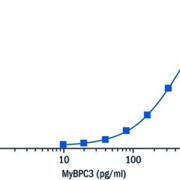
Cardiac MyBP-C may be more useful than the gold standard biomarker cardiac Troponin I. Blood levels of the current gold standard cardiac biomarkers are very low during the initial stages of myocardial infarction (MI), making early diagnosis difficult. Plasma levels of MyBPC3 are significantly elevated in MI patients. MyBPC3 levels increase from baseline at 3 hours after MI and peak at 6 hours. This is faster than for Cardiac Troponin I which is normally detected 6-12 hours after the onset of MI. Cardiac MyBPC (cMyBP-C, MyBPC3) is a 140 kDa structural protein that is present only in the heart. It is phosphorylated by several kinases. Phosphorylation of MyBPC3 regulates myocardial function and confers resistance to proteolysis, preserving cardiac function post-myocardial infarction.  Dephosphorylation at Ser-273 and Ser-282 facilitates MyBPC3 degradation and release of a 40 kDa N-terminal fragment (C0C1f). This C0C1f fragment is pathogenic within cardiac tissue and it is released into the circulation. It was later established in vivo that the C0C1f fragment could cause cardiac dysfunction and heart failure. Importantly, it was shown that plasma MyBPC3 levels are significantly raised in humans with hypertrophic cardiomyopathy undergoing trans-coronary ablation of septal hypertrophy. The assay is validated for human serum and citrate plasma and shows excellent sensitivity (LOD 1.74 pg/ml).

BIOVENDOR
Read more

https://clinlabint.com/wp-content/uploads/sites/2/2020/08/C429_BioVendor_Cardiac_MyBP-C_ELISA.jpg 450 704 3wmedia https://clinlabint.com/wp-content/uploads/sites/2/2020/06/clinlab-logo.png 3wmedia2020-08-26 09:16:522021-01-08 11:20:52Human Myosin Binding Protein-C3 ELISA
TestaPR37 01

Analysis of virus particles by Dynamic Light Scattering

, 26 August 2020/in Product News /by 3wmedia

Testa Analytical Solutions has published a new applications report that demonstrates how Dynamic Light Scattering (DLS) can be used as an effective analytical technique for analysing virus particles in solution.
The report examines four fish viruses incubated under laboratory culture conditions that have the potential to wreak significant economic damage to both recreational and commercially important fish populations.
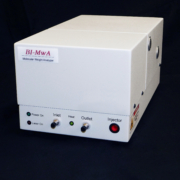
Traditional visual methods of observing virus particles in solution give a snapshot of only a very small and potentially unrepresentative sampling volume. By comparison, the technique of particle analysis using dynamic light scattering yields an ensemble average of particles present in these solutions. Data presented in the report is from DLS measurements made on a NanoBrook ZetaPALS instrument equipped with a BI-MAS accessory to provide particle sizing capability.
The authors discuss how analysing virus particles incubated in the laboratory present a challenge, as they must be grown within cells in a media containing albumin and other small proteins, such as those present in Fetal Bovine Serum (FBS) solution. When virus particles are released from the cells, the cell fragments are large and can be separated by centrifugation, but the smaller proteins of the media cannot be removed. Careful selection of the distribution parameters from a dynamic light scattering experiment allows the size distributions of virus particles to be clearly observed in the presence of much smaller proteins that constitute the media.
The results presented in the applications report clearly show the presence of virus particles with the expected average dimensions when observed by an intensity weighted distribution. However the absence of these particles in the number distribution shows the virus particles are present in relatively small numbers compared to the proteins and other small molecules in cell growth media.
The Nanobrook ZetaPALS from Testa Analytical provides a platform for zeta potential determination of nanoparticles and colloids in water with salt concentrations less than 75 millimolar ionic strength. The instrument is designed to eliminate the shortcomings inherent in other zeta potential instruments.

  • For a copy of the application report, visit https://testa-analytical.com/papers/paper24.html
  • For further information on the NanoBrook ZetaPALS instrument, visit https://www.testa-analytical.com/zeta-potential-equipment.html

Read more

https://clinlabint.com/wp-content/uploads/sites/2/2020/08/TestaPR37_01-scaled.jpg 1920 2560 3wmedia https://clinlabint.com/wp-content/uploads/sites/2/2020/06/clinlab-logo.png 3wmedia2020-08-26 09:16:522021-01-08 11:20:29Analysis of virus particles by Dynamic Light Scattering
Page 144 of 152«‹142143144145146›»
Bio-Rad - Preparing for a Stress-free QC Audit

Latest issue of Clinical laboratory

March 2026

CLi Cover MRCH 2026
11 March 2026

Isomorphic Labs unveils IsoDDE, a unified AI drug design engine surpassing AlphaFold 3 in biomolecular prediction

11 March 2026

Androgen testing for PCOS diagnosis

9 March 2026

DiaSys Diagnostic Systems | ACE FS

Digital edition
All articles Archived issues

Free subscription

View more product news

Get our e-alert

The leading international magazine for Clinical laboratory Equipment for everyone in the Vitro diagnostics

Sign up today
  • News
    • Featured Articles
    • Product News
    • E-News
  • Magazine
    • About us
    • Archived issues
    • Free subscriptions
    • Media kit
    • Submit Press Release
clinlab logo blackbg 1

Prins Hendrikstraat 1
5611HH Eindhoven
The Netherlands
info@clinlabint.com

PanGlobal Media is not responsible for any error or omission that might occur in the electronic display of product or company data.

Scroll to top

This site uses cookies. By continuing to browse the site, you are agreeing to our use of cookies.

Accept settingsHide notification onlyCookie settings

Cookie and Privacy Settings


How we use cookies

We may ask you to place cookies on your device. We use cookies to let us know when you visit our websites, how you interact with us, to enrich your user experience and to customise your relationship with our website.

Click on the different sections for more information. You can also change some of your preferences. Please note that blocking some types of cookies may affect your experience on our websites and the services we can provide.

Essential Website Cookies

These cookies are strictly necessary to provide you with services available through our website and to use some of its features.

Because these cookies are strictly necessary to provide the website, refusing them will affect the functioning of our site. You can always block or delete cookies by changing your browser settings and block all cookies on this website forcibly. But this will always ask you to accept/refuse cookies when you visit our site again.

We fully respect if you want to refuse cookies, but to avoid asking you each time again to kindly allow us to store a cookie for that purpose. You are always free to unsubscribe or other cookies to get a better experience. If you refuse cookies, we will delete all cookies set in our domain.

We provide you with a list of cookies stored on your computer in our domain, so that you can check what we have stored. For security reasons, we cannot display or modify cookies from other domains. You can check these in your browser's security settings.

.

Google Analytics Cookies

These cookies collect information that is used in aggregate form to help us understand how our website is used or how effective our marketing campaigns are, or to help us customise our website and application for you to improve your experience.

If you do not want us to track your visit to our site, you can disable this in your browser here:

.

Other external services

We also use various external services such as Google Webfonts, Google Maps and external video providers. Since these providers may collect personal data such as your IP address, you can block them here. Please note that this may significantly reduce the functionality and appearance of our site. Changes will only be effective once you reload the page

Google Webfont Settings:

Google Maps Settings:

Google reCaptcha settings:

Vimeo and Youtube videos embedding:

.

Privacy Beleid

U kunt meer lezen over onze cookies en privacy-instellingen op onze Privacybeleid-pagina.

Privacy policy
Accept settingsHide notification only

Subscribe now!

Become a reader.

Free subscription