



Thermo Fisher Scientific unveils enhanced protein expression platform for challenging research targets
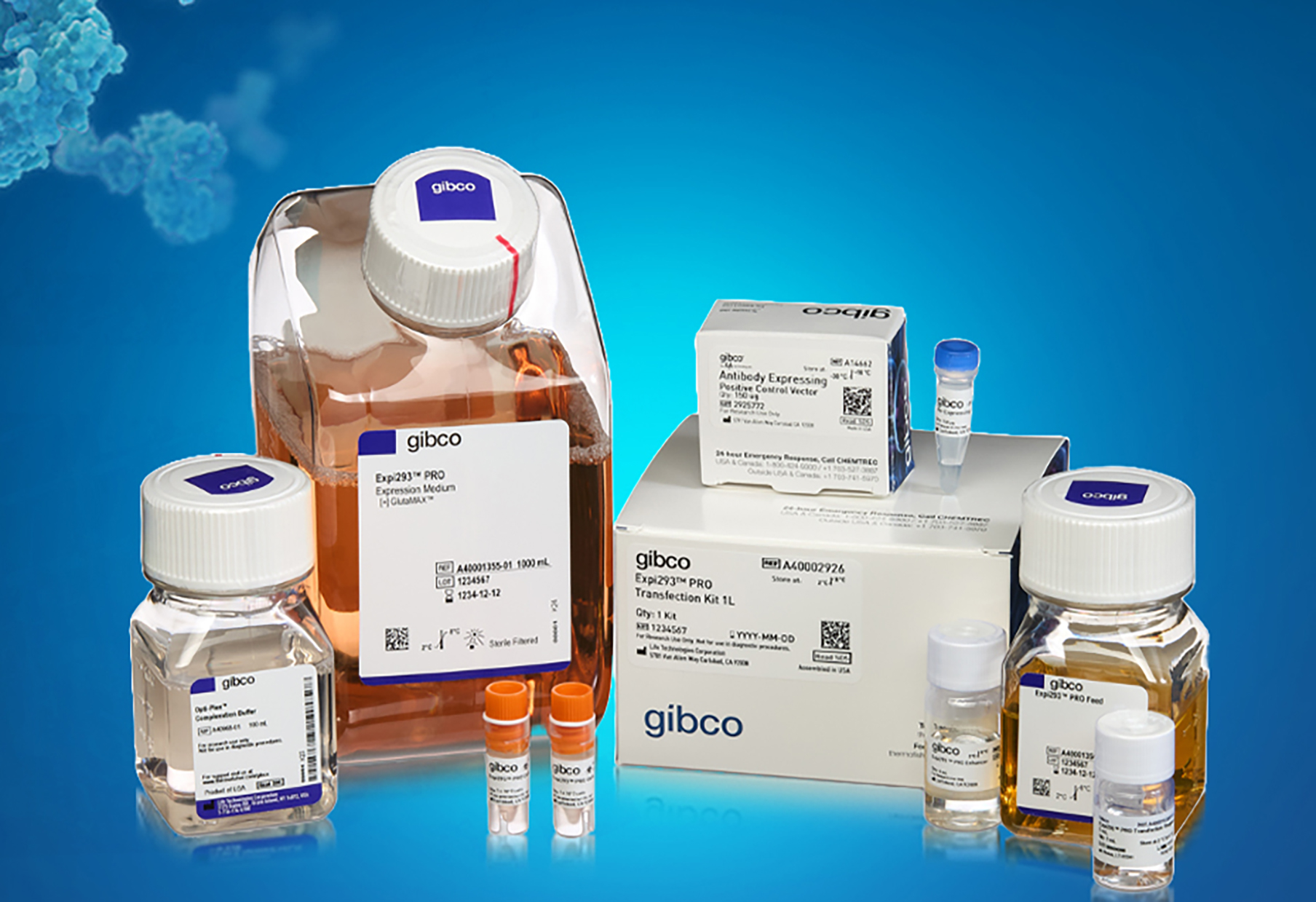
Thermo Fisher Scientific has launched the Gibco Expi293 PRO Expression System, a next-generation HEK293-based platform engineered to address persistent challenges in producing difficult-to-express proteins for therapeutic development and structural biology research.
System tackles low-yield protein production barriers
The platform targets a critical bottleneck in protein science: expressing complex proteins including membrane proteins, intracellular proteins, and Fc fusion proteins that frequently deliver insufficient yields with existing systems. Traditional expression platforms often struggle to scale down to 96-well formats, limiting automation capabilities and throughput – constraints that increase both cost and time investment for researchers.
The Expi293 PRO system comprises three integrated components: a clonally derived HEK293 cell line (Gibco Expi293 PRO Cells), an optimised culture medium (Gibco Expi293 Medium), and a high-density transfection kit. The system supports protein production from millilitre to multi-litre scale, with streamlined protocols designed to minimise hands-on time whilst maximising weekly transfection capacity.
Performance metrics show substantial yield improvements
According to the company, the system delivers protein titres up to five grams per litre across a broad range of protein classes – marking significant improvements over existing 293 expression platforms. The system produces proteins in two to four days with simplified workflows that integrate seamlessly into automated platforms.
“Achieving sufficient yields of difficult-to-express proteins remains a major challenge for scientists, often slowing down critical research and drug discovery whilst increasing time, labour and cost,” said Tiffani Manolis, vice president and general manager, cell biology, Thermo Fisher Scientific. “Built on the trusted legacy of our Expi293 products, the Gibco Expi293 PRO Expression System was developed to meet evolving demands, from high-throughput screening in 96-well plates to litre-scale production.”
Real-world validation in therapeutic research
Early adopters have reported notable successes with the platform. “The Expi293 PRO system saved our COVID-19 response effort and has since enabled success in previously shelved projects,” said Dominic Esposito, Ph.D., Frederick National Laboratory for Cancer Research. “It’s the most flexible and effective HEK293 expression system I’ve used in my 25 years of mammalian protein expression.”
Beyond performance enhancements, the system addresses sustainability considerations through reduced plastic consumption, reagent usage, and labour requirements – achieving at least three-fold reductions compared to comparable systems. The platform features environmentally conscious packaging and decreased shipping materials per milligram of protein produced.
Target applications span drug development pipeline
The system is positioned for researchers working across drug discovery, structural biology, recombinant vaccine development, and cell and gene therapies. Key applications include production of antibodies, membrane proteins, Fc fusion proteins, secreted proteins, viral proteins, and intracellular proteins – protein classes that have historically presented expression challenges.
The platform enables access to previously inaccessible protein targets by overcoming expression limitations that have constrained research progress. With HEK293 cells representing the most commonly deployed mammalian host for protein expression, the enhanced capabilities address growing demands for increasingly complex protein production in therapeutic development.
For more information, visit: www.thermofisher.com/expi293pro
Digital issue: Please click here for more information

