
Hidden cellular gateways offer new approach for drug development
Computer simulations reveal previously unknown access points in cell membrane proteins that could lead to more targeted therapeutic approaches for a range of conditions.
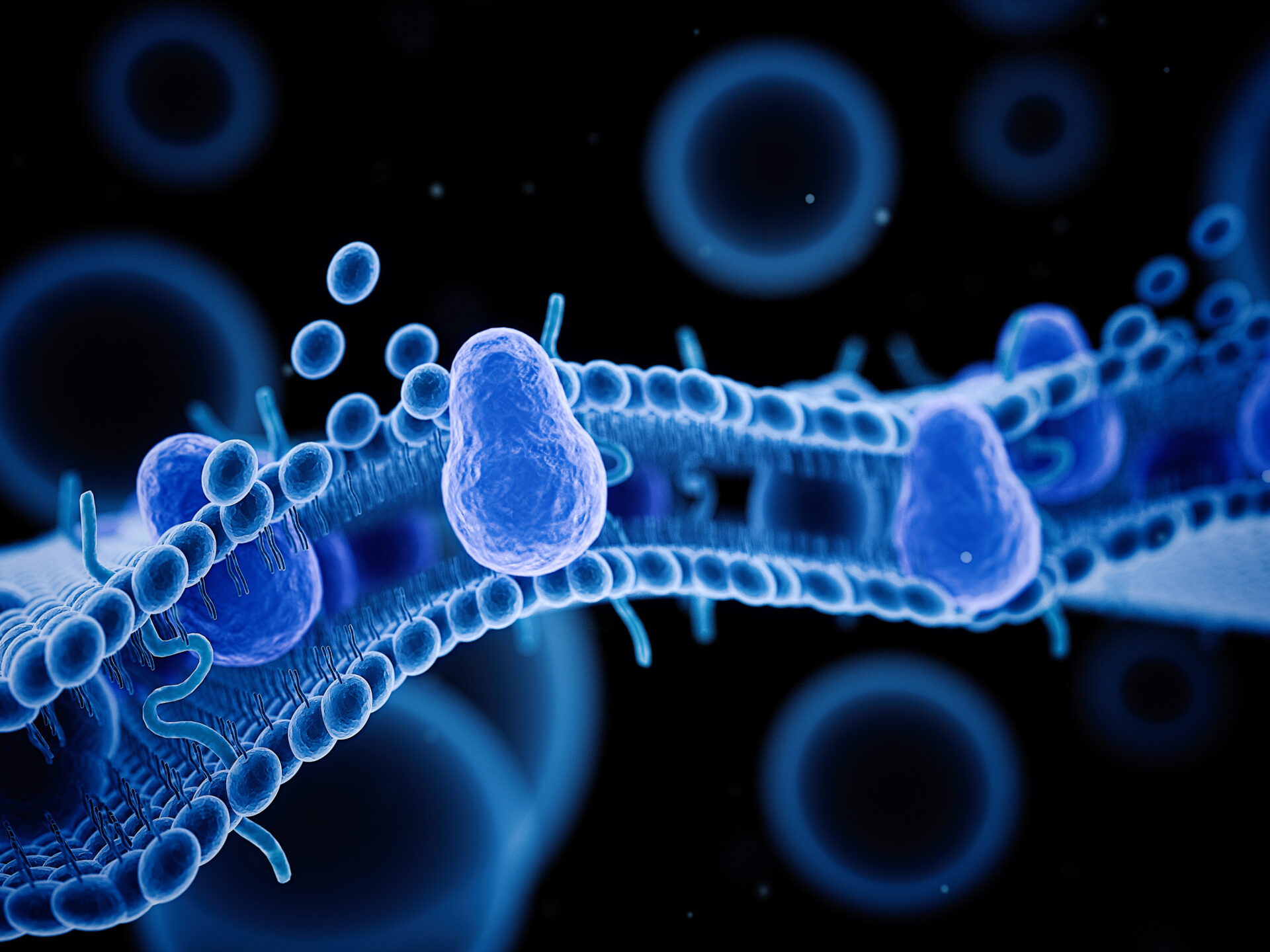
An international research collaboration led by the Hospital del Mar Research Institute has uncovered secret gateways within cell membrane proteins that could revolutionise how drugs interact with cells. The study, published in Nature Communications on 27 March 2025, demonstrates that G protein-coupled receptors (GPCRs) contain previously unidentified access points that can be utilised to modify cellular behaviour.
Unprecedented molecular insights
The breakthrough came through advanced computer simulations that allowed researchers to observe, at atomic scale and in real time, the interactions between membrane lipids and GPCRs in their natural environment. This unprecedented level of detail revealed pathways for drug action that had remained invisible using conventional research methods.
“We have discovered new gateways for drugs to modulate proteins that regulate cellular activity,” explains Dr Jana Selent, coordinator of the GPCR Drug Discovery Research Group within the Biomedical Informatics Research Program (GRIB) at the Hospital del Mar Research Institute, a joint group with Pompeu Fabra University.
The significance of this discovery is heightened by the fact that GPCRs are already prime targets for pharmaceutical intervention, with approximately 34% of FDA-approved drugs acting on these receptors. Dr Selent notes that “having detailed information about the specific site where these drugs act within the cell will accelerate the development of targeted therapies.”
Expanding the therapeutic landscape
While the research has already analysed data from 190 experiments covering 60% of known GPCRs, work continues to fully map the mechanisms these proteins use to regulate cell function. The team has confirmed that beyond previously known access points, there exist additional pathways only visible through their sophisticated computer simulations.
Dr David Aranda, postdoctoral researcher at GRIB and lead author of the study, describes these as “more specific gateways for each receptor – a more direct way to modulate cell behaviour.” This specificity could be the key to developing more precise medications. One of the most valuable aspects of this research is how it illuminates previously obscure drug-cell interactions. In many cases, scientists knew that certain drugs affected cells but lacked understanding of the precise mechanisms involved. The new findings help identify “targets that help create more selective, more precise medications, thereby reducing possible side effects. This could allow us to go beyond current methods used in treating multiple conditions,” adds Dr Aranda.
Collaborative and open approach
The study represents a remarkable international effort, with participating research centres from Spain, Switzerland, the United Kingdom, Germany, France, Poland, the Netherlands, Denmark, Hungary, Italy, Sweden, China, and the United States. In keeping with principles of open science, the researchers have made their findings freely available for use by any laboratory working on developing or improving medications. This collaborative approach aims to accelerate drug discovery and enhance therapeutic interventions across the medical field.
Reference:
Aranda-García, D., Stepniewski, T. M., Torrens-Fontanals, M., et. al. (2025). Large scale investigation of GPCR molecular dynamics data uncovers allosteric sites and lateral gateways. Nature Communications, 16(1), 2020. https://doi.org/10.1038/s41467-025-57034-y