
GenNext Technologies partners with Thermo Fisher to accelerate structural biology workflows
The collaboration combines GenNext’s AutoFox protein footprinting technology with Thermo Fisher’s mass spectrometry solutions to create an integrated workflow for biotherapeutic development, offering researchers enhanced capabilities for validating AI-generated protein structural models whilst streamlining complex analytical processes.
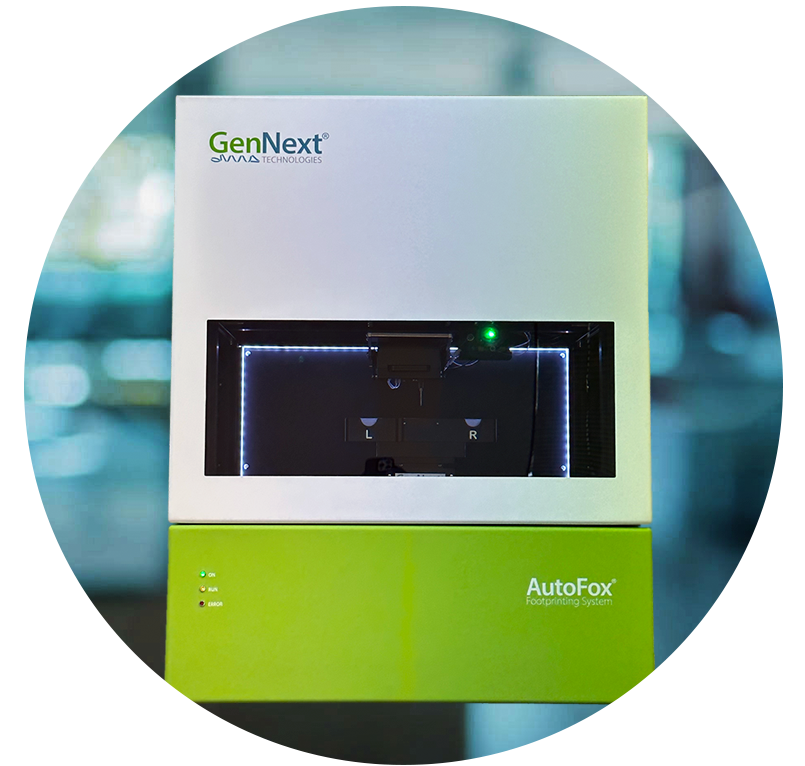
GenNext Technologies has announced a strategic collaboration with Thermo Fisher Scientific to deliver a simplified structural biology workflow designed to accelerate biotherapeutic development. The partnership integrates GenNext’s AutoFox Protein Footprinting System with Thermo Fisher’s industry-leading liquid chromatography-mass spectrometry (LC-MS) solutions, creating a comprehensive analytical platform for researchers working on complex protein structure and drug interaction studies.
The collaboration addresses critical challenges in structural proteomics by combining GenNext’s radical protein footprinting technology with Thermo Scientific Orbitrap instrumentation, sample preparation technology, and structural proteomics consumables including crosslinkers and fluorescence labels. This integrated approach delivers high-resolution insights into protein structure and dynamics, essential parameters for optimising drug safety, efficacy, and delivery mechanisms.
Enhanced capabilities for AI model validation
The workflow provides researchers with valuable tools to validate structural models generated by artificial intelligence, an emerging frontier in drug discovery. As AI tools increasingly predict protein structures and drug interactions, experimental validation becomes crucial for translating computational predictions into practical therapeutic applications.
“We’re thrilled to collaborate with Thermo Fisher Scientific in advancing the boundaries of structural biology,” said Scot Weinberger, CEO of GenNext Technologies. “By integrating our Fox product line with Thermo Fisher’s MS instrumentation such as Thermo Scientific Orbitrap Tribrid MS or Thermo Scientific Orbitrap Exploris MS, advanced reagents and data processing software, researchers can rapidly gain unprecedented visibility into biomolecular structure and behaviour with unprecedented speed and simplicity.”
Streamlined analytical workflow from sample to results
The integrated workflow begins with GenNext’s AutoFox system, which employs radical protein footprinting to map protein shape, flexibility, and binding interactions under near-native conditions. This structural information is subsequently captured with high sensitivity and precision using Thermo Fisher’s Orbitrap mass spectrometers, supported by EasyPep Sample Prep Kits and Tandem Mass Tag reagents to enhance consistency, enable replicate pooling, and maximise protein coverage.
The Thermo Scientific Orbitrap Astral mass spectrometer further enhances workflow capabilities by providing rapid throughput, high sensitivity, and comprehensive proteome coverage to expedite protein discovery and characterisation processes. Data processing utilises GenNext’s FoxWare Software combined with Thermo Scientific’s Proteome Discoverer software, creating a seamless analytical pipeline from sample preparation through to analysis and interpretation.
Supporting next-generation therapeutic development
The simplified yet robust solution addresses particular requirements in biologics and biosimilar development, where detailed structural characterisation is essential for regulatory compliance and therapeutic efficacy. The workflow enables researchers to efficiently test and refine AI-generated models, an approach already demonstrated by GenNext’s researchers and clients.
“Structural biology is foundational to the understanding of the molecular basis of biological activity and for the development of new therapeutic strategies,” said Pushkin Pant, Vice President and General Manager of Life Sciences Mass Spectrometry at Thermo Fisher Scientific. “Our collaboration with GenNext enables scientists to generate deeper, more actionable insights through a synergistic technology approach.”
The combination of speed, precision, and experimental validation positions this workflow as a significant asset in both traditional and AI-enhanced drug development programmes, supporting the pharmaceutical industry’s requirements for comprehensive structural characterisation in therapeutic protein development.