
FairJourney Bio describes antibody engineering behind tumour-conditional IL-12 therapy
FairJourney Bio (FJBio), an antibody discovery organisation with operations in Porto, Portugal, and Cambridge, UK, has contributed to a peer-reviewed study published in the journal mAbs describing a dual-specificity antibody fragment designed to activate the cytokine IL-12 selectively within the tumour microenvironment.
IL-12 has long been recognised as one of the most potent anti-tumour cytokines available to researchers, but its clinical development has been constrained by systemic immune-related toxicity when administered conventionally. Earlier attempts to widen its therapeutic window, including intratumoral dosing, half-life extension and protease-cleavable prodrug formats, have achieved limited clinical success to date.
A reversible switch for cytokine delivery
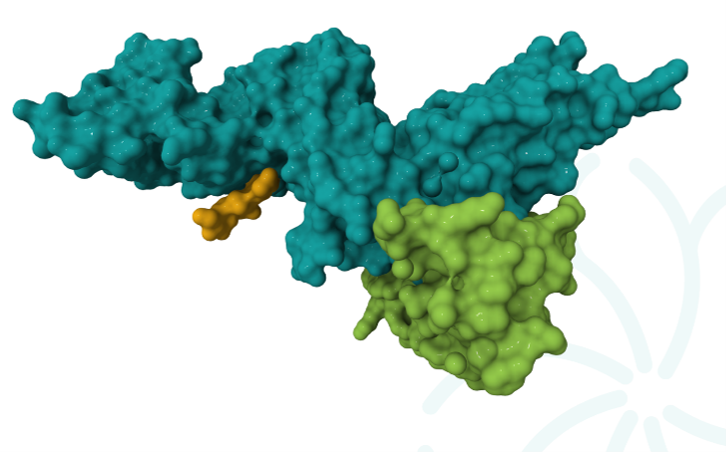
The study, titled ‘Conditional activation of IL-12 through a Fibronectin-EDB dependent switch gate’ and authored by Kahn, J.D. et al., describes a dual-specificity antigen-binding fragment (Fab) engineered to bind competitively to both IL-12 and fibronectin-EDB (FN-EDB), a matrix antigen associated with tumour tissue. The design masks IL-12 activity until the molecule encounters FN-EDB, at which point the cytokine is released in the surrounding microenvironment. The authors describe the mechanism as a reversible transactivation logic gate for tumour-conditional cytokine delivery, which they report as the first such demonstration for this class of molecule. In vitro data presented in the paper show FN-EDB-dependent IL-12 availability and activity, while quantitative systems pharmacology (QSP) modelling was used to predict an improved therapeutic window for the format compared with unmodified IL-12.
Engineering to a pre-defined specification
According to the paper, the format combines a dual-specificity switch arm with a separate, higher-affinity FN-EDB targeting arm. QSP modelling was used at the outset of the programme to define the binding affinity parameters required for the switch to function, ahead of candidate generation. FJBio then introduced IL-12 binding activity into existing FN-EDB-binding scaffolds using targeted mutagenesis, followed by a two-stage combinatorial engineering campaign to optimise both specificities.
The resulting affinities were subsequently tuned against one another so that the switch arm binds competitively to eithe IL-12 or FN-EDB, while the separate targeting arm is intended to support avidity-driven localisation to tumour tissue and conditional activation of the cytokine.
Teresa Barata, PhD, Chief Scientific Officer at FJBio and a co-author of the study, commented: “Harnessing the potent anti-tumour activity of IL-12 while limiting systemic toxicity has challenged researchers for almost 30 years. We are proud of the role our teams played in engineering this complex antibody format, developing a switch molecule that unmasks IL-12 only where it is needed. This campaign demonstrates FJBio’s ability to partner at the most challenging end of discovery, engineering to a narrow, predefined specification and delivering a solution that recognizes two completely unrelated targets and holds them in balance. We are hugely excited by the potential this has in oncology and future treatments.”
The full study appears in mAbs, volume 18, issue 1 (2026), https://doi.org/10.1080/19420862.2026.2700812