Shimadzu Europe
  • News
    • Featured Articles
    • Product News
    • E-News
  • Magazine
    • About us
    • Digital edition
    • Archived issues
    • Free subscriptions
    • Media kit
    • Submit Press Release
  • White Papers
  • Events
  • Suppliers
  • E-Alert
  • Contact us
  • FREE newsletter subscription
  • Search
  • Menu Menu
Clinical Laboratory int.
  • Allergies
  • Cardiac
  • Gastrointestinal
  • Hematology
  • Microbiology
  • Microscopy & Imaging
  • Molecular Diagnostics
  • Pathology & Histology
  • Protein Analysis
  • Rapid Tests
  • Therapeutic Drug Monitoring
  • Tumour Markers
  • Urine Analysis

Archive for category: Featured Articles

Featured Articles

C305 Pescucci Fig1

New screening strategies in prenatal care by the introduction of non-invasive prenatal testing for fetal aneuploidies

, 26 August 2020/in Featured Articles /by 3wmedia

The identification of cell-free fetal DNA (cffDNA) in maternal plasma has led to the development of non-invasive prenatal testing (NIPT) for fetal aneuploidies risk assessment. The high accuracy of NIPT has profoundly influenced the field of prenatal care.

by F. Gerundino, Dr C. Giachini, C. Giuliani, E. Contini and Dr E. Pelo

Background
Several well-established screening approaches to estimate the personal risk for common autosomal aneuploidies such as trisomy 21 (T21, Down syndrome), trisomy 18 (T18, Edwards syndrome) and trisomy 13 (T13, Patau syndrome) are part of the standard prenatal care in many countries. These approaches are based on the combination of different parameters such as maternal age, markers in maternal serum and ultrasound findings in the first or second trimester of pregnancy. Overall, conventional screening tests show a detection rate (DR) of 80–95% with a high false positive rate (FPR) (3–5%). Pregnancies identified to be at high risk (using locally established cut-off values) are offered invasive prenatal diagnosis (IPD) to provide a definitive result. IPD, carried out using either chorionic villus sampling (CVS) or amniocentesis to obtain fetal cells, is associated with an estimated miscarriage risk of 0.5–1% [1]. Given the FPR of conventional screening protocols a not negligible number of pregnancies undergo unnecessary IPD. The identification of cell-free fetal DNA (cffDNA) in plasma of pregnant women [2] has opened new possibilities to improve non-invasive prenatal screening of common fetal aneuploidies. In the last decade, several groups developed massively parallel sequencing (MPS) – using targeted or whole genome approaches – of cell-free DNA (cfDNA) from maternal plasma to detect fetal aneuploidies [3, 4]. These approaches, referred to as non-invasive prenatal testing (NIPT) or non-invasive prenatal screening (NIPS), have been shown to outperform traditional screening protocols. According to a recent meta-analysis, the DR of NIPT was 99.2% for T21, 96.3%, 91.0% and 90.3% for T18, T13 and monosomy X, respectively; the FPR was below 1% for all of these aneuploidies [5]. Since 2011, NIPT became commercially available in the USA and China and was rapidly introduced into standard prenatal care in many countries.

Cell-free-DNA-based screening: validation of a method for fetal aneuploidies risk

The conventional first-trimester screening (FTS) is currently offered to all pregnant women by the public health system in Tuscany. Recently, we validated a NIPT method based on whole genome MPS approach [6], in order to introduce a more robust screening test within the public health system. In whole genome approach, maternal and fetal DNA fragments (called reads) are sequenced simultaneously in a single run. Sequence reads were aligned to specific chromosome locations within the human genome and the number of reads mapped to the chromosome of interest are counted. A relative increase or decrease in the number of reads respect to a predefined threshold value (Z-score) reveals a potential risk of aneuploidy for a specific chromosome. In particular, a trisomy was called when Z-score >3 (Fig. 1). MPS was performed on a total of 381 cfDNA samples isolated from maternal plasma by two steps: a first set of 186 euploid samples was analysed to generate a preliminary reference dataset (group A) and a second set of 195 samples (group B) – enriched by 69 aneuploid cases – was analysed in blind versus the reference dataset to verify the reliability of our sequencing protocol as well as the analysis method. One hundred and fifty samples from group A (80.6%) and 177 samples from group B (90.8%) gave resulted suitable (>10×106 mapped reads) for downstream data analysis. The two groups (A and B) were then merged to generate a definitive dataset (n=327), which was then used to re-analyse the whole study population. Since the fetal fraction (FF) (i.e. the proportion of fetal DNA to the total cfDNA in maternal plasma) is a parameter that strictly influences NIPT performance [7], a droplet digital PCR (ddPCR) protocol has been validated for its assessment [8]. FF quantification by ddPCR was performed in 178/381 (46.7%) samples after methylation-sensitive DNA digestion. Absolute quantification of both fetal (on digested RASSF1A) and total DNA (on TERT and undigested beta-actin/RASSF1A) was calculated as the ratio between the average copies/µL of fetal DNA and total DNA. An SRY assay was used for fetal gender assessment [6].

Results of the validation study
Considering the performance of the definitive reference dataset, all positive samples for T21 (n=43), T18 (n=6) and T13 (n=7) were correctly identified (sensitivity 99.9%). Five false positive (FP) results were observed: three for T21 (specificity 98.9%) and two for T13 (specificity 99.4%).

Z-score values of true positive (TP) cases for T21 and T13 were always higher than 4.6 and 6.6, respectively. Conversely, all Z-score values of FP cases for T21 and T13 lay within 3.0 and 4.0 (the so-called Z-score ‘grey zone’). Sex chromosome status was correctly assigned in 317/324 (97.8%) cases: 166 males, 149 females and 2 cases with monosomy X. In 3/327 (0.9%) samples fetal gender could not be assigned because of an inconclusive result in data analysis. Seven discordant cases between MPS and follow-up data were observed. The only case of false negative (FN) male has been explained by a low FF (0.3%), underling the importance of FF determination. Only two out of four cases with monosomy X were correctly identified by NIPT, while the remaining two cases were erroneously classified as male.

Discussion
NIPT is an accurate screening test without associated risk for the mother and/or the fetus and it can be performed early in pregnancies, starting from 9–10 weeks of gestation. It is suitable both in low- and high-risk pregnancies, even if the positive predictive value (PPV) of the test (the chance that the positive result is a true positive) is lower in low risk cohorts. Two large studies show that in the general population NIPT outperforms conventional screening tests for T21 with a PPV ranging from 45.5 to 80.9% versus a PPV of 3.4–4.2% [9, 10]. Pre- and post-test counselling to inform patients about benefits, risks, test failure and testing alternatives should be provided before offering cfDNA screening. Owing to a series of intrinsic limitations, NIPT cannot be considered a diagnostic tool, despite its high performance. In the management of pregnancies with a high-risk NIPT, the possibility of FP results should always be taken into account and IPD should be recommended after a NIPT-positive result. cffDNA derives from the apoptosis of the placental cytotrophoblast cells, therefore in rare cases it may not represent the genetic constitution of the fetus. FP results may arise from confined placental mosaicism (CMP) in which some or all trophoblastic cells are trisomic, whereas the fetus is normal (1–2% of first-trimester placentas) [11]. FN results are a very rare occurrence and can be explained by fetoplacental discrepancies, in which the fetus shows an abnormal karyotype but the chromosome aberration is absent in the cytotrophoblast and, therefore, in the cffDNA. Additional sources of FP results can be unanticipated finding such as maternal chromosome abnormalities (maternal mosaicisms, microdeletions and other copy-number variations) or maternal malignancy, or the presence of a vanishing twin with an early loss of a trisomic fetus.

Failure to provide a result occurs in 1.6–6.4% of NIPT. Both laboratory technical issues or low FF can cause the failure [12]. Low FF in frequently found in overweight pregnant women, in which the low FF could be due to a dilution effect of an increased blood volume or to the high turn-over of adipocytes [13]. In these cases it is not advisable to repeat the test on a new sample because the probability of a second test failure is quite high. An accurate clinical management of cases with low FF and normal maternal weight is instead recommended, because FF is lower in pregnancies with aneuploid fetuses (T18, T13, monosomy X and triploidy) compared to euploid pregnancies [14].

NIPT has rapidly spread in many countries through commercial provider, leading to a re-examination of current screening methods, and several models of implementation of NIPT have been proposed with pros and cons. Current guidelines recommend that “in countries where prenatal screening is offered as a public health service, governments and public health authorities should assume an active role to ensure the responsible introduction of NIPT” [15].

Our study represents the first experience of NIPT within the Italian public health system. Following our validation study, NIPT testing for T21, T13 and T18 has been introduced as a clinical service for all pregnant women after 10+4 week of gestation upon payment. Our regional health system has planned a pilot study of two years to evaluate the benefit-to-cost ratio of NIPT introduction into routine prenatal care to support the current screening strategy based on nuchal translucency measurement and maternal serum biomarker quantification. NIPT will be offered in an adequate context of pre- and post-test counselling as an alternative option to IPD in pregnant women with high risk after FTS and applying the national cut-off of 1:250. We expect that this strategy would lead to a significant reduction in unnecessary IPD due to FP results of FTS with a reduction in fetal losses associated to diagnostic procedures among high-risk women, allowing us to offer the best screening strategy currently available.

References
1. Tabor A, Alfirevic Z. Update on procedure-related risks for prenatal diagnosis techniques. Fetal Diagn Ther 2010; 27(1): 1–7.
2. Lo YM, Corbetta N, Chamberlain PF, Rai V, Sargent IL, Redman CW, Wainscoat JS. Presence of fetal DNA in maternal plasma and serum. Lancet 1997; 350(9076): 485–487.
3. Chiu RW, Chan KC, Gao Y, Lau VY, Zheng W, Leung TY, Foo CH, Xie B, Tsui NB, et al. Noninvasive prenatal diagnosis of fetal chromosomal aneuploidy by massively parallel genomic sequencing of DNA in maternal plasma. Proc Natl Acad Sci U S A 2008; 105(51): 20458–20463.
4. Fan HC, Blumenfeld YJ, Chitkara U, Hudgins L, Quake SR. Noninvasive diagnosis of fetal aneuploidy by shotgun sequencing DNA from maternal blood. Proc Natl Acad Sci U S A 2008; 105(42): 16266–16271.
5. Gil MM, Quezada MS, Revello R, Akolekar R, Nicolaides KH. Analysis of cell-free DNA in maternal blood in screening for fetal aneuploidies: updated meta-analysis. Ultrasound Obstet Gynecol 2015; 45(3): 249–266.
6. Gerundino F, Giachini C, Contini, E Benelli M, Marseglia G, Giuliani C, Marin F, Nannetti G, Lisi E, et al. Validation of a method for noninvasive prenatal testing for fetal aneuploidies risk and considerations for its introduction in the Public Health System. J Matern Fetal Neonatal Med 2017; 30(6): 710–716.
7. Palomaki GE, Kloza EM, Lambert-Messerlian GM, Haddow JE, Neveux LM, Ehrich M, van den Boom D, Bombard AT, Deciu C, et al. DNA sequencing of maternal plasma to detect Down syndrome: an international clinical validation study. Genet Med 2011; 13(11): 913–920.
8. Chan KC, Ding C, Gerovassili A, Yeung SW, Chiu RW, Leung TN, Lau TK, Chim SS, Chung GT, et al. Hypermethylated RASSF1A in maternal plasma: A universal fetal DNA marker that improves the reliability of noninvasive prenatal diagnosis. Clin Chem 2006; 52(12): 2211–2218.
9. Bianchi DW, Parker RL, Wentworth J, Madankumar R, Saffer C, Das AF, Craig JA, Chudova DI, Devers PL, et al. DNA sequencing versus standard prenatal aneuploidy screening. N Engl J Med 2014; 370(9): 799–808.
10. Norton ME, Jacobsson B, Swamy GK, Laurent LC, Ranzini AC, Brar H, Tomlinson MW, Pereira L, Spitz JL, et al. Cell-free DNA analysis for noninvasive examination of trisomy. N Engl J Med 2015; 372(17): 1589–1597.
11. Kalousek DK, Vekemans M. Confined placental mosaicism. J Med Genet 1996; 33(7): 529–533.
12. Yaron Y. The implications of non-invasive prenatal testing failures: a review of an under-discussed phenomenon. Prenat Diagn 2016; 36(5): 391–396.
13. Haghiac M, Vora NL, Basu S, Johnson KL, Presley L, Bianchi DW, Hauguel-de Mouzon S. Increased death of adipose cells, a path to release cell-free DNA into systemic circulation of obese women. Obesity 2012; 20(11): 2213–2219.
14. Rava RP, Srinivasan A, Sehnert AJ, Bianchi DW. Circulating fetal cell-free DNA fractions differ in autosomal aneuploidies and monosomy X. Clin Chem 2014; 60(1): 243–250.
15. Dondorp W, de Wert G, Bombard Y, Bianchi DW, Bergmann C, Borry P, Chitty LS, Fellmann F, Forzano F, et al. Non-invasive prenatal testing for aneuploidy and beyond: challenges of responsible innovation in prenatal screening. Summary and recommendations. Eur J Hum Genet 2015; doi: 10.1038/ejhg.2015.56.

The authors
Francesca Gerundino BS, Claudia Giachini PhD, Costanza Giuliani BS, Elisa Contini BS, Elisabetta Pelo* MD
Diagnostic Genetic Unit, Careggi University Hospital, Florence, Italy

*Corresponding author
E-mail: peloe@aou-careggi.toscana.it

https://clinlabint.com/wp-content/uploads/sites/2/2020/08/C305_Pescucci_Fig1.jpg 670 1000 3wmedia https://clinlabint.com/wp-content/uploads/sites/2/2020/06/clinlab-logo.png 3wmedia2020-08-26 09:41:362021-01-08 11:34:56New screening strategies in prenatal care by the introduction of non-invasive prenatal testing for fetal aneuploidies
27415 Diasource CLI ad material third island

The fastest 25OH Vitamin D Elisa assay on the market

, 26 August 2020/in Featured Articles /by 3wmedia
https://clinlabint.com/wp-content/uploads/sites/2/2020/08/27415-Diasource_CLI-ad-material_third-island.jpg 1500 787 3wmedia https://clinlabint.com/wp-content/uploads/sites/2/2020/06/clinlab-logo.png 3wmedia2020-08-26 09:41:362021-01-08 11:34:59The fastest 25OH Vitamin D Elisa assay on the market
greiner bio one advertorial CLI Nov

Small tubes, great impact

, 26 August 2020/in Featured Articles /by 3wmedia
https://clinlabint.com/wp-content/uploads/sites/2/2020/08/greiner-bio-one-advertorial-CLI-Nov.jpg 990 700 3wmedia https://clinlabint.com/wp-content/uploads/sites/2/2020/06/clinlab-logo.png 3wmedia2020-08-26 09:41:362021-01-08 11:35:11Small tubes, great impact
Frances1 02

Is it a urinary tract infection?

, 26 August 2020/in Featured Articles /by 3wmedia
Whilst the respiratory tract is the most frequent site of infection, in the developed world the urinary tract is the second most frequent site; 50% of otherwise healthy women will experience at least one UTI. The shortness of the female urethra and its proximity to both vagina and anus in women contribute to the much greater frequency of UTIs in women compared with men. Sexually active women are most vulnerable to infection, and up to 40% of women who have a UTI will experience a repeat infection within a year. Quite apart from the extreme discomfort that uncomplicated UTIs can cause, complications such as pyelonephritis can lead to pyonephrosis, sepsis and kidney failure. Thus, diagnosed UTIs are treated with antibiotics such as trimethoprim, alone or in combination with sulfamethoxazole.
However, resistance to antibiotics and the urgent need for ‘antibiotic stewardship’ is rightfully discouraging primary healthcare providers from prescribing these drugs without a diagnosis of a bacterial infection. This is especially relevant in the case of upper respiratory tract infections, which are most frequently viral and self-limiting. But in the case of UTIs the dipstick test, and even standard lab-cultured urine, can give false negative results resulting in the withholding of necessary treatment. A recently published Belgian study based at the University of Ghent carried out quantitative PCR on urine samples for two bacterial species (and four sexually transmitted pathogens), in addition to standard urine culture, in 220 women with symptoms of UTI and 86 healthy volunteers. The tested bacterial species were Escherichia coli, present in the intestinal flora and the causative organism of over two thirds of UTIs, and Staphylococcus saprophyticus, the second most common causative organism present in the normal perineal and vaginal flora. In the symptomatic group standard culture detected uropathogens in 81% of the urine samples, but with qPCR 95.9% of these samples were found positive for E.coli and 8.6% for S. saprophyticus. There were also two samples positive for sexually transmitted pathogens. Overall 98% of the symptomatic women were found to have pathogens in their urine, compared with 10% of the control women.
So standard urine culture is not as infallible as was previously thought and dipstick tests, whilst quick and cheap, cannot be used to rule out a UTI. Because of the reliance on such tests, many women presenting with a UTI are sent home again without antibiotics being prescribed. Yes, we need stewardship, but clearly women with the typical urinary symptoms have an infection that should be treated!
https://clinlabint.com/wp-content/uploads/sites/2/2020/08/Frances1_02.jpg 800 600 3wmedia https://clinlabint.com/wp-content/uploads/sites/2/2020/06/clinlab-logo.png 3wmedia2020-08-26 09:41:362021-01-08 11:34:53Is it a urinary tract infection?
p14 07

Next-generation sequencing as a diagnostic tool in respiratory infections

, 26 August 2020/in Featured Articles /by 3wmedia
Viral diagnostic methods have evolved greatly in recent decades, with perhaps the most significant change being the widespread use of nucleic acid amplification tests (NAAT). The introduction of next-generation sequencing methods may see a further change in the landscape of infection diagnostics. Here we discuss some of the potential benefits and challenges with this approach.

by Dr Fiona Thorburn

Background
The term ‘acute respiratory tract infection’ (ARTI) encompasses a spectrum of conditions ranging from the common cold to pneumonia. Multiple organisms may infect the human respiratory tract, such as bacteria and fungi, but the majority of episodes are thought to be viral in origin [1]. The diagnosis of ARTI is made clinically but the lack of pathognomonic features means etiology cannot be determined clinically. Identifying causative organisms is challenging owing to the number of possibilities but is important for many reasons. In severe cases identification of an organism will guide therapeutics, although specific treatments for viral ARTI are generally limited to influenza. At the other end of the clinical spectrum identifying a viral cause in mild cases allows the physician to defer treatment with antibiotics and reassure the patient. This is an essential component of antimicrobial stewardship as high rates of antibiotic use are associated with circulating antimicrobial resistance [2]. The majority of antibiotic prescriptions issued in the UK are for respiratory tract infections [3] yet antibiotic use puts patients at risk of adverse drug reactions and in many cases will not lessen the duration of symptoms [4].

Respiratory infection diagnostics
Until recently viral diagnostics relied on cell culture or animal/egg inoculation. These time-consuming and laborious methods provided only a retrospective diagnosis and were, therefore, of little use in the management of acute infections. Nucleic acid amplification tests (NAAT), directly detecting the RNA or DNA of pathogens, have largely superseded these.

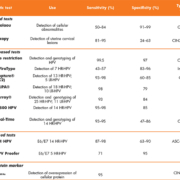
Many methods of RNA/DNA detection are available (Table 1). The most widely used is polymerase chain reaction (PCR). This has the benefit of rapid turnaround times and high levels of sensitivity and specificity in comparison to cell culture [5]. A pair of primers is required for each target but it is possible to use multiple primer sets within a single reaction (up to four) without compromising test sensitivity over the monoplex assay. This chemistry is now available as closed systems providing rapid results as a near-patient test (GeneXpert by Cepheid, Cobas by Roche).

Other examples of molecular NAATs which are available but not commonplace would be loop-mediated isothermal amplification (LAMP) and microarrays. LAMP detects nucleic acids but does not rely on thermocycling. It does, however, require multiple primers for each target (usually six) and as a consequence the sensitivity is more likely to be affected by genome mutations than standard PCR. This also makes multiplexing multiple targets within a single reaction more complicated.

Microarrays (also known as DNA chips or biochips) use a collection of oligonucleotide probes, about 70 bases in length, immobilized on a solid surface. The probes are complementary portions of DNA or RNA designed to match conserved regions of a genome; thus, if present, the target will bind to the corresponding probe which can then be quantified. Multiple probes may be attached to a single surface, screening for a large number of pathogens in a single reaction. As probes are targeted against conserved regions of the pathogen genome they may also detect related but novel pathogens.

To be used as a comprehensive diagnostic test numerous targets must be included to cover the likely pathogens. In the case of respiratory infections commercial assays are available with around 33 targets over 8 reactions [6]. Despite this approach a viral pathogen is detected in only a minority of specimens [7] and it remains the case that a pathogen will only be detected if actively sought.

Several significant respiratory viruses have been identified in recent years; those which may have circulated for many years, such as the human metapneumovirus, or emerging pathogens, such as SARS and, more recently, MERS. Whereas these are related to other known pathogens they are genetically distinct and, therefore, would evade detection with molecular methods.

What is next-generation sequencing?
The term ‘next-generation sequencing’ (NGS) refers to the practice of sequencing millions of DNA fragments in parallel. Numerous platforms are available to carry this out and the exact chemistry varies greatly between each. In practice, either all genetic material within a sample can be sequenced – metagenomics; or, hybrid capture allows a more focused approach to an area or genome of interest, this is termed ‘target enrichment’.

Advantages of NGS
Applying metagenomic NGS to clinical samples would allow an untargeted approach to identify all the genetic material contained within. This method has demonstrated potential for use in a diagnostic setting [8, 9].
The lack of pathogen targeting means that multiple pathogens can be detected without selection (Fig. 1), including novel or emerging or divergent pathogens. In the case of many viral pathogens evolution and mutations over time can reduce detection with specific PCR reactions. Mutations affecting primer binding sites may reduce binding affinity during the reaction and, for this reason, the performance of diagnostic assays must be monitored closely and at times altered. NGS could, therefore, be used as an adjunct in the quality control of PCR assays.

It is possible to detect full genome sequences from diagnostic samples and even with partial genome sequence it is feasible to subtype viral pathogens. Real-time knowledge of the circulating viral subtype is of particular importance in the management of influenza where this informs anti-viral choice, potential resistance and vaccine efficacy. This is currently carried out using additional PCR assays and Sanger sequencing, although this is not always possible in real-time.

Laboratory workflow
Currently the identification of rare or unusual pathogens using molecular methods necessitates samples to be batched to make the process cost effective; alternatively the test is centralized to a single laboratory to which samples must be sent. Either results in an increase in turn-around time. The use of NGS without any enrichment or targeting would permit samples to be treated in the same manner irrespective of type or likely pathogen.

Challenges
A major barrier in introducing NGS to the diagnostic setting is cost. Although the cost of NGS is decreasing rapidly it remains considerably more expensive than multiplex PCR. It is, therefore, unlikely to be cost effective to use this method for pathogen detection in non-severe infections for the time being. However, any cost–benefit analysis on introducing NGS to a diagnostic setting should also consider, on the positive side of the balance sheet, the likely savings NGS would offer in reductions to epidemiological and public health testing.

Complexity and turnaround time
Current methods of library preparation are complex requiring multiple user interventions and additional equipment to that found in a diagnostic laboratory with attendant implications for the time and cost of the process. To be carried out as a routine diagnostic assay these processes would need to be simplified and, ideally, automated to reduce hands-on time and the potential for contamination and human error.
The commonly used sequencing platforms take several hours or even days to generate sequence information. It should be noted that the third generation platforms that use single-molecule real-time (SMRT) technology are rapid and, as the name suggests, can be analysed in almost real-time.

Data analysis
Data analysis and storage is a major bottleneck in the NGS process. The computational power required for analyses would be beyond the current capabilities of diagnostic services. The methods used in data analysis pose a further challenge. Currently there is no agreed method as to the best approach for data analysis; indeed this is an entire specialty in itself, bioinformatics. Development of software programmes will both make the analysis more feasible in a diagnostic service to non-bioinformaticians and will lead to standardization of data processing.

Discussion
NGS undoubtedly has potential to dramatically change the landscape of infection diagnostics. Whether it will replace current molecular methods remains to be seen. The cost and complex sample processing remains prohibitive but these novel technologies are still in an exponential phase of development. Even current methodologies are yielding promising results in this field. The lack of pathogen targeting means that there is potential for a single work flow to be applied to all specimens, no matter what the syndrome which could even be extended to non-viral pathogens, resulting in a pan-microbial diagnostic test.

The generation of virus sequence as part of a diagnostic assay has substantial management and epidemiological benefits. In terms of respiratory infections this is currently limited to resistance testing and strain analysis of influenza. However, in the management of blood-borne viruses, particularly HIV and hepatitis C virus (HCV), point mutations and minor populations may impact greatly on the management and prognosis of patients. With the introduction of novel therapies or vaccines against viral respiratory infections NGS will have an even greater clinical benefit.

Acknowledgements
I would like to thank Dr Rory Gunson and Dr Emma Thomson for reviewing the manuscript.

References
1. Clark TW, Medina MJ, Batham S, Curran MD, Parmar S, Nicholson KG. Adults hospitalised with acute respiratory illness rarely have detectable bacteria in the absence of COPD or pneumonia; viral infection predominates in a large prospective UK sample. J Infect 2014; 69(5): 507–515.
2. Linares J, Ardanuy C, Pallares R, Fenoll A. Changes in antimicrobial resistance, serotypes and genotypes in Streptococcus pneumoniae over a 30-year period. Clin Microbiol Infect 2006; 16(5): 402–410.
3. Lindbaek M. Prescribing antibiotics to patients with acute cough and otitis media. Br J Gen Pract 2010; 56(524): 164–166.
4. Butler CC, Hood K, Verheij T, Little P, Melbye H, Nuttall J, Kelly MJ, Mölstad S, Godycki-Cwirko M, Almirall J, Torres A, Gillespie D, Rautakorpi U, Coenen S, Goossens H. Variation in antibiotic prescribing and its impact on recovery in patients with acute cough in primary care: prospective study in 13 countries. BMJ 2009; 338: b2242.
5. van Elden LJ, van Kraaij MG, Nijhuis M, Hendriksen KA, Dekker AW, Rozenberg-Arska M, van Loon AM. Polymerase chain reaction is more sensitive than viral culture and antigen testing for the detection of respiratory viruses in adults with hematological cancer and pneumonia. Clin Infect Dis 2002; 34(2): 177–183.
6. FTD Respiratory Pathogens 33. Fast-track Diagnostics 2016. (http://www.fast-trackdiagnostics.com/products/ftd-respiratory-pathogens-33/)
7. Nickbakhsh S, Thorburn F, von Wissmann B, McMenamin J, Gunson RN, Murcia PR. Extensive multiplex PCR diagnostics reveal new insights into the epidemiology of viral respiratory infections. Epidemiol Infect 2016; 144(10): 2064–2076.
8. Thorburn F, Bennett S, Modha S, Murdoch D, Gunson R, Murcia PR. The use of next generation sequencing in the diagnosis and typing of respiratory infections. J Clin Virol 2015; 69: 96–100.
9. Prachayangprecha S, Schapendonk CM, Koopmans MP, Osterhaus AD, Schürch AC, Pas SD, van der Eijk AA, Poovorawan Y, Haagmans BL, Smits SL. Exploring the potential of next-generation sequencing in detection of respiratory viruses. J Clin Microbiol 2014; 52(10): 3722–3730.

The author
Fiona Thorburn PhD
NHS Greater Glasgow and Clyde, Glasgow G12 0XH, UK


E-mail: Fionathorburn@nhs.net

https://clinlabint.com/wp-content/uploads/sites/2/2020/08/p14_07.jpg 166 800 3wmedia https://clinlabint.com/wp-content/uploads/sites/2/2020/06/clinlab-logo.png 3wmedia2020-08-26 09:41:362021-01-08 11:35:02Next-generation sequencing as a diagnostic tool in respiratory infections
p51 MP Biomedical advertorial

Leading diagnostics supplier offers rapid test platform

, 26 August 2020/in Featured Articles /by 3wmedia
https://clinlabint.com/wp-content/uploads/sites/2/2020/08/p51_MP-Biomedical_advertorial.jpg 961 700 3wmedia https://clinlabint.com/wp-content/uploads/sites/2/2020/06/clinlab-logo.png 3wmedia2020-08-26 09:41:362020-09-01 10:57:16Leading diagnostics supplier offers rapid test platform
C303 Adeli Figure 1 crop

Improving diagnostic accuracy and laboratory test result interpretation in children and adolescents

, 26 August 2020/in Featured Articles /by 3wmedia

Appropriate reference intervals are critical for interpretation of laboratory test results and accurate assessment of health and disease. However, pediatric reference intervals are severely lacking, leading to significant risk of misdiagnosis. CALIPER has addressed these gaps by establishing a robust reference interval database based on thousands of healthy children and adolescents.

by Victoria Higgins and Dr Khosrow Adeli

Introduction
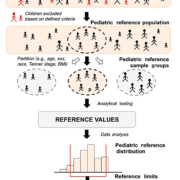
The clinical laboratory provides objective data through laboratory testing of bodily fluids (e.g. serum, plasma) to aid in several aspects of medical decision making, including identifying risk factors and symptoms, diagnosing disease, and monitoring treatment. To correctly interpret laboratory test results, they are often compared to reference intervals (RIs), sometimes referred to as ‘normative’ or ‘expected’ values. RIs are commonly defined as the central 95% of the distribution of laboratory test results expected in a healthy, reference population [1]. Laboratory values that fall outside the appropriate RI may be interpreted as abnormal, possibly indicating the need for additional medical follow-up and/or treatment [2]. Given their critical importance to healthcare it would be expected that accurate RIs, appropriate for the patient population, are used in clinical practice. However, this is unfortunately far from the truth.

Importance of pediatric reference intervals
It can be challenging and costly for individual laboratories to develop RIs for their specific patient population, due to the necessity of recruiting a sufficiently large number of healthy individuals [i.e. The Clinical Laboratory Standards Institute (CLSI) recommends 120 individuals per partition] [1]. This is particularly true for pediatrics, a population in which unique RIs are of high importance. To interpret pediatric test results, laboratories often use RIs that were established on an adult reference population. The use of adult RIs to interpret pediatric test results can lead to erroneous and inaccurate interpretation. This is highlighted in Figure 1, which depicts the concentration of alkaline phosphatase (ALP) throughout pediatric, adult and geriatric age. It is evident that the pediatric population has vastly unique normative ALP values. Unique analyte concentrations in pediatrics is also true for sex hormones, growth hormones and several other analytes [3–5]. Therefore, children should not be viewed as small adults in the context of medical practice, but require separate RIs (i.e. partitions) for different age and/or sex groups, in addition to neonates and premature babies [5].

Closing the gaps in pediatric reference intervals
The current CLSI guidelines, which are mostly focused on adult RIs, acknowledge the special challenges of establishing age- and sex-specific pediatric RIs and recommend development of new initiatives to address the current gaps. The quality of a RI critically depends on the selected reference population. Therefore, the direct method of establishing RIs, which involves recruiting healthy individuals and applying exclusion criteria to select an appropriate reference population, is recommended over the indirect method, which involves using an already existing database (e.g. laboratory information system) to calculate RIs [1]. It is imperative for RI initiatives to focus on recruiting a sufficiently large and healthy reference population to accurately establish appropriate RIs for the pediatric population (i.e. using the direct method). Recognizing the critical need to establish pediatric RIs, several national initiatives have collected health information and blood samples from healthy pediatric populations. These initiatives include KiGGS in Germany [6], the Lifestyle of Our Kids (LOOK) study in Australia [7], CHILDx in the United States [8–10], The COPENHAGEN Puberty Study in the Nordic countries [11], and The Canadian Laboratory Initiative on Pediatric RIs (CALIPER) in Canada [5, 12].

The KiGGS initiative collected comprehensive, nationwide data on the health status of over 17 000 children and adolescents aged 0 to 17 years, across 167 locations in Germany [6]. This study has focused on laboratory parameters of general health indices, markers of nutritional status, immunization status, iron metabolism, thyroid, and indices of atopic sensitization. They have published age-dependent percentiles (3rd to 97th) in German, which may serve as a basis for RIs [13]. The LOOK study in Australia developed age-specific RIs for 37 chemistries, immunoassays, and derived parameters [7]. The CHILDx study was initiated in 2002 at ARUP (Associated Regional and University Pathologists) Laboratories and established RIs for 35 markers for children aged 6 months to 6 years and 58 markers for children aged 7–17 years [8–10]. The Nordic countries have also successfully established pediatric RIs for 21 biochemical properties using samples from healthy children and adolescents aged 5–19 years collected from schools from 2006–2008 in the Copenhagen area in Denmark as part of The COPENHAGEN Puberty Study [11]. However, arguably the most successful initiative has been the CALIPER project in Canada.

CALIPER project
The CALIPER project was initiated by The Paediatric Focus Group of the Canadian Society of Clinical Chemists (CSCC) and primarily based at The Hospital for Sick Children in Toronto (ON, Canada). CALIPER has recruited over 9 000 healthy children and adolescents from schools and community centres to participate at blood collection clinics by completing a health questionnaire, body measurements and donating a blood sample. Using this biobank of healthy pediatric samples, CALIPER has established age-, sex- and, for some biomarkers, Tanner Stage-specific pediatric RIs for over 100 biomarkers including, common biochemical markers, protein markers, lipids and enzymes [12], specialty endocrine markers [14], fertility hormones [15], cancer biomarkers [16], vitamins [17], metabolic disease biomarkers [18], testosterone indices [19] and specialized biochemical markers [20, 21]. All RIs were established in accordance with CLSI guidelines, including sample size requirements, outlier removal, statistical method for partitioning, as well as RI and confidence interval calculations [1].

The majority of RIs were established using Abbott ARCHITECT assays, initially limiting the direct applicability of the CALIPER database to all Canadian laboratories. CALIPER subsequently performed a series of transference and verification studies to expand the CALIPER database to additional assays commonly used in clinical laboratories, including Beckman, Ortho, Roche and Siemens [22–25]. Again, CALIPER performed these studies in accordance with CLSI guidelines and, in fact, often exceeded the sample size and statistical criteria requirements [1, 26]. The comprehensive CALIPER pediatric RI database is available online (www.caliperproject.ca), as well as through a mobile application (CALIPERApp) available on iTunes and Google Play. These tools allow the CALIPER database to be easily accessible to laboratory professionals, physicians, parents and patients.

Continued improvement in pediatric laboratory test interpretation
While significant improvements have been made in pediatric laboratory test interpretation over the past decade, several gaps remain. First, RI data for neonates (including premature babies) and infants (age 0 to <1 year) remains a challenge, owing to difficulties accessing a healthy neonate and infant population. However, the limited neonatal and infantile reference data CALIPER has collected highlights the profound differences in the newborn period, necessitating accurate RIs for this age group. For example, Figure 2 shows the dynamic concentration of creatinine throughout the pediatric age range, particularly the elevated and highly variable levels in the first two weeks of life. A large-scale, comprehensive study aimed at recruiting healthy neonates and infants is required to fill this gap. CALIPER is currently initiating a study with the aim of establishing a complete RI database for neonates and infants, which will greatly improve neonatal healthcare for premature babies, newborns, and infants from primary to complex, tertiary care pediatric centres.

Secondly, the effect of ethnicity on biomarker concentration remains to be comprehensively examined. The International Federation of Clinical Chemistry (IFCC) recommends that every country establishes RIs [27]; however, most nations adopt RIs from studies predominately performed in Western countries based on primarily Caucasian populations without considerations of ethnic differences. Although the majority of biomarkers do not differ between individuals of different ethnic backgrounds, a preliminary examination of the influence of ethnicity in pediatrics by CALIPER has shown that some biomarkers do significantly differ among ethnic groups, including immunoglobulin G (IgG), transferrin, ferritin, and follicle-stimulating hormone (FSH) [12, 14, 15]. Another study examined the influence of ethnicity in adults and found that serum creatine kinase (CK) activity is significantly higher for those of African ancestry. As elevated CK activity is an indicator of statin-induced myopathy, elevated CK activity in those of African ancestry could result in inappropriate discontinuation of statin therapy if ethnic-specific RIs are not used [28]. Another recent study used data from the National Health and Nutrition Examination Survey (NHANES) to develop racial/ethnic-specific RIs among Asians, Blacks, Hispanics, and Whites [29]. CALIPER has initiated a new study to robustly determine the effect of ethnicity on the concentration of routine serum biomarkers by examining and comparing reference values in the four major Canadian ethnic groups (i.e. Caucasian, South Asian, East Asian, and Black).

Lastly, as clinical laboratories adopt their RIs from numerous different sources, including textbooks, manufacturer product inserts, expert opinions, or published literature, RIs in clinical practice may vary substantially between laboratories. A national survey performed in Australia by the Australian Association of Clinical Biochemists (AACB) Harmonisation Group highlights the extensive variation in adult RIs used in clinical practice, which greatly compromises the consistency and reliability of laboratory test result interpretation and patient care [30]. A recent Canadian RI study (manuscript submitted; Adeli K, et al. 2017) by the CSCC Harmonized RI (hRI) Working Group, further highlights the considerable variation in RIs across laboratories with a greater variation observed in pediatric RIs in current clinical use, even between clinical laboratories using the same instrument. These surveys highlight the critical need for harmonized RIs in clinical practice. Initiatives in the Nordic countries [31], UK [32], Australia [33] and Japan [34] have already established harmonized RIs for a number of laboratory tests primarily for adults, but also for pediatrics. The CSCC hRI Working Group is now also working towards Canada-wide RI harmonization.

Conclusion

Children cannot be viewed as small adults and indeed require pediatric-specific RIs appropriately partitioned by age and sex for accurate laboratory test result interpretation. Several national initiatives have begun to address these critical gaps over the past decade by establishing age-, sex- and Tanner Stage-specific RIs for several major analytical platforms. The CALIPER initiative in Canada has arguably been the most comprehensive study to date, with clinical laboratories in several countries globally implementing the CALIPER database into clinical practice. Despite the significant strides recently achieved, further research is warranted in several areas including the establishment of RIs specific to the neonatal and infantile period, ethnic-specific RI for a subset of laboratory markers, and RI harmonization. Collectively, the comprehensive reference database published by CALIPER and the emerging data from ongoing studies directly address the evidence gap in pediatric RIs and contribute to evidence-based interpretation of laboratory test results and enhanced diagnostic accuracy of laboratory biomarkers in current clinical practice.

References

1. Defining, establishing, and verifying RIs in the clinical laboratory; approved guidelines – third edition CLSI document C28-A3. Clinical and Laboratory Standards Institute (CLSI); 2008.
2. Jung B, Adeli K. Clinical laboratory RIs in pediatrics: the CALIPER initiative. Clin Biochem 2009; 42(16–17): 1589–1595.
3. Adeli K, Higgins V, Nieuwesteeg M, Raizman JE, Chen Y, Wong SL, Blais D. Biochemical marker reference values across pediatric, adult, and geriatric ages: establishment of robust pediatric and adult RIs on the basis of the Canadian Health Measures Survey. Clin Chem 2015; 61(8): 1049–1062.
4. Adeli K, Higgins V, Nieuwesteeg M, Raizman JE, Chen Y, Wong SL, Blais D. Complex reference values for endocrine and special chemistry biomarkers across pediatric, adult, and geriatric ages: establishment of robust pediatric and adult RIs on the basis of the Canadian Health Measures Survey. Clin Chem 2015; 61(8): 1063–1074.
5. Shaw JLV, Binesh Marvasti T, Colantonio D, Adeli K. Pediatric RIs: challenges and recent initiatives. Crit Rev Clin Lab Sci 2013; 50(2): 37–50.
6. Kohse KP. KiGGS – the German survey on children’s health as data base for RIs and beyond. Clin Biochem 2014; 47(9): 742–743.
7. Southcott EK, Kerrigan JL, Potter JM, Telford RD, Waring P, Reynolds GJ, Lafferty ARA, Hickman PE. Establishment of pediatric RIs on a large cohort of healthy children. Clin Chim Acta 2010; 411(19–20): 1421–1427.
8. Flanders MM, Crist RA, Roberts WL, Rodgers GM. Pediatric RIs for seven common coagulation assays. Clin Chem 2005; 51(9): 1738–1742.
9. Clifford SM, Bunker AM, Jacobsen JR, Roberts WL. Age and gender specific pediatric RIs for aldolase, amylase, ceruloplasmin, creatine kinase, pancreatic amylase, prealbumin, and uric acid. Clin Chim Acta 2011; 412(9–10): 788–790.
10. Johnson-Davis KL, Moore SJ, Owen WE, Cutler JM, Frank EL. A rapid HPLC method used to establish pediatric RIs for vitamins A and E. Clin Chim Acta 2009; 405(1–2): 35–38.
11. Hilsted L, Rustad P, Aksglæde L, Sørensen K, Juul A. Recommended Nordic paediatric RIs for 21 common biochemical properties. Scand J Clin Lab Invest 2013; 73(1): 1–9.
12. Colantonio DA, Kyriakopoulou L, Chan MK, Daly CH, Brinc D, Venner AA, Pasic MD, Armbruster D, Adeli K. Closing the gaps in pediatric laboratory RIs: a CALIPER database of 40 biochemical markers in a healthy and multiethnic population of children. Clin Chem 2012; 58(5): 854–868.
13. Dortschy R, Schaffarth Rosario A, Scheidt-Nave C, Thierfelder W, Thamm M, Gutsche J. Bevölkerungsbezogene Verteilungswerte ausgewählter Laborparameter aus der Studie zur Gesundheit von Kindern und Jugendlichen in Deutschland (KiGGS). Beiträge zur Gesundheitsberichterstattung des Bundes. Berlin: Robert Koch-Institut; 2009.
14. Bailey D, Colantonio D, Kyriakopoulou L, Cohen AH, Chan MK, Armbruster D, Adeli K. Marked biological variance in endocrine and biochemical markers in childhood: establishment of pediatric RIs using healthy community children from the CALIPER cohort. Clin Chem 2013; 59(9): 1393–1405.
15. Konforte D, Shea JL, Kyriakopoulou L, Colantonio D, Cohen AH, Shaw J, Bailey D, Chan MK, Armbruster D, Adeli K. Complex biological pattern of fertility hormones in children and adolescents: a study of healthy children from the CALIPER cohort and establishment of pediatric RIs. Clin Chem 2013; 59(8): 1215–1227.
16. Bevilacqua V, Chan MK, Chen Y, Armbruster D, Schodin B, Adeli K. Pediatric population reference value distributions for cancer biomarkers and covariate-stratified RIs in the CALIPER cohort. Clin Chem 2014; 60(12): 1532–1542.
17. Raizman JE, Cohen AH, Teodoro-Morrison T, Wan B, Khun-Chen M, Wilkenson C, Bevilaqua V, Adeli K. Pediatric reference value distributions for vitamins A and E in the CALIPER cohort and establishment of age-stratified RIs. Clin Biochem 2014; 47(9): 812–815.
18. Teodoro-Morrison T, Kyriakopoulou L, Chen YK, Raizman JE, Bevilacqua V, Chan MK, Wan B, Yazdanpanah M, Schulze A, Adeli K. Dynamic biological changes in metabolic disease biomarkers in childhood and adolescence: a CALIPER study of healthy community children. Clin Biochem 2015; 48(13–14): 828–836.
19. Raizman JE, Quinn F, Armbruster DA, Adeli K. Pediatric RIs for calculated free testosterone, bioavailable testosterone and free androgen index in the CALIPER cohort. Clin Chem Lab Med 2015; 53(10): e239–243.
20. Kelly J, Raizman JE, Bevilacqua V, Chan MK, Chen Y, Quinn F, Shodin B, Armbruster D, Adeli K. Complex reference value distributions and partitioned RIs across the pediatric age range for 14 specialized biochemical markers in the CALIPER cohort of healthy community children and adolescents. Clin Chim Acta 2015; 450: 196–202.
21. Karbasy K, Lin DCC, Stoianov A, Chan MK, Bevilacqua V, Chen Y, Adeli K. Pediatric reference value distributions and covariate-stratified RIs for 29 endocrine and special chemistry biomarkers on the Beckman Coulter Immunoassay Systems: a CALIPER study of healthy community children. Clin Chem Lab Med 2016; 54(4): 643–657.
22. Estey MP, Cohen AH, Colantonio DA, Chan MK, Marvasti TB, Randell E, Delvin E, Cousineau J, Grey V, et al. CLSI-based transference of the CALIPER database of pediatric RIs from Abbott to Beckman, Ortho, Roche and Siemens Clinical Chemistry Assays: direct validation using reference samples from the CALIPER cohort. Clin Biochem 2013; 46(13–14): 1197–1219.
23. Higgins V, Chan MK, Nieuwesteeg M, Hoffman BR, Bromberg IL, Gornall D, Randell E, Adeli K. Transference of CALIPER pediatric RIs to biochemical assays on the Roche cobas 6000 and the Roche Modular P. Clin Biochem 2016; 49(1–2): 139–149.
24. Araújo PAT, Thomas D, Sadeghieh T, Bevilacqua V, Chan MK, Chen Y, Randell E, Adeli K. CLSI-based transference of the CALIPER database of pediatric RIs to Beckman Coulter DxC biochemical assays. Clin Biochem 2015; 48(13–14): 870–880.
25. Abou El Hassan M, Stoianov A, Araújo PAT, Sadeghieh T, Chan MK, Chen Y, Randell E, Nieuwesteeg M, Adeli K. CLSI-based transference of CALIPER pediatric RIs to Beckman Coulter AU biochemical assays. Clin Biochem 2015; 48(16–17): 1151–1159.
26. Method comparison and bias estimation using patient samples; approved guidelines – second edition CLSI document EP9-A2. Clinical and Laboratory Standards Institute (CLSI) 2002.
27. Solberg HE, Stamm D. IFCC recommendation: The theory of reference values. Part 4. Control of analytical variation in the production, transfer and application of reference values. J Autom Chem 1991; 13(5): 231–234.
28. Brewster LM, Mairuhu G, Sturk A, van Montfrans GA. Distribution of creatine kinase in the general population: implications for statin therapy. Am Heart J 2007; 154(4): 655–661.
29. Lim E, Miyamura J, Chen JJ. Racial/ethnic-specific RIs for common laboratory tests: a comparison among Asians, Blacks, Hispanics, and White. Hawaii J Med Public Health 2015; 74(9): 302–310.
30. Jones GR, Koetsier SD. RCPAQAP first combined measurement and RI survey. Clin Biochem Rev 2014; 35(4): 243–250.
31. Rustad P, Felding P, Franzson L, Kairisto V, Lahti A, Mårtensson A, et al. The Nordic Reference Interval Project 2000: recommended RIs for 25 common biochemical properties. Scand J Clin Lab Invest 2004; 64(4): 271–284.
32. Berg J, Lane V. Pathology harmony; a pragmatic and scientific approach to unfounded variation in the clinical laboratory. Ann Clin Biochem 2011; 48(3): 195–197.
33. Tate JR, Sikaris KA, Jones GR, Yen T, Koerbin G, Ryan J, Reed M, Gill J, Koumantakis G, et al. Harmonising adult and paediatric RIs in Australia and New Zealand: an evidence-based approach for establishing a first panel of chemistry analytes. Clin Biochem Rev 2014; 35(4): 213–235.
34. Yamamoto Y, Hosogaya S, Osawa S, Ichihara K, Onuma T, Saito A, Banba K, Araki H, Nagamine Y, et al. Nationwide multicenter study aimed at the establishment of common RIs for standardized clinical laboratory tests in Japan. Clin Chem Lab Med 2013; 51(8): 1663–1672.

The authors
Victoria Higgins PhD candidate; Khosrow Adeli* PhD, FCACB, DABCC, FACB
CALIPER program, Pediatric Laboratory Medicine, The Hospital for Sick Children, University of Toronto, Toronto, ON M5G 1X8, Canada

*Corresponding author
E-mail: khosrow.adeli@sickkids.ca

https://clinlabint.com/wp-content/uploads/sites/2/2020/08/C303_Adeli_Figure-1_crop.jpg 429 800 3wmedia https://clinlabint.com/wp-content/uploads/sites/2/2020/06/clinlab-logo.png 3wmedia2020-08-26 09:41:362021-01-08 11:34:57Improving diagnostic accuracy and laboratory test result interpretation in children and adolescents
27066 Adaltis 92X270 FEB 2017 new

EXTRAlab – Advanced robotic systems

, 26 August 2020/in Featured Articles /by 3wmedia
https://clinlabint.com/wp-content/uploads/sites/2/2020/08/27066-Adaltis-92X270-FEB-2017_new.jpg 1500 511 3wmedia https://clinlabint.com/wp-content/uploads/sites/2/2020/06/clinlab-logo.png 3wmedia2020-08-26 09:41:362021-01-08 11:34:59EXTRAlab – Advanced robotic systems
C282 E77 UriSed3

Evaluation of UriSed 3 automated urine microscopy analyser

, 26 August 2020/in Featured Articles /by 3wmedia

Urinalysis may provide evidence of significant renal disease in asymptomatic patients. The microscopic urinalysis is vital to making diagnoses in many asymptomatic cases, including urinary tract infection, urinary tract tumors, occult glomerulonephritis, and interstitial nephritis.

Presence or absence of different particles in urine sediment is crucial for clinical decision making. Urine sediment cells or particles provide important information for the diagnosis of renal or urinary diseases [1]. The patented UriSed Technology was developed to reduce the shortcomings of manual microscopy through automation. [2]. The UriSed analysers provide a reliable and reproducible solution since 2007 [3]. The new generation instrument based on the improved UriSed Technology, UriSed 3 was introduced in the market in 2015. UriSed 3 is an automated urine microscopy analyser with a revolutionary particle visualization utilizing both bright-field and phase-contrast microscopy. In the present study, we evaluated the analytical performance of UriSed 3 Automated Urine Microscopy Analyser (Manufactured by 77 Elektronika Kft., Budapest) and compared the results to those from manual microscopy using standardized KOVA counting chambers.

UriSed 3 provides quantitative Red Blood Cell (RBC) and White Blood Cell (WBC) results, and semi-quantitative results for all other particle types: WBC Clumps (WBCc), Squamous Epithelial Cells (EPI), Non-squamous Epithelial Cells (renal tubular and urothelium cells) (NEC), Crystals (CRY): Calcium oxalate dihydrate (CaOxd), Calcium oxalate monohydrate (CaOxm), Uric acid (URI), and Triple-phosphate crystals (TRI), Hyaline casts (HYA), Pathological casts (PAT), Bacteria (cocci-like and rod-like) (BACc, BACr), Yeasts (YEA), Spermatozoa (SPRM) and Mucus (MUC) [4].

Phase-contrast microscopy by UriSed 3
Phase-contrast microscopy is an optical microscopy technique that converts phase shifts in light passing through a transparent specimen to brightness changes in the image. Phase shifts themselves are invisible, but become visible when shown as brightness variations. In particular, for urinary sediment examination, phase-contrast supplies an optimal identification of particles with a low refractive index (e.g., hyaline casts and RBC devoid of their hemoglobin content, the so-called “ghost RBC”) and of cellular morphological details) [9, 10]. Therefore the use of phase-contrast microscopy is encouraged also by international guidelines on urinalysis [5, 6].

The measurement technique of the UriSed 3 instrument is a combination of a bright-field microscope and a phase-contrast microscope in one optical system. Preparation of the UriSed 3 analyser for measurement takes only a few minutes. It needs distilled water for washing its pipette, and patented disposable plastic cuvettes for sample investigation. The instrument throughput is up to 120 samples per hour. The whole measurement process is completely automatic: 200 µl of urine sample is dispensed into the cuvette, then spinning the cuvette for a few seconds gently deposits formed elements into a monolayer at the bottom of the cuvette. The built-in digital camera takes and saves both a bright-field and a phase-contrast microscopic image from the same view-field at 15 different positions of the sediment layer. Information from both whole view-field images are evaluated by a neural network based image processing software.

Material and methods

Analysis of 311 samples was performed to evaluate UriSed 3 analytical performance compared to the manual microscopy urine examination method. Both measurements were carried out with the same anonymous urine samples. Fresh, native urine samples were used, that were typically held for no more than 4 hours before being analysed, as recommended in the relevant guidelines [5,6] to prevent change in the morphology of the particles. Samples were mixed until homogeneous and then split and run on each measuring procedure as close to the same time as possible. The standardized microscopic urinalysis of native samples (Level 3) was followed by using a KOVA counting chamber. The particle concentration for all particle types was evenly distributed in the evaluated urine samples. Carry-over, precision, diagnostic tests such as sensitivity, specificity, diagnostic accuracy, concordance and one category concordance were investigated according to well-established protocols [7].

Results
No carry-over was detected in any of the samples. UriSed 3 has better precision than microscopy at all of the tested RBC and WBC concentrations. The majority of all coefficients of variation obtained for within series imprecision (CV) using UriSed 3 was 7-16% versus 5,5-67% in case of manual microscopy [8]. Good correlation can be found between UriSed 3 and manual counting chamber for formed elements. The Pearson correlation of quantitative parameters are 0.91 (RBC), 0.93 (WBC). The clinical evaluation of UriSed 3 was based on McNemar test and concordance study. The results are shown in the table above.

Conclusion
UriSed 3 instruments utilize phase-contrast and bright-field microscopy to combine original and innovative technologies whose aim is the progressive improvement of automated urinary sediment examination and the progressive approach to the gold standard manual microscopy method. The automated measurement process of UriSed 3 is reproducible and operator-independent. Those sediment particles that are mostly transparent become visible with phase-contrast microscopy by UriSed 3, which is a spectacular advantage and leads to specific improvement in recognition at several particle types.

References
1. Fogazzi GB, The Urinary Sediment an Integrated View Third Edition. Milano: Elsevier, 2010.
2. Barta Z, Kránicz T, Bayer G. UriSed Technology – A Standardised Automatic Method of Urine Sediment Analysis. European Infectious Disease 2011;5:139–42.
3. Zaman Z, Fogazzi GB, Garigali G, Croci MD, Bayer G, Kránicz T. Urine sediment analysis: analytical and diagnostic performances of sediMAX – a new automated microscopy image-based urine sediment analyser. Clin Chim Acta 2010; 411: 147-154.
4. Fogazzi GB, Garigali G. The Urinary Sediment by UriSed Technology. A New Approach to Urinary Sediment Examination. Milano: Elsevier, 2013.
5. Kouri T, Fogazzi G, Hallander H, Hofmann W, Guder WG, editors. European Urinalysis Guidelines. Scand J Clin Lab Invest 2000; 60 (Suppl 231): 1-96.
6. Clinical and Laboratory Standard Institute (ex NCCLS). Document GP16-A3 – Urinalysis; Approved guideline, 3rd ed. Wayne, PA: CLSI, 2009.
7. T. Kouri, A. Gyory, R.M. Rowan. ISLH Recommended Reference Procedure for the enumeration of Particles in Urine. Laboratory Hematology 9:58-63, 2003.
8. Haber MH, Galagan K, Blomberg D, Glassy EF, Ward PCJ, editors. Color Atlas of Urinary Sediment; An Illustrated Field Guide Based on Proficiency Testing. Chicago: CAP Press, 2010.
9. Brody L, Webster MC, Kark RM. Identification of elements of urinary sediment with phase-contrast microscopy. JAMA 1968; 206: 1777-1781.
10. Spencer E. and Pedersen Ib. Hand Atlas of the Urinary Sediment. Bright-field, Phase-Contrast, and Polarized Light. Copenhagen: Munksgaard, 1971.

More information on UriSed 3 is available from the manufacturer:
77 Elektronika Kft., Budapest, HUNGARY
Email: sales@e77.hu, web: en.e77.hu

The author
Erzsébet Nagy MD,
Honorary Associate Professor
Head Phisician of Central Laboratory; Hospitaller Brothers of St. John of God Hospital, Budapest

https://clinlabint.com/wp-content/uploads/sites/2/2020/08/C282_E77_UriSed3.jpg 201 400 3wmedia https://clinlabint.com/wp-content/uploads/sites/2/2020/06/clinlab-logo.png 3wmedia2020-08-26 09:41:362021-01-08 11:35:11Evaluation of UriSed 3 automated urine microscopy analyser
27473 Coris Insertion CLI 2017 04 24

RESIST – Antibio-Resistance is rising up

, 26 August 2020/in Featured Articles /by 3wmedia
https://clinlabint.com/wp-content/uploads/sites/2/2020/08/27473-Coris-Insertion-CLI-2017_04_24.gif 458 1000 3wmedia https://clinlabint.com/wp-content/uploads/sites/2/2020/06/clinlab-logo.png 3wmedia2020-08-26 09:41:362021-01-08 11:34:54RESIST – Antibio-Resistance is rising up
Page 110 of 144«‹108109110111112›»
Bio-Rad - Preparing for a Stress-free QC Audit

Latest issue of Clinical laboratory

November 2025

CLi Cover nov 2025
13 November 2025

New Chromsystems Product for Antiepileptic Drugs Testing

11 November 2025

Trusted analytical solutions for reliable results

10 November 2025

Chromsystems | Therapeutic Drug Monitoring by LC-MS/MS

Digital edition
All articles Archived issues

Free subscription

View more product news

Get our e-alert

The leading international magazine for Clinical laboratory Equipment for everyone in the Vitro diagnostics

Sign up today
  • News
    • Featured Articles
    • Product News
    • E-News
  • Magazine
    • About us
    • Archived issues
    • Free subscriptions
    • Media kit
    • Submit Press Release
clinlab logo blackbg 1

Prins Hendrikstraat 1
5611HH Eindhoven
The Netherlands
info@clinlabint.com

PanGlobal Media is not responsible for any error or omission that might occur in the electronic display of product or company data.

Scroll to top

This site uses cookies. By continuing to browse the site, you are agreeing to our use of cookies.

Accept settingsHide notification onlyCookie settings

Cookie and Privacy Settings


How we use cookies

We may ask you to place cookies on your device. We use cookies to let us know when you visit our websites, how you interact with us, to enrich your user experience and to customise your relationship with our website.

Click on the different sections for more information. You can also change some of your preferences. Please note that blocking some types of cookies may affect your experience on our websites and the services we can provide.

Essential Website Cookies

These cookies are strictly necessary to provide you with services available through our website and to use some of its features.

Because these cookies are strictly necessary to provide the website, refusing them will affect the functioning of our site. You can always block or delete cookies by changing your browser settings and block all cookies on this website forcibly. But this will always ask you to accept/refuse cookies when you visit our site again.

We fully respect if you want to refuse cookies, but to avoid asking you each time again to kindly allow us to store a cookie for that purpose. You are always free to unsubscribe or other cookies to get a better experience. If you refuse cookies, we will delete all cookies set in our domain.

We provide you with a list of cookies stored on your computer in our domain, so that you can check what we have stored. For security reasons, we cannot display or modify cookies from other domains. You can check these in your browser's security settings.

.

Google Analytics Cookies

These cookies collect information that is used in aggregate form to help us understand how our website is used or how effective our marketing campaigns are, or to help us customise our website and application for you to improve your experience.

If you do not want us to track your visit to our site, you can disable this in your browser here:

.

Other external services

We also use various external services such as Google Webfonts, Google Maps and external video providers. Since these providers may collect personal data such as your IP address, you can block them here. Please note that this may significantly reduce the functionality and appearance of our site. Changes will only be effective once you reload the page

Google Webfont Settings:

Google Maps Settings:

Google reCaptcha settings:

Vimeo and Youtube videos embedding:

.

Privacy Beleid

U kunt meer lezen over onze cookies en privacy-instellingen op onze Privacybeleid-pagina.

Privacy policy
Accept settingsHide notification only

Subscribe now!

Become a reader.

Free subscription