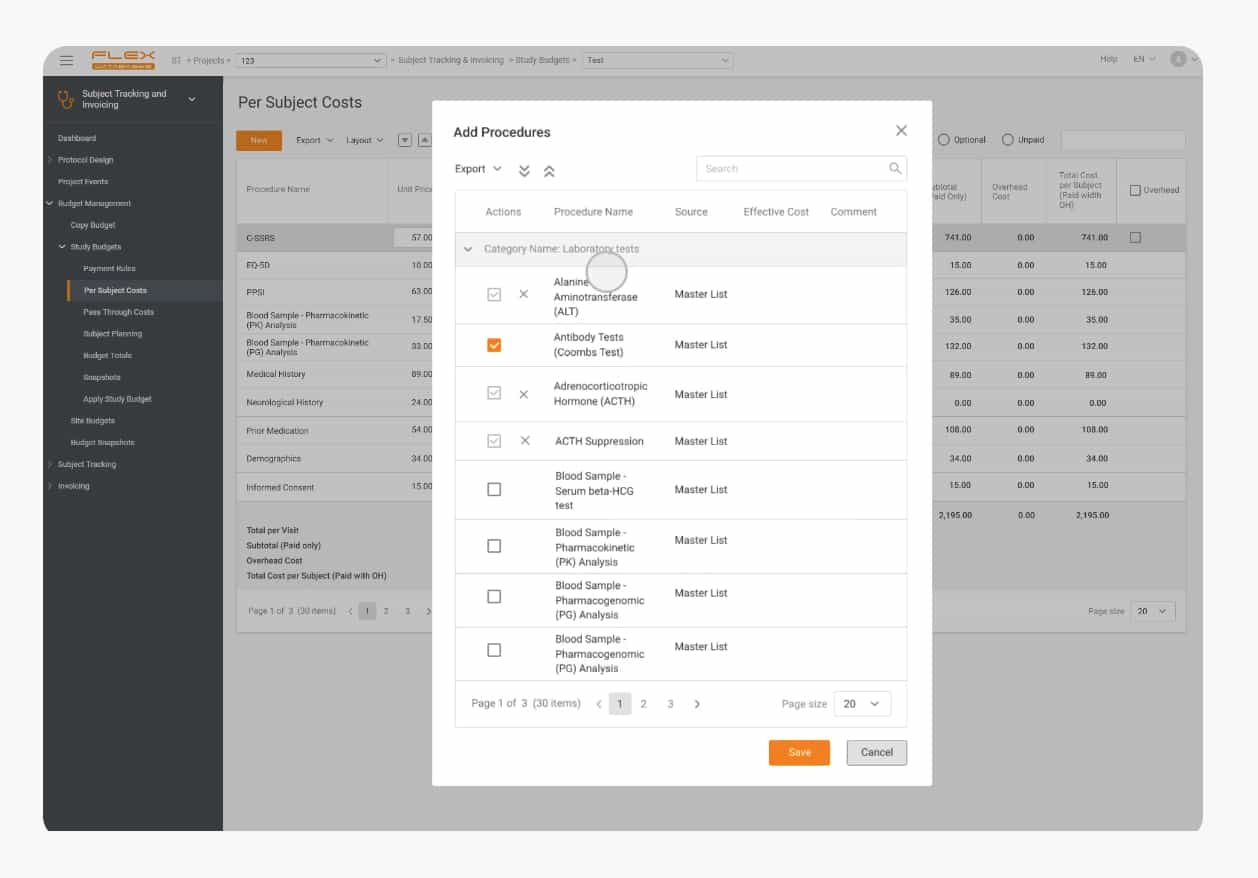

Flex Databases introduces system-level TMF blinding for blinded clinical trials
Flex Databases has released TMF Blinding, a new feature within its Trial Master File (TMF) platform designed to help clinical teams manage blinded studies without the operational complexity associated with traditional approaches.
The problem with conventional blinding workflows
Blinded studies are fundamental to preserving clinical trial integrity, yet maintaining proper separation between blinded and unblinded teams has long created significant operational burden. Many organisations continue to rely on duplicated project environments, mirrored folder structures, manually configured permissions, and continuous oversight to prevent accidental exposure of sensitive data.
These workarounds present serious challenges for sponsors and contract research organisations (CROs), including increased administrative overhead, limited audit transparency, difficulty scaling across studies, and the persistent risk that a single configuration error could compromise study integrity.
System-enforced blinding at project level
TMF Blinding addresses these issues by moving blinding control from a manual process to a built-in system capability. Unlike conventional setups that depend on complex folder structures and role management, the feature operates directly at the project level, introducing a dedicated system-enforced blinding layer independent of standard TMF permissions.
With TMF Blinding enabled, study users are automatically separated into blinded and unblinded groups. Blinded users can continue working within the complete TMF structure whilst restricted documents remain fully inaccessible – the system displays masked placeholders such as “Unblinded Document 1234,” preventing access to document content, downloads, edits, or deletion. Unblinded users retain visibility into both document types whilst being restricted from modifying blinded content.
Blinded and unblinded documents can coexist within the same folder structure, removing the need to synchronise duplicate projects or maintain separate folder hierarchies.
Document lifecycle and audit readiness
Each document receives a fixed blinding status at the moment of creation, inherited from the uploading user, and that status cannot be altered later in the document lifecycle – a measure intended to prevent accidental exposure through subsequent modifications.
The blinding logic extends consistently across workflow actions, document relationships, search functionality, WebDAV access, Recycle Bin visibility, and audit trails. For organisations preparing for regulatory inspections, the feature offers improved audit readiness through traceable access logic and electronic signatures for blinding configuration changes.
The Flex Databases team noted: “Blinding should not depend on constant manual monitoring and complex workarounds. TMF Blinding was designed to make separation automatic, reliable, and built directly into the system architecture.”
TMF Blinding is now available within the Flex Databases Trial Master File platform, which also includes CTMS, EDC integration, pharmacovigilance, and QMS modules.
For more information, visit: www.flexdatabases.com
Digital issue: Please click here for more information