


Sepsis frequently results in acute kidney injury (AKI). Although AKI markedly contributes to mortality in sepsis, its diagnosis is frequently delayed due to limitations of current biomarkers of renal impairment. Neutrophil-gelatinase-associated lipocalin (NGAL) has been demonstrated to be a biomarker of early AKI. This review analyses the potential use of NGAL in sepsis.
by Dr W. Huber, Dr B. Saugel, Dr R. M Schmid and Dr A. Wacker-Gussmann
Pathophysiology, definition and epidemiology of sepsis
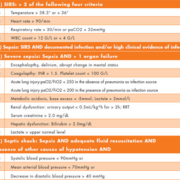
Sepsis is a clinical syndrome characterised by systemic inflammatory response to infection [1-2]. Incidence of sepsis has increased by a factor of four within the last three decades, with an estimated incidence of 650,000 cases per year in the USA. SIRS (systemic inflammatory response syndrome) describes a similar inflammatory reaction to non-infectious aetiologies such as poly-trauma, acute pancreatitis and burns. Apart from different aetiology, sepsis and SIRS share a common definition requiring two or more of four criteria of systemic inflammation (fever/hypothermia, tachycardia >90/min, tachypnoe >20/min or paCO2<32mmHg and leukocytosis (>12G/L) or leukopenia (<4G/L) [Table 1], [1-2].
Pathophysiology of sepsis is mainly attributed to imbalanced and generalised release of pro-inflammatory mediators resulting in impaired circulation, tissue injury and organ failures up to multiple-organ-dysfunction-syndrome (MODS). Despite strong evidence for therapeutic efficacy of early causative therapy (treatment of infection source), antibiotics and several supportive strategies, mortality from severe sepsis and septic shock remained up to 20-50% in recent sepsis trials [1-2]. There is an ongoing debate on the benefits of supportive strategies such as hydrocortisone, intensified-insulin-therapy and immunomodulation. However, there is strong consensus about the paramount importance of early sensitive diagnosis and staging of sepsis (severe sepsis and septic shock) in order to initiate appropriate monitoring and therapy as early as possible. In general, patients with severe sepsis will require intensive care and haemodynamic monitoring to optimise circulation.
Diagnoses of severe sepsis and septic shock are mainly based on the evidence of organ failure and emphasize the impact of circulatory failure. The impact of different organ failures on outcome of ICU-patients is substantiated by numerous studies [1-5)]. Interestingly, renal and liver failure were among the organ failures with the most pronounced impact on outcome in several studies [3-5]. At first glance, this might be surprising. However, circulatory and respiratory failure can be easily detected at early stages of severe sepsis, and symptomatic therapy of these organ failures is the main target of intensive care. By contrast, renal and liver failure remain underrated and 'late-stage-diagnosed losses of organ function' in the development of MODS. Difficulties in early detection of renal and hepatic failure by traditional markers has probably also resulted in their under-representation in scoring-systems:
Regarding renal failure, APACHE-II and the SOFA-score are mainly based on absolute serum creatinine values. However, the use of serum creatinine as a marker in these scores and particularly as an early marker of septic renal failure is limited by a number of drawbacks: serum levels of creatinine are dependent on age, gender, muscle mass and race. Furthermore, in case of impaired glomerular filtration, serum creatinine levels can be lowered by tubular secretion, which contributes to the phenomenon of the 'creatinine-blind-range' of renal failure: glomerular-filtration rate (GFR) can decrease to about 50% with serum creatinine levels staying within the normal range. Numerous formulae for GFR estimation slightly improve this drawback. However, GFR formulae are neither part of sepsis definitions nor are they included in SAPS-II, SOFA- and APACHE-II-score. Even the more recent Acute-Kidney-Injury-Network (AKIN) definition of AKI rejected GFR, which has been included in the previous RIFLE-classification (RIFLE: Risk, Injury, Failure; Loss, End-Stage Renal Disease). RIFLE and AKIN as well as the new KDIGO-definition (KDIGO: Kidney Disease: Improving Global Outcomes) are mainly based on changes in serum creatinine compared to baseline values, which are 'known or presumed to have occurred within the prior seven days' [6]. Comparison with a baseline value which is not known in a substantial percentage of patients remains a major problem of these definitions. In general, their usefulness is substantiated as consensus definitions for acute changes in renal function within 2-7 days after the first measurement of serum creatinine rather than being highly sensitive for early AKI. This also relates to the fact that increased serum creatinine on ICU admission of a septic patient might result from constant chronic renal impairment as well as acute renal failure in a patient with previously normal renal function. Both, acute and chronic renal impairment have been demonstrated to significantly influence outcome, albeit to a different degree, with patients with AKI more frequently requiring mechanical ventilation [4, 7].
In the context of sepsis, specification of renal impairment is particularly important: acute septic renal impairment results in markedly worse prognosis, classification as severe sepsis and intensified monitoring in an ICU. By contrast, stable chronic renal impairment in a patients just fulfilling two of the four sepsis criteria would be a minor risk factor contributing to outcome similar to older age. Being a marker of function rather than of injury remains the major drawback of serum creatinine for differentiation of renal impairment.
Approaches to early detection of AKI
Systematic efforts have therefore been made to characterise markers of early renal injury. Using several established animal models of acute renal injury (e.g. ischaemia, nephrotoxic medication including contrast-medium), up-regulation of a number of potential genes has been demonstrated as a short-term reaction to experimental acute renal injury [8]. Among those up-regulated genes and a number of other biomarkers, NGAL, Kidney-Injury-Molecule-1 (KIM-1), interleukin-18 (IL-18) and cystatin C have been most intensively studied. Cystatin C provides characteristics most similar to creatinine: this marker is a cysteine proteinase inhibitor synthesised in all nucleated cells and freely filtered by the glomerulus. The major adavantages over serum creatinine are that cystatin C is not secreted by the tubulus and that it is not affected by age, gender, muscle mass and race. However, with increased levels of cystatin C resulting from accumulation due to decreased glomerular filtration, cystatin C remains as a marker of decrease in renal function rather than a biomarker of early kidney injury. Several studies suggest its slightly earlier (within 24h?) detection of AKI compared to serum creatinine.
Another ‘candidate molecule’ for early detection of AKI is IL-18, a pro-inflammatory cytokine that is induced in the proximal tubule and detected in urine after AKI. In clinical settings, increase in urinary levels within 6h and peak-values within 12h have been demonstrated in cardiopulmonary bypass patients with AKI after 48h according to serum creatinine.
KIM-1 is a transmembrane protein that is markedly over-expressed in the proximal tubule after ischaemic or toxic AKI. A number of clinical studies suggest earlier detection of AKI by KIM-1 compared to serum creatinine, e.g. with elevated urinary KIM-1 levels 12h after paediatric cardiac surgery and prediction of renal replacement therapy (RRT) and mortality in AKI.
NGAL
The most promising biomarker for early acute kidney injury at present is NGAL, which is the profuct of one of seven genes markedly up-regulated in a ischaemia-reperfusion mouse model [8]. NGAL is a 178 amino-acids polypeptide expressed by neutrophils and other epithelial cells including the proximal tubule. NGAL provides several physiological functions including bacteriostatic (depriving bacteria of iron essential for growth), antioxidant (stops free and reactive iron from producing oxygen free radicals) and growth-factor properties (regulates cell proliferation, apoptosis, differentiation). Furthermore, there is a possible rescue role in other epithelia (breast, uterus), and NGAL also is overexpressed in some epithelial tumours.
Regarding its potential clinical use, NGAL has been validated as an early biomarker of AKI induced by cisplatin, contrast-media and cardiac surgery as well as a screening marker for patients at risk in the emergency department (ED) and ICU. In these settings, urinary and plasma levels of NGAL after 2h-12h were significant predictors of AKI defined by later increases in serum creatinine within 24-48h. Depending on setting and methodology, best predictive capabilities of NGAL were found for cut-off values between 50 and 150 µg/L. In a large ED study in 635 patients, urinary NGAL levels clearly differentiated between acute (markedly elevated NGAL) and chronic (not elevated NGAL) renal impairment, whereas there was substantial overlap of serum creatinine values for both groups ([9].
These abilities to discriminate between acute and chronic renal impairment might be particularly useful in patients with sepsis [Figures 1 and 2]. With assessment of renal function in ICU patients based on serum creatinine, normal creatinine levels might be ‘false negative’ and will increase as late as after 48h. On the other hand, increased values of creatinine can result from stable chronic renal impairment. Misinterpretation of these values – ‘false positive’ for septic renal failure – might result in inappropriate allocation of resources, e.g. efficacy for most of the supportive measures in sepsis has been demonstrated predominantly for patients at high risk and with severe sepsis, whereas side effects might outweigh the benefits in patients with less pronounced sepsis.
A potential role for NGAL in sepsis has been suggested in several clinical studies. In 143 paediatric ICU patients Wheeler et al. demonstrated that septic shock, but not SIRS, resulted in a significant elevation of NGAL compared to controls [10]. Furthermore, NGAL on admission was significantly higher in children developing AKI within seven days after admission compared to children without AKI. Serum levels of NGAL and creatinine did not correlate on day one after admission.
A study in 971 ICU patients investigated the predictive capabilities of nine biomarkers on admission regarding severe sepsis within 72h. The best predictive capabilities were found for NGAL, whereas D-dimer, BNP and CRP were of limited use. A score based on NGAL, IL-1-receptor-antagonist and protein C levels significantly distinguished four groups of patients developing no sepsis, severe sepsis, septic shock and death [11]: the area under the curve for the score derived from these three biomarkers was 0.80 for severe sepsis, 0.77 for septic shock and 0.79 for death.
Another recent study found significantly elevated plasma NGAL levels within
4 hours after admission in septic as well as non-septic-patients with AKI according to RIFLE-criteria compared to patients without AKI [12]. Increases in NGAL were even more pronounced in septic compared to non-septic AKI patients. Similarly, urinary NGAL-levels were higher in septic compared to non-septic patients without AKI [13], suggesting that cut-off-values for NGAL to predict AKI might be higher than for non-septic patients.
In summary, clinical applications of NGAL in sepsis comprise early detection of AKI in patients with normal serum creatinine (NGAL+, crea-) compared to patients without renal impairment (NGAL-, crea-). Furthermore, NGAL might be useful to distinguish patients with stable chronic renal impairment (NGAL-, crea+) from patients with ongoing or ‘acute on chronic’ renal injury (NGAL+, crea+) [Figure 1].
With regard to sepsis, more sensitive detection of AKI (NGAL+, crea-) would result in staging as ‘severe sepsis’ instead of sepsis in patients without other organ failures [Figure 2]. Early detection of AKI might help to allocate additional causative (antimicrobial therapy, intervention) and supportive measures for sepsis as well as specific measures to prevent further renal damage. These attempts include intensified haemodynamic monitoring to optimise fluid load, avoidance of further nephrotoxic medications and procedures (contrast-application) or at least prophylactic approaches such as hydration or administration of theophylline or acetylcysteine [13]. Allocation of these resources according to significant predictors and avoidance of further renal impairment carries a high potential for cost effectiveness as emphasised by a number of studies.
Further studies are required to validate that early determination of NGAL improves diagnosis and outcome in septic and non-septic patients at risk of AKI. Future studies should also investigate if including NGAL into scoring (APACHE-II, SOFA, SAPS-II) systems improves their predictive capabilities.
References
1. Dellinger RP et al. Crit Care Med 2008; [published correction appears in Crit Care Med 2008; 36:1394-1396] 36:296-327.
2. German Sepsis Society. German Interdisciplinary Association of Intensive Care and Emergency Medicine. Prevention, diagnosis, therapy and follow-up care of sepsis: 1st revision of S-2k guidelines of the German Sepsis Society (Deutsche Sepsis-Gesellschaft e.V. (DSG)) and the German Interdisciplinary Association of Intensive Care and Emergency Medicine (Deutsche Interdisziplinäre Vereinigung für Intensiv- und Notfallmedizin (DIVI)). Ger Med Sci. 2010 Jun 28;8:Doc14.
3. Chertow GM et al. J Am Soc Nephrol 2005 Nov;16(11):3365-70.
4. Metnitz PG et al. Crit Care Med 2002 Sep;30(9):2051-8.
5. Kramer L et al. Crit Care Med 2007 Apr;35(4):1099-104.
6. KDIGO Clinical Practice Guideline Acute Kidney Injury. Kidney International Supplements 2012; 2: 1-138.
7. Walcher A et al. Ren Fail 2011;33(10):935-42.
8. Mishra J et al. J Am Soc Nephrol 2003 Oct;14(10):2534-43.
9. Nickolas TL et al. Ann Intern Med 2008 Jun 3;148(11):810-9.
10. Wheeler DS et al. Crit Care Med 2008 Apr;36(4):1297-303.
11. Shapiro NI et al. Ann Emerg Med 2010 Jul;56(1):52-59.e1.
12. Lentini P et al. Crit Care Res Pract 2012: 2012:856401. Epub 2012 Feb 14.
13. De Geus HR et al. Am J Respir Crit Care Med 2011 Apr 1;183(7):907-14. Epub 2010 Oct 8
14. Huber W et al. Radiology 2006; 239(3):793-804.
The authors
Wolfgang Huber MD, Bernd Saugel MD, Roland M Schmid MD
II. Medizinische Klinik und Poliklinik, Klinikum rechts der Isar der Technischen Universität München, Ismaningerstr. 22, D-81675 München, Germany
and
Annette Wacker-Gussmann MD
Universitätsklinik Tübingen, Kinderheilkunde und Jugendmedizin, Abteilung für Neonatologie, Calwerstr. 7, D72076 Tübingen, Germany
Correspondence to Wolfgang Huber
e-mail: wolfgang.huber@lrz.tu-muenchen.de; Tel: +0049 (0) 89 4140-5478

Recent advances in the understanding of the compositions and structures of allergens now make it possible to use allergenic components instead of allergenic extracts in allergy testing.
In this interview, Jean-Charles Clouet, Director of Assay Business Development & Scientific Marketing at Siemens Healthcare Diagnostics, discusses the role of these molecular allergens in allergy diagnosis.
Q. What is the prevalence of allergies, and are there any geographical disparities?
Allergic diseases and asthma represent a growing and major healthcare challenge worldwide, as reported by the recent World Allergy Organization (WAO) White Book. [1] The authors confirm the steady increase of allergic diseases during the last decades that now affect approximately 30–40% of the industrialized world’s population, with an especially high percentage among the youngest subjects (40–50% of school-aged children are sensitized to one or more common allergens).
For example, allergic rhinitis is one of the most common allergic conditions, impacting roughly 500 million people of all social classes and ages globally. [2] In Europe, a study showed allergic rhinitis prevalence at approximately 25%. [3,4] It is important to note that, although direct costs induced by allergic rhinitis are limited, the condition affects subjects’ quality of life and has significant impact on performance at work or school. Therefore, its overall economic impact is probably underestimated. [2]
Another recent study, this one surveying more than 38,000 children (up to 18 years old) in the United States, reported that 8% had food allergy, including a rate of about 6% for those aged 0-2 years, and more than 8.5% for those aged 14-18 years. [5] Worldwide, it is estimated that 220–520 million people may suffer from food allergy. [1]
These statistics illustrate the high prevalence of allergy worldwide and why the World Health Organization (WHO) ranks allergy as the fourth most common global chronic disease. [6]
Q. What are the most common clinical manifestations of allergy that demand further testing?
Subjects suffering from allergic diseases tend to develop IgE-mediated immune reactions to normally harmless substances called allergens. These can include tree pollens, grasses and weeds; foods; mites; animal danders; molds; insects; and drugs. Associated clinical manifestations range from mild to severe and affect the upper and lower airways, gastrointestinal tract and skin. The consequent allergic diseases may include rhinitis, asthma, allergic conjunctivitis, atopic eczema, food allergy, insect allergy, drug allergy and anaphylaxis. Some can even be fatal, in the cases of allergic reactions to certain foods, insect venoms or drugs.
The model for the “Allergy March” published in the late 1990s emphasized that the most common forms of allergic diseases in early infancy are gastrointestinal symptoms and skin conditions (e.g., atopic dermatitis) caused by food proteins, such as hen’s egg and cow’s milk. [7] Additionally, IgE reactivity to food allergens in early infancy is a strong predictor for reactivity to respiratory allergens later in childhood. Other forms, such as allergic rhinitis and reactions to aeroallergens, happen later in life (1–10 years).
In 2003, the European Academy Of Allergy and Clinical Immunology (EAACI) published a position paper on allergy in children recommending testing for all subjects with severe, persistent or recurrent “allergic symptoms” (irrespective of age), along with those requiring a prophylactic treatment,. Proposals to select relevant allergens based on the subject’s age were provided. [8] Additional position papers are available for other forms of allergic reactions, such as drug allergy (causing 20% of deaths due to anaphylaxis) or insect allergy (fatal reactions in up to 50% of individuals with no documented history of reaction). [3]
Q. What are the current testing methods?
The objectives of allergy diagnosis are to identify both the symptoms’ origin (i.e., is the reaction IgE-mediated?) and the offending allergen(s). Allergy diagnosis is multi-factorial and includes a detailed case history and in vivo (i.e., skin tests) and/or in vitro (i.e., allergen-specific IgE measurements) testing. For some allergens (e.g., foods), oral challenges may also be performed to support diagnosis of food allergy.
Skin tests and blood tests, performed by allergists and laboratories respectively, present their own advantages and limitations. Skin tests are highly sensitive, with results immediately available for the patient. However, patients must discontinue medications (e.g., antihistamine) prior to testing, and interpretations of skin-test results are highly subjective and depend largely on operator skills. In vitro tests have the advantage of providing precise, quantitative results for each allergen, validated through extensive internal and external quality-control procedures and programs.
It is important to note that “allergens” used for in vivo and in vitro testing procedures are still primarily allergenic extracts. Obtained by extraction of proteins from crude allergenic sources, these extracts consist of a mixture of known and unknown proteins. Due to molecular-biology techniques and research begun in the 1980s, it is now possible to better understand compositions and structures of allergens, to classify them into families of proteins and to obtain for a significant number of them more qualified and standardized materials called “molecular allergens” or “allergenic components.” Whether highly purified in native form from the allergenic source or produced via recombinant protein expression techniques, molecular allergens have ushered in a new era in allergy diagnosis.
Q. What is the role of molecular allergens in allergy testing?
Allergenic extracts allow the detection of specific IgE directed against an allergenic source. In contrast, molecular allergens permit detection of precisely specific IgE directed against the disease-eliciting component(s) of the allergenic source. Therefore, measurements of specific IgE against molecular allergens yield additional key information that cannot be obtained by testing allergenic extracts. In particular, use of molecular allergens can help allergists define a more personalized and relevant sensitization profile for each patient.
For example, testing with molecular allergens makes it possible to determine if a patient’s sensitization is genuine (i.e., specific to one allergenic source) or comes from a cross-reactivity to proteins that have similar structures and are present in different sources. This is an important consideration when assessing a patient’s risk of reaction to some allergic sources and recommending appropriate avoidance measures. Allergenic molecules can also help clinicians assess the severity of a patient’s allergic reaction and, in the case of food allergy, decide whether or not to perform an oral food challenge. Finally, allergenic molecules can help clinicians identify patients who will benefit from immunotherapy treatment and decide which allergens should be used for treatment.
Q. Is this new technology likely to shift the burden of allergy testing towards the lab and away from in vivo (i.e., skin-based) testing?
In vitro testing is an accurate complement or alternative to skin testing for most allergens. However, despite their growing number, molecular allergens are not yet available for all types of allergens. Using allergenic extracts in conjunction with in vitro and/or skin testing is still the only option for a large number of
allergenic sources.
Q. In your view, what is the ideal sequence of tests to optimize the early diagnosis and treatment of allergy?
First of all, it’s important to raise awareness among the public and in the physician community of the importance of early diagnosis to better prevent and treat allergic diseases. Equally important is educating both clinicians and the public on the availability of new diagnostic tools, such as molecular allergens, along with the best way to leverage them to improve patient care.
An “ideal sequence” should begin with a careful and detailed case history taken by an allergist. This is critical in deciding whether further testing is necessary. Also, the results of specific IgE measurements should always be analysed in conjunction with the patient’s clinical history, since an allergen sensitization does not necessarily imply a clinical responsiveness.
If the clinical history suggests an allergic reaction, the clinician generally will request detection of specific IgE against the suspected allergens. Testing will then be performed using allergenic extracts in most cases. The reason is that allergen extracts are complex heterogeneous mixtures made of major and minor allergenic determinants. In some instances, a few molecular allergens will be enough to replace the corresponding allergenic extract. Unfortunately, this is not the case for sources with more complex compositions and in situations in which as-yet unidentified determinants (even minor ones) could be of clinical importance for particular patients. Also, as already mentioned, allergenic components have not yet been developed for a large number of allergenic extracts.
Therefore, in the majority of cases, testing allergenic extracts as a first step is the best or perhaps the only option to detect all sensitized patients. If specific IgE against the allergenic extract are found, relevant molecular allergens should then be tested to provide more information, as explained above.
References
1. World Health Organization. White Book on Allergy 2011-2012 Executive Summary. By Prof. Ruby Pawankar, MD, PhD, Prof. Giorgio Walkter Canonica, MD, Prof. Stephen T. Holgate, BSc, MD, DSc, FMed Sci, and Prof. Richard F. Lockey, MD.
2. Bousquet J, et al. Allergic rhinitis and its impact on asthma (ARIA) 2008 update (in collaboration with the World Health Organization, GA(2)LEN and AllerGen). Allergy. 2008;63 Suppl 86:8-160.
3. Bauchau V, Durham SR. Prevalence and rate of diagnosis of allergic rhinitis in Europe. Eur Respir J. 2004;24:758–764.
4. Bauchau V, Durham SR. Epidemiological characterization of the intermittent and persistent types of allergic rhinitis. Allergy. 2005;60:350–353.
5. Gupta, R, et al. The prevalence, severity and distribution of childhood food allergy in the United States. Pediatrics. 2011;10.1542/ped.2011-0204.
6.I nternational classification of diseases (ICD). http://www.who.int/classifications/icd/en/.
7. Kulig M, Bergmann R, Klettke U, Wahn V, Tacke U, Wahn U. Natural course of sensitization to food and inhalant allergens during the first 6 years of life. J Allergy Clin Immunol. 1999;103:1173–1179.
8. Host, et al. Allergy testing in children: why, who, when and how? Allergy. 2003:58:1-11.


Malaria is an acute and life threatening infection in individuls with no previous immunity. Symptoms are nonspecific and cannot be distinguished from those of influenza or severe bacterial infections. All febrile patients should thus be asked if they have been travelling over the past six months and if so whether the journey was to a malaria endemic area.
Microscopic examination of Giemsa stained thick and thin blood films remains the gold standard, but rapid tests using antigen-capture assays are increasingly used where access to expert microscopy is not available. The appropriate use of rapid tests and their limits are discussed.
by Dr Eskild Petersen
Malaria is caused by a protozoan parasite and five species can infect humans: Plasmodium falciparum, P. vivax, P. ovale, P. malariae and P. knowlesi. Humans are infected by bites of Anopheles mosquitoes and humans are the reservoir hosts except in the case of P. knowlesi, which is transmitted from monkeys and is only seen in South East Asia. Infection with P. falciparum shows the highest mortality and drug resistance is much more common in P. falciparum compared to P. vivax, and not a problem in the other malaria species. P. ovale and P. vivax have persistent liver forms, hypnozoites, which may reactivate, usually within six months after infection, and give rise to a malaria attack.
Malaria in Europe
Malaria was endemic in Europe up to the middle of the 20th century [Table 1]. Presently malaria is almost exclusively imported, although a number of Plasmodium vivax cases were seen in Greece in 2011, probably introduced with migrant workers from endemic areas [1]. It is estimated that between 10,000 and 15,000 cases of malaria are imported into Europe every year, which makes the recognition of symptoms and knowledge of appropriate diagnosis important.
A special risk group is immigrants resident in Europe who visit their home countries where malaria is found. The proportion of imported malaria cases in immigrants in Europe has increased from a reported 14% more than 10 years ago to 86% in more recent studies [2]. More than five million African immigrants could be living in Europe, one third of whom are from Sub-Saharan Africa [3], and children of immigrants are particularly at risk [4].
Mortality of imported malaria
The mortality from imported Plasmodium falciparum malaria cases varies from 0.4% in a large cohort from France [5], up to 5% in a recent cluster of cases imported from The Gambia [6]. Malaria infection in non-immunes is an emergency which requires prompt diagnosis and treatment while asymptomatic malaria in immigrants raises other public health issues.
Clinical symptoms
Individuals without immunity, i.e. persons who have not lived in malaria endemic countries for a long time, normally have a febrile illness with an acute onset. The symptoms include fever, malaise, muscle and joint pains, headache and rarely respiratory distress and diarrhoea. Malaria infection can be complicated by bacterial septicaemia. As the infection progresses there can be drowsiness, coma, kidney failure, disseminated intravascular coagulation and low blood pressure, and in the non-immune the mortality of untreated P. falciparum malaria is probably more than 50%.
P. falciparum in non-immunes does not usually follow a regular cyclic pattern and the fact that fever is not cyclic with a 48 or 72 hour cycle cannot be used to exclude malaria. Malaria in non-immunes is a medical emergency and diagnosis should be performed without delay.
In semi-immunes the clinical symptoms may be much more discrete and the development more subtle. Immunity to malaria is not a sterile immunity and a low level parasitaemia is seen in semi-immune individuals, ie. individuals from malaria endemic areas [7]. A special risk group is pregnant women from malaria endemic areas who are at greater risk of clinical malaria during pregnancy [8].
Malaria parasites may persist in asymptomatic immigrants long after their arrival in the host country, and malaria can be transmitted, for instance by blood transfusion or organ transplantation.
Who should be tested for malaria?
Diagnostic tests for malaria infection should be performed in any febrile patients who have a history of exposure, which includes patients with a history of travel in malaria endemic areas, as defined by the WHO.
However, rare modes of transmission mean that patients with fever but without a travel history to endemic areas should be tested. This includes so called ‘airport malaria’ where Anopheles mosquitoes carrying malaria parasites are transported in an airplane, leave the destination and take a blood meal from someone living close to the airport [9,10]. Malaria parasites can be transmitted in blood when sharing instruments used for intravenous drug abuse [11]. Transmission of malaria by blood transfusions from asymptomatic carriers is a huge problem in tropical Africa [12] and febrile patients with a history of receiving blood transfusion from a donor in a malaria endemic area should be suspected of having malaria until it is proven otherwise.
Diagnostic procedures for detecting malaria parasites
Traditionally malaria diagnosis rests on the microscopic examination of thick and thin blood films, but over the past decades, rapid tests based on antigen capture are increasingly used. However, rapid test have pitfalls and parasite density must be measured and followed to monitor the response to treatment. Thus microscopy is still a mandatory skill in institutions taking care of malaria patients.
Microscopic examination of Giemsa stained thick blood films remains the gold standard because it is rapid, easy to perform and sensitive [13] with a sensitivity down to five parasites per microlitre of blood [14]. Microscopy and counting of malaria parasites in patients are mandatory to assess the response to treatment and must be available at centres managing patients with malaria.
Rapid test are available which show a 100% sensitivity down to a parasite density level of 200 parasites per microlitre, equivalent to a parasitaemia of approximately 0.004% [15]. Molecular diagnosis by polymerase chain reaction (PCR) can detect parasites down to a density of 0.01 parasites per microlitre after a lysis procedure, and 1 parasite per microlitre without lysis [16]. However, PCR analysis is not instantly available around the clock so in practice diagnosis relies on rapid diagnostic tests and microscopy of Giemsa stained thick blood films.
Rapid tests are increasingly used in medical centres with limited access to experienced microscopists. However, a rapid test cannot determine the parasite density and rapid tests have limitations. False negative results in patients with very high parasite densities have been described, probably due to the so called ‘pro-zone’ phenomena known from other diagnostic tests [17, 18]. The problem seems to be limited to tests based on detection of the Histidine Rich protein 2, HRP2, and not tests based of detection of Plasmodia LDH, Lactate Dehydrogenase [15, 17]. Mutations in the HRP2 gene may also result is false negative results [19, 20]. All species ie. P. falciparum, vivax, ovale and malariae and P. knowlesi, will be found with tests based on the detection of pan-malarial aldolase antigen aldolase and LDH antigens [21]. P. ovale can be divided in variant and classic P. ovale [22], and variant P. ovale is not picked up in HRP2 based rapid diagnostic tests [23].
Thus clinicians using rapid tests should be instructed that no test so far is 100% reliable. In order to reduce the risk of false negative results, testing should be performed at least twice with 24 hours in between and preferable three times within a 24 hours interval. Variant P. ovale and P. knowlesi infections will be detected by rapid tests, which include those incorporating the pan plasmodia antigens Aldolase or Lactate Dehydrogenase antigens [15, 24]. The latest results of the WHO multicentre evaluation of different rapid diagnostic tests showed that the best performance was found in tests based on a combination of the HRP2 and PLDH proteins [15].
References
1. Danis K et al. Euro Surveill 2011;16:19993.
2. Jelinek T et al. Clin Infect Dis 2002; 34:572-576.
3. Eurostat. European Commission. Katya Vasileva. Population and social conditions. 34/2011. Available at: http://epp.eurostat.ec.europa.eu/cache/ITY_OFFPUB/KS-SF-11-034/EN/KS-SF-11-034-EN.PDF
4. Stäger K et al. Emerg Infect Dis 2009; 15:185–91.
5. Bruneel F et al. PLoS One 2010; 5(10):e13236.
6. Jelinek T et al. Euro Surveill.- 2008;13:19077.
7. Wertheimer ER et al. Emerg Infect Dis 2011;17:1701-3.
8. D’Ortenzio E et al. Emerg Infect Dis 2008;14:323-6.
9. Thang HD et al. Neth J Med 2002;60:441-3.
10. Tatem AJ et al. Malar J 2006;5:57.
11. Chau TT et al. Clin Infect Dis 2002;34:1317-22.
12. Noubouossie D et al. Transfus Med 2012;22:63-7
13. Bowers KM et al. Malar J 2009;8:267.
14. Petersen E et al. Am J Trop Med Hyg 1996; 55:485-489.
15. WHO. Rapid Diagnostic Tests. Results of round 3.http://www.who.int/tdr/publications/tdr-research-publications/rdt_round3/en/index.html Geneva 2011 (Accessed 17th March 2012).
16. Mahajan B et al. Transfusion 2012 Feb 10. doi: 10.1111/j.1537-2995.2011.03541.x. [Epub ahead of print].
17. Luchavez J et al. Malar J 2011;10:286.
18. Gillet P et al. Malar J 2011;10:166.
19. Koita OA et al. Am J Trop Med Hyg 2012;86:194-8.
20. Baker J et al. PLoS One 2011;6:e22593.
21. Chiodini PL et al. Trans R Soc Trop Med Hyg 2007; 101:331-337.
22. Sutherland CJ et al. J Infect Dis 2010;201:1544-1550.
23. Tordrup D et al. Malar J 2011;10:15.
24. Hellemond JJ van et al. Emerg Infect Dis 2009;15:1478–1480.
25. Bruce-Chwatt LJ, Zulueta J de. The rise and fall of malaria in Europe. Oxford University Press. 1980.
The author
Dr Eskild Petersen
Department of Infectious Diseases
Aarhus University Hospital
Skejby
Aarhus
Denmark
Tel +45 7845 2817
e-mail: joepeter@rm.dk
Early detection to enable timely therapeutic intervention is crucial for improved outcome in patients with sepsis, but diagnosis is difficult, as the clinical signs associated with the condition commonly occur in patients with systemic inflammatory response syndrome (including sterile SIRS). This article discusses the current and emerging PCR-based technologies for the diagnosis of sepsis.
by Dr Satyanarayana Maddi, Dr Paul Dark and Dr Geoffrey Warhurst
Sepsis and issues for its early diagnosis
Sepsis is the clinical syndrome resulting from the host’s response to infection and represents a major international healthcare problem being a major cause of mortality and morbidity as well as a massive burden on resources [1]. The clinical signs associated with sepsis, such as changes in respiration, pulse, temperature and circulating immune cell counts, are non-specific and commonly seen in patients with a systemic inflammatory response syndrome (or SIRS) as well as in other insults such as tissue injury, where there is no infective cause. Early identification of sepsis and the ability to differentiate it from sterile SIRS is an important diagnostic goal in international medical practice. Evidence suggests that giving the most appropriate antimicrobial therapy at the earliest opportunity to patients with severe forms of sepsis saves more lives than any other medical intervention [1]. The Surviving Sepsis Campaign, which promotes early goal-directed management of sepsis, recommends initiation of antimicrobial therapy within one hour of clinical suspicion of sepsis [1]. Ideally, this requires rapid confirmation that infection is present and identification of the organism(s) involved. The guidelines advocate taking a whole blood sample and, where possible, other supporting clinical samples for microbiological culture prior to antibiotic administration. The problem facing clinicians is that blood cultures routinely take two to three days to confirm the presence of pathogens in the bloodstream (‘pathogenaemia’) and up to five days to either rule it out or to obtain a complete profile of the pathogen including its antibiotic susceptibility/resistance pattern. Also, since viable organisms are needed for culture, the tests can be compromised if the patient has received antimicrobial therapy prior to sampling, which is common in this clinical field.
In the face of this lack of time-critical information on the infection status of the patient coupled with the knowledge that delaying antimicrobial therapy will impair the survival chances of those patients that have infection, current opinion favours the early use of broad-spectrum and high potency antibiotics with focussing to specific organisms when microbiological evidence becomes available [1, 2]. This ‘safety first’ approach is currently the best available but does have negative consequences, particularly in terms of the overuse of antibiotics. The widespread use of broad-spectrum antibiotics is implicated in the emergence of antibiotic resistant pathogens and increasing rates of infection with Clostridium difficile and fungi. In addition many patients who will subsequently be shown to have had no infection are exposed to unnecessary treatment with powerful and potentially toxic drugs.
Application of PCR to diagnosis of pathogenaemia in suspected sepsis
While microbiological culture is likely to remain the gold standard for infection diagnosis, there is growing interest in the potential of PCR technology to provide early, time critical information based on the detection and recognition of bacterial or fungal pathogen DNA in blood [1, 2]. Platforms based on real-time PCR have proved to be the most effective in this field allowing continuous monitoring of amplicon production with either fluorescent dyes that bind non-specifically to double stranded DNA or fluorescently labelled probes that bind to specific sequences. In real-time PCR, the whole process of amplification, product detection and analysis is achieved in a single reaction vessel. Furthermore, several sequence-specific probes with different fluorescent reporters can be added to the reaction, allowing simultaneous determination of multiple products. This process is therefore ideally suited to sepsis diagnosis in which a variety of pathogen species could be involved. In terms of its application to infection diagnosis in blood (and other clinical samples), PCR offers a number of potential advantages; results are available in a matter of hours rather than days, the extreme sensitivity facilitates detection of even minute amounts of pathogen DNA in clinical samples and the test is not significantly affected by prior administration of antibiotics.
Two basic approaches to assay design have been used, either using specific primers to detect a particular organism or, more commonly, universal primers that bind to conserved sequences in bacterial but not human DNA and can detect a broad range of organisms [1]. The latter approach is ideally suited to sepsis diagnosis which can be caused by a variety of pathogen species. For bacteria, the most favourable targets are sequences in the 16S and 23S rRNA genes which are ubiquitous in bacteria and therefore ideally suited for universal detection of bacterial pathogens. More recently, the gene sequence between the 16S and 23S regions, the so-called internally transcribed region (ITS), has been targeted because it contains additional hypervariable regions that allow even better discrimination between bacterial species. Fungal pathogens can be detected by targeting analogous regions in the fungal genome [1].
Following PCR of these regions, pathogen species present can be identified by (a) specific binding of fluorescent hybridisation probes to the amplified target (b) sequencing of the amplified DNA (c) hybridisation to microarrays (d) melting temperature profiling of the amplified products.
Commercial PCR platforms for bloodstream infection diagnosis
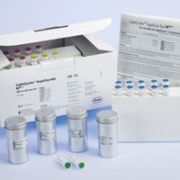
Based on these approaches, a number of commercial systems are now available for detection of bacterial/fungal DNA in blood. Lightcycler SeptiFast, the first real-time PCR system to receive a European CE-mark (2006) for use in diagnosis of bloodstream infection, is manufactured by Roche Diagnostics (Basel, Switzerland) [Figure 1]. SeptiFast is a multiplex assay for detection and identification of a defined panel of 25 bacterial and fungal pathogens known to cause the majority of bloodstream infections in critical care. The assay can be completed in 6-8 hours and has a reported sensitivity of between 3 and 30 colony forming units (CFU) per mL of blood. SeptiFast is currently the most studied commercial PCR-based test for sepsis-associated blood-stream infection with numerous clinical validity studies published to date. At the time of writing, the author’s laboratory is hosting the first independent multicentre systematic validity study comparing SeptiFast with culture for the diagnosis of suspected healthcare-associated bloodstream infection [2]. Based on the results of this study, independent recommendations will be made to the UK’s Department of Health as to whether this real-time PCR technology has sufficient clinical diagnostic accuracy to move forward to efficacy testing during the provision of routine clinical care.
SepsiTest (Molzym GmbH & Co. KG, Bremen, Germany) [Figure 2], which was awarded a CE mark in 2008, uses universal primers to detect bacterial or fungal DNA in blood and other clinical samples but relies on post-test sequencing of the products for subsequent species identification [1, 3]. Studies evaluating the use of SepsiTest in a clinical setting are beginning to appear in the literature [3]. A third CE marked commercial platform, VYOO PCR identification test from SIRS-Lab GmbH, Germany is a semi-automated method combining broad range PCR with multiplex detection plus microarray hybridisation. In addition to detecting 34 bacterial and six fungal species covering 99% of sepsis-associated pathogens, it also detects five resistance markers i.e. mecA for Methicillin Resistance Staphylococcus aureus, vanA and vanB for vancomycin resistance in enterococci and blaCTX-M15 and blaSHV for extended spectrum β-lactamases in gram negative bacilli. To date no published clinical validity studies of this product are available.
Future/emerging approaches and technologies
High resolution melting analysis (HRMA) is a post PCR amplification method of analysing DNA that does not require multiple expensive fluorescent probes, and is solely dependent on intercalating dye chemistry for its results. Using universal primers, the target regions are amplified and then melting curve analysis is performed in high resolution (high resolution with HRM analysis) after the PCR. Thanks to the advances in instrumentation which can delineate minute shifts in the melting temperatures, the species are identified using shifts in the melting profile of the amplicons [4]. HRM analysis is quick and cost effective. The HRMA is still in developmental stage but the future looks encouraging.
Other approaches under various stages of developments for diagnosis of sepsis are FilmArrays (Idaho Technology Inc. USA) [5] [Figure 3], and ‘‘Lab-on-a-Chip’’ using microfluidic-technology i.e. taqMan Low-density array (TLDA), which overcomes limitations in multiplex PCR assays, namely the narrow range of probe regions needed for multiplexing and the inability of the PCR instrument to detect more than six fluorophores simultaneously [6].
Conclusions and future
Widespread technology adoption of these PCR systems will not occur in healthcare until clinical effectiveness has been proven. No adequately powered systematic clinical effectiveness studies have been performed to date in the field of sepsis, resulting in the absence of data that would support optimal pricing of the available technologies alongside health service adoption. There is clearly an unmet need in the field of sepsis diagnostics, but a more coordinated approach to health technology assessment and adoption in this field is urgently required to help patients benefit from the elegant technologies currently available and from those under development.
References
1. Dark PM, Dean P, Warhurst G. Bench-to-bedside review: the promise of rapid infection diagnosis during sepsis using polymerase chain reaction-based pathogen detection. Crit Care 2009;13(4):217.
2. Dark P, Dunn G, Chadwick P, Young D, Bentley A, Carlson G et al. The clinical diagnostic accuracy of rapid detection of healthcare-associated bloodstream infection in intensive care using multipathogen real-time PCR technology. BMJ Open 2011 Jan 1;1(1):e000181.
3. Kühn C, Disqué C, Mühl H, Orszag P, Stiesch M, and Haverich A. Evaluation of Commercial Universal rRNA Gene PCR plus Sequencing Tests for Identification of Bacteria and Fungi Associated with Infectious Endocarditis. J Clin Microbiol. 2011 August; 49(8): 2919–2923.
4. Ozbak H, Dark P, Maddi S, Chadwick P, Warhurst G. Combined molecular gram typing and high-resolution melting analysis for rapid identification of a syndromic panel of bacteria responsible for sepsis-associated bloodstream infection. J Mol Diagn 2012 Mar;14(2):176-184.
5. Caliendo AM. Multiplex PCR and emerging technologies for the detection of respiratory pathogens. Clin Infect Dis 2011; 52 (4): S326-30
6. Kodani M, Yang G, Conklin LM, Travis TC, Whitney CG, Anderson LJ et al. Application of TaqMan low-density arrays for simultaneous detection of multiple respiratory pathogens. J Clin Microbiol 2011 Jun;49(6):2175-2182.
The authors
Satyanarayana Maddi, Paul Dark, Geoffrey Warhurst
Infection Inflammation Injury Research Group (3IRG)
Salford Royal NHS Foundation Trust, UK. School of Translational Medicine
The University of Manchester, UK.

March 2026


Prins Hendrikstraat 1
5611HH Eindhoven
The Netherlands
info@clinlabint.com
PanGlobal Media is not responsible for any error or omission that might occur in the electronic display of product or company data.