


Biochemical markers of alcohol intake can be separated into two categories: direct markers of ethanol metabolism and indirect markers. The different alcohol markers have varying time windows of detection and are a useful additional tool to detect alcohol intake in alcohol-dependent clients.
by Jane Armer and Rebecca Allcock
Introduction
Alcohol dependence is characterized by craving, tolerance, a preoccupation with alcohol and continued drinking in spite of harmful consequences. The World Health Organization Alcohol Use Disorders Identification Test (AUDIT) is recommended for the identification of individuals that are dependent on alcohol [1]. The prevalence of alcohol use disorders (including dependence and harmful use of alcohol) is 11.1% in the UK compared to 7.5% across Europe [2]. In England, 250 000 people are believed to be moderately or severely dependent and require intensive treatment [3].
Alcohol use is the third leading risk factor contributing to the global burden of disease after high blood pressure and tobacco smoking [4]. In 2012, 3.3 million deaths (5.9% of all global deaths) were attributable to alcohol consumption [2]. It is estimated that the UK National Health Service (NHS) spends £3.5 billion/year in costs related to alcohol and the number of alcohol-related admissions has doubled over the last 15 years [3].
In the UK, one unit equals 10 mL or 8 g of pure alcohol, which is around the amount of alcohol the average adult can process in an hour. The latest UK recommendations are to not regularly drink more than 14 units per week (men and women) and to limit the total amount of alcohol consumed on a single occasion [5].
The most common entry into alcohol treatment services in England is either self-referral or referral by the GP [3]. Services have a limited number of options to determine if an individual in treatment for alcohol dependence is continuing to drink alcohol. They rely on self-report by the individuals in the form of alcohol diaries and breathalyser tests. There is no regular schedule for biochemical markers. If a client is found to be drinking alcohol during the treatment programme, an assessment is done of the amount of alcohol consumed, the pattern of alcohol consumption and how it will impact on their treatment. This is factored into the recovery plan and there is a re-assessment of the support and interventions needed for that client. Possible interventions include cognitive behavioural therapies, pharmacological therapies or in-patient assisted withdrawal. In 2013/14, only 38% of clients in alcohol treatment in England successfully completed their treatment [3].
Monitoring clients in alcohol treatment
Diaries that record alcohol intake are commonly used to monitor the progress of clients. However, this relies on accurate self-reporting of alcohol intake by the client and under reporting is a common problem. Biochemical markers of alcohol intake can provide a more comprehensive assessment of a client’s progress.
Direct markers of alcohol intake
Direct markers of alcohol intake include ethanol, ethyl glucuronide (EtG), ethyl sulphate (EtS), fatty acid ethyl esters (FAEE) and phosphatidylethanol (PEth).
Following the ingestion of ethanol, >95% is metabolized in the liver by alcohol dehydrogenase to acetaldehyde then by aldehyde dehydrogenase to acetic acid [14]. Less than 5% is excreted unchanged in the urine, breath and sweat. A small amount of ethanol is conjugated to form EtG and EtS (Fig. 1). Ethanol is usually only detectable in breath and urine after very recent alcohol consumption and the detection time window depends on the amount of alcohol consumed. In comparison, urine EtG and EtS remain detectable for around 24 hours after moderate alcohol intake and for up to 130 hours in subjects admitted for alcohol detoxification [6, 7]. Liquid chromatography-tandem mass spectrometry (LC-MS/MS) methods have been developed for EtG and EtS. An immunoassay is also available for EtG [8, 9].
Many studies have demonstrated the benefit of measuring EtG and EtS in clients in alcohol treatment. Continued alcohol consumption can be detected by the measurement of urine EtG and EtS in clients who do not admit to consuming alcohol and provide a negative breathalyser test. This is due to the increased time window of detection for urine EtG and EtS compared to breath ethanol. This demonstrates the unreliability of self-reporting of alcohol intake and the benefit of biochemical markers to detect clients that are continuing to drink alcohol [10].
As with urine testing for drugs of abuse, it is possible for a client to consume a large volume of water to dilute the sample and produce negative EtG and EtS results. Creatinine should always be measured to check for adulteration and it may be beneficial to report EtG and EtS as creatinine ratios to overcome this problem. Further work is required to define cut-offs for EtG and EtS as creatinine ratios.
False negative EtG results can be caused by the presence of Escherichia coli in urine as glucuronidase is present with high activity in most strains. False positive EtG and EtS results have also been reported following use of ethanol based mouthwash or hand gels and after the consumption of non-alcoholic beers (up to 0.5% alcohol). Due to the risk of positive results due to unintentional alcohol exposure, particularly for urine EtG, it is important that clinical cut-offs used are clearly defined and LC-MS/MS methods that measure both EtG and EtS are preferred [11]. In the USA, the Substance Abuse and Mental Health Administration (SAMHSA) have suggested that EtG results >1.0 mg/L are consistent with alcohol intake and that results between 0.1 and 1.0 mg/L should be interpreted with caution. It is accepted that further work is required to clearly define cut-offs for EtG and EtS and that other biomarkers may be useful when interpreting borderline positive results in the range 0.10–0.50 mg/L [12].
Methods for the measurement of EtG and FAEEs in hair have been developed allowing a longer term assessment of alcohol intake. Hair analysis is most suitable for subjects where longer term abstinence needs to be demonstrated such as in patients awaiting liver transplantation. EtG cut-offs have been suggested by the Society of Hair Testing for chronic excessive alcohol consumption (30 pg/mg) and abstinence assessment (7 pg/mg). However, results may be influenced by hair products and this needs to be taken into account when interpreting results.
PEth is formed from ethanol and phosphatidylcholine in cell membranes. The reaction is catalysed by phospholipase D and occurs in the cell membranes of erythrocytes; therefore, PEth is found in the red blood cell fraction of blood rather than in serum or plasma. PEth is a group of phospholipids with varying carbon lengths and LC-MS/MS methods to detect the major forms of PEth in whole blood have been developed. A single dose of ethanol does not produce a measurable amount of PEth and it has been demonstrated that approximately 50 g of ethanol/day (6.25 UK units) is required to provide a positive PEth result. In comparison to serum carbohydrate deficient transferrin (CDT; see ‘Indirect markers of alcohol intake’ below), urine EtG and urine EtS, PEth demonstrated the highest sensitivity for regular alcohol consumption in clients in alcohol treatment and was found to be positive twice as often as CDT [13]. Further work is required to understand how PEth can be used optimally in combination with other alcohol markers in clients in treatment for alcohol dependence [14].
Indirect markers of alcohol intake
The indirect markers include mean corpuscular volume (MCV), gamma glutamyl transferase (GGT) and CDT. These markers increase following significant alcohol intake over a prolonged time period and are not useful for detecting a single alcohol ‘binge’. MCV and GGT are not specific markers of alcohol intake.
CDT refers to altered glycoforms of transferrin as a result of alcohol-induced changes in the carbohydrate composition of transferrin. The main component of serum transferrin is tetrasialotransferrin, which makes up approximately 80% of the total. Normal samples usually contain approximately 15%, 4–5%, 1–1.5% and 1% of pentasialotransferrin, trisialotransferrin, disialotransferrin and hexasialotransferrin, respectively. An alcohol consumption of at least 60 g/day (7.5 UK units) for 2 weeks is required to increase the disialotransferrin [15]. CDT may also be increased if genetic variants are present and in advanced liver disease. The International Federation of Clinical Chemistry and Laboratory Medicine (IFCC) has recently proposed a reference measurement procedure for CDT and more studies assessing the diagnostic performance of CDT to detect alcohol dependence are now needed using methods harmonized to the international reference measurement procedure.
Table 1 summarizes the time window of detection and limitations of the alcohol markers discussed.
Conclusions
Currently, the assessment of clients in alcohol treatment relies largely on self-reporting and limited biochemical testing, which makes assessment of a client’s progress challenging. There are a number of available biochemical markers that could improve the detection of alcohol use in clients with alcohol dependence and ultimately lead to initiation of early intervention and altered treatment strategies. This in turn could improve the numbers successfully completing treatment. A combination of short-term and longer term biochemical markers is likely to be the most useful approach depending on the treatment setting. The advantage of the breathalyser test over biochemical markers that require laboratory analysis is the immediate availability of the result which allows an immediate intervention for a client with a positive result. Laboratory tests need to be available in a timely manner and with appropriate and well-defined cut-offs. The clinical benefit of alcohol markers in improving the number of clients that successfully complete their treatment for alcohol dependency has not yet been demonstrated. Randomized controlled trials comparing outcomes with or without the use of biochemical markers are required.
References
1. Babor TF, Higgins-Biddle JC, Saunders JB, Monteiro MG. Alcohol use disorders identification test (AUDIT). World Health Organization, 2001. (http://www.alcohollearningcentre.org.uk/Topics/Browse/BriefAdvice/?parent=4444&child=4896)
2. Global status report on alcohol and health. World Health Organization, 2014. (http://www.who.int/substance_abuse/publications/global_alcohol_report/msb_gsr_2014_2.pdf?ua=1)
3. Alcohol Treatment England 2013–14. Public Health England, 2014. (http://www.nta.nhs.uk/uploads/adult-alcohol-statistics-2013-14-commentary.pdf )
4. Lim S, Vos T, Flaxman A, Danaei G, Shibuya K, Adair-Rohani H, Amann M, Anderson HR, Andrews KG, et al. A comparative risk assessment of burden of disease and injury attributable to 67 risk factors and risk factor clusters in 21 regions, 1990-2010: a systematic analysis for the Global Burden of Disease Study 2010. Lancet 2012; 380: 2224–2260.
5. UK Chief Medical Officers’ Alcohol Guidelines Review. Department of Health, 2016. (https://www.gov.uk/government/uploads/system/uploads/attachment_data/file/489795/summary.pdf)
6. Dahl H, Stephanson N, Beck O, Helander A. Comparison of urinary excretion characteristics of ethanol and ethyl glucuronide. J Anal Toxicol. 2002; 26: 201–204.
7. Helander A, Bottcher M, Fehr C, Dahmen N, Beck A. Detection times for urinary ethyl glucuronide and ethyl sulphate in heavy drinkers during alcohol detoxification. J Anal Toxicol. 2009; 44: 55–61.
8. Politi L, Morini L, Groppi A, Poloni V, Pozzi F, Polettini A. Direct determination of the ethanol metabolites ethyl glucuronide and ethyl sulphate in urine by liquid chromatography/electrospray tandem mass spectrometry. Rapid Commun Mass Spectrom. 2005; 19: 1321–1331.
9. Bottcher M, Beck O, Helander A. Evaluation of a new immunoassay for urinary ethyl glucuronide testing. Alcohol Alcohol. 2008; 43: 46–48.
10. Junghanns K, Graf I, Pfluger J, Wetterling G, Ziems C, Ehrenthal D, Zöllner M, Dibbelt L, Backhaus J, Weinmann W, Wurst FM. Urinary ethyl glucuronide (EtG) and ethyl sulphate (EtS) assessment: valuable tools to improve verification of abstention in alcohol-dependent patients during in-patient treatment and at follow ups. Addiction 2009; 104: 921–926.
11. Wurst F, Thon N, Yegles M, Schruck A, Preuss UW, Weinmann W. Ethanol metabolites: their role in the assessment of alcohol intake. Alcohol Clin Exp Res. 2015; 39: 2060–2072.
12. The role of biomarkers in the treatment of alcohol use disorders. SAMHSA, 2012. (http://store.samhsa.gov/product/The-Role-of-Biomarkers-in-the-Treatment-of-Alcohol-Use-Disorders-2012-Revision/SMA12-4686)
13. Helander A, Peter O, Zheng Y. Monitoring of the alcohol biomarkers PEth, CDT and EtG/EtS in an outpatient treatment setting. Alcohol Alcohol. 2012; 47: 552–557.
14. Viel G, Boscalo-Berto R, Cecchetto G, Fais P, Nalesso A, Ferrara SD. Phosphatidylethanol in blood as a marker of chromic alcohol use: a systematic review and emta-analysis. Int J Mol Sci. 2012; 13: 14788–14812.
15. Stibler H. Carbohydrate Deficient Transferrin in serum: a new marker of potentially harmful alcohol consumption reviewed. Clin Chem. 1991; 37: 2029–2037.
The authors
Jane Armer*1 BA MSc FRCPath and
Rebecca Allcock2 BSc MSc FRCPath
1Department of Blood Sciences,
East Lancashire Hospitals NHS Trust,
Blackburn, UK
2Department of Clinical Biochemistry,
Lancashire Teaching Hospitals NHS
Foundation Trust, Preston, UK
*Corresponding author
E-mail: jane.armer@elht.nhs.uk
The increased burden of hospital admissions due to adverse drug reactions (ADRs) carries significant implications for patients and healthcare systems. Understanding the correlations between genetics and drug safety may improve clinical outcomes through the realization of personalized medicine. This article outlines a practical approach to pharmacogenomics with examples in clinical practice.
by Dr Marcin Bula and Prof. Sir Munir Pirmohamed
Introduction
The World Health Organization (WHO) defines an adverse drug reaction (ADR) as a response to a drug which is harmful and unintended and which occurs at doses normally used in man for prophylaxis, diagnosis or treatment of disease or the modification of physiological function.
There are several classifications used to describe ADRs taking into account severity, source of reported data, reaction time and location of reaction. In this article, we focus on the most-widely used classification and divide ADRs into two major groups: dose-related (type A – ‘Augmented’) and apparently non-dose-related (type B – ‘Bizarre’). Type A reactions are predictable, more common and usually less serious. They can be managed by simply reducing the dose or withholding the drug. Type B reactions are uncommon, unpredictable and usually more serious. They may either be immunologic or non-immunologic in nature, and because we do not understand pathogenesis, this makes the reactions more difficult to predict and prevent.
The overall incidence of ADR-related hospital admissions is approximately 6.5% [1, 2] although this figure might be an underestimate due to complexity of cases presenting to hospitals, compounded in real-world settings, by the poor reporting of ADRs by healthcare professionals. A previous systematic review of drug-related hospital admissions showed that antiplatelets, NSAIDs and anticoagulants were responsible for more than 50% of the total ADR-related hospitalizations [3]. It has been estimated that ADRs cost the UK National Health Service (NHS) approximately £1 billion annually, and studies in the USA have suggested that ADRs are the fourth to sixth leading cause of death [4].
Type B adverse drug reactions
Type B ADRs are a major concern for healthcare because of their unpredictable multifactorial nature, and potentially life threatening clinical outcomes. The most common organs affected are the skin, liver and blood cells. Some type B ADRs have been found to have a genomic component; the most striking example is the association between abacavir hypersensitivity and human leukocyte antigen (HLA). Abacavir is a guanosine analogue used in combination therapy with other antiretroviral medications in the treatment of human immunodeficiency virus (HIV). Previous studies have shown that approximately 4–8% [5] of patients develop a hypersensitivity reaction (HSR) within the first 6 weeks of treatment, characterized by fever, rash, gastrointestinal symptoms, general malaise, and other less common manifestations, such as headaches, respiratory and musculoskeletal symptoms [6]. The association between abacavir hypersensitivity and the HLA Class I allele, HLA-B*57:01 was first reported in 2002 by two independent research teams in Australia and North America, followed by a study in the United Kingdom. This has been complemented by functional studies that have shown that abacavir hypersensitive HLA-B*57:01 carriers show increased proliferation of CD8+ T lymphocytes following drug exposure. The exact mechanisms underlying the reaction are still not fully understand but in vitro models have shown how abacavir interacts with HLA-B*57:01, and with T cell receptors forming an immunological synapse that results in an immune response. Interestingly approximately 50% patients who are carriers of HLA-B*57:01 do not develop abacavir hypersensitivity, but the reasons for this are unknown. A study in the NHS (UK) showed that genetic testing before abacavir initiation is cost-effective [7]. Both the Food and Drug Administration (FDA) and European Medicines Agency (EMA) recommend screening for HLA-B*57:01 even though the carriage rate varies according to ethnicity from 5–8% in Europeans to 2.4% in African Americans [8]. Pre-prescription genotyping has been shown to be highly cost-effective and has reduced the incidence of abacavir hypersensitivity from over 5% to less than 1%.
It is estimated that epilepsy affects 1% of the population worldwide. Carbamazepine is an aromatic anticonvulsant that is also used for trigeminal neuralgia and bipolar disease. Cutaneous adverse reactions to carbamazepine are wide-ranging, and can manifest as maculopapular eruptions at the mild end, to the more severe cutaneous adverse reactions (which include drug reactions with eosinophilia and systemic symptoms (DRESS), Stevens–Johnson syndrome (SJS) and toxic epidermal necrolysis (TEN). SJS/TEN are the most serious ADRs with mortality rates of 5% for SJS and 35% for TEN [9]. SJS and TEN represent a continuum of cutaneous reactions, with the degree of skin detachment able to differentiate between the two (SJS involves less than 10% of the body surface area, whereas TEN affects more than 30% of the body surface area). A study in 2004 found a strong association between HLA-B*15:02 and SJS induced by carbamazepine in Han Chinese. This has been replicated by many other studies undertaken in Han Chinese, Thai and Malays, and a prospective study by Chen et al. [10] subsequently showed that genetic testing prior to treatment significantly reduced the incidence of carbamazepine-induced SJS. The association with HLA-B*15:02 is limited to South East Asian populations, and has not been demonstrated in Northern Europeans because the population prevalence of this allele is very low (<0.5%). Currently regulatory bodies including the FDA and EMA recommend genotyping for HLA-B*15:02 in South East Asian populations before starting treatment with carbamazepine, although various commentaries have questioned what is exactly meant by a South East Asian population. This reflects the difficulties in assigning screening based on self-reported ethnicity as it does not take into account admixture that occurs in almost all populations, and can exclude populations that may also be susceptible but would not be considered to be South East Asian. There is some evidence to show that HLA-B*15:02 may also predispose to SJS/TEN with phenytoin although the risk estimates are much less than with carbamazepine.
More recently, the HLA-A*31:01 allele, which is common in most ethnic groups has been associated with a range of carbamazepine hypersensitivity phenotypes including DRESS and SJS/TEN. In a Han Chinese population, an association with HLA-A*31:01 and carbamazepine-induced DRESS was demonstrated but not with SJS/TEN (where HLA-B*15:02 is predominant). In terms of mechanisms, it is not clear why HLA-B*15:02 only predisposes to SJS/TEN with carbamazepine, whereas HLA-A*31:01 predisposes to a wider range of phenotypes; cooperativity between different HLA alleles, for example with the HLA-DRB1*04:04, and with T-cell receptor clonotypes may be important in determining the phenotype (11). Genetic testing of HLA-A*31:01 is not mandatory at the moment; however, a UK study has recently shown that genotyping before initiating carbamazepine in the NHS would be cost effective (12).
Type A adverse drug reactions
Two interesting examples of the modern use of pharmacogenomics to prevent type A ADRs are with eliglustat and warfarin. Gaucher’s disease (GD) is the most common lysosomal storage disorder, which is inherited in an autosomal recessive fashion with an incidence of 1 in 40 000–60 000 in the general population, and 1 in 450 in Ashkenazi Jews [13]. Type 1 GD is the most common variant affecting more than 90% of all patients without neurological involvement, opposite to the manifestations observed with types 2 and 3 GD. Reduced activity of the β-glucocerebrosidase enzyme as a result of the GBA gene mutation leads to lysosomal accumulation of undegraded glucosylceramide causing dysfunction of various organs. For the last 20 years, the standard treatment for GD has been enzyme replacement therapy (ERT) requiring twice weekly intravenous infusions with a recombinant form of human β-glucosidase. Eliglustat represents an example of a new therapeutic strategy in GD – substrate reduction therapy (SRT), which is characterized by inactivation of glucosylceramide synthase involved in glucosylation of ceramide [14]. Eliglustat undergoes extensive metabolism by cytochrome P450 enzymes, in particular by CYP2D6 and to a lesser extent by CYP3A4. Studies have confirmed a strong correlation between the CYP2D6 metabolizer status and drug exposure. Eliglustat has recently been approved by both the FDA and EMA for the treatment of patients with type I GD – interestingly, given the strong effect of the CYP2D6 gene polymorphism on drug exposure patients need to be genotyped for their CYP2D6 metabolizer status, and the dose needs to be reduced by 50% in poor metabolizers. Furthermore, co-administration of drugs inhibiting CYP2D6 needs to be prescribed with extreme caution to prevent dose-dependent ADRs.
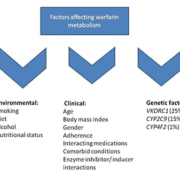
Warfarin is a vitamin K antagonist that is a mainstay of anticoagulation treatment in venous thromboembolism (VTE) and stroke prevention in atrial fibrillation (AF). Vitamin K antagonist therapy (despite high clinical effectiveness) has significant disadvantages and limitations including a narrow therapeutic index, drug and food interactions, routine coagulation monitoring and dose adjustments. Polymorphisms in CYP2C9 and VKORC1 genotypes and inter-individual variability can significantly influence warfarin metabolism and pharmacodynamic (PD), hence the increased risk of significant adverse reaction such as hemorrhage (Fig. 1) [15, 16]. The genetic determinants of warfarin metabolism have been heavily investigated since 1990. CYP2C9 and VKORC1 are the two main genes associated with warfarin dose requirements. Additional genetic variants, such as CYP4F2, contribute to warfarin metabolism; however, their role is less significant. The International Warfarin Pharmacogenetics Consortium proved that, based on previous studies, algorithms incorporating genetics factors (CYP2C9 and VKORC1) are more precise in prediction warfarin dosing algorithms. However, two recent large randomized controlled trials, EU-PACT and COAG, showed conflicting evidence of the role of pharmacogenetics compared to clinically guided warfarin dosing [17]. It is estimated that different outcomes in the EU-PACT and COAG trials are due to various factors including ethnic heterogeneity, genotype information on day one dosing and different control arms. The clinical utility of genotype-based warfarin dosing would need further research in particular in populations other than Caucasians.
Conclusions
Pharmacogenomics is an important area of study in understanding and preventing ADRs. It can be used throughout the whole cycle of drug development. During the pre-clinical stages, determination of how a drug is metabolized and eliminated from the body can provide valuable information on how polymorphisms in drug metabolizing enzymes and transporters affect drug pharmacokinetics and will lead to valuable prescribing information in the summary of product characteristics. This could be followed by specific, subsequent studies that may lead to genotype-dependent dosing, as in the case of eliglustat. Such precise dosing is not commonplace now, but is likely to become more important in the future. Dosing is a key determinant of the risk of ADR, and one that is still ignored. Rare and often more serious ADRs such as hypersensitivity are often not detected until phase IV, and this will require post-marketing studies. This is beautifully exemplified by abacavir hypersensitivity and the different studies that showed an association with HLA-B*57:01.
Implementation of pharmacogenomics into clinical practice has been patchy overall. This is because of many reasons, including poorly replicated gene-drug associations. However, even when the associations have been replicated and are biologically convincing, implementation has sometimes not occurred. This may be because pharmacogenetics (and the whole area of personalized medicine) represents a disruptive innovation that changes the whole clinical pathway. Changing behaviour through re-engineering the clinical pathways in a healthcare setting will require changes in the systems currently employed to deliver clinical care, which can be likened to turning around a supertanker – i.e. it will take time, money and cooperation of every part of the whole healthcare system. Of course, further research is also need in many other areas, and it is important that research in pharmacogenomics is combined with other modalities to ensure that we are covering all possible factors that can affect a response to a drug.
References
1. Pirmohamed M, James S, Meakin S, Green C, Scott AK, Walley TJ, Farrar K, Park BK, Breckenridge AM. Adverse drug reactions as cause of admission to hospital: prospective analysis of 18 820 patients. BMJ 2004; 329(7456): 15–19.
2. Howard RL, Avery AJ, Howard PD, Partridge M. Investigation into the reasons for preventable drug related admissions to a medical admissions unit: observational study. Qual Saf Health Care 2003; 12(4): 280–285.
3. Howard RL, Avery AJ, Slavenburg S, Royal S, Pipe G, Lucassen P, Pirmohamed M. Which drugs cause preventable admissions to hospital? A systematic review. Br J Clin Pharmacol. 2007; 63(2): 136–147.
4. Lazarou J, Pomeranz BH, Corey PN. Incidence of adverse drug reactions in hospitalized patients: a meta-analysis of prospective studies. JAMA 1998; 279(15): 1200–1205.
5. Peyriere H, Guillemin V, Lotthe A, Baillat V, Fabre J, Favier C, Atoui N, Hansel S, Hillaire-Buys D, Reynes J. Reasons for early abacavir discontinuation in HIV-infected patients. Ann Pharmacother. 2003; 37(10): 1392–1397.
6. Clay PG. The abacavir hypersensitivity reaction: a review. Clin Ther. 2002; 24(10): 1502–1514.
7. Hughes DA, Vilar FJ, Ward CC, Alfirevic A, Park BK, Pirmohamed M. Cost-effectiveness analysis of HLA B*5701 genotyping in preventing abacavir hypersensitivity. Pharmacogenetics 2004; 14(6): 335–342.
8. Cao K, Hollenbach J, Shi X, Shi W, Chopek M, Fernandez-Vina MA. Analysis of the frequencies of HLA-A, B, and C alleles and haplotypes in the five major ethnic groups of the United States reveals high levels of diversity in these loci and contrasting distribution patterns in these populations. Hum Immunol. 2001; 62(9): 1009–1030.
9. Roujeau JC, Stern RS. Severe adverse cutaneous reactions to drugs. N Engl J Med. 1994; 331(19): 1272–1285.
10. Chen P, Lin JJ, Lu CS, Ong CT, Hsieh PF, Yang CC, Tai CT, Wu SL, Lu CH, Hsu YC, et al. Carbamazepine-induced toxic effects and HLA-B*1502 screening in Taiwan. N Engl J Med. 2011; 364(12): 1126–1133.
11. Lichtenfels M, Farrell J, Ogese MO, Bell CC, Eckle S, McCluskey J, Park BK, Alfirevic A, Naisbitt DJ, Pirmohamed M. HLA restriction of carbamazepine-specific T-Cell clones from an HLA-A*31:01-positive hypersensitive patient. Chem Res Toxicol. 2014; 27(2): 175–177.
12. Plumpton CO, Yip VL, Alfirevic A, Marson AG, Pirmohamed M, Hughes DA. Cost-effectiveness of screening for HLA-A*31:01 prior to initiation of carbamazepine in epilepsy. Epilepsia 2015; 56(4): 556–563.
13. Zeller JL, Burke AE, Glass RM. JAMA patient page. Gaucher disease. JAMA 2007; 298(11): 1358.
14. McEachern KA, Fung J, Komarnitsky S, Siegel CS, Chuang WL, Hutto E, Shayman JA, Grabowski GA, Aerts JM, Cheng SH, Copeland DP, Marshall J. A specific and potent inhibitor of glucosylceramide synthase for substrate inhibition therapy of Gaucher disease. Mol Genet Metab. 2007; 91(3): 259–267.
15. Johnson JA, Cavallari LH. Warfarin pharmacogenetics. Trends Cardiovasc Med. 2015; 25(1): 33–41.
16. Wysowski DK, Nourjah P, Swartz L. Bleeding complications with warfarin use: a prevalent adverse effect resulting in regulatory action. Arch Intern Med. 2007; 167(13): 1414–1419.
17. Pirmohamed M, Kamali F, Daly AK, Wadelius M. Oral anticoagulation: a critique of recent advances and controversies. Trends Pharmacol Sci. 2015; 36(3): 153–163.
The authors
Marcin Bula* MBBS, MRCP(L); Munir Pirmohamed MB ChB (Hons), PhD, FRCP, FRCP(E), FBPhS, FMedSci
Institute of Translational Medicine, University of
Liverpool, Liverpool L69 3GL2, UK
*Corresponding author
E-mail: m.bula@liverpool.ac.uk

The antinuclear antibody (ANA) test is a standard screening assay for detecting multiple autoantibodies that may be produced by a patient with an ANA associated rheumatic disease (AARD). Patients with these AARD often present with vague symptoms posting challenges to make an early and accurate diagnosis. The presence of ANAs assists physicians in making a definitive diagnosis of AARD. During the past decade laboratories have tried to move ANA testing by IIF to solid-phase assays. However, solid phase technologies such as bead-based or enzyme-linked immune assay (ELISA) have their own limitations [1-4]. Although there are several methodologies available to screen ANA, in 2009 a task force of the American College of Rheumatology (ACR) issued a statement declaring HEp-2 indirect immunofluorescence (IIF) as the preferred method for ANA screening [5,6].
by Deborah S. Stimson CLS1, Claudia A. Ibarra CCS, MB (ASCP)
The ACR declaration was based on the findings of the task force which collected information from physicians to evaluate non-standardization of the various methodologies on the market for evaluating ANA. Using HEp-2 cells as the substrate, IIF allows detection of over 100 autoantibodies to different nuclear and cytoplasmic antigens [7].
There are 5 to 6 nuclear patterns that are commonly reported. These are: homogeneous, speckled, centromere, nucleolar, dense fine speckled, and nuclear dot. The pattern and titre aid the physician when deciding what further tests to order, if any.
Performing IIF is labour-intensive, subjective, and prone to transcription errors and reader bias. Technologists reading IIF must be well trained and experienced in the interpretation of the complex patterns [7-10].
After the ACR’s 2009 statement, the demand for IIF testing has outpaced the typical laboratory’s capability to perform this test manually. Implementing HEp-2 IIF testing to abide by the recommendations issued in the ACR statement presents a challenge to most laboratories. As newer test technologies emerged, the number of laboratories with knowledge and skill to perform ANA IIF declined. The cost of personnel can be prohibitive, considering the number of staff members who must have skills and expertise to run and interpret ANA IIF. There is a need for automation and standardization of ANA IIF. Since 2002 several studies of automated or digital IIF instruments for positive and negative discrimination have been performed. Some systems incorporate pattern recognition algorithms. All conclude that automated IIF analysis will improve inter- and intra-laboratory results [11-19].
To address the increased demand for ANA testing using HEp-2 IIF, and to overcome problems with manual performance of HEp-2 testing, Inova Diagnostics developed the Integrated Lab [11-19]. To automate IIF processing, the Integrated Lab uses QUANTA-Lyser®; to automate IIF interpretation, it uses NOVA View® with a digital IIF microscope (recently cleared through the FDA no. DEN140039); and to simultaneously confirm and report results directly to the LIS, it uses QUANTA Link® software. The new instrument configuration delivers positive patient identification for IIF samples, thereby eliminating the need for manual transcription, it provides a paperless laboratory environment, while reducing variability and hands-on time.
Materials and methods
Following the manual method currently in use by the lab, a single ANA run of 118 samples was performed and then positive samples were titrated. Subsequently, the same 118 samples were processed, read, and titres reported using the automated Integrated Lab. The Integrated Lab configuration implemented at Exagen consists of three primary instruments, QUANTA-Lyser EIA/IIF processor which processes, and reads and interprets NOVA Lite® bar coded slides to allow positive patient identification, NOVA View digital IIF microscope acquires, displays, and suggests interpretation of HEp-2 IIF images, and QUANTA Link a bi-directional software, as shown in Figure A. A single run of 118 samples sent to Exagen for ANA IIF were used for this study. The samples were processed both manually and using the QUANTA Lyser 240. IIF screens and endpoint titres were read manually on an Olympus BX41 halogen microscope and also with digital images captured by NOVA View. Manual results were reported by transcribing them onto a template in the darkroom, then transcribing them a second time into the LIS. Integrated Lab results were automatically reported to the LIS using QUANTA Link. The kit for both manual and automated runs was the NOVA Lite® HEp-2 IgG ANA kit with DAPI, containing barcoded slides. After screening, forty-two of the 118 samples (36%) produced positive results. In the manual method, the forty-two samples were serially diluted to determine the endpoint titre. By comparison, the Integrated Lab configuration utilizes a unique Single Well Titre (SWT) feature on NOVA View to predict an endpoint titre from the screening well result. The SWT function automatically predicts an endpoint titre using a series of standard curves programmed into the software. Each of the 5 recognized patterns is matched to a specific curve. The SWT feature on NOVA View can be used for up to eight of the most common IIF patterns and does not require additional dilution steps. This study was conducted to quantify hands-on time required to perform our ANA IIF testing, comparing tests run manually with tests run on the Integrated Lab. Each step was timed using a stop watch. Subsequently a 5-month retrospective study to quantify reagent cost savings due to using the Integrated Lab was performed.
Results
Both methods examined 118 screens and 42 endpoint titres; the manual method required 288 HEp-2 wells, while the Integrated Lab used 120 wells. Processing samples on QUANTA-Lyser requires two wells per run of slides designated for controls compared to running manually which requires a positive and negative control on each slide. The SWT feature on NOVA View reduced the number of IIF wells by 58% or 168 wells. Screening results: The Integrated Lab reduced the hands-on time from sample processing through confirmation and reporting results by 64%, from 205.2 minutes manual run to 74.5 minutes. Using the NOVA View to predict endpoint titre eliminated the need to make serial dilutions or process additional wells. Processing 42 positive ANAs, this automated feature reduced total hands-on time by 202 minutes compared to the manual method.
Using the Integrated Lab reduced hands-on time by 82% or 5.5 hours per day compared to the manual IIF process. (Table 1) The outcome was a total annual reduction of 1,442 staff hours. Complete details are compared in Figure B. In 5 months 19,321 ANA IIF sera had been run using the Integrated Lab. A breakdown of results is shown in Table 2. Using the manual method the positive screens would be titrated the following day using 5 wells per patient to ensure finding the endpoint and reporting results 24 hours after the screen. (Table 3) With the SWT application the results with pattern and titre were reported out the same day seconds after the ANA screen result was determined. This saved 24 hours per patient in TAT for reporting. It also saved the laboratory 50,665 HEp-2 wells in 5 months.
Discussion
Recent recommendations from the ACR to use ANA HEp-2 IIF as a screening test for ANA as an aid in the diagnoses of AARD have led to an increased number of ANA IIF tests being ordered. The Integrated Lab provided the solution for automating ANA IIF that helped meet these challenges. At Exagen, the time study we conducted demonstrated a reduced hands-on time of 82% from 407.2 to 74.5 minutes and allowed faster turn-around time by delivering same day results for endpoint titre. Endpoint titre results, using NOVA View’s SWT function reduced the number of additional IIF wells and time to process endpoint titre results allowing same day reporting along with cost savings. Using the NOVA View digital images has also provided standardization among IIF readers, who now enjoy the ability to read and consult using the same digital image at any time. This was an added benefit. We found that this sophisticated, automated technology led to workflow efficiencies and a cost effective alternative to the manual IIF procedure in our laboratory.
We redirected labour savings to developing areas and expanded the tests our lab offers, while satisfying the requests of our clients for ANA titre and pattern. This study was focused on the workflow optimization and cost savings not on analytical or clinical performance which have been addressed in previous studies with convincing outcome.
References
1. Agmon-Levin N, et al, Ann Rheum Dis. 2014 Jan:73(1):17-23 doi: 10.1136/annrheumdis-2013-203863. Epub 2014.
2. Fritzler Fritzler MJ, et al. J Rheumatol. 2003;30:2374-2381.
3. Peterson LK, et al. J Immunol Methods. 2009;349:1-2.
4. Tonuttia E, et al. Autoimmunity. 2004;37:171-176.
5. Tan EM, et al. Arthritis Rheum. 1999;42:455-464.
6. American College of Rheumatology. Current Practice Issues: ACR Tracking Concerns About ANA Testing Results. Atlanta, GA: American College of Rheumatology; 2009.
7. P. L. Meroni and P. H. Schur, Annals of the Rheumatic Diseases, vol. 69, no. 8, pp. 1420–1422, 2010.
8. R. W. Burlingame and C. Peebles, K.M. Pollard, Ed., pp. 159–188,Wiley-VCH, Weinheim, Germany, 2006.
9. S. S. Copple, et al. American Journal of Clinical Pathology, vol. 137, pp. 825–830, 2012.
10. B. M. Van, et al. Clinical Chemistry and Laboratory Medicine, vol. 47, no. 1, pp. 102–108, 2009.
11. X. Qin, et al. Nan Fang Yi Ke Da Xue Bao, vol. 29, no. 3, pp. 472–475, 2009.Pathology, vol. 137, pp. 825–830, 2012.
12. Edgner W. The use of laboratory tests in the diagnosis of SLE. J Clin Pathol, 2000:53:424-432.
13. Fenger M, et al. Clin Chem. 2004;50:2141-2147.
14. Swaak AJ. Ned Tijdschr, Geneeskd. 2000:144:585-589.
15. P. Perner, et al. Journal Artificial Intelligence in Medicine, vol. 26, no. 1, pp. 161–173, 2002.
16. K. Egerer, et al. Arthritis Research & Therapy, vol. 12, article R40, 2010.
17. R. Hiemann, et al. AutoimmunityReviews, vol. 9, no. 1, pp. 17–22, 2009.
18. A. Willitzki, et al. AutoimmunityReviews, vol. 9, no. 1, pp. 17–22, 2009.
19. J. Voigt, et al. Clinical and Developmental Immunology, vol. 2012, Article ID 651058, 7 pages, 2012.
20. D. Roggenbuck, et al. Clinical Chemistry and Laboratory Medicine, vol. 52, no. 2, pp. e9–e11, 2013.
21. C. Bonroy, et al. Clinical Chemistry and Laboratory Medicine, vol. 51, no. 9, pp.1771–1779, 2013.
22. X. Bossuyt, et al. Clinica Chimica Acta, vol. 415, pp. 101–106, 2013.
23. P. Foggia, et al. IEEE Transactions on Medical Imaging, vol. 32, no. 10, pp. 1878–1889, 2013.
24. D. Roggenbuck, et al. Clinica Chimica Acta, vol. 421, pp. 168–169, 2013.
The authors
Deborah S. Stimson CLS1, Claudia A. Ibarra CCS, MB (ASCP)1, Vice President, Laboratory Operations Exagen Diagnostics
1Exagen Diagnostics, Vista, CA. 92081, USA.
Corresponding author: Claudia Ibarra
1261 Liberty Way, Vista, CA 92081, USA.
Tel. 888-452-1522
E-mail: cibarra@exagen.com
Ebola virus (EBOV) can lead to severe hemorrhagic fever with a high risk of death in humans and other primates. More recently, reverse transcription loop-mediated isothermal amplification (RT-LAMP) has become readily available for the diagnosis of EBOV, and is a suitable tool for clinical screening, diagnosis and primary quarantine purposes.
by H. Li, W. Lin, X. Wang, X. Wei, E. Li, P. Li, J. Chen, S. Qi, Y. Ma, L. Cui, X. Hu, Dr X. Zhao, Prof. J. Yuan
The 2014 Ebola virus (EBOV; one of the world’s most virulent viruses) caused an outbreak of human disease with widespread transmission in multiple West African countries and sporadic cases in Europe and North America [1, 2]. The numbers of people infected and deaths were the most severe in history. However, the massive public health response has been limited, in part, by the inability to rapidly detect the presence of EBOV in potential patients living in remote areas [3].
EBOV, (species Zaire ebolavirus from the family Filoviridae), was first identified in Zaire in 1976 and named after the River Ebola in Zaire [4]. However, EBOV could not be detected rapidly in many potential patients living in remote and developing areas. The EBOV genome is approximately 19 kb, and encodes the seven proteins in the following order from the 3’-UTR: nucleoprotein (NP), viral structural protein (VSP)35, VSP40, glycoprotein (GP), VP30, VP24, and RNA-dependent RNA polymerase (L) [5]. As the NP gene is highly conserved among EBOV species, it is, therefore, recommended by the World Health Organization (WHO) for use as a target gene for the reverse transcription (RT)-PCR assay. The initial symptoms of EBOV infection could be confused with those of other febrile illnesses such as endemic malaria [6].
Current approaches for the laboratory diagnosis of EBOV infection include virus isolation, electron microscopy, immunohistochemistry, antigen-capture ELISA testing, IgM ELISA, RT-PCR, and serologic testing for IgM or IgG virus-specific antibodies. In 2015, Baca et al. presented a rapid detection of EBOV with a reagent-free, point-of-care biosensor. In general, the detection of EBOV antigens by antigen-capture ELISA is suitable as a method of laboratory diagnosis when the viral load in the blood reaches a very much higher case fatality rate. Thus, real-time (q)RT-PCR has taken over as a first choice diagnostic technique for detection of EBOV recommended by WHO [3]. However, Taq DNA polymerase in PCR-based techniques can be inactivated by inhibitors present in crude biological samples. Moreover, these methods are relatively complex and require specialized high-cost instruments.
Loop-mediated isothermal amplification (LAMP) is a one-step nucleic acid detection method developed by Notomi et al., which relies on autocycling strand displacement DNA synthesis [7]. This novel method is highly specific and sensitive, takes advantage of four or six specific primers to recognize six or eight different sequences of the target gene, and is performed under isothermal conditions in less than 1 h using Bst DNA polymerase. Kurosaki et al. developed a simple reverse transcription (RT)-LAMP assay for the detection of EBOV, targeting the trailer region of the viral genome. However, this method has yet to be tested in clinical samples [8].
To develop an RT-LAMP for clinical screening and rapid diagnosis of EBOV, we first selected potential target regions based on the NP sequences of the EBOV variant Mayinga (GenBank Accession no. AF086833), which were further analysed with Primer Explorer V4 software (http:/primerexplorer.jp/lamp) and subsequently the sequences were aligned with other species of EBOV. A total of five sets of primers were initially designed to detect artificially synthesized EBOV RNA using a real-time turbidimeter. To compare the sensitivity and specificity of RT-LAMP, normal RT-PCR was performed with the primers.
The RT-LAMP reactions were carried out in a 25-μl reaction mixture with an RNA amplification kit (Eiken Chemical Co. Ltd), in accordance with the manufacturer’s protocol. The reaction mixture contained the following reagents (final concentration): RT-LAMP mixture and 8 U Bst DNA polymerase. The amount of primer needed for one reaction was 80 pmol of forward and backward inner primers (FIP and BIP), 40 pmol of loop primer (LB), and 10 pmol of outer forward primer (F3) and outer backward primer (B3). Finally, an appropriate amount of genomic template DNA was added to the reaction tube. The reaction was carried out in the reaction tube at 61 °C, 60–80 min, in dry bath incubators.
Two different methods were used to detect RT-LAMP products. For direct visual inspection, 1 μl of calcein (fluorescent detection reagent; Eiken Chemical Co. Ltd) was added to 25 μl of LAMP products. For a positive reaction, the colour changed from orange to green, whereas a negative reaction remained orange. The colour change could be observed by the naked eye under natural light or with the aid of UV light at 365 nm. For monitoring turbidity, real-time amplification by the RT-LAMP assay was monitored by spectrophotometry, recording the optical density at 650 nm every 6 s with the help of a Loopamp Realtime Turbidimeter (LA-230; Eiken Chemical Co. Ltd) [9].
Assay validation
1. Optimal primer choice and reaction temperature conditions for the RT-LAMP assay
As shown in Figure 1A, the EBL-2 primer set amplified the NP gene using the shortest time of about 10min; therefore, this was chosen as the optimal primer set for EBOV detection of RT-LAMP (Table 1). To further optimize the amplification, reaction temperatures were compared ranging from 59 °C to 69 °C at 2 °C intervals. Ultimately, 61 °C was chosen as the optimal reaction temperature (Fig. 1B).
2. Specificity of NP detection by RT-LAMP using the artificial in vitro transcribed RNA
Twenty-five other non-EBOV viruses were also tested. As shown in Figure 2, the EBOV RNA was identified positively by a successful RT-LAMP reaction with EBL-2 primer set using both methods of analysis. All non-EBOV strains tested negative, including the blank control, indicating that the RT-LAMP method was specific for EBOV.
3. Sensitivity of NP detection by RT-LAMP
A 10-fold serial dilution of artificial EBOV RNA was tested by real-time turbidity monitoring (Fig. 3A), visual detection method (Fig. 3B), and qRT-PCR (Fig. 3C). The limit of detection by the visual method was 10-fold lower compared with the qRT-PCR assay.
4. Clinical sample detection
The 417 clinical blood or swab samples were analysed by RT-LAMP and qRT-PCR simultaneously. The RT-LAMP and qRT-PCR detections both showed that 307 patients were confirmed cases of EBOV infections and 106 patients tested negative for EBOV.
Summary
Zaire ebolavirus is a key member of the Filoviridae family and causes highly lethal hemorrhagic fever in human beings with extremely high morbidity and mortality. As a typical negative-sense single-stranded RNA (ssRNA) virus, EBOV possesses a nucleoprotein (NP) to facilitate genomic RNA encapsidation to form a viral ribonucleoprotein complex (RNP) together with genome RNA and polymerase, which plays the most essential role in virus proliferation cycle. EBOV is found in Central Africa, but re-emerged in Western Africa in 2014 to cause an outbreak that threatened to spread worldwide. Up until 10 January 2016, 28 601 total cases (including suspected, probable, and confirmed) and 11 300 deaths were reported in Guinea and Sierra Leone (http://www.cdc.gov/vhf/ebola/outbreaks/2014-west-africa/case-counts.html). Although several chemical agents, antibodies and vaccines are found to inhibit EBOV in animals or humans, there is no therapeutic with high efficacy that can be provided for clinical usage.
To combat the increasing incidence of EBOV infections, we developed and optimized a novel RT-LAMP assay specific for EBOV diagnosis using primers spanning the 663 bp NP sequence of the viral genome. In the RT-LAMP assay, the reverse transcription reaction and DNA amplification proceed in a single step and with incubation of the reaction mixture at a constant 61°C temperature for a given time period using a temperature-controlled water bath (or other devices that can provide a stable heat are also sufficient). Moreover, LAMP reaction primers specifically recognize five independent regions of the target sequence, compared to PCR primers that recognize two independent regions of the target sequence. The sensitivity of the PCR reaction can be greatly reduced by the presence of exogenous DNA and inhibitors. Therefore, the RT-LAMP method is more suitable for rapid detection of NP in clinical samples.
Conclusion
In conclusion, a specific, sensitive, rapid and cost effective RT-LAMP assay for NP detection in EBOV was established, which is as sensitive as other available technologies, highly specific and extremely rapid in the provision of molecular diagnosis of EBOV infections. The assay can provide accurate results in a short time frame. This makes it potentially useful for clinical diagnosis of EBOV in developing countries.
Acknowledgment
This article is based on one previously published by the authors: Li H, Wang X, Liu W, Wei X, Lin W, Li E, Li P, Dong D, Cui L, Hu X, Li B, Ma Y, Zhao X, Liu C, Yuan J. Survey and Visual detection of Zaire ebolavirus in clinical samples targeting the nucleoprotein gene in Sierra Leone. Frontiers in Microbiology 2015; 6: 1332 [10].
References
1. Frieden TR, Damon I, Bell BP, Kenyon T, Nichol S. 2014. Ebola 2014—New challenges, new global response and responsibility. N Engl J Med. 371(13): 1177–1180.
2. Hampton T. Largest-ever outbreak of Ebola virus disease thrusts experimental therapies, vaccines into spotlight. JAMA 2014; 312(10): 987–989.
3. Urgently needed: rapid, sensitive, safe and simple Ebola diagnostic tests. World Health Organization 2014. (http://www.who.int/mediacentre/news/ebola/18-november-2014-diagnostics/en/).
4. MacNeil A, Rollin PE. Ebola and Marburg hemorrhagic fevers: Neglected tropical diseases? PLoS Negl Trop Dis. 2012; 6(6): e1546.
5. Ali MT, Islam MO. A highly conserved GEQYQQLR epitope has been identified in the nucleoprotein of Ebola virus by using an in silico approach. Adv Bioinformatics 2015; 2015: 278197–278203.
6. Grolla A, Lucht A, Dick D, Strong JE, Feldmann H. Laboratory diagnosis of Ebola and Marburg hemorrhagic fever. Bull Soc Pathol Exot. 2005; 98(3):205–209.
7. Notomi T, Okayama H, Masubuchi H, Yonekawa T, Watanabe K, Amino N, Hase T. Loop-mediated isothermal amplification of DNA. Nucleic Acids Res. 2000; 28, E63.
8. Kurosaki Y, Takada A, Ebihara H, Grolla A, Kamo N, Feldmann H, Kawaoka Y, Yasuda J. Rapid and simple detection of Ebola virus by reverse transcription-loop-mediated isothermal amplification. J Virol Methods 2007; 141(1): 78–83.
9. Mori Y, Nagamine K, Tomita N, Notomi T. Detection of loop-mediated isothermal amplification reaction by turbidity derived from magnesium pyrophosphate formation. Biochem Biophys Res Commun. 2001; 289: 150–154.
10. Li H, Wang X, Liu W, Wei X, Lin W, Li E, Li P, Dong D, Cui L, Hu X, Li B, Ma Y, Zhao X, Liu C, Yuan J. Survey and Visual detection of Zaire ebolavirus in clinical samples targeting the nucleoprotein gene in Sierra Leone. Frontiers in Microbiology 2015; 6: 1332.
The authors
Huan Li# MMed, Weishi Lin# MMed, Xuesong Wang MMed, Xiao Wei MMed, Erna Li MMed, Puyuan Li MMed, Jun Chen MMed, Silei Qi MMed, Yanyan Ma MMed, Lifei Cui MMed, Xuan Hu MMed, Xiangna Zhao PhD, Jing Yuan PhD*
Institute of Disease Control and Prevention, Academy of Military Medical Sciences, Beijing, 100071, PR China
#These authors contributed equally to this work
*Corresponding author
E-mail: yuanjing6216@163.com

Prins Hendrikstraat 1
5611HH Eindhoven
The Netherlands
info@clinlabint.com
PanGlobal Media is not responsible for any error or omission that might occur in the electronic display of product or company data.