




Identifying volatile metabolite signatures for the diagnosis of bacterial respiratory tract infection using electronic nose technology: a pilot study
Lewis JM, Savage RS, Beeching NJ, Beadsworth MBJ, Feasey N, Covington JA. PLoS One 2017; 12(12): e0188879
OBJECTIVES: New point of care diagnostics are urgently needed to reduce the over-prescription of antimicrobials for bacterial respiratory tract infection (RTI). A pilot cross-sectional study was performed to assess the feasibility of gas-capillary column ion mobility spectrometer (GC-IMS), for the analysis of volatile organic compounds (VOC) in exhaled breath to diagnose bacterial RTI in hospital inpatients.
METHODS: 71 patients were prospectively recruited from the Acute Medical Unit of the Royal Liverpool University Hospital between March and May 2016 and classified as confirmed or probable bacterial or viral RTI on the basis of microbiologic, biochemical and radiologic testing. Breath samples were collected at the patient’s bedside directly into the electronic nose device, which recorded a VOC spectrum for each sample. Sparse principal component analysis and sparse logistic regression were used to develop a diagnostic model to classify VOC spectra as being caused by bacterial or non-bacterial RTI.
RESULTS: Summary area under the receiver operator characteristic curve was 0.73 (95% CI 0.61–0.86), summary sensitivity and specificity were 62% (95% CI 41–80%) and 80% (95% CI 64–91%) respectively (p=0.00147).
CONCLUSIONS: GC-IMS analysis of exhaled VOC for the diagnosis of bacterial RTI shows promise in this pilot study and further trials are warranted to assess this technique.
Cerebrospinal fluid B-lymphocyte chemoattractant CXCL13 in the diagnosis of acute Lyme neuroborreliosis in children
Barstad B, Tveitnes D, Noraas S, Selvik Ask I, Saeed M, Bosse F, et al. Pediatr Infect Dis J 2017; 36(12): e286–e292
BACKGROUND: Current markers of Lyme neuroborreliosis (LNB) in children have insufficient sensitivity in the early stage of disease. The B-lymphocyte chemoattractant CXCL13 in the cerebrospinal fluid (CSF) may be useful in diagnosing LNB, but its specificity has not been evaluated in studies including children with clinically relevant differential diagnoses. The aim of this study was to elucidate the diagnostic value of CSF CXCL13 in children with symptoms suggestive of LNB.
METHODS: Children with symptoms suggestive of LNB were included prospectively into predefined groups with a high or low likelihood of LNB based on CSF pleocytosis and the detection of Borrelia antibodies or other causative agents. CSF CXCL13 levels were compared between the groups, and receiver-operating characteristic analyses were performed to indicate optimal cutoff levels to discriminate LNB from non-LNB conditions.
RESULTS: Two hundred and ten children were included. Children with confirmed LNB (n=59) and probable LNB (n=18) had higher CSF CXCL13 levels than children with possible LNB (n=7), possible peripheral LNB (n=7), non-Lyme aseptic meningitis (n=12), non-meningitis (n=91) and negative controls (n=16). Using 18 pg/mL as a cutoff level, both the sensitivity and specificity of CSF CXCL13 for LNB (confirmed and probable) were 97%. Comparing only children with LNB and non-Lyme aseptic meningitis, the sensitivity and specificity with the same cutoff level were 97% and 83%, respectively.
CONCLUSION: CSF CXCL13 is a sensitive marker of LNB in children. The specificity to discriminate LNB from non-Lyme aseptic meningitis may be more moderate, suggesting that CSF CXCL13 should be used together with other variables in diagnosing LNB in children.
Neutrophil CD64 – A potential biomarker in patients with complicated intra-abdominal infections? A literature review
Dimitrov E, Enchev E, Halacheva K, Minkov G, Yovtchev Y. Acta Microbiol Immunol Hung 2018; doi: 10.1556/030.65.2018.011
Complicated intra-abdominal infections (cIaIs) represent a serious cause of morbidity and mortality. Early diagnosis and well-timed treatment can improve patients’ outcome, whereas the delay in management often result in rapid progression to circulatory collapse, multiple organ failure, and death. Neutrophil CD64 antigen expression has been studied for several years as infectious and sepsis biomarker and has several characteristics that make it good for clinical employment. It has been suggested to be predictive of positive bacterial cultures and a useful test for management of sepsis and other significant bacterial infections. Our review concluded that the neutrophil CD64 expression could be a promising and meaningful biomarker in patients with cIaIs. It shows good potential for evaluating the severity of the disease and could give information about the outcome. However, more large studies should be performed before using it in clinical practice.
Mycoplasma genitalium: accurate diagnosis is necessary for adequate treatment
Gaydos CA. J Infect Dis 2017; 216(suppl_2): S406–S411
BACKGROUND: Mycoplasma genitalium is very difficult to grow in culture but has been more able to be studied for disease associations since the advent of research molecular amplification assays. Polymerase chain reaction (PCR) and other molecular assays have demonstrated an association with adverse disease outcomes, such as urethritis or nongonococcal urethritis in men and adverse reproductive sequelae in women-for example, cervicitis, endometritis, and pelvic inflammatory disease, including an association with risk for human immunodeficiency virus. The lack of commercially available diagnostic assays has limited widespread routine testing. Increasing reports of high rates of resistance to azithromycin detected in research studies have heightened the need available commercial diagnostic assays as well as standardized methods for detecting resistance markers. This review covers available molecular methods for the diagnosis of M. genitalium and assays to predict the antibiotic susceptibility to azithromycin.
METHODS: A PubMed (US National Library of Medicine and National Institutes of Health) search was conducted for literature published between 2000 and 2016, using the search terms ‘Mycoplasma genitalium’, ‘M. genitalium’, ‘diagnosis’, and ‘detection’.
RESULTS: Early PCR diagnostic tests focused on the MPa adhesion gene and the 16S ribosomal RNA gene. Subsequently, a transcription-mediated amplification assay targeting ribosomes was developed and widely used to study the epidemiology of M. genitalium. Newer methods have proliferated and include quantitative PCR for organism load, AmpliSens PCR, PCR for the pdhD gene, a PCR-based microarray for multiple sexually transmitted infections, and multiplex PCRs. None yet are cleared by the Food and Drug Administration in the United States, although several assays are CE marked in Europe. As well, many research assays, including PCR, gene sequencing, and melt curve analysis, have been developed to detect the 23S ribosomal RNA gene mutations that confer resistance to azithromycin. One recently developed assay can test for both M. genitalium and azithromycin resistance mutations at the same time.
CONCLUSIONS: It is recommended that more commercial assays to both diagnose this organism and guide treatment choices should be developed and made available through regulatory approval. Research is needed to establish the cost-effectiveness of routine M. genitalium testing in symptomatic patients and screening in all individuals at high risk of acquiring and transmitting sexually transmitted infections.
Prognostic value of secretoneurin in patients with severe sepsis and septic shock: data from the Albumin Italian Outcome Sepsis Study
Røsjø H, Masson S, Caironi P3,4, Stridsberg M, Magnoli M, et al. Crit Care Med 2018; doi: 10.1097/CCM.0000000000003050
OBJECTIVES: Secretoneurin directly influences cardiomyocyte calcium handling, and circulating secretoneurin levels seem to improve risk prediction in patients with myocardial dysfunction by integrating information on systemic stress, myocardial function, and renal function. Accordingly, in this study, we hypothesized that secretoneurin would improve risk prediction in patients with sepsis and especially in patients with septic shock as these patients are more hemodynamically unstable.
DESIGN: Multicentre, interventional randomized clinical trial.
SETTING: Multicentre, pragmatic, open-label, randomized, prospective clinical trial testing fluid administration with either 20% human albumin and crystalloids or crystalloid solutions alone in patients with severe sepsis or septic shock (The Albumin Italian Outcome Sepsis).
PATIENTS OR SUBJECTS: In total, 540 patients with septic shock and 418 patients with severe sepsis.
INTERVENTIONS: Either 20% human albumin and crystalloids or crystalloid solutions alone.
MEASUREMENTS AND MAIN RESULTS: We measured secretoneurin on days 1, 2, and 7 after randomization and compared the prognostic value of secretoneurin for ICU and 90-day mortality with established risk indices and cardiac biomarkers in septic shock and severe sepsis. High secretoneurin levels on day 1 were associated with age and serum concentrations of lactate, bilirubin, creatinine, and N-terminal pro-B-type natriuretic peptide. Adjusting for established risk factors and cardiovascular biomarkers, secretoneurin levels on day 1 were associated with ICU (odds ratio, 2.27 [95% CI, 1.05–4.93]; p=0.04) and 90-day mortality (2.04 [1.02–4.10]; p=0.04) in patients with septic shock, but not severe sepsis without shock. Secretoneurin levels on day 2 were also associated with ICU (3.11 [1.34–7.20]; p=0.008) and 90-day mortality (2.69 [1.26–5.78]; p=0.01) in multivariate regression analyses and improved reclassification in patients with septic shock, as assessed by the net reclassification index. Randomized albumin administration did not influence the associations between secretoneurin and outcomes.
CONCLUSIONS: Secretoneurin provides early and potent prognostic information in septic patients with cardiovascular instability.
Adaptation of the Amoebae Plate Test to recover Legionella strains from clinical samples
Descours G, Hannetel H, Reynaud JV, Ranc AG, Beraud L, Kolenda C, et al. J Clin Microbiol 2018; doi: 10.1128/JCM.01361-17
The isolation of Legionella from respiratory samples is the gold standard for Legionnaires’ disease (LD) diagnosis and enables epidemiological studies and outbreak investigations. The purpose of this work was to adapt and evaluate the performance of an amoebic co-culture procedure (the amoebae plate test, APT) to the recovery of Legionella strains from respiratory samples, in comparison with axenic culture and a liquid-based amoebic co-culture (LAC). Axenic culture, LAC, and APT were prospectively performed on 133 respiratory samples from patients with LD. The sensitivities and times-to-result of the three techniques were compared. Using the three techniques, Legionella strains were isolated in 46.6% (n=62) of the 133 respiratory samples. The sensitivity of axenic culture was 42.9% (n=57), that of LAC was 30.1% (n=40), and that of APT 36.1% (n=48). Seven samples were positive by axenic culture only; for these there were less than 10 colonies in total. Five samples, all sputa, were positive by an amoebic procedure only (5/5 by APT, 2/5 by LAC); all had overgrowth by oropharyngeal flora with axenic culture. The combination of axenic culture with APT yielded a maximal isolation rate (i.e. 46.6%). Overall, the APT significantly reduced the median time for Legionella identification to 4 days, versus 7 days for LAC (p<0.0001). The results of this study promote the substitution of LAC by APT, which could be implemented as a second-line technique on culture-negative and microbial overgrown samples, especially sputa. They provide a logical basis for further studies in both clinical and environmental settings.
Design, implementation, and interpretation of amplification studies for prion detection
Haley NJ, Richt JA, Davenport KA, Henderson DM, Hoover EA, Manca M, et al. Prion 2018; doi: 10.1080/19336896.2018.1443000
Amplification assays for transmissible spongiform encephalopathies (TSEs) have been in development for close to 15 years, with critical implications for the post-mortem and ante-mortem diagnosis of human and animal prion diseases. Little has been published regarding the structured development, implementation and interpretation of experiments making use of protein misfolding cyclic amplification (PMCA) and real-time quaking-induced conversion (RT-QuIC), and the goal with this Perspectives manuscript is to offer a framework which might allow for more efficient expansion of pilot studies into diagnostic trials in both human and animal subjects. This framework is made up of approaches common to diagnostic medicine, including a thorough understanding of analytical and diagnostic sensitivity and specificity, an a priori development of amplification strategy, and an effective experimental design. It is our hope that a structured framework for prion amplification assays will benefit not only experiments seeking to sensitively detect naturally-occurring cases of prion diseases and describe the pathogenesis of TSEs, but ultimately assist with future endeavours seeking to use these methods more broadly for other protein misfolding disorders, including Alzheimer’s and Parkinson’s disease.
A microfluidic enrichment platform with a recombinase polymerase amplification sensor for pathogen diagnosis
Dao TNT, Lee EY, Koo B, Jin CE, Lee TY, Shin Y. Anal Biochem 2017; 544: 87–92
Rapid and sensitive detection of low amounts of pathogen in large samples is needed for early diagnosis and treatment of patients and surveillance of pathogen. In this study, we report a microfluidic platform for detection of low pathogen levels in a large sample volume that couples an Magainin 1 based microfluidic platform for pathogen enrichment and a recombinase polymerase amplification (RPA) sensor for simultaneous pathogenic DNA amplification and detection in a label-free and real-time manner. Magainin 1 is used as a pathogen enrichment agent with a herringbone microfluidic chip. Using this enrichment platform, the detection limit was found to be 20 times more sensitive in 10 ml urine with Salmonella and 10 times more sensitive in 10 ml urine with Brucella than that of real-time PCR without the enrichment process. Furthermore, the combination system of the enrichment platform and an RPA sensor that based on an isothermal DNA amplification method with rapidity and sensitivity for detection can detect a pathogen at down to 50 CFU in 10 ml urine for Salmonella and 102 CFU in 10 ml urine for Brucella within 60 min. This system will be useful as it has the potential for better diagnosis of pathogens by increasing the capture efficiency of the pathogen in large samples, subsequently enhancing the detection limit of pathogenic DNA.
Long-term follow-up and quantitative hepatitis B surface antigen monitoring in North American chronic HBV carriers
O’Neil CR, Congly SE, Rose MS, Lee SS, Borman MA, Charlton CL, et al. Ann Hepatol 2018; 17(2): 232–241
INTRODUCTION: Quantitative hepatitis B surface antigen (qHBsAg) combined with HBV DNA may be useful for predicting chronic hepatitis B (CHB) activity and nucleoside analogue (NA) response.
MATERIAL AND METHODS: In this retrospective cohort study qHBsAg levels were evaluated according to CHB disease phase and among patients on treatment. Random effect logistic regression analysis was used to analyse qHBsAg change with time in the NA-treated cohort.
RESULTS: 545 CHB carriers [56% M, median age 48 y (IQR 38–59), 73% Asian] had qHBsAg testing. In the untreated group (44%), 8% were classified as immune tolerant, 10% immune clearance, 40% inactive, and 43% had HBeAg-CHB and the median HBsAg levels were 4.6 (IQR 3.4–4.9), 4.0 (IQR 3.4–4.5), 2.9 (IQR 1.4–3.8), and 3.2 log IU/mL (IQR 2.6–4.0), respectively; p<0.001. In the NA-treated group (28% entecavir, 68% tenofovir, 4% lamivudine), no significant change in qHBsAg levels occurred with time, 19% of patients on long-term NA had sustained qHBsAg <2 log10 IU/mL.
CONCLUSION: qHBsAg titres were associated with CHB phase and remained stable in those on long-term NA. A significant number of treated patients had low-level qHBsAg, of which some may be eligible for treatment discontinuation without risk
of flare.
The 24,25-dihydroxyvitamin D [24,25(OH)2D] is a catabolite of 25-hydroxyvitamin D [25(OH)D]. This transformation is performed by 1,25-hydroxyvitamin D 24-hydroxylase (or 24-hydroxylase, encoded by the CYP24A1 gene). Mutations in CYP24A1 can lead to severe diseases such as idiopathic infantile hypercalcemia (IIH). Explorations of hypercalcemia with suppressed parathyroid hormone levels and normal or high phosphatemia should now include 24,25(OH)2D determination to exclude CYP24A1 mutations. 24,25(OH)2D and the vitamin D metabolite ratio (VMR) [i.e. 25(OH)D/24,25(OH)2D] are now considered as new biomarkers for the assessment of functional vitamin D deficiency.
by L. Vranken, C. Fontaine, Prof. JC. Souberbielle and Prof. E. Cavalier
Vitamin D metabolism
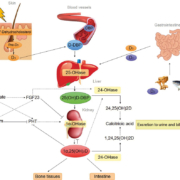
Nowadays, there is an increased focus on the vitamin D and its benefits on health maintenance and disease prevention. Vitamin D is mainly produced following skin exposure to UVB rays. Additionally, it is found in several foods, such as oily fish, mushrooms and egg yolk. Vitamin D is considered as a pro-hormone owing to the fact that its production in the skin from 7-dehydrocholesterol could be sufficient when the sun exposure is adequate. Two forms of vitamin D coexist: vitamin D2 produced by vegetables, and vitamin D3 produced by animals and humans [2, 8]. After its synthesis in the skin or its intestinal absorption, this liposoluble vitamin is transported to the liver where it is hydroxylated by vitamin D 25-hydroxylase (or 25-hydroxylase, encoded by the CYP2R1 gene) to form 25-hydroxyvitamin D [25(OH)D]. This hydroxylation is very poorly regulated and, therefore, most of the circulating vitamin D will be metabolized into 25(OH)D. 25(OH)D is then transported to the kidney by a specific protein carrier [vitamin D binding protein (DBP)], and to a lesser extent by albumin, where it is hydroxylated by 25-hydroxyvitamin D-1 alpha hydroxylase (or 1α-hydroxylase, encoded by the CYP27B1 gene) on the carbon in position 1 to form the most active metabolite, 1,25-dihydroxy-vitamin D [1,25(OH)2D]. This transformation is strictly regulated, notably by the parathyroid hormone (PTH), fibroblast growth factor 23 (FGF23) and 1,25(OH)2D itself (Fig. 1). The major role of vitamin D is the maintenance of calcium homeostasis, by acting on the vitamin D receptor (VDR). Calcium regulation is very complex and not fully understood yet. When ionized calcium decreases, the calcium sensing receptors (CaSR) located on the surface of the parathyroid glands stimulate PTH secretion.
PTH then acts on different targets to increase serum calcium concentration: it stimulates the release of calcium (and phosphate) from bones by acting on osteoclasts through osteoblasts and the RANK/RANKL system. It also decreases calcium excretion by the kidney and stimulates 1α-hydroxylase to produce 1,25(OH)2D which, in turn, acts on the VDR of intestinal cells to produce calbindin 9k, TRPV6 and the NCX1 Ca/Na exchanger increasing intestinal absorption of calcium. The resulting increase of calcium levels inhibits CaSR-stimulated PTH production, but 1,25(OH)2D also acts as a feedback loop to stop PTH synthesis. 1,25(OH)2D finally acts on the VDR of the FGF23 gene to stimulate FGF23 production. In turn, FGF23, which is the most potent phosphaturic hormone (it inhibits Npt2a and Npt2c sodium-dependent phosphate co-transporters in the proximal renal tubule), blocks the activity of 1α-hydroxylase and stimulates 24-hydroxylase which leads to 25(OH)D and 1,25(OH)2D catabolism (Fig. 2).
24-Hydroxylase is a key enzyme that catalyses the inactivation of svitamin D. It is expressed in most vitamin D target cells and is also stimulated by 1,25(OH)2D, which hence regulates its own metabolism, therefore protecting against hypercalcemia and limiting the levels of 1,25(OH)2D in cells [1]. Production of 1,24,25(OH)3D and 24,25(OH)2D is the first step of a five-step pathway that transforms vitamin D in a more hydrophilic compound, calcitroic acid, and allows its excretion in urine and in bile [2–6, 8]. 24,25(OH)2D has a half-life of approximately 7 days and a concentration in the range of 1 to 10 ng/mL in healthy individuals.
CYP24A1 mutations
Loss-of-function mutations of the CYP24A1 gene have been identified in children presenting with idiopathic infantile hypercalcemia (IIH). These CYP24A1 gene product (24-hydroxylase) defects can be inherited as an autosomal recessive biallelic mutation. Infants present with severe hypercalcemia, suppressed PTH levels, hypercalciuria and medullary nephrocalcinosis owing to hypersensitivity to
vitamin D [4]. Indeed, there is no transformation of 25(OH)D and 1,25(OH)2D to 24,25(OH)2D and 1,24,25(OH)3D leading to a prolonged and excessive elevation of 25(OH)D and 1,25(OH)2D concentrations and an incapacity to clear them from plasma. By feedback, there will be a decrease of PTH and an increase in FGF23 concentrations (Fig. 2). These symptoms are similar to those met in vitamin D intoxication and it is important to make the distinction between these two diseases. In IIH, the vitamin D metabolite ratio (VMR), the ratio between 25(OH)D and 24,25(OH)2D, allows the differential diagnosis of 24-hydroxylase defects from vitamin D intoxication. In IIH, the VMR will be high (>50–80); that is to say high 25(OH)D with low 24,25(OH)2D, and is indicative of idiopathic hypercalcemia due to CYP24A1 gene mutations. In vitamin D intoxication, the VMR is normal because both 25(OH)D and 24,25(OH)2D are increased. Moreover, the VMR may be more accurate for revealing this mutation than 24,25(OH)2D alone because the ratio takes into consideration the circulating 25(OH)D and provides a clear distinction from a vitamin D deficiency, in which both 25(OH)D and 24,25(OH)2D are low. Indeed, if the substrate decreases, in this case 25(OH)D, the activity of 24-hydroxylase is reduced, thus the production of 24,25(OH)2D is low [4]. These genetic mutations indicate that vitamin D supplementation in children could be potentially deleterious. In these children, vitamin D supplementation must be eliminated. Indeed, they may have failure to thrive, vomiting, dehydratation, spikes of fever and nephrocalcinosis. Supplementation of mothers with 24-hydroxylase defects during pregnancy could lead to hypercalcemia associated with prematurity and intra-uterine growth retardation. Treatment of IIH encompasses the avoidance of sun and calcium- and vitamin D-rich foods. However, recently, it has been shown that isoniazid could induce the cytochrome P450 3A4, which is another vitamin D degradation pathway [9].
Thereafter, Molin et al. found that CYP24A1 gene mutations are frequently associated with renal complications including renal failure, nephrolithiasis and nephrocalcinosis. Also, they suggest that this loss-of-function of 24-hydroxylase is the most recently elucidated cause of hypercalcemia after parathyroid hypercalcemia, vitamin D intoxication and poorly regulated 1α-hydroxylation [3]. They have described patients with CYP24A1 heterozygous mutations, mostly asymptomatic, implying a hypothesis of an autosomal-dominant trait from which clinical consequences would vary throughout life and where hypercalcemia would appear only when vitamin D intakes are excessive.
Less severe mutations have been observed in patients with moderate hypercalcemia and inappropriately low PTH (<20 pg/mL). Those patients are likely to develop nephrolithiasis. 24,25(OH)2D evaluation should be done on subjects with hypercalcemia and low PTH, especially as they suffer from nephrolithiasis. Not all the mutations have been discovered yet and further genetic studies are required. Moreover Ginsberg et al. found that lower 24,25(OH)2D concentrations and lower VMR are associated with increased hip-fracture risk in community-living older men and women. They also noticed that higher 24,25(OH)2D concentrations were associated with higher bone mineral density (BMD), whereas VMR was not. Additionally, 1,25(OH)2D concentrations were not associated with BMD, consistent with previous studies in older adults [1]. In addition to catabolism, many studies tend to demonstrate that the 24,25(OH)2D may have its own biological activity in vitro in calcium regulation [5, 6]. Finally, recent studies suggest that the assessment of 24,25(OH)2D or the assessment of the VMR could better reflect the activity of the VDR and could be used as an index of vitamin D clearance [1, 3, 4]. The VMR may have the advantage of being uninfluenced by DBP concentrations, which affects both the numerator and denominator of the ratio.
Vitamin D metabolite evaluation
Quantitative evaluation of 24,25(OH)2D is complicated by its presence at low concentrations. LC-MS/MS is currently the only alternative to evaluate 24,25(OH)2D levels and has the great advantage to distinguish simultaneously the different metabolites and 25(OH)D in serum [6, 10]. The NIST (National Institute of Standards and Technology) has recently issued a new serum-matrix standard reference material [11] and Tai et al. published a reference measurement procedure for the determination of 24,25(OH)2D in human serum using isotope-dilution LC-MS/MS [10].
Conclusion
In conclusion, the assessment of 25(OH)D alone is not always enough. 24,25(OH)2D and VMR are other available tools to help for the diagnosis and the monitoring of abnormalities in phosphocalcic metabolism. The drawback is that it requires the determination of vitamin D metabolites by LC-MS/MS, and very few laboratories perform this determination [only 10 labs participate in the 24,25(OH)2D proficiency testing provided by the Vitamin D External Quality Assessment Scheme (DEQAS)]. Collaboration with a reference lab may be a good compromise. It is important to be aware of hypercalcemia caused by CYP24A1 mutants and their consequences on health. Further studies will be needed to explore the others mutations of CYP24A1 and the potential biological activity of 24,25(OH)2D in vivo.
References
1. Ginsberg C, Katz R, de Boer IH, Kestenbaum BR, Chonchol M, Shlipak MG, Sarnak MJ, Hoofnagle AN, Rifkin DE, et al. The 24,25 to 25-hydroxyvitamin D ratio and fracture risk in older adults: the cardiovascular health study. Bone 2018; 107: 124–130.
2. Vranken L, Emonts P, Bruyère O, Cavalier E. Prévalence de l’hypovitaminose D chez la femme enceinte: quelle est la situation en région liégeoise? Revue Médicale de Liège 2018; 73 (1): 10–16 [in French].
3. Molin A, Baudoin R, Kaufmann M, Souberbielle JC, Ryckewaert A, Vantyghem MC, Eckart P, Bacchetta J, Deschenes G, et al. CYP24A1 mutations in a cohort of hypercalcemic patients: evidence for a recessive trait. J Clin Endocrinol Metab 2015; 100(10): E1343–E1352.
4. Schlingmann KP, Kaufmann M, Weber S, Irwin A, Goos C, John U, Misselwitz J, Klaus G, Kuwertz-Bröking E, et al. Mutations in CYP24A1 and idiopathic infantile hypercalcemia. N Engl J Med 2011; 365(5): 410–421.
5. Van Leeuwen JPTM, an den Bemd GJCM, van Driel M, Buurman CJ, Pols HAP. 24,25-Dihydroxyvitamin D3 and bone metabolism. Steroids 2011; 66: 375–380.
6. Wagner D, Hanwell HE, Schnabl K, Yazdanpanah M, Kimball S, Fu L, Sidhom G, Rousseau D, Cole DEC, Vieth R. The ratio of serum 24,25-dihydroxyvitamin D3 to 25-hydroxyvitamin D3 is predictive of 25-hydroxyvitamin D3 response to vitamin D3 supplementation. J Steroid Biochem Mol Biol 2011; 126: 72–77.
7. Lu X, Chen Z, Mylarapu N, Watsky MA. Effects of 1,25 and 24,25 vitamin D on corneal epithelial proliferation, migration and vitamin D metabolizing and catabolizing enzymes. Sci Rep 2017; 16951: 1–12.
8. Bikle DD. Vitamin D and bone. Curr Osteoporos Rep 2012; 10(2): 151–159.
9. An inducible cytochrome P450 3A4-dependent vitamin D catabolic pathway. Wang Z, Lin YS, Zheng XE, Senn T, Hashizume T, Scian M, Dickmann LJ, Nelson SD, Baillie TA, et al. Mol Pharmacol 2012; 81(4): 498–509.
10. Tai SSC, Nelson MA. Candidate reference measurement procedure for the determination of (24R),25-dihydroxyvitamin D3 in human serum using isotope-dilution liquid chromatography-tandem mass spectrometry. Anal Chem 2015; 87: 7964–7970.
11. Tai SS, Nelson MA, Bedner M, Lang BE, Phinney KW, Sander LC, Yen JH, Betz JM, Sempos CT, Wise SA. Development of standard reference material (SRM) 2973 vitamin D metabolites in frozen human serum (high level). J AOAC Int 2017; 100(5): 1294–1303.
The authors
Laura Vranken1, Corentin Fontaine1, Jean-Claude Souberbielle2 PhD, Etienne Cavalier1 PhD
1Clinical Chemistry, University of Liège, CHU Sart-Tilman, Belgium
2Service des Explorations Fonctionnelles, Hôpital Necker-Enfants Malades, Paris, France
*Corresponding author
E-mail: Laura.vranken@chuliege.be

Gentamicin is an aminoglycoside antibiotic that was discovered in the early 1960s. Its low cost and efficacy against Gram-negative bacteria (including many multidrug resistant ones), has made it a popular choice for treating serious infections and sepsis in adults and children. However, aminoglycoside antibiotics can be nephrotoxic and ototoxic. Although the nephrotoxicity seems to cause only mild renal impairment that is almost always reversible, the damage to the ear seems to be largely irreversible. The damage to the ear can occur in two ways: (1) vestibular toxicity destroys the vestibular system, which is responsible for our sense of balance and motion, causing chronic vertigo; and (2) cochleotoxicity, which destroys the hair cells causing hearing loss. Treatment with gentamicin is therefore carefully monitored with the assessment of serum levels allowing careful control of the dosage regimen. In the 1990s, it became apparent that a mitochondrial DNA mutation (m.1555A→G) dramatically increased the susceptibility of carriers to aminoglycoside-dependent hearing loss, which can be profound even after very limited exposure and when drug levels have been kept within the therapeutic range. In adults, hearing loss has been thought of as an unavoidable possible side-effect when trying to save a life from serious infection. However, for the many babies treated with gentamicin (approximately 90 000 per year in the UK alone), the potential consequences are devastating, as the lack of hearing means that the development of speech is extremely difficult. Invasive bacterial infection can affect up to 25% of very low birth weight babies, with unspecific symptoms and the possibility of rapid progression to a high risk of morbidity and mortality. Hence, in the presence of risk factors for – or any suspicion of – infection, antibiotic therapy is started at birth or within the hour of a baby arriving at the neonatal intensive care unit. The prevalence of the m.1555A→G mutation has been found to be 1 in 500 in European children, but currently there is not enough time for genetic screening to take place before commencement of antibiotics. Recently, however, a consortium (led by Professor Bill Newman, professor of Translational Genomic Medicine at the University of Manchester and a consultant at Manchester University NHS Foundation Trust, and including partners from Liverpool and Manchester Neonatal Intensive Care Units) has received funding to develop a new point-of-care test that will allow rapid identification of children with the mutation and so save their hearing by avoiding the use of aminoglycoside antibiotics. Needless to say, such a test will be greatly welcomed by parents, removing one very difficult decision at a time of great stress.

Dermatomycoses are extremely widespread, and are characteristically long-lasting, recurring and very difficult to cure. Early and accurate identification of the causative agent is essential for targeted therapy. A new DNA microarray provides direct detection and differentiation of the most important dermatomycosis pathogens in one reaction. The assay simultaneously detects up to 50 dermatophyte species, and provides species identification for 23 of these, as well as 6 yeasts and moulds. The microarray analysis aids differential diagnosis of dermatomycoses from other dermatoses (e.g. psoriasis), and specifically identifies mixed infections with yeasts and moulds. The dermatomycosis microarray is part of the established EUROArray platform, which also includes microarrays for multiplex identification of sexually transmitted infections (STI) and complete detection and typing of human papillomaviruses (HPV).
by Dr Jacqueline Gosink
Dermatomycosis
Dermatomycoses are infections of the skin, hair and nails which are typically caused by dermatophytes and in rarer cases by yeasts and moulds. Fungal infections of the skin are the most frequently occurring infectious diseases globally with high and growing relapse rates. Elderly people and immunocompromised patients are especially at risk. Worldwide, around 20 to 25% of the population is affected by fungal skin diseases.
Infections which are caused exclusively by dermatophytes are referred to as dermatophytoses or tinea. Tinea pedis, which occurs on the soles of the feet and between the toes, is one of the most frequent forms worldwide, followed by tinea unguium, which affects the nails, and tinea corporis, which affects the neck, back or trunk. Further forms, for example, on the face, legs, beard area, arms and hands, are rarer. Nail infections caused by dermatophytes and/or yeasts/moulds are called onychomycoses. They are typically accompanied by deformation of the nail.
Pathogens of dermatomycosis
Dermatophytes encompass fungi of the genera Trichophyton, Epidermophyton, Nannizzia, Paraphyton, Lophophyton, Microsporum and Arthroderma. Individual species are classified as anthropophilic, zoophilic or geophilic according to their main occurrence. Human pathogenic yeasts and moulds include Candida spp., Scopulariopsis brevicaulis, Fusarium spp. and Aspergillus fumigatus.
Around 70% of human dermatophyte infections are caused by anthropophilic species. Trichophyton rubrum, in particular, is the most frequent cause of fungal skin infections worldwide. Infections can spread easily to other areas of the body or to other persons, for example, via showers, bathtubs or floors. Zoophilic dermatophytes are transmitted to humans by close contact with animals, especially pets, which are often asymptomatic. They can cause severe inflammatory reactions in humans. Geophilic dermatophytes cause disease less frequently in humans. Infections typically occur in gardeners and farm workers or children who play outside. Moulds and yeasts often cause opportunistic infections, benefitting from damage to the skin or nail caused by an existing dermatophyte infection. In immunocompromised individuals, local fungal infections may develop into systemic mycosis.
Clinical picture
Dermatomycoses are clinically heterogeneous and cannot always be differentiated from other dermatoses, such as eczema, psoriasis, erysipelas, or autoimmune diseases such as Lichen ruber planus. Furthermore, 5 to 15% of onychomycosis cases comprise mixed infections of dermatophytes with yeasts and moulds. Simultaneous bacterial infection of the damaged skin, pretreatment with corticosteroid-containing preparations, or secondary contact allergy can also hinder diagnosis.
Dermatomycoses must always be treated. This is generally undertaken using various topical antifungal drugs, with severe cases sometimes requiring oral medication. Each drug has a limited activity spectrum. Positive pathogen identification prior to treatment enables targeted selection of the most suitable drug and optimal planning of the oftentimes lengthy therapy. In multiple infections, a change of the primary pathogenic agent may occur during the therapy and it may seem like the therapy is failing. This must be taken into account in the treatment of fungal infections of the nails, which may only yield first success after months. Identification of the causative pathogen also helps to determine the source of the infection. In the case of zoophilic pathogens, for example, this is usually a pet.
Laboratory diagnostics
Laboratory diagnostic methods for identifying dermatomycosis pathogens include microscopic detection and an attempt at culturing from clinical material. Successful culture in most cases enables species assignment based on micro- and macromorphological presentation of the fungus. Culturing is, however, time-consuming and is not possible for all dermatophytes. In mixed infections, false diagnoses may occur since slowly growing species may be overgrown or overlooked. Furthermore, antifungal therapy started before the sampling can hinder the culture.
Direct detection of pathogen genomic material by DNA microarray enables secure and accurate identification of the causative agent. Microarray analysis offers a significant time advantage over detection by culturing, and is especially useful for detecting dermatophytes that are difficult to cultivate. It provides higher sensitivity and specificity, even in patients already undergoing treatment. The EUROArray Dermatomycosis analysis includes a universal dermatophyte detection encompassing 50 species of the genera Trichophyton, Epidermophyton, Microsporum, Nannizzia, Arthoderma, Lophophyton, as well as species identification for the 23 dermatophyte and 6 yeast and mould species listed in Table 1.
EUROArray procedure
The EUROArray procedure (Figure 1) is performed on DNA samples isolated from skin scales, nail shavings or hair stubs. Defined gene sections of the pathogens are first amplified by multiplex polymerase chain reaction (PCR). The fluorescently labelled PCR products are then incubated with biochip microarray slides containing immobilized complementary probes. Specific binding (hybridization) of the PCR products to their corresponding oligonucleotide probes is detected using a special microarray scanner. The signals are evaluated and interpreted automatically by the EUROArrayScan software (Figure 2). A detailed result report is produced for each patient and all data are documented and archived. Meticulously designed primers and probes, ready-to-use PCR components and integrated controls all contribute to the reliability of the analysis. The entire EUROArray procedure from sample arrival to report release is IVD-validated and CE-registered, supporting quality management in diagnostic laboratories.
Specifications and evaluation
The lower detection limit of the test system depends on the pathogen and lies between 50 and 600 DNA copies per reaction, in individual cases also higher. Evaluation studies verified that template DNA in concentrations ranging from the lower detection limit to 50 ng can be used in the PCR without generating any false positive results. Furthermore, potential cross reactivity with 37 microorganisms of the resident and transient skin flora was excluded experimentally.
In an evaluation study with 409 clinical samples, the EUROArray Dermatomycosis yielded a good agreement with the precharacterization. In many cases additional pathogens that were not included in the precharacterization were detected. The additional findings were confirmed by further independent tests or sequencing. Thus, the microarray provides reliable results and broad detection capabilities.
STI detection
The EUROArray STI is based on the same technology and provides parallel direct detection of the pathogenic agents of eleven sexually transmitted infections (STIs) in one reaction, namely Chlamydia trachomatis, Neisseria gonorrhoea, Mycoplasma genitalium, Mycoplasma hominis, Ureaplasma urealyticum, Ureaplasma parvum, Haemophilus ducreyi, Treponema pallidum, Trichomonas vaginalis and herpes simplex viruses 1 and 2.
STIs are often asymptomatic, but can nevertheless lead to serious sequelae, for example infertility, fetal damage during pregnancy, and severe postnatal infections in newborns. The PCR-based detection allows identification of both manifest and silent infections, and is thus suitable for diagnosis of symptomatic patients as well as for general screening. It offers a huge time advantage over cultivation and is especially useful for detecting sexually transmitted pathogens that are difficult or impossible to cultivate, e.g. C. trachomatis, Mycoplasma, Ureaplasma, T. pallidum. Due to amplification of the pathogen DNA, infections with a reduced pathogen number can also be reliably detected. A broad screening for STI pathogens is particularly important in asymptomatic or clinically ambiguous cases and for detecting multiple infections, which are often missed during single-parameter testing.
HPV detection and typing
The EUROArray HPV provides detection and typing of all 30 genitally relevant HPV subtypes in one test. HPV are involved in the development of cervical carcinoma, and HPV testing plays a central role in risk assessment and early diagnosis of this cancer. In contrast to Pap examinations, HPV detection is not dependent on subjective evaluation and it offers very high sensitivity even in the early stages of infection.
The EUROArray HPV is based on detection of the viral oncogenes E6 and E7, which provides the highest possible sensitivity. Using an extensive panel of specific primers and probes, the EUROArray detects and distinguishes between 18 high-risk subtypes that may trigger cancer (16, 18, 26, 31, 33, 35, 39, 45, 51, 52, 53, 56, 58, 59, 66, 68, 73, 82) and 12 low-risk subtypes that cause benign genital warts (6, 11, 40, 42, 43, 44, 54, 61, 70, 72, 81, 89). Multiple infections are reliably identified, and primary and persistent infections can be differentiated. A positive result for a high-risk subtype indicates an increased risk for cervical carcinoma, which can then be minimised by more frequent follow-up examinations to detect morphological cell changes at an early stage. Based on the recommendations of the respective professional societies, HPV-negative women can forgo subsequent HPV tests and Pap smears for a longer time interval.
Conclusions
Molecular diagnostic tests such as the EUROArray are an important tool for identifying the precise pathogenic agent in various infectious diseases, supporting decision-making on specific treatment. The new EUROArray Dermatomycosis provides the most comprehensive direct detection of dermatomycosis pathogens currently available commercially, and complements existing assays for STI and HPV. The EUROArray procedure is easy to perform and does not require extensive expertise in molecular biology. Moreover, the fully automated evaluation ensures objective, accurate and reproducible results. Further infectious disease microarrays based on the same technology are in development.
The author
Jacqueline Gosink, PhD
EUROIMMUN AG, Seekamp 31,
23560 Luebeck, Germany
www.euroimmun.com

Zika virus (ZIKV) has recently become a global threat owing to the link between infection, Guillain–Barré syndrome and serious neurological defects in unborn fetus and infants. There are major challenges associated with the detection methods that are currently available for the virus, and there is no point-of-care test to accurately and quickly detect ZIKV. Herein, we describe the advantages and disadvantages of the methods that are used presently, and provide an insight into developing technologies that will yield improved detection in the future.
by Devon Pawley, Dr Emre Dikici, Dr Sapna Deo and Prof. Sylvia Daunert
Background
Infectious diseases are a serious public health concern and are the leading cause of death in low income countries [1]. The World Health Organization (WHO) declared the potential impact of the Zika virus (ZIKV) a global public health emergency in 2016, and considers the virus an ongoing threat [2]. Of particular concern is its association with Guillain–Barré syndrome and the link between ZIKV infection of pregnant women and microcephaly, neurological impairment and distress in their offspring [3, 4].
The ZIKV belongs to the genus Flavivirus, and is most commonly transmitted via different species of mosquitoes of the Aedes genus frequently found in tropical environments [5, 6]. The virus has also been shown to be transmitted from mother to fetus, as well as during sexual intercourse between individuals through bodily fluids [7]. The virus is closely related to other flaviviruses, such as the dengue virus (DENV), yellow fever virus (YFV), Japanese encephalitis virus (JEV) and West Nile virus (WNV), which often complicates correct diagnosis of ZIKV [8]. Although the virus was discovered in Uganda in 1947, the potential for the virus to infect mammals was not described until 1971 [9, 10]. Interestingly, the first clinical reports of perinatal transmission and association with Guillain–Barré syndrome due to ZIKV occurred in 2013 in French Polynesia following a major change in the virus epidemiology [11–14]. This outbreak was complicated by concurrent outbreaks of patients of DENV and chikungunya virus (CHIKV) transmitted by the same Aedes mosquito vector [15]. Since then, other reports from Brazil have chronicled a rapidly spreading epidemic that, once more, co-exists with transmission of DENV and CHIKV, and is characterized by fever, conjunctivitis, and a maculopapular rash [16]. More ominously, there are reports of microcephaly and ocular damage in aborted fetuses and infants born to mothers infected with ZIKV. In these cases, evidence of ZIKV infection came from the recovery of the virus from amniotic fluid, placental, and brain tissue. Additionally, it is known that the virus can persist in body fluids such as urine, saliva, and semen beyond the short time (<7 days) that it is present in blood, which becomes an important consideration when developing methods of ZIKV detection [17, 18].
Developing rapid diagnostics is central to prevent and control ZIKV spread, while also providing women with the necessary information to make informed decisions regarding pregnancy. It is particularly important to distinguish ZIKV infection from that of the structurally related DENV in areas where DENV is endemic and ZIKV is increasing in prevalence. Regions with the highest incidence of ZIKV infection also tend to be resource-limited. There is, therefore, an urgent and unmet need for rapid, simple, on-site, and cost-effective diagnostics that can specifically identify ZIKV and ZIKV-specific antibody (Ab) responses in body fluids.
Current ZIKV detection methods, although rapid (<30 min), are not cost effective and require specialized equipment and trained personnel. These methods are not ideal in resource-limited settings where the virus is frequently found. Additionally, these methods are regularly used concurrently for detection of ZIKV in more than one bodily fluid, most commonly urine and serum, to accurately identify the presence of the virus. Because 20–25% of infected individuals do not demonstrate symptoms, the short window of time in which ZIKV is actively present in the body is often missed [7]. Thus, tests for previous exposure to ZIKV are also performed in conjunction with tests for active infection. It is important to note that test development, validation, and optimization have proven difficult thus far due to the low amount of samples available.
Current ZIKV tests and their limitations
RNA nucleic acid tests (NATs)
The presence of active ZIKV can usually be detected early in the infection in bodily fluids using RNA NATs, such as the Trioplex real-time polymerase chain reaction (RT-PCR) Assay, loop-mediated isothermal amplification (LAMP), nucleic acid sequence-based amplification (NASBA), reverse-transcription isothermal recombinase polymerase amplification (RPA) and reverse-transcription strand-invasion based amplification (RT-SIBA) assay [19, 20]. The Trioplex RT-PCR is currently the test used by the Centers for Disease Control and Prevention (CDC) for evaluating symptomatic pregnant women in conjunction with IgM serology. Briefly, the viral RNA is first converted to cDNA via reverse transcription. If the sample contains the desired DNA sequence, a specially designed probe will bind to the target area and is detected via fluorescence. RNA nucleic acid testing is highly sensitive and can identify extremely low concentrations of viral RNA, 1.93×10⁴ genome copy equivalents per millilitre of serum according to the CDC, present during the first 10 days of ZIKV infection (21). However, NATs require expensive machinery, technical expertise, and are associated with high costs. Additionally, because viral RNA degrades rapidly in the body, NATs cannot detect prior exposure to ZIKV. Under updated recommendations of the CDC, negative NATs should be repeated with new sample extractions because of the low levels of virus present during infection.
Plaque-reduction neutralization test (PRNT)
PRNTs involve an intensely laborious process that is performed by the CDC or at a laboratory designated by CDC to detect neutralizing antibodies of a virus. If a sample has a negative ZIKV NAT and a non-negative or inconclusive serology result, a PRNT is required. PRNTs take several days to deliver a result as the process involves mixing the sample with live virus, growing this treated sample in a dish over a monolayer of host cells, and leaving the plate to incubate until plaques grow. Plaques grow when the sample added contains neutralizing antibodies, indicating previous exposure to the virus. Besides the inherent downfall of the time it takes from sample collection to plaque identification, PRNTs require specific equipment, trained personnel and do not provide information on active
ZIKV infection.
Serologic test for ZIKV
The first antibodies produced in response to initial exposure to ZIKV, IgMs, are manifested towards the end of the first week of infection. These antibodies, as well as neutralizing antibodies, can be detected via the Zika IgM Antibody Capture Enzyme-Linked Immunosorbent Assay (MAC-ELISA). A plate is coated with the anti-IgM capture, the patient’s sample is added and detection is achieved by consequential addition of an enzyme-conjugated anti-viral antibody. The enzyme interacts with a chromogenic substrate producing a colorimetric change, which can then be detected using a spectrophotometer. Important limitations to address include (1) length of assay time (2.5 days to complete); (2) detection of previous exposure to ZIKV only rather than active infection; (3) occurrence of false-negative and false-positive results. False-negatives occur when the samples were collected before IgMs have been generated, usually 4 days post-onset of symptoms or when the samples were collected after IgMs levels have fallen below detectable levels, approximately 12 weeks post-onset of symptoms. Equally, false-positives occur due to cross-reactivity with structurally similar antigens, most commonly other flaviviruses, such as DENV. Follow-up testing is necessary to rule out a false-positive result.
Active infection ELISA
Active ZIKV can be detected using a sandwich-format ELISA. Specific anti-ZIKV antibodies sandwich the virus, if it is present in the sample, and can be detected via an enzyme-conjugated secondary antibody in the same manner as the MAC-ELISA. Until recently, developing an accurate active infection ELISA proved difficult owing to the lack of specific antibodies towards ZIKV, which caused high instances of cross-reactivity with other structurally similar flaviviruses.
The previously described methods are conducted under an ‘Emergency Use Authorization’ issued by the FDA except for the active infection ELISA. In collaboration with Dr David Watkins and Dr Esper Kallas, our lab is working on developing a highly specific active infection ELISA using monoclonal antibodies isolated from ZIKV-infected patients in Sao Paulo, Brazil, that bind only to ZIKV and no other flaviviruses. Currently, our assay is under optimization to detect levels of ZIKV in urine and serum samples.
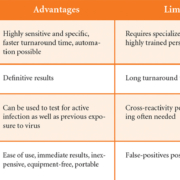
The advantages and limitations of the methods of ZIKV detection discussed above are summarized in Table 1.
Ongoing and future developments: point-of-care testing for active infection for ZIKV
Recently, paper-based detection methods have gained considerable interest because of the low cost, portability, stability at various storage conditions, and ease of use associated with their handling. These testing platforms do not require external equipment, allowing them to be carried out in remote and resource-limited areas, such as those where ZIKV flourishes. Thus, there is an emphasis on the translation of common assay principles to more portable and affordable platforms.
Lateral flow assays employ ELISA principles, and, as such, antibodies that are selective towards the desired antigen are immobilized onto a membrane. Briefly, the primary and secondary antibodies are dispensed onto the membrane via inkjet technologies and function as the test and control lines, respectively. The top portion of the membrane is laminated with an adsorbent pad to facilitate capillary action. A separate set of selective primary antibodies are conjugated to detection molecules such as gold nanoparticles, latex particles or coloured cellulose nanobeads and are immobilized onto the conjugate pad. The sample is added to the sample pad and then migrates, via capillary action, through the membrane to the conjugate pad. If the sample contains the antigen, the dried primary Ab conjugated to the coloured particles will be remobilized and the antigen will bind to these conjugated primary antibodies. The formed complexes will flow through the reaction matrix, which is usually a porous matrix such as nitrocellulose. The labelled antigen will then be captured by the immobilized primary antibodies forming a coloured band (Fig. 1). The control line will bind the coloured labelled primary antibodies regardless of the presence of antigen. This verifies that the test is working properly and the labelled conjugate can flow and bind to its respective antibody pair. When the antigen is present, the antibody/bead complex will bind to the antigen, and this Ab/antigen complex is captured by the antibody that is immobilized as the test line. One line at the control region indicates a functional but negative test and two lines indicates a functional positive test. Using our highly specific anti-ZIKV antibodies, we have additionally developed a sandwich-format lateral flow assay for the detection of ZIKV in urine that is currently under optimization.
DNA/RNA detection methods on paper are also of particular interest because of the high selectivity of hybridization. In 2015, the Whitesides group described a novel “paper machine” device that uses LAMP to detect a signal using a hand-held UV source and camera phone [22]. The paper-based device costs $1.83, an extreme improvement when compared with traditional nucleic acid testing. The only drawback of this device is that it requires incubation steps at 65 °C throughout the assay to dry the reagents present on the paper strip, which sometimes can be challenging in a point-of-care situation. Furthering the research on paper-based methods of viral RNA detection, our group described a different paper-based platform that has only one step involving incubation in a boiling water bath [23]. We have continued our pursuit to develop a point-of-care paper-based viral detection system and have constructed another test that utilizes RPA and requires incubation at much lower temperature, namely at 37 °C.
The threat of ZIKV creating serious health issues has not lessened and continues to afflict women who are pregnant and wish to become pregnant. Without proper methods of detection, the virus is difficult to characterize, document, and study. While many of the progressive paper-based platforms described herein are promising, none are currently FDA approved and on the market for use for the detection of ZIKV. It is, therefore, imperative that researchers continue to investigate and design innovative detection methods that can detect ZIKV in an easy, accurate, and affordable manner.
References
1. The top 10 causes of death. World Health Organization 2018; http: //www.who.int/mediacentre/factsheets/fs310/en/index1.html.
2. Gulland A. Zika virus is a global public health emergency, declares WHO. BMJ. 2016; 352: i657.
3. Brasil P, Pereira JP Jr, Moreira ME, Ribeiro Nogueira RM, Damasceno L, Wakimoto M, Rabello RS, Valderramos SG, Halai UA, et al. Zika virus infection in pregnant women in Rio de Janeiro. N Engl J Med 2016; 375(24): 2321–2334.
4. Štrafela P, Vizjak A, Mraz J, Mlakar J, Pižem J, Tul N, Županc TA, Popović M. Zika virus-associated micrencephaly: a thorough description of neuropathologic findings in the fetal central nervous system. Arch Pathol Lab Med 2017; 141(1): 73–81.
5. Boorman JP, Porterfield JS. A simple technique for infection of mosquitoes with viruses; transmission of Zika virus. Trans R Soc Trop Med Hyg 1956; 50(3): 238–242.
6. Haddow AJ, Williams MC, Woodall JP, Simpson DI, Goma LK. Twelve isolations of Zika virus from Aedes (Stegomyia) africanus (Theobald) taken in and above a Uganda forest. Bull World Health Organ 1964; 31: 57–69.
7. Singh RK, Dhama K, Karthik K, Tiwari R, Khandia R, Munjal A, Iqbal HMN, Malik YS, Bueno-Marí R. Advances in diagnosis, surveillance, and monitoring of Zika virus: an update. Front Microbiol 2017; 8: 2677.
8. Faye O, Freire CC, Iamarino A, Faye O, de Oliveira JV, Diallo M, Zanotto PM, Sall AA. Molecular evolution of Zika virus during its emergence in the 20(th) century. PLoS Negl Trop Dis 2014; 8(1): e2636.
9. Bell TM, Field EJ, Narang HK. Zika virus infection of the central nervous system of mice. Arch Gesamte Virusforsch 1971; 35(2): 183–193.
10. Wikan N, Smith DR. Zika virus: history of a newly emerging arbovirus. Lancet Infect Dis 2016; 16(7): e119–e126.
11. Besnard M, Lastere S, Teissier A, Cao-Lormeau V, Musso D. Evidence of perinatal transmission of Zika virus, French Polynesia, December 2013 and February 2014. Euro Surveill 2014; 19(13): pii: 20751.
12. Cao-Lormeau VM, Roche C, Teissier A, Robin E, Berry AL, Mallet HP, et al. Zika virus, French Polynesia, South Pacific, 2013. Emerg Infect Dis 2014; 20(6): 1085–1086.
13. Musso D, Nilles EJ, Cao-Lormeau VM. Rapid spread of emerging Zika virus in the Pacific area. Clin Microbiol Infect 2014; 20(10): O595–O596.
14. Oehler E, Watrin L, Larre P, Leparc-Goffart I, Lastere S, Valour F, Baudouin L, Mallet H, Musso D, Ghawche F. Zika virus infection complicated by Guillain-Barre syndrome–case report, French Polynesia, December 2013. Euro Surveill 2014; 19(9): pii: 20720.
15. Roth A, Mercier A, Lepers C, Hoy D, Duituturaga S, Benyon E, Guillaumot L, Souares Y. Concurrent outbreaks of dengue, chikungunya and Zika virus infections – an unprecedented epidemic wave of mosquito-borne viruses in the Pacific 2012-2014. Euro Surveill 2014; 19(41): pii: 20929.
16. Cardoso CW, Paploski IA, Kikuti M, Rodrigues MS, Silva MM, Campos GS, Sardi SI, Kitron U, Reis MG, Ribeiro GS. Outbreak of exanthematous illness associated with Zika, chikungunya, and dengue viruses, Salvador, Brazil. Emerg Infect Dis 2015; 21(12): 2274–2276.
17. Gourinat AC, O’Connor O, Calvez E, Goarant C, Dupont-Rouzeyrol M. Detection of Zika virus in urine. Emerg Infect Dis 2015; 21(1): 84–86.
18. Musso D, Roche C, Nhan TX, Robin E, Teissier A, Cao-Lormeau VM. Detection of Zika virus in saliva. J Clin Virol 2015; 68: 53–55.
19. Eboigbodin KE, Brummer M, Ojalehto T, Hoser M. Rapid molecular diagnostic test for Zika virus with low demands on sample preparation and instrumentation. Diagn Microbiol Infect Dis 2016; 86(4): 369–371.
20. Mauk MG, Song J, Bau HH, Liu C. Point-of-care molecular test for Zika infection. Clin Lab Int 2017; 41: 25–27.
21. Mansuy JM, Mengelle C, Pasquier C, Chapuy-Regaud S, Delobel P, Martin-Blondel G, Izopet J. Zika virus infection and prolonged viremia in whole-blood specimens. Emerg Infect Dis 2017; 23(5): 863–865.
22. Connelly JT, Rolland JP, Whitesides GM. “Paper machine” for molecular diagnostics. Anal Chem 2015; 87(15): 7595–7601.
23. Zhang DH, Broyles D, Hunt EA, Dikici E, Daunert S, Deo SK. A paper-based platform for detection of viral RNA. Analyst 2017; 142(5): 815–823.
The authors
Devon Pawley, Emre Dikici PhD, Sapna Deo PhD, Sylvia Daunert PhD
Department of Biochemistry and Molecular Biology,
Miller School of Medicine, University of Miami,
Miami, FL 33136, USA
*Corresponding author
E-mail: sdaunert@med.miami.edu
November 2025

Prins Hendrikstraat 1
5611HH Eindhoven
The Netherlands
info@clinlabint.com
PanGlobal Media is not responsible for any error or omission that might occur in the electronic display of product or company data.