



CTC-derived AR-V7 detection as a prognostic and predictive biomarker in advanced prostate cancer
Bastos DA, Antonarakis ES. Expert Rev Mol Diagn 2018; 18(2): 155–163
Prostate cancer is a highly heterogeneous disease, with remarkably different prognosis across all stages. Increased circulating tumour cell (CTC) count (≥5) using the CellSearch assay has been identified as one of the markers that can be used to predict survival, with added value beyond currently available prognostic factors. Recently, androgen receptor splice variant 7 (AR-V7) detection has been associated with worse outcomes for patients with castration-resistant prostate cancer (CRPC) treated with novel androgen receptor-signalling (ARS) inhibitors such as abiraterone and enzalutamide but not taxane chemotherapies. Areas covered: In this manuscript, the authors review the available biomarkers in CRPC and discuss emerging data on the value of CTC-derived AR-V7 status to assess prognosis and its potential role to guide treatment selection for patients with advanced prostate cancer. Expert commentary: Current evidence supports AR-V7 status as a prognostic biomarker and also as a potential predictive biomarker for patients with mCRPC. The authors expect that the incorporation of AR-V7 status and other biomarkers (e.g. AR mutations) in the sequential assessment of patients with advanced prostate cancer will lead to a more rational use of available and future therapies, with significant improvements in outcomes for our patients.
Defining a cohort of men who may not require repeat prostate biopsy based on PCA3 score and MRI: The dual negative effect
Perlis N, Al-Kasab T, Ahmad A, Goldberg E, Fadak K, Sayid R, et al. J Urol 2017; doi: 10.1016/j.juro.2017.11.07
PURPOSE: Prostate cancer over diagnosis and overtreatment are concerns for clinicians and policy makers. Multiparametric magnetic resonance imaging and the PCA3 (prostate cancer antigen 3) urine test select for clinically significant cases. We explored how well the tests performed together in with previous biopsies.
MATERIALS AND METHODS: In accordance with ethics committee approval we collected clinicopathological data on all patients in whom a PCA3 test from was done 2011 to June 2016. This included patients on active surveillance for low-risk prostate cancer and those without prostate cancer who had previous negative biopsies and suspicion of occult disease. We explored whether age, prostate-specific antigen, PCA3 score, multiparametric magnetic resonance imaging, digital rectal examination, family history and prostate size would predict clinically significant prostate cancer on repeat biopsy. The negative predictive value of multiparametric magnetic resonance imaging and PCA3 score was calculated.
RESULTS: A total of 470 patients were included in study. The PCA3 score was abnormal at 35 or greater in 32.5 % of cases. In the multivariate model including 154 men only age (OR 1.08, 95 % CI 1.01–1.16), multiparametric magnetic resonance imaging PI-RADS™ (Prostate Imaging-Reporting and Data System) score 4 (OR 16.6, 95 % CI 3.9–70.0) or 5 (OR 28.3, 95 % CI 5.7–138) and PCA3 score (OR 2.9, 95 % CI 1.0–8.8) predicted clinically significant cancer on biopsy. No patient with negative multiparametric magnetic resonance imaging and a normal PCA3 score had clinically significant prostate cancer on biopsy for a negative predictive value of 100 % (p<0.0001).
CONCLUSIONS: In patients with dual negative tests (multiparametric magnetic resonance imaging and PCA3 score) clinically significant prostate cancer was never found on biopsy, which may be unnecessary in this group. This study was limited by its retrospective design, selection bias and lack of cost-effectiveness data.
Quantitative mass spectrometry-based proteomic profiling for precision medicine in prostate cancer
Flores-Morales A, Iglesias-Gato D. Front Oncol 2017; 7: 267
Prostate cancer (PCa) is one of the most frequently diagnosed cancer among men in the western societies. Many PCa patients bear tumours that will not threat their lives if left untreated or if treatment is delayed. Our inability for early identification of these patients has resulted in massive overtreatment. Therefore, there is a great need of finding biomarkers for patient stratification according to prognostic risk; as well as there is a need for novel targets that can allow the development of effective treatments for patients that progress to castration-resistant PCa. Most biomarkers in cancer are proteins, including the widely-used prostate-specific antigen (PSA). Recent developments in mass spectrometry allow the identification and quantification of thousands of proteins and posttranslational modifications from small amounts of biological material, including formalin-fixed paraffin-embedded tissues, and biological fluids. Novel diagnostic and prognostic biomarkers have been identified in tissue, blood, urine, and seminal plasma of PCa patients, and new insights in the ethology and progression of this disease have been achieved using this technology. In this review, we summarize these findings and discuss the potential of this technology to pave the way toward the clinical implementation of precision medicine in PCa.
Biomarkers for prostate biopsy and risk stratification of newly diagnosed prostate cancer patients
Loeb S. Urol Pract 2017; 4(4): 315–321
INTRODUCTION: Many new markers are now available as an aid for decisions about prostate biopsy for men without prostate cancer, and/or to improve risk stratification for men with newly diagnosed prostate cancer.
METHODS: A literature review was performed on currently available markers for use in decisions about prostate biopsy and initial prostate cancer treatment.
RESULTS: Although total prostate-specific antigen cutoffs were traditionally used for biopsy decisions, PSA elevations are not specific. Repeating the PSA test, and adjusting for factors like age, prostate volume and changes over time can increase specificity for biopsy decisions. The Prostate Health Index (phi) and 4K Score are new PSA-based markers that can be offered as second-line tests to decide on initial or repeat prostate biopsy. The PCA3 urine test and ConfirmMDx tissue test are additional options for repeat biopsy decisions. For men with newly diagnosed prostate cancer, genomic tests are available to refine risk classification and may influence treatment decisions.
CONCLUSIONS: Numerous secondary testing options are now available that can be offered to patients deciding whether to undergo prostate biopsy and those with newly diagnosed prostate cancer.
Bidirectional electrochemiluminescence color switch: an application in detecting multimarkers of prostate cancer
Wang YZ, Ji SY, Xu HY, Zhao W, Xu JJ, Chen HY. Anal Chem 2018; doi: 10.1021/acs.analchem.8b00014
A selective excitation of [Ir(df-ppy)2(pic)] and [Ru(bpy)3]2+ through tuning the electrode potential is reported in this work. Bidirectional colour change from blue-green to red could be observed along with increase and decrease of the potential, which was ascribed to the dual-potential excitation property of [Ir(df-ppy)2(pic)]. Similar to the three-electrode system, selective excitation of ECL could be achieved at the anode of the bipolar electrode (BPE). Both increase and decrease of the faradic reactions at the cathode of the BPE could induce ECL reporting colour at the other pole switched from blue-green to red. We applied a closed BPE device for the bioanalysis of multicolour ECL since the organic solvent containing electrochemiluminophores could be separated from the bioanalytes. On the basis of BPE arrays coupled with the ECL switch, the detection of three biomarkers of prostate cancer, PSA, microRNA-141, and sarcosine were integrated in a same device. The cutoff values of the biomarkers could be recognized directly by the naked eye. Such a device holds great potential in the early diagnosis of prostate cancer.
Molecular biomarkers in the clinical management of prostate cancer
Udager AM, Tomlins SA. Cold Spring Harb Perspect Med 2018; doi: 10.1101/cshperspect.a030601
Prostate cancer, one of the most common non-cutaneous malignancies in men, is a heterogeneous disease with variable clinical outcome. Although the majority of patients harbour indolent tumours that are essentially cured by local therapy, subsets of patients present with aggressive disease or recur/progress after primary treatment. With this in mind, modern clinical approaches to prostate cancer emphasize the need to reduce overdiagnosis and overtreatment via personalized medicine. Advances in our understanding of prostate cancer pathogenesis, coupled with recent technologic innovations, have facilitated the development and validation of numerous molecular biomarkers, representing a range of macromolecules assayed from a variety of patient sample types, to help guide the clinical management of prostate cancer, including early detection, diagnosis, prognostication, and targeted therapeutic selection. Herein, we review the current state of the art regarding prostate cancer molecular biomarkers, emphasizing those with demonstrated utility in clinical practice.
Genomic markers in prostate cancer decision making
Cucchiara V, Cooperberg MR, Dall’Era M, Lin DW, Montorsi F, Schalken JA, et al. Eur Urol. 2017; doi: 10.1016/j.eururo.2017.10.036
CONTEXT: Although the widespread use of prostate-specific antigen (PSA) has led to an early detection of prostate cancer (PCa) and a reduction of metastatic disease at diagnosis, PSA remains one of the most controversial biomarkers due to its limited specificity. As part of emerging efforts to improve both detection and management decision making, a number of new genomic tools have recently been developed.
OBJECTIVE: This review summarizes the ability of genomic biomarkers to recognize men at high risk of developing PCa, discriminate clinically insignificant and aggressive tumours, and facilitate the selection of therapies in patients with advanced disease.
EVIDENCE ACQUISITION: A PubMed-based literature search was conducted up to May 2017. The most recent and relevant original articles and clinical trials that have provided indispensable information to guide treatment decisions were selected.
EVIDENCE SYNTHESIS: Genome-wide association studies have identified several genetic polymorphisms and inherited variants associated with PCa susceptibility. Moreover, the urine-based assays SelectMDx, Mi-Prostate Score, and ExoDx have provided new insights into the identification of patients who may benefit from prostate biopsy. In men with previous negative pathological findings, Prostate Cancer Antigen 3 and ConfirmMDx predicted the outcome of subsequent biopsy. Commercially available tools (Decipher, Oncotype DX, and Prolaris) improved PCa risk stratification, identifying men at the highest risk of adverse outcome. Furthermore, other biomarkers could assist in treatment selection in castration-resistant PCa. AR-V7 expression predicts resistance to abiraterone/enzalutamide, while poly(ADP-ribose) polymerase-1 inhibitor and platinum-based chemotherapy could be indicated in metastatic patients who are carriers of mutations in DNA mismatch repair genes.
CONCLUSIONS: Introduction of genomic biomarkers has dramatically improved the detection, prognosis, and risk evaluation of PCa. Despite the progress made in discovering suitable biomarker candidates, few have been used in a clinical setting. Large-scale and multi-institutional studies are required to validate the efficacy and cost utility of these new technologies.
PATIENT SUMMARY: Prostate cancer is a heterogeneous disease with a wide variability. Genomic biomarkers in combination with clinical and pathological variables are useful tools to reduce the number of unnecessary biopsies, stratify low-risk from high-risk tumours, and guide personalized treatment decisions.
The use of biomarkers in prostate cancer screening and treatment
Ashley VA, Joseph MB, Kamlesh KY, Shalini SY, Ashutosh KT, Joseph R. Rev Urol 2017; 19(4): 221–234
Prostate cancer screening and diagnosis has been guided by prostate-specific antigen levels for the past 25 years, but with the most recent US Preventive Services Task Force screening recommendations, as well as concerns regarding overdiagnosis and overtreatment, a new wave of prostate cancer biomarkers has recently emerged. These assays allow the testing of urine, serum, or prostate tissue for molecular signs of prostate cancer, and provide information regarding both diagnosis and prognosis. In this review, we discuss 12 commercially available biomarker assays approved for the diagnosis and treatment of prostate cancer. The results of clinical validation studies and clinical decision-making studies are presented. This information is designed to assist urologists in making clinical decisions with respect to ordering and interpreting these tests for different patients. There are numerous fluid and biopsy-based genomic tests available for prostate cancer patients that provide the physician and patient with different information about risk of future disease and treatment outcomes. It is important that providers be able to recommend the appropriate test for each individual patient; this decision is based on tissue availability and prognostic information desired. Future studies will continue to emphasize the important role of genomic biomarkers in making individualized treatment decisions for prostate cancer patients.
A four-kallikrein panel and β-microseminoprotein in predicting high-grade prostate cancer on biopsy: an independent replication from the Finnish Section of the European Randomized Study of Screening for Prostate Cancer
Assel M, Sjöblom L, Murtola TJ, Talala K, Kujala P, Stenman UH, et al. Eur Urol Focus 2017; doi: 10.1016/j.euf.2017.11.002
BACKGROUND: A panel of four kallikrein markers (total, free, and intact prostate-specific antigen [PSA] and human kallikrein-related peptidase 2 [hK2]) improves predictive accuracy for Gleason score ≥7 (high-grade) prostate cancer among men biopsied for elevated PSA. A four-kallikrein panel model was originally developed and validated by the Dutch centre of the European Randomized Study of Screening for Prostate Cancer (ERSPC). The kallikrein panel is now commercially available as 4Kscore™.
OBJECTIVE: To assess whether these findings could be replicated among participants in the Finnish section of ERSPC (FinRSPC) and whether β-microseminoprotein (MSP), a candidate prostate cancer biomarker, adds predictive value.
DESIGN, SETTING, AND PARTICIPANTS: Among 4861 biopsied screening-positive participants in the first three screening rounds of FinRSPC, a case-control subset was selected that included 1632 biopsy-positive cases matched by age at biopsy to biopsy-negative controls.
OUTCOME MEASUREMENTS AND STATISTICAL ANALYSIS: The predictive accuracy of prespecified prediction models was compared with biopsy outcomes.
RESULTS AND LIMITATIONS: Among men with PSA of 4.0–25 ng/ml, 1111 had prostate cancer, 318 of whom had high-grade disease. Total PSA and age predicted high-grade cancer with an area under the curve of 0.648 (95 % confidence interval [CI] 0.614–0.681) and the four-kallikrein panel increased discrimination to 0.746 (95 % CI 0.717–0.774). Adding MSP to the four-kallikrein panel led to a significant (Wald test; p=0.015) but small increase (0.003) in discrimination. Limitations include a risk of verification bias among men with PSA of 3.0–3.99 ng/ml and the absence of digital rectal examination results.
CONCLUSIONS: These findings provide additional evidence that kallikrein markers can be used to inform biopsy decision making. Further studies are needed to define the role of MSP.
PATIENT SUMMARY: Four kallikrein markers and β-microseminoprotein in blood improve discrimination of high-grade prostate cancer at biopsy in men with elevated prostate-specific antigen.
Combinations of elevated tissue miRNA-17-92 cluster expression and serum prostate-specific
antigen as potential diagnostic biomarkers for prostate cancer
Feng S, Qian X, Li H, Zhang X. Oncol Lett 2017; 14(6): 6943–6949
The aim of the present study was to investigate the effectiveness of the miR-17-92 cluster as a disease progression marker in prostate cancer (PCa). Reverse transcription-quantitative polymerase chain reaction analysis was used to detect the microRNA (miR)-17-92 cluster expression levels in tissues from patients with PCa or benign prostatic hyperplasia (BPH), in addition to in PCa and BPH cell lines. Spearman correlation was used for comparison and estimation of correlations between miRNA expression levels and clinicopathological characteristics such as the Gleason score and prostate-specific antigen (PSA). Receiver operating curve (ROC) analysis was performed for evaluation of specificity and sensitivity of miR-17-92 cluster expression levels for discriminating patients with PCa from patients with BPH. Kaplan-Meier analysis was plotted to investigate the predictive potential of miR-17-92 cluster for PCa biochemical recurrence. Expression of the majority of miRNAs in the miR-17-92 cluster was identified to be significantly increased in PCa tissues and cell lines. Bivariate correlation analysis indicated that the high expression of unregulated miRNAs was positively correlated with Gleason grade, but had no significant association with PSA. ROC curves demonstrated that high expression of miR-17-92 cluster predicted a higher diagnostic accuracy compared with PSA. Improved discriminating quotients were observed when combinations of unregulated miRNAs with PSA were used. Survival analysis confirmed a high combined miRNA score of miR-17-92 cluster was associated with shorter biochemical recurrence interval. miR-17-92 cluster could be a potential diagnostic and prognostic biomarker for PCa, and the combination of the miR-17-92 cluster and serum PSA may enhance the accuracy for diagnosis of PCa.
Prostate-specific antigen screening impacts on biochemical recurrence in patients with clinically localized prostate cancer
Hashimoto T, Ohori M, Shimodaira K, Kaburaki N, Hirasawa Y, Satake N, Gondo T, Nakagami Y, Namiki K, Ohno Y. Int J Urol 2018; doi: 10.1111/iju.13563
OBJECTIVE: To clarify the impact of prostate-specific antigen screening on surgical outcomes of prostate cancer.
METHODS: Patients who underwent radical prostatectomy were divided into two groups according to prostate-specific antigen testing opportunity (group 1, prostate-specific antigen screening; group 2, non-prostate-specific antigen screening). Perioperative clinical characteristics were compared using the Wilcoxon rank-sum and χ2 -tests. Cox proportional hazards models were used to identify independent predictors of postoperative biochemical recurrence-free survival.
RESULTS: In total, 798 patients (63.2 %) and 464 patients (36.8 %) were categorized into groups 1 and 2, respectively. Group 2 patients were more likely to have a higher prostate-specific antigen level and age at diagnosis and larger prostate volume. Clinical T stage, percentage of positive cores and pathological Gleason score did not differ between the groups. The 5-year biochemical recurrence-free survival rate was 83.9 % for group 1 and 71.0 % for group 2 (p<0.001). On multivariate analysis, prostate-specific antigen testing opportunity (hazard ratio 2.530; p<0.001) was an independent predictive factor for biochemical recurrence after surgery, as well as pathological T stage, pathological Gleason score, positive surgical margin and lymphovascular invasion. Additional analyses showed that prostate-specific antigen screening had a greater impact on biochemical recurrence in a younger patients, patients with a high prostate-specific antigen level, large prostate volume and D’Amico high risk, and patients meeting the exclusion criteria of the Prostate Cancer Research International Active Surveillance study.
CONCLUSIONS: Detection by screening results in favourable outcomes after surgery. Prostate-specific antigen screening might contribute to reducing biochemical recurrence in patients with localized prostate cancer.
Endometriosis is a common estrogen-dependent disease affecting approximately 176 million women worldwide. Presently, a blood test for endometriosis remains elusive with laparoscopic surgery followed by histopathological confirmation of lesions remaining the gold standard for diagnosis. Women with endometriosis experience long delays between the onset of symptoms and a definitive diagnosis. The search for single or even panels of markers in the blood for the diagnosis of endometriosis has long been underway and typically met with disappointing results. Recently, plasma concentrations of brain-derived neurotrophic factor (BDNF) have been shown to have potential as a diagnostic marker of endometriosis and a novel test method was developed to enable its detection. Herein we summarize the literature suggesting a role for BDNF in the pathophysiology of endometriosis, explain why it is a promising clinical marker for this vexing condition, and introduce a point-of-care device for diagnosis.
by Dr W. G. Foster, Dr J. M. Wessles and Dr L. Soleymani
Introduction
Endometriosis is a common disease in reproductive-aged women characterized by the growth of endometrial cells anywhere in the body outside of the uterus. Epidemiological studies suggest that 6–11% of women are affected by endometriosis [1] reaching an estimated 176 million women globally. Frequent sites of endometrial disease implants include the fallopian tubes, surface of the ovaries and the space between the vagina and rectum; although implants can be found throughout the body. The cause of endometriosis remains to be elucidated; however, in some women, it is thought that during menstruation, some cells from the uterus migrate through the fallopian tubes into the pelvic cavity where they adhere to surrounding structures attach, establish a new blood supply, and grow under the influence of estrogens from the ovaries. Other potential explanations include intravasation of endometrial cells during menstruation, neonatal uterine bleeding, celomic metaplasia, immune dysfunction, and environmental factors [2].
Non-menstrual pelvic pain and infertility are common features of endometriosis that bring women with this disease to seek medical attention. Unfortunately, diagnosis has been reported to be delayed by between 6 and 12 years with an average time-to-diagnosis of 9 years from the onset of symptoms to receipt of a definitive diagnosis [3]. Hence, identification of a clinical tool for the diagnosis of endometriosis has become a high-priority research objective. Techniques in phenomics, genomics, proteomics, metabolomics and biochemistry have been employed to identify single or even panels of markers that could be exploited in the diagnosis of endometriosis. A brief overview of clinical markers is summarized below along with discussion of the data implicating brain-derived neurotrophic factor (BDNF) in the pathophysiology of endometriosis and pelvic pain leading to the suggestion of its use as a clinical marker of endometriosis.
Diagnosis of endometriosis
Healthcare providers and patients face a number of challenges in arriving at a diagnosis of endometriosis including early age at onset of symptoms, normalization of pain by primary care providers, and suppression of symptoms through intermittent use of oral contraceptive pills. Endometriosis is presumptively diagnosed through assessment of patient history, signs and symptoms, and imaging studies. However, the gold standard for diagnosis remains visualization of endometriotic lesions typically by laparoscopy followed by histopathological confirmation of disease. Unfortunately, a biochemical test for the diagnosis of endometriosis remains elusive. Multiple mechanistic pathways including dysregulation of cell adhesion, tissue remodelling, apoptosis, cell proliferation, immune function, and angiogenesis have all been explored in women with endometriosis. A plethora of biochemical differences in the peripheral circulation, peritoneal fluid, and endometrial tissues of women with endometriosis versus healthy controls have been documented [4] and explored as markers of endometriosis. For example, endometriosis induces a chronic inflammatory reaction that is characterized by alterations in interleukin-1, 6, 8, tumour necrosis factor-alpha, RANTES, and interferon gamma concentrations. However, no protein marker of endometriosis has been found to have suitable sensitivity or specificity for the diagnosis of endometriosis whether used alone or in a panel of clinical markers [4]. Consequently, the hunt for a clinical marker of endometriosis continues.
Emerging markers of interest
Emerging markers of interest for the diagnosis of endometriosis include nerve fibre density, microRNA (miRNA), and the neurotrophins. Recent studies report that nerve fibre density in the functional layer of the eutopic endometrium is greater in women with endometriosis compared to controls [5], although this conclusion was recently challenged. The measurement of nerve fibre density was suggested as a diagnostic tool for minimal to mild endometriosis (stage I and II disease). Unfortunately, measurement of nerve fibre density requires an invasive endometrial biopsy and thus is more technically demanding, painful, time consuming, and resource intensive than a simple blood test, and is therefore potentially less appealing to patients.
Recent studies have documented aberrant expression of different miRNAs in the endometrium and ectopic lesions of women with endometriosis [6]. miRNAs are short non-coding RNAs that negatively regulate mRNA translation by repressing the protein translational machinery or degrading their target transcripts. Greater than 2000 mature human miRNA sequences have been identified and are thought to regulate approximately 50% of all protein coding genes. Although widely studied in cancer, the role of miRNAs in regulation of proteins important in the pathophysiology of endometriosis is relatively unexplored. While encouraging results have been reported, replication of miRNA findings, with the exception of miR-451a, has not been demonstrated. In contrast, we suggest that complementary findings from different studies using different techniques and study populations, suggests that the neurotrophins are potentially useful clinical markers of endometriosis.
Neurotrophins and endometriosis
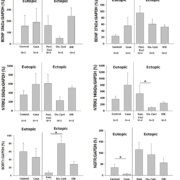
Neurotrophins of the nerve growth factor (NGF) family are soluble polypeptides that are best known for their role in neurite survival and differentiation. Neurotrophins include but are not limited to the following: NGF, BDNF, neurotrophin-3 (NT-3), and neurotrophin 4/5 (NT4/5). Although the neurotrophin family shares a common low affinity receptor, the tumour necrosis factor family neurotrophin growth factor receptor (NGFR), they also signal via high affinity neurotrophin receptors. Specifically, NGF preferentially activates neurotrophic tyrosine kinase receptor 1 (Ntrk1) whereas BDNF and NT4/5 activate Ntrk2, and NT-3 preferentially signals via Ntrk3. The neurotrophin receptors and their ligands are widely expressed in non-neuronal tissues [7] including endocrine glands [7], granulosa cells, and oocytes of fetal and adult mammalian ovaries. Furthermore, we have shown that BDNF and its receptor Ntrk2 are present in endometrial epithelial cells [8] and are expressed in the eutopic endometrium of healthy as well as the eutopic endometrium and ectopic lesions of women with endometriosis (Fig. 1). Both BDNF and Ntrk2 are localized in vascular smooth muscle and endothelial cells as well as activated macrophages and endometrial epithelium. Moreover, we have shown that BDNF can be localized to endometrial cells of ectopic lesions in women with endometriosis (Fig. 2). Hence, we suggest that BDNF and its receptor family are expressed in the endometrium and endometriotic lesions.
Previous studies have established that BDNF is synthesized as a large precursor protein (pro-BDNF) that is cleaved internally by pro-protein convertases in the trans-Golgi network and secretory granules or is cleaved extracellularly by plasmin or matrix metalloproteinases to mature BDNF (mBDNF). While pro-BDNF may be released constitutively, mBDNF is packaged in vesicles and secreted via the regulated pathway facilitated by the sorting receptor, Sortilin-I. Recently, it has been suggested that BDNF regulates divergent pathways including apoptosis, as well as differentiation and survival of discrete nerve cell populations in a receptor dependent manner. A recent proteomic study further demonstrated that BDNF and NT4/5 are both expressed in the endometrium at higher concentrations in women with endometriosis versus disease free controls [9], results that further support a role for neurotrophins as potential clinical markers of endometriosis. Thus, we suggest that the neurotrophins are potentially important in the pathophysiology of endometriosis. Specifically, similar to their roles in the central nervous system, we believe that pro-BDNF dimerizes with Sortilin-I and NGFR to promote apoptosis and inhibit macrophage infiltration whereas mBDNF binds with Ntrk2 and NGFR to facilitate resistance to apoptosis and promote cell survival, differentiation, and nerve outgrowth.
BDNF role in endometriosis and diagnosis
BDNF and the receptors Ntrk2, Sortilin-I and p75NTR are expressed in the endometrium of women (Fig. 1.) and different mammalian species [10]. A proteomic analysis of the endometrium from women with and without endometriosis revealed that BDNF protein is expressed at greater levels in the endometrium of women with endometriosis than healthy controls [9]. Using immunohistochemistry we localized BDNF to epithelial cells and blood vessels of women with endometriosis (Fig. 2). Circulating concentrations of BDNF were 2-fold greater in women with endometriosis compared to healthy fertile controls [11]. Moreover, plasma concentrations of BDNF returned to baseline levels 3 months after laparoscopic surgery to remove endometriotic lesions. We suggest that greater circulating concentrations of BDNF prior to laparoscopy followed by a decline to concentrations indistinguishable from the control population strongly implicates BDNF in the pathophysiology of endometriosis and the endometriotic lesions as a potential source of circulating BDNF. In our subsequent study [12], plasma BDNF concentrations were 1.5-fold greater in women with endometriosis compared to symptomatic controls, values that were greater in women with stage I and II disease compared to stages III and IV, suggesting a potential value of this marker in earlier stages of disease. Sensitivity and specificity of BDNF as a clinical marker of endometriosis in our laboratory has varied from 68.3–91.7% and 69.4–80.8%, respectively, depending on the population studied and the BDNF cut-off value used. Recently, although BDNF quantified in the serum was not found to be of particular value for the diagnosis of endometriosis, there was a significant correlation between serum BDNF and pelvic pain [13]. We believe this discrepancy between plasma and serum results can be explained by BDNF storage in platelets, which are lysed during blood clotting for serum collection, and might thus confound the relationship. Furthermore, since BDNF expression is estrogen regulated, stage of menstrual cycle may be important in characterizing the utility of this clinical marker in the diagnosis of endometriosis. Finally, BDNF expression in endometrial stromal cells has recently been shown to be regulated by interleukin-1β (IL-1β), an effect that is mediated through the c-Jun and NF-κB [14]. Taken together, these data suggest that the neurotrophin BDNF is expressed in the endometrium and epithelial cells of endometriotic lesions where it may contribute to neurogenesis and pain of endometriosis. Moreover, the findings of increased concentrations of BDNF in the plasma of women with endometriosis suggests potential value as a clinical marker of endometriosis.
Point-of-care diagnostic tool
Given the fact that we and others are able to detect a 1.5–2-fold difference in plasma BDNF concentrations between women with and without endometriosis, we sought to develop a clinically useful device for the diagnosis of endometriosis. Biosensors are devices that combine biorecognition with signal transduction to analyse biologically-relevant targets [15]. The glucose monitor is an example of a handheld, easy-to-use biosensor with electrochemical signal transduction used for disease management. Inspired by the widespread clinical adoption of the glucose monitor, we developed an electrochemical biosensor for diagnosing endometriosis. BDNF concentration in plasma is higher in women with endometriosis in comparison with reference populations [11, 12]. The newly developed BDNF biosensor was created using nanoporous and wrinkled electrodes [16]. These nano/microstructured electrodes enhance the sensitivity of biosensors by increasing the surface area of the transducer [17] and increasing the accessibility of the target to the biorecognition elements [18]. The specificity of the BDNF biosensor is achieved by functionalizing the nanoporous and wrinkled electrodes with anti-BDNF antibodies [19]. Signal is transduced by using an electrochemical reporter [20]. Protein, in our case BDNF, is captured at the electrode surface, and sterically hinders the access of the reporter to the electrode surface, reducing the recorded electrochemical current. As the concentration of the BDNF protein increases, the electrochemical current decreases. The decrease in electrochemical current is correlated with the concentration of BDNF measured in plasma using enzyme-linked immunosorbent assay (ELISA), the gold standard for protein analysis.
Summary
In summary, identifying a clinical marker for the diagnosis of endometriosis has been a difficult challenge. Recent evidence implicates the neurotrophin BDNF in the pathophysiology of endometriosis that is correlated with pelvic pain and potential for the diagnosis. A novel electrochemical polymer chip-based technology has been developed that can detect BDNF in human plasma and discriminate between women with and without endometriosis [16]. Combining BDNF, a novel biomarker for diagnosing endometriosis, with a sensitive electrochemical biosensor for analysing protein targets is paving the way for a diagnostic blood test for endometriosis.
Acknowledgements
The authors gratefully acknowledge the contributions of the women who have participated in our studies by providing blood and tissue samples without which our projects would not have been possible. We also gratefully acknowledge the staff of the Endo@Mac program and the clinical teams of Drs Nick Leyland, Sanjay Agarwal, Dustin Costescu and Sarah Scattolon who have enabled the tissue collection for the experiments described in this report. Annette Bullen has made our work possible through study participant recruitment and unwavering support for our efforts. The authors also are grateful for the contributions of our student Marina Bockaj without whom the endochip would not have been possible. The support of our funding partner the Canadian Institutes of Health Research (MOP142230 to WGF) is also greatly appreciated. Leyla Soleymani in the Canada Research Chair (Tier II) in Miniaturized Biomedical Devices and is supported by the Canada Research Chair program.
References
1. Buck Louis GM, Hediger ML, Peterson CM, Croughan M, Sundaram R, Stanford J, Chen Z, Fujimoto VY, Varner MW, et al. Incidence of endometriosis by study population and diagnostic method: the ENDO study. Fertil Steril 2011; 96(2): 360–365.
2. Gordts S, Koninckx P, Brosens I. Pathogenesis of deep endometriosis. Fertil Steril 2017; 108(6): 872–885 e871.
3. Ballweg ML. Impact of endometriosis on women’s health: comparative historical data show that the earlier the onset, the more severe the disease. Best Pract Res Clin Obstet Gynaecol 2004; 18(2): 201–218.
4. May KE, Villar J, Kirtley S, Kennedy SH, Becker CM. Endometrial alterations in endometriosis: a systematic review of putative biomarkers. Hum Reprod Update 2011; 17(5): 637–653.
5. Tokushige N, Markham R, Russell P, Fraser IS. Different types of small nerve fibers in eutopic endometrium and myometrium in women with endometriosis. Fertil Steril 2007; 88(4): 795–803.
6. Jia SZ, Yang Y, Lang J, Sun P, Leng J. Plasma miR-17-5p, miR-20a and miR-22 are down-regulated in women with endometriosis. Hum Reprod 2013; 28(2): 322–330.
7. Shibayama E, Koizumi H. Cellular localization of the Trk neurotrophin receptor family in human non-neuronal tissues. Am J Pathol 1996; 148(6): 1807–1818.
8. Anger DL, Zhang B, Boutross-Tadross O, Foster WG. Tyrosine receptor kinase B (TrkB) protein expression in the human endometrium. Endocrine 2007; 31(2): 167–173.
9. Browne AS, Yu J, Huang RP, Francisco AM, Sidell N, Taylor RN. Proteomic identification of neurotrophins in the eutopic endometrium of women with endometriosis. Fertil Steril 2012; 98(3): 713–719.
10. Wessels JM, Wu L, Leyland NA, Wang H, Foster WG. The brain-uterus connection: brain derived neurotrophic factor (BDNF) and its receptor (Ntrk2) are conserved in the mammalian uterus. PLoS one 2014; 9(4): e94036.
11. Giannini A, Bucci F, Luisi S, Cela V, Pluchino N, Merlini S, Casarosa E, Russo M, Cubeddu A, et al. Brain-derived neurotrophic factor in plasma of women with endometriosis. J Endometr Pelvic Pain Disord 2018; 2(3): 144–150.
12. Wessels JM, Kay VR, Leyland NA, Agarwal SK, Foster WG. Assessing brain-derived neurotrophic factor as a novel clinical marker of endometriosis. Fertil Steril 2016; 105(1): 119–128 e115.
13. Rocha AL, Vieira EL, Ferreira MC, Maia LM, Teixeira AL, Reis FM. Plasma brain-derived neurotrophic factor in women with pelvic pain: a potential biomarker for endometriosis? Biomark Med 2017; 11(4): 313–317.
14. Yu J, Francisco AMC, Patel BG, Cline JM, Zou E, Berga SL, Taylor RN. IL-1beta stimulates brain-derived neurotrophic factor production in eutopic endometriosis stromal cell cultures: a model for cytokine regulation of neuroangiogenesis. Am J Pathol 2018;
15. Soleymani L, Li F. Mechanistic challenges and advantages of biosensor miniaturization into the nanoscale. ACS Sens 2017; 2(4): 458–467.
16. Bockaj M, Fung B, Tsoulis M, Foster WG, Soleymani L. Method for electrochemical detection of brain derived neurotrophic factor (BDNF) in plasma. Anal Chem 2018; 90(14): 8561–8566.
17. Soleymani L, Fang, L, Kelley, SO, Sargent, EH. Integrated nanostructures for direct detection of DNA at attomolar concentrations. Appl Phys Lett 2009; 95: 143701.
18. Gabardo CM, Adams-McGavin RC, Fung BC, Mahoney EJ, Fang Q, Soleymani L. Rapid prototyping of all-solution-processed multi-lengthscale electrodes using polymer-induced thin film wrinkling. Sci Rep 2017; 7: 42543.
19. Soleymani L, Fang Z, Sargent EH, Kelley SO. Programming the detection limits of biosensors through controlled nanostructuring. Nat Nanotechnol 2009; 4(12): 844–848.
20. Soleymani L, Fang Z, Lam B, Bin X, Vasilyeva E, Ross AJ, Sargent EH, Kelley SO. Hierarchical nanotextured microelectrodes overcome the molecular transport barrier to achieve rapid, direct bacterial detection. ACS Nano 2011; 5(4): 3360–3366.
The authors
Warren G. Foster*1,2 PhD, Jocelyn M. Wessles1 PhD and Leyla Soleymani2,3 PhD
1Department of Obstetrics & Gynecology, McMaster University. Hamilton, Ontario, Canada
2School of Biomedical Engineering, McMaster University, Hamilton, Ontario, Canada
3Department of Engineering Physics, McMaster University, Hamilton, Ontario, Canada
*Corresponding author
E-mail: fosterw@mcmaster.ca

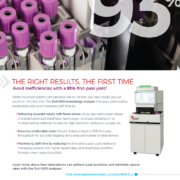
The global prevalence of diabetes mellitus is increasing rapidly; affecting 8.8% of the population. The Randox automated immunoturbidimetric HbA1c test offers an improved method for the rapid direct measurement of HbA1c in human blood; which is available for use on the RX modena, RX imola and the RX daytona+.
Introduction to the RX series
The RX series combines robust hardware and intuitive software with a world leading test menu comprising of routine chemistries, specific proteins, lipids, therapeutic drugs, drugs of abuse, antioxidants and diabetes testing and a range of niche tests including the HbA1c assay. The RX series removes the need for a separate HbA1c analyser and allows laboratories to expand their testing capabilities onto one single platform, providing cost savings through consolidation. Built on three core values- reliability, accuracy and precision, the RX series reduces costly test re-runs and misdiagnosis, offering complete confidence in results. The RX series range of clinical chemistry analysers includes the RX misano, (semi-automated) RX monaco, RX daytona+, RX imola and RX modena.
Background
Diabetes is a global epidemic that affects approximately 271 million people around the world and according to the International Diabetes Federation; it is a figure that is on the rise. Their calculations forecast that diabetes will affect roughly 552 million by the year 2030, highlighting the fundamental need to manage patients with diabetes. The USA is one of the most prominent countries affected by diabetes when analysing its prevalence worldwide. It affects roughly 24 million Americans which is a stark contrast to the UK where around 3.5 million people have been diagnosed. It is also important to note that serious health complications can result from diabetes over time which reinforces the need to test HbA1c levels to evaluate how well diabetes is being controlled. The longer you have diabetes, the higher the risk of complications. These can include cardiovascular disease, nerve damage and kidney damage; including end-stage kidney disease which can require dialysis or a kidney transplant. With the rising figures and growing list of complications associated with the disease, diabetes remains one of the leading causes of death in the world and the seventh leading cause of death in the US.
HbA1c explained further
HbA1c, also known as hemoglobin A1c or glycated hemoglobin, is an important blood test that is able to determine how well diabetes is being controlled. It develops when hemoglobin, a protein within red blood cells that carries oxygen throughout the body, joins with glucose in the blood, becoming ‘glycated’. As glycation is irreversible, HbA1c remains in the same state in the red blood cell for 8-12 weeks; giving an overall picture of what the average blood sugar level is. This is particularly important as it allows clinicians to monitor the ‘glycemic’ control in individuals with diabetes.
What is the HbA1c assay used for?
The concentration of HbA1c in the blood of diabetic patients increases with rising blood glucose levels and is representative of the mean blood glucose level over the preceding six to eight weeks. HbA1c can therefore be described as a long term indicator of diabetic control unlike blood glucose which is only a short term indicator of diabetic control. It is recommended that HbA1c levels are monitored every three to four months. In patients who have recently changed their therapy or in those who have gestational diabetes it may be beneficial to measure HbA1c levels more frequently, at two to four week intervals. The onset of diabetes, particularly type two diabetes, tends to be gradual and thus proves difficult to diagnose early. With HbA1c clinicians are able to monitor blood glucose levels periodically to deliver accurate and quick results that can improve patient care.
The clinical significance of HbA1c
The measurement of HbA1c is used in the long term monitoring of diabetes mellitus. This assay should not be used in the diagnosis of diabetes mellitus or for day to day glucose monitoring. Diabetes mellitus is a disease associated with poor glycemic control. Numerous clinical studies, including the Diabetes Control and Complications Trial, have shown that diabetes-related complications may be reduced by the long term monitoring and tight control of blood glucose levels. In the diabetic patient where blood glucose levels are abnormally elevated the level of HbA1c also increases, the reason for this is that HbA1c is formed by the non-enzymatic glycation of the N-terminus of the ß-chain of hemoglobin A0.
Randox HbA1c assay features:
Advantages of the RX series clinical chemistry analysers for direct HbA1c testing:
Key benefits of using the RX series clinical chemistry analysers and Randox HbA1c assay
Direct HbA1c testing eliminates the need for the sample incubation step which is required on alternative methods; allowing samples to be to run immediately on the RX series and providing faster and more accurate results when they are needed. The removal of the offline preparation stage increases the recovery times, allowing laboratories to enhance their workflow and also consolidate testing onto one single clinical chemistry platform. Additional benefits of using the RX series in conjunction with the Randox HbA1c assay include having one assay instead of two, which enables quicker calibration; saving the user time and making the overall method simple and quick to perform, setting a new standard in HbA1c determination and patient care.
For further information or for a quotation for the HbA1c test or to enquire about any analyser in the RX series range, please contact marketing@randox.com.
Randox Laboratories Ltd
55 Diamond Rd
Crumlin, Co. Antrim BT29 4QY
UK
www.randox.com




Identifying volatile metabolite signatures for the diagnosis of bacterial respiratory tract infection using electronic nose technology: a pilot study
Lewis JM, Savage RS, Beeching NJ, Beadsworth MBJ, Feasey N, Covington JA. PLoS One 2017; 12(12): e0188879
OBJECTIVES: New point of care diagnostics are urgently needed to reduce the over-prescription of antimicrobials for bacterial respiratory tract infection (RTI). A pilot cross-sectional study was performed to assess the feasibility of gas-capillary column ion mobility spectrometer (GC-IMS), for the analysis of volatile organic compounds (VOC) in exhaled breath to diagnose bacterial RTI in hospital inpatients.
METHODS: 71 patients were prospectively recruited from the Acute Medical Unit of the Royal Liverpool University Hospital between March and May 2016 and classified as confirmed or probable bacterial or viral RTI on the basis of microbiologic, biochemical and radiologic testing. Breath samples were collected at the patient’s bedside directly into the electronic nose device, which recorded a VOC spectrum for each sample. Sparse principal component analysis and sparse logistic regression were used to develop a diagnostic model to classify VOC spectra as being caused by bacterial or non-bacterial RTI.
RESULTS: Summary area under the receiver operator characteristic curve was 0.73 (95% CI 0.61–0.86), summary sensitivity and specificity were 62% (95% CI 41–80%) and 80% (95% CI 64–91%) respectively (p=0.00147).
CONCLUSIONS: GC-IMS analysis of exhaled VOC for the diagnosis of bacterial RTI shows promise in this pilot study and further trials are warranted to assess this technique.
Cerebrospinal fluid B-lymphocyte chemoattractant CXCL13 in the diagnosis of acute Lyme neuroborreliosis in children
Barstad B, Tveitnes D, Noraas S, Selvik Ask I, Saeed M, Bosse F, et al. Pediatr Infect Dis J 2017; 36(12): e286–e292
BACKGROUND: Current markers of Lyme neuroborreliosis (LNB) in children have insufficient sensitivity in the early stage of disease. The B-lymphocyte chemoattractant CXCL13 in the cerebrospinal fluid (CSF) may be useful in diagnosing LNB, but its specificity has not been evaluated in studies including children with clinically relevant differential diagnoses. The aim of this study was to elucidate the diagnostic value of CSF CXCL13 in children with symptoms suggestive of LNB.
METHODS: Children with symptoms suggestive of LNB were included prospectively into predefined groups with a high or low likelihood of LNB based on CSF pleocytosis and the detection of Borrelia antibodies or other causative agents. CSF CXCL13 levels were compared between the groups, and receiver-operating characteristic analyses were performed to indicate optimal cutoff levels to discriminate LNB from non-LNB conditions.
RESULTS: Two hundred and ten children were included. Children with confirmed LNB (n=59) and probable LNB (n=18) had higher CSF CXCL13 levels than children with possible LNB (n=7), possible peripheral LNB (n=7), non-Lyme aseptic meningitis (n=12), non-meningitis (n=91) and negative controls (n=16). Using 18 pg/mL as a cutoff level, both the sensitivity and specificity of CSF CXCL13 for LNB (confirmed and probable) were 97%. Comparing only children with LNB and non-Lyme aseptic meningitis, the sensitivity and specificity with the same cutoff level were 97% and 83%, respectively.
CONCLUSION: CSF CXCL13 is a sensitive marker of LNB in children. The specificity to discriminate LNB from non-Lyme aseptic meningitis may be more moderate, suggesting that CSF CXCL13 should be used together with other variables in diagnosing LNB in children.
Neutrophil CD64 – A potential biomarker in patients with complicated intra-abdominal infections? A literature review
Dimitrov E, Enchev E, Halacheva K, Minkov G, Yovtchev Y. Acta Microbiol Immunol Hung 2018; doi: 10.1556/030.65.2018.011
Complicated intra-abdominal infections (cIaIs) represent a serious cause of morbidity and mortality. Early diagnosis and well-timed treatment can improve patients’ outcome, whereas the delay in management often result in rapid progression to circulatory collapse, multiple organ failure, and death. Neutrophil CD64 antigen expression has been studied for several years as infectious and sepsis biomarker and has several characteristics that make it good for clinical employment. It has been suggested to be predictive of positive bacterial cultures and a useful test for management of sepsis and other significant bacterial infections. Our review concluded that the neutrophil CD64 expression could be a promising and meaningful biomarker in patients with cIaIs. It shows good potential for evaluating the severity of the disease and could give information about the outcome. However, more large studies should be performed before using it in clinical practice.
Mycoplasma genitalium: accurate diagnosis is necessary for adequate treatment
Gaydos CA. J Infect Dis 2017; 216(suppl_2): S406–S411
BACKGROUND: Mycoplasma genitalium is very difficult to grow in culture but has been more able to be studied for disease associations since the advent of research molecular amplification assays. Polymerase chain reaction (PCR) and other molecular assays have demonstrated an association with adverse disease outcomes, such as urethritis or nongonococcal urethritis in men and adverse reproductive sequelae in women-for example, cervicitis, endometritis, and pelvic inflammatory disease, including an association with risk for human immunodeficiency virus. The lack of commercially available diagnostic assays has limited widespread routine testing. Increasing reports of high rates of resistance to azithromycin detected in research studies have heightened the need available commercial diagnostic assays as well as standardized methods for detecting resistance markers. This review covers available molecular methods for the diagnosis of M. genitalium and assays to predict the antibiotic susceptibility to azithromycin.
METHODS: A PubMed (US National Library of Medicine and National Institutes of Health) search was conducted for literature published between 2000 and 2016, using the search terms ‘Mycoplasma genitalium’, ‘M. genitalium’, ‘diagnosis’, and ‘detection’.
RESULTS: Early PCR diagnostic tests focused on the MPa adhesion gene and the 16S ribosomal RNA gene. Subsequently, a transcription-mediated amplification assay targeting ribosomes was developed and widely used to study the epidemiology of M. genitalium. Newer methods have proliferated and include quantitative PCR for organism load, AmpliSens PCR, PCR for the pdhD gene, a PCR-based microarray for multiple sexually transmitted infections, and multiplex PCRs. None yet are cleared by the Food and Drug Administration in the United States, although several assays are CE marked in Europe. As well, many research assays, including PCR, gene sequencing, and melt curve analysis, have been developed to detect the 23S ribosomal RNA gene mutations that confer resistance to azithromycin. One recently developed assay can test for both M. genitalium and azithromycin resistance mutations at the same time.
CONCLUSIONS: It is recommended that more commercial assays to both diagnose this organism and guide treatment choices should be developed and made available through regulatory approval. Research is needed to establish the cost-effectiveness of routine M. genitalium testing in symptomatic patients and screening in all individuals at high risk of acquiring and transmitting sexually transmitted infections.
Prognostic value of secretoneurin in patients with severe sepsis and septic shock: data from the Albumin Italian Outcome Sepsis Study
Røsjø H, Masson S, Caironi P3,4, Stridsberg M, Magnoli M, et al. Crit Care Med 2018; doi: 10.1097/CCM.0000000000003050
OBJECTIVES: Secretoneurin directly influences cardiomyocyte calcium handling, and circulating secretoneurin levels seem to improve risk prediction in patients with myocardial dysfunction by integrating information on systemic stress, myocardial function, and renal function. Accordingly, in this study, we hypothesized that secretoneurin would improve risk prediction in patients with sepsis and especially in patients with septic shock as these patients are more hemodynamically unstable.
DESIGN: Multicentre, interventional randomized clinical trial.
SETTING: Multicentre, pragmatic, open-label, randomized, prospective clinical trial testing fluid administration with either 20% human albumin and crystalloids or crystalloid solutions alone in patients with severe sepsis or septic shock (The Albumin Italian Outcome Sepsis).
PATIENTS OR SUBJECTS: In total, 540 patients with septic shock and 418 patients with severe sepsis.
INTERVENTIONS: Either 20% human albumin and crystalloids or crystalloid solutions alone.
MEASUREMENTS AND MAIN RESULTS: We measured secretoneurin on days 1, 2, and 7 after randomization and compared the prognostic value of secretoneurin for ICU and 90-day mortality with established risk indices and cardiac biomarkers in septic shock and severe sepsis. High secretoneurin levels on day 1 were associated with age and serum concentrations of lactate, bilirubin, creatinine, and N-terminal pro-B-type natriuretic peptide. Adjusting for established risk factors and cardiovascular biomarkers, secretoneurin levels on day 1 were associated with ICU (odds ratio, 2.27 [95% CI, 1.05–4.93]; p=0.04) and 90-day mortality (2.04 [1.02–4.10]; p=0.04) in patients with septic shock, but not severe sepsis without shock. Secretoneurin levels on day 2 were also associated with ICU (3.11 [1.34–7.20]; p=0.008) and 90-day mortality (2.69 [1.26–5.78]; p=0.01) in multivariate regression analyses and improved reclassification in patients with septic shock, as assessed by the net reclassification index. Randomized albumin administration did not influence the associations between secretoneurin and outcomes.
CONCLUSIONS: Secretoneurin provides early and potent prognostic information in septic patients with cardiovascular instability.
Adaptation of the Amoebae Plate Test to recover Legionella strains from clinical samples
Descours G, Hannetel H, Reynaud JV, Ranc AG, Beraud L, Kolenda C, et al. J Clin Microbiol 2018; doi: 10.1128/JCM.01361-17
The isolation of Legionella from respiratory samples is the gold standard for Legionnaires’ disease (LD) diagnosis and enables epidemiological studies and outbreak investigations. The purpose of this work was to adapt and evaluate the performance of an amoebic co-culture procedure (the amoebae plate test, APT) to the recovery of Legionella strains from respiratory samples, in comparison with axenic culture and a liquid-based amoebic co-culture (LAC). Axenic culture, LAC, and APT were prospectively performed on 133 respiratory samples from patients with LD. The sensitivities and times-to-result of the three techniques were compared. Using the three techniques, Legionella strains were isolated in 46.6% (n=62) of the 133 respiratory samples. The sensitivity of axenic culture was 42.9% (n=57), that of LAC was 30.1% (n=40), and that of APT 36.1% (n=48). Seven samples were positive by axenic culture only; for these there were less than 10 colonies in total. Five samples, all sputa, were positive by an amoebic procedure only (5/5 by APT, 2/5 by LAC); all had overgrowth by oropharyngeal flora with axenic culture. The combination of axenic culture with APT yielded a maximal isolation rate (i.e. 46.6%). Overall, the APT significantly reduced the median time for Legionella identification to 4 days, versus 7 days for LAC (p<0.0001). The results of this study promote the substitution of LAC by APT, which could be implemented as a second-line technique on culture-negative and microbial overgrown samples, especially sputa. They provide a logical basis for further studies in both clinical and environmental settings.
Design, implementation, and interpretation of amplification studies for prion detection
Haley NJ, Richt JA, Davenport KA, Henderson DM, Hoover EA, Manca M, et al. Prion 2018; doi: 10.1080/19336896.2018.1443000
Amplification assays for transmissible spongiform encephalopathies (TSEs) have been in development for close to 15 years, with critical implications for the post-mortem and ante-mortem diagnosis of human and animal prion diseases. Little has been published regarding the structured development, implementation and interpretation of experiments making use of protein misfolding cyclic amplification (PMCA) and real-time quaking-induced conversion (RT-QuIC), and the goal with this Perspectives manuscript is to offer a framework which might allow for more efficient expansion of pilot studies into diagnostic trials in both human and animal subjects. This framework is made up of approaches common to diagnostic medicine, including a thorough understanding of analytical and diagnostic sensitivity and specificity, an a priori development of amplification strategy, and an effective experimental design. It is our hope that a structured framework for prion amplification assays will benefit not only experiments seeking to sensitively detect naturally-occurring cases of prion diseases and describe the pathogenesis of TSEs, but ultimately assist with future endeavours seeking to use these methods more broadly for other protein misfolding disorders, including Alzheimer’s and Parkinson’s disease.
A microfluidic enrichment platform with a recombinase polymerase amplification sensor for pathogen diagnosis
Dao TNT, Lee EY, Koo B, Jin CE, Lee TY, Shin Y. Anal Biochem 2017; 544: 87–92
Rapid and sensitive detection of low amounts of pathogen in large samples is needed for early diagnosis and treatment of patients and surveillance of pathogen. In this study, we report a microfluidic platform for detection of low pathogen levels in a large sample volume that couples an Magainin 1 based microfluidic platform for pathogen enrichment and a recombinase polymerase amplification (RPA) sensor for simultaneous pathogenic DNA amplification and detection in a label-free and real-time manner. Magainin 1 is used as a pathogen enrichment agent with a herringbone microfluidic chip. Using this enrichment platform, the detection limit was found to be 20 times more sensitive in 10 ml urine with Salmonella and 10 times more sensitive in 10 ml urine with Brucella than that of real-time PCR without the enrichment process. Furthermore, the combination system of the enrichment platform and an RPA sensor that based on an isothermal DNA amplification method with rapidity and sensitivity for detection can detect a pathogen at down to 50 CFU in 10 ml urine for Salmonella and 102 CFU in 10 ml urine for Brucella within 60 min. This system will be useful as it has the potential for better diagnosis of pathogens by increasing the capture efficiency of the pathogen in large samples, subsequently enhancing the detection limit of pathogenic DNA.
Long-term follow-up and quantitative hepatitis B surface antigen monitoring in North American chronic HBV carriers
O’Neil CR, Congly SE, Rose MS, Lee SS, Borman MA, Charlton CL, et al. Ann Hepatol 2018; 17(2): 232–241
INTRODUCTION: Quantitative hepatitis B surface antigen (qHBsAg) combined with HBV DNA may be useful for predicting chronic hepatitis B (CHB) activity and nucleoside analogue (NA) response.
MATERIAL AND METHODS: In this retrospective cohort study qHBsAg levels were evaluated according to CHB disease phase and among patients on treatment. Random effect logistic regression analysis was used to analyse qHBsAg change with time in the NA-treated cohort.
RESULTS: 545 CHB carriers [56% M, median age 48 y (IQR 38–59), 73% Asian] had qHBsAg testing. In the untreated group (44%), 8% were classified as immune tolerant, 10% immune clearance, 40% inactive, and 43% had HBeAg-CHB and the median HBsAg levels were 4.6 (IQR 3.4–4.9), 4.0 (IQR 3.4–4.5), 2.9 (IQR 1.4–3.8), and 3.2 log IU/mL (IQR 2.6–4.0), respectively; p<0.001. In the NA-treated group (28% entecavir, 68% tenofovir, 4% lamivudine), no significant change in qHBsAg levels occurred with time, 19% of patients on long-term NA had sustained qHBsAg <2 log10 IU/mL.
CONCLUSION: qHBsAg titres were associated with CHB phase and remained stable in those on long-term NA. A significant number of treated patients had low-level qHBsAg, of which some may be eligible for treatment discontinuation without risk
of flare.
The 24,25-dihydroxyvitamin D [24,25(OH)2D] is a catabolite of 25-hydroxyvitamin D [25(OH)D]. This transformation is performed by 1,25-hydroxyvitamin D 24-hydroxylase (or 24-hydroxylase, encoded by the CYP24A1 gene). Mutations in CYP24A1 can lead to severe diseases such as idiopathic infantile hypercalcemia (IIH). Explorations of hypercalcemia with suppressed parathyroid hormone levels and normal or high phosphatemia should now include 24,25(OH)2D determination to exclude CYP24A1 mutations. 24,25(OH)2D and the vitamin D metabolite ratio (VMR) [i.e. 25(OH)D/24,25(OH)2D] are now considered as new biomarkers for the assessment of functional vitamin D deficiency.
by L. Vranken, C. Fontaine, Prof. JC. Souberbielle and Prof. E. Cavalier
Vitamin D metabolism
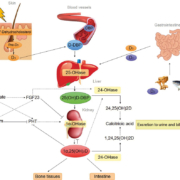
Nowadays, there is an increased focus on the vitamin D and its benefits on health maintenance and disease prevention. Vitamin D is mainly produced following skin exposure to UVB rays. Additionally, it is found in several foods, such as oily fish, mushrooms and egg yolk. Vitamin D is considered as a pro-hormone owing to the fact that its production in the skin from 7-dehydrocholesterol could be sufficient when the sun exposure is adequate. Two forms of vitamin D coexist: vitamin D2 produced by vegetables, and vitamin D3 produced by animals and humans [2, 8]. After its synthesis in the skin or its intestinal absorption, this liposoluble vitamin is transported to the liver where it is hydroxylated by vitamin D 25-hydroxylase (or 25-hydroxylase, encoded by the CYP2R1 gene) to form 25-hydroxyvitamin D [25(OH)D]. This hydroxylation is very poorly regulated and, therefore, most of the circulating vitamin D will be metabolized into 25(OH)D. 25(OH)D is then transported to the kidney by a specific protein carrier [vitamin D binding protein (DBP)], and to a lesser extent by albumin, where it is hydroxylated by 25-hydroxyvitamin D-1 alpha hydroxylase (or 1α-hydroxylase, encoded by the CYP27B1 gene) on the carbon in position 1 to form the most active metabolite, 1,25-dihydroxy-vitamin D [1,25(OH)2D]. This transformation is strictly regulated, notably by the parathyroid hormone (PTH), fibroblast growth factor 23 (FGF23) and 1,25(OH)2D itself (Fig. 1). The major role of vitamin D is the maintenance of calcium homeostasis, by acting on the vitamin D receptor (VDR). Calcium regulation is very complex and not fully understood yet. When ionized calcium decreases, the calcium sensing receptors (CaSR) located on the surface of the parathyroid glands stimulate PTH secretion.
PTH then acts on different targets to increase serum calcium concentration: it stimulates the release of calcium (and phosphate) from bones by acting on osteoclasts through osteoblasts and the RANK/RANKL system. It also decreases calcium excretion by the kidney and stimulates 1α-hydroxylase to produce 1,25(OH)2D which, in turn, acts on the VDR of intestinal cells to produce calbindin 9k, TRPV6 and the NCX1 Ca/Na exchanger increasing intestinal absorption of calcium. The resulting increase of calcium levels inhibits CaSR-stimulated PTH production, but 1,25(OH)2D also acts as a feedback loop to stop PTH synthesis. 1,25(OH)2D finally acts on the VDR of the FGF23 gene to stimulate FGF23 production. In turn, FGF23, which is the most potent phosphaturic hormone (it inhibits Npt2a and Npt2c sodium-dependent phosphate co-transporters in the proximal renal tubule), blocks the activity of 1α-hydroxylase and stimulates 24-hydroxylase which leads to 25(OH)D and 1,25(OH)2D catabolism (Fig. 2).
24-Hydroxylase is a key enzyme that catalyses the inactivation of svitamin D. It is expressed in most vitamin D target cells and is also stimulated by 1,25(OH)2D, which hence regulates its own metabolism, therefore protecting against hypercalcemia and limiting the levels of 1,25(OH)2D in cells [1]. Production of 1,24,25(OH)3D and 24,25(OH)2D is the first step of a five-step pathway that transforms vitamin D in a more hydrophilic compound, calcitroic acid, and allows its excretion in urine and in bile [2–6, 8]. 24,25(OH)2D has a half-life of approximately 7 days and a concentration in the range of 1 to 10 ng/mL in healthy individuals.
CYP24A1 mutations
Loss-of-function mutations of the CYP24A1 gene have been identified in children presenting with idiopathic infantile hypercalcemia (IIH). These CYP24A1 gene product (24-hydroxylase) defects can be inherited as an autosomal recessive biallelic mutation. Infants present with severe hypercalcemia, suppressed PTH levels, hypercalciuria and medullary nephrocalcinosis owing to hypersensitivity to
vitamin D [4]. Indeed, there is no transformation of 25(OH)D and 1,25(OH)2D to 24,25(OH)2D and 1,24,25(OH)3D leading to a prolonged and excessive elevation of 25(OH)D and 1,25(OH)2D concentrations and an incapacity to clear them from plasma. By feedback, there will be a decrease of PTH and an increase in FGF23 concentrations (Fig. 2). These symptoms are similar to those met in vitamin D intoxication and it is important to make the distinction between these two diseases. In IIH, the vitamin D metabolite ratio (VMR), the ratio between 25(OH)D and 24,25(OH)2D, allows the differential diagnosis of 24-hydroxylase defects from vitamin D intoxication. In IIH, the VMR will be high (>50–80); that is to say high 25(OH)D with low 24,25(OH)2D, and is indicative of idiopathic hypercalcemia due to CYP24A1 gene mutations. In vitamin D intoxication, the VMR is normal because both 25(OH)D and 24,25(OH)2D are increased. Moreover, the VMR may be more accurate for revealing this mutation than 24,25(OH)2D alone because the ratio takes into consideration the circulating 25(OH)D and provides a clear distinction from a vitamin D deficiency, in which both 25(OH)D and 24,25(OH)2D are low. Indeed, if the substrate decreases, in this case 25(OH)D, the activity of 24-hydroxylase is reduced, thus the production of 24,25(OH)2D is low [4]. These genetic mutations indicate that vitamin D supplementation in children could be potentially deleterious. In these children, vitamin D supplementation must be eliminated. Indeed, they may have failure to thrive, vomiting, dehydratation, spikes of fever and nephrocalcinosis. Supplementation of mothers with 24-hydroxylase defects during pregnancy could lead to hypercalcemia associated with prematurity and intra-uterine growth retardation. Treatment of IIH encompasses the avoidance of sun and calcium- and vitamin D-rich foods. However, recently, it has been shown that isoniazid could induce the cytochrome P450 3A4, which is another vitamin D degradation pathway [9].
Thereafter, Molin et al. found that CYP24A1 gene mutations are frequently associated with renal complications including renal failure, nephrolithiasis and nephrocalcinosis. Also, they suggest that this loss-of-function of 24-hydroxylase is the most recently elucidated cause of hypercalcemia after parathyroid hypercalcemia, vitamin D intoxication and poorly regulated 1α-hydroxylation [3]. They have described patients with CYP24A1 heterozygous mutations, mostly asymptomatic, implying a hypothesis of an autosomal-dominant trait from which clinical consequences would vary throughout life and where hypercalcemia would appear only when vitamin D intakes are excessive.
Less severe mutations have been observed in patients with moderate hypercalcemia and inappropriately low PTH (<20 pg/mL). Those patients are likely to develop nephrolithiasis. 24,25(OH)2D evaluation should be done on subjects with hypercalcemia and low PTH, especially as they suffer from nephrolithiasis. Not all the mutations have been discovered yet and further genetic studies are required. Moreover Ginsberg et al. found that lower 24,25(OH)2D concentrations and lower VMR are associated with increased hip-fracture risk in community-living older men and women. They also noticed that higher 24,25(OH)2D concentrations were associated with higher bone mineral density (BMD), whereas VMR was not. Additionally, 1,25(OH)2D concentrations were not associated with BMD, consistent with previous studies in older adults [1]. In addition to catabolism, many studies tend to demonstrate that the 24,25(OH)2D may have its own biological activity in vitro in calcium regulation [5, 6]. Finally, recent studies suggest that the assessment of 24,25(OH)2D or the assessment of the VMR could better reflect the activity of the VDR and could be used as an index of vitamin D clearance [1, 3, 4]. The VMR may have the advantage of being uninfluenced by DBP concentrations, which affects both the numerator and denominator of the ratio.
Vitamin D metabolite evaluation
Quantitative evaluation of 24,25(OH)2D is complicated by its presence at low concentrations. LC-MS/MS is currently the only alternative to evaluate 24,25(OH)2D levels and has the great advantage to distinguish simultaneously the different metabolites and 25(OH)D in serum [6, 10]. The NIST (National Institute of Standards and Technology) has recently issued a new serum-matrix standard reference material [11] and Tai et al. published a reference measurement procedure for the determination of 24,25(OH)2D in human serum using isotope-dilution LC-MS/MS [10].
Conclusion
In conclusion, the assessment of 25(OH)D alone is not always enough. 24,25(OH)2D and VMR are other available tools to help for the diagnosis and the monitoring of abnormalities in phosphocalcic metabolism. The drawback is that it requires the determination of vitamin D metabolites by LC-MS/MS, and very few laboratories perform this determination [only 10 labs participate in the 24,25(OH)2D proficiency testing provided by the Vitamin D External Quality Assessment Scheme (DEQAS)]. Collaboration with a reference lab may be a good compromise. It is important to be aware of hypercalcemia caused by CYP24A1 mutants and their consequences on health. Further studies will be needed to explore the others mutations of CYP24A1 and the potential biological activity of 24,25(OH)2D in vivo.
References
1. Ginsberg C, Katz R, de Boer IH, Kestenbaum BR, Chonchol M, Shlipak MG, Sarnak MJ, Hoofnagle AN, Rifkin DE, et al. The 24,25 to 25-hydroxyvitamin D ratio and fracture risk in older adults: the cardiovascular health study. Bone 2018; 107: 124–130.
2. Vranken L, Emonts P, Bruyère O, Cavalier E. Prévalence de l’hypovitaminose D chez la femme enceinte: quelle est la situation en région liégeoise? Revue Médicale de Liège 2018; 73 (1): 10–16 [in French].
3. Molin A, Baudoin R, Kaufmann M, Souberbielle JC, Ryckewaert A, Vantyghem MC, Eckart P, Bacchetta J, Deschenes G, et al. CYP24A1 mutations in a cohort of hypercalcemic patients: evidence for a recessive trait. J Clin Endocrinol Metab 2015; 100(10): E1343–E1352.
4. Schlingmann KP, Kaufmann M, Weber S, Irwin A, Goos C, John U, Misselwitz J, Klaus G, Kuwertz-Bröking E, et al. Mutations in CYP24A1 and idiopathic infantile hypercalcemia. N Engl J Med 2011; 365(5): 410–421.
5. Van Leeuwen JPTM, an den Bemd GJCM, van Driel M, Buurman CJ, Pols HAP. 24,25-Dihydroxyvitamin D3 and bone metabolism. Steroids 2011; 66: 375–380.
6. Wagner D, Hanwell HE, Schnabl K, Yazdanpanah M, Kimball S, Fu L, Sidhom G, Rousseau D, Cole DEC, Vieth R. The ratio of serum 24,25-dihydroxyvitamin D3 to 25-hydroxyvitamin D3 is predictive of 25-hydroxyvitamin D3 response to vitamin D3 supplementation. J Steroid Biochem Mol Biol 2011; 126: 72–77.
7. Lu X, Chen Z, Mylarapu N, Watsky MA. Effects of 1,25 and 24,25 vitamin D on corneal epithelial proliferation, migration and vitamin D metabolizing and catabolizing enzymes. Sci Rep 2017; 16951: 1–12.
8. Bikle DD. Vitamin D and bone. Curr Osteoporos Rep 2012; 10(2): 151–159.
9. An inducible cytochrome P450 3A4-dependent vitamin D catabolic pathway. Wang Z, Lin YS, Zheng XE, Senn T, Hashizume T, Scian M, Dickmann LJ, Nelson SD, Baillie TA, et al. Mol Pharmacol 2012; 81(4): 498–509.
10. Tai SSC, Nelson MA. Candidate reference measurement procedure for the determination of (24R),25-dihydroxyvitamin D3 in human serum using isotope-dilution liquid chromatography-tandem mass spectrometry. Anal Chem 2015; 87: 7964–7970.
11. Tai SS, Nelson MA, Bedner M, Lang BE, Phinney KW, Sander LC, Yen JH, Betz JM, Sempos CT, Wise SA. Development of standard reference material (SRM) 2973 vitamin D metabolites in frozen human serum (high level). J AOAC Int 2017; 100(5): 1294–1303.
The authors
Laura Vranken1, Corentin Fontaine1, Jean-Claude Souberbielle2 PhD, Etienne Cavalier1 PhD
1Clinical Chemistry, University of Liège, CHU Sart-Tilman, Belgium
2Service des Explorations Fonctionnelles, Hôpital Necker-Enfants Malades, Paris, France
*Corresponding author
E-mail: Laura.vranken@chuliege.be

Prins Hendrikstraat 1
5611HH Eindhoven
The Netherlands
info@clinlabint.com
PanGlobal Media is not responsible for any error or omission that might occur in the electronic display of product or company data.