• News
    • Featured Articles
    • Product News
    • E-News
  • Magazine
    • About us
    • Digital edition
    • Archived issues
    • Free subscriptions
    • Media kit
    • Submit Press Release
  • White Papers
  • Events
  • Suppliers
  • E-Alert
  • Contact us
  • FREE newsletter subscription
  • Search
  • Menu Menu
Clinical Laboratory int.
  • Allergies
  • Cardiac
  • Gastrointestinal
  • Hematology
  • Microbiology
  • Microscopy & Imaging
  • Molecular Diagnostics
  • Pathology & Histology
  • Protein Analysis
  • Rapid Tests
  • Therapeutic Drug Monitoring
  • Tumour Markers
  • Urine Analysis

Archive for category: Featured Articles

Featured Articles

27641 Coris Insertion CLI 2018 02 22

New RESIST kit: RESIST-4 O.K.N.V.

, 26 August 2020/in Featured Articles /by 3wmedia
https://clinlabint.com/wp-content/uploads/sites/2/2020/08/27641-Coris-Insertion-CLI-2018_02_22.jpg 686 1500 3wmedia https://clinlabint.com/wp-content/uploads/sites/2/2020/06/clinlab-logo.png 3wmedia2020-08-26 09:40:272021-01-08 11:34:21New RESIST kit: RESIST-4 O.K.N.V.
Beckman image2

Winner of first global CARES HIV/AIDS award announced at IAS 2018

, 26 August 2020/in Featured Articles /by 3wmedia

The award recognizes the ‘care, dedication and commitment’ of ordinary people in the battle against HIV/AIDS.

A 28-year-old African community youth worker, Evah Namakula, has won the first, global CARES HIV/AIDS award, designed to recognize ordinary people who have shown ‘care, dedication and commitment’ in their communities as part of the fight against the disease. Ms Namakula was also part of the 2018 award launch at the International Aids Society meeting in Amsterdam (July 23 – 27).
In its first year, the CARES award focused on the dedication of ordinary people in Africa, one of the areas in the world most affected by HIV/AIDS. The award has two categories of winners – an individual, Ms Namakula, and an organization, the Hillcrest AIDS Centre Trust (HACT). This is a South African charity that cares for some of the poorest and most disadvantaged people in Africa. 
Each year the winning organization will receive a grant of 5500 USD provided by Beckman Coulter Life Sciences through the Beckman Coulter Foundation.  The grant is made in the name of the individual winner, but their work cannot be linked.  
An independent judging panel described as ‘remarkable’ Ms Namakula’s achievements in her local Ugandan community to dispel the stigma of HIV/AIDs. She is also global youth ambassador for Reach Out Integrity (ROI) Africa, where she helps to promote health and sexual responsibility to young people. Evah has recently founded her own charity, IGNITE, to carry her work forward.
Ms Namakula is part of the Young African Leaders Initiative (YALI) set up by President Barak Obama to empower leadership skills in African youth. As a YALI volunteer, she has been working as a leadership mentor in local communities and schools, helping to develop public speaking skills.
Inspired as a child by the determination of her mother and siblings, Evah said: “l had already become a campaigner, but it was while l was working in my local hospital laboratory that I realized how I could use my medical knowledge to reduce the myth young people in my community had about HIV/AIDs.”
“Evah is an inspirational young woman and will be a hard act to follow,” said Samuel Boova, Beckman Coulter’s Director Alliance Development, High Burden HIV Markets. “She is exactly the kind of youth leader that President Obama wanted to encourage to develop the Africa of the future and we are honoured not only to have her as our first winner, but to have her support in launching the global initiative.
“The award gives a platform to the work and stories of those we see as the unsung heroes of individual communities. These are people who have shown individual dedication, commitment and courage or who have made a difference in the battle against HIV/AIDS. 
“However, it is not just the final winner we want to publically recognize. We hope the award will encourage communities to learn about and honour the work of every nominee, so that more people will come forward to help and support those living with HIV/AIDS.”
Potential candidates for the CARES award can be nurses, healthcare workers, national coordinators, lab scientists and even clinicians. It could include lay people who are active in community outreach work or a social worker providing AIDS counselling.
CARES supports the UNAIDS 90-90-90 target to ensure that by the year 2020, 90% of people living with HIV will know their status, 90% of those with diagnosed HIV infection will receive sustained antiretroviral therapy, and 90% of all people receiving antiretroviral therapy will have viral suppression.
It focuses on encouraging innovative solutions for the monitoring of HIV and AIDS treatment. It was inspired by the work of Professor Debbie Glencross, a leading South African laboratory pathologist, who found an inexpensive way to measure a patient’s CD4 count, a special type of white blood cell that can indicate how compromised a person’s immune system might be. Prof Glencross is Director and Principle Pathologist in the Flow Cytometry unit of the Department of Hematology at the Charlotte Maxeke Johannesburg Academic Hospital. 
Monitoring a patient’s immune system by counting the CD4 cells has to be carried out by laser technology in a special blood analyser, the flow cytometer. However, in many parts of rural Africa, the equipment and infrastructure simply hasn’t been available to test patients, get their blood samples to a laboratory, and then report the results. As Prof Glencross explained: “We are working to empower smaller community laboratories so that they can extend the availability of the test to meet demand while still meeting the requirements of the National Health Laboratory Service. This will enable best clinical and laboratory practice while reducing the time it takes to deliver the result.”
When counting CD4 cells, large global hospital labs first differentiate between the types of white blood cells, count them and then work out the number of CD4 cells in each millionth of a liter of blood. While accurate, this method can be laborious. In contrast, rather than going through the time-consuming and costly process of isolating individual antibodies, Glencross’s ingenious approach uses a mathematical equation. She realized that using the white cell count as a stable reference point would eliminate the need for additional quality control steps, while still maintaining standards.

http://info.beckmancoulter.com/CARES-Award-Intro
https://clinlabint.com/wp-content/uploads/sites/2/2020/08/Beckman_image2.jpg 715 724 3wmedia https://clinlabint.com/wp-content/uploads/sites/2/2020/06/clinlab-logo.png 3wmedia2020-08-26 09:40:272021-01-08 11:34:04Winner of first global CARES HIV/AIDS award announced at IAS 2018
Alison Pic 01

Towards a diagnostic test for Parkinson’s disease

, 26 August 2020/in Featured Articles /by 3wmedia

Parkinson’s disease (PD) is a chronic neurological disorder affecting one in 100 people over the age of 60, with estimates suggesting that approximately 5 million people are suffering from the condition worldwide. PD develops when the dopamine-producing neurons of the substantia nigra part of the brain are lost over time. Dopamine is needed for the coordination of movement, the loss of which is therefore responsible for the appearance of the main PD symptoms of stiffness, tremor and slowness. There is no cure for PD and treatment is aimed at managing symptoms, with medication being effective only in the short term. Currently there is no clinical test for PD, but diagnosis is based on medical history and assessment of simple physical tasks. Additionally, most instances of PD are idiopathic, with the risks from genetic and/or environmental causes being very low, except in certain rare cases. Hence, diagnosis, particularly in the early stages of symptoms, can be difficult and inconclusive. Additionally, as with many of the neurodegenerative conditions, physical symptoms only become apparent late in the development of the condition – after the loss of 80% of dopamine. However, the help of a woman with a remarkable sense of smell is bringing the creation of a definitive clinical test for PD closer. Joy Milne is a retired nurse from Perth, Scotland, whose husband Les, a consultant anesthetist, was diagnosed with PD at the age of 45 and died at 65. Approximately 10 years before the diagnosis, Joy realized that Les had developed a different, slightly muskier smell. After meeting other people with PD, Joy found that they all had the same unusual aroma. Joy’s ability to detect PD by smell was confirmed in tests conducted by scientists at the University of Edinburgh and she is now working with Dr Perdita Barran at the University of Manchester to isolate the specific compounds that create the distinctive PD aroma. So far, a handful of compounds have been identified. Currently, a definitive clinical test would allow a conclusive diagnosis for patients suffering from the varied and vague early symptoms of PD. In the future, however, given the lack of identifiable risk factors and the fact that the changes responsible for PD as well as the development of the unusual PD aroma happen up to a decade before external physical symptoms appear, for any medication that will cure or at least prevent disease progression to have any real chance of success, screening of the apparently healthy, asymptomatic population will have to be carried out.

https://clinlabint.com/wp-content/uploads/sites/2/2020/08/Alison-Pic_01.jpg 783 800 3wmedia https://clinlabint.com/wp-content/uploads/sites/2/2020/06/clinlab-logo.png 3wmedia2020-08-26 09:40:272021-01-08 11:34:25Towards a diagnostic test for Parkinson’s disease
27727 Medica 2018 09 01 MEDICA 2018 International Labor 92 x 270mm Clinical Laborator.

Medica, Düsseldorf, Nov 12-15, 2018

, 26 August 2020/in Featured Articles /by 3wmedia
https://clinlabint.com/wp-content/uploads/sites/2/2020/08/27727-Medica-2018_09_01_MEDICA_2018_International_Labor_92_x_270mm_Clinical_Laborator..jpg 1500 511 3wmedia https://clinlabint.com/wp-content/uploads/sites/2/2020/06/clinlab-logo.png 3wmedia2020-08-26 09:40:272021-01-08 11:34:07Medica, Düsseldorf, Nov 12-15, 2018
C342 Chan Fig3

Biochemical investigation of monoclonal gammopathies

, 26 August 2020/in Featured Articles /by 3wmedia

Monoclonal gammopathy (MG) refers to the presence of monoclonal immunoglobulin produced by clonally expanded plasma cells or immunoglobulin-expressing lymphocytes. MG is a key feature of a wide spectrum of diseases ranging from the indolent MG of undetermined significance to the overt multiple myeloma. In this article, we discuss the utility and pitfalls of common biochemical techniques used to detect MG.

by Dr Michelle L. Parker and Dr Pak Cheung Chan

Introduction
The monoclonal immunoglobulins or ‘M-proteins’ detected in monoclonal gammopathy (MG) are produced by clonally expanded plasma cells, or less frequently by immunoglobulin-expressing lymphocytes at different stages of maturation. The prevalence of MG in the general population over 50 years of age is approximately 3 % and increases with age. M-proteins secreted by plasma cells (Fig. 1a) can be partial or intact immunoglobulins, with the latter consisting of two heavy chains and two light chains that together form a Y-shaped structure with constant and highly variable antigen-binding domains (Fig. 1b). M-proteins that are immunologically functional may cause disease by directly binding to self-antigens, e.g. in some peripheral neuropathy. Other unique chemical properties may cause the M-protein to transform into insoluble amyloids, to increase plasma viscosity, or even to block capillary blood flow by precipitating out at the low temperatures in the extremities. As the production of M-protein increases, the mass effect can be exerted through the expanded clonal plasma cells compressing neighbouring cell lineages in the bone marrow, resulting in reduced red blood cell production (anemia), pan-leukopenia (recurrent infections), thrombocytopenia (bleeding diathesis), suppressed non-involved plasma cells (immune paresis) and bone resorption (hypercalcemia and bone lesions). Large amounts of circulating M-protein could promote plasma hyperviscosity, thrombosis, and tissue and organ damage. For example, excess filtered free light chains in multiple myeloma can directly damage the kidney proximal tubules, form amyloids rupturing glomeruli and form obstructive casts in the distal tubules leading to cell death and nephritis. In general, measured M-protein concentration is taken to reflect the tumour burden and is prognostic for disease progression or survival, e.g. in monoclonal gammopathy of undetermined significance (MGUS), smouldering myeloma and multiple myeloma.

Conditions associated with MG cover a wide range of clinical presentations and severity, including MGUS, multiple myeloma, P.O.E.M.S., light chain deposition disease, plasmacytoma, Waldenstrom’s macroglobulinemia, non-Hodgkin’s lymphoma and chronic lymphocytic leukemia. In some of these diseases, the severity of tissue or organ damage may not be related to the M-protein concentration. For example, in some amyloid light chain (AL)-amyloidosis, extensive kidney damage is reflected by massive proteinuria, yet the circulating monoclonal free light chain can be barely, or not at all, demonstrable by serum and/or urine testing [1]. Nevertheless, the presence of an M-protein can be a defining hallmark of many of these conditions and its detection provides a critical link to their final diagnosis.

Biochemical detection of monoclonal immunoglobulins
Five common biochemistry tests form the core of first-line MG investigations and will be discussed below: serum protein electrophoresis (SPE), serum immunofixation electrophoresis (IFE), urine protein electrophoresis (UPE), urine immunofixation electrophoresis (uIFE), and serum free light chain (sFLC) assays. Other techniques such as mass spectrometry-based assays and HevyliteTM analysis are increasingly available for specific circumstances but will not be discussed here.

SPE and UPE

SPE and UPE resolve serum and urine proteins respectively into five or six major fractions, viz. albumin, alpha-1, alpha-2, beta (total beta, or beta-1 and beta-2 depending on resolution), and gamma (Fig. 2). If a monoclonal antibody is present, an additional peak may be observed, most frequently in the gamma (hence the term gammopathy) (Fig. 2) but other regions such as beta and alpha-2 are also possible. Estimating the size of this extra peak gives the amount of M-protein present and is one of the recommended methods for monitoring disease activity. However, the detection of M-protein this way requires that it is readily distinguished from background polyclonal immunoglobulins or other co-migrating proteins, which not only limits the analytical sensitivity to around 0.5–2.0 g/L [2] and prevents its use to rule-out low abundance M-proteins [3, 11], but also limits the accuracy of quantification especially at low M-protein concentrations and/or high background in any electrophoretic regions.

Importantly, an ‘abnormal’ peak identified by SPE does not prove that it is an endogenous monoclonal immunoglobulin, as the peak may be due to a haptoglobin variant, iodinated contrast material, aminoglycoside, administered biologics, or increases in other proteins such as tumour markers, transferrin in severe iron deficiency, C-reactive protein in acute inflammation, and fibrinogen in plasma or incompletely clotted serum [4]. Similarly, a positive finding in UPE can only be regarded as presumptive and should be confirmed by techniques such as IFE.

Historically, qualitative deviations from the expected SPE pattern have been taken to imply clinical conditions such as bisalbuminemia, acute-phase inflammatory response, alpha-1-antitrypsin deficiency, nephrotic syndrome, cirrhosis, hypogammaglobulinemia, etc. However, not all of these conditions as predicted by SPE patterns have been validated, nor have their clinical utility in terms of MG investigation been established [5].

IFE and uIFE
For IFE, a combination of antisera against the heavy chains (IgG, IgA, IgM, IgD, IgE), the two light chains (total kappa and total lambda) and/or the free light chains (free kappa and free lambda) is selected and separately overlaid on the electrophoresed sample. Immuno-precipitation results in a blush of staining in the presence of polyclonal immunoglobulins, while a discrete band indicates the presence of an M-protein and its isotype is determined when discrete bands in the heavy and light chain lanes are aligned (Fig. 2 inset). This immunological detection not only characterizes the M-protein whose isotype provides prognostic information, but also improves the analytical sensitivity (typically 0.2 to 0.5 g/L) enabling detection of M-proteins even when the SPE pattern is visibly normal [2]. However, a notable short fall is that the interpretation is unavoidably subjective especially when bands are faint or not well defined.

In uIFE, the focus is to detect monoclonal free light chains or Bence Jones proteins that passed through the kidneys unabsorbed. In normal individuals, immunoglobulin light chains are produced in slight excess of the heavy chains and are secreted into the circulation. Because of their small sizes, free light chains are readily filtered through the glomeruli but are efficiently absorbed in the proximal tubules. Thus, in patients with MG, the detection of monoclonal free light chains in urine usually indicates an increased production exceeding renal reabsorbing capacity, compromised reabsorption, or both. Since the secretion of free light chains into the circulation is sporadic throughout the day, a ‘pooled’ sample such as a 24-h urine collection usually improves the sensitivity as well as the reliability of urine testing, although a first-morning urine has also been accepted for initial investigations.

sFLC assays
The fully automated sFLC measures polyclonal immunoglobulin free light chains individually with high analytical sensitivity (down to mg/L) and targets the light chain epitopes that are otherwise hidden when bound to heavy chains (Fig. 3)[2]. Patients with MG often have increased concentrations of the involved free light chains, resulting in a skewed free kappa/lambda ratio as the uninvolved free light chains remains normal or suppressed. A skewed ratio not only supports the diagnosis of MG but also provides prognostication information on malignant progression for MGUS, smouldering myeloma and multiple myeloma. A free kappa/lambda ratio >100 has even been taken as a defining feature for multiple myeloma [6].

Similar to many other immunoassays, the sFLC assay is subject to antigen excess and displays dilutional non-linearity, raising concern over the accuracy of results at both high concentrations (variation due to different dilution response) and low concentrations (high dose hook effect). Additionally, falsely abnormal free kappa/lambda ratios have been reported in individuals with polyclonal gammopathy, hospitalized patients and patients with renal dysfunction. In one study, the reported positive predictive value of an abnormal ratio amongst primary care patients was only 39 % [7], underscoring the high false-positive rate in unselected patients. Although there are sFLC assays reportedly less susceptible to these limitations [8], a general lack of standardization renders the results non-commutable and values cannot be interchanged between methods.

Diagnostic testing algorithms
Although the biochemical tests discussed above play an important role in the detection of M-proteins, the information that each test provides does overlap substantially, and different test combinations may be required for different monoclonal gammopathies. Moreover, these tests tend to be costly, labour intensive, and/or require expertise for result interpretation. There is ongoing debate on the optimal testing algorithm due to competing priorities such as maximizing clinical sensitivity or diagnostic efficiency, streamlining workflows, improving economic feasibility, and reducing unnecessary or redundant testing.

With a primary goal of maximizing clinical sensitivity, the International Myeloma Working Group (IMWG) recommends SPE, IFE and sFLC as first-line tests for confirming multiple myeloma and other plasma cell disorders, with the addition of 24-hour urine studies only if AL-amyloidosis is suspected [2, 8]. Although the recommendation falls short of indicating that these tests may be performed in tandem depending on findings, it does represent a welcomed change to previous versions as 24-h urine samples are inconvenient to collect and UPE and uIFE are expensive to perform. Although sFLC testing has largely obviated the need for first-line urine studies, no single serum test has adequate clinical sensitivity for screening all plasma cell disorders [8, 9]; in one large study, SPE, IFE and sFLC had clinical sensitivities of just 79, 87 and 74 % respectively [3].

The optimal combination of first-line and reflexed tests remains difficult to determine owing to the wide spectrum of MG diseases. There is substantial redundancy if SPE and IFE are performed simultaneously. IFE contains a protein lane that provides the same qualitative detection of M-proteins as SPE. A separate SPE only provides additional information regarding quantity of the M-protein, as there are no true positives that would be missed by IFE but identified by SPE. For economic and other reasons, SPE is often performed initially and is reflexed to IFE for confirmation if SPE presents with features suggestive of an M-protein, including the observation of restricted staining or a clearly discrete band, increased beta fraction [10], or decreased gamma fraction [11]. However, this approach has been shown to miss up to 20 % of cases [3, 10–12] as some M-proteins, especially free light chains and those existing in small concentrations, may not present with any abnormal features in SPE. Recently, it was argued that the increased sensitivity of IFE over SPE warrants its use as the first-line screening test, despite being more expensive and labour intensive. The use of modified IFE protocols such as combined light chain immunofixation (a mixture of anti kappa and anti-lambda antisera), or the penta-IFE using a mixture of five antisera (anti IgG,  IgA,  IgM,  kappa, and  lambda) seems to make this approach more feasible. The counterpoint to this approach, though, is that the detection of very low concentration M proteins by IFE may lead to unnecessary investigation of transient or low risk conditions [13]. On the other hand, without full characterization of the M-protein (both isotype and concentration), it may be premature to judge the significance of an M-protein based only on its low concentration.

Concluding Remarks
Clearly, further studies are needed to balance the competing priorities of various testing algorithms and provide evidence-based approaches to MG investigations suited to the diverse clinical environments, ranging from family practice to speciality hematology clinics. Irrespective of the algorithm used, it is good practice to interpret laboratory findings within the specific clinical context to mitigate the risk of false-positive or false-negative test results.

References
1. Truong D, Blasutig IM, Kulasingam V, Chan PC. A patient with monoclonal gammopathy-related nephrotic syndrome revealed no electrophoretic “nephrotic pattern” or skewed free light chain ratio. Clin Biochem 2018; 51: 110–111.
2. Dispenzieri A, Kyle R, Merlini G, Miguel JS, Ludwig H, Hajek R, et al. International Myeloma Working Group guidelines for serum-free light chain analysis in multiple myeloma and related disorders. Leukemia 2009; 23(2): 215–224.
3. Katzmann JA, Kyle RA, Benson J, Larson DR, Snyder MR, Lust JA, et al. Screening panels for detection of monoclonal gammopathies. Clin Chem 2009; 55(8): 1517–1522.
4. McCudden CR, Jacobs JFM, Keren D, Caillon H, Dejoie T, Andersen K. Recognition and management of common, rare, and novel serum protein electrophoresis and immunofixation interferences. Clin Biochem 2018; 51: 72–79.
5. Chan PC, Chen Y, Randell EW. On the path to evidence-based reporting of serum protein electrophoresis patterns in the absence of a discernible monoclonal protein – A critical review of literature and practice suggestions. Clin Biochem 2018; 51: 29–37.
6. Rajkumar SV, Dimopoulos MA, Palumbo A, Blade J, Merlini G, Mateos MV, et al. International Myeloma Working Group updated criteria for the diagnosis of multiple myeloma. Lancet Oncol 2014; 15(12): e538–548.
7. Hill PG, Forsyth JM, Rai B, Mayne S. Serum free light chains: An alternative to the urine Bence Jones proteins screening test for monoclonal gammopathies. Clin Chem 2006; 52(9): 1743–1748.
8. Tate JR, Graziani MS, Mollee P, Merlini G. Protein electrophoresis and serum free light chains in the diagnosis and monitoring of plasma cell disorders: laboratory testing and current controversies. Clin Chem Lab Med 2016; 54(6): 899–905.
9. Willrich MAV, Murray DL, Kyle RA. Laboratory testing for monoclonal gammopathies: focus on monoclonal gammopathy of undetermined significance and smoldering multiple myeloma. Clin Biochem 2018; 51: 38–47.
10. Chan PC, Lem-Ragosnig B, Chen J. Diagnostic implications of enumerating and reporting beta fraction(s) for the detection of beta-migrating monoclonal immunoglobulins in serum protein electrophoresis. Clin Biochem 2018; 53: 77–80.
11. Chan PC, Chen J. Value of reflex testing based on hypogammaglobulinemia as demonstrated in serum protein electrophoresis. Clin Biochem 2015; 48: 674–678.
12. Pretorius CJ. Screening immunofixation should replace protein electrophoresis as the initial investigation of monoclonal gammopathy: Point. Clin Chem Lab Med 2016; 54(6): 963–966.
13. Smith JD, Raines G, Schneider HG. Should routine laboratories stop doing screening serum protein electrophoresis and replace it with screening immune-fixation electrophoresis? No quick fixes: Counterpoint. Clin Chem Lab Med 2016; 54(6): 967–971.

The authors

Michelle L. Parker1 PhD, Pak Cheung Chan*1,2 PhD, DABCC, FCACB
1Department of Laboratory Medicine and Pathobiology, University of Toronto, Toronto, ON, Canada
2Department of Laboratory Medicine & Molecular Diagnostics, Sunnybrook Health Sciences Centre, Toronto, ON, Canada

*Corresponding author
E-mail: pc.chan@sunnybrook.ca

https://clinlabint.com/wp-content/uploads/sites/2/2020/08/C342_Chan_Fig3.jpg 751 1000 3wmedia https://clinlabint.com/wp-content/uploads/sites/2/2020/06/clinlab-logo.png 3wmedia2020-08-26 09:40:272021-01-08 11:34:19Biochemical investigation of monoclonal gammopathies
27591 Gonotec anzeige madeinberlin print v1 0

We are the osmometer people

, 26 August 2020/in Featured Articles /by 3wmedia
https://clinlabint.com/wp-content/uploads/sites/2/2020/08/27591-Gonotec_anzeige_madeinberlin_print_v1_0.jpg 1060 1500 3wmedia https://clinlabint.com/wp-content/uploads/sites/2/2020/06/clinlab-logo.png 3wmedia2020-08-26 09:40:272021-01-08 11:34:16We are the osmometer people
C348 Kroupis fig1

Biomarkers in age-related macular degeneration

, 26 August 2020/in Featured Articles /by 3wmedia

Age-related macular degeneration is a late-onset disease of the eye macula that can result in blindness and in a significant deterioration of quality of life. Genetics and oxidative stress from light exposure and smoking are major risk factors. In this brief report, we discuss genetic and plasma epigenetic biomarkers that are examined for their association with the disease.

by Prof. Christos Kroupis, Prof. George Kitsos, Prof. Marilita M. Moschos and Prof. Michael B. Petersen

Introduction
Age-related macular degeneration (AMD) is a slow and progressive disease of the macula, i.e. the central part of the retina, and the leading cause of irreversible visual loss in the Western world. Globally, AMD accounts for 8.7% of all blindness and is predicted to affect 196 million people by 2020; it is more prevalent in populations of European descent than those of Asian and African descent [1]. With the loss of central vision frequently involving both eyes, AMD is a debilitating condition affecting daily tasks such as reading and driving, and ultimately having severe consequences on independence and quality of life. AMD is a late-onset disease with a complex etiology. Major risk factors contributing to susceptibility include age, family history (genetics), light exposure and smoking [2–4].

AMD can be considered a multifactorial dysfunction of the retinal photoreceptor cells and their support system, which includes the retinal pigment epithelium (RPE), Bruch’s membrane (BrM), and the choroidal vasculature. The fundamental cause of vision loss in AMD is the progressive damage to photoreceptors, which can be triggered by RPE dysfunction and atrophy, impaired transport of oxygen, nutrients and metabolites between vessels and outer retinal cells and leakage from choroidal capillaries that invade the retina through the RPE [5].

Light entering the eye is focused on the retina, where delicately specialized rod and cone photoreceptors allow its transduction into chemical signals to visual centers in the brain. Photoreceptors are metabolically active neurons with oxygen requirements that are among the highest in the human body. In humans, rods and cones exhibit a distinct topography; the macula (6-mm diameter) contains a cone-dominated fovea (0.8-mm diameter) that is associated with high-acuity vision [5] (Fig. 1a). Just posterior to the photoreceptors, the RPE consists of polarized epithelial cells located at the base of the retina as a single layer of hexagonal cells that are densely packed with pigment granules (melanosomes). The RPE is firmly attached to the underlying basement membrane (BrM). The RPE provides the nutrients needed to maintain visual function by light-sensitive outer segments of the photoreceptors. RPE melanosomes absorb excess incoming light, which protects the retina from light damage. Other critical roles for the RPE involve phagocytosing shed outer retinal segments and scavenging photoreceptor debris, thus, serving as part of the waste-disposal system for the retina. The RPE is known to produce and to secrete a variety of growth factors to help build and sustain the choroid and photoreceptors [6]. The choroid is an extensive vascular meshwork of capillaries lining the posterior part of the eye that supplies nutrients utilized by the retina and acts as a conduit for the by-products of photoreceptor and RPE metabolism [5]. The inner aspect of the choroid, next to the RPE, is the BrM, a laminar extracellular matrix composed mainly of collagen and elastin. Accumulating evidence suggests that the molecular, structural and functional properties of the BrM are dependent on age, genetics, environmental factors, retinal location and disease state. As a result, some properties of the BrM are unique to each human individual at a given age and, therefore, affect uniquely the progression of AMD [6].

AMD pathology
There are two AMD forms: dry (in 90% of patients) and wet (in 10%). In the dry form of AMD, apoptosis of the RPE, neuroretina and choriocapillaris progresses slowly and causes permanent central vision loss. Initially, the BrM exhibits increased deposition of cholesterol and calcium with age. Drusen genesis is a sign of AMD progression (Fig. 1b). Drusen are amorphic extracellular deposits of lipids, proteins, inflammatory molecules in the space between RPE and BrM. The alternative complement path is activated by lipofuscin constituents (which are mostly by-products of the retinal vision cycle) as a response to the inflammatory process connected with drusen genesis. Unfortunately, as we age, mitochondrial function decreases (and mtDNA mutations accumulate) and, therefore, oxidative damage increases. In parallel, antioxidant capacity decreases and the efficiency of repair systems and cytoprotective ubiquitin proteolytic system become impaired [4]. Environmental factors associated with increased production of reactive oxygen species (ROS), such as increased light exposure and cigarette smoking, are additive and have been linked with AMD risk. Collectively, these factors create an environment in which proteins, DNA and lipids become oxidatively damaged. The combination of inadequately neutralized oxidized proteins in the drusen and inflammation associated with OSEs (oxidative specific epitopes) induce focal loss of RPE cells, degeneration of the overlying photoreceptors and vision loss as described in Figure 2 [4].

In the advanced dry form of AMD, geographic atrophy (GA) develops from large, confluent drusen proceeds to hyperpigmentation and then, to cell apoptosis. At present, there is no effective treatment of the dry form. In the wet form, the cause of potential central vision loss is choroidal neovascularization (CNV). An inflammatory reaction initiates pathological angiogenesis that penetrates through defects in the BrM and the RPE layers to the subretinal space, where exudation and bleeding destroy photoreceptors. Commonly used anti-VEGF factors given in repeated intravitreal injections inhibit neovascularization and can stabilize vision acuity in most wet AMD patients.

Genetic biomarkers in AMD
Identification of associated genetic variants can help uncover disease mechanisms and provide entry points for therapy. Linkage of AMD families to 1q32 and the complement factor H (CFH) gene by many groups in 2005, led to the identification of the first common genome-wide significant risk variant, Y402H (rs1061170, g.43097C>T) with variable frequencies across various populations. This SNP (single nucleotide polymorphism) results in an impaired alternative complement pathway inactivation. This discovery propagated numerous genetic and genomic studies that have contributed to our understanding of the pathological mechanisms contributing to AMD. Notably, the subsequent association of common and rare alleles at or near several additional complement genes (CFH, C2/CFB, C3, CFI and C9) has led to the ‘inflammation hypotheses’, with cumulative evidence from genetics and histopathological studies [3]. Another major non-complement pathway AMD-associated locus lies on chromosome 10q26 (LOC387715) and many studies have demonstrated a strong association between AMD and the ARMS2 gene that encodes for a small 107-amino acid protein. ARMS2 A69S SNP (rs10490924, g.5270G>T) is a mutation associated with subsequent mitochondrial dysfunction, ROS generation and accumulation of somatic mitochondrial DNA mutations. These initial promising findings prompted world-wide efforts and culminated in the AMD Gene consortium 2013 study where 19 common variants were associated with the disease in a large number of patients with the use of SNP microarrays; still the two aforementioned SNPs possessed the highest odds ratios (OR) for AMD development (between 2.4 and 2.7) with some differences in their effect according to their different allele frequencies in various populations. It was estimated that these 19 variants can explain ~45% of the genetic heterogeneity in AMD patients above 85 years old; the two main AMD associations with CFH and ARMS2 genes account for a significant 25% of the total cases [5]. Therefore, we and other groups have developed fast, high-throughput robust and accurate genotyping assays for their accurate detection (Fig. 3) [7–9]. Early identification of individuals at risk provides an opportunity to prevent or attenuate the AMD disease. Homozygosity for both CFH and ARMS2 risk alleles increases the progression to advanced AMD stages (GA or CNV) to 48% compared to 5% for those carrying wild-type alleles in both genes [10]. Models incorporating these alleles and/or an expanded variant panel along with smoking and body mass index have been the basis for various commercial tests estimating AMD risk, such as RetnaGene (Nicox), Macula/Vita Risk (ArcticDx), Asper Ophthalmics, etc. Potential nutrigenetic antioxidant interventions have been proposed based on CFH and ARMS2 genotypes [11, 12]. In dry AMD where no therapy exists, anti-complement antibodies are in clinical trials right now (eculizumab, lampalizumab) and genetic tests providing information for complement polymorphisms could select appropriate patients that could benefit from such therapy.

The largest and latest 2016 AMD Gene Consortium study identified additional loci by using an Illumina human core exome array for >12 million variants in 16,144 advanced AMD patients versus 17,832 controls; 52 independently associated common and rare variants were distributed across 34 loci [13]. Now that technological advances permit – with the advent of next-generation sequencing platforms – it would be extremely useful to validate AMD-specific gene-panels for these patients.
Plasma epigenetic biomarkers in AMD
A small, non-coding micro(mi)RNA (18–24 nt) binds to specific mRNAs – depending on its sequence – and results in their degradation by cleavage, translational repression and/or polyA-deadenylation. One miRNA can target many mRNAs but also one mRNA can be targeted by many miRNAs. Emerging evidence arising from tissue studies suggest that beside environmental and genetic factors, epigenetic mechanisms (such as miRNA regulation of gene expression) are relevant to AMD and are providing an exciting new avenue for research and therapy. Sera and plasma (which are easily collected non-invasively) contain cell free DNA, RNA and circulating nucleic acids that can serve as potential biomarkers. The miRNAs identified in human plasma are known to be relatively stable, as they have been found to be resistant to RNase degradation. A recent study has identified a plasma miRNA expression profile specific for AMD patients [14]. Plasma miRNA expression was first screened for multiple miRNAs and then, those showing differences between patients and healthy controls were further explored with individual, specific RT-qPCR assays in a larger number of samples. In another study exploring wet and dry AMD differences in plasma, the miRNA expression analysis revealed increased expression of miR661 and miR3121 in dry AMD patients and miR4258, miR889 and let7 in wet AMD patients compared to controls [15].

References
1. Wong WL, Su X, Li X, Cheung CM, Klein R, Cheng CY, Wong TY. Global prevalence of age-related macular degeneration and disease burden projection for 2020 and 2040: a systematic review and meta-analysis. Lancet Glob Health 2014; 2: e106–e116.
2. Kokotas H, Grigoriadou M, Petersen MB. Age-related macular degeneration: genetic and clinical findings. Clin Chem Lab Med 2011; 49: 601–616.
3. Tan PL, Bowes RC, Katsanis N. AMD and the alternative complement pathway: genetics and functional implications. Hum Genomics 2016; 10: 23.
4. Chiras D, Kitsos G, Petersen MB, Skalidakis I, Kroupis C. Oxidative stress in dry age-related macular degeneration and exfoliation syndrome. Crit Rev Clin Lab Sci 2015; 52: 12–27.
5. Fritsche LG, Fariss RN, Stambolian D, Abecasis GR, Curcio CA, Swaroop A. Age-related macular degeneration: genetics and biology coming together. Annu Rev Genomics Hum Genet 2014; 15: 151–171.
6. Bhutto I, Lutty G. Understanding age-related macular degeneration (AMD): relationships between the photoreceptor/retinal pigment epithelium/Bruch’s membrane/choriocapillaris complex. Mol Aspects Med 2012; 33: 295–317.
7. Velissari A, Skalidakis I, Oliveira SC, Koutsandrea C, Kitsos G, Petersen MB, Kroupis C. Novel association of FCGR2A polymorphism with age-related macular degeneration (AMD) and development of a novel CFH real-time genotyping method. Clin Chem Lab Med 2015; 53: 1521–15219.
8. Sarli A, Skalidakis I, Velissari A, Koutsandrea C, Stefaniotou M, Petersen MB, Kroupis C, Kitsos G, Moschos MM. Investigation of associations of ARMS2, CD14, and TLR4 gene polymorphisms with wet age-related macular degeneration in a Greek population. Clin Ophthalmol 2017; 11: 1347–1358.
9. Xu Y, Guan N, Xu J, Yang X, Ma K, Zhou H, Zhang F, Snellingen T, Jiao Y, et al. Association of CFH, LOC387715, and HTRA1 polymorphisms with exudative age-related macular degeneration in a northern Chinese population. Mol Vis 2008; 14: 1373–1381.
10. Seddon JM, Francis PJ, George S, Schultz DW, Rosner B, Klein ML. Association of CFH Y402H and LOC387715 A69S with progression of age-related macular degeneration. JAMA 2007; 297: 1793–1800.
11. Awh CC, Hawken S, Zanke BW. Treatment response to antioxidants and zinc based on CFH and ARMS2 genetic risk allele number in the Age-Related Eye Disease Study. Ophthalmology 2015; 122: 162–169.
12. Vavvas DG, Small KW, Awh CC, Zanke BW, Tibshirani RJ, Kustra R. CFH and ARMS2 genetic risk determines progression to neovascular age-related macular degeneration after antioxidant and zinc supplementation. Proc Natl Acad Sci U S A 2018; 115: E696–E704.
13. Fritsche LG, Igl W, Bailey JN, Grassmann F, Sengupta S, Bragg-Gresham JL, Burdon KP, Hebbring SJ, Wen C, et al. A large genome-wide association study of age-related macular degeneration highlights contributions of rare and common variants. Nat Genet 2016; 48: 134–143.
14. Ertekin S, Yıldırım O, Dinç E, Ayaz L, Fidancı SB, Tamer L. Evaluation of circulating miRNAs in wet age-related macular degeneration. Mol Vis 2014; 20: 1057–1066.
15. Szemraj M, Bielecka-Kowalska A, Oszajca K, Krajewska M, Goś R, Jurowski P, Kowalski M, Szemraj J. Serum microRNAs as potential biomarkers of AMD. Med Sci Monit 2015; 21: 2734–2742.

The authors
Christos Kroupis*1 MSc, PhD; George Kitsos2 MD, PhD; Marilita M. Moschos3 MD, PhD; Michael B. Petersen4 MD, PhD

1Department of Clinical Biochemistry and Molecular Diagnostics, Attikon University General Hospital, Medical School, National and Kapodistrian University of Athens, Athens, Greece
2Department of Ophthalmology, University General Hospital of Ioannina, Ioannina, Greece
31st Department of Ophthalmology, “G. Gennimatas” General Hospital, Medical School, National and Kapodistrian University of Athens, Athens, Greece
4Department of Clinical Genetics, Aalborg University Hospital, Aalborg, Denmark

*Corresponding author
E-mail: ckroupis@med.uoa.gr

https://clinlabint.com/wp-content/uploads/sites/2/2020/08/C348_Kroupis_fig1.jpg 543 800 3wmedia https://clinlabint.com/wp-content/uploads/sites/2/2020/06/clinlab-logo.png 3wmedia2020-08-26 09:40:272021-01-08 11:34:09Biomarkers in age-related macular degeneration
C347 Paolis Figure1 v2 new crop

Competitive PCR-high resolution melting analysis: an improved approach to assess BRCA status in hereditary breast and ovarian cancer patients

, 26 August 2020/in Featured Articles /by 3wmedia
Widespread use of BRCA molecular testing has been observed in recent decades relating to the approval of PARP inhibitor as a target therapy for breast and ovarian cancer in BRCA-positive patients. This article provides an overview of the crucial issues of the BRCA test, focusing on our innovative cPCR-HRMA technology.
by Elisa De Paolis, Dr Angelo Minucci, Dr Giovanni Luca Scaglione, Maria De Bonis and Prof. Ettore Capoluongo
The relevance of BRCA analysis
The identification of BRCA pathogenic variants (PVs) is the major concern for the genetic counselling in families with a high risk of breast (BC) and ovarian cancer (OC). BRCA1 (breast cancer early onset 1) and BRCA2 (breast cancer early onset 2) are the two major susceptibility genes in BC/OC, conferring a lifetime risk up to 87% for BC and up to 44% for OC. BRCA mutations have been found in 4–14% of all OC, with a higher occurrence of about 22% in the high-grade serous OC [1]. The clinical relevance of the identification of BRCA PV carriers concerns many aspects of a patient’s evaluation. The first relevant implication is the assessment of the lifetime cancer risk. Additionally, BRCA testing has a relevant impact on the therapeutic approach and on the treatment outcomes owing to the possibility of selecting patients for biomarker-directed therapy based on the mutational status [2]. BRCA-positive patients with OC, particularly, respond well to platinum-based chemotherapy, especially in the high-grade serous OC subtype, and tend to retain platinum-sensitivity for longer than those without BRCA PVs. Additionally, the treatment with poly (ADP-ribose) polymerase (PARP) inhibitor (e.g. olaparib) was approved as a target therapy in patients with both germline and somatic BRCA PVs. PARP inhibitor therapy is able to improve progression-free survival in response to a recent platinum-based chemotherapy [3]. To date, licensed PARP inhibitor is part of the standard care and, consequently, BRCA evaluation is considered a routine investigation tool, useful before treatment management. With respect to these benefits, BRCA testing should be offered to all patients with OC on the basis of histological subtype, regardless of age, or family and personal history of malignancy. This issue causes an increase of the demand for BRCA testing with a strong challenge into the diagnostic laboratories committed in fulfilling the need of an efficient and rapid molecular evaluation [4].

The challenge of BRCA testing
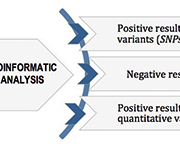
To date 1700 PVs in BRCA1 and 1900 PVs in BRCA2 have been reported. Most of them are single nucleotide polymorphisms (SNPs) or small insertion-deletion mutations (indels), with a significant impact on the structure and function of the protein. Also large genomic rearrangements (LGRs), consisting mainly in large deletions or duplications, represent an important part of BRCA molecular lesions. To date, a total of 98 different BRCA LGRs have been reported, 81 in BRCA1 and 17 in BRCA2 [5] with a prevalence that varies considerably. Interestingly, deletion of BRCA1 exon 1a-2 is reported in several populations worldwide and is considered a recurrent BRCA LGRs in BC/OC patients [6]. Owing to the broad complexity in the mutational landscape of BRCA genes, comprehensive screening including the efficient assessment of both qualitative (SNPs, indels) and quantitative (LGRs) alterations is mandatory (Fig. 1). Diagnostic laboratories are adopting next-generation sequencing (NGS) technology for BRCA testing, which offers the potential of fast, cost-efficient and comprehensive sequencing. By choosing NGS technology, many considerations should be made, such as the selection of an NGS platform, including the enrichment methods, the sequencing chemistries, the analytical procedures and the variant calling for both germline and somatic PVs [2]. NGS is highly recommended as the reference sequencing method for BRCA testing because of the size of coding region and the method’s sensitivity in tumour sample evaluation. In fact, Sanger sequencing is not suitable for the analysis of somatic mutations, especially in samples where the percentage of tumour cells is under 50%, and it requires also a large amount of starting DNA [4]. Several methods are commonly used for LGR analysis, including multiplex ligation-dependent probe amplification (MLPA) and multiplex amplicon quantification (MAQ). However, these approaches are expensive and time-consuming, and consequently these are not always suitable for all laboratories. In this case, LGR evaluation of BRCA genes represents a bottleneck in terms of time and costs. In this context, the great benefit of the NGS approach is the opportunity to obtain both qualitative and quantitative information from the same sequencing data by using tailored bioinformatics algorithms [7]. Only a positive bioinformatics result needs to be confirmed using an alternative conventional method. In order to optimize our routine diagnostic procedures for BRCA testing, we recently developed a new molecular approach called competitive PCR-high resolution melting analysis (cPCR-HRMA) [8], as an alternative method for LGR identification in BRCA genes. HRMA is a simple and robust closed-tube method commonly used for diagnostics, forensic and research purposes. This method consists of a PCR amplification performed in the presence of saturating binding dyes followed by a melting reaction. Specifically, the incremental increase of the reaction temperature causes the denaturation of double-stranded DNA with the concomitant release of intercalated dye and a decrease of fluorescence signal. The specific sequence of the analysed amplicon, primarily relating to the GC content and the length, determines the melting behaviour observed in a fluorescence signal versus temperature plot. Additionally, the melting temperature (Tm) may be calculated as the derivative of the melting curve. The shape of the curves and the specific Tm value obtained in the output plots is used for the genotyping. The advantages of this technique include rapid turn-around times and a closed-system environment that decrease the risk of laboratory contamination [9].

cPCR-HRMA for LGR evaluation
HRMA technology is typically applied to detect a single substitution, as well as small indels variants [6, 10]. The new cPCR-HRMA represents an optimized HRMA method that allows an efficient evaluation of BRCA1 copy number variation (CNV) by relying on the melting behaviour of target BRCA amplicon compared to a reference amplicon in the same HRMA reaction. In particular, specific albumin sequences were chosen as unchanged CNV references and analysed by coupling them with specific BRCA1 exons in a duplex PCR assay preceding the melting analyses. The landmarks of this new HRMA rely on the primers and the amplification protocol design. First of all, primer pairs for the simultaneous amplification of target and reference sequences are selected in order to produce paired amplicons with comparable lengths (similar amplification efficiencies) and different melting temperatures (no overlap between amplicons melting peaks). Furthermore, the primer concentration used for both target and reference amplification was set in order to produce comparable PCR performance between the two amplicon types and to obtain melting profiles more suggestive of CNV. In addition, the PCR thermal cycling was carried on until the exponential phase, in which the amplification performance reflects the CNV status of the target region. These optimized features lead to melting profiles specifically tailored for CNV investigations allowing a rapid detection of samples affected by a change in copy number. Genotype association was assessed by direct interpretation of melting profiles, as shown in Figure 2: samples with similar profiles were clustered into the same genotype group and CNV positive samples showed a typical melting profile with a detectable shape comparing to the wild type. In addition to the qualitative evaluation, we provide also a semi-quantitative analysis of melting behaviour with the calculation of the fluorescence peak height ratio (R) of target the amplicon (BRCA1) to the reference amplicon (albumin), according to the formula:
The mean and the standard deviation of the R values calculated in a consistent number of control CNV samples allowed the identification of the reference range for the R parameter: WT sample (mean±2SD; 2 copies), deletion (≤mean−2SD; n copies) and duplication (≥mean+2SD; 3n copies). The R value calculated in each analysed sample is normalized with the average of the ratios calculated in the WT sample group, obtaining the normalized fluorescence peak height ratio (Rn). The latter is compared to the reference range in order to obtain the copy number interpretation. Taken together, the qualitative and the semi-quantitative evaluations of the cPCR-HRMA assay allow the correct identification of copy number status in BRCA gene, resulting as a rapid and alternative method for the analysis of LGRs. Advantages of cPCR-HRMA are the ease and fast handling of samples. Furthermore, this application needs the same reagents and equipment for standard HRMA protocols commonly used in many laboratories routines. By introducing this efficient alternative method, our first aim was the optimization of the BRCA workflow, promoting a more rational use of confirmatory testing, such as MLPA and MAQ. Finally, we are confident that a general implementation of BRCA testing is now necessary as an emerging challenge. After a complete genetic counselling and a multidisciplinary activity that involves geneticists, oncologist and all other professionals, the patient should be directed to specialized laboratories. The complexity of the potential BRCA mutations, coupled with their clinical relevance, leads to the mandatory adoption of a comprehensive molecular workflow for BRCA analysis that must be characterized by a low wait-time and efficient clinical reporting in order to guarantee a useful medical application.

References
1. Antoniou A, Pharoah PD, Narod S, et al. Average risks of breast and ovarian cancer associated with BRCA1 or BRCA2 mutations detected in case series unselected for family history: a combined analysis of 22 studies. Am J Hum Genet 2003; 72(5): 1117–1130.
2. Capoluongo E, Ellison G, López-Guerreroc JA, et al. Guidance statement on BRCA1/2 tumor testing in ovarian cancer patients. Semin Oncol 2017; 44(3): 187–197.
3. George A, Kaye S, Banerjee S. Delivering widespread BRCA testing and PARP inhibition to patients with ovarian cancer. Nat Rev Clin Oncol 2017; 14(5): 284–296.
4. Capoluongo E, Scambia G, Nabholtz JM. Main implications related to the switch to BRCA1/2 tumor testing in ovarian cancer patients: a proposal of a consensus. Oncotarget 2018; 9(28): 19463–19468.
5. Sluiter MD, van Rensburg EJ. Large genomic rearrangements of the BRCA1 and BRCA2 genes: review of the literature and report of a novel BRCA1 mutation. Breast Cancer Res Treat 2011; 125: 325–349.
6. Mazoyer S. Genomic rearrangements in the BRCA1 and BRCA2 genes. Hum Mutat 2005; 25(5): 415–422.
7. Scaglione GL, Concolino P, De Bonis M, et al. A whole germline BRCA2 gene deletion: how to learn from CNV in silico analysis. Int J Mol Sci 2018; 19(4): pii: E961.
8. Minucci A, De Paolis E, Concolino P, et al. Competitive PCR-high resolution melting analysis (C-PCR-HRMA) for large genomic rearrangements (LGRs) detection: a new approach to assess quantitative status of BRCA1 gene in a reference laboratory. Clin Chim Acta 2017; 470: 83–92.
9. Erali M, Voelkerding KV, Wittwer CT. High resolution melting applications for clinical laboratory medicine. Exp Mol Pathol 2008; 85(1): 50–58.
10. De Paolis E, Minucci A, De Bonis M,  et al. A rapid screening of a recurrent CYP24A1 pathogenic variant opens the way to molecular testing for idiopathic infantile hypercalcemia (IIH). Clin Chim Acta. (2018) Mar 21; 482: 8–13.

The authors
Elisa De Paolis MSc, Angelo Minucci PhD, Giovanni Luca Scaglione PhD, Maria De Bonis MSc, Ettore Capoluongo* PhD
Catholic University of The Sacred Heart, Rome, Italy

*Corresponding author
E-mail: ettoredomenico.capoluongo@policlinicogemelli.it

https://clinlabint.com/wp-content/uploads/sites/2/2020/08/C347_Paolis_Figure1_v2_new_crop.jpg 147 800 3wmedia https://clinlabint.com/wp-content/uploads/sites/2/2020/06/clinlab-logo.png 3wmedia2020-08-26 09:40:272021-01-08 11:34:04Competitive PCR-high resolution melting analysis: an improved approach to assess BRCA status in hereditary breast and ovarian cancer patients
27642 Coris Insertion CLI 2018 06 04

RESIST – the new solution to detect carbapenem resistance in Acinetobacter spp.

, 26 August 2020/in Featured Articles /by 3wmedia
https://clinlabint.com/wp-content/uploads/sites/2/2020/08/27642-Coris-Insertion-CLI-2018_06_04.jpg 686 1500 3wmedia https://clinlabint.com/wp-content/uploads/sites/2/2020/06/clinlab-logo.png 3wmedia2020-08-26 09:40:272021-01-08 11:34:12RESIST – the new solution to detect carbapenem resistance in Acinetobacter spp.

rx series – Excellence In Clinical Chemistry Testing

, 26 August 2020/in Featured Articles /by 3wmedia
https://clinlabint.com/wp-content/uploads/sites/2/2020/06/clinlab-logo.png 0 0 3wmedia https://clinlabint.com/wp-content/uploads/sites/2/2020/06/clinlab-logo.png 3wmedia2020-08-26 09:40:272021-01-08 11:34:07rx series – Excellence In Clinical Chemistry Testing
Page 127 of 145«‹125126127128129›»
Bio-Rad - Preparing for a Stress-free QC Audit

Latest issue of Clinical laboratory

March 2026

CLi Cover MRCH 2026
14 April 2026

Evident launches FV5000 confocal and multiphoton microscope

14 April 2026

Complex demands | Clear focus

17 March 2026

Complement assays for turbidimetry and nephelometry: C1q, C1 Inhibitor, C5 and Factor B

Digital edition
All articles Archived issues

Free subscription

View more product news

Get our e-alert

The leading international magazine for Clinical laboratory Equipment for everyone in the Vitro diagnostics

Sign up today
  • News
    • Featured Articles
    • Product News
    • E-News
  • Magazine
    • About us
    • Archived issues
    • Free subscriptions
    • Media kit
    • Submit Press Release
clinlab logo blackbg 1

Prins Hendrikstraat 1
5611HH Eindhoven
The Netherlands
info@clinlabint.com

PanGlobal Media is not responsible for any error or omission that might occur in the electronic display of product or company data.

Scroll to top

This site uses cookies. By continuing to browse the site, you are agreeing to our use of cookies.

Accept settingsHide notification onlyCookie settings

Cookie and Privacy Settings


How we use cookies

We may ask you to place cookies on your device. We use cookies to let us know when you visit our websites, how you interact with us, to enrich your user experience and to customise your relationship with our website.

Click on the different sections for more information. You can also change some of your preferences. Please note that blocking some types of cookies may affect your experience on our websites and the services we can provide.

Essential Website Cookies

These cookies are strictly necessary to provide you with services available through our website and to use some of its features.

Because these cookies are strictly necessary to provide the website, refusing them will affect the functioning of our site. You can always block or delete cookies by changing your browser settings and block all cookies on this website forcibly. But this will always ask you to accept/refuse cookies when you visit our site again.

We fully respect if you want to refuse cookies, but to avoid asking you each time again to kindly allow us to store a cookie for that purpose. You are always free to unsubscribe or other cookies to get a better experience. If you refuse cookies, we will delete all cookies set in our domain.

We provide you with a list of cookies stored on your computer in our domain, so that you can check what we have stored. For security reasons, we cannot display or modify cookies from other domains. You can check these in your browser's security settings.

.

Google Analytics Cookies

These cookies collect information that is used in aggregate form to help us understand how our website is used or how effective our marketing campaigns are, or to help us customise our website and application for you to improve your experience.

If you do not want us to track your visit to our site, you can disable this in your browser here:

.

Other external services

We also use various external services such as Google Webfonts, Google Maps and external video providers. Since these providers may collect personal data such as your IP address, you can block them here. Please note that this may significantly reduce the functionality and appearance of our site. Changes will only be effective once you reload the page

Google Webfont Settings:

Google Maps Settings:

Google reCaptcha settings:

Vimeo and Youtube videos embedding:

.

Privacy Beleid

U kunt meer lezen over onze cookies en privacy-instellingen op onze Privacybeleid-pagina.

Privacy policy
Accept settingsHide notification only

Subscribe now!

Become a reader.

Free subscription