



Effective screening strategies have not yet been developed for the early detection of ovarian cancer. The serum biomarker CA125, routinely used to aid diagnosis and monitor treatment response, is not informative in all patients. Recent analytical developments have prioritized promising candidate novel biomarkers or multi-biomarker panels for future clinical evaluation.
by E. L. Joseph, Dr M. J. Ferguson and Dr G. Smith
Introduction to ovarian cancer
Epithelial ovarian cancer (EOC) is the most lethal gynecological malignancy and the fifth leading cause of cancer related death among women with around 140 000 annual deaths worldwide. EOC can develop as one of four histotypes with the serous histotype being the most common and most aggressive. The remaining three non-serous histotypes, endometrioid, clear cell and mucinous cancers present less frequently. High grade serous ovarian cancer, heterogeneous in nature and rapidly progressive, has a poor prognosis, where a major contributing factor is the lack of ability to diagnose the disease at a sufficiently early stage to facilitate curative surgery. The 5-year survival rate is less than 30% for patients presenting with advanced disease spread beyond the ovaries (FIGO Stage 3/4), but if detected earlier combination therapy of cytoreductive surgery and adjuvant or neo-adjuvant chemotherapy with platinum and taxane-based drugs has the potential to cure 90% of patients [1]. Consequently the identification of biomarkers capable of detecting ovarian cancer at the earliest stages and monitoring disease progression are inherently important in tackling this lethal disease. Due to its prevalence, the ideal biomarker for detecting early stage ovarian cancer requires an extremely high specificity (>99%) and a minimum sensitivity of 75% [2]. Despite extensive research, no optimal ovarian cancer biomarker has yet been identified and such high specificity is unlikely to be met by a single agent. Many promising candidate biomarkers are however currently undergoing evaluation in clinical trials.
CA125
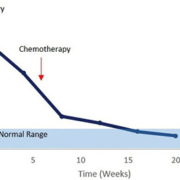
The only ovarian cancer biomarker routinely used in the clinic is cancer antigen 125 (CA125; mucin 16) currently considered the ‘gold standard’ cancer biomarker despite its limitations. In the majority of patients with EOC, expression of the CA125 glycoprotein is raised above the normal reference range (>35 U/ml blood), but it only has a sensitivity of 50% to 60% with a specificity of 90% in early stage postmenopausal patients [3]. Several factors, however, limit the utility of CA125 in routine population screening: it is not expressed in 20% of ovarian cancers, is only significantly elevated in 47% of early stage ovarian cancers (although increasing to 80–90% in advanced stage cancers) and can be raised in many benign conditions including endometriosis and peritonitis. Variability in CA125 expression throughout the menstrual cycle and in pregnancy is also a common confounding issue. A major clinical utility of CA125, however, is related to its ability to commonly reflect clinical response following chemotherapy treatment and as such is often successfully used to monitor a patient’s progress through chemotherapy. A reduction in CA125 expression during treatment is considered a positive prognostic outcome for the patient and serial serum measurements are currently used to predict therapeutic outcomes and estimate stability of the disease (Fig. 1).
Biomarkers under evaluation
There have now been multiple attempts to identify novel ovarian cancer biomarkers with varying success. The most promising serum biomarkers include HE4 and mesothelin.
HE4
Human epididymis protein 4 (HE4) has been shown to be consistently elevated above the normal level (151 pM) in ovarian cancers, with sensitivity of 95% and specificity of 73%. HE4 is differentially expressed in specific subtypes of ovarian cancer, potentially allowing clinicians to distinguish histotypes to aid treatment; HE4 was found to be overexpressed in 100% of endometrioid cancers, 93% of serous cancers but only 50% of clear cell cancers [4]. Unlike CA125, it is less likely to produce false positives in benign masses and it has also been proposed to be the best candidate biomarker for early detection of Stage I disease despite sensitivity and specificity of 46% and 95% respectively [2]. HE4 has recently obtained FDA approval in the USA for monitoring recurrence or progression of EOC and, in comparative tests, has been found to be superior to CA125 in classifying benign and borderline ovarian cancers.
Mesothelin
Mesothelin is a glycoprotein expressed by mesothelial cells, the expression of which has been found to be raised in mesothelioma, pancreatic and ovarian cancers.
It can be easily measured in both urine and serum, highlighting its potential as a non-invasive biomarker. Serum mesothelin levels were found to be increased in approximately 60% of ovarian cancers with 98% specificity.
One study found elevation of mesothelin in 42% of urine assays as opposed to 12% serum assays of early stage EOCs at 95% specificity which reinforces the potential of this glycoprotein as an early detection biomarker and the use of urine in preference to serum [2]. Higher levels of mesothelin were also found to be associated with poorer overall survival in patients following optimal debulking surgery or who have advanced stage ovarian cancer. A recent study, however, revealed that lifestyle choices such as smoking and BMI can affect mesothelin levels, which also often increase with age.
Identification of new candidate biomarkers
Due to an urgent need for better biomarkers for early detection of ovarian cancer and reliable biomarkers to monitor clinical response, ongoing efforts are focused on the application of state of the art technologies e.g. mass spectrometry and quantitative proteomic analysis to identify novel biomarkers [5]. These approaches however often generate multiple candidate biomarkers for further investigation, prioritization and clinical evaluation of which is an ongoing challenge. These methods allow comparison of multiplex biomarker panels and identification of novel differentially expressed proteins not previously linked to ovarian cancer.
Another powerful technology is microarray-based mRNA analysis which allows genome wide expression studies which have already enhanced the understanding of the genes and pathways which influence ovarian cancer progression, chemotherapy response and survival. For example, the candidate biomarkers osteopontin and kallikrein (Table 1) were discovered by this method.
Our own studies have revealed significant differences in the expression of fibroblast growth factor 1 (FGF1) and additional FGF pathway genes in ovarian cancers of different histologies (Fig. 2A) and in paired sensitive and resistant ovarian cancer cell lines (Fig. 2B). We have additionally shown that FGF1 expression is significantly inversely correlated with both progression-free (Fig. 2C) and overall survival in ovarian cancer patients [6]. We are therefore currently recruiting patients to longitudinal clinical studies to investigate whether FGF1 or additional related growth factors can predict disease progression and/or the development of treatment-limiting drug resistance.
MicroRNAs (miRNAs) are small non-coding RNAs (19–25 nucleotides) that regulate gene expression by binding to mRNA target sequences and disrupting translation [7]. MiRNAs have great potential as diagnostic and clinical response biomarkers in ovarian and additional cancers as miRNA expression can now routinely be quantitatively assessed in small biopsies and in formalin-fixed material. For example, approximately 30 miRNAs (including miR-21, miR-141, miR-203, miR-205 and miR-214) are differentially expressed in ovarian cancer [8], while miRNAs including miR-200a, miR-200b and miR-429 have also been associated with cancer recurrence and have been shown to predict survival. For example, high expression of miR-200, miR-141, miR-18a and low expression of let-7b, and miR-199a were found to predict poor survival in a cohort of 20 ovarian cancer patients [9]. Meanwhile, recent data from our own laboratory has identified multiple miRNAs including miR-125b and miR-130 associated with the development of platinum resistance. MiRNAs are particularly promising candidate biomarkers due to their stability, and abundant expression in solid cancers, whole blood and routinely collected plasma and serum samples.
Future directions
Due to the challenges of finding a single biomarker that can encompass the complexity and heterogeneity of ovarian cancer it is logical that optimization of a multi-biomarker panel may be the most practical approach, for example combining HE4 and mesothelin with CA125 to augment both sensitivity and specificity. This type of approach has recently been proposed in algorithms such as the Risk of Ovarian Malignancy Algorithm or ROMA which combines CA125 and HE4 levels with a sensitivity of 94% and specificity of 75%. [4]. Combinations of CA125 and mesothelin have also been found to detect more cancers than each biomarker alone. Several current studies have, however, suggested that combination biomarker analysis significantly increases the predictive power of CA125, but also unfortunately appears to decrease specificity. Ongoing studies therefore aim to develop improved biomarker panels suitable both for early detection and treatment guidance of ovarian cancer (Table 2). All of these results still require validation but they are indicative of the possible power of using a multi-biomarker panel in diagnostic tests and for monitoring the clinical responses of ovarian cancer.
Concluding remarks
An ideal biomarker for ovarian cancer will have a high enough sensitivity to correctly diagnose women with the disease and be specific enough to avoid false positive results. With ongoing efforts to identify biomarkers which match this ideal, hundreds of candidates with clinical relevance have been found but still require much validation before having a routine place in the clinic. It is expected that the future of ovarian cancer detection will be based on panels of combination serum-based biomarkers alongside biological imaging techniques to improve diagnosis, treatment and disease management.
References
1. Shapira I, Oswald M, Lovecchio J, Khalili H, Menzin A, Whyte J, Dos Santos L, Liang S, Bhuiya T, Keogh M, Mason C, Sultan K, Budman D, Gregersen PK, Lee AT. Circulating biomarkers for detection of ovarian cancer and predicting cancer outcomes. Br J Cancer 2014; 110: 976–983.
2. Nguyen L, Cardenas-Goicoechea SJ, Gordon P, Curtin C, Momeni M, Chuang L, Fishman D. Biomarkers for early detection of ovarian cancer. Women’s Health 2013; 9: 171–185; quiz 186–187.
3. Sarojini S, Tamir A, Lim H, LI S, Zhang S, Goy A, Pecora A, Suh KS. Early detection biomarkers for ovarian cancer. J Oncol. 2012; 15.
4. Jordan SM, Bristow RE. Ovarian cancer biomarkers as diagnostic triage tests. Current Biomarker Findings 2013; 3: 35–42.
5. Zhang B, Barekati Z, Kohler C, Radpour R, Asadollahi R, Holzgreve W, Zhong XY. Proteomics and biomarkers for ovarian cancer diagnosis. Ann Clin Lab Sci. 2010; 40: 218–225.
6. Smith G, NG MT, Shepherd L, Herrington CS, Gourley C, Ferguson MJ, Wolf CR. Individuality in Fgf1 expression significantly influences platinum resistance and progression-free survival in ovarian cancer. Br J Cancer 2012; 107: 1327–1336.
7. Bartel DP. MicroRNAs: genomics, biogenesis, mechanism, and function. Cell 2004; 116: 281–297.
8. Zhang B, Cai FF, Zhong XY. An overview of biomarkers for the ovarian cancer diagnosis. Eur J Obstet Gynecol Reprod Biol. 2011; 158: 119–123.
9. Nam EJ, Yoon H, Kim SW, Kim H, Kim YT, Kim JH, Kim JW, Kim S. MicroRNA expression profiles in serous ovarian carcinoma. Clin Cancer Res. 2008; 14: 2690–2695.
10. Yurkovetsky Z, Skates S, Lomakin A, Nolen B, Pulsipher T, Modugno F, Marks J, Godwin A, Gorelik E, Jacobs I, Menon U, LU K, Badgwell D, Bast RC, JR, Lokshin AE. Development of a multimarker assay for early detection of ovarian cancer. J Clin Oncol. 2010; 28: 2159–2166.
11. SU F, Lang J, Kumar A, NG C, Hsieh B, Suchard MA, Reddy ST, Farias-Eisner R. Validation of candidate serum ovarian cancer biomarkers for early detection. Biomark Insights 2007; 2: 369–375.
12. Zhang Z, YU Y, XU F, Berchuck A, Van Haaften-Day C, Havrilesky LJ, de Bruijn HW, van der Zee AG, Woolas RP, Jacobs IJ, Skates S, Chan DW, Bast RC, Jr. Combining multiple serum tumor markers improves detection of stage I epithelial ovarian cancer. Gynecol Oncol. 2007; 107: 526–531.
13. Gorelik E, Landsittel DP, Marrangoni AM, Modugno F, Velikokhatnaya L, Winans MT, Bigbee WL, Herberman RB, Lokshin AE. Multiplexed immunobead-based cytokine profiling for early detection of ovarian cancer. Cancer Epidemiol Biomarkers Prev. 2005; 14: 981–987.
14. Lokshin AE, Winans M, Landsittel D, Marrangoni AM, Velikokhatnaya L, Modugno F, Nolen BM, Gorelik E. Circulating IL-8 and anti-IL-8 autoantibody in patients with ovarian cancer. Gynecol Oncol. 2006; 102: 244–251.
The authors
Emma L. Joseph1 BSc; Michelle J. Ferguson2 MBChB, MD; and Gillian Smith1* PhD
1Division of Cancer Research, Medical Research Institute, University of Dundee, Dundee UK
2Tayside Cancer Centre, Ninewells Hospital & Medical School, Dundee UK
*Corresponding author
E-mail: g.smith@dundee.ac.uk

Two opposing agendas confront clinical labs in terms of electronic health records (EHRs): privacy/security on the one side, and interoperability, on the other. The former involves an inward push for isolation, while the latter tends to pull technology in the other direction.
There also is a major financial challenge. While healthcare providers have been given a host of incentives to adopt EHRs (especially in the US), labs have been pretty much left out on their own.
EHRs and lab systems populate different worlds
Clearly, lab-compatible EHR systems which meet both (privacy and interoperability) criteria promise the quickest returns. EHR developers have however shown little enthusiasm, until recently, to incorporate clinical lab requirements as a sufficient driver, while laboratory system vendors have tended to ignore EHRs or postpone taking them into account until EHR development has matured sufficiently.
US EHR adoption drives lab applications
In the US, this limbo is being shaken up by healthcare providers, who are compelling vendors to take account of their need for EHR-friendly clinical lab systems.
At end 2012, the US Centers for Disease Control and Prevention (CDC) released a survey which found 72 percent of office-based physicians using EHR systems, up from 48 percent in 2009 and 18 percent in 2001.
The reason for the dramatic increase in EHR adoption lies in the Meaningful Use requirements of the 2009 Health Information Technology for Economic and Clinical Health Act, also known as the HITECH Act. The Act provides billions of dollars in incentive payments through the Medicare and Medicaid programmes to increase physician adoption of EHR systems.
Clinical labs are now being lifted by the rising tide of EHR adoption. According to the US Office of the National Coordinator for Health Information Technology (ONC), the “availability of structured lab results within the EHR contributes to office efficiencies while also assisting providers in the ability to make real time decisions about the patient’s care.”
The ONC explicitly specifies the threshold for EHR-friendly clinical lab practices in Stage 1 – of over 40 percent of all lab test results ordered by a provider and incorporated in certified EHR technology as structured data.
Stage 2 Meaningful Use requirements, finalised in August 2012, increase the clinical lab results threshold to 50 percent. The ONC has subsequently announced plans to assess health information exchange (HIE) in clinical laboratories.
Labs left to own resources
While healthcare providers have the financial incentives of the HITECH Act, clinical labs have been left to their own resources to set up interfaces from their laboratory information systems (LIS) to providers.
Compounding this has been inconsistencies in the way different EHR systems generate lab test orders.
However, the alternative has been stark – to be left out of referrals from tests.
EHR systems remain heterogeneous
The US EHR landscape is however hardly uniform. As of September 2013, there were 3,652 non-enterprise certified ambulatory EHR software systems, almost half of which were classified as “complete” to qualify for Meaningful Use Stage 1 or Stage 2.
In spite of efforts to set standards for semantic interoperability of healthcare data, standards so far are only syntactic (based on HL7 and XML).
The alternative, to develop a common US-wide EHR system, has been accepted as being technically insurmountable – due to hurdles in specifying, developing, testing and deploying standardized tools, common architectures and vocabularies, within secure, real-time and scalable networks, and doing all this within the fast-changing world of information and communications technologies.
For proponents of a decentralized approach to EHR technology, in the US in particular, the sharp increase in offtake of EHR systems has shown that it has delivered – as far as healthcare IT objectives are concerned.
EHR faces teething problems
Still, teething troubles for EHRs also clearly remain.
In early September 2013, one of the leading EHR systems, from EPIC, crashed across seven major healthcare facilities of Sutter Health, a nearly 100 year-old healthcare provider in California. Some suspect the role of a routine upgrade a few days earlier in the EHR system, which was launched by Sutter at a cost of $1.2 billion in 2004, but has so far reached only a halfway mark.
EHR challenges for labs remain to be resolved
Such issues with the evolution of maturity of EHRs pose especially major problems for labs, who (as mentioned) have to develop and fund interfaces between their LISs and the EHRs of their client physicians but are also forced to cope with the lack of uniform EHR standards.
Some vendors have nevertheless sought to fill the gap.
A leading example is HDD Access, a joint initiative by the US Department of Defense, the Department of Veterans Affairs and 3M Health Information Systems to create a public use version of 3M’s Healthcare Data Dictionary (HDD). HDD Access consists of a relational database and Application Programming Interface (API) runtime services to which other applications can interface. The terminology is organized as a controlled medical vocabulary – a comprehensive set of clinical and other concepts used in healthcare.
HDD Access offers specific benefits for integrating LIS and EHR platforms. Independent of source system, it can track local fields and translate them into laboratory concepts. Nevertheless, HDD Access warns that it is “not a standard terminology and is not a replacement for standard terminologies.
In effect, in the US, clinical labs are likely to continue to face a host of technical challenges with respect to EHRs in the years to come.
EHR Big Bang fizzles in Europe
Unlike the US, Europe made a massive effort in 2004 to devise common semantic standards for EHR interoperability as part of its Single eHealth Area. The EU’s EHR objectives sought to integrate all patient information – from primary to tertiary settings, and include emergency and in-patient care. Also on the radar were ambitious plans to connect pharmacies as well as the web of disparate billing/reimbursement procedures, and do so across Europe.
In mid–2008, the EU Commission set 2015 as the target year for EHR interoperability, to ensure that key EHR datasets could cross European borders, and do so in conformity with medical rules and other relevant legal frameworks.
In January 2011, however, these ambitions were put on the backburner, after an official report criticized the effort as being both impractical and ‘grandiose’. The report found that a pan-EU EHR system would neither be technically feasible, cost-effective or even medically justified, and instead urged more emphasis on decentralized efforts – in other words, just like the US.
Technical challenges aside, massive differences in physician and medical cultures across Europe played a major role in derailing efforts toward a common EHR. Or, as EuroRec, an umbrella organization tasked with pan-EU EHR implementation, states: it was “widely recognized that social and organizational aspects are as likely to ruin an implementation process as technical factors are.”
European focus shifts to national efforts
The EHR focus in Europe has now totally shifted to national efforts. A new eHealth Governance Initiative (eHGI) encourages cooperation “between Member States” and “between national authorities and standardization bodies”, and seeks to “enable the recommendation of standards and (harmonized) profiles based on selected use cases.” On the technical side, compared to the Big Bang efforts of the Single eHealth Area, it also aims to “link and harmonize coding systems” and “facilitate access to existing standards and medical vocabularies.”
The second area for Europe’s EHR focus is a minimalistic intra-EU/regional approach embodied in a project called epSOS, which dates back to 2008, but was (temporarily) eclipsed by the ambitions of the Single eHealth Area. epSOS, which went live in April 2012, has the modest goal of connecting 20 EU nations (and 3 non-EU members) to a secure database, and sharing only Patient Summaries and ePrescription records via IHE X* profiles. Its target consists of Europeans holidaying overseas.
Today, EHR adoption varies considerably in Europe. The Nordic countries have been using the technology for over a decade and are fairly advanced as a result in EHR implementation.
However, adoption in France, Germany, Spain and the UK is ‘on course’ with the US.
Shift from Single eHealth Area encourages new EHR-directed lab applications
The shift away from forcing through a Single eHealth Area has also opened the way for innovative working approaches aimed at clinical labs. One good example of this is Valle de los Pedroches Hospital at Cordoba, Spain, which has designed and implemented a unified lab test request module for the Andalusian regional EHR.
In spite of some outstanding issues (such as rigidity in error solving, and the need to adapt to a new nomenclature), implementation of the laboratory module in the EHR improved the analytical process, with better patient safety and less programming or container errors and shorter response times. Clinical professionals gave a rating of 7.8 out of 10, positively highlighting the speed at which results are delivered and their integration in the EHR.
Such efforts are likely to grow with time.
Because of the critical nature of the reported clinical events (such as stent thrombosis and hemorrhage) associated with patients with certain cytochrome p450 2C19 (CYP2C19) variants receiving clopidogrel therapy, additional clinical studies are warranted. Large scale clinical trials seeking to correlate patient’s response to clopidogrel (Plavix®) with the CYP2C19 genotype may benefit from the inclusion of the CYP2C19 genotyping results into therapeutic anti-platelet therapy decisions before percutaneous coronary intervention.
by Dr H. Han, K. Blakely and Dr S. Lewis
Clinical potential of pharmacogenetic testing
The clinical potential of pharmacogenetic testing has increasingly been shown to influence treatment effectiveness for a number of therapies including tyrosine kinase inhibitors (TKIs) such as imatinib directed at chronic myelogenous leukemia (CML), gefitinib and erlotinib targeting the epidermal growth factor receptor (EGFR) in lung and other cancers and clopidogrel, an anti-platelet therapy prescribed for patients receiving percutaneous coronary intervention (PCI) [1–4].
Using genetic information in a clinically beneficial fashion, that is providing evidence-based data to show that the genetic information provided to the health care team is clinically applicable to diagnosis, treatment and prognosis and fiscally responsible, is challenging. Despite numerous studies relating genetic variants to clinical effects, the integration of genetics into routine clinical practice is restricted [5]. Success has been demonstrated especially in the area of oncology and many patients receive cancer therapy guided by genetic testing. Some examples of cancers that have therapy that may be guided by molecular testing include breast, lung, colon and leukemia. Obstacles to integration of genetic testing into routine practice include reimbursement issues and accessibility. Of particular concern to the cardiology team is the past unavailability of rapid point-of-care genotype testing for cytochrome p450 2C19 (CYP2C19) variants during PCI. Molecular genetic testing is typically performed at reference laboratories and the results of the testing have not been available to cardiologists at the time of PCI.
Moving to a state of personalized medicine and genome-guided care requires a number of important steps:
Clopidogrel therapy and genetic testing
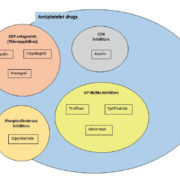
The CYP2C19 enzyme is responsible for the metabolism of approximately 15% of all prescription drugs including anti-platelet therapies such as clopidogrel, beta-blockers (propranolol), anti-depressants (imipramine), anti-convulsants (phenytoin) and proton pump inhibitors (omeperizol) [6]. Of particular interest to cardiologists is anti-platelet therapy. Anti-platelet therapy may be classified according to the target of action and includes ADP antagonists (clopidogrel, prasugrel and ticlopidin), COX inhibitors (aspirin), phosphodieterase inhibitors (dipyridamole) and GP IIb/IIIa inhibitors (tirofiban, eptifibatide, abcixmab) shown in Figure 1. Clopidogrel bisulfate is a thienopyridine irreversible inhibitor of ADP-induced platelet aggregation by directly preventing ADP binding to its receptor P2Y12 and thereby preventing subsequent activation of the of the glycoprotein IIb/IIIa complex (Fig. 2). Platelets are irreversibly inactive for the remainder of their life, approximately 7–10 days [6].
Metabolism of clopidogrel (Fig. 3) occurs in the liver by several p450 enzymes. CYP2C19 is involved in the formation of the primary inactive metabolite, 2-oxo-clopidogrel and the active thiol clopidogrel deritive. Anti-platelet effects may be seen 2 hours after oral administration with a steady state inhibition reached between days 3–7. Anti-platelet effects are dose dependent and may be measured by platelet aggregation assays and differ according to CYP2C19 genotype. This association of CYP2C19 genotype and clopidogrel treatment outcome was evaluated in several clinical trials [2, 10].
Variants of the CYP2C19 enzyme include both reduced drug metabolism variants (*2,*3,*4,*5) and increased drug metabolism variants (*17). Most patients undergoing the insertion of a drug eluting stent after myocardial infarction are prescribed clopidogrel bisulfate (Plavix ®) and aspirin as anti-platelet therapy. Numerous investigations of patients prescribed the anti-platelet drug clopidogrel bisulfate (Plavix®) have demonstrated relationships between the patient’s CYP2C19 genotype and their response to clopidogrel as related to clinical outcomes such as blood clots, stent thrombosis, bleeding, myocardial infarctions and major cardiovascular events (MACE). Loss of function CYP2C19*2 and *3 variants have been associated with higher levels of ADP-induced platelet aggregation in patients receiving clopidogrel therapy, and therefore have a greater risk of major cardiovascular events, including stent thrombosis. Several clinical variables are implicated in the platelet response to clopidogrel, but the strongest predictor is the loss of function CYP2C19*2 allele. Approximately 30% of western European individuals, and 50% of Asian individuals carry the *2 allele and studies have associated the *2 allele with a significant increased risk of adverse cardiovascular events and stent thrombosis [11, 12].
In March of 2010, the FDA announced a boxed warning to the clopidogrel label, alerting patients and clinicians that clopidogrel may be less effective in patients carrying the reduced function alleles [13].
The CYP2C19*17 gain-of-function allelic variant was shown to significantly reduce ADP-induced platelet aggregation in clopidogrel-treated patients and was therefore predicted to confer an increased risk of bleeding. CYP2C19*17 alleles are found in the United States population ranging from <5% homozygotes to ~40% heterozygotes. The most common CYP2C10*17 variant, -806C>T, is associated with recruitment of a transcription factor to the mutated site, enhancing transcription and expression of the CYP2C19 enzyme. [14]
Current and future options for CYP2C19 testing
Currently, molecular reference laboratories can provide CYP2C19 genotyping results in several days. Recently, the Spartan RX point-of-care instrument was FDA cleared for in vitro diagnostic testing. This platform uses buccal cells and can provide results in about one hour [15].
Because of the past inability of molecular laboratories to provide cardiologists with rapid point-of-care testing for CYP2C19 variants, large-scale clinical trials with rapid genetic results provided to clinicians at the time of the PCI have been limited. Currently, a clinical trial (NCT01742117) is sponsored by the Center for Individualized Medicine at Mayo Clinic and is entitled ‘Tailored Antiplatelet Initiation to Lessen Outcomes due to Clopidogrel Resistance after Percutaneous Coronary Intervention’ (TAILOR-PCI). This randomized prospective study will use the FDA-cleared Spartan RX to genotype CYP2C19 for the *2,*3 and*17 alleles in cardiac stent patients. The carriers will receive ticagrelor instead of clopidogrel. Approximately 6000 patients will be enrolled in this large study with a completion date of June 2016. Results of this study should provide additional risk stratification and treatment decisions. Additional trials to formulate strategies for the most effective and cost efficient anti-platelet treatment will hopefully follow [15].
Advances in next-generation sequencing (NGS) are providing the promise of available genetic information on patients at rapidly reduced costs. Clinical applications of NGS will hopefully include pharmacogenetic information about patients that may be accessed by clinicians through the electronic medical record to provide immediate guidance of optimum therapy for not only anti-platelet therapy but for numerous other medications.
References
1. Gurbel PA, Tantry US. Controversies in cardiovascular medicine. Platelet function testing and genotyping improve outcome in patients treated with antithrombotic agents. Circulation 2012; 125: 1276–1287.
2. Sibbing D, Koch W, Gebhard D, et al. Cytochrome 2C19*17 allelic variant, platelet aggregation, bleeding events, and stent thrombosis in clopidogrel-treated patients with coronary stent placement. Circulation 2010; 121: 512–518.
3. Krishna V, Diamond GA, Kaiil S. Do platelet function testing and genotyping improve outcome in patients treated with antithrombotic agents?: the role of platelet reactivity and genotype testing in the prevention of atherothrombotic cardiovascular events remains unproven. Circulation 2012; 125: 1288–1303.
4. Mega JL, Close SL, Wiviott SD, et al. Cytochrome p-450 polymorphisms and response to clopidogrel. N Eng J Med. 2009; 360: 354–362.
5. Roberts JD, Wells GA, Le May ML, et al. Point-of-care genetic testing for personalization of antiplatelet treatment (RAPID GENE): a prospective, randomized, proof-of-concept trial. Lancet 2012; 379: 1705–1711.
6. Plavix package insert. Bristol-Myers Squibb 2009.
7. Tantry U, Kereiakes D, Gurbel P. Clopidogrel and proton pump inhibitors. influence of pharmacological interactions on clinical outcomes and mechanistic explanations. JACC Cardiovasc Interv. 2011; 4: 365–380.
8. Gurbel PA, Tantry US, Shuldiner AR. Letter by Gurbel et al. regarding article, “Cytochrome 2C19*17 allelic variant, platelet aggregation, bleeding events, and stent thrombosis in clopidogrel-treated patients with coronary stent placement”. Circulation 2010; 122: e478.
9. Sibbing D, Koch W, Gebhard D, et al. Response to letter regarding article, “Cytochrome 2C19*17 allelic variant, platelet aggregation, bleeding events, and stent thrombosis in clopidogrel-treated patients with coronary stent placement”. Circulation 2010; 122: e479.
10. Taubert D, Kastrati A, Harlfinger S, et al. Pharmacokinetics of clopidogrel after administration of a high loading dose. Thomb Haemost. 2004; 92: 311–316.
11. Simon T, Verstuyft C, Mary-Krause M, et al. Genetic determinants of response to clopidogrel and cardiovascular events. N Engl J Med. 2009; 360:363–375.
12. Brilakis ES, Patel VG, Banerjee S. Medical management after coronary stent implantation: a review. JAMA 2013; 310: 189–198.
13. Holmes DR Jr, Dehmer GJ, Kaul S, et al. ACCF/AHA Clopidogrel clinical alert: approaches to the FDA “boxed warning”: a report of the American College of Cardiology Foundation Task Force on clinical expert consensus documents and the American Heart Association endorsed by the Society for Cardiovascular Angiography and Interventions and the Society of Thoracic Surgeons. J Am Coll Cardiol. 2010; 56: 321–341.
14. Rudberg I, Mohebi B, Hermann M, et al. Impact of the ultrarapid CYP2C19*17 allele on serum concentration of escitalopram in psychiatric patients. Clin Pharmacol Ther. 2008; 83: 322–327.
15. Spartan Bioscience announces 6,000-patient study of personalized medicine for cardiac stents. PRWeb 2012. (http://www.prweb.com/releases/2012/12/prweb10252073.htm)
The authors
Heping Han MD, PhD, MB (ASCP);
Katherine Blakely BS; Sally Lewis* PhD, MLS (ASCP), MB
Tarleton State University, Fort Worth,
TX 76104, USA
*Corresponding author
E-mail: slewis@tarleton.edu

Recent findings indicate that aspects of high-density lipoprotein (HDL) not captured by traditionally measured HDL–cholesterol levels (HDL‑C) are likely to be cardioprotective. This review will highlight some of these studies and suggest new directions to identify the specific molecules that are responsible for the cardioprotective nature of HDL.
by Daniel S. Kim, Dr Patrick M. Hutchins and Prof. Gail P. Jarvik
Raising HDL-C does not confer cardioprotection
There is a well-established inverse association between high-density lipoprotein–cholesterol (HDL-C) levels and cardiovascular disease (CVD) in epidemiological and clinical studies [1, 2]. This robust relationship suggested that HDL-C was in the causal pathway of atheroprotection. Indeed a large number of studies have demonstrated that HDL possesses various anti-atherogenic properties, primarily the ability to accept cholesterol from macrophages in a process termed reverse cholesterol transport [3, 4].
In contrast, several high-profile studies have demonstrated that increasing levels of HDL-C does not have a significant cardioprotective effect. In a large and well-conducted clinical trial of the cholesterol ester transport protein (CETP) inhibitor, torcetrapib, there was no reduction in the incidence of CVD-related events despite significantly higher HDL-C levels [5]. A follow-up study using a different CETP inhibitor, dalcetrapib, also showed increased HDL-C levels yet there was no significant difference in CVD event rate between the treatment and placebo groups [6]. In a third randomized clinical trial that used niacin to increase HDL-C levels, there was again no reduction in cardiovascular events [7]. Finally, a large-scale Mendelian randomization study of approximately 20 000 myocardial infarction (MI) cases and 100 000 controls, showed that a genetic polymorphism which associated with approximately 10% higher HDL-C levels was not associated with decreased incidence of MI [8], again suggesting that the relationship between HDL-C and the prevention of cardiac events is not causal.
HDL particle concentration is a superior predictor of CVD
As the elevation of HDL-C was not beneficial in these studies, some have speculated that HDL itself is not cardioprotective. An alternative explanation for these negative data is that the cholesterol content of HDL – a surrogate measure of HDL – does not best reflect the anti-atherogenic properties of HDL. To resolve these issues it is critical to identify new HDL metrics that reliably reflect its cardioprotective functions.
One promising approach for assessing the role of HDL in CVD is to evaluate the individual HDL particles. HDL is a heterogeneous mixture of lipoprotein particles composed of discrete subspecies that have unique structural compositions and biological functions. As different HDL particles carry vastly different amounts of cholesterol – ranging over an order-of-magnitude [9, 10] – measuring the total HDL-C does not provide information regarding the distribution of HDL subpopulations or the number of total HDL particles.
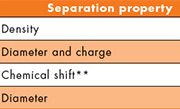
HDL can be fractionated based on a number of physicochemical properties, most commonly size or density. Several techniques, both qualitative and quantitative, have been developed for HDL subspecies analysis. The various HDL subspecies reported by these techniques and their associated nomenclature are briefly summarized in Table 1 [see also ref. 11]. Furthermore, HDL subspecies determined by ultracentrifugation and calibrated ion mobility analysis (both are discussed in detail later) are shown in Figure 1. Many studies have demonstrated the potential clinical utility of HDL subspecies analysis, which can be achieved by techniques such as 2D gradient gel electrophoresis [12] and nuclear magnetic resonance (NMR) [13]. For example, one study (using 2D gradient gel electrophoresis) showed that very-large, cholesterol-rich α-1 HDLs were better predictors than HDL-C levels of reduced coronary heart disease (CHD) in a subset of males from the Framingham Offspring Study [14]. Another high-profile study, using NMR to assess HDL subspecies in over 2200 participants in the EPIC-Norfolk cohort, showed that higher HDL particle (HDL-P) concentrations were a predictor of reduced CHD, independent of classic CHD risk factors [15]. In more recent work from the Multi-Ethnic Study of Atherosclerosis, total HDL-P (measured by NMR) and HDL-C were evaluated at baseline for 5598 participants, who were then followed prospectively for incident CHD (n=227 events) [16]. Although both HDL-P and HDL-C were highly correlated with each other, in multivariate regression models total HDL-P concentration was the superior predictor of reduced incident CHD when compared to HDL-C. This finding indicates that although HDL-C captures a large portion of HDL-P variation, HDL-P is the better predictor of CHD.
These studies support the notion that measuring individual HDL particle subspecies provides clinically useful information beyond traditionally measured HDL-C. However, both α-1 HDLs (which are cholesterol-rich) and HDL-P measured by NMR (which relies on lipid to generate signal) are highly correlated with HDL-C. Therefore, it is possible that these observations reflect a similar inverse association observed between HDL-C and cardiovascular disease. Importantly, two recent studies (discussed below) indicate that low levels of relatively cholesterol-poor, smaller HDLs also associate with cerebrovascular disease, again suggesting that subspecies of HDL not adequately captured by measuring HDL-C may also play important roles in the pathogenesis of atherosclerotic disease.
Shifting focus: HDL-3 and medium-HDL particles
We investigated the association of the subspecies HDL-2 and HDL-3 (Table 1; Fig. 1) with carotid artery disease (CAAD) [17]. Here, HDL was sub-fractionated by ultracentrifugation and the subspecies were quantified by their cholesterol content. In a case-control cohort of 1,725 participants [part of the Carotid Lesion Epidemiology And Risk (CLEAR) cohort], stepwise linear regression was used to determine whether total HDL-C, HDL-2 cholesterol (HDL-2C), HDL-3 cholesterol (HDL-3C), or apolipoprotein A-I (apoA-I) levels were the best predictor of CAAD. In this study, the smaller HDL-3C fraction was found to be the best predictor of reduced CAAD risk. Moreover, adding HDL-3C to the model improved prediction even when HDL-C levels were also considered, demonstrating added utility of the HDL-3C measure versus HDL-C.
In a separate study using calibrated ion mobility analysis, the particle concentrations of three HDL subspecies (Table 1; Fig. 1) were measured in a subset of the same CLEAR cohort [18]. Participants with severe carotid stenosis (n=40; >80% stenosis by ultrasound in either or both internal carotid artery) had significantly lower plasma concentrations of medium-HDL particles compared with control participants (n=40; <15% stenosis by ultrasound in both carotid arteries). In this population HDL-P was a superior predictor of CAAD compared to HDL-C and this relationship was significant after controlling for HDL-C. The case-control difference in total HDL-P was driven by dramatic changes in medium-HDL particles, the next best predictor of CAAD. This medium-HDL particle inverse association also remained significant after controlling for HDL-C. Considering HDL-3 is composed of small- and medium-HDL particles (Fig. 1) and medium-HDL contributes the majority of HDL-3 cholesterol content, these results are in excellent agreement with the previous study of the CLEAR cohort. Both results support the hypothesis that relatively cholesterol-poor, smaller HDL subspecies, which are under-represented by total HDL-C, are potentially important protective factors for CVD.
Summary and future directions
Considering that increased levels of cholesterol-poor HDL subspecies – reflected by measures of HDL-3, medium size particles, and increased HDL-P – can represent superior predictors of CVD phenotypes, it is possible that pharmacologic attempts to raise HDL-C fail to affect CVD event rates because specifically elevating the cholesterol content of HDL is insufficient. The mechanism of HDL-C elevation should be considered. The agents tested thus far may have increased HDL-C by forming large, cholesterol-rich HDL particles at the expense of medium- and small-HDL particles; having an overall null effect on total particle concentration. Indeed, there is evidence from 2D-gel electrophoresis that very high HDL-C levels observed in CETP deficiency result from a shift from small- and medium-HDLs to large-HDL particles [19]. Thus, HDL directed therapies – especially CETP inhibitors – might increase HDL-C without increasing the number of total HDL-P and possibly reducing the number of potentially beneficial medium-HDL particles. Considering that medium- and total HDL particle concentrations may represent superior predictors of cardioprotection, this hypothesis could explain the failures of the CETP inhibitors and niacin to prevent CVD. We speculate that HDL directed therapies might be more effective in reducing CVD-related events if the number of circulating HDL particles was increased by therapy, especially medium-HDLs.
In light of recent research showing that certain subspecies of HDL (such as medium-HDL and HDL-3) may specifically contribute to cardioprotection, it is our opinion that the focus of research and potential therapies should shift to these promising targets. Of particular interest is the protein cargo of these HDL subspecies, which may reveal important mechanisms related to their cardioprotective properties. For instance, HDL-3 is closely associated with PON1 enzyme activity [20], which is associated with cardioprotection [21, 22]. Notably, the cardioprotective association of HDL-3 was in part independent of both PON1 activity and HDL-C, indicating that there were unmeasured predictive elements of the HDL-3 proteome; these may be apolipoproteins, or ancillary proteins that are specifically associated with HDL-3 [17].
In summary, it is our opinion that the recent failure of increased HDL-C to be cardioprotective likely reflects the fact that increasing HDL-C alone does not adequately increase the concentration or activity of cardioprotective HDL subspecies. It would be an error to say that studies of HDL-C demonstrate that HDL is not cardioprotective. Increased total HDL particle concentration, or perhaps a specific increase in medium-HDL particles, may confer greater protection against CAAD and CHD than pharmaceutically generating a preponderance of large, cholesterol-rich HDL particles. Future research should focus on narrowing down focus through computational, structural and functional studies to identify the specific molecule or molecules that are responsible for the expected cardioprotective effect of HDL.
References
1. Castelli WP. Cardiovascular disease and multifactorial risk: challenge of the 1980s. Am Heart J. 1983; 106: 1191–1200.
2. Gordon DJ, Rifkind BM. High-density lipoprotein–the clinical implications of recent studies. N Engl J Med. 1989; 321: 1311–1316.
3. Rye KA, Bursill CA, Lambert G, Tabet F, Barter PJ. The metabolism and anti-atherogenic properties of HDL. J Lipid Res. 2008; 50: S195–S200.
4. Oram JF, Heinecke JW. ATP-binding cassette transporter A1: a cell cholesterol exporter that protects against cardiovascular disease. Physiol Rev. 2005; 85: 1343–1372.
5. Barter PJ, Barter PJ, Caulfield M, Caulfield M, et al. Effects of torcetrapib in patients at high risk for coronary events. N Engl J Med. 2007; 357: 2109–2122.
6. Schwartz GG, Olsson AG, Abt M, Ballantyne CM, et al. Effects of dalcetrapib in patients with a recent acute coronary syndrome. N Engl J Med. 2012; 367: 2089–2099.
7. AIM-HIGH Investigators, Boden WE, Probstfield JL, Anderson T, et al. Niacin in patients with low HDL cholesterol levels receiving intensive statin therapy. N Engl J Med. 2011; 365: 2255–2267.
8. Voight BF, Peloso GM, Orho-Melander M, Frikke-Schmidt R, et al. Plasma HDL cholesterol and risk of myocardial infarction: a mendelian randomisation study. Lancet. 2012; 380: 572–580.
9. Shen BW, Scanu AM, Kézdy FJ. Structure of human serum lipoproteins inferred from compositional analysis. Proc Natl Acad Sci U S A. 1977; 74: 837–841.
10. Huang R, Silva RAGD, Jerome WG, Kontush A, et al. Apolipoprotein A-I structural organization in high-density lipoproteins isolated from human plasma. Nat Struct Mol Biol. 2011; 18: 416–422.
11. Rosenson RS, Brewer HB, Chapman MJ, Fazio S, et al. HDL measures, particle heterogeneity, proposed nomenclature, and relation to atherosclerotic cardiovascular events. Clin Chem. 2011; 57: 392–410.
12. Asztalos BF, Sloop CH, Wong L, Roheim PS. Two-dimensional electrophoresis of plasma lipoproteins: recognition of new apo A-I-containing subpopulations. Biochim Biophys Acta 1993; 1169: 291–300.
13. Otvos JD. Measurement of lipoprotein subclass profiles by nuclear magnetic resonance spectroscopy. Clin lab. 2002; 48: 171–180.
14. Asztalos BF, Cupples LA, Demissie S, Horvath KV, et al. High-density lipoprotein subpopulation profile and coronary heart disease prevalence in male participants of the Framingham Offspring Study. Arterioscler Thromb Vasc Biol. 2004; 24: 2181–2187.
15. Harchaoui El K, Arsenault BJ, Franssen R, Després J-P, et al. High-density lipoprotein particle size and concentration and coronary risk. Ann Intern Med. 2009; 150: 84–93.
16. Mackey RH, Greenland P, Goff DC, Lloyd-Jones D, et al. High-density lipoprotein cholesterol and particle concentrations, carotid atherosclerosis, and coronary events: MESA (multi-ethnic study of atherosclerosis). J Am Coll Cardiol. 2012; 60: 508–516.
17. Kim DS, Burt AA, Rosenthal EA, Ranchalis JE, et al. HDL-3 is a superior predictor of carotid artery disease in a case-control cohort of 1725 participants. J Am Heart Assoc. 2014; 3: e000902.
18. Hutchins PM, Ronsein GE, Monette JS, Pamir N, et al. Quantification of HDL particle concentration by calibrated ion mobility analysis. Clin Chem. 2014; 60: 1393–1401.
19. Asztalos BF. Apolipoprotein composition of HDL in cholesteryl ester transfer protein deficiency. J Lipid Res. 2003; 45: 448–455.
20. Kontush A, Chantepie S, Chapman MJ. Small, dense HDL particles exert potent protection of atherogenic LDL against oxidative stress. Arterioscler Thromb Vasc Biol. 2003; 23: 1881–1888.
21. Jarvik GP, Rozek LS, Brophy VH, Hatsukami TS, et al. Paraoxonase (PON1) Phenotype Is a Better Predictor of Vascular Disease Than Is PON1192 or PON155 Genotype. Arterioscler Thromb Vasc Biol. 2000; 20: 2441–2447.
22. Kim DS, Marsillach J, Furlong CE, Jarvik GP. Pharmacogenetics of paraoxonase activity: elucidating the role of high-density lipoprotein in disease. Pharmacogenomics 2013; 14: 1495–1515.
The authors
Daniel Seung Kim1–3† BS; Patrick M. Hutchins4† PhD; Gail P. Jarvik1,2 MD, PhD
1Department of Genome Sciences, University of Washington, Seattle, WA, USA
2Division of Medical Genetics, Department of Medicine, University of Washington, Seattle, WA, USA
3Department of Biostatistics, University of Washington, Seattle, WA, USA
4Division of Metabolism, Endocrinology, and Nutrition, Department of Medicine, University of Washington, Seattle, WA, USA
†Authors contributed equally to this work
*Corresponding author
E-mail: pair@u.washington.edu
Acknowledgement
DSK is supported in part by 1F31MH101905-01 and a Markey Foundation Award. PMH is supported by a Cardiovascular Fellowship Training Grant (NIH T32HL007828). Work on the CLEAR study referenced within was supported by National Institutes of Health RO1 HL67406 and a State of Washington Life Sciences Discovery Award (265508) to the Northwest Institute of Genetic Medicine.


There is growing interest in tumour markers as aids for the diagnosis, staging and management of cancer. Some are expected to succeed, after several years of evaluation to trials and eventual clinical use. A large number, however, are not likely to make it beyond development. On their part, physicians need to be aware of both opportunities and limitations in the clinical use of tumour markers.
Tumour markers are substances (antigens, proteins, enzymes or hormones) which indicate the presence of cancer or provide information about its likely course of development. They are present in cancerous tissue as well as in the bodily fluids of cancer patients.
Range of applications
Tumour markers have shown their potential for several applications. These range from the differential diagnosis of benign and malignant conditions to prognostic assessments, postoperative surveillance, the prediction of drug response or resistance, and the monitoring of therapy in
advanced disease.
The key advantage of tumour markers in the above applications is convenience. Inexpensive automated assays allow for fast processing of samples.
The case for tumour markers
The best known tumour markers include Her2/neu for breast cancer, which has an established economic case. Her-2/neu is a target for trastuzumab, whose use as an adjuvant has been shown to decrease cancer recurrence rates by 50%. However, up to one in 20 trastuzumab recipients develop cardiac dysfunction. Given that the cost of one year of therapy is close to 100,000 Euros, the need for accurately and precisely assaying every tissue sample is evidently strong.
Work in progress
Tumour markers are, however, still a work in progress and expected to remain so. In the US, the National Cancer Institute (NCI) states that “more than 20 tumour markers are currently in use.” It however lists over 30. The European Group on TumoUr Markers (EGTM) has a list of 16.
Despite the number of tumour markers in development, only ‘traditional’ markers are used in diagnosis, prognosis and monitoring. For example, at least six urine tumour marker kits are approved by the US Food and Drug Administration for bladder cancer. However, none are backed by data from clinical trials that increased survival time, improved quality of life or decreased cost of treatment.
Appropriate use, caution urged
Many experts urge caution with respect to tumour markers. Inappropriate use, according to an article in the ‘British Medical Journal’, can cause patients unnecessary anxiety and distress, and may also delay correct diagnosis and treatment. The authors cite one hospital audit which found “that only about 10% of requests for tumour markers were appropriate.”
The European Group on Tumor Markers attributes part of this problem to the growing availability of automated immunoassays. This makes tumour marker tests available in routine rather than specialist laboratories. “Results are consequently more readily available to non-specialist clinicians, who may be less familiar with their interpretation.”
Challenges of sensitivity and specificity
Only some markers, known as tumour-specific markers, are produced exclusively by a particular tumour As a result, most tumours cannot be detected by a single test, and tests for multiple markers are often required.
Tests are therefore often accompanied by the risk of both false positives and false negatives. The Cancer Information & Support Network (CISN) sums up the picture: False positives may occur because most tumour markers “can be made by normal cells, as well as cancer cells,” and markers “can be associated with noncancerous conditions.” On the other hand, the reason for false negatives is that “tumour markers are not always present in early stage cancers” and because “people with cancer may never have elevated tumour markers.”
For example, the level of CA-125, a marker for ovarian cancer, is also elevated in a variety of non-malignant disorders such as cirrhosis, pancreatitis, endometriosis, and pelvic inflammatory disease. In addition, medications appear to alter the results of a varied range of tests. So too do pregnancy, menstruation, cigarette smoking and various benign disorders.
Biopsy remains only definitive way for diagnosis
The above lack of sensitivity and specificity has been a major limitation facing the use of tumour markers in clinical practice. As with imaging, the use of tumour markers has been limited to supporting the diagnostic process, and the gold standard for diagnosis still remains a biopsy.
Although difficult to access areas such as the brain are likely to result in more use of tumour markers, a biopsy remains “the only definitive way” for diagnosis of a tumour” even in the brain.
NACB Guidelines
In 2008, the National Academy of Clinical Biochemistry (NACB) in the US released updated Laboratory Medicine Practice Guidelines for the use of tumour markers.
The guidelines made cross-referrals to efforts by numerous professional and regulatory best-practices bodies, including the American Society of Clinical Oncology (ASCO) and the National Comprehensive Cancer Network (NCCN), Britain’s National Institute for Health and Clinical Excellence (NICE), the European Group on Tumor Markers (EGTM), the International Federation of Gynecology and Obstetrics (FIGO) and the Gynecologic Cancer Intergroup (GCIG).
The NACB guidelines cover five cancer sites: testicular, prostate, colorectal, breast, and ovarian.
Testicular cancer
For testicular cancer, α-fetoprotein (AFP), human chorionic gonadotropin and lactate dehydrogenase are recommended for diagnosis, staging, prognosis determination, recurrence detection and the monitoring of therapy. AFP is also recommended for the differential diagnosis of tumours
Prostate cancer
Prostate-specific antigen (PSA) is considered to be potentially useful for detecting prostate cancer recurrence and monitoring therapy. Free PSA is considered useful for distinguishing malignant from benign prostatic disease.
Colorectal cancer
In colorectal cancer, carcinoembryonic antigen is recommended (with some caveats) for prognosis determination, post-operative surveillance, and therapy monitoring in advanced disease. Fecal occult blood testing is considered useful for screening asymptomatic adults who are older than 50 years.
Breast cancer
For breast cancer, estrogen and progesterone receptors predict response to hormone therapy, human epidermal growth factor receptor-2 predicts response to trastuzumab, while urokinase plasminogen activator/ plasminogen activator inhibitor 1 is used for determining prognosis in lymph node-negative patients. CA15-3/BR27–29 or carcinoembryonic antigen can be used for therapy monitoring in advanced disease.
Ovarian cancer
CA125 is recommended (with transvaginal ultrasound) for early detection of ovarian cancer in women at high risk for this disease. CA125 is also recommended for differential diagnosis of suspicious pelvic masses in post-menopausal women, as well as for detection of recurrence, monitoring of therapy, and determination of prognosis in women with ovarian cancer.
Future research to target higher specificity and sensitivity
In the future, research is expected to focus on finding markers which are specific of one pathology, have higher sensitivity with a low cut-off and deliver results which correlate to tumour mass and growth potential. Ideal candidates would also have a short life duration to permit efficient follow-up; in other words, their presence should decrease during treatment and increase before a relapse.
The promise and challenges of screening
Given that tumour markers can aid in assessing the response to cancer treatment and making prognoses, many public health professionals have hoped they might also be used for screening tests which would detect cancer before the presence of symptoms.
Indeed, many tests have both screening and diagnostic uses, with only the context of use determining whether the test is one or the other. “A screening test is done on asymptomatic individuals who receive the test principally because they are of the age or sex at risk for the cancer. A diagnostic test is done on an individual because of clinical suspicion of disease.”
However, no tumour marker identified to date is sufficiently sensitive or specific to be used on its own for screening, demonstrating a survival benefit in randomized controlled trials in the general population.
One of the best known examples is the prostate-specific antigen (PSA) test. Although it is now accepted that most men with elevated PSA levels do not have prostate cancer, the implications of this remain mired in controversy and also illustrate the kind of limitations which other tumour biomarkers may face in the future for use in screening.
PSA screening has been the subject of two large randomized controlled trials in the US and Europe in the 2000s. However, as the Mayo Clinic notes, in spite of the size of the trials, there were “no clear conclusions.” This is because their diversity of methodology allows for significant flexibility in interpretation. As a result, “the decision of whether to screen or not screen – using PSA testing or other means or both – is a decision best made between physicians and their individual patients.”
The two trials were PLCO (Prostate, Lung, Colorectal, and Ovarian Cancer Screening Trial) conducted by the National Cancer Institute in the US, and the European Randomized Study of Screening for Prostate Cancer (ERSPC), billed as “the largest randomized trial of screening for prostate cancer” with 162,388 subjects.
In 2011, a US government task-force concluded that healthy men should not be screened for prostate cancer. The finding, which “drastically changed the standard of care for middle-age American men who had grown accustomed to annual screenings,” was largely based on 10 years data from the two studies, which found risk of over-diagnosis and over-treatment.
Problems began when follow-on data from ERSPC two years later showed screening was associated “with a 21% reduction in risk of prostate cancer mortality.” However, this was accompanied by a still-sizeable risk of over-diagnosis and over-treatment. As a result, the authors said that “population-based screening could not yet be recommended.
In April 2015, an article in ‘The Lancet’ re-confirmed “a substantial 21% reduction” from PSA screening. However, due to access restrictions to the ERSPC trial data, the authors called this figure into serious question.
The controversy is unlikely to go away for some time. An Op Ed in The New York Times called the PSA test “hardly more effective than a coin toss.” Although the date of publication was 2010, the author of the commentary was Dr. Richard Ablin, who discovered PSA in 1970.
Such challenges are also likely to accompany screening for other conditions. For instance, data from the PLCO trial show that screening for CA-125 (recommended by the National Academy of Clinical Biochemistry for women with ovarian cancer, along with transvaginal ultrasound), does not reduce ovarian cancer mortality. Instead, false-positive screening test results have been associated with complications.

November 2025


Prins Hendrikstraat 1
5611HH Eindhoven
The Netherlands
info@clinlabint.com
PanGlobal Media is not responsible for any error or omission that might occur in the electronic display of product or company data.