• News
    • Featured Articles
    • Product News
    • E-News
  • Magazine
    • About us
    • Digital edition
    • Archived issues
    • Free subscriptions
    • Media kit
    • Submit Press Release
  • White Papers
  • Events
  • Suppliers
  • E-Alert
  • Contact us
  • FREE newsletter subscription
  • Search
  • Menu Menu
Clinical Laboratory int.
  • Allergies
  • Cardiac
  • Gastrointestinal
  • Hematology
  • Microbiology
  • Microscopy & Imaging
  • Molecular Diagnostics
  • Pathology & Histology
  • Protein Analysis
  • Rapid Tests
  • Therapeutic Drug Monitoring
  • Tumour Markers
  • Urine Analysis

Archive for category: Featured Articles

Featured Articles

C195 Figure 1 crop

Monitoring methotrexate polyglutamate levels in inflammatory bowel disease: where do we stand?

, 26 August 2020/in Featured Articles /by 3wmedia

Methotrexate is an established treatment for inflammatory bowel disease, however it is commonly only used as second-line therapy due to concerns over side effects. This article reviews the evidence for using methotrexate polyglutamate levels in the management of rheumatoid arthritis and psoriasis in addition to inflammatory bowel disease with a view to optimizing treatment and helping to prevent toxicity.

by Dr E. L. Johnston, Dr S. C. Fong, Dr A. M. Marinaki, Dr M. Arenas-Hernandez and Dr J. D. Sanderson

Introduction
Methotrexate (MTX) is a folate analogue. It was first used in the 1950s to induce remission in childhood leukemias. Since then its clinical benefit has been widely utilized in the treatment of several inflammatory conditions, including rheumatoid arthritis (RA) and psoriasis, and more recently, inflammatory bowel disease (IBD).

Crohn’s disease (CD) and ulcerative colitis (UC) are chronic inflammatory conditions affecting the gastrointestinal tract, collectively known as IBD. MTX is not as commonly used in the treatment of IBD as other immune modulators, particularly thiopurines. This centres around concerns regarding toxicity and side effects, although in the RA population MTX is frequently used and is considered safe and effective. Monitoring methotrexate, by means of measuring red-cell methotrexate-polyglutamate (MTX-PG) levels, offers the potential to assess adherence along with optimizing dose. However, MTX-PG levels are currently underused because of conflicting evidence regarding interpretation of levels.

Inflammatory bowel disease and methotrexate
The use of methotrexate as a treatment in IBD was initially postulated in the late 1980s when a small study showed an improvement in disease activity indexes, and some histological improvement in the CD cohort, in patients with refractory IBD [1]. Since then, MTX has increasingly been used as a second-line treatment, particularly in those when thiopurine or anti-TNF therapy has failed or not been tolerated.

The European Crohn’s and Colitis Organisation (ECCO) guidelines on the management of CD [2] advise that methotrexate 25 mg/week can be used to treat active CD as an alternative to thiopurines. This is based on a randomized control trial (RCT) in 1995 [3] that showed a significant benefit in taking 25 mg/week of intramuscular (IM) MTX compared with placebo following withdrawal from steroids (39% vs. 19%). It is commonly prescribed orally which is easier for administration and favoured by patients. However, a small study [4] comparing oral to subcutaneous (SC) MTX showed the bioavailability of the oral preparation was variable, despite folic acid use, and favoured SC delivery.

There have been no large studies comparing thiopurines and methotrexate to treat CD and the largest RCT to date looking at the use of MTX as a concomitant immunosuppressant when combined with infliximab, compared to infliximab as monotherapy, showed no benefit in steroid free remission [5].

The evidence to support MTX use in inducing and maintaining remission in patients with UC is less robust with very few good quality RCTs. These studies have shown no benefit over placebo and, therefore, a recent Cochrane review did not support its use [6]. However, two large international RCTs (METEOR and MERIT-UC) looking at the use of MTX for active UC are ongoing.

When MTX is being considered as a treatment option for IBD there are often concerns over the safety of the drug. MTX use requires careful monitoring, particularly of liver function tests because of the risk of hepatotoxicity. However, a retrospective study of its use in CD found it was safe and well tolerated [7]. The commonest side effect was nausea in 22% (17 patients) with only 10% of patients experiencing abnormal liver function tests, resulting in 6% having to stop MTX.

Methotrexate polyglutamate levels
MTX is taken weekly and is commonly administered orally but can be used SC or IM. Despite a stable dose and route of administration there is significant interpatient variability in clinical response and the prevalence of side effects, which is a major drawback of therapy. It has, therefore, long been hypothesized that measuring MTX drug levels could be both a predictor of drug efficacy and a marker of potential toxicity.

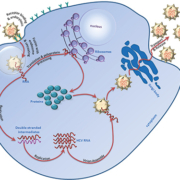
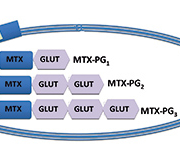
MTX levels peak within hours of oral ingestion and are detectable for less than 24 hours in the serum. Weekly dosing offers no steady-state concentration and, therefore, serum levels are of no clinical benefit. Once in the serum, MTX is transported intracellularly by a reduced folate carrier (RFC) and is changed into a polyglutamated form (MTX-PG1). Further glutamic acid residues (GLUT) are added resulting in up to seven polyglutamates (MTX-PG1–7). This is show in Figure 1.

By using high-performance liquid chromatography it is possible to quantify the seven glutamic residue species in red blood cells [8]. This was first used in children with acute lymphoblastic leukemia [9] and has subsequently been found to correlate with disease activity in other chronic inflammatory conditions. However, MTX-PG6–7 have not previously been detected in RA patients taking MTX [14]; therefore, commonly only MTX-PG1–5 are measured.

Early data suggested that MTX-PG1–2 correlated poorly with drug efficacy in RA; however, the total long-chain polyglutamates (MTX-PG3–5) better reflected the drug effect [8]. MTX-PG3 is the predominant polyglutamate species in red blood cells and is useful to calculate the total long-chain concentrations [10].

Clinical use of methotrexate polyglutamate levels
MTX is widely prescribed for the treatment of RA. Dervieux et al. [10] first looked at the clinical use of MTX-PG measurements in the RA population. In 108 patients who had been on MTX over 3 months, higher MTX-PG levels were associated with a better clinical response to the drug. In particular, patients with a total MTX-PG1–5 that was >60 nmol/L were found to have less tender and swollen joints. The same group expanded their cohort and once again showed that patients with MTX-PG1–5 <60 nmol/L were four times more likely to have a poor response to MTX than those with MTX-PG1–5 >60 nmol/L [11].

Stamp et al. [12] noted large interpatient variability in MTX-PG levels and set out to identify factors that influence levels. Using univariate analysis they found that increased age, impaired renal function, longer duration of treatment and the use of prednisolone resulted in higher MTX-PG levels, whereas smokers generally had lower MTX-PG levels. In contrast to the studies by Dervieux et al., they also surprisingly found that higher doses of MTX were associated with higher MTX-PG levels and increased disease activity [13]. In addition there was no association between MTX-PG levels and adverse effects.

The same group looked at the timing of MTX-PG blood levels and time to steady state [14]. MTX-PG1 was detected 1–2 weeks after first ingestion; however, MTX-PG5 was detected after a median of 7 weeks (range 1–28 weeks). In addition the median time for MTX-PG1–5 to reach steady-state concentration was 27.5 weeks and the median time for MTX-PG1–5 to become undetectable after the last dose was 15 weeks. This highlights that MTX may take up to 6 months to achieve full clinical benefit, which is important to consider when using the levels to assess compliance or to guide dose alteration.

The main trial to be done outside the field of rheumatology was a 55-patient, prospective study into using MTX-PG levels to assess clinical response and compliance in patients with psoriasis [15]. This found the time to steady state of MTX-PG1–5 was between 12–24 weeks, and there was no significant correlation between MTX-PG levels and disease activity.

Methotrexate polyglutamate levels and inflammatory bowel disease
There have been only two studies addressing the potential use of MTX-PG levels in IBD. Egan et al. looked at the total levels when addressing the question of the optimal dose of MTX needed to induce remission in steroid-requiring IBD [16]. They found that subcutaneous initial doses of 15 and 25 mg/week in 32 patients were equally efficacious. In this cohort MTX-PG concentration reached a plateau at around 6–8 weeks after the initiation of therapy and no statistical difference was found between the levels across both doses of the drug. In addition the levels did not correlate with active disease or drug toxicity and did not change significantly after change in MTX dose.

A more recent prospective study from Brooks et al. looked specifically at MTX-PG concentrations in 18 patients with IBD that were on stable doses of MTX [8]. MTX-PG were measured on three occasions and compared to disease activity and reports of toxic side effects. MTX-PG were detected in all the patients and there was little variability in the levels over the study period. Similar to the Stamp et al. RA study [13], higher MTX-PG4&5 were associated with worse disease activity as well as higher toxic effects.

The cohort was small and heterogeneous with different doses of MTX prescribed (median 20 mg/week) and varied administration methods (oral, subcutaneous and via percutaneous endoscopic gastrostomy tube), which is likely to have had a bearing on the results. The data from a similar cohort was presented at Digestive Diseases Week in 2014 [17], which concluded that MTX-PG could be useful in assessing adherence. A non-significant trend showed higher concentrations were associated with active disease, but this may be due to higher doses of MTX being used in those with active disease.

Summary
Methotrexate is an established treatment for IBD. It is an efficacious and well tolerated therapeutic option in CD, particularly when administered SC. More studies are ongoing in the UC population. Measuring MTX-PG levels in RBC has the potential to not only monitor compliance but also correlate with disease activity and toxicity. Two large studies in patients with RA have produced conflicting results but in the small, IBD trials, higher MTX-PG levels, particularly MTX-PG4&5 correlated with increased disease activity and toxicity. It is important, however, to be aware that MTX-PG are influenced by other factors, particularly age and renal function, and may take up to 6 months to reach steady state.

Future trends and developments
Measuring drug levels plays an important role in the management of patients with IBD, as demonstrated by the monitoring of thioguanine nucleotides in those prescribed azathioprine [18]. Measuring MTX-PG offers an exciting step towards individualizing drug treatment and reducing toxicity in those taking MTX. However, at the moment there is a lack of substantial evidence to support the use of measuring MTX-PG levels in IBD, aside from monitoring compliance [19]. A large, prospective trial is warranted to determine clinical benefit before widespread use in the IBD population is advocated.

References
1. Kozarek RA, Patterson DJ, Gelfand MD, et al. methotrexate induces clinical and histological remission in patients with refractory inflammatory bowel disease. Ann Intern Med. 1989; 110: 353–356.
2. Dignass A, Van Assche G, Lindsay JO, et al. The second European evidence-based consensus on the diagnosis and management of Crohn’s disease: Current management. J Crohn’s Colitis 2010; 4: 28–62.
3. Feagan BG, Rochon J, Fedorak RN, et al. Methotrexate in the treatment of Crohn’s disease. New England Journal of Medicine. 1995; 332: 292–297.
4. Kurnik D, Loebstein R, Fishbein E, et al. Bioavailability of oral vs. subcutaneous low-dose methotrexate in patients with Crohn’s disease. Aliment Pharmacol Ther. 2003; 18(1): 57–63.
5. Feagan BG, McDonald JW, Panaccione R, et al. Methotrexate in combination with infliximab is no more effective than infliximab alone in patients with Crohn’s disease. Gastroenterology 2014; 146(3): 681–688.
6. Chande N, Wang Y, MacDonald JK, et al. Methotrexate for induction of remission in ulcerative colitis. Cochrane Database Syst Rev. 2014; 8.
7. Chande N, Abdelgadir I, Gregor J. The safety and tolerability of methotrexate for treating patients with Crohn’s disease. J Clin Gastroenterol. 2011; 45: 599–601.
8. Brooks A, Begg E, Zhang M, et al. Red blood cell methotrexate polyglutamate concentrations in inflammatory bowel disease. Ther Drug Monit. 2007; 29: 619–625.
9. Lena N, Imbert AM, Brunet P, et al. Kinetics of methotrexate and its metabolites in red blood cells. Cancer Drug Deliv. 1987; 4(2): 119–127.
10. Dervieux T, Furst D, Lein DO, et al. Polyglutamation of methotrexate with common polymorphisms in reduced folate carrier, aminoimidazole carboxamide ribonucleotide transformylase, and thymidylate synthase are associated with methotrexate effects in rheumatoid arthritis. Arthritis Rheum. 2004; 50(9): 2766–2774.
11. Dervieux T, Furst D, Lein DO, et al. Pharmacogenetic and metabolite measurements are associated with clinical status in patients with rheumatoid arthritis treated with methotrexate: results of a multicentred cross sectional observational study. Ann Rheum Dis. 2005; 64: 1180–1185.
12. Stamp LK, O’Donnell JL, Chapman PT, et al. Determinants of red blood cell methotrexate polyglutamate concentrations in rheumatoid arthritis patients receiving long-term methotrexate treatment. Arthritis Rheum. 2009; 60(8): 2248–2256.
13. Stamp LK, O’Donnell JL, Chapman PT, et al. Methotrexate polyglutamate concentrations are not associated with disease control in rheumatoid arthritis patients receiving long-term methotrexate therapy. Arthritis Rheum. 2010; 62(2): 359–368.
14. Dalrymple JM, Stamp LK, O’Donnell JL, et al. Pharmacokinetics of oral methotrexate in patients with rheumatoid arthritis. Arthritis Rheum. 2008; 58(11): 3299–3308.
15. Woolf RT, West SL, Arenas-Hernandez M, et al. Methotrexate polyglutamates as a marker of patient compliance and clinical response in psoriasis: a single-centre prospective study. Br J Dermatol. 2012; 167: 165–173.
16. Egan LJ, Sandborn WJ, Tremaine WJ, et al. A randomised dose-response and pharmacokinetic study of methotrexate for refractory inflammatory Crohn’s disease and ulcerative colitis. Aliment Pharmacol and Ther. 1999; 13: 1597–1604.
17. Ward MG, Fong S, Nasr I, et al. Higher red blood cell methotrexate polyglutamates correlate with increased disease activity, and are useful in assessing adherence. Abstract presented at Digestive Disease Week 2014.
18. Smith M, Blaker, P, Patel C, et al. The impact of introducing thioguanine nucleotide monitoring into an inflammatory bowel disease clinic. Int J Clin Pract. 2013; 67(2): 161–169.
19. Bruns T, Stallmach A. Drug monitoring in inflammatory bowel disease: helpful of dispensable? Dig Dis. 2009; 27: 394–403.

The authors
Emma L. Johnston1 MBBS BSc MRCP, Steven C. Fong1 MBBS MRCP, Anthony M. Marinaki2 PhD, Monica Arenas-Hernandez2 PhD, Jeremy D. Sanderson*1 MD FRCP
1Inflammatory Bowel Disease Centre, Dept of Gastroenterology, Guy’s and St Thomas’ NHS Foundation Trust, London, UK.
2Purine Research Laboratory, Viapath, Guy’s & St. Thomas’ NHS Foundation Trust, London, UK.

*Corresponding author
E-mail: jeremy.sanderson@kcl.ac.uk
https://clinlabint.com/wp-content/uploads/sites/2/2020/08/C195_Figure-1_crop.jpg 147 400 3wmedia https://clinlabint.com/wp-content/uploads/sites/2/2020/06/clinlab-logo.png 3wmedia2020-08-26 09:43:542021-01-08 11:36:34Monitoring methotrexate polyglutamate levels in inflammatory bowel disease: where do we stand?
26888 E77 CLI 92x178 201502NEW 1

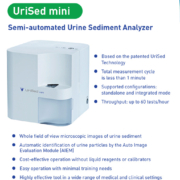
UriSed mini

, 26 August 2020/in Featured Articles /by 3wmedia
https://clinlabint.com/wp-content/uploads/sites/2/2020/08/26888_E77_CLI_92x178_201502NEW-1.jpg 1000 518 3wmedia https://clinlabint.com/wp-content/uploads/sites/2/2020/06/clinlab-logo.png 3wmedia2020-08-26 09:43:542021-01-08 11:36:44UriSed mini
26785 Diesse Pagina Cli Plusfinder DUBAI

Plusfinder ++ The new system for rapid screening of UTI

, 26 August 2020/in Featured Articles /by 3wmedia
https://clinlabint.com/wp-content/uploads/sites/2/2020/08/26785-Diesse-Pagina-Cli-Plusfinder-DUBAI.jpg 492 700 3wmedia https://clinlabint.com/wp-content/uploads/sites/2/2020/06/clinlab-logo.png 3wmedia2020-08-26 09:43:542021-01-08 11:36:55Plusfinder ++ The new system for rapid screening of UTI

Test systems for autoantibodies against neuronal antigens

, 26 August 2020/in Featured Articles /by 3wmedia
https://clinlabint.com/wp-content/uploads/sites/2/2020/06/clinlab-logo.png 0 0 3wmedia https://clinlabint.com/wp-content/uploads/sites/2/2020/06/clinlab-logo.png 3wmedia2020-08-26 09:43:542021-01-08 11:36:37Test systems for autoantibodies against neuronal antigens
C190 Parisi image

HCV infection: recent advances of an alternative screening approach

, 26 August 2020/in Featured Articles /by 3wmedia

Over the last few years, hepatitis C virus (HCV) infection has emerged as one of the most significant causes of chronic liver disease worldwide, with estimated prevalence ranging from 2.2 to 3.0%. Since January 2011, the Infectious Diseases Department of San Raffaele Scientific Institute in Milan carried out a prevention programme called ‘EASY test project’, to diagnose the HCV infection. In these four years a total of 35,000 subjects have been approached to inform them about HCV infection and other sexually transmitted diseases. Of the total eligible volunteers, 6500 (18,6% of contacted subjects) performed HCV tests on saliva and completed the interview in the alternative ‘street lab’. We believe that increasing awareness of these alternative tests among individuals at risk and providers may be an appropriate strategy to increase the number of people who know their serological status and who could be linked to care and engaged in care!

by M.R. Parisi, Dr L. Soldini, Dr G. Vidoni, Dr K. Schlusnus, Dr F. Dorigatti, and Prof. A. Lazzarin

Background
Over the last few years, hepatitis C virus (HCV) infection has emerged as one of the most significant causes of chronic liver disease worldwide, with estimated prevalence ranging from 2.2 to 3.0% (1).

In our country, the proportion of subjects infected with HCV is approximately 2% of the general population with a gradient that increases from the north to the south and the islands and with age (60% of patients with hepatitis C are over 65 years old). It is estimated that about 1 million people in Italy are ill with hepatitis C (2).
As acute HCV infection is usually asymptomatic, early diagnosis is rare. Those people who are developing chronic infection, even though undiagnosed, may suffer serious liver damage. In fact, a significant proportion of HCV infected subjects will ultimately progress to liver cirrhosis and/or hepatocellular carcinoma, making chronic HCV infection a major health problem (3, 4).

Despite the excellent accuracy of the tests currently available for the detection of anti-HCV antibodies (anti-HCV), the delay in reporting the results, the need for specialized equipment for processing the samples and interpreting the results, as well as the need to transfer individuals to sample collection and processing centres, limit their use as screening tools. Serologic points-of-care tests (POCTs) have several advantages, namely that they require little specialized apparatus, can be brought to the individuals who are to be tested and allow diagnosis in as little as a few minutes in different clinical settings (5). These advantages might be translated into increased testing opportunity and, ultimately, identification of more patients who could benefit from antiviral treatment (6). Over the last few years, several tests for rapid detection of anti-HCV have been developed and are currently in use in various countries; however, only recently, the first POCT was approved by the U.S. Food and Drug Administration (7). The investigation of the diagnostic accuracy of POCTs and rapid tests for the detection of anti-HCV is a highly relevant topic. As well as the great importance of the issue in terms of public health, there is a lack of studies evaluating the performance of several of the currently used tests.

EASY test project
Since January 2011, the Infectious Diseases Department of San Raffaele Scientific Institute in Milan carried out a Prevention Program called “EASY test project”, using the new oral test (rapid and non-invasive) the OraQuick® HCV Rapid Antibody Test (OraSure technologies, Inc.) to diagnose the HCV infection. The test is a single-use, immunoassay for the qualitative detection of antibodies to hepatitis C virus (anti-HCV) in oral fluid, fingerstick whole blood, venipuncture whole blood and plasma specimens. The HCV rapid test received the FDA approval for use with oral fluid on 28 June 2010.

The clinical sensitivity and specificity of the OraQuick HCV test using oral fluid were 97.8% (95% confidence interval [CI]) and 100% (95% CI, 98.4-100%), respectively (8). 

The main objective of the project is to evaluate the acceptability of an alternative, free and anonymous HCV test offer, available in different settings (in Points of Care, STDs Prevention clinics and General Practitioner surgeries) (9, 10). Furthermore, contacting the ‘hard-to-reach’ people with this anonymous and free test offer could reduce or stop this public health problem, by making an easy link to healthcare.

Subjects who underwent the test were asked to complete an anonymous questionnaire, through which it has been possible to collect a series of data on risk behaviours of the population tested. The questionnaire was devised with the intention of collecting demographic and risk behaviour data, as well as previous HCV/HIV testing experience, information about sex, drug use, educational level, nationality, general behaviours, use of HIV/HCV prevention services, previous surgical practices, invasive diagnostic practices, dental cares, tattoos or sexually transmitted diseases. Post-test counselling has been provided to all HCV reactive and non-reactive subjects, by the Infectious Diseases Department physicians involved in the study. The test was been carried out by a biologist or a practitioner, following the manufacturer’s procedures.

If the HCV oral test provided a preliminary positive result, a venipuncture was performed immediately for standard test confirmation, supported by the post-test counselling.

The results were received in two working days. At this point, the HCV-positive patient was contacted directly by the infectious diseases specialist for the visit and the diagnostic procedures to define the liver disease status and eventually to start the treatment, according to the guidelines for when HCV viral load and genotype are identified.
In these four years a total of 35,000 subjects have been approached to inform them about HCV infection and other sexually transmitted diseases. Of the total eligible volunteers, 6500 (18.6%) performed HCV tests on saliva and completed the interview in the alternative ‘street lab’. From the questionnaires we know that this initiative has been much appreciated.

Discussion
In recent years, advances in detection technology made available a range of POCTs for different infectious diseases. It is now possible to screen and diagnose those conditions at primary healthcare settings, using minimally invasive tests. In the present study, a new POCT for HCV infection has been performed on oral fluid. The use of oral fluid is an attractive alternative based on the fact that collection of plasma or serum samples requires equipment and training, and is more time consuming.

The FDA-approved OraQuick HCV Rapid Antibody Test (OraSure Technologies) is one of the most studied rapid tests for the diagnosis of HCV infection.

The development of rapid alternative tests for the diagnosis of HCV infection is to facilitate access to testing to reduce the individual risk of disease progression and social costs.

Despite the excellent sensitivity and specificity of third-generation enzyme immunoassays (EIAs), the turnaround time for reporting test results is at least one day, thereby making it difficult to deliver the results to tested individuals at first visit. Rapid tests are formatted such that they do not require complicated instrumentation or testing by skilled technical staff. They potentially generate results within an hour and therefore may be used for point-of-care testing.  Rapid tests are obviously more expensive than conventional immunoassays and are not designed for testing large batches of specimens. However, in no-clinical settings and laboratories that conduct low-volume testing, adoption of rapid oral testing can be cost-effective. CDC guidelines formulated for confirming screening anti-HCV results remain to be refined to accommodate rapid anti-HCV testing. It is important to emphasize that OraQuick HCV test has not been approved for general screening. A positive result of a rapid anti-HCV positive test is indicative of the presence of anti-HCV and, again, does not indicate active infection (11).

We successfully conducted this rapid HCV testing and counselling programme with the goal of spreading the use of saliva test anonymously and free of charge. We aim to facilitate access to testing in alternative settings, in order to understand if the ‘hard-to access’ population would access salivary rapid testing versus the conventional settings.

Increasing awareness of these alternative tests among individuals at risk and providers may be an appropriate strategy to increase the number of people who know their serological status and who could be linked to care and engaged in care!

The recent introduction of rapid oral HCV antibody test could completely change the HCV diagnosis approach by facilitating the possibility of testing millions of people worldwide (in particular in the developing countries).

For these reasons, we hope the oral-fluid based rapid HCV tests could become the ‘gold standard’ to facilitate the HCV screening access and become the standard of care and the basis for the national HCV testing algorithm in many countries with spread HCV epidemic, also in the dental care surgeries.

References

1. Lavanchy D. The global burden of hepatitis C. Liver Int. 2009; 29: 74–81.
2. Istituto Superiore di Sanita (ISS). Available at: www.iss.it.
3. Hoofnagle JH. Hepatitis C: the clinical spectrum of disease. Hepatology 1997; 26: 15S–20S.
4. Hutin Y, Kitler M, Dore G, Perz J, Armstrong G, Dusheiko G, et al. Global burden of disease (GBD) for hepatitis C. J Clin Pharmacol. 2004; 44: 20–29.
5. Ferreira-Gonzales A, Shiffman ML. Use of diagnostic testing for managing hepatitis C virus infection. Semin Liver Dis. 2004; 24: 9–18.
6. Tucker JD, Bien CH, Peeling RW. Point-of-care testing for sexually transmitted infections: recent advances and implications for disease control. Curr Opin Infect Dis. 2013; 26: 73–79.
7. Food and Drug Administration. Available at: http://www.accessdata.fda.gov/scripts/cdrh/cfdocs/cfClia/detail
8. OraQuick HCV Rapid Antibody Test. Available from:
http://www.fda.gov/MedicalDevices/productsandMedicalProcedures/DeviceApprovalsandClearances/Recently-approved-Devices
9. Parisi MR, Soldini L, Di Perri G, Tiberi S, Lazzarin A, et al. Offer of rapid testing and alternative biological samples as practical tools to implement HIV screening programs. New Microbiol. 2009; 32(4): 391–396.
10. Parisi MR, Soldini L, Vidoni GM, Clemente F, Mabellini C, Belloni T, Nozza S, Brignolo L, Negri S, Rusconi S, Schlusnus K, Dorigatti F, Lazzarin A. Cross-sectional study of community serostatus to highlight undiagnosed HIV infections with oral fluid HIV-1/2 rapid test in non-conventional settings. New Microbiol. 2013; 36(2): 121–132.
11. Center for Disease Control and Prevention. Recommendations for prevention and control of hepatitis C virus (HCV) infection and HCV-related chronic disease. Available from: http://www.cdc.gov/hepatitis/hcv/Management.htm.

The authors
Maria Rita Parisi*1 MSc, Laura Soldini2 MD, Gianmarino Vidoni3 MD, Karin Schlusnus4 PhD, Fernanda Dorigatti2 MD, Adriano Lazzarin1 MD
1Division of Immunology, Transplantation and Infectious Diseases, Vita-Salute University, San Raffaele Scientific Institute, Milan, Italy
2Laboraf Diagnostic and Research OSR S.p.A., San Raffaele Scientific Institute, Milan, Italy
3Prevention Department, Reference Centre for HIV and STDs, Local Public Health Unit, Milan, Italy
4ANLAIDS Lombardia Onlus, Milan, Italy

*Corresponding author
E-mail: parisi.mariarita@hsr.it

https://clinlabint.com/wp-content/uploads/sites/2/2020/08/C190_Parisi_image.jpg 375 500 3wmedia https://clinlabint.com/wp-content/uploads/sites/2/2020/06/clinlab-logo.png 3wmedia2020-08-26 09:43:542021-01-08 11:36:48HCV infection: recent advances of an alternative screening approach
26780 Biohit CLI Medica 188x86

Biohit is expanding its GI tract product portfolio

, 26 August 2020/in Featured Articles /by 3wmedia
https://clinlabint.com/wp-content/uploads/sites/2/2020/08/26780-Biohit_CLI_Medica_188x86.jpg 320 700 3wmedia https://clinlabint.com/wp-content/uploads/sites/2/2020/06/clinlab-logo.png 3wmedia2020-08-26 09:43:542021-01-08 11:36:59Biohit is expanding its GI tract product portfolio
26907 Sekisui CLI 2015 Corparate Ad FINAL

Your global partner for over 30 years

, 26 August 2020/in Featured Articles /by 3wmedia
https://clinlabint.com/wp-content/uploads/sites/2/2020/08/26907-Sekisui-CLI_2015_Corparate_Ad_FINAL.jpg 1000 681 3wmedia https://clinlabint.com/wp-content/uploads/sites/2/2020/06/clinlab-logo.png 3wmedia2020-08-26 09:43:542021-01-08 11:36:41Your global partner for over 30 years
NEW edan ad cli dec jan 2014 2015

i15 Blood Gas and Chemistry Analyzer (POCT)

, 26 August 2020/in Featured Articles /by 3wmedia
https://clinlabint.com/wp-content/uploads/sites/2/2020/08/NEW_edan-ad-cli-dec-jan-2014-2015.jpg 964 700 3wmedia https://clinlabint.com/wp-content/uploads/sites/2/2020/06/clinlab-logo.png 3wmedia2020-08-26 09:43:542021-01-08 11:36:52i15 Blood Gas and Chemistry Analyzer (POCT)
C200 Beck Fig

New psychoactive substances pose a challenge for drug testing laboratories

, 26 August 2020/in Featured Articles /by 3wmedia

New psychoactive substances (NPS) reach the recreational drugs market at a fast pace and are of concern because of potential health risks. In addition to not being legally regulated, NPS escape detection in standard drug tests. Drug testing laboratories, therefore, must adapt their analytical methods to also cover these new substances. For screening and confirmation of NPS, mass-spectrometric multicomponent methods are useful.

by Prof. Olof Beck and Prof. Anders Helander

New psychoactive substances
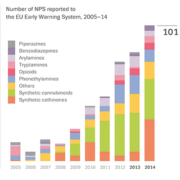
The emergence of new drugs of abuse that are designed to circumvent narcotics legislation by slight chemical structural modifications of already classified drugs represents an ever increasing problem [1, 2]. Nowadays, this phenomenon is commonly termed ‘new psychoactive substances’ or ‘NPS’, but also other names such as designer drugs, legal highs, research chemicals, smart drugs, bath salts, and spice have been and are used. The NPS problem is of global concern but may vary in extent between countries, partly due to national differences in legislation and drug culture. Statistics from the EU Early Warning System operated by the European Monitoring Centre for Drugs and Drug Addiction (EMCDDA) and Europol on the number of NPS reported for the first time in Europe on a yearly basis gives a good insight on the progress of this phenomenon (Fig. 1) [2]. Over the past 6 years particularly, it has escalated to the level of more than 100 new substances in 2014 (i.e. about two new substances each week on average). The NPS market was long dominated by stimulants and synthetic cannabinoids but currently comprises all classes of abused substances [2].

Problems related to NPS
NPS are of particular concern because they can be sold openly in web-based shops and elsewhere and thereby reach new drug users that are attracted by their ‘legal’ status. Of public concern are the unforeseen toxic effects of NPS, as using these uncontrolled and unsafe substances and products may lead to severe intoxication and even death [1, 3]. In Sweden, the progress of the NPS phenomenon and associated harmful effects has been followed in a collaborative project between the Department of Laboratory Medicine at the Karolinska University Hospital and the Karolinska Institutet, and the Swedish Poisons Information Center [3, 4]. This project, named STRIDA, enrolls patients with suspected NPS intoxication presenting in emergency departments all over the country. By combining the results from laboratory investigations of serum and urine samples with clinical information, new knowledge about NPS prevalence and toxicity is compiled. Since the start in 2010, the STRIDA project has documented over 2000 non-fatal but often severe acute intoxication cases involving a large number of different NPS. Polydrug use is commonly seen in these cases [3].

NPS in drug screening
One reason for using NPS instead of conventional drugs of abuse may be that NPS often remain undetected in standard drug testing procedures. Accordingly they are especially attractive alternatives for individuals who want to minimize the risk of being detected, such as in workplace drug testing and drug rehabilitation programmes.

The established procedure for drug testing is to use initial screening by immunoassays and then to confirm positive samples using methods based on the more sensitive and selective mass spectrometry (MS) technique. On one hand, the NPS present a challenge for the immunoassay screening, as available methods are typically directed only towards the conventional substances, e.g. amphetamines (amphetamine and methamphetamine), tetrahydrocannabinolcarboxylic acid (THC, cannabis), morphine (heroin), and benzoyl ecgonine (cocaine). On the other hand, as NPS are often designed to mimic and are chemical derivatives of conventional drugs, there is a possibility that certain NPS will also bind to (i.e. cross-react with) the antibodies used in immunoassay screening methods. And this is indeed the case. However, when these ‘false-positive’ screening results are subjected to confirmatory analysis by methods based on MS detection, they will turn out negative (i.e. ‘false-negative’ for drug use), if the MS method is only directed toward the standard set of abused drugs.

Cross-reactivity of NPS in immunoassays
When ecstasy (3,4-methylenedioxymethamphetamine, MDMA) became established as a street drug, interest emerged to detect it in immunoassay screening. MDMA and its metabolite 3,4-methylenedioxyamphetamine (MDA) were found to be detectable in existing assays for amphetamine and methamphetamine, due to a high degree of cross-reactivity for these compounds [5]. Likewise, also other new amphetamine-like substances were detectable [6].

However, although many NPS showed low cross-reactivity in commercial immunoassays [7, 8], the stimulant methylenedioxypyrovalerone (MDPV) was reported to cross-react in the CEDIA phencyclidine test [9]. A study from the authors’ laboratory comprising 45 NPS confirmed that several possessed chemical similarities leading to high cross-reactivity in the immunochemical screening tests commonly employed in routine urine drug testing [10]. The detectability of NPS observed to possess cross-reactivity was further confirmed by analysis of urine specimens from authentic intoxication cases included in the STRIDA project (Table 1). Given a more widespread use of new drugs among individuals subjected to drug testing, an increased number of unconfirmed positive screening results may occur.
The cross-reactivity for NPS in current screening assays may be seen as a problem or as a possibility to detect more substances. One possibility for improved drug testing is to include the most common new substances in the confirmation methods. As ecstasy became established as an illicit drug, new immunochemical screening tests for amphetamine/methamphetamine were developed that also included MDMA and MDA. Authentic case samples were used to demonstrate the capability of several commercial amphetamine class screening tests to detect MDMA/MDA. At that time, cross-reactivity towards the new ‘amphetamine’ analytes was wanted [5]. With the advent of the large number of NPS, both legal and illegal, the strategy to also cover new substances in the screening assays for classical narcotic drug substances may not be feasible. For example, the multitude of new synthetic cannabinoids (‘spice’) have not been incorporated in screening tests for THC, but resulted in the development of new independent tests [11].

One approach put forward to understand the potential of immunoassays to detect NPS is to use molecular similarity models [12]. Interestingly, the work of Petrie and co-workers [13] included such a molecular modelling method to predict the cross-reactivity of 261 amphetamine-like compounds. However, when comparing the theoretical data with our experimental data for one compound, the predicted reactivity for butylone was 10 times lower than that observed. In a more recent publication, it was proposed that molecular similarity models could be used to design new immunoassays with sensitivity for a larger number of target compounds [14].

NPS analysis by mass spectrometry
Another analytical strategy to cover NPS in drug testing is to employ MS-based ‘screening’ methods. As part of the STRIDA project, a multicomponent analytical MS method for NPS analysis in urine and serum specimens has been developed [15]. The method uses MS in combination with liquid chromatography (LC-MS/MS in selected-reaction monitoring mode) and is continuously updated as new NPS appear. There are also other methods for multicomponent screening of drugs in urine and plasma/serum, which proves that this technology can be employed in routine drug testing [16].

The LC-MS/MS technique has great potential for drug testing and for clinical laboratories in general. There are examples of laboratories that have already successfully replaced immunoassay screening by MS methods, also for the conventional drugs of abuse [17]. One way to make this possible and cost-effective is to use simple sample preparation procedures, e.g. a simple dilution of urine with internal standards [16]. When studying the cross-reactivity of 30 NPS in commercial ELISA tests for serum and blood, only a few were found to display cross-reactivity, and it was therefore proposed that MS methods should be used in future drug screening [18]. One attraction of MS-based screening is that accurate results are already obtained from the initial analytical step, which may be especially important in cases of acute intoxication (Fig. 2).

Potential of high-resolution MS

One promising technique for drug screening is high-resolution MS (HRMS) [19]. In the HRMS technique, the acquisition of data can be made with an untargeted design. Thousands of substances can be monitored at the same time without the need for optimizing MS parameters for each compound. In addition, new compounds can be searched for retrospectively.

Conclusion
The NPS present a challenge for drug testing laboratories and calls for novel drug screening strategies. It is likely that the current broader spectrum of abused psychoactive drugs will persist in at least in the foreseeable future. This new drug situation has put the performance of drug testing into focus and indicates that drug testing laboratories will play a more important role, as on-site drug screening using dipsticks is likely to lose significance.

References
1. Lewin AH, Seltzman HH, Carroll FI, Mascarella SW, Reddy PA. Emergence and properties of spice and bath salts: A medicinal chemistry perspective. Life Sci. 2014; 97: 9–19.
2. EMCDDA. New psychoactive substances in Europe. An update from the EU Early Warning System (March 2015). 2015. Available at: http://www.emcdda.europa.eu/attachements.cfm/att_235958_EN_TD0415135ENN.pdf.
3. Helander A, Bäckberg M, Hultén P, Al-Saffar Y, Beck O. Detection of new psychoactive substance use among emergency room patients: results from the Swedish STRIDA project. Forensic Sci Int. 2014; 243: 23–29.
4. Helander A, Bäckberg M, Beck O. MT-45, a new psychoactive substance associated with hearing loss and unconsciousness. Clin Toxicol. 2014; 52(8): 901–904.
5. Hsu J, Liu C, Hsu CP, Tsay WI, Li JH, Lin DL, Liu RH. Performance characteristics of selected immunoassays for preliminary test of 3,4-methylenedioxymethamphetamine, methamphetamine, and related drugs in urine specimens. J Anal Toxicol. 2003; 27: 471–478.
6. Apollonio LG, Whittall IR, Pianca DJ, Kyd JM, Haher WA. Matrix effect and cross-reactivity of select amphetamine-type substances, designer analogues, and putrefactive amines using Bio-Quant direct Elisa presumptive assays for amphetamine and methamphetamine. J Anal Toxicol. 2007; 31: 208–213.
7. Kerrigan S, Mellon MB, Banuelos S, Arndt C. Evaluation of commercial enzyme-linked immuno assays to identify psychedelic phenethylamines. J Anal Toxicol. 2011; 35: 444–451.
8. Bell C, George C, Kicman AT, Traynor A. Development of a rapid LC-MS/MS method for direct urinalysis of designer drugs. Drug Test Anal. 2011; 3: 496–504.
9. Macher AM, Penders TM. False-positive phencyclidine immunoassay results caused by 3,4-methylenedioxypyrovalerone (MDPV). Drug Test Anal. 2012; 5: 130–132.
10. Beck O, Rausberg L, Al-Saffar Y, Villen T, Karlsson L, Hansson T, Helander A. Detectability of new psychoactive substances, ‘legal highs’, in CEDIA, EMIT, and KIMS immunochemical screening assays for drugs of abuse. Drug Test Anal. 2014; 6: 492–499.
11. Arntson A, Ofsa B, Lancaster D, Simon JR, McMullin M, Logan B. Validation of a novel immunoassay for the detection of synthetic cannabinoids and metabolites in urine specimens. J Anal Toxicol. 2013; 37: 284–290.
12. Krasowski MD, Pizon AF, Siam MG, Giannoutsos S, Iyer M, Ekins S. Using molecular similarity to highlight the challenges of routine immunoassay-based drug of abuse/toxicology screening in emergency medicine. BMC Emerg Med. 2009; 9: 5.
13. Petrie M, Lynch KL, Ekins S, Chang JS, Goetz RJ, Wu AHB, Krasowski MD. Cross-reactivity studies and predictive modeling of “Bath Salts” and other amphetamine-type stimulants with amphetamine screening immunoassays. Clin Toxicol. 2013; 51: 83–91.
14. Krasowski MD, Ekins S. Using cheminformatics to predict cross reactivity of “designer drugs” to their currently available immunoassays. J. Cheminform. 2014; 6: 22.
15. Al-Saffar Y, Stephanson NN, Beck O. Multicomponent LC-MS/MS screening method for detection of new psychoactive drugs, legal highs, in urine – experience from the Swedish population. J Chromatogr B 2013; 930: 112–120.
16. Beck O, Ericsson M. Methods for urine drug testing using one-step dilution and direct injection in combination with LC-MS/MS and LC-HRMS. Bioanalysis 2014; 6 : 2229–2244.
17. Eichhorst JC, Etter ML, Rousseaux N, Lehotay DC. Drugs of abuse testing by tandem mass spectrometry: A rapid, simple method to replace immunoassays. Clin Biochem. 2009; 42: 1531–1542.
18. Swortwood MJ, Hearn WL, DeCaprio AP. Cross-reactivity of designer drugs, including cathinone derivatives, in commercial enzyme-linked immunosorbent assays. 2014; 6: 716–727.
19. Maurer HH. What is the future of (ultra) high performance liquid chromatography coupled to low and high resolution mass spectrometry for toxicological drug screening? J Chromatogr A 2013; 1292: 19–24.

The authors

Olof Beck*1,3 PhD and Anders Helander2,3 PhD
1Department of Clinical Pharmacology, Karolinska University Laboratory Huddinge, Sweden
2Department of Clinical Chemistry, Karolinska University Laboratory Huddinge, Sweden
3Department of Laboratory Medicine, Karolinska Institutet, Stockholm, Sweden

*Corresponding author
E-mail: olof.beck@karolinska.se

https://clinlabint.com/wp-content/uploads/sites/2/2020/08/C200_Beck_Fig.jpg 406 400 3wmedia https://clinlabint.com/wp-content/uploads/sites/2/2020/06/clinlab-logo.png 3wmedia2020-08-26 09:43:542021-01-08 11:36:35New psychoactive substances pose a challenge for drug testing laboratories
26873 Diasource CLI Advert 2015 May

Diasource immunoassays, the vitamin D expert

, 26 August 2020/in Featured Articles /by 3wmedia
https://clinlabint.com/wp-content/uploads/sites/2/2020/08/26873-Diasource-CLI-Advert-2015-May.jpg 1000 524 3wmedia https://clinlabint.com/wp-content/uploads/sites/2/2020/06/clinlab-logo.png 3wmedia2020-08-26 09:43:542021-01-08 11:36:37Diasource immunoassays, the vitamin D expert
Page 81 of 146«‹7980818283›»
Bio-Rad - Preparing for a Stress-free QC Audit

Latest issue of Clinical laboratory

June 2026

CLi Cover June 2026
18 June 2026

Immunoglobulin Assays

18 June 2026

euroimmun From Revvity | Fully automated specialty testing with the IDS i20.

18 June 2026

HOLOGIC | A New Approach to Gastrointestinal Bacterial Testing.1,2

Digital edition
All articles Archived issues

Free subscription

View more product news

Get our e-alert

The leading international magazine for Clinical laboratory Equipment for everyone in the Vitro diagnostics

Sign up today
  • News
    • Featured Articles
    • Product News
    • E-News
  • Magazine
    • About us
    • Archived issues
    • Free subscriptions
    • Media kit
    • Submit Press Release
clinlab logo blackbg 1

Prins Hendrikstraat 1
5611HH Eindhoven
The Netherlands
info@clinlabint.com

PanGlobal Media is not responsible for any error or omission that might occur in the electronic display of product or company data.

Scroll to top

This site uses cookies. By continuing to browse the site, you are agreeing to our use of cookies.

Accept settingsHide notification onlyCookie settings

Cookie and Privacy Settings


How we use cookies

We may ask you to place cookies on your device. We use cookies to let us know when you visit our websites, how you interact with us, to enrich your user experience and to customise your relationship with our website.

Click on the different sections for more information. You can also change some of your preferences. Please note that blocking some types of cookies may affect your experience on our websites and the services we can provide.

Essential Website Cookies

These cookies are strictly necessary to provide you with services available through our website and to use some of its features.

Because these cookies are strictly necessary to provide the website, refusing them will affect the functioning of our site. You can always block or delete cookies by changing your browser settings and block all cookies on this website forcibly. But this will always ask you to accept/refuse cookies when you visit our site again.

We fully respect if you want to refuse cookies, but to avoid asking you each time again to kindly allow us to store a cookie for that purpose. You are always free to unsubscribe or other cookies to get a better experience. If you refuse cookies, we will delete all cookies set in our domain.

We provide you with a list of cookies stored on your computer in our domain, so that you can check what we have stored. For security reasons, we cannot display or modify cookies from other domains. You can check these in your browser's security settings.

.

Google Analytics Cookies

These cookies collect information that is used in aggregate form to help us understand how our website is used or how effective our marketing campaigns are, or to help us customise our website and application for you to improve your experience.

If you do not want us to track your visit to our site, you can disable this in your browser here:

.

Other external services

We also use various external services such as Google Webfonts, Google Maps and external video providers. Since these providers may collect personal data such as your IP address, you can block them here. Please note that this may significantly reduce the functionality and appearance of our site. Changes will only be effective once you reload the page

Google Webfont Settings:

Google Maps Settings:

Google reCaptcha settings:

Vimeo and Youtube videos embedding:

.

Privacy Beleid

U kunt meer lezen over onze cookies en privacy-instellingen op onze Privacybeleid-pagina.

Privacy policy
Accept settingsHide notification only

Subscribe now!

Become a reader.

Free subscription