Shimadzu Europe
  • News
    • Featured Articles
    • Product News
    • E-News
  • Magazine
    • About us
    • Digital edition
    • Archived issues
    • Free subscriptions
    • Media kit
    • Submit Press Release
  • White Papers
  • Events
  • Suppliers
  • E-Alert
  • Contact us
  • FREE newsletter subscription
  • Search
  • Menu Menu
Clinical Laboratory int.
  • Allergies
  • Cardiac
  • Gastrointestinal
  • Hematology
  • Microbiology
  • Microscopy & Imaging
  • Molecular Diagnostics
  • Pathology & Histology
  • Protein Analysis
  • Rapid Tests
  • Therapeutic Drug Monitoring
  • Tumour Markers
  • Urine Analysis

Archive for category: Featured Articles

Featured Articles

p.44 1

Introducing the DxN VERIS molecular diagnostics system from Beckman Coulter, Inc.

, 26 August 2020/in Featured Articles /by 3wmedia

Delegates at ECCMID 2015, held in Copenhagen from 25th to 28th April 2015, attended a symposium introducing Beckman Coulter’s new DxN VERIS Molecular Diagnostics System.*  DxN VERIS provides a fully automated sample to result platform with true single sample random access, integrating sample introduction, nucleic acid extraction, reaction setup, real-time PCR amplification, detection and results interpretation into a single system that is set to revolutionize laboratory workflows.
Speakers from four of the 10 DxN VERIS beta study sites shared their experiences and results from comparative evaluations of this new system. 

Meeting molecular diagnostic needs
By way of introduction, Hervé Fleury described the molecular diagnostic needs in Europe, where laboratories are becoming fewer and larger, both in the public and private sectors. The number of molecular scientists available for routine tasks is also decreasing, he said, and there is a need for the level of automation, from preanalytics to analytical, that the DxN VERIS will bring.
He then described the DxN VERIS technology, which is able to provide results in approximately 75 minutes for DNA targets and in around 110 minutes for RNA targets, performing in excess of 150 and 100 results in 8 hours for DNA and RNA targets respectively. CE marked DxN VERIS assays for human cytomegalovirus (CMV) and hepatitis B virus (HBV) are already available, in addition to assays for hepatitis C virus (HCV) and human immunodeficiency virus (HIV).  DxN VERIS products in the pipeline include assays for Chlamydia trachomatis and Neisseria gonorrhea (CT/NG), MRSA (screen), Clostridium difficile, respiratory virus multiplex and human papilloma virus (HPV).

Excellent performance criteria
All four speakers at the ECCMID Symposium described excellent analytical and clinical performance criteria for the VERIS assays evaluated. 
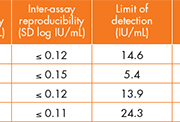
Jacques Izopet reported very good analytical performance results for all four VERIS assays that are currently available (table 1).  In addition, these assays demonstrated good agreement with an alternative method (Cobas® Ampliprep/ Cobas® TaqMan™).  Significantly, in a patient monitoring setting, the VERIS CMV assay demonstrated overlapping patterns compared to this alternative for plasma samples and compared to a whole blood reference method (figure 1).

Rafael Delgado then went on to present the results from his evaluation of the VERIS CMV and HBV assays.  At his laboratory, both assays were extremely sensitive and specific, exhibited a high linearity and repeatability, and showed good correlation with an alternative method (Cobas Ampliprep/ Cobas TaqMan*) (figure 2). In addition, the system demonstrated no carry over when known high positive samples were interspersed among known negative samples.

Rafael Delgado concluded that the overall performance and easy to use design of the DxN VERIS platform facilitated the introduction of this technology in the laboratory and that the DxN VERIS CMV and HBV viral load assays are helpful new solutions for patient management.

In his evaluation of the DxN VERIS HBV assay, Duncan Whittaker observed excellent precision (within and between run), with a standard deviation of ≤ 0.12, and a limit of detection of 7.99 IU/mL, which is less than the manufacturer’s claim of 10 IU/mL.  He described the existing method at the Sheffield laboratory as very manual (with separate extraction and amplification systems) which was adequate when they received just 10-12 HBV samples every two weeks but which struggles to cope now that they are receiving up to 80 samples per week. 

Duncan Whittaker reported that the quantitative results from the VERIS assay were similar to their exisitng method (Qiagen) (figure 3) with improved precision at lower levels (table 2).  He was also able to demonstrate excellent performance and reproducibility across HBV genotypes.  In conclusion, he stated that the DxN VERIS Molecular Diagnostics System offers significant improvements in laboratory workflow and time.

Finally, Giovanni Gesu also shared his results from the evaluation of the DxN VERIS HBV assay.  At the Niguarda ca’ Granda Hospital in Milan, DxN VERIS HBV demonstrated excellent within and between run precision (SD ≤ 0.156), linearity (1.63 – 8.82 log IU/mL) and sensitivity (limit of detection 6.82 IU/mL), and performed well compared to an alternative HBV real time method (Abbott m2000).

In order to demonstrate the potential workflow and throughput efficiences that the DxN VERIS platform could achieve, Giovanni Gesu applied the throughput capabilities of this new system to a typical day in his laboratory, in which 33 CMV, 17 HBV, 26 HCV and 21 HIV samples were received.  With samples arriving at two hour intervals throughout the day between 10am and 4pm, the true single sample random access capability of the DxN VERIS platform combined with assay runtimes of around 70 minutes for DNA tests and around 110 minutes for RNA tests, would mean that samples would not  need to be batched and that all results could be reported by 6pm on the same day (figure 4).
 
Conclusions
In conclusion, each of the speakers at the ECCMID Symposium agreed that the analytical performance of the DxN VERIS assays evaluated was excellent, and they compared well to other molecular diagnostic assays currently available.  In addition, the sample-to- result automation and true single sample random access of the DxN VERIS Molecular Diagnostics System offer workflow improvements and laboratory efficiencies.

For further information about the DxN VERIS Molecular Diagnostics System and the DxN VERIS assays currently available, please contact: Tiffany Page, Senior Pan European Marketing Manager Molecular Diagnostics, Email: info@beckmanmolecular.com

*Not for sale or distribution in the U.S.; not available in all markets.
** TaqMan® is a registered trademark of Roche Molecular Systems, Inc. Used under permission and license.

Beckman Coulter, the stylized logo, DxN and VERIS are trademarks of Beckman Coulter, Inc. Beckman Coulter and the stylized logo are registered in the USPTO.

https://clinlabint.com/wp-content/uploads/sites/2/2020/08/p.44-1.jpg 122 500 3wmedia https://clinlabint.com/wp-content/uploads/sites/2/2020/06/clinlab-logo.png 3wmedia2020-08-26 09:43:172021-01-08 11:36:32Introducing the DxN VERIS molecular diagnostics system from Beckman Coulter, Inc.
27072 E77 CLI 92x178 201510

New PHASE with CONTRAST

, 26 August 2020/in Featured Articles /by 3wmedia
https://clinlabint.com/wp-content/uploads/sites/2/2020/08/27072-E77_CLI_92x178_201510.jpg 1000 516 3wmedia https://clinlabint.com/wp-content/uploads/sites/2/2020/06/clinlab-logo.png 3wmedia2020-08-26 09:43:172021-01-08 11:36:12New PHASE with CONTRAST
27059 Adaltis 188 x132 AUG 2015 ADD

A full multiplexed NAT analyser for SME’s

, 26 August 2020/in Featured Articles /by 3wmedia
https://clinlabint.com/wp-content/uploads/sites/2/2020/08/27059-Adaltis-188-x132-AUG-2015-ADD.jpg 492 700 3wmedia https://clinlabint.com/wp-content/uploads/sites/2/2020/06/clinlab-logo.png 3wmedia2020-08-26 09:43:172021-01-08 11:36:13A full multiplexed NAT analyser for SME’s
C215 Caie Figure 1 CLi

Image analysis enables standardized and quantitative pathology

, 26 August 2020/in Featured Articles /by 3wmedia

The analysis of histopathology slides is routinely performed in a manual, semi-quantitative manner which is open to observer variability. This article summarizes how technological advances in image analysis software allow the objective and standardized quantification of such samples while driving pathology towards a more personalized medicine.

by Dr Peter Caie

Introduction
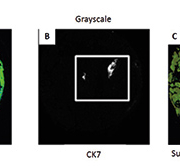
The assessment of stained tissue sections by manual observation down a microscope has been, and still is, the steadfast manner in which histopathologists observe diseased tissue architecture in order to report on a patient’s prognosis. The tissue, for example the tumour microenvironment, is complex, highly heterogeneous and heterotypic. Although specific stains exist to aid in the identification and semi-quantification of histopathological features or biomarkers, the empirical field is subjective and therefore open to observer variability. In colorectal cancer (CRC) this can be the case for reporting items from the minimal core clinical data set such as differentiation [1] or promising histopathological features such as tumour budding [2] and lymphovascular invasion [3]. Similarly, in breast cancer discrepancies exist in the reproducibilty of manual reporting of human epidermal receptor protein-2 (HER2) by fluorescence in situ hybridization (FISH) or immunohistochemistry and the scoring of estrogen receptor (ER), both of which have predictive implications for patient treatment strategies [4]. Some reproducibility issues may be overcome through molecular pathology and the objective automated quantification of molecular biomarkers extracted from patient tissue samples. Modern methodology in quantitative pathology, spanning the classical ‘omics’ fields, has the ability to create a wealth of complex big data. Indeed, the field of molecular pathology has seen an explosion of big data specifically in translational genomics, transcriptomics and proteomics and which has the ability to map aberrant molecular pathways with direct impact on clinical decisions. The automated and standardized extraction of large data sets from tissue, has been termed ‘tissue datafication’. The automated quantification of molecular pathology, such as next-generation sequencing (NCS), gene-chip transcriptomics and reverse phase protein arrays may still suffer from reproducibility issues. These may occur from poor and small sample sizes or tissue artefacts which can stem from multiple sources: surgical ischemia, fixation and sample preparation. Standardization is therefore the key to accurate tissue datafication in order to report reproducible results which translate to the clinic. Tissue heterogeneity, both inter-patient and intra-patient, poses a very real problem for the effective personalized treatment decisions for patients. Tissue is often homogenized in order to extract the DNA, RNA or protein required for many molecular pathology techniques. In doing so the tissue heterogeneity (both subpopulation and spatial heterogeneity) is invariably lost and a single end-point is reported from the most dominant signal within the complex sample. A patient may therefore initially respond to a targeted treatment such as cetuximab in CRC but relapse within a set time period because of the existence of resistant KRAS and BRAF mutated subpopulations within the tumour [5]. Effective personalized combination therapy must rely on the capture of molecular end-points across the heterogeneous disease. Quantitative pathology must take into account the imperfection of the tissue sample as well as its heterogeneity in order to produce standardized and reproducible results. With the advent of digital pathology and associated image analysis solutions, histopathology has joined the ranks of molecular pathology with the ability to generate robust and standardized quantitative big data. Image analysis can also capture the heterogeneity across a patient sample by digitally segmenting the tumour subpopulations while extracting quantitative hierarchical morphological or biomarker data (Fig. 1). This review will discuss datafication of the tissue section through image analysis and its benefits as well as some of the challenges within the field.

Quantitative pathology through image analysis
Image analysis has been well established in order to quantify in vitro cell-based assays [6, 7] but has been slow to translate to molecular pathology and histopathology. This is in part due to the more complex and heterogeneous nature of the tissue as well as the need for extensive validation for clinical research compared with cell culture work. Advances in both whole-slide scanners and analysis software are now making the translation of image analysis to clinical research a reality. The use of standardized and automated image analysis solutions overcomes the reproducibility issues associated with manual semi-quantitative scoring of tissue as it negates observer variability. Image analysis has many uses within quantitative histopathology where it can report biomarker expression at sub-cellular resolution, quantify set histopathological features, identify heterogeneous subpopulations or the spatial heterogeneity of tumour and host interaction as well as identify novel histopathological features. Standardization is always the key to reproducible results and the field of image analysis is no different. Standardization and validation must be present throughout the entire process from tissue section cutting, mounting, labelling and digitizing. There are a growing number of whole-slide imagers on the market but it is paramount that these allow the use of identical image capture profiles and associated image quality across all the patient samples used in a study. Once the tissue is digitized in a standardized manner the image analysis algorithms themselves must be of a high enough quality in order to deal with the complex and heterogeneous tissue. Simplified algorithms have their use for basic biomarker quantification but may report false results or classifications owing to heterogeneous cell populations or inter-patient heterogeneity. Autofluorescence or non-specific staining in the sample may result in the reporting of false positives or inaccurate parameters when quantifying histopathological features in the complex tumour microenvironment. The image analysis workflow must therefore be robust enough to take into account or build in quality control steps to negate tissue labelling artefact [8].

Image analysis can quantify biomarkers
Whole-slide image analysis of molecular biomarkers labelled via antibodies or probes such as in FISH, avoids the contamination of signals from heterogeneous subpopulations that occur when the tissue is homogenized (Fig. 2A). This has advantages over destructive assays as the tissue structure, spatial orientation and sub-localization of molecules are retained [9] and heterogeneity can be compartmentalized and quantified while providing insight into cellular interactions within the tumour and its microenvironment. In order to quantify the biomarker in question the algorithm must segment the cells and nuclei within a region of interest, e.g. the tumour or stroma (Fig. 2B). This gives a further advantage to automated image analysis as morphometric and texture parameters may be captured and co-registered to the cell’s expression of the desired biomarker. This additional information can be used to identify a morphological surrogate to a biomarker or to capture a more definitive result that reduces false positives. When immunofluorescence is applied to biomarker quantification a continuous data capture across the dynamic range of intensity can be reported. The intensity of the fluorophore signal directly correlates to the level of protein expression and therefore returns a more accurate result than the classical 1+, 2+, 3+ manual scoring of chromogenic assays. This continuous data can be used to calculate robust cut-off points for positive and negative expression, or for patient categorization, in software such as X-Tile[ 10] or TMA Navigator [11].

Image analysis can quantify histopathological features
Image analysis may also be employed for the quantification of histopathological features. Observer variability occurs when manual semi-quantification of certain set histopathological features across tissue sections stained with hematoxylin and eosin (H&E) are reported [1–3]. Automated image analysis with the aid of specific labels negates observer variability and introduces standardization which is applicable across heterogeneous patient cohorts. In this manner tumour buds, lymphatic vessel density and invasion were co-registered upon the same tissue section and all quantified using the same algorithm across a CRC patient cohort [8]. This methodology allowed the computer-based algorithm to quantify small lymphatic vessels that were invaded by up to five cancer cells and which often go unreported because of their obscurity in H&E stained sections (Fig. 3). The results showed that these so called ‘occult lymphatic invasion’ events were independently predictive of poor prognosis in stage II CRC patients.

Similarly image analysis may be employed to quantify the host response to the tumour and not just the tumour itself; such as the lymphocytic infiltration within the cancer microenvironment. The immunoscore in CRC uses image analysis to quantify CD3+ and CD8+ lymphocytes at either the invasive front or the centre of the tumour section [12]. The automated quantification of lymphocytes and their spatial heterogeneity have also been shown to be prognostic in breast cancer [13].

Image analysis can identify novel features

Research pathologists apply their extensive experience to identify novel or significant prognostic features within the tissue section. Automated segmentation of digitized tissue sections now allows the quantification and standardization of complex and subtle morphological features or signatures in a continuous data capture manner. These features are extracted from every possible computer segmented object within the image. This image analysis methodology quantifies and profiles the complex phenome of the tumour’s microenvironment in an a priori ‘measure-everything big-data’ approach. Parameters extracted from single objects segmented across the digitized tissue section include morphometrics, texture and spatial heterogeneity. This is performed in an attempt to identify and quantify novel clinically relevant histopathological objects or predictive features from large exported image based multi-parametric big data sets. This emerging methodology has been termed ‘Tissue Phenomics’ by Gerd Binnig a Nobel Laureate and expert in image analysis. These objects may represent single or combinations of morphometrically quantifiable histological features, which may prove too subtle to observe by eye but which could prove prognostic or predictive. Beck et al. demonstrated this technique in breast cancer and found the stromal microenvironment to be specifically relevant to prognosis [14]. The big data created by image analysis approaches such as these needs to be distilled in order to identify the significant parameters which answer the clinical question being investigated. Bioinformatics must be applied which allows redundant parameters to be discarded and clinically relevant cut-offs to be applied to the remaining significant features. The reduced end result of a few significant parameters from potentially thousands of captured features should form a clinically translatable test which must then be validated across multiple international cohorts.

Future developments and challenges to the field
Technological advances in both image capture and analysis are beginning to see the translational of automated big data from the realm of academic research to clinical tests. Further technological advances such as co-registering of tissue sections and the ability to multiplex numerous biomarkers on a single tissue section will add greater value to the field. This multiplexed, next-generation immunohistochemistry [15] approach coupled with automated quantification may allow whole molecular pathways to be mapped at the single cell level. There are, however, challenges within the field. The automated quantification of pathology requires expensive whole-slide scanners as well as image analysis workstations alongside associated IT infrastructure to archive and keep secure the images and associated analysis. Fast Ethernet connections are also essential to recall these images in a time dependent manner. Another challenge is the acceptance of automated analysis within the clinical environment. This challenge will need to be overcome by validating the standardized and automated image analysis algorithms across multiple cohorts. The many applications of the field, such as objective, standardized and reproducible quantification of biomarkers, histopathological features and the profiling of a tumour’s heterogeneity hold advantages for both the pathologist and the patient. The negating of observer variability should increase the accuracy of patient results as should the application of clinically relevant categorical cut-offs across a continuous data set captured per patient. The capture of the molecular and histopathological prognostic and predictive signatures across heterogeneous subpopulations as the potential to turn traditional population based statistics into a more personalized one which informs the optimal treatment regimen for the individual patient.

References
1. Compton CC. Colorectal carcinoma: diagnostic, prognostic, and molecular features. Mod Pathol. 2003; 16: 376–388.
2. Puppa G, Senore C, Sheahan K, Vieth M, et al. Diagnostic reproducibility of tumour budding in colorectal cancer: a multicentre, multinational study using virtual microscopy. Histopathology 2012; 61: 562–575.
3. Harris EI, Lewin DN, Wang HL, Lauwers GY, et al. Lymphovascular invasion in colorectal cancer: an interobserver variability study. Am J Surg Pathol. 2008; 32:1816–1821.
4. Gown AM. Current issues in ER and HER2 testing by IHC in breast cancer. Mod Pathol. 2008; 21: S8–S15.
5. Baldus SE, Schaefer KL, Engers R, Hartleb D, et al. Prevalence and heterogeneity of KRAS, BRAF, and PIK3CA mutations in primary colorectal adenocarcinomas and their corresponding metastases. Clin Cancer Res. 2010; 16: 790–799.
6. Caie PD, Walls RE, Ingleston-Orme A, Daya S, et al. High-content phenotypic profiling of drug response signatures across distinct cancer cells. Mol Cancer Ther. 2010; 9: 1913–1926.
7. Gasparri F, Mariani M, Sola F, Galvani A. Quantification of the proliferation index of human dermal fibroblast cultures with the ArrayScan high-content screening reader. J Biomol Screen. 2004; 9: 232–243.
8. Caie PD, Turnbull AK, Farrington SM, Oniscu A, Harrison DJ. Quantification of tumour budding, lymphatic vessel density and invasion through image analysis in colorectal cancer. J Transl Med. 2014; 12: 156.
9. Kumar A, Rao A, Bhavani S, Newberg JY, Murphy RF. Automated analysis of immunohistochemistry images identifies candidate location biomarkers for cancers. Proc Natl Acad Sci U S A 2014; 111: 18249–18254.
10. Camp RL, Dolled-Filhart M, Rimm CL. X-tile: a new bio-informatics tool for biomarker assessment and outcome-based cut-point optimization. Clin Cancer Res. 2004; 10: 7252–7259.
11. Lubbock AL, Katz E, Harrison DJ, Overton IM. TMA Navigator: Network inference, patient stratification and survival analysis with tissue microarray data. Nucleic Acids Res. 2013; 41(Web Server issue): W562–568.
12. Galon J, Mlecnik B, Bindea G, Angell HK, et al. Towards the introduction of the Immunoscore in the classification of malignant tumors. J Pathol. 2013; 232: 199–209.
13. Yuan Y. Modelling the spatial heterogeneity and molecular correlates of lymphocytic infiltration in triple-negative breast cancer. J R Soc Interface 2015; 12: 20141153.
14. Beck AH, Sangoi AR, Leung S, Marinelli RJ, et al. Systematic analysis of breast cancer morphology uncovers stromal features associated with survival. Sci Transl Med. 2011; 3: 108ra113.
15. Rimm DL. Next-gen immunohistochemistry. Nat Methods 2014; 11: 381–383.

The author
Peter Caie PhD
School of Medicine, University of St Andrews, St Andrews KY16 9TF, UK

E-mail: Pdc5@st-andrews.ac.uk

https://clinlabint.com/wp-content/uploads/sites/2/2020/08/C215_Caie_Figure-1-CLi.jpg 166 400 3wmedia https://clinlabint.com/wp-content/uploads/sites/2/2020/06/clinlab-logo.png 3wmedia2020-08-26 09:43:172021-01-08 11:36:22Image analysis enables standardized and quantitative pathology
Frances1 0ba8ad

AD: first the good news

, 26 August 2020/in Featured Articles /by 3wmedia

An eventually fatal neurodegenerative condition characterized by progressive loss of memory and cognition, Alzheimer’s disease (AD) is the major cause of dementia globally. It is estimated that worldwide around 44 million people are suffering from dementia; this has been predicted to triple by 2050 as the population ages, since AD increases exponentially after the age of 65. Much research has been carried out to elucidate modifiable risk factors that could prevent AD from developing in the first place. And because the characteristic beta-amyloid plaques (Aβ) and neurofibrillary tangles ((NFT) eventually visible in cerebrospinal fluid as well as at autopsy can begin to form up to two decades before clinical symptoms become evident, there has been a focus on much earlier diagnosis before any neuronal damage is apparent.
In western Europe, however, there is good news regarding the “Dementia epidemic”. It was previously prognosticated, using data extrapolated from twenty years ago, that AD prevalence would increase dramatically as a result of our ageing societies, incurring an almost insurmountable burden for health services. But a recent analysis in The Lancet Neurology, which considered the findings of large studies from the UK, Spain, Sweden and the Netherlands carried out between 2007 and 2013, reported a reduced prevalence at specific ages compared to the previous generation. The authors suggest that this could be the result of the improved education and healthcare as well as standard of living that today’s senior citizens experienced from their early years until the present. Substantial progress has also been made in identifying modifiable risk factors; evidence-based strategies to lower risk include abstaining from smoking, drinking alcohol in moderation, a ‘Mediterranean’ diet, and most importantly taking regular physical exercise (according to the Caerphilly study, which has followed the lifestyle and health of around 3000 initially middle aged men from 1979 to the present). Recent studies have also linked serum Vitamin D deficiency with AD, and a Mediterranean diet and endogenous synthesis through exposure to sunlight from outdoor exercise ensure optimal amounts of this vitamin.
And the bad news? Although the development of a specific and sensitive blood test, allowing very early diagnosis of AD based on levels of biomarkers (such as MAP kinase-activated protein kinase 5) is now on the horizon, there is still no drug that can cure AD. Those available that regulate neurotransmitters only alleviate symptoms in some clinically diagnosed patients. Although such tests could facilitate drug discovery and development, it is questionable whether their routine use in advance of effective treatment would be ethical.

https://clinlabint.com/wp-content/uploads/sites/2/2020/08/Frances1_0ba8ad.jpg 300 225 3wmedia https://clinlabint.com/wp-content/uploads/sites/2/2020/06/clinlab-logo.png 3wmedia2020-08-26 09:43:172021-01-08 11:36:17AD: first the good news
26786 Diesse Pagina Cli Cube AACC

VES Matic Mini Cube

, 26 August 2020/in Featured Articles /by 3wmedia
https://clinlabint.com/wp-content/uploads/sites/2/2020/08/26786-Diesse-Pagina-Cli-Cube-AACC.jpg 490 700 3wmedia https://clinlabint.com/wp-content/uploads/sites/2/2020/06/clinlab-logo.png 3wmedia2020-08-26 09:43:172021-01-08 11:36:28VES Matic Mini Cube
C226 Molecular tosh thematic cropped

Molecular diagnostics – ushering new frontiers in allergy immunotherapy

, 26 August 2020/in Featured Articles /by 3wmedia

Molecular allergy (MA) diagnostics determines the sensitivity of allergy patients at a molecular level. This is achieved by using recombinant allergenic molecules to determine allergic response, as opposed to the traditional method of testing crude extracts of potential allergenic sources.  Although MA diagnostics remains an emergent technique, it promises to revolutionize the diagnosis and treatment of allergies.

Classes of allergy
An allergy “is an overreaction by the human immune system to certain substances in the environment that are usually harmless.” Allergic diseases are categorized into four main types, based on reaction mechanism and time – from contact with an allergen until the appearance of the first symptoms. Clinical manifestations of allergy range from mild irritation through to potentially fatal anaphylactic shock.
The most common allergies are Type I , which involve an immediate reaction. Examples of Type I allergies include hay fever, allergies to animal hair, insect venom, latex, dust mites, asthma and hives. Allergic reactions to medication such as local anesthetics and antibiotics are also considered Type I, as are food allergies.
Other allergy types are both rare and take longer before symptoms appear: Type II (cytotoxic, such as blood transfusion reactions), Type III (immune complex allergies like arthritis and nephritis) and Type IV (delayed-onset allergies with cellular immune reactions such as organ transplant rejection).

A growing and costly problem
Allergic diseases affect up to 25% of the population in industrialized countries and their incidence is rising, especially in children.  In the US, allergic diseases comprise the fifth leading chronic disease among all ages, and the third most common chronic disease in children under 18 years. Food allergies pose their own specific challenges. In the US, between 1997 and 2007, “the prevalence of reported food allergy increased 18% among children.” In Europe, more than 17 million people have a food allergy, and hospital admissions for severe reactions in children have risen seven-fold over the past decade, according to the European Academy of Allergy and Clinical Immunology (EAACI).

The economic costs of allergies include medical bills, lost work and missed school as well as what is often a dramatic reduction in the quality of life.  The cost of food allergies alone in the US is $25 billion a year. In Europe, research indicates that avoidable indirect costs per patient insufficiently treated for allergy are 2,405 euros per year due to absence from work and reduced working capacity.

IgE antibody, a 1960s biomarker
The discovery of the immunoglobulin (IgE) antibody in the 1960s was a revolution in its time, as it provided a specific biomarker to identify allergies triggered by allergens. Traditional IgE antibody tests such as skin prick tests (SPT) or in vitro specific IgE (sIgE) tests depend on extracts of allergenic and non-allergenic molecules from an allergenic source. Even now, most patients are diagnosed by such methods. However, they are time consuming and imprecise, especially for patients with complex presentations such as multiple sensitization.

Cross-reactivity, other challenges
Allergen components are classified by protein families based on function and structure and allergic reactions are caused by response to individual proteins which make up the allergen source. The extent of reaction varies from one protein to another, as well as between different subjects.
Another key problem with traditional tests involves the stability of an allergen. Allergens which are stable to heat and digestion are associated with severe clinical reactions, whereas heat and digestion labile molecules are likelier to cause milder, local reactions or even be tolerated.
For allergy patients, cross-reactive components (where proteins share similar structures) provoke unpleasant and sometimes severe symptoms. However, sensitization to a cross-reactive component does not indicate a primary cause. It is the latter which must be investigated thoroughly and identified in order to diagnose and manage an allergy.

MA diagnostics: precision targeting
MA diagnostics is now offering answers to such quandaries. Rather than testing for reaction to sources, MA diagnostics tests directly for sensitivity to specific proteins – namely the allergen components. In other words, one of the most important clinical assets of MA diagnostics is its ability to reveal whether the sensitization is genuine in nature (primary, species-specific) or if it is due to cross-reactivity to proteins with similar protein structures. This, in turn, may help to evaluate the risk of reaction on exposure to different allergen sources.

For clinicians, component testing enables identification of a genuine allergy as opposed to symptoms provoked by cross-reactivity (i.e. reactions due to similar protein structures). This allows them to obtain detailed information on sensitization patterns, more accurate interpretation of allergic symptoms, and thereby improve the management of an allergy.
As a result, MA diagnostics is the best way to achieve precision in searching for the primary allergen component. It also enables the design of an accurate and effective component-resolved sensitization profile for each allergy patient. Apart from resolving genuine versus cross-reactive sensitization, MA diagnostics can in certain cases also assess the risk of severe, systemic versus mild, local reactions.

Recombinant technology and the fight against allergy
MA diagnostics was made possible by the growth of DNA technology in the late 1980s. By 1991, scientists were reporting that recombinant allergens proved useful for the “setup of diagnostic tests that allow the discrimination of different IgE-binding patterns.” 
Recombinant technology allows “full validation of identity, quantity, homogeneity, structure, aggregation, solubility, stability, IgE-binding and the biologic potency” of allergens. These parameters had not been possible to assay and standardize for extract-based products. Finally, recombinant technology also permits bulk production of wild type molecules for diagnostics.

Over the 1990s and 2000s, DNA sequences of most common allergens were isolated and produced as recombinant molecules. By 2013, a total of “more than 130 allergenic molecules” were commercially available” for in vitro testing.
Due to the rapid growth in the number of allergens identified, a systematic allergen nomenclature, approved by the World Health Organization (WHO) and International Union of Immunological Species (IUIS) has been established. The so-called Allergen Nomenclature Subcommittee is in charge of developing and maintaining the nomenclature for allergenic molecules, as well as a comprehensive database of known allergenic proteins (available at www.allergen.org).

Singleplex and multiplex platforms
The process of diagnostic testing is relatively straightforward.  The presence of IgE antibodies against allergenic molecules is determined using two kinds of measurement platforms. The singleplex platform consists of one assay per sample and allows a clinician to select allergenic molecules deemed necessary for diagnosis – as determined by the clinical history of the patient. The multiplex approach, which consists of multiple assays per sample, allows characterization of the IgE response against a broad array of pre-selected allergens on a chip independently of the clinical history.

Microarray-based testing
The near-term future promises a rapid influx of new data given growth in the availability of microarray-based tests. This will allow the design of stronger and larger number of studies “to critically evaluate their diagnostic and prognostic power over existing test modalities.”
A key advantage of microarray-based testing is that it requires only small volumes of serum samples to determine specific-IgE antibodies against multiple recombinants. The technique has also proven its credibility. In August 2010, the journal ‘Clinical and Experimental Allergy’ observed that the “performance characteristics of allergens so far tested are comparable with current diagnostic tests.”

The availability of recombinant allergens and the development of protein microarray-based immunoassays developed side-by-side over the 2000s and have now begun to cross-fertilize one another. In 2011, the ‘Journal of Allergy and Clinical Immunology’, the official publication of the American Academy of Allergy, Asthma & Immunology, noted that the “long-anticipated wider application” of recombinant allergens and protein microarray-based immunoassays to allergy diagnosis “has recently begun to accelerate,” with a demonstration of the potential “for greater resolution between clinical reactivity and asymptomatic sensitization.”

Printed microarrays: a promising new frontier
One area of growing interest is the use of printed microarrays as a platform for cellular assays. For example, protein microarray (PM) appears to be a powerful alternative to costly or labour-intensive diagnostics for large-scale detection of allergen-specific IgE. A recent study established a proof-of-concept to demonstrate that “coupling the diversity of protein array with the biological output of basophilic cells is a feasible proposition,” and avoids “costly, cumbersome and time-consuming” procedures for purification.

MA diagnostics and personalized medicine
With special attention paid to species-specific or primary sensitization and cross-reactivity, MA diagnostics is also becoming a tool to determine the right treatment for a patient at the right time – in other words, a frontier for personalized medicine. Data from MA diagnostics paves the way to individualize treatment actions, including advice on targeted allergen exposure reduction and specific immunotherapy (SIT). Nevertheless, clinicians recommend that in vitro tests should be evaluated together with clinical history, because allergen sensitization does not necessarily imply clinical responsiveness.

Allergen-specific immunotherapy (SIT) is the only antigen-specific and disease-modifying approach for the treatment of allergy. Though the symptoms of allergy can often be effectively suppressed using various drugs, it has been known since the late 1990s that “only allergen immunotherapy is able to impact on the underlying immune mechanism and leads to long-lasting change in the course of allergic disease.” It is based on the therapeutic administration of the disease-causing allergens to allergic patients.
In the past, several disadvantages limited the applicability of SIT, among them unwanted effects, poor efficacy and specificity as well as inconvenient application. Most of these were related to the poor quality of natural allergen extracts. 
Due to recent progress in molecular allergen characterization, “new allergy vaccines based on recombinant allergens, recombinant hypoallergenic allergen derivatives and allergen-derived T cell peptides have entered clinical testing and hold promise to reduce the side-effects and to increase the specificity as well as the efficacy of SIT.”

Towards refined immunotherapy
Today, the focus of attention is on what has become known as ‘refined immunotherapy’, based on the use of peptides derived from allergen surfaces that exhibit reduced, allergen-specific IgE as well as T cell reactivity. When fused to non-allergenic carriers, these peptides provide allergen-specific protective IgG responses with T cell help from a non-allergenic carrier molecule. Recent data shows that such peptide vaccines “can bypass allergen-specific IgE as well as T cell activation and may be administered at high doses without IgE- and T cell-mediated side-effects.”
Such peptide vaccines are being evaluated in clinical trials. If successful, it may well be possible to develop safe forms of SIT as effective alternatives to drug-based allergy treatment.

https://clinlabint.com/wp-content/uploads/sites/2/2020/08/C226_Molecular-tosh_thematic_cropped.jpg 289 300 3wmedia https://clinlabint.com/wp-content/uploads/sites/2/2020/06/clinlab-logo.png 3wmedia2020-08-26 09:43:172021-01-08 11:36:10Molecular diagnostics – ushering new frontiers in allergy immunotherapy
C204 Euroimmun Fig1

Complete HPV detection and typing in cervical cancer prevention

, 26 August 2020/in Featured Articles /by 3wmedia

Cervical cancer is a major burden worldwide with significant mortality, especially in developing countries. Human papillomavirus (HPV) analysis is gaining ground as the primary screening modality for the early diagnosis and prevention of cervical carcinoma. Direct pathogen detection allows an infection to be identified before cell changes have even taken place. Thus, interventional measures can be applied before the cancer even develops, helping to reduce the overall incidence and mortality rates. The EUROArray HPV molecular diagnostic microarray provides highly sensitive detection and typing of all known high- and low-risk anogenital HPV in one reaction. With fully automated data analysis it is particularly well suited to the high-throughput requirements of routine screening.

Human papillomaviruses
Human papillomaviruses are uncoated double-stranded DNA viruses which infect epithelial cells of the skin and mucous membranes. They are transmitted by sexual contact. Infection is assumed to occur via tiny lesions in the basal cells of the epithelium. Thus, the most frequent place of infection is the transformation zone of the cervix, where dividing basal cells lie near to the surface. The size of the cells, their histology and the duration of the lesion can influence the number of cells infected. The course and outcome of the infection depends on the HPV type, the anatomy of the infection site and the differentiation status of the host cells.
Infections with HPV are always local and are not accompanied by viremia. Following infection, the viral DNA is replicated in the host cell nuclei. Viral proteins produced in the infected cells can trigger uncontrolled tumour-like growth of the cells. This is, depending on the infecting HPV subtype, mostly benign, leading to warts at the site of infection. However, some HPV types can induce malignant changes, particularly cervical cancer. A significant proportion of vaginal, penile, anal and head and neck carcinomas are also assumed to be caused by HPV infection.
HPV are the most frequent sexually transmitted viruses. The worldwide prevalence of HPV infection is estimated to be 2 to 44% in women and 4 to 45% in men, with regional variations depending on culture and the corresponding sexual activity. Viral transmission from mother to newborn during birth can also occur, even with subclinical infections. HPV infection does not lead to life-long immunity and reinfection with the same virus is possible.

HPV subtypes

Around 130 types of HPV have so far been described of which 30 infect exclusively the skin and mucous membranes in the anogenital area. HPV are divided into two groups according to their oncogenic potential. High-risk HPV cause cervical carcinoma. Low-risk HPV alone do not induce tumours, but cause non-malignant tissue changes. Concurrent infections with multiple HPV subtypes are common and known to increase the risk of malignant cell transformations.
Of the high-risk anogenital types, HPV 16 and HPV 18 are responsible for around 70% of cervical carcinomas. HPV 16 is found in 50 to 60% of cases and HPV 18 in 10 to 20%. Other types classified as high-risk by the WHO are 31, 33, 35, 39, 45, 51, 52, 56, 58, 59 and 66. Types 26, 53, 68, 73 and 82 have also been detected in cervical carcinoma and should be considered as high-risk types.
Of the low-risk types, HPV 6 and 11 are the main causative agents of genital warts (condylomata acuminata, fig warts). Further low-risk types are 40, 42, 43, 44, 54, 61, 70, 72, 81 and 89.

Cervical carcinoma
HPV infection is a prerequisite for the development of cervical carcinoma. However, HPV infection does not necessarily lead to cancer. Most infected women eliminate the virus within two years. If the virus remains detectable for longer than 18 months, the infection is considered to be persistent. A persistent infection, in particular with a high-risk HPV subtype, increases the risk of developing cervical carcinoma by around 300-fold.
HPV infections are often asymptomatic and tend to remain unnoticed. The initial stages of cervical carcinoma also proceed without pain, and the only symptom may be light bleeding. With increased tumour size, the cancer manifests with a blood-tinged, sweet smelling discharge.

Around 528,000 new cases of cervical carcinoma occur annually worldwide, making it the fourth most frequent cancer in women after breast, colorectal and lung cancers. It is also the fourth most common cause of cancer mortality, causing approximately 266,000 deaths in 2012 (International Agency for Research on Cancer).
In the early stages, treatment involves removal of the altered tissue by conisation. In later stages of the disease, the uterus and surrounding tissue must be removed.

Role of HPV detection and typing
Along with the current diagnostic gold standard, the Papanicolaou (Pap) test, HPV direct detection plays an important role in the early diagnosis of cervical carcinoma. In contrast to the Pap test, which is used to investigate cervical cells for pathological changes, PCR-based methods detect viral nucleic acids directly, and can thus identify an HPV infection at a very early stage before morphological cell changes have even occurred. Moreover, while the Pap test is based on subjective evaluation, HPV detection represents an objective as well as extremely sensitive test method.
In HPV screening it is crucial to differentiate between high- and low-risk types and also to discriminate between different high-risk viruses. A positive result for high-risk HPV indicates an increased risk for cervical carcinoma, which can then be minimized by more frequent follow-up examinations to detect morphological cell changes at an early stage. A positive result for low-risk HPV can help to clarify uncomfortable and embarrassing symptoms for patients. Since low-risk HPV can also cause mild dysplasia, HPV subtyping is also useful for excluding a high-risk HPV infection and a corresponding risk of cervical cancer in these cases. Women who are HPV negative can forgo Pap smears for a longer time interval, based on the recommendations of the respective professional societies.
The PCR detection strategy is a critical aspect of direct HPV analysis. Tests with primer or probe systems based on conserved genes like L1 may yield false negative results in some cases due to loss of these genes during integration of the viral DNA into the host DNA. The highest possible detection sensitivity is achieved using the viral oncogenes E6/E7. Detection of variable sequences in these genes enables differentiation of the different HPV subtypes.

Microarray for complete HPV typing
A standardized microarray based on PCR detection of E6/E7 has been developed for complete HPV typing in routine diagnosis. Using an extensive panel of specific primers and probes, the EUROArray HPV detects all thirty genitally relevant HPV subtypes in one test, distinguishing eighteen high-risk subtypes that may trigger cancer (16, 18, 26, 31, 33, 35, 39, 45, 51, 52, 53, 56, 58, 59, 66, 68, 73, 82) and twelve low-risk subtypes that cause benign warts (6, 11, 40, 42, 43, 44, 54, 61, 70, 72, 81, 89). Multiple infections are reliably identified, and primary and persistent infections can be differentiated.

Simple procedure with automated evaluation
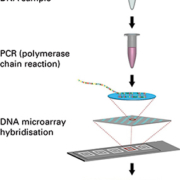
The EUROArray procedure (Figure 1) is extremely easy to perform and does not require any in-depth molecular biology knowledge. DNA prepared from patient cervical smear samples is first amplified by a single multiplex polymerase chain reaction (PCR). The fluorescently-labelled PCR products are then incubated with biochip microarray slides (Figure 2) containing immobilized complementary DNA probes. Specific binding (hybridization) of the PCR products to their corresponding microarray spots is detected using a specialized microarray scanner.
In contrast to manually evaluated tests, the results are evaluated (Figure 3) and interpreted fully automatically by user-friendly software (EUROArrayScan). A detailed result report (Figure 4) is produced for each patient and all data is documented and archived. Meticulously designed primers and probes, ready-to-use PCR components and integrated controls all contribute to the reliability of the analysis. The entire EUROArray process from sample arrival to report release is IVD validated and CE registered, supporting quality management in diagnostic laboratories.

Conclusion
As evidence mounts about the efficacy of HPV testing for primary cervical cancer screening, multiplex microarrays are poised to become a major tool in prevention programmes worldwide. The EUROArray HPV, in particular, is ideally positioned for high-throughput HPV screening, providing fast and sensitive detection of all high- and low-risk anogenital HPV types combined with fully automated data analysis.

The author
Jacqueline Gosink, PhD
EUROIMMUN AG
Seekamp 31
23560 Luebeck
Germany
E-mail: j.gosink@euroimmun.de

https://clinlabint.com/wp-content/uploads/sites/2/2020/08/C204_Euroimmun_Fig1.jpg 400 285 3wmedia https://clinlabint.com/wp-content/uploads/sites/2/2020/06/clinlab-logo.png 3wmedia2020-08-26 09:43:172021-01-08 11:36:32Complete HPV detection and typing in cervical cancer prevention

New generation diagnostics for Alzheimer‘s disease

, 26 August 2020/in Featured Articles /by 3wmedia
https://clinlabint.com/wp-content/uploads/sites/2/2020/06/clinlab-logo.png 0 0 3wmedia https://clinlabint.com/wp-content/uploads/sites/2/2020/06/clinlab-logo.png 3wmedia2020-08-26 09:43:172021-01-08 11:36:14New generation diagnostics for Alzheimer‘s disease
Frances1 48115b

ASD: a diagnosis to be sniffed at?

, 26 August 2020/in Featured Articles /by 3wmedia

The complex neurodevelopmental condition autism spectrum disorder (ASD), now considered to be one of the most heritable of all neuropsychiatric conditions, is characterized by impaired communication skills and difficulties interacting socially together with limited and repetitive behaviour patterns. It has been suggested that the dramatic increase in the number of reported cases in recent decades- one out of 68 children in the US has been diagnosed with the condition- is largely the result of changes in how and when ASD is diagnosed  as well as increased public awareness. Indeed a study reported in JAMA Pediatrics last year that followed 677,915 children born in Denmark from 1980 up to 1991 concluded that 60 percent of the increase in ASD prevalence could be attributed to changes in diagnostic methods, though as yet unidentified environmental risk factors could also be contributing to the rise.
So far there are no clinical lab tests available to facilitate diagnosis of ASD in spite of extensive research on the elevated levels of neurotransmitters such as 5-hydroxytryptamine and GABA, as well as the hormonal markers dopamine and oxytocin, found in many people affected. Studies have also focused on the potentially higher levels of  inflammatory cytokines and autoantibodies, and the identification of target genes and epigenetic changes from gene-environment interactions in people with ASD. Neuroimaging has also identified activation deficits in certain areas of the brain. But currently diagnosis still relies on developmental screening followed by comprehensive (and costly) evaluation if indicated, a challenging approach for the healthcare workers involved since many of the symptoms mirror those found in other developmental disorders.
But  ASD can be managed once the condition is diagnosed, so early and effective screening is essential. Appropriate and timely behavioural and speech therapy to improve learning, communication and social skills (as well as drug therapy in some cases) greatly improves the quality of life for those affected. And in July this year an exciting, if preliminary, study based on the sniff response to odours was published. Eighteen children with ASD and 18 matched controls were given both pleasant and unpleasant odours to smell and the changes in breathing patterns were recorded. Whereas pleasant or mild smells elicited a high-magnitude sniff and unpleasant odours one of low magnitude in the controls, the children with ASD sniffed the odours with equal magnitude. Could this simple low cost test eventually allow early effective screening for ASD or at least provide an additional testing tool in children who cannot communicate verbally?

https://clinlabint.com/wp-content/uploads/sites/2/2020/08/Frances1_48115b.jpg 300 219 3wmedia https://clinlabint.com/wp-content/uploads/sites/2/2020/06/clinlab-logo.png 3wmedia2020-08-26 09:43:172021-01-08 11:36:22ASD: a diagnosis to be sniffed at?
Page 84 of 144«‹8283848586›»
Bio-Rad - Preparing for a Stress-free QC Audit

Latest issue of Clinical laboratory

November 2025

CLi Cover nov 2025
13 November 2025

New Chromsystems Product for Antiepileptic Drugs Testing

11 November 2025

Trusted analytical solutions for reliable results

10 November 2025

Chromsystems | Therapeutic Drug Monitoring by LC-MS/MS

Digital edition
All articles Archived issues

Free subscription

View more product news

Get our e-alert

The leading international magazine for Clinical laboratory Equipment for everyone in the Vitro diagnostics

Sign up today
  • News
    • Featured Articles
    • Product News
    • E-News
  • Magazine
    • About us
    • Archived issues
    • Free subscriptions
    • Media kit
    • Submit Press Release
clinlab logo blackbg 1

Prins Hendrikstraat 1
5611HH Eindhoven
The Netherlands
info@clinlabint.com

PanGlobal Media is not responsible for any error or omission that might occur in the electronic display of product or company data.

Scroll to top

This site uses cookies. By continuing to browse the site, you are agreeing to our use of cookies.

Accept settingsHide notification onlyCookie settings

Cookie and Privacy Settings


How we use cookies

We may ask you to place cookies on your device. We use cookies to let us know when you visit our websites, how you interact with us, to enrich your user experience and to customise your relationship with our website.

Click on the different sections for more information. You can also change some of your preferences. Please note that blocking some types of cookies may affect your experience on our websites and the services we can provide.

Essential Website Cookies

These cookies are strictly necessary to provide you with services available through our website and to use some of its features.

Because these cookies are strictly necessary to provide the website, refusing them will affect the functioning of our site. You can always block or delete cookies by changing your browser settings and block all cookies on this website forcibly. But this will always ask you to accept/refuse cookies when you visit our site again.

We fully respect if you want to refuse cookies, but to avoid asking you each time again to kindly allow us to store a cookie for that purpose. You are always free to unsubscribe or other cookies to get a better experience. If you refuse cookies, we will delete all cookies set in our domain.

We provide you with a list of cookies stored on your computer in our domain, so that you can check what we have stored. For security reasons, we cannot display or modify cookies from other domains. You can check these in your browser's security settings.

.

Google Analytics Cookies

These cookies collect information that is used in aggregate form to help us understand how our website is used or how effective our marketing campaigns are, or to help us customise our website and application for you to improve your experience.

If you do not want us to track your visit to our site, you can disable this in your browser here:

.

Other external services

We also use various external services such as Google Webfonts, Google Maps and external video providers. Since these providers may collect personal data such as your IP address, you can block them here. Please note that this may significantly reduce the functionality and appearance of our site. Changes will only be effective once you reload the page

Google Webfont Settings:

Google Maps Settings:

Google reCaptcha settings:

Vimeo and Youtube videos embedding:

.

Privacy Beleid

U kunt meer lezen over onze cookies en privacy-instellingen op onze Privacybeleid-pagina.

Privacy policy
Accept settingsHide notification only

Subscribe now!

Become a reader.

Free subscription