• News
    • Featured Articles
    • Product News
    • E-News
  • Magazine
    • About us
    • Digital edition
    • Archived issues
    • Free subscriptions
    • Media kit
    • Submit Press Release
  • White Papers
  • Events
  • Suppliers
  • E-Alert
  • Contact us
  • FREE newsletter subscription
  • Search
  • Menu Menu
Clinical Laboratory int.
  • Allergies
  • Cardiac
  • Gastrointestinal
  • Hematology
  • Microbiology
  • Microscopy & Imaging
  • Molecular Diagnostics
  • Pathology & Histology
  • Protein Analysis
  • Rapid Tests
  • Therapeutic Drug Monitoring
  • Tumour Markers
  • Urine Analysis

Archive for category: Featured Articles

Featured Articles

p23 03

Inductively coupled plasma mass spectrometry: the future of sweat analysis?

, 26 August 2020/in Featured Articles /by 3wmedia

Sweat chloride is the gold standard diagnostic test for cystic fibrosis (CF) offering direct measurement of cystic fibrosis transmembrane conductance regulator (CFTR) protein function. Current methods are labour-intensive, complex, time-consuming and require relatively large sample volumes. Inductively coupled plasma mass spectrometry (ICP-MS) is an emerging technology capable of providing rapid and accurate sweat chloride concentrations from small sample volumes.

by Dr Anna Robson, Dr Alexander Lawson and Dr Stephen George

Background
Cystic fibrosis (CF) is a life limiting inherited disorder with an incidence of 1 in 2500–3500 live births in the UK and USA [1]. Mutations in the cystic fibrosis transmembrane conductance regulator (CFTR) gene translate to dysfunction of the CFTR protein, responsible for controlling transepithelial chloride transport. CF is a multisystem disease, due to the ubiquitous location of the CFTR, however, it is most commonly associated with pulmonary and pancreatic pathologies. Data from the Cystic Fibrosis Foundation Patient Registry (CFFPR) annual report showed that approximately 80% of CF patients are on pancreatic enzyme replacement therapy (PERT) and over 70% of CF mortality is a consequence of respiratory or cardiorespiratory related causes [2].

Implementation of newborn screening pathways for CF has enabled early diagnosis, with advancements in treatment strategies showing significant benefits to patients over the last 25 years. CFFPR data shows that patients now have a median predicted survival of 39.3 years and a higher proportion of adults than children, with CF, was reported in the USA for the first time in 2014 [2]. Patients’ quality of life is also improving with better lung function at the age of 18 years, more patients graduating from higher education and an increased number of viable pregnancies in female patients [2].

There are currently over 2000 known genetic mutations of the CFTR gene associated with CF, many of which can be categorized into five classes [3]. Classes I–III give rise to the most severe phenotypes due to absence or non-function of CFTR, whereas residual CFTR function is observed in patients with class IV–V mutations [2, 3]. Molecular genetic testing has become an increasingly important aid to the diagnostic pathway for CF, especially for patients with rarer mutations and milder forms of the disease. However, molecular analysis is insufficiently sensitive and specific enough to be used as a first line test as rare variants can be missed. Use of next generation sequencing is currently prohibited by cost but may become a more viable option in the future. The UK newborn screening program for CF utilizes a combination of immunoreactive trypsinogen (IRT) and genetic testing for the most common mutations. Although IRT is a good screening tool in neonates, it is not diagnostic and is unsuitable for use in adults. All babies that screen positive for CF are referred for diagnostic confirmation by sweat testing.

Diagnosis of CF
More than six decades since its inception in 1959 [4], quantification of chloride ions in sweat remains the gold standard diagnostic test for diagnosis of CF. In normal functioning sweat glands, isotonic sweat is secreted into the secretory coil. Sodium and chloride are then reabsorbed in the water-impermeable reabsorptive duct via the epithelial sodium channel (ENaC) and the CFTR respectively. Reabsorption of chloride is reduced in CF patients with defective or absent CFTR, thus resulting in sweat electrolyte loss. Sweat concentrations, therefore, provide a direct measurement of electrolyte secretion. Elevated sweat sodium levels are also observed in CF due to the dependence of ENaC activation on CFTR function.

Sweat chloride measurements demonstrate 98% diagnostic specificity for CF [5]. Research has also shown correlations between the type of genetic mutation and chloride concentration [2, 6]. Methods employed in sweat analysis include osmolality, conductivity and electrolyte concentration, however current guidelines developed by the UK Royal College of Paediatrics and Child Health (RCPCH) and the Association of Clinical Biochemistry (ACB) recommend sweat chloride as the analyte of choice for CF diagnosis [7]. Sweat conductivity measurements are accepted for screening purposes in patients over 6 months of age provided that all positive and borderline results are followed up with a chloride measurement [7]. Sweat sodium is no longer recommended for CF diagnosis as it is less reliable than chloride as an indicator of CFTR function [7]. Most laboratories providing sweat analysis measure a combination of analytes, typically chloride with either conductivity or sodium, using the latter two for quality control purposes only [5].

There are currently two accepted methods for collecting sweat following pilocarpine stimulation, the Gibson and Cooke technique (GCT) and the Wescor Macroduct® collection system (WMCS). Using the GCT, sweat is collected onto pre-weighed chloride-free filter paper and eluted in the laboratory for analysis. Sweat is collected into a plastic capillary in the WMCS closed system, thus reducing analytical errors associated with weighing, dilution and evaporation. A minimum sweat secretion rate of 1 g/m2/min is recommended to obtain an accurate chloride concentration. This equates to approximately 75 mg or 15 μL of sweat, depending on the collection method, in 30 minutes [1]. Low sweat rates indicate either suboptimal sweat secretion by the patient or sample evaporation, both of which can affect the accuracy of electrolyte measurements [5]. RCPCH/ACB guidelines therefore recommend duplicate analysis, on each sweat sample collected, to minimize analytical imprecision due to the manual nature of sweat testing [7]. Studies report conflicting data in relation to which collection system yields a higher insufficient rate for sweat analysis [8, 9]. However, the primary limitation of WMCS compared to GCT is reduced sample volume for analysis when a sufficient sweat rate has been achieved. A recent UK audit at Heart of England NHS Foundation Trust (HEFT) showed that more than 30% of samples with a sufficient sweat rate (>15 μL) were insufficient for duplicate ion selective electrode (ISE) analysis when using the WMCS.

Current methods of analysis
Currently accepted methods for sweat chloride quantification include coulometry, colourimetry, and ISE analysis, of which coulometry is the most commonly used (112/161 UK laboratories enrolled in the UKNEQAS external quality assurance (EQA) scheme). Sweat-Chek equipment is recommended for conductivity measurements and accepted methods for sodium include flame photometry, ISE and atomic absorption spectroscopy [6, 7]. All of these methods require manual measurement of each sample, thus occupying the time of a specially trained member of staff for the analysis duration. Dedicated instrumentation is often used for each analyte and sample volume requirements are relatively large compared to the minimum accepted collection using the WMCS. Sweat analysis is therefore complex and time-consuming. The need for dedicated instrumentation, specifically trained staff and laboratory time also carries a cost burden for NHS laboratories with increasing budget restrictions.

Inductively coupled plasma mass spectrometry
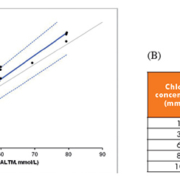
At HEFT, we have developed a method for the analysis of sweat sodium and chloride using inductively coupled plasma mass spectrometry (ICP-MS). ICP-MS is an emerging technology in the clinical laboratory, primarily used for determining the elemental composition of samples and recently applied for sweat analysis [10, 11]. Benefits of ICP-MS include rapid and batched measurements, reproducibility, increased sensitivity and specificity compared to traditional methods, simultaneous quantification of multiple elements and ‘walk-away’ analysis. The ICP-MS method for sweat sodium and chloride uses a simple dilute and shoot approach, requiring just 2 μL of sample. The method was found to be both accurate and precise. Comparison studies using EQA samples showed a 3.6 % bias compared to target values [UKNEQAS EQA scheme all laboratory trimmed mean (ALTM)] (Fig. 1a); however, this was not statistically significant at clinical decision limits (30–60 mmol/L) and results were comparable to the coulometry method currently in use. Recommended acceptable precision (<5% CV), as defined by RCPCH/ACB guidelines, was obtained for all clinically relevant concentrations for quality control (QC) samples (Fig. 1b) [1, 7]. ICP-MS has numerous advantages, compared to coulometry, for sweat chloride analysis. Firstly, the low sample volume requirement allows for duplicate measurements on minimum viable samples (15 μL). Analysis run time is approximately 30–60 minutes depending on the number of samples, and ICP-MS is a ‘walk-away’ method. Staff are, therefore, available to carry out other work once the samples have been prepared and placed on the auto-sampler which is advantageous compared to current methods that can occupy a dedicated member of staff for up to half a day (Fig. 2). Improvements in laboratory efficiency are gained by moving away from dedicated chloride and conductivity meters to analysis using equipment already in use for the trace metal service. The main limitation of chloride analysis by ICP-MS at present is contamination due to the instrument tuning solution containing hydrochloric acid. Hence, care must be taken to ensure that the lines of the inlet system have been rinsed for long enough to remove any residual chloride before analysis. Clearly a tuning solution containing a different acid (e.g. nitric acid) would be beneficial and work is underway to source such a reagent. Overall, ICP-MS provides a much more efficient and cost-effective process for sweat analysis as illustrated in Figure 2. Summary
Sweat chloride analysis is the gold standard test for diagnosis of CF; however, current methods are time-consuming, costly and require large sample volumes relative to the minimum acceptable collection. ICP-MS is a relatively new analysis platform in the clinical environment and is therefore not yet included in any guidelines. However, this technique presents an attractive alternative to current methods for rapid and accurate sweat analysis using small sample volumes. ICP-MS has the potential to benefit sweat testing, improving efficiency and reducing costs in the clinical laboratory.

Acknowledgements
The authors would like to acknowledge Dr Chris Chaloner PhD FRCPath and Lesley Tetlow FRCPath, Central Manchester University Hospitals NHS Foundation Trust, for their assistance in proofreading the manuscript.

References
1. Farrell PM, Rosenstein BJ, White TB, Accurso FJ, Castellani C, Cutting GR, Durie PR, Legrys VA, Massie J, et al. Guidelines for diagnosis of cystic fibrosis in newborns through older adults: Cystic Fibrosis Foundation consensus report. J Pediatr. 2008; 153:S4–S14.
2. Cystic Fibrosis Foundation Patient Registry Annual Data Report 2014. (https://www.cff.org/2014-Annual-Data-Report.pdf)
3. Veit G, Avramescu RG, Chiang AN, Houck SA, Cai Z, Peters KW, Hong JS, Pollard HB, Guggino WB, et al. From CFTR biology toward combinatorial pharmacotherapy: expanded classification of cystic fibrosis mutations. Mol Biol Cell. 2016; 27(3): 424–433.
4. Gibson LE, Cooke RE. A test for concentration of electrolytes in sweat in cystic fibrosis of the pancreas utilizing pilocarpine by iontophoresis. Paediatrics 1959; 23(3): 545–549.
5. LeGrys VA. Sweat testing for the diagnosis of cystic fibrosis: Practical considerations. J Pediatr. 1996; 129: 892–897.
6. Mishra A, Greaves R, Massie J. The relevance of sweat testing for the diagnosis of cystic fibrosis in the genomic era. Clin Biochem Rev. 2005; 26(4): 135–153.
7. Royal College of Paediatrics and Child Health. Guidelines for the performance of the sweat test for the investigation of cystic fibrosis in the UK, 2nd version. March 2014. (http://www.rcpch.ac.uk/system/files/protected/page/Sweat%20Guideline%20v3%20reformat_2.pdf)
8. Laguna TA, Lin N, Wang Q, Holme B, McNamara J, Regelmann WE. Comparison of quantitative sweat chloride methods after positive newborn screen for cystic fibrosis. Pediatr Pulmonol. 2012; 47: 736–742.
9. Hammond KB, Turcios NL, Gibson LE. Clinical evaluation of the macroduct sweat collection system and conductivity analyzer in the diagnosis of cystic fibrosis. J Paediatr. 1994; 124(2): 255–260.
10. Pullan NJ, Thurston V, Barber S. Evaluation of an inductively coupled plasma mass spectrometry method for the analysis of sweat chloride and sodium for use in the diagnosis of cystic fibrosis. Ann Clin Biochem. 2013; 50(Pt 3): 267–270.
11. Collie JT, Massie RJ, Jones OA, Morrison PD, Greaves RF. A candidate reference method using ICP-MS for sweat chloride quantification. Clin Chem Lab Med. 2016; 54(4): 561–567.

The authors
Anna Robson*1 PhD; Alexander Lawson2 PhD, FRCPath; Stephen George2 PhD, FRCPath
1Department of Clinical Biochemistry, Central Manchester University Hospitals NHS Foundation Trust, Newborn Screening Laboratory, Genetic Medicine, St. Mary’s Hospital, Oxford Rd, Manchester, UK
2Department of of Clinical Chemistry and Immunology, Birmingham Heartlands Hospital, Bordesley Green East, Birmingham, UK

*Corresponding author
E-mail: anna.robson@cmft.nhs.uk
https://clinlabint.com/wp-content/uploads/sites/2/2020/08/p23_03.jpg 244 600 3wmedia https://clinlabint.com/wp-content/uploads/sites/2/2020/06/clinlab-logo.png 3wmedia2020-08-26 09:42:112021-01-08 11:35:26Inductively coupled plasma mass spectrometry: the future of sweat analysis?
27185 BioFire CLI 210x297

The FilmArray Torch – the latest advancement in molecular infectious disease diagnostics

, 26 August 2020/in Featured Articles /by 3wmedia
https://clinlabint.com/wp-content/uploads/sites/2/2020/08/27185_BioFire_CLI_210x297.jpg 937 700 3wmedia https://clinlabint.com/wp-content/uploads/sites/2/2020/06/clinlab-logo.png 3wmedia2020-08-26 09:42:112021-01-08 11:35:38The FilmArray Torch – the latest advancement in molecular infectious disease diagnostics
C279 77E UriSed mini whole viewfield image

Evaluation of UriSed mini semi-automated urine microscopy analyser

, 26 August 2020/in Featured Articles /by 3wmedia

Urinalysis may provide evidence of significant renal disease in asymptomatic patients. The microscopic urinalysis is vital to making diagnoses in many asymptomatic cases, including urinary tract infection, urinary tract tumours, occult glomerulonephritis, and interstitial nephritis.
Presence or absence of different particles in urine sediment is crucial for clinical decision making. Urine sediment cells or particles provide important information for the diagnosis of renal or urinary diseases [1]. UriSed Technology is a unique solution in the market for the automation of sediment analysis, making traditional manual microscopy automatic [2]. The UriSed analysers provide a reliable and reproducible solution since 2007 [3]. As a new category instrument based on the improved UriSed Technology, the semi-automated UriSed mini was introduced in the market in 2015. In the present study, we evaluated the analytical performance of UriSed mini Semi-Automated Urine Microscopy Analyser (Manufactured by 77 Elektronika Kft., Budapest) and compared the results to those from manual microscopy using standardized KOVA counting chambers.
UriSed mini provides quantitative Red Blood Cell (RBC) and White Blood Cell (WBC) results, and semi-quantitative results for all other particle types: Squamous Epithelial Cells (EPI), Non-squamous Epithelial Cells (renal tubular and urothelium cells) (NEC), Crystals (CRY): Calcium oxalate dihydrate (CaOxd), Calcium oxalate monohydrate (CaOxm), Uric acid (URI), and Triple-phosphate crystals (TRI), Hyaline casts (HYA), Pathological casts (PAT), Bacteria (cocci-like and rod-like) (BACc, BACr), Yeasts (YEA), Spermatozoa (SPRM) and Mucus (MUC) [4].
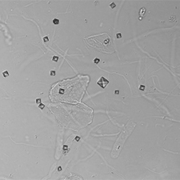
The instrument throughput is up to 60 samples per hour. Preparation of the UriSed mini analyser for measurement takes only some minutes, the only consumables are the patented disposable cuvettes for sample investigation and a manual pipette with appropriate pipette tip. 175 µl of urine sample is dispensed manually into the cuvette, further steps of the measurement sequence are completely automatic: spinning the cuvette for a few seconds gently deposits formed elements into a monolayer at the bottom of the cuvette. The built-in digital camera takes 15 independent images at different positions of the sediment layer. These whole viewfield images are evaluated by a neural-network based image processing software.

Material and methods
Analysis of 311 samples was performed to evaluate UriSed mini analytical performance compared to the manual microscopy urine examination method. Both measurements were carried out with the same anonymous urine samples. Fresh, native urine samples were used, that were typically held for no more than 4 hours before being analysed, as recommended in the relevant guidelines [5,6] to prevent change in the morphology of the particles. Samples were mixed until homogeneous and then split and run on each measuring procedure as close to the same time as possible. The standardized microscopic urinalysis of native samples (Level 3) was followed by using a KOVA counting chamber. The particle concentration for all particle types was evenly distributed in the evaluated urine samples. Carry-over, precision, diagnostic tests such as sensitivity, specificity, diagnostic accuracy, concordance and one category concordance were investigated according to well-established protocols [7].

Results
No carry-over was detected in any of the samples due to the single-use disposables. UriSed mini has better precision than microscopy at all of the tested RBC and WBC concentrations. The majority of all coefficients of variation obtained for within-series imprecision (CV) using UriSed mini was 4-24% while 5,5-67% in the case of manual microscopy [8]. Good correlation can be found between UriSed mini and manual counting chamber for formed elements. The Pearson correlation of quantitative parameters are 0.97 (RBC), 0.95 (WBC). The clinical evaluation of UriSed mini was based on McNemar test and concordance study. The results are shown in the following table.

Conclusion
The new UriSed mini utilizes the traditional gold standard method while eliminating the most time-consuming and operator-dependent procedures in laboratories performing manual microscopy. The semi-automated measurement process is reproducible and operator-independent. The UriSed mini semi-automated microscopy analyser requires manual sample pipetting, which makes the instrument small and simple to use. UriSed mini is a highly effective tool in a wide range of medical and clinical settings such as hospitals, clinics, accident and emergency departments and outpatient laboratories. In addition it can also serve as a backup instrument of automated sediment analysers.

References
1. Fogazzi GB. The Urinary Sediment an Integrated View Third Edition. Milano: Elsevier, 2010.
2. Barta Z., Kránicz T., Bayer G. UriSed Technology – A Standardised Automatic Method of Urine Sediment Analysis. European Infectious Disease 2011;5:139–42.
3. Zaman Z, Fogazzi GB, Garigali G, Croci MD, Bayer G, Kránicz T. Urine sediment analysis: analytical and diagnostic performances of sediMAX – a new automated microscopy image-based urine sediment analyser. Clin Chim Acta 2010; 411: 147-154.
4. Fogazzi GB, Garigali G. The Urinary Sediment by UriSed Technology. A New Approach to Urinary Sediment Examination. Milano: Elsevier, 2013.
5. Kouri T, Fogazzi G, Hallander H, Hofmann W, Guder WG, editors. European Urinalysis Guidelines. Scand J Clin Lab Invest 2000; 60 (Suppl 231): 1-96.
6. Clinical and Laboratory Standard Institute (ex NCCLS). Document GP16-A3 – Urinalysis; Approved guideline, 3rd ed. Wayne, PA: CLSI, 2009.
7. T. Kouri, A. Gyory, R.M. Rowan. ISLH Recommended Reference Procedure for the enumeration of Particles in Urine. Laboratory Hematology 9:58-63, 2003.
8. Haber MH, Galagan K, Blomberg D, Glassy EF, Ward PCJ, editors. Color Atlas of Urinary Sediment; An Illustrated Field Guide Based on Proficiency Testing. Chicago: CAP Press, 2010.

More information on UriSed mini is available from the manufacturer:
77 Elektronika Kft.,  Budapest,  HUNGARY.
Email: sales@e77.hu, web: www.e77.hu

The author
Erzsébet Nagy MD,
Honorary Associate Professor
Head Physician of Central Laboratory;
Hospitaller Brothers of St. John of God
Hospital, Budapest

https://clinlabint.com/wp-content/uploads/sites/2/2020/08/C279_77E_UriSed_mini_whole_viewfield_image.jpg 225 300 3wmedia https://clinlabint.com/wp-content/uploads/sites/2/2020/06/clinlab-logo.png 3wmedia2020-08-26 09:42:112021-01-08 11:35:20Evaluation of UriSed mini semi-automated urine microscopy analyser
27186 BioFire CLI 210x297

FilmArray Torch

, 26 August 2020/in Featured Articles /by 3wmedia
https://clinlabint.com/wp-content/uploads/sites/2/2020/08/27186-BioFire_CLI_210x297.jpg 937 700 3wmedia https://clinlabint.com/wp-content/uploads/sites/2/2020/06/clinlab-logo.png 3wmedia2020-08-26 09:42:112021-01-08 11:35:30FilmArray Torch
Frances1 b78aaa

Call for action on diabetes

, 26 August 2020/in Featured Articles /by 3wmedia

This year’s annual World Health Day on 7th April highlighted the dramatic rise in the prevalence of Type 2 diabetes (T2DM) and urged global action to contain the epidemic. The number of people suffering from T2DM has approximately quadrupled in three and a half decades; currently 8.5% of the global adult population is affected. Because uncontrolled, elevated levels of blood glucose can eventually result in cardiovascular disease, kidney failure, lower limb amputation and loss of sight, as well as premature death, the disease has major socioeconomic impacts in addition to health issues. Yet it is unlikely, at least in Western populations, that interventions to promote more balanced diets and less sedentary lifestyles will reduce the widespread overweight and obesity that fuels the T2DM epidemic. The general public in the West is continuously informed about the beneficial effects of healthy eating and sufficient physical exercise, but modern working environments, family commitments and social activities often preclude compliance with good health advice. And many of us, healthcare professionals included, think it’s worth taking the risk of eating and drinking (even smoking) what we really enjoy! However, advice once a subject knows that s/ he has prediabetes or T2DM, or is at higher risk because she has suffered from gestational diabetes, is much more likely to be heeded. Thus mass screening programmes are surely the most effective way of curbing the escalating T2DM epidemic.
Many studies assessing the outcome of T2DM screening have reported minimal impact on prevalence. However, some recent community-based screening projects offering testing at a variety of venues including sports grounds, shopping centres, pharmacies (and why not polling stations?) show promise. In such an approach it is clearly simpler to utilise point-ofcare capillary glycosylated haemoglobin (A1c) tests. A finger stick to obtain one drop of blood followed by a short wait in situ for a result that reflects the average blood glucose level over the past three months is clearly preferable to measuring fasting or random glucose levels, tests which require patient forethought, laboratory facilities, larger samples and frequently repeat tests. POC A1c tests are currently available for around €9 a unit, surely cost-effective if a result of prediabetes precipitates patient lifestyle changes, and a diagnosis of diabetes leads to follow-up care.
Of course one must develop clear guidelines for the follow up of subjects with positive test results but surely such screening programmes are more likely to have an effect on the T2DM epidemic than frequently overweight healthcare workers pontificating about healthy diets and exercise?

https://clinlabint.com/wp-content/uploads/sites/2/2020/08/Frances1_b78aaa.jpg 300 225 3wmedia https://clinlabint.com/wp-content/uploads/sites/2/2020/06/clinlab-logo.png 3wmedia2020-08-26 09:42:112021-01-08 11:35:41Call for action on diabetes
Beckman Coulter 3 Costs DxN VERIS CLI Ad 297x210 HR

The DxN VERIS Molecular Diagnostics System

, 26 August 2020/in Featured Articles /by 3wmedia
https://clinlabint.com/wp-content/uploads/sites/2/2020/08/Beckman-Coulter-3-Costs-DxN-VERIS-CLI-Ad-297x210-HR.jpg 991 700 3wmedia https://clinlabint.com/wp-content/uploads/sites/2/2020/06/clinlab-logo.png 3wmedia2020-08-26 09:42:112021-01-08 11:35:24The DxN VERIS Molecular Diagnostics System
p19

Measurement of serum folate vitamers by LC-MS/MS

, 26 August 2020/in Featured Articles /by 3wmedia

The use of liquid chromatography-tandem mass spectrometry (LC-MS/MS) to measure serum folate has been recommended for population monitoring as it allows a more accurate and reproducible measurement than the commonly used protein binding assays. The ability to differentiate between endogenous folate vitamers and folic acid makes LC-MS/MS an extremely valuable tool, not least due to the uncertainty surrounding the potential adverse effects of high concentrations of circulating folic acid.

by Sarah Meadows

Role of folates
Folate is the general term for a water-soluble B vitamin naturally found in foods such as leafy vegetables, legumes, egg yolks, liver and some citrus fruits. Folic acid itself does not occur naturally but it can be found in individuals who take vitamin supplements or eat fortified foods [1, 2]. There are many critical cellular pathways that depend on folate, including DNA, RNA and protein methylation, as well as DNA synthesis and maintenance [2, 3], and because of this there are many health consequences of folate deficiencies among all age groups. These include megaloblastic anemia, depression, cognitive impairment, low birth weight, risk of placental abruption, neural tube defects and other birth defects including orofacial clefts and heart defects [4, 5]. The most widely publicized public health issue surrounding folate is that of low folate during pregnancy causing birth defects associated with the nervous system. Folate is an essential micronutrient during fetal development because of its roles in transmethylation reactions and in synthesis of DNA in growing cells [3]. A significant portion of the 300 000 neural tube defects (NTDs) that occur yearly worldwide are preventable by the periconceptual consumption of folic acid and continue to be a great public health burden globally [2]. The demonstration that periconceptional supplementation with folic acid dramatically reduces the incidence of NTDs has generated considerable clinical and public health interest and has led to fortification with folic acid of the food supply in the United States and some other countries [6]. The recent World Health Organization (WHO) guidelines for ‘Optimal serum and red blood cell folate in women of reproductive age for prevention of neural tube defects’ states that in 2012 an estimated 270 358 deaths globally were attributable to congenital abnormalities during the first 28 days of life. NTDs were one of the most serious and most common abnormalities and increasing awareness of the significance of insufficient folate intake has emphasized the need for identification of accurate biomarkers for large scale assessment of folate status [7].

As well as neural tube closure, B vitamins, including folate, are required for essential brain metabolic pathways and are fundamental in all aspects of brain development and maintenance of brain health throughout the lifecycle. Observational and animal evidence appears to be supportive for a role of maternal folate status in later cognitive performance of the child and there are also studies linking low maternal folate status with a higher incidence of behavioural and emotional problems, inattention and hyperactivity in their offspring [8]. Recent studies have also shown links between low plasma folate and poor cognitive performances in children and adolescents, and similarly a positive association between higher dietary folate intake and academic achievement [8].

Cognitive dysfunction in the elderly (ranging from cognitive impairment to dementia) is also a matter of concern. Brain changes progress long before the diagnosis of dementia is made, and given the increase in life expectancy, the numbers of individuals suffering is set to double by 2025. Therefore it is important to find early biomarkers that would enable timely interventions to delay the onset or slow the progression of the disease. There is emerging evidence suggesting that suboptimal status of folate and metabolically related B vitamins may be linked with cognitive dysfunction and dementia; if this can be slowed or prevented by improving the B vitamin status in healthy older people it could offer a cost effective preventative public health strategy in ageing populations [8].

Evidence showing that supplementation with folic acid protects against NTDs has led to government recommendations, which are in place worldwide, advising all women planning a pregnancy to consume 400 µg/day folic acid from preconception until the end of the first trimester of pregnancy [2, 8–11]. Even with this knowledge, public health campaigns remain largely unsuccessful and limited [2, 9]. Mandatory fortification programmes have been implemented in many countries to improve folate status and reduce high costs associated with prevention programmes such as education campaigns and other interventions that require behavioural change [2]. The Scientific Advisory Committee on Nutrition (SACN) has called for mandatory fortification in the United Kingdom to replace voluntary fortification in a bid to increase the UK population’s folate status [12].

Despite the unequivocal success of folic acid in reducing NTD rates, several studies have questioned whether unmetabolized folic acid in blood may have adverse effects [3, 11]. Concerns have been raised that due to fortification the subsequent increase in folic acid intakes across the population may have harmful effects on health, such as the masking of pernicious anemia, colorectal cancer promotion in people with pre-existing lesions or adverse cognitive effects in the elderly with low vitamin B12 status [4, 9, 11, 13]. Measurement of unmetabolized folic acid has been suggested as a way of monitoring whether folic acid intake is in excess of body requirements [2, 5] and at a time when there are still questions regarding the effects of high levels of folic acid in the blood, the ability to differentiate between this and endogenous folates is valuable.
Serum folate is considered an indicator of recent folate intake whereas red blood cell folate concentrations indicate long term status [7, 10].

Measurement of folates
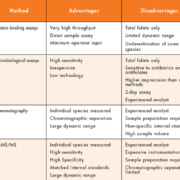
There are several methods currently in use to measure serum folates all with their own advantages and limitations (Table 1). Folate had traditionally been measured using a microbiological assay but, since the 1970s, commercial protein binding assays on automated clinical analysers have been widely used due to both the ease of use of these platforms and the increased throughput they offer. Microbiological assays have not been made obsolete by protein binding assays, as originally expected, due to these assays being well suited to low resource settings [6]. The microbiological assays are considered more accurate as they recover folate vitamers equally and are, therefore, considered the gold standard measurement [14], whereas the protein binding assays generally underestimate folate concentrations due to the different affinities of the folate vitamers for the binding protein used [1, 7].

In contrast to both the microbiological assay and protein binding assays, chromatography techniques are able to differentiate between individual folate species [7] and are now often coupled to mass spectrometers as this method has high sensitivity, specificity and selectivity compared to other detection methods such as fluorimetric or electrochemical detection [6, 7, 15].

The importance of measuring the different folate species is likely to become greater in the future as more information on genetic polymorphisms that affect nutritional status and folate distributions become available [1] and in order to determine the safety of free folic acid in the blood.

The differences seen in results produced by different assays have led the WHO to recommend the standardization of blood vitamin analysis [5, 7]. Initial steps to standardize folate methods began with the development of higher order reference methods that use isotope dilution/ liquid chromatography/tandem mass spectrometry and with recent advances in sample clean up procedures routine methods using LC/MS or LC-MS/MS are becoming more common [5].

Red cell folate is normally calculated using whole blood folate concentrations, serum folate concentrations and hematocrit. However, low concentrations of serum folate within an individual over the course of a month are also indicative of low folate or folate depletion [7, 16]. It has proven to be more technically challenging to measure whole blood folate by LC-MS/MS than it is to measure serum folate, in part because red blood cells first need to be hemolysed to release the polyglutamate folates, which then need to be deconjugated to monoglutamates without any folate loss before being analysed [6, 7]. This has led to whole blood assays only being carried out, commonly by microbiological assays, in specialist laboratories.

LC-MS/MS measurement of folates
The recommendation from an expert and stakeholder workshop for the use of an LC-MS/MS method to measure serum folate for UK population monitoring in 2009 [17] led to the establishment of a assay at the MRC Human Nutrition Unit, Cambridge for the measurement of serum folate in the UK National Diet and Nutrition Survey Rolling Programme (NDNS RP). This was developed from the published method used by the Centers for Disease Control and Prevention, Atlanta, GA for the US National Health and Nutrition Examination Survey (NHANES) [18]. The method described here is for a routine LC-MS/MS method allowing the determination and quantitation of six folate vitamers in serum: tetrahydrofolate (THF); 5-methyltetrahydrofolate (MTHF); 5-formyltetrahydrofolate (FTHF); free folic acid (polyglutamic acid/PGA); 5,10-methenyltetrahydrofolate (5,10 methenylTHF) and an oxidation product of MTHF, MeFox [19].

Samples undergo solid phase extraction, using phenyl columns, to isolate the folate forms in serum samples. Stable isotope-labelled internal standards are added during the extraction step and undergo processing identical to the analytes, thereby normalizing for sample preparation and instrument variability. Analytes are measured using isocratic reversed-phase UPLC prior to electrospray ionization tandem mass spectrometry with a run time of 3.5 minutes. The retention times for all the analytes are very similar and the internal standards are identical to their corresponding analytes, but due to their differing masses, there is clear distinction between them in the assay (Fig. 1). FTHF and MeFox have the same molecular weights and cannot be chromatographically separated, so transitions unique to each form have to be used. The ratio of analyte to internal standard signal is compared to that of a calibration curve to determine analyte concentration.
Recovery is 95.1% for MTHF and >78% for all the other analytes and within batch precision is <7% for all analytes. The calibration graphs are linear, R2 >0.99, for all analytes, from 1 to 100 nmol/L for MTHF and 0.5 to 20 nmol/L for all the other folate forms. Linearity extends above these ranges but these encompass the normal concentrations seen currently in the UK population. Total serum folate concentrations in the UK population lie mainly between 2 and 80 nmol/l. The main folate form in the serum is MTHF, free folic acid and THF are found at concentrations usually <2 nmol/L and MeFox is also found in the majority of samples at concentrations <10 nmol/L. FTHF and CH+THF are rarely found in the serum samples of the UK population. Tandem mass spectrometry may require operation by experienced personnel but it can provide high throughput measurements in a routine environment. The big disadvantage of this method of analysis to most laboratories is the large financial outlay required to purchase the equipment, but the recent advances in mass spectrometry has led to cheaper and smaller instruments being available and this has led to many more being implemented into routine clinical laboratories.
The use of immunoassays for clinical purposes may still be the preferred option for many routine clinical labs but LC-MS/MS is a more accurate, precise and reliable tool for population studies and research purposes than other available methods.

This work was funded by the Medical Research Council MRC_MC_U105960384.

References
1. Shane B. Folate status assessment history: implications for measurement of biomarkers in NHANES. Am J Clin Nutr. 2011; 94(1): 337S–342S.
2. Crider KS, Bailey LB, Berry RJ. Folic acid food fortification-its history, effect, concerns, and future directions. Nutrients, 2011; 3(3): 370–384.
3. Obeid R, Kasoha M, Kirsch SH, Munz W, Herrmann W. Concentrations of unmetabolized folic acid and primary folate forms in pregnant women at delivery and in umbilical cord blood. Am J Clin Nutr. 2010; 92(6): 1416–1422.
4. Smith AD. Folic acid fortification: the good, the bad, and the puzzle of vitamin B-12. Am J Clin Nutr. 2007; 85(1): 3–5.
5. de Benoist B. Conclusions of a WHO Technical Consultation on folate and vitamin B12 deficiencies. Food Nutr Bull. 2008; 29(2 Suppl): S238–244.
6. Bailey LB. Folate in health and disease, 2nd ed. Taylor & Francis 2010.
7. WHO. In: Guideline: Optimal serum and red blood cell folate concentrations in women of reproductive age for prevention of neural tube defects. WHO 2015. (http://apps.who.int/iris/bitstream/10665/161988/1/9789241549042_eng.pdf)
8. McGarel C, Pentieva K, Strain JJ, McNulty H. Emerging roles for folate and related B-vitamins in brain health across the lifecycle. Proc Nutr Soc. 2015; 74(1): 46–55.
9. Hopkins SM, Gibney MJ, Nugent AP, McNulty H, Molloy AM, Scott JM, Flynn A, Strain JJ, Ward M, Walton J, McNulty BA. Impact of voluntary fortification and supplement use on dietary intakes and biomarker status of folate and vitamin B-12 in Irish adults. Am J Clin Nutr. 2015; 101(6): 1163–1172.
10. Clarke R, Bennett D. Folate and prevention of neural tube defects. BMJ 2014; 349: g4810.
11. European Food Safety Authority (EFSA). Folic acid: an update on scientific developments. EFSA 2010. (https://www.efsa.europa.eu/en/supporting/pub/2e)
12. Scientific Advisory Committee on Nutrition (sacn). Folate and disease prevention. The Stationery Office 2006.
13. Bailey RL, Mills JL, Yetley EA, Gahche JJ, Pfeiffer CM, Dwyer JT, Dodd KW, Sempos CT, Betz JM, Picciano MF. Serum unmetabolized folic acid in a nationally representative sample of adults >/=60 years in the United States, 2001–2002. Food Nutr Res, 2012; 56: DOI: 10.3402/fnr.v56i0.5616.
14. Pfeiffer CM, Hughes JP, Lacher DA, Bailey RL, Berry RJ, Zhang M, Yetley EA, Rader JI, Sempos CT, Johnson CL. Estimation of trends in serum and RBC folate in the U.S. population from pre- to postfortification using assay-adjusted data from the NHANES 1988-2010. J Nutr. 2012; 142(5): 886–893.
15. Wang X, Zhang T, Zhao X, Guan Z, Wang Z, Zhu Z, Xie Q, Wang J, Niu B. Quantification of folate metabolites in serum using ultraperformance liquid chromatography tandem mass spectrometry. J Chromatogr B Analyt Technol Biomed Life Sci. 2014; 962: 9–13.
16. McDowell MA, Lacher DA, Pfeiffer CM, Mulinare J, Picciano MF, Rader JI, Yetley EA, Kennedy-Stephenson J, Johnson CL. Blood folate levels: the latest NHANES results. NCHS Data Brief 2008; 6: 1–8.
17. Duthie SJ, Bird S, Mayer C, Macdonald H. FSA UK: Programme N08: Dietary surveys and nutrients in food: Informed systematic review and critical comparison of analytical methods for the quantification of blood folate status in the population. FSA Website April 2009.
18. Fazili Z, Whitehead RD Jr, Paladugula N, Pfeiffer CM. A high-throughput LC-MS/MS method suitable for population biomonitoring measures five serum folate vitamers and one oxidation product. Anal Bioanal Chem. 2013; 405(13): 4549–60.
19. Meadows S. Multiplex measurement of serum folate vitamers by UPLC-MS/MS. Methods in Molecular Biology 2016 (in press).

The author
Sarah Meadows MSc, CSci
MRC, Elsie Widdowson Laboratory, Cambridge, UK

E-mail: sarah.meadows@mrc-ewl.cam.ac.uk

https://clinlabint.com/wp-content/uploads/sites/2/2020/08/p19.jpg 509 600 3wmedia https://clinlabint.com/wp-content/uploads/sites/2/2020/06/clinlab-logo.png 3wmedia2020-08-26 09:42:112021-01-08 11:35:27Measurement of serum folate vitamers by LC-MS/MS
27243 Sekisui CLI aacc affair ad

SK500 the perfect system for your clinical lab

, 26 August 2020/in Featured Articles /by 3wmedia
https://clinlabint.com/wp-content/uploads/sites/2/2020/08/27243_Sekisui_CLI_aacc_affair_ad.jpg 997 700 3wmedia https://clinlabint.com/wp-content/uploads/sites/2/2020/06/clinlab-logo.png 3wmedia2020-08-26 09:42:112021-01-08 11:35:38SK500 the perfect system for your clinical lab
fig1

Improved productivity and workflow efficiencies enhance viral load service provision

, 26 August 2020/in Featured Articles /by 3wmedia

A series of independent evaluations of the Beckman Coulter DxN VERIS Molecular Diagnostics System demonstrated how workflow efficiencies that can be achieved with the DxN VERIS have the potential to improve productivity, while making the best use of existing space and staffing levels.

Background
Virology laboratories throughout the world face a number of challenges that need to be addressed in order to meet service user requirements. These include:

  • Expanding molecular diagnostic workloads
    Include an increase in requests for viral load assays for targets, such as human immunodeficiency virus type 1 (HIV-1), hepatitis C virus (HCV), hepatitis B virus (HBV) and cytomegalovirus (CMV). This growth may be attributed, in part, to the development of new therapeutic strategies or the move away from other traditional “non-molecular” methods.
  • Limited space and workflowinefficiencies
    Many laboratories have to cope with these expanding workloads in already crowded working environments.
    Many existing methods used for obtaining HIV-1, HCV, HBV and CMV viral loads involve multiple platforms and are thus using valuable laboratory space.

Evaluation of a new automated molecular diagnostics method
In 2014/2015, a number of hospital laboratories across Europe became beta trial sites for a new, fully automated molecular diagnostics system, the DxN VERIS Molecular Diagnostics System (Beckman Coulter Inc.), including the virology section at the Hospital Clinic of Barcelona, Spain, the department of laboratory medicine at Niguarda Hospital, Milan, Italy, the department of clinical microbiology at the Hospital Universitario 12 de Octubre, Madrid, Spain and the virology department at Sheffield Teaching Hospitals NHS Foundation Trust, UK.
The DxN VERIS System, launched at ECCMID 2015, consolidates nucleic acid extraction, amplification, quantification and detection onto a single automated instrument for a number of molecular targets, including HIV-1, HCV, HBV and CMV. The system offers single sample random access and the potential to improve clinical laboratory workflow efficiency.
The performances of the VERIS assays for CMV, HBV, HCV and HIV-1 were evaluated using standard and control samples, as well as clinical samples, and were compared to various existing viral load methods in each laboratory. In addition, a series of independent time/workflow analysis studies were performed by Nexus Global Solutions (Plano, Texas, USA).

Productivity and workflow improvements
The results of the comparative workflow studies performed in these participating laboratories are summarized below:

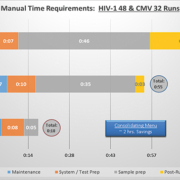
  • The DxN VERIS System workflow involved far fewer steps and consumables than existing methods, particularly in the pre-analytical phase, and required reduced hands-on time, which resulted in significant savings in the time that staff are tied to the process (examples shown in Figure 1).
  • Significant improvement in time to first result. This is in contrast to the current methods, where results are not available until the end of the assay run.
  • The DxN VERIS System allows true, single sample random access which, combined with short assay runtimes, ensures the rapid turnaround of results.
  • The DxN VERIS system allowed much faster turnaround of results in a normal working week, with all results being reported within 8-24 hours of receipt (depending on the laboratory), unlike existing methods which often required several days (example in Figure 2).

Duncan Whittaker, Laboratory Manager Virology at Sheffield Teaching Hospitals NHS Foundation Trust, shared his experience:
“Hands on time requirements were measured specifically for the HIV-1 and CMV assays. If these two assays alone were consolidated onto the DxN VERIS it would save around 2 hours manual time per day. If all four parameters were consolidated onto the DxN VERIS system, it is estimated that this would ultimately save at least 0.6 whole time equivalent (WTE) biomedical scientists.”
Diana Fanti, Molecular Biology Laboratory Manager at Niguarda Hospital, Milan, commented:
“By reducing manual intervention and automating processes from sample loading to reporting of results, the DxN VERIS offers the potential to transform clinical laboratory workflows. Each assay is supplied in a unique, single cartridge system, and all consumables and reagents are stored on-board, which cuts preparation time compared to alternative methods”.
Rafael Delgado, Head of Clinical Microbiology at the Hospital Universitario 12 de Octubre, Madrid, agreed:
“One of the most important aspects of the system for our laboratory is the ability to process samples as they are received in the laboratory. With our pervious method, we had to work in batches of 24 or 48, collecting and storing samples throughout the day (or overnight) until we had sufficient for a single run. Then results were not available until the entire run was completed. Now, with the random access capabilities of the DxN VERIS system, this has changed. We receive samples around the clock and we are able to run them straight away. This has improved our response times significantly, from 24-28 hours to just 4-5 hours from sample receipt, and with comparable quality of results compared to our previous method.”

Driving efficiency
DxN VERIS assays are supplied in a unique single cartridge system, which saves further preparation time and effort compared to alternative methods.
The DxN VERIS System also allows more efficient use of staff. Dr Fanti commented:
“By transforming laboratory organization and workflows and reducing manual intervention, viral loads (which account for about 50% of the molecular workload) could be completed in a single day using the DxN VERIS. Requiring fewer people to be dedicated to this purpose, this makes it possible to accomplish more work with the same number of staff.”
Duncan Whittaker agreed, stating:
“The ease of use of the DxN VERIS would help to address staffing issues, as routine operation could be performed by medical laboratory assistants, allowing biomedical scientists to be redeployed more effectively in more skilled areas. Training staff to use the DxN VERIS is very quick and straightforward, taking just 20 minutes. Furthermore, as there is less hands on intervention required, the laboratory could achieve more without any increase in staff. With an annual cost improvement package to meet, anything that helps to increase productivity is a bonus.”
Rafael Delgado also appreciated the benefits for laboratory staff, commenting:
“The DxN VERIS system has been well received by laboratory staff and has expanded our service capabilities. Fully automated from the loading of samples to obtaining results, it is easy to operate by laboratory technicians of all abilities. In addition, since it involves minimal manual intervention and fewer steps than our previous method, there is less opportunity for error and staff have more time to perform other important tasks in the laboratory.”

Conclusions
In conclusion, Duncan Whittaker continued:
“Following the workflow analysis study, it was apparent that the improved workflow and time savings that can be achieved using the DxN VERIS Molecular Diagnostics System could have an enormous impact on the challenges faced by our laboratory. In terms of addressing increasing workloads, the reduced manual intervention required for DxN VERIS would allow more work to be performed per member of staff. The more efficient workflow would free staff to perform other tasks, which would allow the laboratory to develop new services and further increase the department’s test repertoire. This, and improved turnaround times, would help the laboratory to remain competitive in an increasingly competitive environment.”
Since early 2016, the Clinical Microbiology department at the Hospital Universitario 12 de Octubre, Madrid, has also been using the DxN VERIS System routinely for HBV and HCV viral load quantifications. Rafael Delgado commented:
“Our experiences in evaluating the DxN VERIS system enabled us to appreciate its potential as an enabler for an improved molecular biology clinical service. The increased automation and random access offer workflow improvements that simplify laboratory tasks and reduce the potential for human error. Furthermore, its overall performance and ease of use facilitated the smooth introduction of the technology in our laboratory.”
“Our annual volume of HBV and HCV samples is around 7,000 and, as a clinical laboratory working closely alongside medical staff, our viral load results support timely clinical decision making and subsequent patient management. In this respect the DxN VERIS system is ideal for our needs, providing same day results to our outpatient clinics.”
Beckman Couter is commited to providing an increasing menu of assays for the DxN VERIS Molecular Diagnostics System.

Email: info@beckmanmolecular.com or visit www.beckmancoulter.com/moleculardiagnostics

Contributors
Professor Jordi Vila, Head of Department of Clinical Microbiology and Dr Angeles Marcos, Head of the Virology Section
Hospital Clinic, School of Medicine
University of Barcelona, Spain
Providing a full range of medical and surgical specialties for a local population of over half a million, the Hospital Clinic of Barcelona is also a National and International Centre of reference. The Hospital’s Department of Clinical Microbiology, also a reference laboratory for organ transplantation, operates 24 hours a day, seven days a week and, like many laboratories throughout Europe, has experienced increasing workloads in recent years. HBV HCV CMV and HIV-1 viral loads constitute an annual workload volume of nearly 19,000 tests.


Diana Fanti, Molecular Biology Laboratory Manager
Department of Laboratory Medicine, Niguarda Hospital, Milan, Italy
Niguarda Hospital in Milan is one of Italy’s leading General Hospitals, and provides an extensive range of medical disciplines for adults and children throughout the Lombardy region and beyond. The hospital’s Department of Laboratory Medicine aims to offer a complete, continuous and prompt diagnostic laboratory testing service and is committed to research into automation and analysis to ensure this is maintained. Its busy Molecular Biology Laboratory performed an estimated 40,000 tests in 2015, which is approximately 10% increase on the previous year.

Rafael Delgado, Head of Clinical Microbiology
Hospital Universitario 12 de Octubre, Madrid, Spain
With 1,300 beds and over 6,000 employees, the Hospital Universitario 12 de Octubre in Madrid is one of the largest hospitals in Spain, serving a population of more than 500,000 people in and around the capital. It is an important teaching and research center with a number of areas of expertise, including organ transplantation and the diagnosis and treatment of cancer. The hospital’s Clinical Microbiology Department has a significant serology workload, processing more than 250 serology samples every day, which includes viral load testing for targets such as cytomegalovirus (CMV), hepatitis B virus (HBV), hepatitis C virus (HCV) and human immunodeficiency virus type 1 (HIV-1).

Duncan Whittaker, Laboratory Manager Virology
Sheffield Teaching Hospitals NHS Foundation Trust
The Department of Virology at Sheffield Teaching Hospitals NHS Foundation Trust provides a valuable diagnostic testing service to the people of Sheffield, serving the local community and five teaching hospitals within the trust as well as the Sheffield Children’s Hospital. It is also a referral laboratory receiving samples from further afield for a variety of tests, including routine viral loads and molecular diagnostics. The department’s annual automated workload includes around 105,000 serology samples (more than 300,000 tests) and 65,000 samples for molecular testing (around 129,000 tests), as well as 60,000 samples for Chlamydia and Gonorrhoea testing.

https://clinlabint.com/wp-content/uploads/sites/2/2020/08/fig1.jpg 356 600 3wmedia https://clinlabint.com/wp-content/uploads/sites/2/2020/06/clinlab-logo.png 3wmedia2020-08-26 09:42:112021-01-08 11:35:20Improved productivity and workflow efficiencies enhance viral load service provision
p32 03

Faster viral load results for an improved clinical service

, 26 August 2020/in Featured Articles /by 3wmedia

With 1,300 beds and over 6,000 employees, the Hospital Universitario 12 de Octubre in Madrid is one of the largest hospitals in Spain, serving a population of more than 500,000 people in and around the capital.  It is an important teaching and research centre with a number of areas of expertise, including organ transplantation and the diagnosis and treatment of cancer.

The hospital’s Clinical Microbiology Department has a significant serology workload, processing more than 250 serology samples every day.  This includes viral load testing for targets such as cytomegalovirus (CMV), hepatitis B virus (HBV), hepatitis C virus (HCV) and human immunodeficiency virus type 1 (HIV-1). 

The serology laboratory faces a number of challenges that need to be addressed in order to meet future workload and service user requirements.  Not least, the available space in the laboratory is limited due to the instrumentation that is required.  Our existing viral load method requires separate sample preparation and amplification/detection platforms, and involves considerable manual intervention.  Furthermore, as samples are processed in batches, this requires additional space for pre-analytical sample storage. 

On reviewing our processes, we identified the need for increased automation within the laboratory, to reduce the number of manual steps and improve workflow efficiencies, and improve laboratory response times.

Evaluating new technology
In 2014-2015, we had the opportunity to evaluate a new, fully automated, random access platform for viral load analyses.  The DxN VERIS Molecular Diagnostics System (Beckman Coulter) consolidates DNA extraction, nucleic acid amplification, quantification and detection onto a single automated instrument for a number of molecular targets.  We evaluated the performance of the VERIS assays for CMV, HBV, HCV and HIV-1 using standard and control samples, as well as clinical samples, comparing them to our existing viral load method (COBAS Ampliprep®/COBAS TaqMan® assays, Roche). 

All four assays were found to have comparable performance to our existing method, demonstrating excellent sensitivity, specificity and precision [1,2].  The correlation between both methods for HBV viral load quantification, for example, is shown in figure 1.  A precision analysis for the VERIS HBV assay, which was calculated for five levels tested in duplicate over 20 days, gave a ‘within run’ standard deviation of ≤0.09 Log IU/mL and a ‘between run’ standard deviation of ≤0.09 Log IU/mL (table 1). Moreover, repeated analysis of negative samples alongside high positive samples at different rack positions showed no cross contamination, giving confidence in results.  This random access technology provided the first result in just 75 minutes for HBV and CMV DNA, and in 90 minutes for HCV and HIV-1 RNA, with subsequent results every 2.5 minutes.

Our experiences in evaluating the DxN VERIS system led us to appreciate its potential as an enabler for an improved molecular biology clinical service.  The increased automation and random access offer workflow improvements that simplify laboratory tasks and reduce the potential for human error.  Furthermore, its overall performance and ease of use facilitated the smooth introduction of the technology in our laboratory.

Rapid results inform prompt treatment decisions
Early in 2016, we began to use the DxN VERIS System routinely for HBV and HCV viral load quantifications.  Our annual volume of HBV and HCV samples is around 7,000 and, as a clinical laboratory working closely alongside medical staff, our viral load results support timely clinical decision making and subsequent patient management.  In this respect the DxN VERIS system is ideal for our needs, providing same day results to our outpatient clinics.

One of the most important aspects of the system for our laboratory is the ability to process samples as they are received in the laboratory.  With our previous method, we had to work in batches of 24 or 48, collecting and storing samples throughout the day (or overnight) until we had a sufficient number of samples for a single run.  Then results were not available until the entire run was completed.  This had a huge impact on response times.

Now, with the random access capabilities of the DxN VERIS system, this has changed.  We receive samples around the clock and we are able to run them straight away.  This has improved our response times significantly, from 24-28 hours to just 4-5 hours from sample receipt, and with comparable quality of results compared to our previous method.

At the moment we enter results into the patient record manually, but soon we will be moving to a barcode system that will transfer all details and results into the electronic patient record automatically, saving time and further reducing opportunities for human error.

Expanding laboratory capabilities
The DxN VERIS system has been well received by laboratory staff and has expanded our service capabilities.  Fully automated from the loading of samples to obtaining results, it is easy to operate by laboratory technicians of all abilities.  In addition, since it involves minimal manual intervention and fewer steps than our previous method, there is less opportunity for error and staff have more time to perform other important tasks in the laboratory.

One of our objectives as a clinical microbiology department is to offer a more complete panel of assays on a 24-hour basis.  Previously, this was not possible for molecular diagnostic investigations such as HBV and HCV viral loads, because it was not practical to run one or two samples at a time on our previous system. The random access and ease of use of the DxN VERIS system has enabled  us to operate our HBV/HCV viral load service 24 hours per day, making it ideal  to meet the variable needs of our laboratory in terms of workload volume and response times. 

For further information about the DxN VERIS Molecular Diagnostic System and the VERIS assays currently available, please contact: Tiffany Page, Senior Pan European Marketing Manager Molecular Diagnostics, Email: info@beckmanmolecular.com or visit www.beckmancoulter.com/moleculardiagnostics

References
1. Rafael Delgado  (2015) Evaluation in a Clinical Setting of the General Performance of DxN VERIS CMV and HBV Viral Load Assay.  Oral presentation, ECCMID, Copenhagen.
2. Gutiérrez, F, Zurita, S, Pérez-Rivilla, A and Delgado, R (2015) Evaluation of the Automated DxN VERIS System for Human Immunodeficiency Virus Type-1 (HIV-1) and Hepatitis C Virus (HCV) Viral Load (VL) Monitoring. Poster presentation ESCV, Edinburgh.

The author
Rafael Delgado, Head of Clinical Microbiology Hospital
Universitario 12 de Octubre, Madrid, Spain.

https://clinlabint.com/wp-content/uploads/sites/2/2020/08/p32_03.jpg 383 900 3wmedia https://clinlabint.com/wp-content/uploads/sites/2/2020/06/clinlab-logo.png 3wmedia2020-08-26 09:42:112021-01-08 11:35:30Faster viral load results for an improved clinical service
Page 101 of 146«‹99100101102103›»
Bio-Rad - Preparing for a Stress-free QC Audit

Latest issue of Clinical laboratory

May 2026

CLi Cover May 2026
17 June 2026

T-CURX acquires Pantherna Therapeutics to fast-track non-viral in vivo CAR-T therapies into the clinic

17 June 2026

Cirena secures Agilent licensing deal to unlock high-purity long RNA production

17 June 2026

SLAS Europe 2026: Trince takes top ignite award as Vienna conference draws 1,500-plus registrants

Digital edition
All articles Archived issues

Free subscription

View more product news

Get our e-alert

The leading international magazine for Clinical laboratory Equipment for everyone in the Vitro diagnostics

Sign up today
  • News
    • Featured Articles
    • Product News
    • E-News
  • Magazine
    • About us
    • Archived issues
    • Free subscriptions
    • Media kit
    • Submit Press Release
clinlab logo blackbg 1

Prins Hendrikstraat 1
5611HH Eindhoven
The Netherlands
info@clinlabint.com

PanGlobal Media is not responsible for any error or omission that might occur in the electronic display of product or company data.

Scroll to top

This site uses cookies. By continuing to browse the site, you are agreeing to our use of cookies.

Accept settingsHide notification onlyCookie settings

Cookie and Privacy Settings


How we use cookies

We may ask you to place cookies on your device. We use cookies to let us know when you visit our websites, how you interact with us, to enrich your user experience and to customise your relationship with our website.

Click on the different sections for more information. You can also change some of your preferences. Please note that blocking some types of cookies may affect your experience on our websites and the services we can provide.

Essential Website Cookies

These cookies are strictly necessary to provide you with services available through our website and to use some of its features.

Because these cookies are strictly necessary to provide the website, refusing them will affect the functioning of our site. You can always block or delete cookies by changing your browser settings and block all cookies on this website forcibly. But this will always ask you to accept/refuse cookies when you visit our site again.

We fully respect if you want to refuse cookies, but to avoid asking you each time again to kindly allow us to store a cookie for that purpose. You are always free to unsubscribe or other cookies to get a better experience. If you refuse cookies, we will delete all cookies set in our domain.

We provide you with a list of cookies stored on your computer in our domain, so that you can check what we have stored. For security reasons, we cannot display or modify cookies from other domains. You can check these in your browser's security settings.

.

Google Analytics Cookies

These cookies collect information that is used in aggregate form to help us understand how our website is used or how effective our marketing campaigns are, or to help us customise our website and application for you to improve your experience.

If you do not want us to track your visit to our site, you can disable this in your browser here:

.

Other external services

We also use various external services such as Google Webfonts, Google Maps and external video providers. Since these providers may collect personal data such as your IP address, you can block them here. Please note that this may significantly reduce the functionality and appearance of our site. Changes will only be effective once you reload the page

Google Webfont Settings:

Google Maps Settings:

Google reCaptcha settings:

Vimeo and Youtube videos embedding:

.

Privacy Beleid

U kunt meer lezen over onze cookies en privacy-instellingen op onze Privacybeleid-pagina.

Privacy policy
Accept settingsHide notification only

Subscribe now!

Become a reader.

Free subscription