




Children presenting with diabetic ketoacidosis (DKA) require prompt assessment and treatment initiation to prevent serious complications. The use of point-of-care (POC) analysers to assess blood ketones is beginning to replace the traditional analysis of urine ketones, but some questions remain as to their optimal utilization.
by Dr A.M. Ferguson, Dr J. Michael, Prof. S. DeLurgio and Dr M. Clements
Introduction
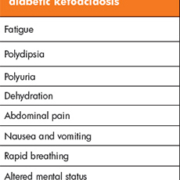
Diabetic ketoacidosis (DKA) is an acute complication of uncontrolled diabetes mellitus resulting from insulin deficiency. It is biochemically defined as hyperglycemia (blood glucose >200 mg/dL) with metabolic acidosis (venous pH <7.3 or bicarbonate <15 mmol/L), ketonemia, and ketonuria [1]. The clinical picture of the patient can include fatigue, polydipsia, polyuria, dehydration, abdominal pain, vomiting and altered mental status (Box 1). DKA can occur in known diabetics and can be the presenting symptom prior to diagnosis. Children who are on insulin pump therapy, who have unstable family situations, or have limited access to healthcare are at an increased risk of DKA [1], and DKA is the most common cause of diabetes-related mortality in children.
Assessing urine ketones has been part of the standard practice when assessing if a patient has DKA, but this has multiple issues. There are three types of ketones: acetoacetate, acetone, and β-hydroxybutyrate (BHB). BHB is the predominant ketone produced during DKA and can be present at up to 10 times the amount of acetoacetate. The urine dipsticks that are commonly used to assess ketonuria utilize a nitroprusside reagent that reacts with acetoacetate and acetone but not at all with BHB. This is problematic because the major ketone produced in DKA is not detected, which can lead to false negative urine ketone testing. Additionally, as ketosis resolves, BHB is converted to acetoacetate, increasing urine ketones during the recovery phase, potentially leading the clinician to believe that the ketosis is worsening instead of resolving. An added obstacle is the difficulty of getting a urine specimen from a young child, especially one in nappies. Measuring serum ketones, specifically BHB, is a solution to both of these issues.
Clinical measurement of serum ketones
As the methodology for measuring serum BHB became more automated, the test moved from being used only on a research basis to being available for clinical use. Initial studies were done to see how serum BHB functioned for the diagnosis of DKA. A large retrospective study looking at simultaneous measurements of BHB and bicarbonate found that BHB levels of ≥3 and ≥3.8 mmol/L in children and adults, respectively, could be used to diagnose DKA and provides a more specific assessment of DKA than bicarbonate alone [2].
When assessing patients for DKA, it is critical to make the diagnosis as quickly as possible to initiate treatment and prevent the patient from decompensating further. The commercial availability of point-of-care (POC) meters to assess serum ketones allows the patient to be tested immediately on presentation at the bedside. There have been multiple studies performed in adults showing that use of POC BHB meters in the emergency room can aid in diagnosis and treatment of DKA. Arora et al. compared POC BHB and urine ketone dipstick results in 54 patients with DKA presenting to the emergency department [3]. They found that both methods were equally sensitive for detecting DKA at 98.1%, but that BHB with a cut-off of ≥1.5 mmol/L is more specific for DKA compared to urine dipsticks (78.6 vs 35.1%) and could cut down on unnecessary DKA work ups in hyperglycemic patients. Another study found that a BHB value of 3.5 mmol/L yielded 100% sensitivity and specificity for the diagnosis of DKA [4].
Use of POC testing in pediatrics
Fewer studies have been done in pediatric patients. One such study by Ham et al. determined that using a POC meter in the hospital setting could aid in monitoring the resolution of DKA in pediatric patients [5]. The BHB values from the POC meter correlated with BHB values from the laboratory for most of the meter’s measurement range. Use of the meter had both a strong positive predictive value (PPV, 0.85) as well as negative predictive value (NPV, 1.0) for indicating the presence or absence of DKA at a meter value of 1.5 mmol/L [5]. Noyes et al. used POC ketone testing to identify the endpoint of an integrated care pathway when treating DKA in children [6]. They compared their current treatment endpoint of pH >7.3 and no presence of urine ketones with an endpoint defined by pH >7.3 and two successive POC ketone measurements of <1 mmol/L. The study measured time of treatment in 35 patient episodes in children ranging in age from 1–14 years. The time to completion of treatment using POC ketone measurement was 17 hours, compared to 28 hours using measurement of urine ketones to end treatment [6] . They found that occasionally a value below 1 mmol/L would be followed by a value above 1 mmol/L, but this never occurred after two subsequent values under 1 mmol/L, leading them to recommend waiting for the two successive low values before ending treatment. In addition to allowing an earlier treatment endpoint, this approach enables less time to be spent in the ICU, with decreased cost associated with treatment. Using a POC ketone meter can also result in fewer tests being ordered overall. Rewers and colleagues asked whether monitoring serum BHB values at the bedside could result in a decrease in laboratory testing in pediatric patients [7]. Their results indicated that the real-time changes observed in POC serum BHB values correlated strongly with changes in pH, bicarbonate, and pCO2 and also had good correlation with the laboratory BHB method. While initial measurement of pH, bicarbonate and pCO2 is encouraged, following up the patient with POC BHB can replace serial laboratory measurements of those analytes and decrease the amount of laboratory testing [7]. Similarly, a separate study showed that use of a POC BHB meter at home decreased diabetes-related hospital visits and hospitalizations of pediatric diabetics when compared to urine ketone testing by allowing earlier identification of ketosis and initiation of treatment [8].
Most of the studies mentioned are close to 10 years old, but measuring serum BHB to diagnose DKA or monitor its resolution has not become standard practice. A recent review of the standard treatment guidelines for DKA in children and adolescents raises the question of whether blood ketones should be evaluated during management of DKA [9]. The authors recommend using serum BHB measurement, either from the laboratory or at the point of care, to both diagnose DKA and monitor treatment. Despite the inaccuracies of POC meters seen at high BHB values [5–7], use of a diagnostic cut-off of >3 mmol/L is well within the accurate range of the meters and can be used to confidently diagnose DKA and monitor the patient’s response to treatment.
Conclusions
Despite the increasing body of knowledge indicating that measurement of serum BHB can aid in both diagnosis and management of DKA, a study conducted in 2014 indicated that although 89% of pediatric emergency medicine and critical care providers responding to a survey stated that they had a DKA protocol at their institution, 67% perceived no clinical advantage in the use of serum ketone measurements [10]. This suggests that evaluation of serum ketone monitoring during DKA management from a quality improvement and research perspective may be necessary before clinical adoption is widespread. The next iteration of DKA management guidelines should address the potential utility of serum ketone monitoring.
References
1. Wolfsdorf J, Craig ME, et al. Diabetic ketoacidosis in children and adolescents with diabetes. Pediatr Diabetes 2009; 10(Suppl 12): 118–133.
2. Sheikh-Ali M, Karon BS, et al. Can serum beta-hydroxybutyrate be used to diagnose diabetic ketoacidosis? Diabetes Care 2008; 31(4): 643–647.
3. Arora S, Henderson SO, et al. Diagnostic accuracy of point-of-care testing for diabetic ketoacidosis at emergency-department triage: {beta}-hydroxybutyrate versus the urine dipstick. Diabetes Care 2011; 34(4): 852–854.
4. Charles RA, Bee YM, et al. Point-of-care blood ketone testing: screening for diabetic ketoacidosis at the emergency department. Singapore Med J. 2007; 48(11): 986–989.
5. Ham MR, Okada P, White PC. Bedside ketone determination in diabetic children with hyperglycemia and ketosis in the acute care setting. Pediatr Diabetes 2004; 5(1): 39–43.
6. Noyes KJ, Crofton P, et al. Hydroxybutyrate near-patient testing to evaluate a new end-point for intravenous insulin therapy in the treatment of diabetic ketoacidosis in children. Pediatr Diabetes 2007; 8(3): 150–156.
7. Rewers A, McFann K, Chase HP. Bedside monitoring of blood beta-hydroxybutyrate levels in the management of diabetic ketoacidosis in children. Diabetes Technology & Therapeutics 2006; 8(6): 671–676.
8. Laffel LM, Wentzell K, et al. Sick day management using blood 3-hydroxybutyrate (3-OHB) compared with urine ketone monitoring reduces hospital visits in young people with T1DM: a randomized clinical trial. Diabet Med. 2006; 23(3): 278–284.
9. Wolfsdorf JI. The International Society of Pediatric and Adolescent Diabetes guidelines for management of diabetic ketoacidosis: Do the guidelines need to be modified? Pediatr Diabetes 2014; 15(4): 277–286.
10. Clark MG, Dalabih A. Variability of DKA management among pediatric emergency room and critical care providers: a call for more evidence-based and cost-effective care? J Clin Res Pediatr Endocrinol. 2014; 6(3): 190–191.
The authors
Angela M. Ferguson*1 PhD, DABCC, FACB; Jeffery Michael1 D.O., FAAP; Stephen DeLurgio2 PhD; Mark Clements1 MD, PhD, CPI
1Children’s Mercy Hospital, Kansas City, MO, USA
2Bloch School, University of Missouri, Kansas City, MO, USA
*Corresponding author
E-mail: amferguson@cmh.edu
A diagnostic point-of care (POC) test would greatly improve case detection and management of pediatric tuberculosis (TB). Herein, we provide a brief overview of the challenges associated with diagnosing TB in children and recent evidence that points towards a future POC test based on transcriptomes in peripheral blood.
by Dr S. Jenum, Dr J.E. Gjøen, R. Bakken, Dr D. Sivakumaran and Prof. H.M.S. Grewal
Introduction
Tuberculosis (TB) caused by Mycobacterium tuberculosis (Mtb), is a leading cause of childhood death and morbidity worldwide estimated to cause 1 million new cases in children <15 years of age in 2014 [1]. The gold standard for a diagnosis of pulmonary TB is growth of Mtb from respiratory specimens. However, culture-confirmed TB only occurs in about 30% of pediatric TB cases because of the paucibacillary nature of the disease and the difficulties in obtaining representative specimens [2]. For these reasons, children have been perceived less contagious and, therefore, not considered a priority for case finding within national TB programmes. This has resulted in detection rates being as low as 35% [3], with evident consequences for childhood death and morbidity. An accurate diagnostic test that provides a rapid, sensitive and specific result, enabling early initiation of treatment at the point-of-care (POC), ‘a diagnostic POC test’, could prevent this. The declaration by the World Health Organization (WHO) of pediatric TB as a neglected area of science and the stated urgent need for improved diagnostics [4], has spurred the search for TB diagnostic biomarkers in children. We provide a brief overview of the challenges associated with diagnosing TB in children and recent evidence that points towards a future POC test based on transcriptomes in peripheral blood.
Diagnosing TB in children
Diagnostic approaches and criteria for pediatric TB have recently been extensively reviewed [5]. In summary, sampling of respiratory specimens for confirmation of diagnosis by culture is strongly recommended, but requires repeated sampling of induced sputum and gastric aspirates, which are cost and labour intensive [5]. Notably, as many as 70% of children are culture negative even under optimized study conditions [2]. Therefore, in most cases, a diagnosis is based on a diagnostic algorithm including clinical signs and symptoms, radiological findings suggestive of TB and immunological evidence of previous Mtb sensitization [5]. Clinical diagnostic algorithms have not being adequately validated [6], and radiological findings are often unspecific [5]. The tuberculin skin test (TST) and the newer interferon-γ release assays used as a surrogate for Mtb infection cannot differentiate between infection and disease [7], and have reduced sensitivity in young and malnourished children [8, 9], but may be complementary by improving sensitivity in such clinical contexts [5].
Requirements for a POC test
Direct microscopy of sputum smears looking for acid-fast bacilli, is widely implemented at primary diagnostic centres for the diagnosis of pulmonary TB in adults, but the sensitivity is highly variable (20–80%) [10]. Since 2010, the use of the Xpert MTB/RIF assay on sputum samples has expanded in low- and middle-income countries [11], serving as a POC test in adults. The assay is based on direct identification of Mtb in specimens by a nucleic acid amplification test and detects in children three times the cases detected by direct microscopy and ~70% of the cases detected by liquid culture [12]. The WHO recommends that a POC triage test, meant to narrow down the population that needs further diagnostic work-up, should achieve a sensitivity of 90% and a specificity of 70%. For a diagnostic POC test, the sensitivity should be >95% and the specificity >98% [13]. A POC test based on Mtb detection will never meet these requirements in children because of the high proportion of culture-negative pulmonary TB [2], as well as the significant proportion of extrapulmonary TB [5]. Host biomarkers reflecting the ongoing pathological processes resulting from Mtb infection may hold greater promise for this purpose. Moreover, peripheral whole blood (WB) is more easily available for diagnosis than respiratory or tissue samples, particularly in children. Therefore, biomarkers based on transcriptomes in WB have gained increasing interest.
Genome-wide analysis of RNA expression
A landmark study by Berry et al., based on genome-wide analysis of RNA expression in unstimulated WB from adults, identified an 86-transcript signature able to discriminate active TB from other inflammatory and infectious diseases [14]. This transcriptomic signature consisted mainly of neutrophil-driven interferon (IFN)-inducible genes, which until then, had not been considered essential players in TB immunity. Further, a decreased abundance of B-cell transcripts in TB patients [14], challenged the paradigm of B-cells and humoral immunity being of little importance in protection against Mtb. Following this study, the upregulation of type I IFN-inducible genes and altered expression of B-cell related genes has been confirmed in adults [15–19] and adolescents [20].
To our knowledge, two previous studies in children have been published based on genome-wide transcriptional profiling of WB in analysis of RNA expression in Warao Amerindians [21], and in three African cohorts [22]. Verhagen et al. addressed the diagnostic gap in discriminating TB disease from latent TB, and identified a 5-transcript signature with a prediction error of 11% in discriminating active from latent TB. The signature classified correctly 78% of TB cases and 100% of latent TB cases in a validation cohort comprising children with non-TB pneumonia [21]. Interestingly, the 5-transcript signature, when applied on transcriptional data-sets generated by microarray analyses of WB from adults performed similarly, whereas the gene signatures identified in these adults were useless in the cohort of Warao Amerindian children [21]. This questions the validity in extrapolating results from transcriptional TB biomarker research in adults to children, highlighting the importance of studies in pediatric populations.
Applying a more real-life diagnostic setting with inclusion of children evaluated for suspected TB applying a graded diagnosis of TB in line with the consensus statement [6], Anderson et al. identified a 51-transcript signature that distinguished TB from other diseases in South African and Malawian children, subsequently validated in Kenyan children. A risk score based on the signature identified confirmed TB with a sensitivity of 82.9% and a specificity of 83.6%, and discriminated between other disease and culture-negative TB with a sensitivity ranging from 35–82% [22].
A more cost-effective method for assessing transcriptomes
Genome-wide analyses of transcriptomes are costly and resource-intensive but can be seen as a necessary first step in identifying markers with potential for subsequent refinement as POC tests. A test more suitable for hypothesis-testing or more high-throughput screening of transcriptional signatures with relevance in TB, has recently been developed [23]. The dual-colour Reverse Transcriptase-Multiplex Ligation-dependent Probe Amplification (dcRT-MLPA) can rapidly profile multiple host genes with a dynamic range and accuracy comparable to real-time qPCR and RNA sequencing at a cost of €5–7 per sample [24], most likely simplifying the translation of findings into diagnostic tools in resource-poor settings. The dcRT-MLPA method has been applied in different studies assessing TB biomarkers [19, 23–25]. Recently, incorporating the results from unbiased gene-expression profiling, the gene panels adapted for the dcRT-MLPA platform have been expanded to include type I IFN-inducible genes as well as genes covering adaptive immunity, including B-cells [25].
The dcRT-MLPA method in the context of pediatric TB
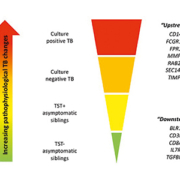
We have applied the dcRT-MLPA method to identify TB diagnostic transcriptome signatures in pediatric TB settings in India [26, 27]. We have also examined the immunological basis for discordant TST and Quantiferon® responses [28], as well as the potential interference of non-tuberculous mycobacteria on transcriptional biomarkers [29]. The younger the child, the more challenging the diagnosis of TB. We therefore explored transcriptional biomarkers in Indian children aged <3 years referred for a TB diagnostic work-up in a prospective cohort study of BCG-vaccinated neonates. We found that RAB33A alone discriminated between clinical TB and Mtb infection with an area under the curve (AUC) of 77.5%, whereas a 5-transcript signature effectively discriminated between clinical TB and controls (AUC 91.7%) [26]. Then, in a cohort of older Indian children (mean age ~9 years) with intrathoracic TB and their siblings, we assessed transcriptional biomarkers across the spectrum of TB disease. We identified 12 biomarkers consistently associated with clinical groups ‘upstream’ towards confirmed TB or ‘downstream’ towards a decreased likelihood of TB disease (Fig. 1), suggesting a correlation with Mtb-related pathology and high relevance to a future POC test. Furthermore, an 8-transcript signature separated children with TB from asymptomatic siblings (AUC 88%) [27]. Notably, these transcriptome signatures provided a superior sensitivity for confirmed TB compared with the Xpert MTB/RIF performed on gastric lavage [2]. Many of the biomarkers within these signatures have been confirmed in adults with Mtb infection or disease [19, 23, 24].
Future perspectives
We are currently exploring the performance of the extended dcRT-MLPA panels of genes which include type I IFN-signalling, myeloid cell activation, general inflammation and B-cell related genes in Indian children with intrathoracic TB. Transcriptome signatures identified in a discovery set consisting of randomly assigned TB cases and their healthy siblings will be validated in a diagnostic setting of symptomatic children aged <3 years.
We are also exploring the association between transcriptional biomarkers and the extent of TB disease and the outcome of TB treatment in children. The monitoring and evaluation of TB treatment is hampered by the limited tools available to guide decision-making during the long treatment period. Based on our unpublished results, as well as from findings in adults [16, 17, 23] we believe that treatment monitoring by means other than a negative culture result at 2 months post-treatment [30] will be possible.
Conclusions
Transcriptome-based tests meeting the requirements for both a screening and a diagnostic POC test would greatly improve case detection in children and subsequently reduce morbidity and mortality attributable to TB [13]. Further, a POC test capable of guiding treatment would prevent treatment failure and the subsequent emergence of resistant Mtb strains.
References
1. WHO. Global tuberculosis report 2015. ISBN 978-9241565059. http://apps.who.int/iris/bitstream/10665/191102/1/9789241565059_eng.pdf.
2. Dodd LE, Wilkinson RJ. Diagnosis of paediatric tuberculosis: the culture conundrum. Lancet Infect Dis. 2013; 13(1): 3–4.
3. Dodd PJ, Gardiner E, Coghlan R, Seddon JA. Burden of childhood tuberculosis in 22 high-burden countries: a mathematical modelling study. Lancet Glob Health 2014; 2(8): e453–459.
4. WHO. Roadmap for childhood tube culosis: towards zero deaths. WHO 2013;http://apps.who.int/iris bitst eam/10665/89506/1/9789241506137_eng pdf.
5. Perez-Velez CM, Marais BJ. Tuberculosis in children. N Engl J Med. 2012; 367(4): 348–361.
6. Graham SM, Ahmed T, Amanullah F, Browning R, Cardenas V, Casenghi M, Cuevas LE, Gale M, Gie RP, et al. Evaluation of tuberculosis diagnostics in children: 1. Proposed clinical case definitions for classification of intrathoracic tuberculosis disease. Consensus from an expert panel. J Infect Dis. 2012; 205 Suppl 2: S199–S208.
7. Pai M, Denkinger CM, Kik SV, Rangaka MX, Zwerling A, Oxlade O, Metcalfe JZ, Cattamanchi A, Dowdy DW, et al. Gamma interferon release assays for detection of Mycobacterium tuberculosis infection. Clin Microbiol Rev. 2014; 27(1): 3–20.
8. Machingaidze S, Wiysonge CS, Gonzalez-Angulo Y, Hatherill M, Moyo S, Hanekom W, Mahomed H. The utility of an interferon gamma release assay for diagnosis of latent tuberculosis infection and disease in children: a systematic review and meta-analysis. Pediatr Infect Dis J. 2011; 30(8): 694–700.
9. Jenum S, Selvam S, Mahelai D, Jesuraj N, Cardenas V, Kenneth J, Hesseling AC, Doherty TM, Vaz M, Grewal HM. Influence of age and nutritional status on the performance of the tuberculin skin test and QuantiFERON-TB gold in-tube in young children evaluated for tuberculosis in Southern India. Pediatr Infect Dis J. 2014; 33(10): e260–269.
10. WHO. Report of the Tenth Meeting of the Strategic and Technical Advisory Group for Tuberculosis (STAG-TB) 2010. WHO 2010; http://www.who.int/tb/advisory_bodies/stag_tb_report_2010.pdf.
11. Qin ZZ, Pai M, Van GW, Sahu S, Ghiasi M, Creswell J. How is Xpert MTB/RIF being implemented in 22 high tuberculosis burden countries? Eur Respir J. 2015; 45(2): 549–554.
12. Nicol MP, Workman L, Isaacs W, Munro J, Black F, Eley B, Boehme CC, Zemanay W, Zar HJ. Accuracy of the Xpert MTB/RIF test for the diagnosis of pulmonary tuberculosis in children admitted to hospital in Cape Town, South Africa: a descriptive study. Lancet Infect Dis. 2011; 11(11): 819–824.
13. WHO. Global Tuberculosis Report. WHO 2014; http://apps.who.int/iris/bitst eam/10665/137094/1/9789241564809_eng.pdf?ua=1.
14. Berry MP, Graham CM, McNab FW, Xu Z, Bloch SA, Oni T, Wilkinson KA, Banchereau R, Skinner J, et al. An interferon-inducible neutrophil-driven blood transcriptional signature in human tuberculosis. Nature 2010; 466(7309): 973–977.
15. Ottenhoff TH, Dass RH, Yang N, Zhang MM, Wong HE, Sahiratmadja E, Khor CC, Alisjahbana B, van Crevel R, et al. Genome-wide expression profiling identifies type 1 interferon response pathways in active tuberculosis. PLoS One 2012; 7(9): e45839.
16. Bloom CI, Graham CM, Berry MP, Wilkinson KA, Oni T, Rozakeas F, Xu Z, Rossello-Urgell J, Chaussabel D, et al. Detectable changes in the blood transcriptome are present after two weeks of antituberculosis therapy. PLoS One 2012; 7(10): e46191.
17. Cliff JM, Lee JS, Constantinou N, Cho JE, Clark TG, Ronacher K, King EC, Lukey PT, Duncan K, et al. Distinct phases of blood gene expression pattern through tuberculosis treatment reflect modulation of the humoral immune response. J Infect Dis. 2013; 207(1): 18–29.
18. Kaforou M, Wright VJ, Oni T, French N, Anderson ST, Bangani N, Banwell CM, Brent AJ, Crampin AC, et al. Detection of tuberculosis in HIV-infected and -uninfected African adults using whole blood RNA expression signatures: a case-control study. PLoS Med. 2013; 10(10): e1001538.
19. Sutherland JS, Loxton AG, Haks MC, Kassa D, Ambrose L, Lee JS, Ran L, van Baarle D, Maertzdorf J, et al. Differential gene expression of activating Fcγ receptor classifies active tuberculosis regardless of human immunodeficiency virus status or ethnicity. Clin Microbiol Infect. 2014; 20(4): O230–238.
20. Zak DE, Penn-Nicholson A, Scriba TJ, Thompson E, Suliman S, Amon LM, Mahomed H, Erasmus M, Whatney W, et al. A blood RNA signature for tuberculosis disease risk: a prospective cohort study. Lancet 2016; 387(10035): 2312–2322.
21. Verhagen LM, Zomer A, Maes M, Villalba JA, Del Nogal B, Eleveld M, van Hijum SA, de Waard JH, Hermans PW. A predictive signature gene set for discriminating active from latent tuberculosis in Warao Amerindian children. BMC Genomics 2013; 14: 74.
22. Anderson ST, Kaforou M, Brent AJ, Wright VJ, Banwell CM, Chagaluka G, Crampin AC, Dockrell HM, French N, et al. Diagnosis of childhood tuberculosis and host RNA expression in Africa. New Eng J Med. 2014; 370(18): 1712–1723.
23. Joosten SA, Goeman JJ, Sutherland JS, Opmeer L, de Boer KG, Jacobsen M, Kaufmann SH, Finos L, Magis-Escurra C, et al. Identification of biomarkers for tuberculosis disease using a novel dual-color RT-MLPA assay. Genes Immun. 2012; 13(1): 71–82.
24. Haks MC, Goeman JJ, Magis-Escurra C, Ottenhoff TH. Focused human gene expression profiling using dual-color reverse transcriptase multiplex ligation-dependent probe amplification. Vaccine 2015; 33(40): 5282–5288.
25. Sloot R, Schim van der Loeff MF, van Zwet EW, Haks MC, Keizer ST, Scholing M, Ottenhoff TH, Borgdorff MW, Joosten SA. Biomarkers can identify pulmonary tuberculosis in HIV-infected drug users months prior to clinical diagnosis. EBioMedicine 2015; 2(2): 172–179.
26. Dhanasekaran S, Jenum S, Stavrum R, Ritz C, Faurholt-Jepsen D, Kenneth J, Vaz M, Grewal HM, Doherty TM; TB Trials Study Group. Identification of biomarkers for Mycobacterium tuberculosis infection and disease in BCG-vaccinated young children in Southern India. Genes Immun. 2013; 14(6): 356–364.
27. Jenum S, Dhanasekaran S, Lodha R, Mukherjee A, Kumar Saini D, Singh S, Singh V, Medigeshi G, Haks MC, et al. Approaching a diagnostic point-of-care test for pediatric tuberculosis through evaluation of immune biomarkers across the clinical disease spectrum. Sci Rep. 2016; 6: 18520.
28. Dhanasekaran S, Jenum S, Stavrum R, Ritz C, Kenneth J, Vaz M, Doherty TM, Grewal HM; TB Trials Study Group. Concordant or discordant results by the tuberculin skin test and the quantiFERON-TB test in children reflect immune biomarker profiles. Genes Immun. 2014; 15(5): 265–274.
29. Dhanasekaran S, Jenum S, Stavrum R, Wiker HG, Kenneth J, Vaz M, Doherty TM, Grewal HM; TB Trials Study Group. Effect of non-tuberculous Mycobacteria on host biomarkers potentially relevant for tuberculosis management. PLoS Negl Trop Dis. 2014; 8(10): e3243.
30. Wallis RS, Kim P, Cole S, Hanna D, Andrade BB, Maeurer M, et al. Tuberculosis biomarkers discovery: developments, needs, and challenges. Lancet Infect Dis. 2013; 13(4): 362–372.
The authors
Synne Jenum*1 MD, PhD; John Espen Gjøen2 MD, Rasmus Bakken2; Dhanasekaran Sivakumaran2 PhD; Harleen M.S. Grewal2 MD, PhD, DTMH
1Department of Infectious Diseases, Oslo University Hospital, Pb 4950, N-0424 Oslo, Norway
2Department of Clinical Science, University of Bergen, Pb 7804, N-5021 Bergen, Norway
*Corresponding author
E-mail: synnejenum@gmail.com
The aim of this study was to perform proteomic analysis of serum from pediatric patients with B-cell acute lymphoblastic leukemia (B-ALL) to identify candidate biomarker proteins, for use in early diagnosis and evaluation of treatment. This approach is an alternative to traditional techniques that can investigate the disease from another perspective. Acute lymphoblastic leukemia is the most common malignant cancer in childhood and the symptoms of childhood cancer are difficult to recognize.
by Dr M. de S. Cavalcante, Prof. A. E. Vieira-Neto,
Dr R. de A. Moreira and Dr A. C. de O. Monteiro-Moreira
Background and significance
Acute lymphoblastic leukemia (ALL) is the most common malignant cancer in childhood, and is responsible for approximately 25% of all childhood cancers and 72% of all cases of pediatric leukemia [1]. The current standards for diagnosis of ALL integrate the study of cell morphology, immunophenotyping and genetics/cytogenetics, as described in the classification of lymphoid cancers published by the World Health Organization (WHO) in 2008 [2]. Of lymphoid cancers, as designated using the most recent WHO classification, the purely leukemic presentation, B-lineage ALL (85 %) is the most common [3], and will be addressed in this study. The signs and symptoms of childhood cancer are very challenging to identify, as it is not the first diagnosis to be considered for nonspecific complaints, leading to potential uncertainty in diagnosis. Moreover, children showing the first signs of cancer frequently do not appear severely ill, which may delay diagnosis. In addition, childhood cancer can mimic other common childhood diseases and even normal developmental physiological processes [4]. In the specific case of ALL, early diagnosis and treatment increase the chances of a cure [4].
Future prospects
A label-free proteomic approach was used for the quantitative analysis. Other approaches could also be used in the future, for example it is possible to find studies using RNA interference, mainly silencing expression of specific genes [5]. In our proteomic approach, for each protein, the program ExpressionE selected all corresponding peptides from the samples and compared the intensities of these for relative protein quantification. Using the intensity of a peptide of known quantity, alcohol dehydrogenase (ADH), the program performed self-standardization of data sets. Lists of proteins were then filtered to show only those present in all three repeated injections of each sample, from which an output table was created. This table showed the names, access codes, and expression levels of the proteins, and indicated whether they were upregulated ≥2-fold, downregulated ≤0.5-fold, or whether they did not show significant differences between the groups (unchanged), 0.5 < expression level < 2. The list of proteins generated from three injections of samples in MS, coupled with broad limits used for protein expression levels and serum samples used the controls (non-leukemic pediatric patients) may suggest that the panel of candidate protein biomarkers is clearly increased in the disease state.
Biotechnological resources
Affinity chromatography with α-D-galactose-binding lectin from Artocarpus incisa [6] immobilized on a SepharoseTM 4B gel, combined with identification and quantification of glycoproteins by mass spectrometry, are excellent tools for comparative serum studies. The biomarker pipeline is commonly viewed as a series of preclinical phases: biomarker discovery, and verification before the final clinical evaluation. The comparative analysis results in a list of hundreds of proteins that are differentially expressed between healthy and diseased samples [7]. In this study, the preclinical phase of biomarker discovery was applied and a proteomic analysis of serum samples from pediatric patients with B-ALL was performed, to analyse levels of glycoprotein expression, with the aim of identifying biomarkers to aid in the early diagnosis of B-ALL and to assess the response to induction therapy.
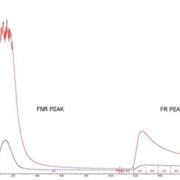
The depletion of high-abundance proteins in serum, human serum albumin (HSA) and IgG, followed by affinity chromatography with the plant lectin Frutalin immobilized on SepharoseTM 4B (Fig. 1), reduced the dynamic range and increased the capacity to identify lower-abundance proteins. The retained fraction (FR) peak containing the protein of interest was concentrated and digested, for later analysis by nano-LC-MS/MS.
Proteomic approach
The study population was composed mainly of children from the lower middle class, who attended a reference hospital for the diagnosis and treatment of childhood cancers in the State of Ceará, Brazil. The study was conducted with the approval of the Research Ethics Committee at the Hospital Infantil Albert Sabin, associated with the Secretary of Health of the State of Ceará. The demographic and clinical data for the patients are summarized in Table 1. The pediatric patients were evaluated at two different times: at diagnosis (B-ALL group; n = 10) and after induction therapy (AIT group; n = 10). Samples of healthy children (Control group; n = 10) were obtained for comparison.
The differentially expressed proteins were used for pathway analysis. Swiss-Prot accession numbers were inserted into the Search Tool for the Retrieval of Interacting Genes/Proteins (STRING) software, version 9.05 (available at http://string.embl.de/), with the following analysis parameters: Homo sapiens, confidence level 0.400–0.900, using the active prediction method [8].
Biomarker panel for ALL diagnosis
A panel of protein biomarker candidates has been developed for pre-diagnosis of B-ALL and also provide information that would indicate a favourable response to treatment after induction therapy. In the proteomic analysis, a total of 96 proteins were identified. Leucine-rich alpha-2-glycoprotein 1 (LRG1), Clusterin (CLU), thrombin (F2), heparin cofactor II (SERPIND1), alpha-2-macroglobulin (A2M), alpha-2-antiplasmin (SERPINF2), Alpha-1 antitrypsin (SERPINA1), Complement factor B (CFB) and Complement C3 (C3) were over-expressed in the B-ALL compared to the Control and AIT groups, and were, therefore, identified as candidate biomarkers for early diagnosis of B-ALL. The AIT group showed no significant differences in the expression levels of these proteins compared to the Control group, and did not show any significant change in the level of expression of these proteins, a fact that further reaffirms the presence of these potential biomarkers in a disease state, as all patients achieved complete remission after treatment (Fig. 2). Our results also confirm the important relationship between cancer and phenomena associated with blood coagulation. Several studies have reported that approximately 50% of patients with malignant disease and more than 90% of those that evolve to metastasis present evidence of abnormalities in coagulation and/or fibrinolysis [9–13].
Conclusion
Acute lymphoblastic leukemia is the most common malignant cancer in childhood and this proteomic approach is an alternative to traditional techniques, since the signs and symptoms of childhood cancer are very challenging to identify. LRG1, CLU, F2, SERPIND1, A2M, SERPINF2, SERPINA1, CFB, and C3 were identified as candidate biomarkers for early diagnosis of B-ALL; all were over-expressed in the B-ALL group compared to the Control and AIT groups. The AIT group did not display any significant changes in the expression levels of these proteins, compared to the Control group. All patients in the AIT group achieved complete remission after treatment; this indicates that these biomarkers are only present in the disease state. These candidate biomarkers may improve the pre-diagnosis of B-ALL, which is currently difficult to diagnose in the early stages; the biomarkers may also provide key information on the response to treatment after induction therapy. Further clinical and genomic studies will be important to improve the survival of children with this disease.
Acknowledgements
FINEP, CNPq, RENORBIO-UNIFOR, ALBERT SABIN HOSPITAL
This article is a summary of a paper first published in Biomarker Research: Cavalcante Mde S, Torres-Romero JC, Lobo MD, Moreno FB, Bezerra LP, Lima DS, Matos JC, Moreira Rde A, Monteiro-Moreira AC. A panel of glycoproteins as candidate biomarkers for early diagnosis and treatment evaluation of B-cell acute lymphoblastic leukemia. Biomarker Research 2016; 4: 1 (doi: 10.1186/s40364-016-0055-6) [14].
References
1. Scheurer ME, Bondy ML, Gurney JG. Epidemiology of Childhood Cancer. In: Pizzo PA, Poplack DG, editors. Principles and practice of pediatric oncology, 6th ed, pp2–16. Lippincott Williams and Wilkins 2011.
2. Vardiman JW, Thiele J, et al. The 2008 revision of the World Health Organization (WHO) classification of myeloid neoplasms and acute leukemia: rationale and important changes. Blood 2009; 114: 937–951.
3. Chiaretti S, Zini G, Bassan R. Diagnosis and subclassification of acute lymphoblastic leukemia. Mediterr J Hematol Infect Dis. 2014; 6: e2014073.
4. Rodrigues KE, Camargo B. Diagnóstico precoce do câncer infantil: responsabilidade de todos. Rev Assoc Med Bras. 2003; 49: 29–34 (in Portuguese).
5. Trougakos IP, So A, et al. Silencing expression of the clusterin/apolipoprotein j gene in human cancer cells using small interfering RNA induces spontaneous apoptosis, reduced growth ability, and cell sensitization to genotoxic and oxidative stress. Cancer Res. 2004; 64: 1834–1842.
6. Monteiro-Moreira ACO, Pereira HD, et al. Crystallization and preliminary x-ray diffraction studies of Frutalin, an α-D-galactose-binding lectin from Artocarpus incisa seeds. Acta Crystallographica Session F, 2015.
7. Parker CE, Borchers CH. Mass spectrometry based biomarker discovery, verification, and validation–quality assurance and control of protein biomarker assays. Mol Oncol. 2014; 8(4): 840–858.
8. Jensen LJ, Kuhn M, et al. STRING 8–a global view on proteins and their functional interactions in 630 organisms. Nucleic Acids Res. 2009; 37: D412–416.
9. Kwon H-C, Oh SY, et al. Plasma levels of prothrombin fragment F112, D-dimer and prothrombin time correlate with clinical stage and lymph node metastasis in operable gastric cancer patients. Jpn J Clin Oncol. 2008; 38: 2–7.
10. Bick RL. Coagulation abnormalities in malignancy: a review. Semin Thromb Hemost. 1992; 18: 353–372.
11. Luzzatto G, Schafer Al. The prethrombotic state in cancer. Semin Oncol. 1990; 17: 147–159.
12. Nigel O’Connor, Gozzard DI, et al. Haemostatic abnormalities and malignant disease. Lancet 1986; 8: 303–304.
13. Hillen HF. Thrombosis in cancer patients. Ann Oncol. 2000; 11: 273–276.
14. Cavalcante Mde S, Torres-Romero JC, et al. A panel of glycoproteins as candidate biomarkers for early diagnosis and treatment evaluation of B-cell acute lymphoblastic leukemia. Biomarker Research 2016; 4: 1 (doi: 10.1186/s40364-016-0055-6).
The authors
Márcio de Souza Cavalcante1, Antonio Eufrásio Vieira-Neto², Renato de Azevedo Moreira3, Ana Cristina de Oliveira Monteiro-Moreira3*
1Northeast Network of Biotechnology (RENORBIO), State University of Ceará, Ceará, Brazil.
2Center of Experimental Biology (NUBEX), University of Fortaleza (UNIFOR), Ceará, Brazil.
3Department of Biochemistry and Molecular Biology, Federal University of Ceará, Ceará, Brazil.
4Development and Technological Innovation in Drug Program, Federal University of Ceará, Ceará, Brazil
5Reference Center at Children’s Cancer Diagnosis and Adolescents Dr. Murilo Martins, Albert Sabin Hospital, Ceará, Brazil.
*Corresponding author
E-mail: acomoreira@unifor.br
Interactions of neoplastic cells with each other and the microenvironment are complex. The main factors contributing to intratumoral heterogeneity may be reflected in biomarker expression. The aim is to investigate the spatial intratumoral heterogeneity of Ki-67 immunostains in whole sections of pancreatic neuroendocrine neoplasms. The extent and range of heterogeneity has potential as a prognostic marker.
by Dr Nektarios A. Valous, Dr Frank Bergmann and Dr Niels Halama
Overview
Tumour heterogeneity means that a neoplasm comprises distinct cellular subpopulations that can vary in histology and growth rate. Phenotypic and functional heterogeneity arise among cancer cells within the neoplasm because of genetic change, environmental differences and reversible changes in cell properties [1, 2]. Genomic instability arises through various routes, leaving distinct genomic footprints and differentially affecting tumour evolution and patient outcome [3]. In addition, heterologous cell types within tumours can influence therapeutic response and shape resistance [4]. The interactions of neoplastic cells with each other and the microenvironment are complex. Clinicians assess complex cytological, histological, and morphological characteristics of tissues often in a semi-quantitative manner. In order to understand intratumoral heterogeneity, potentially subtle differences within neoplasms should be quantified.
The main factors contributing to intratumoral heterogeneity include the ischemic gradient within the neoplasm, the action of the microenvironment, mechanisms of intercellular transfer of genetic information, and differential mechanisms of modifications of genetic material/proteins [5]. This may be reflected in the expression of biomarkers and their clinical utility in the context of prognosis/stratification. A rigorous approach for assessing the spatial intratumoral heterogeneity of histological biomarker expression with accuracy and reproducibility is required, since patterns in immunohistochemical images exhibit scale-dependent changes in structure and can be challenging to identify and describe [6–8]. The aim is to determine the implications and prognostic value of observed variations, in a host of clinically relevant neoplastic properties [9].
Case study
It is recognized that proliferative heterogeneity is common in many tumours, including pancreatic neuroendocrine neoplasms [10]. These represent a rather heterogeneous group regarding histology, hormone secretion and functional activity, as well as biological behaviour. Pancreatic neuroendocrine neoplasms are classified as tumours (grade G1 and G2) and carcinomas (grade G3), based on proliferation activity. The latter is determined using a mitotic count in ten high-power fields or determination of fraction of Ki-67 positive cells within a highly proliferative area. In resected neoplasms, the proliferation-dependent tumour grade is shown to be a strong prognostic marker, whereas patient clinical management largely depends on proliferation activity. Key treatment decisions rely on the robust classification of these tumours.
Method
Earlier work has shown the advantages of using spatial statistics in histopathology [11]. A quantitative method from the fields of complex systems and image analysis that is particularly useful for characterizing complex irregular structures is lacunarity. The term lacunarity itself stems from the field of fractal geometry referring to a measure of how patterns fill space [12]. The approach has several theoretical and practical advantages for the assessment of spatial heterogeneity [13]. It is a multiscale technique, its computation is simple to implement, it exhaustively samples the image to quantify scaling changes, the analysis can be used for very sparse data, and the decay of the lacunarity index as a function of window size follows characteristic patterns for random, self-similar and structured spatial arrangements. Compared to previous approaches, the proposed methodology quantifies directly the distributional landscape of proliferative cells and not the textural content of the histological slide, thus providing a more realistic measure of heterogeneity within the sample space of the tumour region.
Workflow
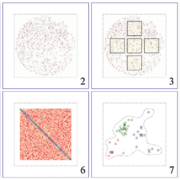
Figure 1 provides an overview of the workflow for measuring the spatial intratumoral heterogeneity of proliferation in pancreatic neuroendocrine neoplasms. Immunohistochemical (IHC) staining for Ki-67 is performed on whole-slide sections taken from original tissue blocks using the avidin-biotin-peroxidase detection system on a fully automated staining facility. On IHC stains for Ki-67, the brown reaction product at the antigen site is in the cell nucleus. The slide is counterstained with hematoxylin to allow evaluation and assessment of staining localization. Glass slides are automatically imaged in bright-field mode. The resulting virtual slides are reviewed by a pathologist for determining the locality of the neoplastic region; areas are marked and large representative sections are cropped. The automated proliferative cell nuclei segmentation workflow is based on background removal, stain vector extraction/color deconvolution, and post-processing operations. Hence, for every virtual slide (large section of tumour region), a segmented image depicting proliferative nuclei is produced.
For measuring the spatial heterogeneity of proliferation using lacunarity, an automated sampling scheme is employed prior to analysis allowing better scrutiny and interpretation, thus keeping computation times manageable. The sampling method aims at capturing the spatial variability of Ki-67 positive cells in the images. Then, lacunarity is computed and subsequently visualized in a double log plot as a function of scale. These plots explicitly characterize the spatial organization of images and measure space filling capacity. From the plots, mean, median, and mode lacunarity curves are computed. These metrics capture the variability (or lack of) of the curves for the sampled sections. To ascertain that lacunarity describes the spatial organization of proliferation, the three metrics are used for partitioning the neoplasms into conceptually meaningful clusters. This is achieved by performing unsupervised learning using the k-means algorithm. First, their Mahalanobis distance is computed and then using principal component analysis vectors are decorrelated by projection into a subspace that minimizes reconstruction error in the mean squared sense. Finally, a phenomenological heterogeneity index is computed from the spatial distribution in order to provide direct numerical values.
Impact and outlook
Phenotypic heterogeneity that stems from genetic/non-genetic determinants constitutes a major source of therapeutic resistance, and is an important clinical obstacle [14]. Tissue architecture is generally not reflected in molecular assays, rendering this information underused. Heterogeneity in histological expression of biomarkers has been noted in earlier studies. However, experimental exploration has been limited by a lack of conceptual framework and tools. The critical bottleneck has become the development of computational methods to analyse, integrate, and connect data to prognostic and actionable clinical information [15].
The architectural complexity of immunohistological images has shown that single measurements are often insufficient for characterization. The selection of a region of interest as a surrogate for the complete complex structure is prey to selection bias and subsequent loss of reproducibility and precision. Especially for the neuroendocrine pancreatic tumours, the inhomogeneity of distribution depends not only on percentage content of proliferation phase but also on how the phase fills the space. An increased degree of spatial proliferative heterogeneity is observed in certain neoplasms comparing to others with similar histological grade. Whether this is a sign of different tumour biology and subsequently an association with a more benign or malignant clinical course needs to be investigated further. The approach provides an increased level of granularity for discerning different levels of spatial heterogeneity in biomarker expression, since manual inspection can be cumbersome and may not resolve finer differences. The extent and range of heterogeneity has the potential to be evaluated as a prognostic marker, e.g. for the evaluation of the clinical course utilizing the construction of survival curves. This heterogeneity is also most likely to play a role in different aspects of the clinical course. Clinical trials should incorporate such studies on heterogeneity so that the impact on therapeutic effectiveness can be understood. For practical reasons, the heterogeneity index outputted in the final step of the analysis is desirable when a single numerical value is required, e.g. in direct assessments or comparisons for the automated ranking of cases in order of increasing/decreasing heterogeneity.
In summary, the lacunarity morphometric provides information about the distribution of Ki-67 immunolabelling that corresponds to the degree of spatial organization of proliferation. This reflects a general approach with potential importance in clinical work, which is relevant to other solid tumours and a vast array of biomarkers. The additional level of understanding the distributional patterns of specific biomarkers holds promise for providing valuable information in a clinical setting. Drawing upon the richness of histopathological information and merits of computational biomedicine, the approach removes qualitative ambiguities and uncovers salient features for use in future studies of clinical relevance.
References
1. Hölzel M, Bovier A, Tüting T. Plasticity of tumour and immune cells: a source of heterogeneity and a cause for therapy resistance. Nat Rev Cancer 2013; 13: 365–376.
2. Meacham CE, Morrison SJ. Tumour heterogeneity and cancer cell plasticity. Nature 2013; 501: 328–337.
3. Burrell RA, McGranahan N, Bartek J, Swanton C. The causes and consequences of genetic heterogeneity in cancer evolution. Nature 2013; 501: 338–345.
4. Junttila MR, de Sauvage FJ. Influence of tumour micro-environment heterogeneity on therapeutic response. Nature 2013; 501: 346–354.
5. Diaz-Cano SJ. Tumor heterogeneity: mechanisms and bases for a reliable application of molecular marker design. Int J Mol Sci. 2012; 13: 1951–2011.
6. Halama N, Zoernig I, Spille A, Michel S, Kloor M, Grauling-Halama S, Westphal K, Schirmacher P, Jäger D, Grabe N. Quantification of prognostic immune cell markers in colorectal cancer using whole slide imaging tumor maps. Anal Quant Cytol. 2010; 32: 333–340.
7. Keim S, Zoernig I, Spille A, Lahrmann B, Brand K, Herpel E, Grabe N, Jäger D, Halama N. Sequential metastases of colorectal cancer: immunophenotypes and spatial distributions of infiltrating immune cells in relation to time and treatments. Oncoimmunology 2012; 1: 593–599.
8. Halama N, Zoernig I, Berthel A, Kahlert C, Klupp F, Suarez-Carmona M, Suetterlin T, Brand K, Krauss J, et al. Tumoral immune cell exploitation in colorectal cancer metastases can be targeted effectively by anti-CCR5 therapy in cancer patients. Cancer Cell 2016; 29: 587–601.
9. Brooks FJ, Grigsby PW. Quantification of heterogeneity observed in medical images. BMC Med Imaging 2013; 13: 7.
10. Yang Z, Tang LH, Klimstra DS. Effect of tumor heterogeneity on the assessment of Ki-67 labeling index in well-differentiated neuroendocrine tumors metastatic to the liver: Implications for prognostic stratification. Am J Surg Pathol. 2011; 35: 853–860.
11. Nawaz S, Heindl A, Koelble K, Yuan Y. Beyond immune density: critical role of spatial heterogeneity in estrogen receptor-negative breast cancer. Mod Pathol. 2015; 28: 766–777.
12. Smith TG Jr, Lange GD, Marks WB. Fractal methods and results in cellular morphology—dimensions, lacunarity and multifractals. J Neurosci Methods 1996; 69: 123–136.
13. Plotnick RE, Gardner RH, Hargrove WW, Prestegaard K, Perlmutter M. Lacunarity analysis: a general technique for the analysis of spatial patterns. Phys Rev E. 1996; 53: 5461–5468.
14. Marusyk A, Almendro V, Polyak K. Intra-tumour heterogeneity: a looking glass for cancer. Nat Rev Cancer 2012; 12: 323–334.
15. Alizadeh AA, Aranda V, Bardelli A, Blanpain C, Bock C, Borowski C, Caldas C, Califano A, Doherty M, et al. Toward understanding and exploiting tumor heterogeneity. Nat Med. 2015; 21: 846–853.
The authors
Nektarios A. Valous*1 PhD, Frank Bergmann2 MD, Niels Halama3 MD, PhD
1Applied Tumor Immunity Clinical
Cooperation Unit, National Center for Tumor Diseases, German Cancer Research Center, Heidelberg, Germany
2Institute of Pathology, Heidelberg
University Hospital, Heidelberg, Germany
3Department of Medical Oncology, National Center for Tumor Diseases,
Heidelberg University Hospital, Heidelberg, Germany
*Corresponding author
E-mail: nek.valous@nct-heidelberg.de



Considerable rewards could be obtained from early identification of Type 2 diabetes mellitus (T2DM). One of the most obvious, as suggested in a recent report on diabetes’ global burden, would be better disease management. The report, by the University of East Anglia in the UK, concludes that “early investments into prevention and disease management may therefore be particularly worthwhile.”
Risk factors
Such perspectives are strengthened by evidence that the onset of T2DM can be delayed by behaviour modification. A study in the ‘British Medical Journal’ in 2007 noted that lifestyle changes could be “at least as effective as drug treatment” in slowing the onset of diabetes. It concluded that the only barrier to the effectiveness of such a strategy was to identify diabetes quickly enough.
Much is now known about the risk factors associated with T2DM such as parental history, age, body mass index and elevated blood glucose levels. Combining these with measurable indicators of metabolic syndrome – high blood pressure, LDL and HDL cholesterol and excess triglyceride – can result in a credible degree of prediction. However, there are several barriers to the process.
Fasting glucose and oral glucose tolerance
The typical method for assessing T2DM risk is to measure fasting plasma glucose (FPG). However, the test’s specificity is poor. Two decades ago, the so-called Hoorn study at Amsterdam warned about significant levels of variation in blood glucose levels. Although many individuals are identified as having impaired fasting glucose (IFG), their absolute risk of conversion to diabetes is a mere 5 to 10% per year.
Over this period, differences have also emerged about how best to measure glucose. In the year 2000, while some experts (including the American Diabetes Association) recommended the use of fasting plasma glucose (FPG) alone, others noted that many diabetic subjects would have been classified as non-diabetic on the FPG test. As a result, they recommended use of the two-hour oral glucose tolerance test (OGTT). Nevertheless, in spite of its greater accuracy, OGTT is rarely used since it requires two hours to perform and is an unpleasant experience for the patient.
Glucose tolerance only one risk indicator
The above factors have provoked a search for new approaches to predict T2DM. Some beliefs about OGTT have been brought into question, too. In 2002, clinical epidemiologists at the University of Texas Health Center in San Antonio published the results of a prospective cohort study to identify people at high risk of T2DM.
The results were unequivocal. Impaired glucose tolerance was only one indicator of risk. Persons at high risk for T2DM, the study concluded, were “better identified by using a simple prediction model than by relying exclusively on the results of a 2-hour oral glucose tolerance test.”
Predictive models
Subsequent years have been witness to significant efforts to develop and refine predictive models for T2DM. However, five years after the San Antonio study, the choices are still less than wholly clear.
In 2007, the Framingham Offspring study in the US estimated seven-year T2DM risk based on a pyramid of metrics consisting – at the base – of age, sex, parental history and body mass index. This was followed by the inclusion of simple clinical measurements on metabolic syndrome traits, and thereafter, the 2-hour post-oral glucose tolerance test, fasting insulin and C-reactive protein levels. At its most complex, the model used the Gutt insulin sensitivity index or a homoeostasis model of insulin resistance.
For proponents of new alternatives to impaired glucose tolerance, the conclusions of the Framingham study were stark. Complex clinical models, it stated, were not superior to the simple one, and in spite of the definite existence of T2DM prediction rules, “we lack consensus for the most effective approach.”
The limitations of biotech
More recently, investigations at the frontiers of biotech have also faced challenges to clear-cut answers. Although it is clear that multiple genetic loci are associated with the risk of T2DM, researchers have not managed to connect the genetics underlying a family history of diabetes with predictability.
In 2008, researchers at Harvard/Massachusetts General and Emory University published results of a study on 18 single-nucleotide polymorphisms (SNPs) known to have associations with the risk of T2DM, to predict new cases in a large, prospectively examined, community-based cohort. However, the outcome, in terms of risk prediction, was less than encouraging. In reality, it proved to be only slightly better at making a prediction than did traditional risk factors on their own. The authors concluded: “Our findings underscore the view that identification of adverse phenotypic characteristics remains the cornerstone of approaches to predicting the risk of type 2 diabetes.”
Adiponectin and ferritin
Meanwhile, the effort to identify and validate alternate biomarkers for prediction and screening continue. Two especially promising ones appear to be adiponectin, an adipocyte-derived, insulin-sensitizing peptide, and ferritin, a protein that binds to iron and accounts for most of the iron stored in the body.
Studies in the early 2000s in the US and Germany confirmed that adiponectin was independently associated with a reduced risk of type 2 diabetes.
Interest in this area goes back a long time, to a cross-sectional and longitudinal study of Arizona’s Pima Indians, who have the world’s highest reported prevalence and incidence of non-insulin-dependent diabetes mellitus (NIDDM). The study dates to the early 1980s when it sought to document the sequence of metabolic events occurring with “the transition from normal to impaired glucose tolerance and then to diabetes.”
In 2004, a prospective study within the US Nurses’ Health Study investigated iron storage, given a belief that T2DM was a manifestation of hemochromatosis, due to iron overload. Researchers have established that higher iron store (reflected by an elevated ferritin concentration and a lower ratio of transferrin receptors to ferritin) is associated with increased T2DM risk in healthy women, independent of known diabetes risk factors.
However, there still are reasons for caution. In July 2014, or more than a decade after the US Nurses’ Health Study, a meta-analysis of T2DM risk and ferritin in the journal ‘Diabetes/Metabolism Research and Reviews’ warned that though evidence suggested a causal link, “publication bias and unmeasured confounding cannot be excluded.”
Nevertheless, ferritin and adiponectin do appear to play a key role in predicting T2DM when combined with other selected biomarkers.
The Danish model
One predictive model that has emerged in Denmark selected a panel of six biomarkers out of a total of 64, to assess T2DM risk. The selected biomarkers include adiponectin and ferritin, as well as four of their more common counterparts: glucose and insulin, as well as the inflammation markers C-reactive protein (CRP) and interleukin-2 receptor A (IL2RA).
The model was developed by a research team from Copenhagen’s Glostrup Hospital and Steno Diabetes Centre, along with the Copenhagen and Aarhus universities, and Tethys Bioscience of the US.
The researchers used the so-called Inter99 cohort, a study of about 6,600 Danes with the primary outcome of 5-year conversion to T2DM, to select 160 individuals who developed T2DM and 472 who did not. They carefully measured several clinical variables and candidate biomarkers from a multitude of diabetes-associated pathways, using an ultrasensitive immunoassay microsample molecular counting technology.
Their effort ultimately led to six biomarkers that gave a Diabetes Risk Score. This, they concluded in a July 2009 issue of ‘Diabetes Care’, provided “an objective and quantitative estimate of the 5-year risk of developing type 2 diabetes, performs better than single risk indicators and a noninvasive clinical model, and provides better stratification than fasting plasma glucose alone.”
Expert acclaim
The researchers who developed the Danish Diabetes Risk Score are modest in their claims. In an appendix to their report in ‘Diabetes Care’, they point out that their selection process for biomarkers may not have identified the best possible model, but do state that they identified a ‘good’ model.
Some outside observers are however less circumspect, given what many acknowledge to be one of the most exhaustive and profound selection efforts to date. James Meigs of Harvard Medical School calls the Danish Diabetes Risk Score “the most robust multimarker prediction model possible.”
Beyond Europeans to Chinese
One of the only major caveats in the Danish effort consisted of demographics. The report on the Danish model in ‘Diabetes Care’ noted that it “may only apply to white Northern Europeans enrolled in a lifestyle intervention trial” and that it was an open question whether the model “would produce the same biomarkers or discriminate well in race/ethnicity populations that are differentially affected by diabetes.”
Answers to these are still emerging. In 2013, a study on 2,198 community-living Chinese by the Shanghai Institutes for Biological Sciences endorsed the use of ferritin as a biomarker. Though the focus of the research was on iron storage, two of three other biomarkers used in the effort were the same as those in the Danish study, namely adiponectin and CRP (the fourth was γ-glutamyltransferase).
Biomarker search continues
Meanwhile, the search for TD2M biomarkers continues.
Two endothelial dysfunction biomarkers being investigated for T2DM risks consist of E-selectin and ICAM-1. The US Nurses Health Study mentioned above also found that significantly elevated levels of the latter predicted incident diabetes in women independent of traditional risk factors such as BMI, family history, diet and activity. In addition, adjustment for baseline levels of C-reactive protein, fasting insulin, and hemoglobin A (1c) did not alter these associations.
Incretins and melatonin
Incretins, metabolic hormones which lower blood glucose by causing an increase in insulin after eating, are another potentially significant biomarker. An ‘incretin effect’ is associated with the fact that oral glucose elicits a higher insulin response than does intravenous glucose. There are two hormones responsible for the incretin effect: glucose-dependent insulinotropic hormone (GIP) and glucagon-like peptide-1 (GLP-1).
In patients with type 2 diabetes, the incretin effect is reduced. In addition, about half first-degree relatives of patients with T2DM show reduced responses toward GIP, without any significant change in GIP or GLP-1 secretion after oral glucose. To some researchers, this opens the possibility that a reduced responsiveness to GIP is an early step in the pathogenesis of type 2 diabetes.
Variation in the Circadian system has also drawn a great deal of attention.
Reverse transcription polymerase chain reaction (RT-PCR) analyses, led by a team at the University of Lille in France, investigated melatonin receptor 2 (MT2 transcripts) in neural tissues and MT2 expression in human pancreatic islets and beta cells. Their findings suggest a link between circadian rhythm regulation and glucose homoeostasis through the melatonin signalling pathway.
May 2026


Prins Hendrikstraat 1
5611HH Eindhoven
The Netherlands
info@clinlabint.com
PanGlobal Media is not responsible for any error or omission that might occur in the electronic display of product or company data.