Shimadzu Europe
  • News
    • Featured Articles
    • Product News
    • E-News
  • Magazine
    • About us
    • Digital edition
    • Archived issues
    • Free subscriptions
    • Media kit
    • Submit Press Release
  • White Papers
  • Events
  • Suppliers
  • E-Alert
  • Contact us
  • FREE newsletter subscription
  • Search
  • Menu Menu
Clinical Laboratory int.
  • Allergies
  • Cardiac
  • Gastrointestinal
  • Hematology
  • Microbiology
  • Microscopy & Imaging
  • Molecular Diagnostics
  • Pathology & Histology
  • Protein Analysis
  • Rapid Tests
  • Therapeutic Drug Monitoring
  • Tumour Markers
  • Urine Analysis

Archive for category: Featured Articles

Featured Articles

C327 Parfitt Fig

Chest pain and elevated cardiac troponin: a typical case of myocardial infarction? Perhaps not…

, 26 August 2020/in Featured Articles /by 3wmedia

Chest pain is a common presentation in Emergency Medicine and can cause a diagnostic dilemma. Does the patient need urgent admission for percutaneous coronary intervention following a myocardial infarction? Or will discharge with reassurance and a bottle of antacids sort out their indigestion? Measurement of cardiac troponin has become an essential part of emergency assessment of chest pain. Despite this, clinicians and laboratory professionals should be conscious that elevated cardiac troponin is not inevitably indicative of cardiac pathology – and in some cases, may be deceptive…

by Ceri Parfitt and Dr Christopher Duff

Troponin and assessment of acute chest pain
The Universal Definition of Myocardial Infarction and Injury has incorporated measurement of cardiac troponin (cTn) since 2000, with the most recent revision in 2012 [1]. In the UK, the National Institute of Health and Care Excellence (NICE) the ‘Chest pain of recent onset: assessment and diagnosis’ pathway [2] is well established in clinical practice, and Emergency Department clinicians are confident in the use of cTn assays to identify patients with acute coronary syndrome (ACS).

The troponin complex comprises three regulatory proteins – troponin C, troponin T and troponin I – essential for skeletal and cardiac muscle contraction, through regulation of actin/myosin filaments. Cardiac-specific isoforms of both troponin T (cTnT) and troponin I (cTnI) have been identified. cTn complexes can be detected in the blood within 2–3 hours of myocardial damage, peak within 24 hours and persist for 1–2 weeks [3, 4]. This characteristic pattern of release and specificity for cardiac injury has cemented cTn as the biomarker of choice for diagnosis of ACS, replacing creatinine kinase, aspartate transaminase and lactate dehydrogenase. Measurement of cTn is a standard assay available on an urgent basis in the majority of modern clinical laboratories. Both cTnT and cTnI can be measured by two-site ‘sandwich’ immunoassay, based on formation of complexes of cTn, a ‘capture’ anti-cTn antibody and a ‘label’ anti-cTn antibody (Fig. 1a). Owing to patent regulations, Roche Diagnostics is the sole distributor of cTnT immunoassays, whereas various companies offer cTnI immunoassays on several different platforms. Although results cannot be directly compared, the two assays largely provide the same diagnostic information.

A patient presents with chest pain and raised troponin
Despite the widespread use of cTn in Emergency Departments worldwide, clinicians may often be unaware of spurious causes of raised cTn. Application of the pathway without considering patient history and previous presentations can potentially lead to invasive, unnecessary (and expensive) investigations. We recently encountered an example of this in our local Emergency Department. A 34-year-old male with no significant cardiac risk factors repeatedly presented to the Emergency Department complaining of chest pain over a period of 3 years, resulting in more than 40 individual analyses of cTnI (using the Siemens TnI-Ultra assay on ADVIA Centaur XP). The results were variable, but always elevated (48–4030 ng/L, decision limit 40 ng/L). The patient underwent thorough investigation, but no cardiac pathology was ever identified. The Cardiology Department contacted the laboratory to discuss the apparent mismatch between patient presentation and biochemical findings.

Has there been a laboratory error?
Spurious results can arise for a number of reasons, including mislabelled samples, sample contamination, poor sample quality, analyser malfunction, calibration/quality control errors and transcription errors [5]. Where possible, these factors are minimized by stringent sampling techniques and robust laboratory procedures, or can be identified through the technical and clinical validation processes, and highlighted to the clinical team by laboratory staff. In many cases, a simple repeat sample is sufficient to confirm/rule out error. However, clinicians should always be vigilant for results that are not consistent with patient presentation. The persistent nature of the elevated cTnI in this case – over a period of 3 years – rules out sporadic errors, such as mislabelled samples or analyser malfunction. Furthermore, no other patients with unexpectedly high cTnI concentrations were discussed with the laboratory. These factors strongly suggested that the solution to the mystery lay within the patient, rather than in management of their samples.
Alternative causes of elevated troponin: cardiac and non-cardiac
Although elevated cTn is typically associated with myocardial infarction, other cardiac pathologies also cause cTn release into the circulation through direct or hypoxic myocyte damage. These include aortic dissection, pericarditis, myocarditis, acute heart failure and cardiac contusion following trauma [4, 6]. Unsurprisingly, cardiac interventions such as defibrillator shocks, coronary angioplasty, percutaneous coronary intervention and open heart surgery are also associated with variable increase in cTn [6]. Chemotherapy agents, including anthracyclines, alkylating agents, anti-metabolites and anti-microtubules are all associated with toxic damage to myocytes [4].

In addition to cardiac sources of cTn, non-cardiac sources must also be considered. A significant proportion (estimated at 36–85 %) of patients admitted to critical care units for sepsis/systemic inflammatory response syndromes (SIRS) have elevated cTn concentrations. In these patients, cTn release is thought to be a consequence of oxygen supply-demand mismatch in the myocardium: although oxygen demand is increased, due to fever and tachycardia, systemic hypoxemia reduces oxygen supply due to respiratory failure, circulatory dysfunction and hypotension [7, 8]. Patients with end-stage renal disease (ESRD) are often noted to have chronically elevated cTn. The underlying cause for this is unclear, but various hypotheses have been presented, including reduced renal clearance of cTn microfragments, sub-clinical cardiac disease, and metabolic abnormalities [9]. cTn concentrations are also found to be elevated in patients with acute pulmonary embolism. Again, the cause has not been conclusively established, but it is believed that abrupt increases in pulmonary artery pressure leads to dilatation of the right ventricle, with associated myocyte injury [4].

For most patients, any of these situations can be identified by examining the patient records, or through further cardiac investigations. In the case presented here, after thorough analysis of the patient’s history, and given the resolutely normal cardiac investigations, we concluded that it was unlikely that the elevation in cTn was due to pathological factors, whether cardiac or non-cardiac. This led us to examine the local cTnI assay – and the patient’s samples – in more detail, to ascertain the cause of the spurious results.

Could immunoassay interference be involved?
Non-pathological causes of false positives in cTn analysis include human anti-mouse antibodies (HAMA), rheumatoid factor (RF) and heterophilic antibodies [10–12]. HAMA are characterized by strong avidity to well-defined antigens. They are thought to develop following exposure to mouse immunoglobulins, which may occur through monoclonal antibody therapy, vaccination, infection, blood transfusion, or simply through animal handling [10]. In contrast, heterophilic antibodies are endogenous antibodies present in serum/plasma produced against poorly defined antigens. They often have weak affinity, but multiple specificities. Heterophilic antibodies may develop following infection and are thought to affect up to 30% of the population [10, 12, 13]. RFs are endogenous human antibodies with heterophilic activity, often arising following autoimmune disease [12].

Genuine assay interference is less commonly encountered these days, with the development of highly specialized commercial assays. Most modern immunoassays contain agents able to block low concentrations of interfering proteins. However, the fact that interference is less frequently observed may lead laboratory staff members to believe that interference is less prevalent in the general population. This is not the case. In fact, the prevalence of assay interference may be increasing, as immunotherapy and the use of radiolabelled antibodies are established in routine practice [13]. Although heterophilic antibodies usually have little clinical significance in vivo, their ability to interfere with two-site immunoassays can have major effects on patient management. The magnitude of interference varies between samples and may even vary within a patient over time [13]. The mechanism for antibody interference is complex and has not been fully elucidated, but is likely to involve ‘bridge’ formation between the capture antibody and label antibody (Fig. 1b) [13, 14]. Several standard techniques are available to investigate assay interference [12, 13]. In this case, we used dilution studies, polyethylene glycol precipitation, heterophilic antibody blocking tubes and an alternative assay method. In all cases, samples from the patient were compared with a control sample with a similar cTnI concentration, from a patient with confirmed ACS.

Investigations into immunoassay interference
Serial dilution of samples should produce a linear decrease in concentration if interfering species are absent. However, if interfering substances are present, then non-linear recovery following dilution is commonly observed, as the interferent is ‘diluted out’. Both the patient’s serum and control serum were diluted with saline, and cTnI was measured in each dilution. As expected, the cTnI concentration in the control sample decreased proportionally to the dilution factor. In contrast, any dilution of the patient sample resulted in undetectable cTnI, consistent with presence of an interfering species (Fig. 2a). Immunoglobulins can be removed by treatment with polyethylene glycol (PEG). PEG forms poorly soluble complexes with immunoglobulins, which can be precipitated then removed by centrifugation, before the sample is re-analysed. In the patient sample, PEG precipitation resulted in undetectable levels of cTnI. Levels were also reduced in a control sample (62% recovery), though it is not uncommon to see at least some reduction in recovery using this approach, regardless of whether interfering immunoglobulins are present or not (Fig. 2b). Heterophilic blocking reagents prevent non-analyte mediated bridging of antibodies by heterophilic interference. Incubation of a patient sample in a heterophilic blocking tube (Scantibodies Laboratory Inc.) before cTnI analysis resulted in 4% recovery of cTnI, suggesting analytical interference. In the control sample, 94% of cTnI was recovered (Fig. 2c). Finally, a patient sample was sent to a referral laboratory for analysis of cTnT, as opposed to cTnI. A cTnT concentration below the decision limit (99th percentile) was obtained (cTnI result: 398 ng/L; cTnT result: 6 ng/L) (Fig. 3).

As initial investigations strongly suggested the presence of an assay interferent, further work was conducted to identify the precise nature of the interfering species. Two patient samples with elevated cTnI were analysed for presence of HAMAs, which was negative in both cases. This was not unexpected, given that the patient had no history of exposure to animal proteins in either a therapeutic or a social setting. The same sample was tested for RFs, using the local assay (Orgentec RF IgM), which returned a slightly elevated result. This slightly elevated concentration is not considered clinically significant, but may contribute to interference in the assay. Thus, heterophilic antibody interference remains the most likely cause of cTnI elevation in this patient. Further investigations have been limited, however, by recently decreasing concentrations of cTnI in this patient. Unpredictable variation in heterophilic antibody activity is a known phenomenon however, and the laboratory continues to oversee samples received from the patient.

Outcome and conclusions
The patient continues to regularly attend the Emergency Department with chest pain. No cardiac pathology has ever been identified in this patient and  his chest pain has been attributed to a combination of gastro-oesophageal reflux disease and health anxiety. Senior review is now required in the Emergency Department before the patient is investigated or admitted. If ACS is ever suspected in this patient, the laboratory is able to pre-treat samples with heterophilic blocking tubes to provide an estimate of cTnI concentration, with referral for cTnT analysis required for a definitive result. This alternate pathway ensures that the patient is protected in case of a genuine cardiac event.

This case demonstrates that clinicians must be aware of assay interference, and highlights the benefit of discussing patients with the laboratory when test results do not correlate with clinical presentation. Laboratory staff members are rarely able to visit patients and, thus, are not in a position to suspect interference without input from the clinical team. In this case, failure to identify the underlying cause of elevated cTnI at an early stage resulted in a number of unnecessary and invasive investigations, significant costs to the NHS, and continued anxiety to the patient.

References
1. Thygesen K, Alpert JS, Jaffe AS, Simoons ML, Chaitman BR, et al. Third universal definition of myocardial infarction. Eur Heart J 2012; 33: 2551–2567.
2. National Institute of Health and Care Excellence (NICE). Chest pain of recent onset: assessment and diagnosis. NICE clinical guideline 95, 2010 (https://www.nice.org.uk/guidance/cg95).
3. Wu AHB. Analytical issues for clinical use of cardiac troponin. In: Morrow DA (ed.) Contemporary cardiology: cardiovascular biomarkers: pathophysiology and disease management. Humana 2006, pp 27–40.
4. Korff S, Katus HA, Giannitsis E. Differential diagnosis of elevated troponins. Heart 2006; 92: 987–993.
5. Plebani M. The detection and prevention of errors in laboratory medicine. Ann Clin Biochem 2010; 47: 101–110.
6. Sara JDS, Holmes DR, Jaffe AS. Fundamental concepts of effective troponin use: important principles for internists. Am J Med 2015; 128: 111–119.
7. Ver Elst KM, Spapen HD, Nguyen DN, Garbar C, Huyghens LP, Gorus FK. Cardiac troponins I and T are biological markers of left ventricular dysfunction in septic shock 2000; 46: 650–657.
8. Spies C, Haude V, Fitzner R, Schroder K, Overbeck M, Runkel N, Schaffartzik W. Serum cardiac troponin T as a prognostic marker in early sepsis. Chest 1998; 113: 1055–1063.
9. Jaffe AS. The 10 commandments of troponin with special reference to high sensitivity assays. Heart 2011; 97: 940–946.
10. Lippi G, Aloe R, Meschi T, Borghi L, Cervellin G. Interference from heterophilic antibodies in troponin testing. Case report and systematic review of the literature. Clin Chim Acta 2013; 426: 79–84.
11. Makaryus AN, Markaryus MN, Hassid B. Falsely elevated cardiac troponin I levels. Clin Cardiol 2007; 30: 92–94.
12. Zaidi A, Cowell R. False positive cardiac troponin elevation due to heterophile antibodies: more common than we recognise? BMJ Case Rep 2010; 2010: bcr1120092477.
13. Ismail AAA, Walker PL, Cawood ML, Barth JH. Interference in immunoassay is an underestimated problem. Ann Clin Biochem 2002; 39: 266–373.
14. Kaplan IV, Levinson SS. When is a heterophile antibody not a heterophile antibody? When it is an antibody against a specific immunogen. Clin Chem 1999; 45: 616–618.

The authors
Ceri Parfitt MSc, Christopher Duff* PhD
Department of Clinical Biochemistry, Pathology Directorate, Royal Stoke University Hospital, University Hospitals of North Midlands NHS Trust, Staffordshire, UK


*Corresponding author
E-mail: Chris.duff@uhnm.nhs.uk

https://clinlabint.com/wp-content/uploads/sites/2/2020/08/C327_Parfitt_Fig__.jpg 523 1000 3wmedia https://clinlabint.com/wp-content/uploads/sites/2/2020/06/clinlab-logo.png 3wmedia2020-08-26 09:41:022021-01-08 11:34:30Chest pain and elevated cardiac troponin: a typical case of myocardial infarction? Perhaps not…
C320 C

Clostridium difficile diagnosis: not always a bed of roses

, 26 August 2020/in Featured Articles /by 3wmedia

Clostridium difficile is a leading cause of nosocomial diarrhoea and one of the most common healthcare-associated infections. A dramatic worldwide increase in the incidence of C. difficile infection has occurred over the past two decades with the emergence of hypervirulent strains. Accurate and timely laboratory diagnosis of C. difficile infection is fundamental to ensure patients receive appropriate treatment and proper counter-infection measures are put in place. However, the availability of many commercial tests with different C. difficile targets contributes to uncertainty and controversy around the optimal diagnostic algorithm.

by Dr Guilherme Grossi Lopes Cançado, Prof. Rodrigo Otávio Silveira Silva and Prof. Eduardo Garcia Vilela

Introduction
Clostridium difficile is a major cause of healthcare-associated diarrhoea, and is linked to significant morbidity, economic burden and even mortality. Disagreement between diagnostic tests is an ongoing barrier to clinical decision-making and epidemiological surveillance. With the increasing number and severity of Clostridium difficile infections (CDI) after the emergence of the epidemic BI/NAP1/027 strain in the 2000s, there has been a renewed interest in optimizing the laboratory diagnosis of this infection.

Testing for C. difficile
Cytotoxin neutralization, toxigenic culture and toxin enzyme immunoassay

The two most accurate methods for CDI diagnosis are cytotoxin neutralization (CTN) and toxigenic culture (TC). CTN has long been used as a reference method for C. difficile detection, although different protocols have been proposed. Basically, this technique consists of inoculating a filtrate of a stool suspension into a cell culture (Vero, Hep2, fibroblasts, CHO or HeLa cells) and observing a cytopathic effect (such as cell rounding) as a consequence of disruption of the cell cytoskeleton 24–48 h later. CDI confirmation is obtained by the addition of a specific antiserum directed against C. difficile or against C. sordellii, neutralizing the toxin effects. Studies performed in the last 10 years, however, demonstrated that the sensitivities of CTN protocols range between 60 and 86%, when compared with toxigenic culture. Although culture was found to be the most sensitive method for detecting C. difficile in feces, it is not very specific owing to the possibility of isolating non-toxigenic strains. In order to overcome this issue, it should always be combined with a toxin detection method, such as enzyme immunoassay (EIA), direct cytopathic effect on cell lines or the identification of toxin-related genes by PCR. This notwithstanding, both techniques are time consuming, laborious and require trained personnel, reasons why they are not frequently used in daily practice [1].

In this context, commercial rapid EIA and DNA-based tests are currently the most widely used tools for CDI diagnosis. EIA for toxin detection is fast, cheap, easy to perform and does not require technical training or special equipment: characteristics which have favored its use in low income countries. However, several studies have reported low detection sensitivities of different commercial kits (approximately 50–70%), making toxin EIAs inadequate as standalone tests [2]. Some authors have suggested the analysis of sequential samples from the same patient, but this practice did not significantly increase the positive predictive value of the test and may even amplify the rate of false positives. Furthermore, toxin tests can be falsely negative, which can be due to previous antibiotic treatment, pre-analytic toxin degradation or sampling error (e.g., ileus, fecal dilution). Consequently, toxin EIA may be sufficient and cost-effective as a screening test in clinical settings where there is a low prevalence of CDI, but not for epidemic scenarios.

Detection of glutamate dehydrogenase
Another method that has been used to diagnose CDI is the detection of glutamate dehydrogenase (GDH), a metabolic enzyme constitutionally produced almost exclusively by C. difficile, which is significantly more sensitive than toxin A and B EIAs. We have recently shown that GDH rapid immunoassay presents 100% sensitivity and negative predictive value, compared with the culture-based method, in accordance with order authors [3]. Cheng et al. have advocated the use of GDH in order to improve the diagnostic capacity and control of potential outbreaks of CDI in developing countries, as this test is five to ten times cheaper than molecular assays [4]. In fact, we have recently reported a significant increase in CDI treatment rates in a university hospital of Brazil (from 53.8% to 100%) simply after replacing the toxin EIA by the rapid GDH immunoassay as a screening test [3]. This finding supports the use of GDH in countries with limited economic resources, as it is simple to perform and, unlike PCR, requires no special facilities or personnel qualifications that might restrict its use. Although sensitive, GDH lacks specificity, because it only indicates the presence of the microorganism, instead of toxin production. In this context, a concern with the overdiagnosis and overtreatment of patients with diarrhoea and C. difficile colonization may arise. A negative test can almost rule out CDI and avoid the need for more expensive toxin testing, but a positive GDH assay should preferably be followed by toxin-based diagnostic methods before one can come to a safe conclusion on infection. Asymptomatic carriage of C. difficile occurs in 5–15% of healthy adults, but may be as high as 90% in newborns and healthy infants, and up to 51% in residents in long-term care facilities [5]. In this way, the incorporation of a two-step strategy, including a sensitive organism-based test for screening, such as GDH, followed by a toxin test for confirmation of clinically significant disease, is a reasonable approach. Combined tests including GDH and toxin detection in one easy-to-use cartridge have been recently developed, but several authors have demonstrated limited sensitivity of the toxin component. In our study, the toxin component presented an even lower sensitivity than conventional toxin EIA (50% vs 58%), compared with toxigenic culture [3]. In this way, GDH+/toxin− samples would still have to be submitted to a third test (in a multistep algorithm) to rule out infection, increasing time to diagnosis and health costs. However, some studies have shown that, even without treatment, patients with toxin-negative stool specimens have shorter diarrhoea duration than those with toxin-positive stool specimens. These findings may suggest a limited need for CDI treatment for GDH-positive patients and toxin-negative stool specimens [6].

Molecular testing and rapid diagnosis
In 2009, facing an epidemic of CDI due to hypervirulent C. difficile strains, the US FDA cleared the first commercial molecular test for rapid CDI diagnosis [7]. Shortly afterwards, hospitals in North America and Europe began switching to DNA-based testing strategies as a method of choice for the diagnosis of C. difficile. Nucleic acid amplification testing (NAAT), including rapid testing PCR and loop-mediated isothermal amplification (LAMP), can detect the tcdA/tcdB genes (regulate toxin A/B production) or the tcdC gene (a negative regulator of toxin A and B production) and identify the presence of toxigenic C. difficile in a single step. It has a higher sensitivity (90–95%) and specificity (95–96%) than toxin EIAs and has a rapid turnaround time, but requires specialized equipment and personnel. It is worth noting that the Gene-Xpert® system can also simultaneously indicate the presence of the potentially ‘hypervirulent’ ribotype 027 strain, giving important epidemiological information. Nonetheless, although a PCR assay can identify toxin genes, it cannot detect the presence of toxin. Several studies have shown that toxin−/C. difficile+ patients present shorter duration of symptoms and better outcomes than toxin+/C. difficile+ individuals, demonstrating that this subpopulation may have either mild CDI or colonization, and even not need to be treated. In this way, some authors have questioned the use molecular tests as standalone tests because of the high likelihood of overdiagnosis and overtreatment [8]. However, there may be a role for identifying carriers to prevent transmission and this issue should be better addressed in future studies.

C. difficile testing protocol
Using reliable and rapid diagnostic tests, such as NAAT, practitioners could offer appropriate treatment earlier, thereby sparing patients a time-consuming evaluation and unnecessary antibiotic therapy and its complications. Despite worldwide advances in analytical technology, transport systems and computerization, many laboratories in developing countries have difficulties in improving turnaround times and diagnostic capability. The optimal diagnostic algorithm for CDI is yet to be adequately defined and may vary according to the underlying clinical and laboratory circumstances. We believe that the decision about which test(s) to use is determined by a combination of what is practical and feasible in a specific setting. In Brazil, for example, where only toxin EIA was available for CDI diagnosis until 2015, the introduction of the GDH test resulted in a dramatic increase in C. difficile treatment rates [3]. All of the reference methods, CTN, toxigenic culture, or PCR, require advanced infrastructure and expensive testing. Smaller, community-based hospitals, where much of C. difficile testing is currently performed, may not have the financial means to establish these methods nor have the staff to perform the time-consuming, highly complex assays. In this way, using GDH–toxin A/B assays may be an adequate option for diagnostic algorithms in developing countries, whereas molecular techniques, toxigenic culture or CTN may be reserved for discordant samples (Figure 1). Future studies should focus on developing simple diagnostic approaches to accurately distinguish active infection from mere colonization.

References
1. Delmée M. Laboratory diagnosis of Clostridium difficile disease. Clin Microbiol Infect 2001; 7(8): 411–416.
2. Silva RO, Vilela EG, Neves MS, Lobato FC. Evaluation of three enzyme immunoassays and a nucleic acid amplification test for the diagnosis of Clostridium difficile-associated diarrhea at a university hospital in Brazil. Rev Soc Bras Med Trop 2014; 47(4): 447–450.
3. Cançado GGL, Silva ROS, Nader AP, Lobato FCF, Vilela EG. Impact of simultaneous glutamate dehydrogenase (GDH) and toxin A/B rapid immunoassay on Clostridium difficile diagnosis and treatment in hospitalized patients with antibiotic-associated diarrhea in a university hospital of Brazil. J Gastroenterol Hepatol 2017; doi: 10.1111/jgh.13901 [Epub ahead of print].
4. Cheng JW, Xiao M, Kudinha T, Xu ZP, Sun LY, Hou X, Zhang L, Fan X, Kong F, Xu YC. The role of glutamate gehydrogenase (GDH) testing assay in the diagnosis of Clostridium difficile infections: a high sensitive screening test and an essential step in the proposed laboratory diagnosis workflow for developing countries like China. PLoS One 2015; 10(12): e0144604.
5. Furuya-Kanamori L, Marquess J, Yakob L, Riley TV, Paterson DL, Foster NF, Huber CA, Clements AC. Asymptomatic Clostridium difficile colonization: epidemiology and clinical implications. BMC Infect Dis 2015; 15: 516.
6. Yuhashi K, Yagihara Y, Misawa Y, Sato T, Saito R, Okugawa S, Moriya K. Diagnosing Clostridium difficile-associated diarrhea using enzyme immunoassay: the clinical significance of toxin negativity in glutamate dehydrogenase-positive patients. Infect Drug Resist 2016; 9: 93–99.
7. Polage CR, Turkiewicz JV, Cohen SH. The never-ending struggle with laboratory testing for Clostridium difficile infection. J Comp Eff Res 2016; 5(2): 113–116.
8. Polage CR, Gyorke CE, Kennedy MA, Leslie JL, Chin DL, Wang S, Nguyen HH, Huang B, Tang YW, Lee LW, Kim K, Taylor S, Romano PS, Panacek EA, Goodell PB, Solnick JV, Cohen SH. Overdiagnosis of Clostridium difficile infection in the molecular test era. JAMA Intern Med 2015; 175(11): 1792–1801.

The authors
Guilherme Grossi Lopes Cançado*1,2 MD, Rodrigo Otávio Silveira Silva3 PhD, and Eduardo Garcia Vilela1 MD, PhD
1Instituto Alfa de Gastroenterologia,
Federal University of Minas Gerais, Brazil.
2Department of Gastroenterology,
Hospital da Polícia Militar de Minas Gerais, Brazil.
3Veterinary School, Federal University of Minas Gerais, Brazil.

*Corresponding author
E-mail: guilhermegrossi@terra.com.br

https://clinlabint.com/wp-content/uploads/sites/2/2020/08/C320_C.jpg 1068 1000 3wmedia https://clinlabint.com/wp-content/uploads/sites/2/2020/06/clinlab-logo.png 3wmedia2020-08-26 09:41:022021-01-08 11:34:43Clostridium difficile diagnosis: not always a bed of roses
27475 Coris Insertion CLI 2017 10 18

RESIST – get precise identifictaion of your CPO

, 26 August 2020/in Featured Articles /by 3wmedia
https://clinlabint.com/wp-content/uploads/sites/2/2020/08/27475-Coris-Insertion-CLI-2017_10_18.jpg 686 1500 3wmedia https://clinlabint.com/wp-content/uploads/sites/2/2020/06/clinlab-logo.png 3wmedia2020-08-26 09:41:022021-01-08 11:34:33RESIST – get precise identifictaion of your CPO
27532 Thermo Fisher CLI Ad full page press 11Aug17

Breaking the barrier between LC-MS/MS and the clinical laboratory

, 26 August 2020/in Featured Articles /by 3wmedia
https://clinlabint.com/wp-content/uploads/sites/2/2020/08/27532-Thermo-Fisher_CLI-Ad-full-page-press_11Aug17.jpg 1500 1026 3wmedia https://clinlabint.com/wp-content/uploads/sites/2/2020/06/clinlab-logo.png 3wmedia2020-08-26 09:41:022021-01-08 11:34:45Breaking the barrier between LC-MS/MS and the clinical laboratory
C333 Philips image6 crop

Unlocking the full potential of digital pathology in routine diagnosis

, 26 August 2020/in Featured Articles /by 3wmedia

The digitalization of pathology is seen as a challenging but transformative process.  It is one of the fastest growing areas in healthcare and Philips Digital Pathology Solutions is a pioneer and leader in this field.
The technique creates digitalized slides from patient samples, allowing pathologists to review and share clinical data within seconds.
Digital enhances overall pathology workflow and productivity, while additionally the use of image recognition and smart software will further help pathologists to work more efficiently.  It also opens up professional opportunities, globally, for remote and collaborative working. Ultimately, it has the potential to enhance patient care.
European pathology innovators like Dr Ivo van den Berghe, director of surgical pathology at the AZ Sint-Jan Bruges Hospital, Belgium, were quick to seize the initiative, understanding that digital pathology would be an enabling technology: improving patient safety, removing subjectivity and leading to new diagnostic insights.

Fundamental impact on workflow
The Bruges laboratory has a high and often challenging workload, handling around 80,000 slides a year generated by around 17,500 clinical cases. For Dr van den Berghe, the deciding factors in favour of digitalizing pathology in the clinical setting are: exceptional image quality, accuracy, measurable standardization and  turnaround time. He first anticipated its impact more than eight years ago, but it was not until he began actively collaborating with Philips that his vision came to fruition. “Image, speed, quality, magnification – with Philips, they have now reached a level where we can say yes – we are there.”
The opportunity for him to instigate a complete reappraisal of the laboratory’s processes, as well as reengineering the workflow, came in 2013 when the hospital’s pathology service moved into new premises.  Since then, Dr van den Berghe has worked closely with the Philips lntelliSite Pathology Solution to introduce digital pathology into routine diagnosis. “Philips could see the bigger picture from the start – and together, we have fundamentally changed the way the histopathology lab works,” he explained.
“Until now, there has been no opportunity for objectivity; pathology was therefore more of an art rather than a science. Digital pathology enables the lab to replace the subjective nature of manual slide inspection under the microscope.  It enhances clinical confidence in our histopathology findings by delivering the right result first time.”
Dr van den Berghe stressed: “For our partnership to succeed, it was not simply a question of upgrading the lab’s hardware and IT.   Our lab required a partner who shared our vision and would be open-minded and adaptable in understanding our changing workflow requirements.  It involved matching processes and people so that they could work effectively within a modern laboratory environment.”
Philips IntelliSite Pathology Solution is an automated digital pathology image creation, management and viewing system which combines an ultra-fast scanner and image management system with dedicated software tools. The aim is to facilitate the quality of diagnosis, with the potential to allow new therapies to be developed and ultimately enhance patient care. Already available in Europe, it recently became the first global digital pathology solution marketed for primary diagnostic use in the U.S.

Confidence in results interpretation

One of the most important requirements when deciding on a digital pathology solution is image quality. Dr van den Berghe explained: “If you don’t have the highest quality available, then you can’t work effectively. For something like a polyp biopsy or with chronic gastritis, that might be acceptable. However, when working with special stains, perhaps looking for mitotic figures, identifying an infiltrate or dealing with kidney tissue samples, you need the highest quality and magnification, and you need this upfront.”
Digital pathology delivers measurable levels of standardization which enhances overall quality and confidence in results.  This is particularly important with the interpretation of immunohistochemistry stains. Being able to use the accuracy of whole slide imaging to determine the degree of positivity and whether to give chemotherapy or not to a patient could be very decisive in therapy.  In lymphoma pathology, for instance, where typically there are numerous stains, digital pathology enables up to 10 slides to be opened in one screen so that the histopathologist can easily align them to compare different regions in the same lymph nodes.  The same image can be reviewed remotely with peers.
Alongside quality, time is a critical factor. “From the moment a biopsy is taken from a patient, the clock starts ticking,” Dr van den Berghe added: “Our task is to have a turnaround time (TAT), from the biopsy to the validated report, which is as short as possible. So, the performance of the whole slide image (WSI) scanner is of equal importance. It is no use having a high quality image if you have to wait a day to see one whole slide – that won’t work.”
Scan quality, speed and performance
Delays in scanning times can also be avoided by standardizing the workflow, and reducing the need to rescan by ensuring accuracy, so that each scan is right the first time.  As part of their digital pathology review process, the lab evaluated several different scanners alongside the Philips system; and identified significant discrepancies in workflow performance which could also affect TAT.  If a slide’s image scan is rejected for any reason, some scanners stop operating without manual intervention, preventing further whole slide images being created and holding up workflow.
“Our scanners run overnight, so we cannot risk leaving the department and have  a problem then developing which stops the scanner and the next day we arrive to find there are no slides,” said Dr van den Berghe. “With the Philips scanner, the system simply carries on.”
If the quality of one slide is flagged up for any reason, the Ultra Fast Scanner (UFS) maintains continuous production without stopping, which helps streamline overnight operation. It does not require manual corrections or rescans that may interrupt the workflow or delay a pathologist from reviewing cases. Further, it can scan one slide  of 15 x 15mm tissue) within 60 seconds including the total handling time.  The ease of use of the Philips scanner also helps to streamline workflow. “Very easy to use, open door, load the slides, close the door, and start – that is what a whole slide scanner should do, while delivering the highest quality and throughput possible,” he added.
Long term storage was one of the first lab processes to benefit from digitalization.  The lab stores around 200,000 slides each year and ‘increased traceability and faster access without mix-ups’ has had a huge impact on overall productivity and time management.  It was also helpful in enlisting staff support as the changes were implemented. “The time-saving benefits of digitalization make work less stressful for the lab technicians and there is more balance in their job, “explained Dr van den Berghe.
“As well as relying on automated traceability for stored slides, they no longer have to spend time sorting out slides by case number and by pathologist, just put the slides into the racks and load into the scanner. Our LIS automatically assigned the slides to the appropriate or subspecialist pathologist.”
Enhances multi-disciplinary collaboration
Referring to histopathology colleagues, Dr van den Berghe believes that whole slide imaging will ‘revitalize the profession’, boosting global collaboration and enhancing their diagnostic reputation.  He already sees greater collaboration in the multi-disciplinary consultation meetings within the hospital, where colleagues, wherever they are based, can simply log into the system and review all the relevant patient slides.  The next step will be to expand their digital platform consultancy so that the lab can add as many hospitals as possible into their consulting network, both national and international.
“I anticipate that the use of digital pathology in difficult and diagnostically rare diseases will lead to centralization of expertise through our consultancy platform, enhancing expert diagnosis. And this, at the end, will lead to the best patient care,” he confirmed.
When slides are digitized, he says, true collaboration is possible. “This is the power of digital slides.  We can manage workflow and streamline everything in terms of image management, image sharing, and image analysis—simply not possible with the microscope and glass slides.”
Dr van den Berghe believes that digitalizing pathology and the resulting standardization of results will lead to more consistent, overall quality. For example, a lab can set its own parameter for an acceptable quality threshold and create a specific rule for image quality.  “Any image that does not meet that predetermined measure will then automatically fail.”

New parameters for quality
However, he accepts that setting new objective parameters for quality control will have an impact on existing lab protocols, especially where decision making is still subjective.  He draws specific attention to Hematoxylin & Eosin (H&E) slides and the use of their colour containers.  In most labs, these are still used until someone subjectively decides that quality has started to decline.  “Requiring good quality here is paramount to being confident in the results and making a positive contribution to improving outcomes.  With digital pathology we need to actively discourage this subjective process,” stressed Dr van den Berghe.
Pathology plays a pivotal role in the diagnosis of disease, as well as determining and monitoring treatment. However, the need to master the manual technique of the microscope has increasingly been seen as old-fashioned and many believe it deters the next generation of recruits into the profession.  “Digitizing pathology will end their reluctance,” predicts Dr van den Berghe.
When he started his journey eight years ago, he recognized that whole slide imaging could only reach its potential as part of a fully digitalized pathology workflow. Philips has created such a solution with IntelliSite. The company predicts that the digitalization of pathology will open up the sharing of clinical information with pathologists in the lab or working remotely, helping to build global networks of expertise.  While their solution helps the lab satisfy demand for increased productivity, it is ultimately the patient who benefits – with faster diagnosis and enhanced outcomes.

The author
Ivo van den Berghe, MD,
Director of surgical pathology
AZ Sint-Jan Bruges Hospital, Belgium

https://clinlabint.com/wp-content/uploads/sites/2/2020/08/C333_Philips_image6_crop.jpg 761 800 3wmedia https://clinlabint.com/wp-content/uploads/sites/2/2020/06/clinlab-logo.png 3wmedia2020-08-26 09:41:022021-01-08 11:34:28Unlocking the full potential of digital pathology in routine diagnosis
27445 BioFire ClinicalLab Biofire Syndromic LabEfficiency 8

Syndromic testing from BioFire: Improve Laboratory Efficiency

, 26 August 2020/in Featured Articles /by 3wmedia
https://clinlabint.com/wp-content/uploads/sites/2/2020/08/27445-BioFire-ClinicalLab_Biofire_Syndromic_LabEfficiency_8.jpg 1418 1000 3wmedia https://clinlabint.com/wp-content/uploads/sites/2/2020/06/clinlab-logo.png 3wmedia2020-08-26 09:41:022021-01-08 11:34:37Syndromic testing from BioFire: Improve Laboratory Efficiency
27444 BioFire ClinicalLab BioFire Syndromic PatientOutcomes 8

SYNDROMIC TESTING: Improve Patient Outcomes

, 26 August 2020/in Featured Articles /by 3wmedia
https://clinlabint.com/wp-content/uploads/sites/2/2020/08/27444-BioFire-ClinicalLab_BioFire_Syndromic_PatientOutcomes_8.jpg 1500 1062 3wmedia https://clinlabint.com/wp-content/uploads/sites/2/2020/06/clinlab-logo.png 3wmedia2020-08-26 09:41:022021-01-08 11:34:49SYNDROMIC TESTING: Improve Patient Outcomes
C322 Biosystems Figure 1

Adrenal cortex antibodies

, 26 August 2020/in Autoimmunity & Allergy, Featured Articles /by 3wmedia

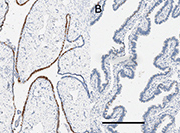
by Dr Petraki Munujos The detection of anti-adrenal cortex antibodies, also known as 21-hydroxylase or 21-OH antibodies, is an aid in the diagnosis and treatment of autoimmune adrenalitis. Far from being outdated, indirect immunofluorescence is a major analytical procedure used in the autoimmune laboratory for the measurement of these autoantibodies. Several techniques can be currently […]

Read more
https://clinlabint.com/wp-content/uploads/sites/2/2020/08/C322_Biosystems_Figure-1.jpg 699 1000 3wmedia https://clinlabint.com/wp-content/uploads/sites/2/2020/06/clinlab-logo.png 3wmedia2020-08-26 09:41:022024-08-22 09:58:13Adrenal cortex antibodies
C319 Seet thematic

Translating stroke biomarkers for patient benefit

, 26 August 2020/in Featured Articles /by 3wmedia

Stroke biomarkers provide much insight into stroke biology that could be translated for patient benefit. When carefully harnessed, these biomarkers could guide decision-making in challenging clinical scenarios. This article offers an overview on current notable brain biomarkers that could aid clinicians in acute stroke management.

by Geelyn J.L. Ng and Dr Raymond C.S. Seet

Introduction
Stroke is a leading cause of permanent disability and the second most important cause of death globally [1]. Against a backdrop of a rapidly ageing society, there are concerns that a silent epidemic of stroke looms over our population.

Ischemic stroke, a subset that affects 87% of stroke population, results from atherosclerosis that affects predominantly the cerebral vasculature. Atherosclerosis of the blood vessels can lead to a cessation or depletion of blood flow to the brain, triggering cerebral ischemia when brain tissues are no longer viable. Blood clots can also be formed in blood vessels and in the heart, subsequently dislodging into the brain (‘embolic stroke’). Presently, there are only two clinically adopted methods of acute reperfusion treatment – intravenous recombinant tissue plasminogen activator (TPA) [2] and endovascular treatment through device-driven retrieval or aspiration of blood clots [3]. Although good functional recovery is five times more likely to occur with early reperfusion [3], the use of acute reperfusion treatment is restricted to a small group of patients where the benefits of treatment are weighed against the persisting risk of hemorrhagic transformation [4].

Sieving out stroke patients who are at risk of recurrent attacks is the first step to enable accurate triaging of patients to specialized units for in-depth observation and individualized treatment for complications arising from stroke. Presently, such identification is highly reliant on a clinician’s intuition and knowledge of neurologic deficits, as well as neuroimaging results. Tapping into the use of cerebral ischemia biomarkers could shed light on the complex pathological consequences following ischemic stroke and bring forth an unbiased system to weigh risks and benefits of treatments for clinicians and researchers alike.

Biomarkers are biological indicators of physiology that are objectively measured for use in risk stratification and development of therapeutic strategies. Having high sensitivity and specificity for the outcome it is expected to diagnose is generally a trait of a good biomarker, especially when targeting a complex and heterogenous disease such as stroke. Using a multi-biomarker platform could aim at different pathways of this multifaceted disease, thereby allowing for a more comprehensive treatment. Due to the presence of the blood-brain barrier (BBB) that holds a tight control over the inflow and outflow of particles, human brain tissues are typically difficult to access, making it impracticable to measure a biomarker within the brain. During cerebral ischemia, the BBB is broken down, causing brain-derived biomarkers to be released into the blood circulation, making it possible for a closer examination of the pathologic processes that take place following stroke onset. Although many biomarkers exist that could aid in stroke research, we have previously focused on notable blood-based stroke biomarkers that may play a bigger part in supporting the difficult clinical decision-making process [5]. This article will be providing an overview of several well-researched blood-based biomarkers, with much potential in aiding the clinical assessment of stroke patients.

Stroke biomarkers in the clinical scene
Studies in ischemic stroke have investigated the usefulness of blood-based biomarkers in identifying stroke mimics, establishing stroke etiology and prognosticating stroke severity and outcomes, such as vascular events and functional recovery [6, 7]. Presently, use of biomarkers in routine clinical practice remains uncommon, as stroke severity is still determined mainly through a thorough clinical neurological assessment and subjective interpretation of neuroimaging findings by a skilled physician. Nevertheless, having an objective means to prognosticate an outcome via a blood sample retrieved from a patient upon stroke presentation could add value to clinical decision-making, especially during times when neuroimaging results and clinical interpretations are unable to yield conclusive results. As stroke is a heterogeneous condition, investigating biomarkers that target different stroke pathways could be promising in establishing a multi-biomarker platform, especially for outcomes such as hemorrhagic transformation (HT), early neurologic deterioration (END) and malignant cerebral infarction.

Matrix metalloproteinase-9
Although administrating TPA could potentially achieve the benefit of arterial recanalization, the risk of symptomatic intracranial secondary hemorrhage within the infarcted brain tissues must not be forgotten. Matrix metalloproteinase-9 (MMP-9) is an enzyme that degrades the basal lamina and breaks down the extracellular matrix when activated during TPA treatment. The function of the BBB is crippled in this process and an inflammatory cascade is initiated, resulting in edema and the dreaded HT [8]. Apart from its involvement in HT, MMP-9 could also be used to identify high-risk END patients and plays a part in malignant cerebral infarction.

C-reactive protein
C-reactive protein (CRP) is a sensitive systemic marker of inflammation and a well-researched biomarker of ischemic stroke found in the blood plasma. CRP has been associated with END and noted to be predictive of adverse outcome, where ischemic stroke patients with higher CRP levels tend to suffer from a significantly worse outcome and mortality [9, 10].
S100β
S100β is a biomarker of ischemic stroke expressed by neuronal cells that can be released into the bloodstream when the BBB is compromised. Its concentration needs to be carefully balanced, as it may be protective in low concentrations, but at high levels has been shown to predict cerebral malignant infarction and correlate with infarct size [11, 12]. However, trial data on the use of biomarkers to guide clinical decisions leading to early decompressive surgery are currently lacking. Several studies have also uncovered an increase in S100β in ischemic stroke patients who present 1 to 7 days from symptom onset [13, 14]. In acute stroke patients, elevated S100β serum levels before thrombolytic therapy have also been demonstrated as a risk factor for HT [15].

N-terminal pro-brain natriuretic peptide
The brain natriuretic peptide (BNP) and its precursor, N-terminal proBNP (NT-proBNP), have been extensively studied as useful biomarkers for the prognosis and diagnosis of heart failure [16]. In recent years, BNP is gradually gaining recognition as a marker of atrial fibrillation (AF) and, therefore, as a biomarker to diagnose and predict stroke of cardioembolic origin [17, 18]. Plasma BNP levels have also been demonstrated to have significant correlations with infarct volume and National Institutes of Health stroke scale (NIHSS), making it a potentially powerful clinical biomarker for acute ischemic stroke [19].

Uric acid
Although uric acid has been adopted clinically for metabolic diseases, it is slowly garnering interest in the field of cardiovascular diseases due to its antioxidant properties. Despite data to suggest a strong association between uric acid levels and positive stroke outcomes [20, 21], several studies have observed an adverse relationship where higher uric acid levels were found to predict poor functional outcome and increased mortality [22, 23]. This disparity could highlight a dual role of uric acid in stroke, where both high and low levels of uric acid could adversely affect stroke outcomes [24]. Much remains to be explored for this biomarker before it could be roled out for use in stroke prognosis or diagnosis.
F2-isoprostanes
The product of arachidonic acid peroxidation generated by free radicals, F2-isoprostanes is well-established as a reliable biomarker for oxidative damage. Even though stroke is widely known as partly the result of oxidative damage, the relationship between F2-isoprostanes and human stroke remains poorly understood. Studies have demonstrated its importance in ischemic stroke as elevated levels of F2-isoprostanes could be observed in patients during the early course of stroke onset, with one even as early as three hours after [25–27].

Conclusion
Cerebral ischemia biomarkers have the potential to bridge translational gaps in medicine by shedding light on the pathological events leading to cerebral infarction and the ischemic cascade, aiding in clinical assessment during the critical time-sensitive decision-making process. Results in this area are still emerging, and more efforts could focus on ensuring the feasibility of incorporating stroke biomarkers for patient benefit. The translation of stroke biomarkers to clinical practice is challenging but can be extremely rewarding, especially when such concerted efforts of researchers, clinicians, industry partners and regulatory authorities result in a positive outcome for stroke patients.

Acknowledgements
We would like to thank the National Medical Research Council, Singapore (NMRC/CSA-SI/0003/2015, NMRC/CNIG/1115/2014 and NMRC/MOHIAFCat1/0015/2014) for their generous support.

References
1. GBD 2015 Mortality and Causes of Death Collaborators. Global, regional, and national life expectancy, all-cause mortality, and cause-specific mortality for 249 causes of death, 1980-2015: a systematic analysis for the Global Burden of Disease Study 2015. Lancet 2016; 388(10053): 1459–1544.
2. NINDS rt-PA Stroke Study Group. Tissue plasminogen activator for acute ischemic stroke. N Engl J Med 1995; 333(24): 1581–1587.
3. Powers WJ, Derdeyn CP, Biller J, Coffey CS, Hoh BL, Jauch EC, et al. 2015 American Heart Association/American Stroke Association focused update of the 2013 guidelines for the early management of patients with acute ischemic stroke regarding endovascular treatment: a guideline for healthcare professionals from the American Heart Association/American Stroke Association. Stroke 2015; 46(10): 3020–3035.
4. Seet RC, Rabinstein AA. Symptomatic intracranial hemorrhage following intravenous thrombolysis for acute ischemic stroke: a critical review of case definitions. Cerebrovasc Dis 2012; 34(2): 106–114.
5. Ng GJL, Quek AML, Cheung C, Arumugam TV, Seet RCS. Stroke biomarkers in clinical practice: a critical appraisal. Neurochem Int 2017; 107: 11–22.
6. Bustamante A, López-Cancio E, Pich S, Penalba A, Giralt D, García-Berrocoso T, et al. Blood biomarkers for the early diagnosis of stroke: The Stroke-Chip Study. Stroke 2017; 48(9): 2419–2425.
7. Whiteley W, Chong WL, Sengupta A, Sandercock P. Blood markers for the prognosis of ischemic stroke: a systematic review. Stroke 2009; 40(5): e380–389.
8. Barr TL, Latour LL, Lee KY, Schaewe TJ, Luby M, Chang GS, et al. Blood-brain barrier disruption in humans is independently associated with increased matrix metalloproteinase-9. Stroke 2010; 41(3): e123–128.
9. Muir KW, Weir CJ, Alwan W, Squire IB, Lees KR. C-reactive protein and outcome after ischemic stroke. Stroke 1999; 30(5): 981–985.
10. Idicula TT, Brogger J, Naess H, Waje-Andreassen U, Thomassen L. Admission C-reactive protein after acute ischemic stroke is associated with stroke severity and mortality: the ‘Bergen stroke study’. BMC Neurol 2009; 9: 18.
11. Vahedi K, Hofmeijer J, Juettler E, Vicaut E, George B, Algra A, et al. Early decompressive surgery in malignant infarction of the middle cerebral artery: a pooled analysis of three randomised controlled trials. Lancet Neurol 2007; 6(3): 215–222.
12. Abraha HD, Butterworth RJ, Bath PM, Wassif WS, Garthwaite J, Sherwood RA. Serum S-100 protein, relationship to clinical outcome in acute stroke. Ann Clin Biochem 1997; 34(Pt4): 366–370.
13. Aurell A, Rosengren LE, Karlsson B, Olsson JE, Zbornikova V, Haglid KG. Determination of S-100 and glial fibrillary acidic protein concentrations in cerebrospinal fluid after brain infarction. Stroke 1991; 22(10): 1254–1258.
14. Buttner T, Weyers S, Postert T, Sprengelmeyer R, Kuhn W. S-100 protein: serum marker of focal brain damage after ischemic territorial MCA infarction. Stroke 1997; 28(10): 1961–1965.
15. Foerch C, Wunderlich MT, Dvorak F, Humpich M, Kahles T, Goertler M, et al. Elevated serum S100B levels indicate a higher risk of hemorrhagic transformation after thrombolytic therapy in acute stroke. Stroke 2007; 38(9): 2491–2495.
16. Yancy CW, Jessup M, Bozkurt B, Butler J, Casey DE, Drazner MH, et al. 2013 ACCF/AHA Guideline for the management of heart failure: A report of the American College of Cardiology Foundation/American Heart Association Task Force on practice guidelines. Circulation 2013; 128(16): e240–327.
17. Naya T, Yukiiri K, Hosomi N, Takahashi T, Ohkita H, Mukai M, et al. Brain natriuretic peptide as a surrogate marker for cardioembolic stroke with paroxysmal atrial fibrillation. Cerebrovasc Dis 2008; 26(4): 434–440.
18. Fonseca AC, Matias JS, Pinho e Melo T, Falcao F, Canhao P, Ferro JM. N-terminal probrain natriuretic peptide as a biomarker of cardioembolic stroke. Int J Stroke 2011; 6(5): 398–403.
19. Tomita H, Metoki N, Saitoh G, Ashitate T, Echizen T, Katoh C, et al. Elevated plasma brain natriuretic peptide levels independent of heart disease in acute ischemic stroke: correlation with stroke severity. Hypertens Res 2008; 31(9): 1695–1702.
20. Amaro S, Urra X, Gomez-Choco M, Obach V, Cervera A, Vargas M, et al. Uric acid levels are relevant in patients with stroke treated with thrombolysis. Stroke 2011; 42(1 Suppl): S28–32.
21. Chamorro A, Obach V, Cervera A, Revilla M, Deulofeu R, Aponte JH. Prognostic significance of uric acid serum concentration in patients with acute ischemic stroke. Stroke 2002; 33(4): 1048–1052.
22. Weir CJ, Muir SW, Walters MR, Lees KR. Serum urate as an independent predictor of poor outcome and future vascular events after acute stroke. Stroke 2003; 34(8): 1951–1956.
23. Karagiannis A, Mikhailidis DP, Tziomalos K, Sileli M, Savvatianos S, Kakafika A, et al. Serum uric acid as an independent predictor of early death after acute stroke. Circ J 2007; 71(7): 1120–1127.
24. Seet RC, Kasiman K, Gruber J, Tang SY, Wong MC, Chang HM, et al. Is uric acid protective or deleterious in acute ischemic stroke? A prospective cohort study. Atherosclerosis 2010; 209(1): 215–219.
25. Sanchez-Moreno C, Dashe JF, Scott T, Thaler D, Folstein MF, Martin A. Decreased levels of plasma vitamin C and increased concentrations of inflammatory and oxidative stress markers after stroke. Stroke 2004; 35(1): 163–168.
26. Ward NC, Croft KD, Blacker D, Hankey GJ, Barden A, Mori TA, et al. Cytochrome P450 metabolites of arachidonic acid are elevated in stroke patients compared with healthy controls. Clin Sci (Lond) 2011; 121(11): 501–507.
27. Seet RC, Lee CY, Chan BP, Sharma VK, Teoh HL, Venketasubramanian N, et al. Oxidative damage in ischemic stroke revealed using multiple biomarkers. Stroke 2011; 42(8): 2326–2329.

The authors

Geelyn J.L. Ng1,2 BSc, Raymond C.S. Seet*1,2 MBBS, MRCP (UK), MMed (Int Med), FRCP (UK)
1Department of Medicine, Yong Loo Lin School of Medicine, National University of Singapore, Singapore
2Division of Neurology, Department of Medicine, National
University Health System, Singapore

*Corresponding author
E-mail: raymond_seet@nuhs.edu.sg

https://clinlabint.com/wp-content/uploads/sites/2/2020/08/C319_Seet_thematic.jpg 1135 1000 3wmedia https://clinlabint.com/wp-content/uploads/sites/2/2020/06/clinlab-logo.png 3wmedia2020-08-26 09:41:022021-01-08 11:34:43Translating stroke biomarkers for patient benefit
27554 Agappe CLI LabMedica 2017 Advertisment 1

Trusted across 60 countries over 2 decades

, 26 August 2020/in Featured Articles /by 3wmedia
https://clinlabint.com/wp-content/uploads/sites/2/2020/08/27554-Agappe-CLI-LabMedica-2017-Advertisment-1.jpg 1028 1500 3wmedia https://clinlabint.com/wp-content/uploads/sites/2/2020/06/clinlab-logo.png 3wmedia2020-08-26 09:41:022021-01-08 11:34:33Trusted across 60 countries over 2 decades
Page 113 of 144«‹111112113114115›»
Bio-Rad - Preparing for a Stress-free QC Audit

Latest issue of Clinical laboratory

November 2025

CLi Cover nov 2025
13 November 2025

New Chromsystems Product for Antiepileptic Drugs Testing

11 November 2025

Trusted analytical solutions for reliable results

10 November 2025

Chromsystems | Therapeutic Drug Monitoring by LC-MS/MS

Digital edition
All articles Archived issues

Free subscription

View more product news

Get our e-alert

The leading international magazine for Clinical laboratory Equipment for everyone in the Vitro diagnostics

Sign up today
  • News
    • Featured Articles
    • Product News
    • E-News
  • Magazine
    • About us
    • Archived issues
    • Free subscriptions
    • Media kit
    • Submit Press Release
clinlab logo blackbg 1

Prins Hendrikstraat 1
5611HH Eindhoven
The Netherlands
info@clinlabint.com

PanGlobal Media is not responsible for any error or omission that might occur in the electronic display of product or company data.

Scroll to top

This site uses cookies. By continuing to browse the site, you are agreeing to our use of cookies.

Accept settingsHide notification onlyCookie settings

Cookie and Privacy Settings


How we use cookies

We may ask you to place cookies on your device. We use cookies to let us know when you visit our websites, how you interact with us, to enrich your user experience and to customise your relationship with our website.

Click on the different sections for more information. You can also change some of your preferences. Please note that blocking some types of cookies may affect your experience on our websites and the services we can provide.

Essential Website Cookies

These cookies are strictly necessary to provide you with services available through our website and to use some of its features.

Because these cookies are strictly necessary to provide the website, refusing them will affect the functioning of our site. You can always block or delete cookies by changing your browser settings and block all cookies on this website forcibly. But this will always ask you to accept/refuse cookies when you visit our site again.

We fully respect if you want to refuse cookies, but to avoid asking you each time again to kindly allow us to store a cookie for that purpose. You are always free to unsubscribe or other cookies to get a better experience. If you refuse cookies, we will delete all cookies set in our domain.

We provide you with a list of cookies stored on your computer in our domain, so that you can check what we have stored. For security reasons, we cannot display or modify cookies from other domains. You can check these in your browser's security settings.

.

Google Analytics Cookies

These cookies collect information that is used in aggregate form to help us understand how our website is used or how effective our marketing campaigns are, or to help us customise our website and application for you to improve your experience.

If you do not want us to track your visit to our site, you can disable this in your browser here:

.

Other external services

We also use various external services such as Google Webfonts, Google Maps and external video providers. Since these providers may collect personal data such as your IP address, you can block them here. Please note that this may significantly reduce the functionality and appearance of our site. Changes will only be effective once you reload the page

Google Webfont Settings:

Google Maps Settings:

Google reCaptcha settings:

Vimeo and Youtube videos embedding:

.

Privacy Beleid

U kunt meer lezen over onze cookies en privacy-instellingen op onze Privacybeleid-pagina.

Privacy policy
Accept settingsHide notification only

Subscribe now!

Become a reader.

Free subscription