


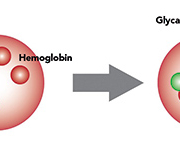
Clinical decisions need to be made at the earliest possible time to facilitate the administration of quick and accurate treatment plans. Point of care testing (POCT) enables tests to be convenient and fast, making them suitable for use with a broad range of patients, including diabetics. Glycated hemoglobin (HbA1c) is commonly tested in diabetics as it provides a reliable measure of glycemic control (Figure 1). However, the role of HbA1c in the diagnosis of diabetes has only more recently been documented. HbA1c levels reflect average circulating glucose levels over the lifespan of red blood cells (2-3 months). Once hemoglobin molecules have been glycated, they become highly stable, enabling a greater level of clinical information to be obtained from them than a single glucose measurement taken at a particular point in time.
by Gavin Jones, Diabetes Product Manager, EKF Diagnostics
By taking serial HbA1c measurements, an individual’s control over their glucose levels can be assessed in response to changes in management strategies. Measurements should be taken every 2-6 months with target HbA1c levels set individually and therapy adjusted accordingly to provide the most effective treatment (1). The target ranges of HbA1c for diabetic patients, depending on their risk of severe hypoglycemia, cardiovascular status and co-morbidities, should be set between 6.5 – 7.5% DCCT (48 – 58 mmol/mol), with the non-diabetic reference range being 4.0 – 6.0% DCCT (20 – 42 mmol/mol). One point for consideration is that HbA1c results may be affected by any condition that leads to a change in red blood cell survival. But even then, HbA1c can be used to detect trends in a patient’s glycemic control.
HbA1c in POCT-based diabetes monitoring
HbA1c determination was originally based on methods such as ion exchange and affinity chromatography with alternative affinity and immunological methods following later, taking HbA1c into the POC environment.
Typically, when using laboratory-based testing, patients with existing diabetes are monitored for HbA1c every 2-6 months, requiring a visit to a nurse or phlebotomist and a follow-up appointment 1 to 2 weeks later to discuss the results. Use of POCT would mean that after just one visit, patients can leave with their results, eliminating the need for a follow-up appointment. By enabling an earlier therapeutic decision, diabetes control can be improved whilst also providing economic benefits in terms of cost and time.
Diabetes diagnosis
The benefits of HbA1c in the management of diabetes can also be directly applied to the diagnosis of diabetes. Unlike glucose levels, which are affected by what has been eaten and drunk in the previous 2-3 hours, the measurement of HbA1c levels does not require fasting. As a simple and immediate test for diabetes, POC HbA1c can support the early identification of at-risk individuals. This would rapidly enable them to make small changes to their lifestyle to significantly reduce the risk of developing type 2 diabetes.
Patients diagnosed with diabetes who are able to maintain low blood HbA1c levels also have a significantly reduced chance of complications after diagnosis (2); early detection by POCT can reduce this risk even further. The ability to rapidly assess and change these risk outcomes has significant health benefits and reduces the costs associated with recurrent leg ulcers, blindness, heart disease and stroke, for example, all of which are conditions and complications commonly associated with type 2 diabetes.
The World Health Organization (WHO) has recommended the use of HbA1c for the diagnosis of diabetes (3). In the UK for example, the National Institute for Clinical Excellence (NICE) has published guidelines for diabetes prevention which aim to identify people at high risk of type 2 diabetes and offer cost-effective, appropriate interventions to prevent or delay onset (4). Used in conjunction with a lifestyle health risk assessment, these guidelines advocate the monitoring of HbA1c levels to allow healthcare providers to advise individuals on treatment regimens, depending on their classification as low, moderate or high risk. Current guidance, therefore, supports the use of HbA1c in screening for type 2 diabetes, and in the management of patients with diabetes. The use of POCT could improve the management of patients with established diabetes in both primary and secondary care settings and enable earlier type 2 diabetes diagnosis.
What to look for in a POC HbA1c analyser
Most POC HbA1c analysers use a single drop of blood (4-10 µL), which is applied to a reagent cartridge. The cartridge is then directly inserted into a desktop device for analysis. Time to results is generally between 3 to 10 minutes, depending on the analyzer. This quick turn-around time, in combination with simple operation, is key to maintaining effective POC testing.
Simplicity
To minimize human error and the subsequent need for repeat testing, a POC analyser should be as easy as possible to use. Also the analyser should be highly intuitive, requiring little user training. Features that support ease-of-use include ready-to-use reagent cartridges which can be inserted straight into the analyser. The blood sample can then be added directly, without the need for premixing or pipetting. Minimizing the number of steps in the procedure not only reduces the potential for user error, but also helps to standardize results by eliminating variation from different users.
Audit trails
For patient safety purposes, audit trails must be readily available. Use of barcode scanning for patient and user identification, as well as confirmation of the batch of reagents and controls used, ensures an analyser can provide such information in a timely manner. Two levels of quality controls that are recorded and held within the analyser’s memory are also ideal for auditing purposes.
Certification
Certification of the analyser in order to confirm delivery of accurate, standardized results should also be a key consideration. In an effort to standardize HbA1c results, the AACC set up the ’National Glycohemoglobin Standardization Program’ (NGSP) in 1996. In parallel, the International Federation of Clinical Chemistry (IFCC) developed reference methods for glycated hemoglobin. In 2006 and 2007, an international consensus between IFCC and AACC was agreed upon (5).
The calibration and certification of laboratories and manufacturers to the same standards has improved the conformity of results. However, in practice, differences can still be observed among technologies and between individual systems. These observed differences arise because of heterogeneity of hemoglobins, underlying differences in technologies (e.g. ion exchange, boronate affinity, immunoassay), calibration drifts or lot to lot variability. Providing the manufacturer follows the recommendations of the IFCC and NGSP to ensure instruments and reagents are accurately aligned and traceable to the reference method, this should not be a problem.
Methodology
There are POC HbA1c analysers available (e.g., the Quo-Lab, EKF Diagnostics, Cardiff, UK) (Figure 2) where results are not affected by hemoglobin variants (which do not result in reduced erythrocyte life span), labile glycated hemoglobin or hematocrit levels. Such analysers use Boronate Fluorescence Quenching Technology (BFQT) (6) (Figure 3) which is associated with simple, yet powerful multiple optical measurements. This is based on well-documented boronate affinity chromatography systems used in reference laboratories. However, as BFQT does not require chromatographic separation, the methodology allows for fast, simple and accurate POC measurement of HbA1c to deliver comparable results to chromatography-based techniques.
Summary
Type 2 diabetes can be managed easily and effectively through the monitoring of HbA1c levels, as opposed to blood glucose. POC diagnosis enables early detection in higher risk patients, before any additional complications arise. POCT therefore not only improves patient access to testing, but provides accurate diagnoses there and then. Treatment strategies can be determined immediately, eliminating the need for a follow-up visit to discuss the results. The ability for diagnosis to occur near to the patient provides greater convenience, thus increasing the likelihood of compliance.
When selecting an analyser for use at the POC, users need to bear in mind that it needs to be a convenient and appropriate option. The focus should be on meeting regulatory requirements, as well as ease of use in order to ensure rapid testing, with accurate, standardized resulting data.
References:
1. Diabetes UK. HbA1c Standardization: Information for Clinical Healthcare Professionals. 2009. http://www.diabetes.org.uk/Guide-to-diabetes/Monitoring/Blood_glucose/Glycated_haemoglobin_HbA1c_and_fructosamine/HbA1c_Standardisation_Information_for_Clinical_Healthcare_Professional.
2. Diabetes Control and Complications Trial Research Group. The effect of intensive treatment of diabetes on the development and progression of long-term complications in insulin-dependent diabetes mellitus. N Engl J Med 1993;329:977-86.
3. World Health Organization. Use of glycated hemoglobin (HbA1c) in the diagnosis of diabetes mellitus. 2011. www.who.int/diabetes/publications/report-hba1c_2011.pdf.
4. National Institute for Health and Clinical Excellence. Preventing type 2 diabetes: risk identification and interventions for individuals at high risk. 2012. www.nice.org.uk/nicemedia/live/13791/59951/59951.pdf.
5. Geistanger A, Arends S, Berding C, Hoshino T, Jeppsson JO, Little R, Siebelder C, Weykamp C; on behalf of the IFCC Working Group on Standardization of Hemoglobin A1c. Statistical Methods for Monitoring the Relationship between the IFCC Reference Measurement Procedure for Hemoglobin A1c and the Designated Comparison Methods in the United States, Japan, and Sweden. Clin Chem. 2008 Aug;54(8):1379-85.
6. Wilson DH, Bogacz JP, Forsythe CM, Turk PJ, Lane TL, Gates RC and Brandt DR. Fully automated assay of glycohemoglobin with the Abbott IMx analyzer: novel approaches for separation and detection. Clinical Chemistry October 1993 vol. 39 no. 10 2090-2097

Some species of non-diphtheriae Corynebacterium bacteria are opportunistic pathogens responsible for lower respiratory tract infections primarily in immunocompromised patients or in patients with chronic respiratory diseases. In the last years an increasing number of reports have demonstrated their role as emerging pathogens causing pneumonia or exacerbations of chronic pulmonary diseases. Thus, these species should not always be considered as mere colonizers.
by Dr M. Díez-Aguilar, Dr R. Cantón, Dr M. A. Meseguer
Non-diphtheriae Corynebacterium species are considered to be colonizers of the skin, nasopharyngeal tract and mucous membranes. However, in the last decade there have been an increasing number of reports that recognize these microorganisms as opportunistic pathogens that can cause disease in certain circumstances [1–3]. Since the population of immunocompromised patients is constantly growing, due to AIDS, age, use of invasive devices and immunosuppressive regimens, e.g. after transplantation, the clinical relevance of these opportunistic pathogens is rising.
A broad range of infectious diseases caused by non-diphtheriae Corynebacterium species have been reported including endocarditis, bacteriemia, pneumonia, tracheobronchitis, necrotizing tracheitis, exudative pharyngitis, rhinosinusitis, osteitis, conjunctivitis, and skin and urinary tract infections.
Lower respiratory tract infection, typically occurs in the context of underlying immunosuppressive conditions (such as diabetes, malignancy, corticoid therapy) and in patients with pre-existing pulmonary diseases such as chronic obstructive pulmonary disease (COPD), bronchiectasis and cystic fibrosis. In these patients non-diphtheriae Corynebacterium species can cause pneumonia and acute exacerbations of COPD. Previous hospitalization, wide-ranged antibiotic therapy and presence of multiple medical devices are risk factors for acquiring non-diphtheriae corynebacterial infection. Nosocomial outbreak of infection or colonization has been also observed [4]. Nevertheless, community acquired bronchitis in elderly patients with COPD have been reported.
Typically, Corynebacterium pseudodiphtheriticum, Corynebacterium striatum, and Corynebacterium propinquum are the species more frequently involved in lower respiratory tract infections [1–4]. The role of other Corynebacterium species in lower respiratory tract infections could have been underestimated, as only a few cases have been reported. The various non-diphtheriae Corynebacterium species that have been involved as responsible for respiratory tract infections are shown in Table 1. After appropriate antibiotic treatment a favourable outcome was achieved in most patients.
Pathogenesis
The respiratory tract damage caused by these microorganisms is probably the result of their opportunistic overgrowth and their possible virulence factors in patients with immune impairment and/or compromised pulmonary function.
Patients with chronic respiratory infections, such as obstructive pulmonary disease and bronchiectasis are predisposed to a persistent and non-innocent colonization of the lower respiratory tract by several non-pathogenic microorganisms. The high density of microorganisms covering the surface of the bronchial mucosa results in consistent pathogenic effects throughout the respiratory epithelium. Such effects include reduction of the supply of oxygen, water and organic nutrients to cells of the bronchial epithelium, as well as the liberation of potentially bioactive molecules which induce pro-inflammatory processes leading to accumulation of immune inflammatory cells. Defective pulmonary defences (impaired mucociliary clearance, airway inflammation and permanent dilatation within the bronchial wall), periodic infectious exacerbations caused by other respiratory infecting pathogens, and local immune disorders can cause a ‘vicious cycle’ of infection and inflammation of the airway. In these conditions the replacement of the pharyngeal resident microbiota with the opportunistic overgrowth and predominance of corynebacterial organisms in the respiratory tract can take place resulting in disease.
However, these microorganisms could express virulence factors that would contribute to the infection. Still, the virulence factors of non-diphtheriae Corynebacterium infection remain poorly understood, but recent in vitro studies on Corynebacterium pseudodiphtheriticum behaviour with epithelial cells have demonstrated the capacity for adherence, internalization, intracellular survival and persistence of the organism [5]. Therefore, in vivo C. pseudodiphtheriticum not only multiplies at and remains on the surface of the epithelial host cells, but also could reach the cytoplasm. This ability of C. pseudodiphtheriticum to survive within host cells highlights the potential capacity of other non-diphtheriae Corynebacterium to act as opportunistic pathogens.
Microbiological diagnosis
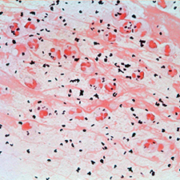
The key for the microbiological diagnosis of respiratory tract infection caused by non-diphtheriae Corynebacterium species is the microscopic observation of the predominant presence of Corynebacterium morphotype in a Gram stained purulent respiratory sample [Fig. 1], together with an abundant growth in the culture [6]. To determine the quality of the sputum it is important to follow the scoring system of Washington and Murray, which assesses a good quality of samples when there are more than 25 leukocytes and less than 10 squamous epithelial cells per field.
Identification of Coryneform bacteria
It is important to correctly identify Coryneform bacteria to the species level in order to reach the microbiological diagnosis, but also to detect unsuspected species, investigate potential pathogenicity and describe new species that could be clinically relevant.
Phenotypic characteristics such as colony size, pigmentation, catalase, and motility are useful for establishing the genus. For identification to the species level, biochemical testing performed using commercially available identification systems such as API Coryne, API CH50 plus, API 20 E and Rap IDCB Plus method, as well as automated systems such as Vitek2 (bioMèriux) and Biology systems could be employed. However, these methods are unreliable for some species (Corynebacterium accolens, C. striatum).
Nowadays an accurate and definitive identification is reached by the use of sequence-based identification techniques: 16s RNA and rpoB gene are the two approaches used for the characterization of non-diphtheriae Corynebacterium species. In fact, in recent years, many new species of the Corynebacterium genus have been described thanks to molecular biology techniques [7]. The use of mass spectrometry technology like MALDI-TOF MS is acquiring an increasingly important role in identifying and detecting these microorganisms [8]. This technology requires neither extensive training nor cost and it has been reported that it provides identification to genus and species level with an accuracy that approaches that of genetic methods.
Antimicrobial susceptibility
It is essential to test the antimicrobial susceptibility in all clinically relevant isolates due to the variable susceptibility of these microorganisms. Overall, non-diphtheriae Corynebacterium species are constitutively resistant to macrolides, lincosamides and type B streptogramins; susceptible to cefotaxime, amoxicillin/clavulanate, rifampin, and vancomycin (the recommended drug to treat severe infections) and have variable susceptibility to other antibiotics. C. striatum is the species which exhibits the highest resistance pattern.
According to CLSI (Clinical and laboratory Standard Institute) guidelines the reference method is the broth microdilution technique. This committee provides interpretive criteria for penicillin and erythromycin based on minimum inhibitory concentration (MIC) values following testing by this method, and for cephalosporin and linezolid the criteria are currently adapted from those from Streptoccocus and Enteroccocus, respectively, and remaining criteria are adapted from those from Staphyloccocus.
Although some laboratories use the disc diffusion method for susceptibility testing, the interpretative categories for zone diameters need to be established. The diffusion gradient tests (i.e. Etest) showed a good correlation of MICs with the broth microdilution method.
Conclusion and future perspectives
It is clear that due to the increasing number of immunocompromised patients and those with pre-existing pulmonary diseases, non-diphtheriae Corynebacterium species should be considered as an emerging cause of lower respiratory tract infection. A rapid and accurate laboratory detection, identification and assessment of these opportunistic microorganisms are critical for the correct diagnosis, taking into consideration that some of them are resistant to multiple antibiotics. Although more studies are need to enhance the understanding of the clinical significance of these microorganisms, clinicians should be aware of the potential pathogenic role of these species in the context of immunosuppression or chronic respiratory disease and they should not be always considered as mere colonizers.
References
1. Díez-Aguilar M, Ruiz-Garbajosa P, Fernández-Olmos A, Guisado P, Del Campo R, Quereda C, Cantón R, Meseguer MA. Non-diphtheriae Corynebacterium species: an emerging respiratory pathogen. Eur J Clin Microbiol Infect Dis 2012; doi: 10.1007/s10096-012-1805-5.
2. Nhan TX, Parienti JJ, Badiou G, Leclercq R, Cattoir V. Microbiological investigation and clinical significance of Corynebacterium spp. in respiratory specimens. Diagn Microbiol Infect Dis 2012; 74(3): 236–241.
3. Otsuka Y, Ohkusu K, Kawamura Y, Baba S, Ezaki T, Kimura S. Emergence of multidrug-resistant Corynebacterium striatum as a nosocomial pathogen in long-term hospitalized patients with underlying diseases. Diagn Microbiol Infect Dis 2006; 54(2): 109–114.
4. Renom F, Garau M, Rubí M, Ramis F, Galmés A, Soriano JB. Nosocomial outbreak of Corynebacterium striatum infection in patients with chronic obstructive pulmonary disease. J Clin Microbiol 2007; 45(6): 2064–2067.
5. Souza MC, Santos LS, Gomes DL, Sabbadini PS, Santos CS, Camello TC, Asad LM, Rosa AC, Nagao PE, Hirata Júnior R, Guaraldi AL. Aggregative adherent strains of Corynebacterium pseudodiphtheriticum enter and survive within HEp-2 epithelial cells. Mem Inst Oswaldo Cruz 2012;107(4): 486–93.
6. Funke G, von Graevenitz A, Clarridge JE 3rd, Bernard KA. Clinical microbiology of coryneform bacteria.Clin Microbiol Rev 1997; 10(1): 125–159.
7. Bernard K. The genus corynebacterium and other medically relevant coryneform-like bacteria. J Clin Microbiol. 2012; 50(10): 3152–3158.
8. Gomila M, Renom F, Gallegos Mdel C, Garau M, Guerrero D, Soriano JB, Lalucat J. Identification and diversity of multiresistant Corynebacterium striatum clinical isolates by MALDI-TOF mass spectrometry and by a multigene sequencing approach. BMC Microbiol 2012;12: 52.
The authors
María Díez-Aguilar* MD; Rafael Cantón MD, PhD; and María Antonia Meseguer MD, PhD
Department of Clinical Microbiology, Ramón y Cajal University Hospital, Madrid, Spain
*Corresponding author
E-mail: maria_diez_aguilar@hotmail.com
Recent sleeping sickness epidemics killed over 400,000 people in less than 20 sub-Saharan African countries. Serological screening of populations at risk and treatment of confirmed patients have drastically reduced the annually reported cases. Elimination seems feasible but only with new control tools and strategies adapted to the new epidemiological situation.
by Dr Philippe Büscher, Quentin Gilleman and Dr Pascal Mertens
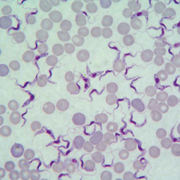
Sleeping sickness, also called human African trypanosomiasis (HAT), is caused by two subspecies of the protozoan parasite Trypanosoma brucei (T.b.). The disease is transmitted by blood sucking tsetse flies that only occur in sub-Saharan Africa. T.b. gambiense causes a rather chronic disease and is found in West and Central Africa. T.b. rhodesiense causes a more fulminant form of the disease in Eastern Africa. Other Trypanosoma species cause diseases in animals, including cattle and small ruminants [Figure 1].
Infection and pathology
After inoculation with the saliva of an infective tsetse fly, the parasites invade lymph, blood and all peripheral organs where they multiply and survive the immune response of the host by a biological mechanism called antigenic variation. Eventually, the parasites invade the brain causing intrathecal inflammation associated with neurological disorders such as altered sleep-wake rhythm, behavioural changes, motor disabilities etc.
Except for some very rare cases, the disease is always lethal and even after successful treatment, many patients, especially children, never recover completely and remain disabled for the rest of their life. Sleeping sickness is a rural disease affecting poor populations living in the forests and wooded savannah where tsetse flies breed. Today, T.b. rhodesiense is mainly found in wild animals in game parks and natural reserves where it is often transmitted to rangers and visiting tourists.
Epidemiological background
At the turn of the 20th century, both gambiense and rhodesiense sleeping sickness caused devastating epidemics killing about one million people within two decades. By sustained implementation of vector control (including habitat destruction and insecticide spraying), culling of wild animals, and systematic screening of the population and treatment of patients by specialized teams, the colonial governments gained control over the epidemics and reduced the annual number of cases to less than 5000 cases around 1960. However, around 1990, a new epidemic of gambiense HAT was rampant in many countries with several tens of thousands of annually reported patients [1]. Countries most affected were typically poor and socio-politically unstable such as Angola, Central African Republic, D.R. of the Congo, Rep. of Congo, Sudan and Uganda to name a few.
Current situation
Today, about 20 years later, the number of reported cases has fallen again to about 7000 in 2012 of which 85% were diagnosed and treated in one single country, the D.R. of the Congo [2]. This achievement was made possible by a combination of different factors among which the availability of performing diagnostic tests and effective treatment, the recognition of sleeping sickness as Neglected Tropical Disease (NTD), thus attracting attention by donor agencies, humanitarian organizations and the private sector, and the combined effort of the World Health Organization, national HAT control programmes, bilateral cooperations and Non Governmental Organizations to organize large scale active case finding in the affected regions.
Active case finding is typically done by mobile teams that consist of up to seven persons trained in diagnosis and treatment of HAT. They go out in the field for several weeks, carrying all necessary equipment, diagnostics and drugs to screen the population at risk with a serological antibody detection test, to examine seropositive suspects by microscopy and to treat parasitologically confirmed patients in their villages or to refer them to the nearest specialized treatment centre. Since more than 20 years now, the recommended screening test is the Card Agglutination Test for Trypanosomiasis (CATT), a rapid test that detects gambiense specific antibodies [3].
Neglected Tropical Disease (NTD)
The recent success in HAT control has led to the inclusion of gambiense HAT in the WHO’s list of NTD’s that could be eliminated as a public health problem in Africa by 2020 with zero transmission in 2030 [2]. However, with the currently available tools for HAT control, elimination may remain an elusive target. Indeed, eradication of the tsetse flies, although proven to be feasible in some isolated foci with only one species transmitting trypanosomes, probably will never be achieved in endemic countries with dense forests and with large protected zones. As a consequence, tsetse flies will continue to transmit the disease, not only from man to man but also from the domestic and wild animal reservoir to man.
Diagnosis and treatment of infection
Today, treatment of sleeping sickness patients relies on toxic drugs and most often requires several weeks of hospitalization. Therefore, treatment is
administered only to patients in which the parasites have been detected in the blood, lymph or cerebrospinal fluid. Given that even the most sensitive parasite detection tests remain negative in 10% to 20% of actually infected patients, untreated patients may continue to act as a parasite reservoir, sometimes for years before they are treated or die. With the venue of molecular diagnostics, it was believed that such tests would sooner or later replace microscopic parasite detection. However, HAT patients have to be diagnosed in rural environments that are not compatible with today’s DNA- or RNA-based diagnostics and molecular test do not perform better than parasitology. Therefore, it is questionable if the individual patient will ever benefit from molecular diagnostics for sleeping sickness [4].
New control tools
Should we then despair about sleeping sickness elimination? Not at all, at least not for gambiense HAT. History shows that in countries that are socio-politically stable, where the rural population has access to functional primary healthcare facilities and where changing land use has suppressed the tsetse fly population, sleeping sickness has disappeared as is the case in Benin, Burkina Faso, Ghana and Togo [5]. For countries where these conditions cannot be met in the near future, newly developed HAT control tools may play a major role in disease elimination. For example, GIS technology allows to combine the GPS coordinates of all villages where HAT patients are reported with demographic and environmental data, and to precisely map the populations at risk [6].
New rapid test
Also, a new rapid diagnostic test for gambiense HAT serodiagnosis has been developed (HAT Sero-K-SeT, Coris BioConcept, Belgium). The HAT Sero-K-SeT is individually packed, thermostable, equipment-free , robust and has shown excellent diagnostic performance in a phase I evaluation [7]. Its target product profile, and especially its very high specificity, makes it fully compatible for use in foci with very low prevalence and in fixed health centres with minimal infrastructure [Figure 2]. In addition, strategies involving newly developed small size (0,25 x 0,25 m) insecticide-treated targets to kill the riverine tsetse fly are more cost effective than former models [8].
New drugs in the pipeline
Finally, the search for new drugs has identified a new class of compounds of which one, the SCYX-7158 has been selected for the development of a safe, one-dose oral treatment of both stages of sleeping sickness [9]. Once such a drug becomes available, parasite detection and stage determination that can only be accurately performed by expert medical staff, may become dispensable and decision to treat might be taken on the serodiagnostic evidence of infection.
Conclusion
Elimination of at least one form of sleeping sickness seems possible but only with the long-term commitment of donor agencies and ministries of health in endemic countries and with the cost efficient deployment of the newly developed control tools in rationally designed elimination strategies adapted to the local epidemiological situation.
References
1. World Health Organization. Control and surveillance of African trypanosomiasis. WHO Technical Report Series 1998; 881: 1-113.
2. World Health Organization. Report of a WHO meeting on elimination of African trypanosomiasis (Trypanosoma brucei gambiense), 3-5 December 2012, Geneva, Switzerland. WHO/HTM/NTD/IDM 2013.4 http://apps.who.int/iris/bitstream/10665/79689/1/WHO_HTM_NTD_IDM_2013.4_eng.pdf (accessed 27 May 2013)
3. Chappuis F, Loutan L, Simarro P, Lejon V and Büscher P. Options for the field diagnosis of human African trypanosomiasis. Clinical Microbiology Reviews 2005; 18: 133-146.
4. Deborggraeve S and Büscher P. Molecular diagnostics for sleeping sickness: where’s the benefit for the patient? The Lancet Infectious Diseases 2010; 10: 433-439.
5. Simarro PP, Diarra A, Ruiz Postigo JA, Franco JR, and Jannin JG. The human african trypanosomiasis control and surveillance programme of the world health organization 2000-2009: the way forward. PLoS Neglected Tropical Diseases 2011; 5: e1007.
6. Simarro PP, Cecchi G, Franco JR et al. Estimating and mapping the population at risk of sleeping sickness. PLoS Neglected Tropical Diseases 2012; 6: e1859.
7. Büscher P, Gilleman Q and Lejon V. Novel rapid diagnostic tests for sleeping sickness. New England Journal of Medicine 2013; 368: 1069-1070.
8. Esterhuizen J, Rayaisse JB, Tirados I et al. Improving the cost-effectiveness of visual devices for the control of riverine tsetse flies, the major vectors of human African trypanosomiasis 3. PLoS Neglected Tropical Diseases 2011; 5: e1257.
9. Jacobs RT, Nare B, Wring SA et al. SCYX-7158, an Orally-Active Benzoxaborole for the Treatment of Stage 2 Human African Trypanosomiasis. PLoS Neglected Tropical Diseases 2011; 5: e1151.
The authors
Philippe Büscher1* PhD, Quentin Gilleman2 MSc, and Pascal Mertens2 PhD
1 Institute of Tropical Medicine, Department of Biomedical Sciences, Nationalestraat 155, B-2000 Antwerp, Belgium
2 Coris BioConcept, Crealys Park, Rue Jean Sonet 4a, B-5032 Gembloux, Belgium
*Corresponding author
E-mail: pbuscher@itg.be
Tel. +32 3247 6371


Patients are routinely monitored for levels of trace elements to investigate situations of deficiency or toxicity. This article covers some of the reasons why trace elements are investigated in the clinical setting and discusses, with examples, how the measurements are carried out using advanced analytical instrumentation. It then goes on to suggest some important new developments in the field of inorganic mass spectrometry, which could have an important impact on future clinical assays.
by Dr Chris Harrington
Trace elements are defined as having a concentration of less than 100 µg/g or 100 mg/L and traditionally there are two main reasons for their measurement in a clinical setting: for the determination of deficiency or toxicity.
There are about 10 inorganic micronutrients essential for human health which include the transition elements Cu, Co (as vitamin B12), Cr, Fe, Mn, Mo and Zn, the metalloid Se and the halogen elements F and I. The human body also contains As, B, Ni, Si, Sn and V, but there is no firm evidence any of these are essential for health. These elements have a number of biochemical roles, e.g. co-factors for different enzymes; constituents of important molecules, such as the thyroid hormones; and electron transport, due to their redox chemistry. The toxic effect of any trace element is dose-dependent, but there are a number which exert toxicity at low concentration and examples of these include: Hg, Ti, Pb, Cd and As. The degree of harmful toxicity will not only depend on the concentration, but also on the actual chemical form and exposure time. In the case of an element such as As, it is highly toxic when present as arsine (AsH3) because it is a gas, but when exposure is via a more complex organometallic compound such as arsenobetaine (C5H11AsO2) which is common in fish and seafood, an equivalent dose of As would be harmless. Commonly exposure to a toxic trace element is determined by analysis of a urine sample normalized to the creatinine concentration and comparison to an established guidance value such as a biological exposure index (BEI). However, clearly in the case of As, a measurement of total As in the urine will not differentiate between different chemical forms. To achieve this aim each of the separate As-containing species will need to be determined using methods based on elemental speciation, whereby a chromatographic separation is coupled to a suitable atomic spectroscopic detector, for example HPLC-ICP-MS (inductively coupled plasma mass spectrometry in combination with HPLC).
A more recent development in the clinical measurement of trace elements relates to the orthopedic area and the increasing use of metal alloys containing Cr, Co, Mo and Ti as the components of metal-on-metal (MoM) hip replacements. As a result of complications with the use of such implants and the potential for failure requiring revision surgery, all patients in the UK with MoM replacements are now monitored on an annual basis. The guidelines issued by the UK Medicines and Healthcare products Regulatory Agency (MHRA) in 2010 [MDA/2010/033] and subsequently updated in 2012 [MDA/2012/008 and 036] provide advice to healthcare professionals involved in the management of patients implanted with MoM hip replacements. The initial alert recommended that all patients should be followed up regularly by measurement of Co and Cr in whole blood samples and that this should be carried out most frequently on patients with symptoms consistent with high rates of failure. The medical device alert stipulates that if either element was elevated above a concentration of 7 µg/L (134 and 119 nmol/L for Cr and Co respectively), then further tests should be performed including imaging, to identify patients with potentially failing MoM hip joints. Whereas there are already action limits for these elements relating to occupational exposure, the concentration of 7 µg/L was chosen after consultation with orthopedic clinicians and using information from the National Joint Registry for England and Wales, as a level at which the joint was not showing optimum performance. It was not set as an indication of toxicity but rather as an indicator of joint performance and is thus interpreted with this in mind.
Internal quality control and external quality assurance are important prerequisites for measuring trace elements and making appropriate diagnosis or treatment decisions. A good example of this is the routine annual follow-up of patients with MoM hip-replacements, where clinicians need to make sure that their decisions are based on well controlled analytical measurements. How, for instance, can a clinician decide if an increase in concentration of Co or Cr results from a change in the particular joint and does not arise from a change in the laboratories measurement performance? We recently looked at data [1] from the UK National External Quality Assessment Scheme for trace elements (TEQAS). This supplies whole blood specimens which are spiked with known amounts of a number of trace elements including Co and Cr. The mean recovery over the samples measured in the 2011–12 scheme year was 96.4% (SD 2.23, CV 2.3%) for Co and 96.1% (SD 3.19, CV 3.3%) for Cr. The excellent agreement between the amounts in the specimens and the mean value indicates the results are accurate, and agreement between the pools distributed on different occasions shows they are reproducible over time. This should provide the necessary confidence to the clinical decision maker that the laboratories providing the Co and Cr results are competent and the results are suitably accurate.
Analytical instrumentation
The instrumental mainstay of clinical laboratories which specialise in the measurement of trace elements is inductively coupled plasma mass spectrometry (ICP-MS), which is a form of inorganic MS measuring elemental ions rather than molecular ions. Developed as a commercial analytical technique in the early 1980s it was initially used in environmental and geological laboratories, but after instrumental improvements it is now gaining popularity in the clinical area. This is mainly because it is multi-elemental in nature.
A review of new research and instrumental approaches in the elemental analysis of clinical and biological materials, foods and beverages is published annually as an Atomic Spectrometry Update [2].
The instrumentation itself will not be discussed as many texts [3] deal with the fundamentals of ICP-MS. However, the significant strengths of the technique include: multi-elemental detection in a single run; wide elemental coverage up to m/z 254 (UO+); high sensitivity with low limits of detection, down to sub ng/L levels (limited by purity of the reagents); fast analysis times as a result of the scanning speed of the quadrupole analyser; wide linear working range, up to 9 orders of magnitude in the same run; isotopic information, making high accuracy calibration via isotope dilution mass spectrometry available; and it can be used for specialist applications such as speciation analysis, where it is used as a chromatographic detector for HPLC, GC, CE or GE separations. The main weaknesses of the technique are: the presence of isobaric interferences on some elements, which mean the isotope of one element is at the same m/z ratio for the analyte of interest, for instance Ca has an isotope at m/z 48 which is the same as the most abundant isotope for Ti, making the measurement of Ti in clinical samples problematic; the formation of polyatomic ions from sample matrix and atmospheric ions can impinge on the m/z for the analyte of interest, an example would be the measurement of Cr at its most abundant isotope at m/z 52 which has a major interference from the formation of ArC; and the formation of doubly charged ions, for instance Gd2+ can interfere with Se at m/z 78. Luckily instrumental developments based on the use of a reaction/collision cells containing a suitable gas have been introduced to overcome the problems due to polyatomics and doubly charged ions. These work by using a reactive gas, e.g. H2 in the cell and removing the interference by reactively neutralising it, which we have recently demonstrated for the removal of the Gd2+ interference from the measurement of Se [4], or using a collision gas, e.g. He to remove the larger polyatomic ions by collision induced kinetic energy discrimination. These newer instruments are extremely robust and can rapidly deliver highly accurate measurements for multi-elements at low concentrations in difficult matrices such as whole blood, serum or urine.
Future trends and developments
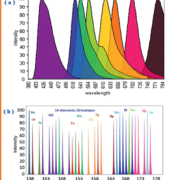
Over the last 5–10 years the capabilities of ICP-MS for the detection of molecules that do not contain a trace element have been investigated. By using a reagent with specificity for the analyte and which carries a metal or nanoparticle tag, the molecule of interest becomes visible for detection by ICP-MS. The reagents used are often antibodies, so the protocols often mimic those developed for immunochemical assays and, in theory, can be applied to the determination of the same analytes, including peptides, proteins and other specific biomarkers. So why would this be advantageous compared to conventional immunochemical assays? Most importantly this approach has a greater potential for multiplexing than spectroscopic methods; there are a large number of elemental tags to choose from and no overlap between them. As illustrated in Figure 1 this is not the case with fluorescence signals.
Other advantages include: analyte quantification with high precision; low detection limits; large dynamic range; low matrix effects from other components of the biological sample (i.e. contaminating proteins in the sample have no effect on elemental analysis); low background from plastic plates (i.e. plastic containers do not cause interference on elemental detection as it can with fluorescence), and superior spectral resolution. As can be seen in Figure 1 this has generated a new approach to flow-cytometry based on ICP-MS and it’s very likely that other new approaches to other biochemical analytes will shortly become commercially available.
Acknowledgements
Scott Tanner, University of Toronto for permission to use the figures from the CyTOF flow cytometer based on ICP-ToF-MS (DVS Sciences Inc).
References
1. Harrington CF, Taylor A. BMJ 2012; 344: e4017.
2. Taylor A, Day MP, Hill S, Marshall J, Patriarca M, White M. J Anal At Spectrom. 2013; 28: 425–459.
3. Inductively Coupled Plasma Mass Spectrometry Handbook. Ed. Nelms S, Blackwell 2005.
4. Harrington CF, Walter A, Nelms S, Taylor A. Ann Clin Biochem. 2013; submitted.
The author
Chris Harrington PhD, MRSC
SAS Trace Element Laboratory, Faculty of Health and Science, University of Surrey, Guildford, Surrey, GU2 7XH, UK
E-mail: Chris.harrington1@nhs.net
May 2026

Prins Hendrikstraat 1
5611HH Eindhoven
The Netherlands
info@clinlabint.com
PanGlobal Media is not responsible for any error or omission that might occur in the electronic display of product or company data.