



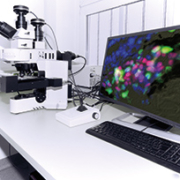
Digital pathology is a computer-based imaging environment which enables the analysis and storage/retrieval of information from a digital slide. It is considered to be one of the most promising recent developments in diagnostic medicine, with the potential to provide better, quicker and more cost-effective diagnosis and prognosis, especially for managing diseases like cancers.
Digital pathology is closely associated with the term ‘virtual’ microscopy, since images are viewed remotely, without a microscope or slides, after being transferred over a hospital network or the Internet.
Whole slide imaging
A key technology driver of digital pathology is whole slide imaging (WSI), sometimes also described as whole slide digital imaging. WSI scans and converts specimen glass slides into digital images, which are made accessible by software for display on a computer monitor. Digitized slides allow analysis via computer algorithms, which automate the counting of structures and quantitatively classify tissue condition. This task is otherwise performed, painstakingly, by pathologists using a microscope to view, analyse and stain tissue slides.
The pace of development in virtual microscopy has accelerated. Recent advances in scanning technology allow for achieving over 100,000 dpi resolutions, in other words approaching the level of optical microscopes.
Cancer staging versus grading: the role of pathology
Digital pathology offers particular promise in the grading of tumours. Tumour ‘grade’ is different from the ‘stage’ of a cancer.
Cancer stage refers to the size of a tumour and whether or not cancer cells have spread in the body.
Pathologists play a role in providing staging information, alongside physical examination, imaging and lab tests. Physicians select different combinations of each of these modalities for staging.
By contrast, grading is principally a pathologist’s area of expertise.
Grading scales
The grade describes a tumour and the likelihood of its growth and spread, based on the abnormality of tumour cells as seen under a microscope.
Tumours are typically graded on a 1-4 scale. A lower grade indicates better prognosis, while higher grades tend to grow and spread more quickly, thus requiring more aggressive treatment. Grade 1 tumours are usually described as “well-differentiated” with tumour cells and tissue appearing close to normal. Grade 3 and 4 tumours look least like normal cells and tissue. They are often described as “poorly differentiated” or “undifferentiated,” and tend to grow and spread faster than tumours with a lower grade.
The pathologist and visual perspectives
One of the strongest arguments in favour of digital pathology is that microscopes require pathologists to always possess keen eyesight to determine the ‘differentiation’ required for assigning a grade to a tumour. Like many other healthcare professionals, pathologists are also burdened by heavy workloads. This, in turn, can impact on visual acuity and interpretation.
Digitized images, in contrast, can quantify the differentiation (and grading) process via algorithms, reduce the risk of human error and improve accuracy.
Glass slides and inconsistent interpretation
The challenge of consistency in pathology has been a vexing issue for some time. In March 2015, the ‘Journal of the American Medical Association’ (JAMA) published the results of a study to “quantify the magnitude of diagnostic disagreement among pathologists.” The study focused on pathologists interpreting breast biopsies from glass slides in eight US states and noted that although a breast pathology diagnosis provided “the basis for clinical treatment and management decisions,” its accuracy was “inadequately understood.” Among its findings – one in four cases did not show consonance of individual pathologists’ interpretations with expert consensus.
Disagreement with the reference diagnosis was statistically significant among pathologists who interpreted lower weekly case volumes or worked in smaller practices – confirming the observation about the inverse correlation between workload on the one side, and quality of eyesight on the other.
Digital pathology and second opinions
To address such variations in diagnoses, second opinions have become commonplace. However, for glass slides, a second opinion entails long lead times and complexities in a pathologist’s workflow (from glass packaging and transport, and at the other end, unpacking materials, verifying sample/reference case, registering the case in a laboratory information system etc.). Many pathologists are forced to cope quietly with a difficult decision – weighing up the value of a second opinion against the extra waiting time for a patient.
Digital pathology streamlines access to second opinions, enabling quicker and more accurate delivery of diagnoses. Both these correlate strongly to successful treatment outcomes. Telemedicine has taken explicit note about this potential. In 2014, the American Telemedicine Association published draft guidelines on the use of digital pathology in telemedicine.
Radiology and pathology: collaborative cousins
Pathology is involved in almost all cancer diagnoses.
Digital pathology is being seen as both a catalyst and enabler for more collaboration across specialties, beginning with radiology – one of the first fields to be digitized.
A September 2012 ‘BMC Medicine’ article titled ‘Integrating Pathology and Radiology Disciplines: An Emerging Opportunity?’ argues for an end to traditional pathology-radiology workflows where the two specialties “form the core of cancer diagnosis” but remain “ad hoc and occur in separate ‘silos’, even though “the opportunity for pathology-radiology integration to improve patient care is great, and more importantly, the tools to achieve this exist.”
DICOM and HIPAA
Until recently, digital pathology was hampered by a lack of standards for storing and transferring images, among other things, to be more in line with modern PACS systems storing radiology images. However, this was successfully addressed by DICOM (Digital Imaging and Communications in Medicine) supplement for digital pathology (No. 145), which was released in July 2010.
According to a May 2011 report in the ‘Journal of Pathology Informatics’, the DICOM supplement standard was hailed by “everyone involved in the field of digital pathology” since it made it easier for hospitals “to integrate digital pathology into their already established systems without adding too much overhead costs.”
Besides, it was seen to enable different vendors developing scanners “to upgrade their products to storage systems that are common across all systems.”
There is already sufficient integration between digital pathology systems (DPS) and anatomic pathology laboratory information systems (APLIS) to provide pathologists with access to images and image analysis data from either, and input it to a Patient Report. On the regulatory front, DPS vendors are also well placed to support HIPAA compliance by encrypting protected health information (PHI) metadata such as slide labels, hospital, patient and specimen information, etc.
A March 2007 issue of ‘Neuroimage’ points to another major attribute of digital pathology, namely the capacity for data mining.”
Digital pathology in medical education
So far, the key application of digital pathology has been in teaching. As the University of Minnesota observes, “virtual microscopes can transform traditional teaching methods by removing the reliance on physical space, equipment, and specimens to a model that is solely dependent upon computer-internet access. This rich database is enhanced with patient clinical presentations, laboratory data, comprehensive slide interpretations, and diagnoses.”
Also in the US, a partnership between Oklahoma University Medical Center (OUMC), the Children’s Hospital, and the University of Oklahoma College of Medicine, observes that digital pathology promotes efficiency and cost-effectiveness as a teaching tool as well as in using digital slides for consultation with patients referred to OUMC from other hospitals.
Barriers to digital pathology
Barriers to the more widespread implementation of digital pathology have also been recently assessed. These concern economics (mainly return on investment) and consistency and methodological robustness in WSI.
ROI
Unlike digital radiology which has a longer legacy and a stronger case for ROI (return on investment) – principally in terms of replacing film, the arguments for digital pathology are less obvious.
A study by a Swedish hospital found the following justifications for digital pathology: savings of time in administrative tasks (13%), slide review (6%) and supervision (3.1%), alongside an increase in efficiency of administrative tasks (100%), supervision (33%) and slide review (16%).
In terms of productivity per pathologist, the gain attained by digital pathology was 10%, while overall time savings were 24%.
Consistency in digital pathology interpretations
The second challenge facing digital pathology has been to determine the difference of interpretation of whole-slide images from glass-slide interpretation in difficult surgical cases, and the impact of such differences. This issue has been the subject of a study, with an article on the findings published in the December 2009 issue of the ‘Archives of Pathology & Laboratory Medicine’.
Overall concordance between digital whole-slide and standard glass-slide interpretations was 91%, with agreement among digital, glass, and reference diagnoses in 85% of cases. 9% of digital cases were discordant with both reference and glass diagnoses. This was due to incorrect digital whole-slide interpretation, mainly because of issues such as fine resolution and navigating ability at high magnification.
FDA approval
One of the biggest obstructions to the growth of digital pathology has been the absence of approval by the US Food and Drug Administration (FDA) for primary diagnosis. Several EU countries allow pathologists to use WSI for primary diagnosis, with some flexibility. For instance, in Sweden, slides are digitally scanned but also physically delivered to a consulting pathologist who has the choice to review the slides on screen, in the microscope, or both.
However, much of the technology development in digital pathology – as well as vendor interest – has originated in the US, and it is evident that freeing up digital pathology for primary diagnosis in that country would galvanize use worldwide.
US manufacturers have so far been able to market digital pathology technology for Research Use Only (RUO). Several vendors have also received one or more FDA 510 (k) clearances, with a key justification being manual and/or quantitative analysis of immunohistochemistry and/or in situ hybridization.
More developments are in the pipeline.
In February 2015, the FDA issued draft guidance for the technical performance assessment of digital pathology WSI devices. This followed an FDA Hematology and Pathology Devices Panel meeting six years previously to obtain industry feedback on replacing glass slides and conventional microscopy with whole slide images (WSI) for the purpose of rendering surgical pathology diagnosis.
On its part, the Digital Pathology Association (DPA) expects the draft guidance to lead to follow-on guidance and clarify the FDA’s expectations for WSI regulatory submissions, enabling increased access and adoption of digital pathology for clinical use.
One of the major avenues for addressing the rising impact of sexually transmitted infections lies with rapid, early diagnosis to break the cycle of transmission. Here we discuss the potential of a new technology, using the mechanical energy of sound waves, to drive integrated point-of-care diagnostics.
by Dr Julien Reboud, Gaolian Xu and Prof. Jonathan M. Cooper
Point-of-care diagnostics for sexually transmitted infections
Infectious diseases have a huge impact on both health and morbidity – causing more than half of the deaths in low-resource countries. To reduce the impact of these diseases, it is now accepted that early diagnosis is needed in order to break the cycle of infection and transmission. The development of rapid, high performance molecular diagnostic technologies, such as those involved in nucleic acid testing (NAT), has the potential to provide a much-needed step-change in treatment, through the early diagnosis of infection. Importantly, NATs can also be used to identify resistant strains of bacteria, an important step-change in the fight against the evolution of antimicrobial resistance (AMR).
One group of diseases that continues to increase in all areas of the world are the sexually transmitted infections (STIs). For example, chlamydia (caused by Chlamydia trachomatis) and gonorrhoea (caused by Neisseria gonorrhoeae) remain highly prevalent throughout the world. The WHO/CDC estimate chlamydia to affect 11m in Europe/Central Asia and 5.2m in the US per year; with gonorrheoa affecting 1.1m in Western Europe and >0.7m in the US per annum.
Sexual health clinicians have rated point-of-care (POC) testing as their top priority with their key concern being ‘in-clinic’ latency. Current testing protocols using NATs require an amplification process such as polymerase chain reaction (PCR) or isothermal amplification (e.g. loop-mediated isothermal amplification (LAMP)). When implemented in a laboratory or clinic, the workstream often requires sending samples to an external laboratory, a process that takes several hours. This results in the patient leaving the clinic. Patients then have to be recalled to the clinic for treatment, during which time they remain infectious for others and at risk of developing complications from the infection. Some never return, and remain untreated and a risk to others. The most vulnerable patients from high-risk groups such as the very young or men who have sex with men are less likely to engage with services. About 10% of all those diagnosed in the National Chlamydia Screening Programme in England in 2012 have never been treated. Those patients presenting to clinical services who report recent exposure to chlamydia or gonorrhoea may be treated with antibiotics pending their lab results, even though around half will turn out not to be infected. Treatment for gonorrhoea now involves parenteral third-generation cephalosporins combined with an oral antibiotic, and there is evidence of increasing drug resistance. Good antibiotic stewardship seeks to limit unnecessary exposure of the population to these agents.
POC testing is a paradigm closely associated with self-diagnosis. Such near-patient devices are easy to use (by untrained people) and are rapid. Other characteristics include the integration of processing steps from sample to answer at a low cost [1]. POC testing of STIs would not only be relevant in developed healthcare systems, but also in the home (bathroom testing) as well as in resource-limited countries (where testing would often be delivered by a healthcare worker within a community) [2]. In all cases, the ability to ‘multiplex’ (testing multiple possible infections) and provide decision support around treatment are desirable. As stated, much evidence already exists that such a test would be desired by both by clinicians [3] and patients [4]. POC testing for chlamydia for example is also likely to be cost-effective. A mathematical model using costings from one of the few commercially available POC tests (Cepheid Xpert CT/NG) was shown to reduce testing costs by up to £16 and save 10 minutes of a healthcare professional’s time per patient [5].
Although there has been significant development in technological research for highly sensitive sensors, along with integrated microfluidic devices, the widespread adoption of POC tests has been limited by appropriately sensitive performance in real patient samples (blood, saliva, urine or feces, for example). Notwithstanding this, the relevance of decentralizing testing has been evidenced in Australia, for example, where a historical systematic review of interventions to prevent HIV and STIs in young people found that testing increased if a non-clinical, non-primary care healthcare setting was used [6]. This data confirms what many clinicians are aware of, that in the specific case of sexual health, there is a reticence for individuals to engage formally with healthcare systems.
Acoustic technology for lab-on-a-chip POC diagnostics
Many proposed lab-on-a-chip devices currently rely on a variety of different mechanisms for preparing the sample prior to sensing, such as external pumps and heaters, leading to expensive and complex systems. In addition, microfluidic systems are often constrained by both difficulties associated with the chip interconnection to other instruments, and by difficulties that arise as the sample is moved through the chip (not the least of these being blockages). One outcome is that such diagnostic chips tend to be complex – a fact that increases the cost of the manufacture of the chip and ultimately the cost of the test. We have developed a new technology based on surface acoustic waves to integrate sample manipulation onto low cost disposable devices to enable the multiplexed detection of chlamydia and gonorrhoea, using isothermal amplification [7].
Acoustic waves contain a mechanical energy that can be used to manipulate fluids. A range of ultrasonic transducers have already been developed, including those using both bulk acoustic waves (BAWs) and surface acoustic wave (SAW) devices [8]. Here we use a widespread configuration where a high frequency electric field is applied to a piezoelectric chip to create an ultrasonic wave, which propagates into the sample. We have now demonstrated a new proprietary technology using the interaction of SAW with fluids and phononic metamaterials [9] that has enabled us to create a tool-box’ of different diagnostic/medical instrumentation functions (including sample processing, cell separation [10], cell lysis [11], PCR [12] and nebulization [13]). Just as in electronics, where discrete components are combined to create a circuit, so we have begun to use different combinations of phononic lattices to create fluidic microcircuits, each of which provides a unique diagnostic function. The approach removes the need for any off-device processing, making sample processing a seamless, simple and fully automated process. Unlike conventional microfluidics, where the sample moves through the chip, our technology simply relies upon controlling the excitation frequency of the acoustic fields within a stationary droplet.
We have recently demonstrated the implementation of isothermal amplification (through LAMP) on our acoustic platform [7], enabling the multiplexed detection of both chlamydia and gonorrhoea on a single disposable device, down to a sensitivity of 10 copies. Uniquely, the acoustic platform results in faster detection, through accelerated mass transfer, which is of paramount importance for a POC platform. We believe that the ease of implementation of both SAW technology and LAMP will have the potential to significantly impact upon near-patient diagnostics.
Acknowledgements
The authors are grateful for the help of Dr Rory Gunson and Andrew Winters (NHS) for their input into the development of the STI technology.
References
1. Su W, Gao X, Jiang L, Qin J. Microfluidic platform towards point-of-care diagnostics in infectious diseases. J Chromatogr A 2015; 1377: 13–26.
2. Derda R, Gitaka J, Klapperich CM, Mace CR, Kumar AA, Lieberman M, Linnes JC, Jores J, Nasimolo J, Ndung’u J, Taracha E, Weaver A, Weibel DB, Kariuki TM, Yager P. Enabling the development and deployment of next generation point-of-care diagnostics. PLoS Negl Trop Dis. 2015; 9(5): e0003676.
3. Hsieh YH, Gaydos CA, Hogan MT, Jackman J, Jett-Goheen M, Uy OM, Rompalo AM. Perceptions on point-of-care tests for sexually transmitted infections – comparison between frontline clinicians and professionals in industry. Point Care 2012; 11(2): 126–29.
4. Rompalo AM, Hsieh YH, Hogan T, Barnes M, Jett-Goheen M, Huppert JS, Gaydos CA. Point-of-care tests for sexually transmissible infections: what do ‘end users’ want? Sex Health 2013; 10(6): 541–45.
5. Adams EJ, Ehrlich A, Turner KM, Shah K, Macleod J, Goldenberg S, Meray RK, Pearce V, Horner P. Mapping patient pathways and estimating resource use for point of care versus standard testing and treatment of chlamydia and gonorrhoea in genitourinary medicine clinics in the UK. BMJ Open 2014; 4(7): e005322.
6. Kang M, Rochford A, Skinner SR, Mindel A, Webb M, Peat J, Usherwood T. Sexual behaviour, sexually transmitted infections and attitudes to chlamydia testing among a unique national sample of young Australians: baseline data from a randomised controlled trial. BMC Public Health 2014; 14(1): 12.
7. Xu G, Gunson RN, Cooper JM, Reboud J. Rapid ultrasonic isothermal amplification of DNA with multiplexed melting analysis – applications in the clinical diagnosis of sexually transmitted diseases. Chem Commun. 2015; 51(13): 2589–2592.
8. Yeo LY, Friend JR. Surface acoustic wave microfluidics. Ann Rev Fluid Mech. 2014; 46(1): 379–406.
9. Wilson R, Reboud J, Bourquin Y, Neale SL, Zhang Y, Cooper JM. Phononic crystal structures for acoustically driven microfluidic manipulations. Lab Chip 2011; 11(2): 323–328.
10. Bourquin Y, Syed A, Reboud J, Ranford-Cartwright LC, Barrett MP, Cooper JM. Rapid ultrasonic isopycnic separations of cells for low cost diagnostics. Angew Chem Int. 2014; 53: 5587–5590.
11. Salehi-Reyhani A, Gesellchen F, Mampallil D, Wilson R, Reboud J, Ces O, Willison KR, Cooper JM, Klug DR. Chemical-free lysis and fractionation of cells by use of surface acoustic waves for sensitive protein assays. Anal Chem. 2015; 87(4): 2161–2169.
12. Reboud J, Bourquin Y, Wilson R, Pall GS, Jiwaji M, Pitt AR, Graham A, Waters AP, Cooper JM. Shaping acoustic fields as a toolset for microfluidic manipulations in diagnostic technologies. Proc Natl Acad Sci U S A 2012; 109(38): 15162–15167.
13. Reboud J, Wilson R, Zhang Y, Ismail MH, Bourquin Y, Cooper JM. Nebulisation on a disposable array structured with phononic lattices. Lab Chip 2012; 12(7): 1268–73.
The authors
Julien Reboud* PhD, Gaolian Xu MSc, Jonathan M. Cooper PhD
Division of Biomedical Engineering, School of Engineering, University of Glasgow, Glasgow, UK
*Corresponding author
E-mail: Julien.reboud@glasgow.ac.uk
Alzheimer’s disease (AD) is the most common cause of dementia. It is characterized by accumulation of β-amyloid (Aβ) peptides and tau proteins, loss of neurons and cognitive decline. It is difficult to diagnose AD in the early stages by clinical examination. Cerebrospinal fluid (CSF) biomarkers can be used to overcome this and could be useful in clinical practice, research and in trials of novel treatments.
by Philip Insel, Dr Rik Ossenkoppele and Dr Niklas Mattsson
Introduction
Alzheimer’s disease (AD) is a neurodegenerative disease that leads to cognitive impairment and ultimately dementia. The majority of the 45 million dementia patients world-wide have dementia due to AD [1]. In terms of brain pathology, AD is characterized by progressive accumulation of extracellular deposits of β-amyloid (Aβ) peptides in plaques and intracellular deposits of tau proteins in neurofibrillary tangles. The abnormal metabolism of Aβ and tau is believed to lead to impaired brain function, loss of synapses and neurons, and cognitive decline. The cognitive domain that is most severely impaired in most AD patients is episodic memory, but other domains such as language, visuo-spatial performance, behaviour and executive function may also become affected. In a subset of patients, deficits in non-memory domains are the dominating (early) features, as we will further discuss below.
Stages of Alzheimer’s disease
There is an increasing awareness among researchers and clinicians that AD starts many years before the onset of dementia. The first stage is thought to be asymptomatic, when pathologies accumulate silently in the brains of affected individuals for years or even decades before clinical symptoms emerge [2]. This is followed by an early clinical stage, which is characterized by objective cognitive impairment but still preserved function. This is often called mild cognitive impairment (MCI) due to AD, or prodromal AD [3]. The final stage is the classic stage, where AD has caused sufficient functional impairment for the patient to qualify for a dementia diagnosis.
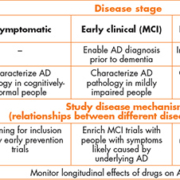
Previously the procedure to diagnose AD was based solely on clinical examination and neuropsychological testing of the patient and interviews with proxies and caregivers. These methods are hampered by low sensitivity in the early stages of the disease and low specificity in the late stages of the disease. With the development of novel imaging and biochemistry technologies it is now possible to diagnose AD with the aid of direct evidence of relevant molecular pathologies in the brain. This is a conceptual leap that has revolutionized clinical AD research and is rapidly transforming clinical practice and clinical trial design. In this article we will discuss this development, with a focus on cerebrospinal fluid biomarkers for AD. Key points are summarized in Table 1.
The first steps
The amino acid sequences of Aβ and tau were identified in the mid-1980s [4, 5]. Early on it was suggested that a test for AD could be developed based on serum measurements of Aβ [4], but it was the discovery in the early 1990s that Aβ is secreted into the CSF that boosted the modern development of biochemical AD markers [6]. In the mid-1990s immunoassays (ELISAs) were developed for CSF Aβ1-42 (the prominent Aβ peptide isoform in Aβ plaques, typically reduced in AD patients compared to controls [7]), total-tau (T-tau, increased in AD patients compared to controls [8, 9]), and phosphorylated-tau (P-tau, increased in AD patients compared to other neurological diseases and controls [8]).
A window into the brain
Traditionally, AD could only be diagnosed at the dementia stage, and definite diagnosis was only possible through post-mortem analysis of brain tissue. The CSF biomarkers Aβ1-42, T-tau and P-tau (and imaging technologies not covered in this article) have made it possible to approach identification of AD brain pathology in living patients. Several studies have found that CSF Aβ1-42 is strongly related to the presence of brain Aβ pathology, quantified at autopsy [10] or in vivo using positron emission tomography imaging with tracers specific for fibrillar Aβ [11]. Likewise, although with less strong associations, CSF P-tau correlates with neocortical tangle pathology [12, 13], whereas CSF T-tau is more non-specifically increased in a number of neurological diseases, with the magnitude of the increase correlating with the size of the damaged tissue and the clinical outcome [14, 15]. CSF biomarkers enable detection of AD pathology in patients in early stages of the disease, when only mild symptoms or no clinical symptoms are present. As clinical diagnosis alone is inadequate in those early disease stages, biomarkers may be critical for an accurate diagnosis. CSF biomarkers may also increase the diagnostic accuracy of the diagnosis in advanced clinical stages, by providing biological evidence of AD related pathology. This helps in identifying the clinical syndrome and differentiating it from other neurological diseases.
Challenges
The field is rapidly advancing to overcome some hurdles that have prevented widespread implementation of CSF biomarkers. Problems with between-laboratory and between-assay variability in measurements have been noticed [16] and are being tackled by the development of certified reference procedures (based on selected reaction monitoring mass spectrometry [17]) and certified reference materials (created by the Institute of Reference Materials and Methods [18]). Development of fully automated assays will further bring down the variability and facilitate implementation of CSF biomarkers outside of expert centres (see www.neurochem.gu.se/TheAlzAssQCprogram for updated comparisons of different assay systems in a global quality control programme). In some countries a remaining obstacle is the unwillingness of medical practitioners to perform lumbar punctures, especially outside of highly specialized clinics. More training is needed to increase the familiarity of doctors with this procedure, and more education is needed to inform staff and patients that the procedure is safe. Headache is the only common complication (2–5 % incidence), but this is usually benign and treatable by common analgesics. Severe complications are extremely rare.
Alzheimer’s disease variants
CSF biomarkers of Aβ and tau may be particularly helpful to assist the diagnostic process in patients with a non-amnestic presentation of AD who may show substantial clinical overlap with patients experiencing non-AD types of dementia. Recently, there has been an increased awareness of these atypical presentations such as posterior cortical atrophy (PCA, ‘visual variant AD’ [19]), logopenic variant primary progressive aphasia (‘language variant AD’ [20]), and the behavioural/dysexecutive variant of AD [21]. As previous studies with small sample sizes have yielded conflicting results, we performed a study in 176 patients selected for abnormal CSF Aβ biomarkers to assess whether CSF T-tau and P-tau differ between atypical variants of AD [22]. Bootstrapping showed that the prevalence of abnormal T-tau and P-tau was ~80–90%, roughly equally distributed across AD phenotypes. This suggests that CSF T-tau and P-tau are equally useful in all clinical phenotypes of AD, which is compatible with current National Institute on Aging–Alzheimer’s Association (NIA-AA) and International Working Group for New Research Criteria for the Diagnosis of AD (IWG-2) diagnostic criteria.
Biomarkers in clinical trials
Biomarker measurement is a recent addition to AD clinical trials. The use of biomarkers is thought to improve trial design both in terms of subject selection and measurement of disease progression. It becomes particularly important in trials of disease-modifying treatments to recruit only those subjects with the target pathology of the therapy. Several recent failed trials may have been hindered by the inclusion of subjects without the underlying pathology [23]. Biomarkers are also less affected by measurement error compared with clinical outcomes and thus offer certain advantages in measuring progression over time, especially in early stages of disease [24]. In these early stages of the disease, before the onset of clinical symptoms, the ability of biomarkers to predict future pathology and cognitive decliners will aid in identifying those most in need of treatment. This will become especially important if intervention in the earliest stages of the disease, prior to substantial neurodegeneration, offers the best chance of a treatment to be effective.
Early treatment trials of anti-Aβ therapies employ thresholds to ensure recruitment of subjects with a minimal level of Aβ pathology. This threshold is frequently taken to be the level of amyloid pathology that most accurately distinguishes cases of AD from cognitively-normal controls [25]. However, if earlier treatment has a higher likelihood of success, identifying subjects with normal amyloid levels who are likely to have elevated levels in the future may be a further step toward early intervention. A recent study demonstrated that amyloid-negative subjects with low levels of CSF Aβ1-42 were much more likely to become amyloid-positive in the near term [26]. Individuals with CSF Aβ1-42 levels in the low normal range may be optimal candidates for early intervention trials aimed at halting further Aβ accumulation.
Conclusions
CSF biomarkers have helped to transform the diagnosis of AD from a clinical diagnosis to a biomarker-informed diagnosis based on molecular evidence of the underlying neuropathology. This has implications for research, where CSF biomarkers enable researchers to characterize subjects at all levels of cognitive function, in clinical practice, where CSF biomarkers aid doctors in diagnosis of AD versus other causes of cognitive impairment, and in the design of clinical trials, where CSF biomarkers may be used to enrich study populations and construct sensitive measures of outcomes to increase study power.
References
1. Alzheimer’s disease International: World Alzheimer Report 2015 (http://www.alz.co.uk/research/world-report-2015).
2. Jansen WJ, Ossenkoppele R, Knol DL, Tijms BM, et al. Prevalence of cerebral amyloid pathology in persons without dementia: a meta-analysis.
JAMA 2015; 313: 1924–1938.
3. Albert MS, DeKosky ST, Dickson D, Dubois B, et al. The diagnosis of mild cognitive impairment due to Alzheimer’s disease: recommendations from the National Institute on Aging-Alzheimer’s Association workgroups on diagnostic guidelines for Alzheimer’s disease. Alzheimers Dement. 2011; 7: 270–279.
4. Glenner GG, Wong CW. Alzheimer’s disease: initial report of the purification and characterization of a novel cerebrovascular amyloid protein. Biochem Biophys Res Commun. 1984; 120: 885–890.
5. Grundke-Iqbal I, Iqbal K, Quinlan M, Tung YC, et al. Microtubule-associated protein tau. A component of Alzheimer paired helical filaments. J Biol Chem. 1986; 261: 6084–6089.
6. Seubert P, Vigo-Pelfrey C, Esch F, Lee M, et al. Isolation and quantification of soluble Alzheimer’s beta-peptide from biological fluids. Nature 1992; 359: 325–327.
7. Motter R, Vigo-Pelfrey C, Kholodenko D, Barbour R, et al. Reduction of beta-amyloid peptide42 in the cerebrospinal fluid of patients with Alzheimer’s disease. Ann Neurol. 1995; 38: 643–648.
8. Blennow K, Wallin A, Agren H, Spenger C, et al. Tau protein in cerebrospinal fluid: a biochemical marker for axonal degeneration in Alzheimer disease? Mol Chem Neuropathol. 1995; 26: 231–245.
9. Vandermeeren M, Mercken M, Vanmechelen E, Six J, et al. Detection of tau proteins in normal and Alzheimer’s disease cerebrospinal fluid with a sensitive sandwich enzyme-linked immunosorbent assay. J Neurochem. 1993; 61: 1828–1834.
10. Strozyk D, Blennow K, White LR, Launer LJ. CSF Abeta 42 levels correlate with amyloid-neuropathology in a population-based autopsy study. Neurology. 2003; 60: 652–656.
11. Fagan AM, Mintun MA, Mach RH, Lee SY, et al. Inverse relation between in vivo amyloid imaging load and cerebrospinal fluid Abeta42 in humans. Ann Neurol. 2006; 59: 512–519.
12. Tapiola T, Alafuzoff I, Herukka SK, Parkkinen L, et al. Cerebrospinal fluid {beta}-amyloid 42 and tau proteins as biomarkers of Alzheimer-type pathologic changes in the brain. Arch Neurol. 2009; 66: 382–389.
13. Seppala TT, Nerg O, Koivisto AM, Rummukainen J, et al. CSF biomarkers for Alzheimer disease correlate with cortical brain biopsy findings. Neurology. 2012; 78: 1568–1575.
14. Hesse C, Rosengren L, Andreasen N, Davidsson P, et al. Transient increase in total tau but not phospho-tau in human cerebrospinal fluid after acute stroke. Neurosci Lett. 2001; 297: 187–190.
15. Otto M, Wiltfang J, Tumani H, Zerr I, et al. Elevated levels of tau-protein in cerebrospinal fluid of patients with Creutzfeldt-Jakob disease. Neurosci Lett. 1997; 225: 210–212.
16. Mattsson N, Andreasson U, Persson S, Carrillo MC, et al. CSF biomarker variability in the Alzheimer’s Association quality control program. Alzheimers Dement J Alzheimers Assoc. 2013; 9: 251–261.
17. Leinenbach A, Pannee J, Dülffer T, Huber A, et al. Mass Spectrometry-Based Candidate Reference Measurement Procedure for Quantification of Amyloid-β in Cerebrospinal Fluid. Clin Chem. 2014; 60: 987–994.
18. Mattsson N, Zetterberg H. What is a certified reference material? Biomark Med. 2012; 6: 369–370.
19. Crutch SJ, Lehmann M, Schott JM, Rabinovici GD, et al. Posterior cortical atrophy. Lancet Neurol. 2012; 11: 170–178.
20. Gorno-Tempini ML, Hillis AE, Weintraub S, Kertesz A, et al. Classification of primary progressive aphasia and its variants. Neurology 2011; 76: 1006–1014.
21. Ossenkoppele R, Pijnenburg YAL, Perry DC, Cohn-Sheehy BI, et al. The behavioural/dysexecutive variant of Alzheimer’s disease: clinical, neuroimaging and pathological features. Brain J Neurol. 2015; 138: 2732–2749.
22. Ossenkoppele R, Mattsson N, Teunissen CE, Barkhof F, et al. Cerebrospinal fluid biomarkers and cerebral atrophy in distinct clinical variants of probable Alzheimer’s disease. Neurobiol Aging 2015; 36: 2340–2347.
23. Karran E, Hardy J. Antiamyloid therapy for Alzheimer’s disease—are we on the right road? N Eng J Med. 2014; 370: 377–378.
24. Hendrix SB. Measuring clinical progression in MCI and pre-MCI populations: Enrichment and optimizing clinical outcomes over time. Alzheimer’s Res Ther. 2012; 4: 24.
25. Shaw LM, Vanderstichele H, Knapik‐Czajka M, Clark CM, et al. Cerebrospinal fluid biomarker signature in Alzheimer’s disease neuroimaging initiative subjects. Ann Neurol. 2009; 65: 403–413.
26. Mattsson N, Insel PS, Donohue M, Jagust W, et al. Predicting reduction of cerebrospinal fluid β-amyloid 42 in cognitively healthy controls. JAMA Neurol. 2015; 72: 554–560.
The authors
Philip Insel1,2,3 MSs; Rik Ossenkoppele4,5 PhD; Niklas Mattsson*1 MD, PhD
1 Clinical Memory Research Unit, Faculty of Medicine, Lund University, Lund, Sweden
2 Center for Imaging of Neurodegenerative Diseases, Department of Veterans Affairs Medical Center, San Francisco, CA, USA
3 Department of Radiology and Biomedical Imaging, University of California, San Francisco, CA, USA
4 Alzheimer Center and Department of Neurology, Neuroscience Campus Amsterdam, VU University Medical Center, Amsterdam, the Netherlands
5 Memory and Aging Center, University of California San Francisco, San Francisco, CA, USA
*Corresponding author
E-mail: Niklas.mattsson@med.lu.se
Differentiating ulcerative colitis from Crohn’s colitis among patients with indeterminate colitis (IC) is a major challenge. The definitive diseases share demographic and clinical features, yet differ in tissue inflammation and damage suggesting distinct mechanisms. Since treatments differ, a molecular diagnostic from accessible clinical samples would greatly benefit IC patients.
by Amanda Williams and Dr Amosy M’Koma
Background
Predominantly, colonic inflammatory bowel disease (IBD), or the colitides, encompasses ulcerative colitis (UC) and Crohn’s colitis (CC) [1, 2], and (when state-of-the-art diagnostic criteria for either are inconclusive) indeterminate colitis (IC) [3]. UC and CC share many demographic and clinical features yet present significant differences in tissue inflammation and damage, suggesting a distinct etiopathogenic trigger [4]. It is believed theoretically that IBD is caused by inappropriate activation of the mucosal immune system against commensal bacteria in the intestinal lumen [4]. Differentiating UC and CC among patients with IC has remained a major challenge in endoscopic precision medicine [5]. Disease unpredictability, treatment side-effects, potential surgery, interim morbidity and acute incapacitation are individual and system burdens [6]. Because treatments for the two diseases are different, identifying phenotype-specific molecular markers would be invaluable for developing diagnostic and prognostic tools, and for precise treatment [7–9].
The need for IC classification into UC and CC is urgent for patients suffering from IBD [10]. Patients diagnosed with IC are young [11], with onset of symptoms before or shortly after the age of 18 years [11, 12] and have an equal gender distribution [13]. This contrasts to UC where there is a male predominance and a mean age of onset at 36–39 years [14]. These figures have persisted despite the introduction of newer diagnostic modalities [15]. Even after long-term follow-up, a substantial number of patients with IC still retain the diagnosis [15]. The continued presence of an IC diagnosis over time supports part of our hypothesis that IBD may represent a spectrum of diseases rather than just two the entities of CC and UC. In order to understand and resolve this challenge, an exclusion tool for differential diagnosis is needed.
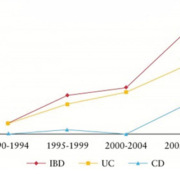
To date there is no diagnostic gold standard tool for IBD. Clinicians use an inexact classification system which combines clinical, endoscopic, radiological, and histopathological techniques in order to diagnose CC and UC [15]. Even with a combination of these methods, IBD patients are mistakenly diagnosed 30% of the time [15], resulting in inappropriate pharmacologic and surgical interventions, with correspondingly significant complications [16]. The most difficult and painstaking post-operative experience is when patients pouch-operated for definitive UC change in their diagnosis to de novo Crohn’s ileitis (CI) of the ileal pouch [15]. Currently, little is known about the molecular differences distinguishing UC and CC [7, 8]. Trends in the IBD field focus on genetic susceptibility, role of normal flora, inflammatory processes, and interactions between normal flora and the immune response [17]. Even though current research is promising [8, 15], there have been no definitive answers to help clinicians differentiate between the two diseases when current diagnostics prove inadequate and result in a diagnosis of IC [3]. Rising incidence and prevalence of IBD (Fig. 1) across the world [18] is accompanied by an increase in cases of IC [11, 19]. It is becoming even more important to find molecular markers of disease to distinguish between CC and UC in patients with IC [7, 8].
Transcriptome analysis
Recently, we have quantitated the global expression profiles of RNA levels using oligonucleotide microarray/genome-wide transcriptome analysis [20, 21] to investigate transcriptional signatures present in colonic tissues obtained from UC and CC mucosa and submucosa. We used genomic data mining from pragmatic studies to demonstrate how biomedical studies can use the technology. By extracting new and useful biomedical knowledge, we hope to develop significant momentum for applications that may have medical diagnostic potential in IBD laboratories. The genomic patterns we noted show greater intensity in CC versus UC, perhaps indicative of a greater degree or different type of inflammation in the tissues underlying the layers [8]. It is possible also that these differing genes may represent candidate biomarkers that could delineate the inflammatory colitides. Specifically, these genes were noted to show greater intensity in the CC submucosa, perhaps indicative of the greater degree or different type of inflammation in the underlying tissue [20, 21]. These studies identified genes involved in inflammatory responses generally overexpressed in IBD and demonstrate that the colonic tissue transcriptomes obtained from UC/CC patients were quite different. The gene sets identified appear to distinguish UC from CC, and may serve as an excellent resource for professionals involved with gene expression data mining in a variety of clinical settings (Table 1).
Proteomics
More recently, we have developed a proteomic approach to delineating UC versus CC. Using histologic mucosal and submucosal tissue layers for analyses, we used MALDI MS for proteomic profiling along with bioinformatics technologies (Fig. 2) [7, 8]. We profiled surgical pathology resections of colonic mucosal and submucosal layers of patients with IBD undergoing colectomy in connection with pouch surgery [restorative proctocolectomy (RPC) and ileal pouch-anal anastomosis (IPAA)] [7, 8, 21]. We identified and compared protein profiles which had the necessary: (1) specificity; (2) sensitivity; (3) discrimination; and (4) predictive capacity to determine the heterogeneity of IBD7, and we were able to delineate UC and CC molecularly [7]. These molecular fingerprints are independent of tissue (mucosa, submucosa, or both) and appear to represent disease-specific markers (Table 1) [7]. Once these markers are further tested, we can potentially develop IBD screening tools which will rely on antibodies to the protein(s) of interest (Fig. 3). The distinction between UC and CC is of the utmost importance when determining candidacy for a pouch surgery [22–24]. Approximately 30% of IBD patients [7] face potential morbidity from an incorrect diagnosis with consequently inappropriate and unnecessary operative surgeries, underscoring the necessity of research efforts aimed at a more accurate diagnosis of the colitides [7, 20].
Peripheral blood biomarkers
In contrast to colon surgical pathology tissue resections, peripheral blood is a much more accessible source of cells that might be used to distinguish between CC and UC. Circulating peripheral blood cytokines are responsible for surveying the body for signs of disease. Cytokines may, therefore, serve as surrogates for disease-induced gene expression as biomarkers of disease status or severity. In pursuit of this, we studied differences in the serum cytokine behaviours between UC and CC patients [9]. We aimed so that, if successful, such analysis could lead to an assay that could be applied as an easy, accurate, affordable, non-invasive and fast screening test. However, although certain cytokines were found to differ between diseases and controls, no cytokine could clearly distinguish UC from CC [9]. An analysis of the literature has shown that although several attempts have been made to define the serum cytokines profile in IBD, the contradictory results of these studies do not indicate the possibility of finding the biomarker(s) among the serum cytokines at this time.
Differential diagnosis and treatment
These studies are highly relevant for creating a molecular differentiator for IC. Curative treatment for UC is often surgical, involving RPC and IPAA [6, 22]. Successful surgery removes the entire diseased colon while preserving bowel evacuation, continence and fertility [22]. This is largely a result of careful patient selection combined with meticulous surgical technique, but most importantly correct diagnosis [16, 22]. Clinical observations and experience suggest that it is difficult to identify patients with CC who are likely to have a successful outcome after RPC and IPAA surgery [6, 16, 23]. Thus, pouch surgery should be widely contraindicated by CC, but be an acceptable intervention for patients with UC and for those with IC who are likely to develop UC.
Despite the increased use of cutting-edge technologies, there is no single, straight- forward explanation for the heterogeneous results, and current approaches still require validation, and subsequently confirmation on patient outcomes in a large-scale clinical cohort.
Conclusion
Our multilevel transcript observations by proteomics and genomics in tissue and blood suggest that the development of a molecular biometric-based tool that can complement the inexact classification system for diagnosis of UC and CC with precision in IBD is still preliminary.
References
1. M’Koma AE, et al. Annual Congress – Digestive Disease Week, Chicago, IL, 2009; M1096 P600
2. Burakoff R. J Clin Gastroenterol. 2004; 38: S41–43.
3. Ballard BR, et al. World J Gastrointest Endos. 2015; 7: 670–674.
4. Podolsky DK. N Engl J Med. 2002; 347: 417–29.
5. North American Society for Pediatric Gastroenterology, Hepatology, and Nutrition, et al. J Pediat Gastroenterol Nutr. 2007; 44: 653–674.
6. Keighley MR. Acta Chir Iugosl. 2000; 47: 27–31.
7. M’Koma AE, et al. Inflamm Bowel Dis. 2011; 17: 875–883.
8. Seeley EH, et al. Proteomics Clin Appl. 2013; 7: 541–549.
9. Korolkova OY, et al. Clin Med Insingts Gastroenterol. 2015: 8: 29–44.
10. Telakis ET. Ann Gastroenterol. 2008; 3: 173–179.
11. Malaty HM, et al. J Pediat Gastroenterol Nutr. 2010; 50: 27–31.
12. Kugathasan S, et al. J Pediatrics 2003; 143: 525–531.
13. Lindberg E, et al. J Pediat Gastroenterol Nutr. 2000; 30: 259–264.
14. Lee KS, et al. Arch Pathol Lab Med. 1979; 103: 173–176.
15. M’Koma AE. World J Gastrointest Surg. 2014; 6: 208–219.
16. Shen B. Inflamm Bowel Dis. 2009; 15: 284–294.
17. Corfield AP, et al. Bioch Soc Trans. 2011; 39: 1057–1060.
18. M’Koma AE. Clin Med Insights Gastroenterol. 2013; 6: 33–47.
19. Malaty HM, et al. Clin Exp Gastroenterol. 2013; 6: 115–121.
20. M’Koma A, et al. Gastroenterology 2010; 138: S-525.
21. M’Koma AE, et al. Oral presentation at the annual congress of The American Society of Colon and Rectal Surgeons, Minneapolis, MN, USA 2010: 117.
22. M’Koma AE, et al. Int J Colorectal Dis. 2007; 22: 1143–1163.
23. Shen B, et al. Inflamm Bowel Dis 2008;14:942–948.
24. Shen B, et al. Clin gastroenterol Hepatol. 2008; 6: 145–158.
The authors
Amanda Williams1 MS; Amosy M’Koma*2,3,4 MD, PhD
1School of Medicine, Meharry Medical College, Nashville, TN, USA
2Department of Biochemistry and Cancer Biology, School of Medicine, Meharry Medical College, Nashville, TN, USA
3Department of Surgery, Vanderbilt University School of Medicine, Nashville, TN, USA
4Vanderbilt-Ingram Cancer Center, Vanderbilt University Medical Center, Nashville, TN, USA
*Corresponding author
E-mail: amkoma@mmc.edu


Advances in cellular pathology techniques will improve diagnostic medicine. However, such improvements have to overcome many challenges including variations in pre-analytical sample processing, bioinformatics data analysis and clinical interpretation of data. In order to resolve such challenges, bioinformatics needs to become more tightly coupled to the experimental methodology development.
by Dr Rifat Hamoudi, Dr Joshua Kapp, Sevgi Umur and Michael Gandy
Introduction
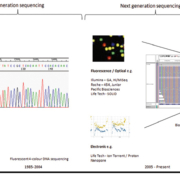
Molecular diagnostics within cellular pathology have been performed since the late 1990s and have developed to include a range of techniques including short tandem repeat (STR) identity analysis, classification of tumours and clonality determinations in hematopathology. More recently, with the introduction of qPCR and more recently of next generation sequencing (NGS) as shown in Figure 1, precision medicine testing for targeted therapies has rapidly gained access to daily practice and become a challenge for molecular biologists and pathologists to provide the most accurate and relevant information. As part of this testing process we discuss two major challenges which have developed, these are:
This article looks to raise the awareness of these issues and presents possible areas for consideration to aid in their resolution.
Variation in pre-analytical sample processing of FFPE samples may lead to discrepancies in mutational testing of actionable genes
Within cellular pathology, the majority of molecular diagnostic clinical sample testing is now carried out on FFPE samples. Generally the tissue is screened using hematoxylin and eosin stained sections to estimate the tumour content before the preparation process of material for subsequent molecular testing, as shown in Figure 2.
Recent studies have shown that variations in pre-analytical processing of samples lead to discrepancies in downstream molecular diagnostic testing [1–3]. The variations using singleplex mutational screening were largely due to the DNA extraction system used [2, 3], quantitation using spectrophotometry and training of laboratory staff as one study showed that pre-analytical variation was significant even among experienced laboratories [3]. In addition both DNA quantitation and integrity measurements play important roles in the accuracy of downstream multiplex testing using NGS.
In order to resolve some of those issues it is important to include control series of diagnostic samples, prepared according to the diagnostic operating procedures of the laboratory with a variety of known mutations comprising missense mutations, simple and complex deletions and insertions. Assay control using known representative DNA samples from the FFPE tissue is also essential to ensure that the process of DNA extraction, quantitation and integrity measurements are performed correctly and consistently. This is important as DNA quality has a major effect on NGS performance, i.e. poor quality DNA causes a higher error rate [3].
In addition, differences in quantitation measurements need to be accounted for, since the different instruments used have different ways of measuring the concentration of DNA. For example, variations can be seen between systems such as Nanodrop spectrophotometry and Qubit fluorometry. Measurement of DNA integrity is also important and most labs use assays such as BIOMED [4, 5] or qPCR as the ‘gold standard’ measure.
Also European external quality assurance (EQA) programmes for mutation detection of solid tumours such as European Society for Pathology (ESP, www.esp-pathology.org), European Molecular Genetics Quality Network (EMQN, www.emqn.org), and United Kingdom National External Quality Assessment Scheme UK NEQAS for Molecular Pathology (www.ukneqas.org.uk and www.ukneqas-molgen.org.uk) may consider including pre-analytical (e.g. pre-PCR) component in their assessment for mutation detection from FFPE samples.
Discrepancies in variant-calling pipelines and high-throughput sequencing clinical interpretation
Most diseases such as cancer and inherited diseases are driven by genomic alterations. Recent advances in high-throughput sequencing technologies have enabled the identification of somatic mutations at very high resolution. However, accurate somatic mutation-calling using high-throughput sequence data remains one of the major challenges in genomics. For somatic mutation-calling, one looks for a site in which a variant allele exists in the tumour sample but not in the normal sample. Even with the sequence data from a normal sample, variant-calling in high-throughput sequencing data is challenging due to the multiple potential sources of errors. For example, artefacts occurring during PCR amplification or targeted capture (e.g. exome-capture), machine sequencing errors, and incorrect local alignments of reads are all well documented sources of error [6–8]. Tumour heterogeneity and normal contamination contribute additional challenges for the tumour samples [9].
Various studies have shown low concordance between different variant callers and bioinformatics analysis pipelines. Wang et al. [10] compared six variant callers on whole exome sequencing melanoma sample and matched blood of 18 lung tumour–normal pairs and seven lung cancer cell lines carried out on the Illumina HiSeq 2000. The results showed discordance between the six variant callers, and the top two performing callers could only detect 86% and 71% of validated mutations respectively. O’Rawe et al. [11] compared the analysis of five different Illumina alignment and variant-calling pipelines on 15 exome sequencing data carried out using Illumina HiSeq 2000 and Agilent SureSelect version 2 capture kit at 120X mean coverage. Results showed variant-calling concordance of 57.4% between the five different Illumina pipelines across all 15 exomes with the authors urging more caution when analysing individual genomes in genomic medicine. In addition, comparison of the two most prominent cancer genome sequencing databases; catalogue of somatic mutations in cancer (COSMIC) [12] and Cancer Cell Line Encyclopaedia (CCLE) [13] revealed marked discrepancies in the detection of missense mutations in identical cell lines (57.4% conformity), where the main reason for such discrepancy is inadequate sequencing of GC-rich areas of the exome [14].
In addition to the above, various studies have shown discrepancies in the interpretation of genomic data between the clinician and diagnostic laboratory. Shashi et al. [15] tried to follow up the results of 93 patients who underwent exome sequencing. They investigated how the clinical interpretation of the lab results changed the diagnosis and its conformity with it. Overall, the results showed that in 25% of patients (24/93), exome sequencing showed a positive result and in 80% (19/24) of cases, the clinicians agreed with the molecular diagnosis of the lab. However, in 20% of patients reported to be positive by the diagnostic lab, the clinicians thought that the suggested molecular diagnosis was not correct. In addition, 5% of patients that were considered negative by the exome lab or had a lower confidence diagnosis, were eventually found to be positive when the exome data was reviewed by clinicians. In summary the results showed 20% false positives and 5% false negatives when comparing the interpretation of genomic data between different healthcare staff.
However, it is worth noting that all the above studies used samples with high molecular weight DNA from cell lines, fresh frozen tissue or blood and carrying out the same studies above using FFPE samples has the potential to lead to further discrepancies due to the degraded DNA inherent to those samples increases the variation at the pre-analytical steps resulting in downstream discrepancies in mutational profiling. This crates it a big challenge in the development of bioinformatics pipelines required to produce consistent clinically reliable data.
One way to resolve some of the bioinformatics related issues is to exchange the raw datasets between laboratories that preferentially use different software as part of the software validation process to establish the ability of the various laboratories to detect identical gene mutations. In addition, new software updates need to be validated by analysis of prior NGS datasets covering simple and complex mutations. Finally, raw NGS datasets need to be included in EQA programmes as in silico assessment.
Conclusion
Although the above discussion very briefly surveys the current landscape in cellular pathology, the future of molecular diagnostics will undoubtedly develop to include integrated RNA expression analysis, DNA amplification and epigenetics. Each methodology will have its own idiosyncrasies and will require the development of new clinically validated bioinformatics pipeline. Additionally, the need for a novel bioinformatics system to support integrative analysis will become essential. Although previously attempted [16], new systems need to be developed to support integrative high-throughput sequencing analysis.
However, before novel bioinformatics software solutions can be devised for big data, concerns about bioinformatics software development need to be addressed. A potential starting point to address this is via supporting new bioinformatics courses that use software engineering, computer programming and mathematical modelling of biological complexity at their core, supporting the education of future bioinformaticians in the art of bioinformatics software development. This will help support a change in the current paradigm where much of the current bespoke bioinformatics software today has been developed by local institutions in relative isolation, often in conjunction within the framework of a specialist area experimental research program [17].
The future landscape highly likely see the validation of wet chemistries (laboratory and clinical based) and dry (computational based) experiments carried out in more tightly coupled format than is currently performed, supporting clinical product development in the commercial market. Also, the future will see more focus on the development of more efficient adaptive algorithms that address the clinical questions, leading to faster analysis and improving the clarity in the interpretation of the data.
In conclusion, within cellular pathology the incremental development of pre-analytical processing from FFPE samples coupled with more efficient adaptive bioinformatics algorithms implementation are key areas of focus and crucial to the further advancement of next generation molecular pathology.
References
1. Carrick DM, Mehaffey MG, Sachs MC, Altekruse S, et al. Robustness of Next Generation Sequencing on older formalin-fixed paraffin-embedded tissue. PLoS One 2015; 10: e0127353.
2. Heydt C, Fassunke J, Kunstlinger H, Ihle MA, et al. Comparison of pre-analytical FFPE sample preparation methods and their impact on massively parallel sequencing in routine diagnostics. PLoS One 2014; 9: e104566.
3. Kapp JR, Diss T, Spicer J, Gandy M, et al. Variation in pre-PCR processing of FFPE samples leads to discrepancies in BRAF and EGFR mutation detection: a diagnostic RING trial. J Clin Pathol. 2015; 68: 111–118.
4. Johnson NA, Hamoudi RA, Ichimura K, Liu L, et al. Application of array CGH on archival formalin-fixed paraffin-embedded tissues including small numbers of microdissected cells. Lab Invest. 2006; 86: 968–978.
5. van Dongen JJ, Langerak AW, Bruggemann M, Evans PA, et al. Design and standardization of PCR primers and protocols for detection of clonal immunoglobulin and T-cell receptor gene recombinations in suspect lymphoproliferations: report of the BIOMED-2 Concerted Action BMH4-CT98–3936. Leukemia 2003; 17: 2257–2317.
6. Meacham F, Boffelli D, Dhahbi J, Martin DI, et al. Identification and correction of systematic error in high-throughput sequence data. BMC Bioinformatics 2011; 12: 451.
7. Nakamura K, Oshima T, Morimoto T, Ikeda S, et al. Sequence-specific error profile of Illumina sequencers. Nucleic Acids Res. 2011; 39: e90.
8. Nielsen R, Paul JS, Albrechtsen A, Song YS. Genotype and SNP calling from next-generation sequencing data. Nat Rev Genet. 2011; 12: 443–451.
9. Gerlinger M, Rowan AJ, Horswell S, Larkin J, et al. Intratumor heterogeneity and branched evolution revealed by multiregion sequencing. N Engl J Med. 2012; 366: 883–892.
10. Wang Q, Jia P, Li F, Chen H, et al. Detecting somatic point mutations in cancer genome sequencing data: a comparison of mutation callers. Genome Med. 2013; 5: 91.
11. O’Rawe J, Jiang T, Sun G, Wu Y, et al. Low concordance of multiple variant-calling pipelines: practical implications for exome and genome sequencing. Genome Med. 2013; 5: 28.
12. Forbes SA, Beare D, Gunasekaran P, Leung K, et al. COSMIC: exploring the world’s knowledge of somatic mutations in human cancer. Nucleic Acids Res. 2015; 43: D805-D811.
13. Barretina J, Caponigro G, Stransky N, Venkatesan K, et al. The Cancer Cell Line Encyclopedia enables predictive modelling of anticancer drug sensitivity. Nature 2012; 483: 603–607.
14. Hudson AM, Yates T, Li Y, Trotter EW, et al. Discrepancies in cancer genomic sequencing highlight opportunities for driver mutation discovery. Cancer Res. 2014; 74: 6390–6396.
15. Shashi V, McConkie-Rosell A, Schoch K, Kasturi V, et al. Practical considerations in the clinical application of whole-exome sequencing. Clin Genet. 2015; doi: 10.1111/cge.12569.
16. Watkins AJ, Hamoudi RA, Zeng N, Yan Q, et al. An integrated genomic and expression analysis of 7q deletion in splenic marginal zone lymphoma. PLoS One 2012; 7: e44997.
17. Prins P, de Ligt J, Tarasov A, Jansen RC, et al. Toward effective software solutions for big biology. Nat Biotechnol. 2015; 33: 686–687.
The authors
Rifat Hamoudi*1 PhD, Joshua Kapp1 MBBS, Sevgi Umur2 BSc and Michael Gandy3 MSc
1Division of Surgery and Interventional Science, University College London, London, UK
2Genonymous Sciences, Küçükbakkalköy, Defne Sokak, Flora Residence Istanbul,Turkey
3Health Services Laboratories, 60 Whitfield Street, London, UK
*Corresponding author
E-mail: r.hamoudi@ucl.ac.uk
June 2026

Prins Hendrikstraat 1
5611HH Eindhoven
The Netherlands
info@clinlabint.com
PanGlobal Media is not responsible for any error or omission that might occur in the electronic display of product or company data.