Shimadzu Europe
  • News
    • Featured Articles
    • Product News
    • E-News
  • Magazine
    • About us
    • Digital edition
    • Archived issues
    • Free subscriptions
    • Media kit
    • Submit Press Release
  • White Papers
  • Events
  • Suppliers
  • E-Alert
  • Contact us
  • FREE newsletter subscription
  • Search
  • Menu Menu
Clinical Laboratory int.
  • Allergies
  • Cardiac
  • Gastrointestinal
  • Hematology
  • Microbiology
  • Microscopy & Imaging
  • Molecular Diagnostics
  • Pathology & Histology
  • Protein Analysis
  • Rapid Tests
  • Therapeutic Drug Monitoring
  • Tumour Markers
  • Urine Analysis

Archive for category: Featured Articles

Featured Articles

C222 MSF Testing Performing 2

Dilution testing as a novel alternative for confirmation of HIV rapid diagnostic testing in resource-limited settings

, 26 August 2020/in Featured Articles /by 3wmedia

Rapid diagnostic testing enables life-saving scale up of HIV diagnosis but is vulnerable to false positive results. Confirmation testing can be impractical or cost prohibitive in resource-limited settings. Retesting a diluted blood sample is evaluated and proposed, at a proof of concept level, as a simple cost-effective HIV confirmation methodology.

by Derryck Klarkowski and Dr Erwan Piriou

Background
The diagnosis of HIV infection in developed countries is based on initial screening for HIV antibodies, and if detected, confirmation with nucleic acid testing (NAT) [1]. This ensures high sensitivity and specificity. However, the current World Health Organization (WHO) HIV Testing Services Guidelines do not include specific confirmation testing for the diagnosis of HIV across large population groups in resource-limited settings [2]. Instead WHO recommends that diagnosis be made on the basis of rapid diagnostic tests (RDTs) only (or equivalent enzyme immune assay tests) requiring a minimum of two positive test results, using test devices from different sources, for a positive diagnosis (or three in low prevalence settings) [2]. Although the WHO strategy has enabled life-saving scale-up of HIV diagnosis the significant compromise is that without confirmation there is a risk that patients/clients can be falsely diagnosed as HIV positive [3]. This is also well demonstrated in the study discussed now in this article where the WHO RDT algorithm resulted in 6.8% false positive results (n = 2897). Incorrect HIV diagnosis can have devastating consequences for the individual as well as wasting often over-stretched resources required for treatment and care.

Médecins Sans Frontières (MSF) has strongly advocated for the use of serological HIV confirmation testing in resource-limited settings when it is impractical to perform NAT [4–6]. Commercial confirmation kits are available that detect individual specific HIV antibodies, such as gp40, gp120, p24 and p32, that significantly increase the accuracy of testing at a considerably lower cost than NAT, and this type of confirmation testing can be performed by non-specialized laboratories. The downside, however, is that commercial confirmation kits nevertheless add cost, albeit reduced compared to NAT, and logistical complications that restrict their widespread use.
To address this, MSF has recently published a simplified confirmation approach based on antibody dilution requiring only the use of an additional routinely used RDT test device [7]. This study has been published as a ‘proof of concept’ paper and requires further testing across different settings for refinement before it can be generally recommended.

Causes of false positive HIV antibody detection
As with all tests, false positive HIV RDTs can be caused by user error (clerical mistakes, incorrect test performance, misinterpretation and cross-contamination). Other causes for HIV tests include nonspecific IgG binding [2], cross reactivity [2, 5], contaminating proteins [2] and pseudo-antigens created during the manufacturing process [5]. However, a key additional vulnerability for HIV antibody detection testing is that all commonly available HIV RDTs share a common gp41 detection antigen. Therefore, a cross-reactive antibody interacting with gp41 will act as a pan-cross-reactive antibody across multiple test devices [5].

The WHO algorithm is based on the assumption that HIV RDTs that use different antigen preparations are independent and, therefore, by requiring two positive tests (at a prevalence >5%) before reporting HIV positivity, the algorithm assumes that the second test confirms the result of the initial screening test [2]. However, in one MSF published study 50% of false positive samples had cross-reactive anti-gp41 activity, identified by Western blot (WB), that was the likely cause of the double false positive reactions with the two independent RDTs used in the testing algorithm [4].

MSF has proposed that early-immune-response broad-specificity polyclonal B-lymphocyte antibodies are a potential source of HIV RDT cross-reactive interfering antibodies [4]. These antibodies are likely to have increased frequency and intensity in resource-limited settings because of the higher prevalence of concomitant infections [8–10]. Additionally, displaced populations and individuals, such as caused by oppression, conflict and famine, are likely to have a greater vulnerability to cross-reacting infections than stable communities.

Theoretical basis for dilution methodology
Confirmation by dilution is based on the established sensitive/less sensitive (S/LS) methodology developed to identify recent HIV infection for the purposes of incidence surveys [11–15]. This methodology is based on the principle that HIV antibody titres increase over a period of several months after initial infection. Samples are initially tested using a high sensitivity HIV enzyme immunoassay (EIA) and if reactive are then further tested by the same EIA assay but using a diluted sample and reduced incubation time to reduce sensitivity. Samples testing positive on the sensitive (S) test but negative on the less sensitive (LS) test are designated a recent infection. The methodology has been successfully extended to the use of RDTs [13–15]. Confirmation by dilution adapts the S/LS principle to differentiate between high titre true HIV antibodies and low titre cross-reacting antibodies.

One postulated source of cross-reactive antibodies are broad spectrum antibodies produced in the early immune response to a wide range of infectious disease antigens, and these antibodies can cause nonspecific cross reactivity in HIV serological testing [5]. In proposing dilution as a methodology to confirm HIV infection, we postulate that cross-reacting antibodies will have a low titre relative to specific HIV antibodies.

Cross-reacting antibodies can generally be expected to have low avidity, as has been demonstrated by work in blood donors [16] and in MSF findings [4]. This will result in weakly positive results that can provide an alert for the tester; however, manufacturers generally state that any positive test line independent of strength should be interpreted as a positive result. Cross-reactive antibodies can also have high avidity as shown in a previous MSF publication where 7 of 24 (29.2%) false positive samples (total sample size 229) had strongly positive test lines in two RDTs but had a low titre relative to the confirmed true HIV antibodies [4].

The use of dilution as a supplementary confirmatory test by using antibody relative titres has been previously reported by Urwijitaroon et al. [17]. In another study, 41 samples were found positive using the HIV RDT Determine™ and 23 were negative on dilution [18]. Only 1 of these 23 samples was confirmed to be positive using serological confirmation (INNO-LIA™).

Field testing
A study was conducted at two sites in north western Ethiopia in programmes covering both residents and seasonal migrant workers. Seasonal workers are transient and, as postulated by MSF, may potentially have a higher risk of false positivity caused by cross-reacting antibodies [4, 5].

The study recruited 2897 individuals, and 265 (9.1%) samples tested as positive using two HIV RDTs from different manufacturers and would have been interpreted as HIV positive using the WHO algorithm [2]. Of the negative samples, 229 (approximately every 11th sample) were selected as a control. All algorithm-positive and negative control samples were further tested by dilution in situ, and additional confirmation testing performed by reference laboratories using WB and NAT for indeterminate WB samples.

All negative samples were confirmed as negative (100% sensitivity). However, 18/265 (6.8%) algorithm ‘positive’ samples were identified as HIV negative (false positive) by either WB or NAT.

Dilution testing was performed by titrating the patient’s plasma using confirmed seronegative plasma from healthy blood donors using a micropipette. Ten microlitres of patient plasma was first diluted 1 : 10 in 90 µL of negative plasma followed by a serial 4-fold dilution from 1:40 to 1 : 10,240. Testing was performed using Determine™ HIV-1/2 (Alere Laboratories, Japan) following manufacturer’s instructions. Tests were interpreted as positive if there was any colouration of the test line and the highest dilution that gave a positive result was recorded. Where the lowest dilution (1 : 10) was negative, the sample was reported as negative.

Findings and conclusion
In this study, based on a specific population group over a specific time period, repeating the RDT test using the sample diluted 1 : 160 identified all false positive results and misidentified one true positive (see Table 1). However, there is a safety net that any sample with a reactive HIV RDT test that is not resolved as a true positive at the time of testing is not reported as negative but as inconclusive [2]. The patient/client is advised that testing has been inconclusive and testing should be repeated at a later time; WHO recommends retesting after 14 days. This allows time for true HIV antibodies to increase in titre.

The discriminatory threshold dilution may vary between different settings. In an earlier MSF study, a dilution of 1 : 1000 differentiated 229 true HIV positive from 27 HIV false positive samples (unpublished data, for further details see Klarkowski et al. [4]).

One strength of this MSF study is that NAT testing was available to resolve indeterminate WB samples which made it possible to rule out early seroconversion as a potential cause of false positive results. The limitation is that the findings are restricted to a single cohort with a single RDT and should be viewed as a ‘proof of concept’. More experience is needed in different settings and by different workers before the dilution methodology can be considered for potential scale up. It is proposed that the methodology has potential for use as a supplementary test in a confirmatory algorithm, whereby double positive RDT results are tested by dilution, with positive results above a determined threshold confirming HIV infection. Dilution results below the threshold would require further testing, such as repeat testing at a later time or NAT, to rule out false negative results either due to seroconversion or misclassification by the lower sensitivity dilution test.

References
1. Centers for Disease Control and Prevention and Association of Public Health Laboratories. Laboratory testing for the diagnosis of HIV infection: updated recommendations. 2014; http://stacks.cdc.gov/view/cdc/23447.
2. World Health Organization. Consolidated guidelines on HIV testing services. 2015; http://www.who.int/hiv/pub/guidelines/hiv-testing-services/en/.
3. Johnson C, Fonner V, Sands A, Tsui S, Ford N, Wong V, Obermeyer C, Baggaley R. Annex 14 A report on the misdiagnosis of HIV status. In: World Health Organization. Consolidated Guidelines on HIV Testing Services. 2015; http://www.who.int/hiv/pub/guidelines/hiv-testing-services/en/.
4. Klarkowski DB, Wazome JM, Lokuge KM, Shanks L, Mills CF, O’Brien DP. The evaluation of a rapid in situ HIV confirmation test in a programme with a high failure rate of the WHO HIV two-test diagnostic algorithm. PLoS One 2009; 4(2): e4351.
5. Klarkowski D, O’Brien DP, Shanks L, Singh KP. Causes of false positive HIV rapid diagnostic test results. Expert Rev Anti-infect Ther. 2013; 12(1): 49-62
6. Shanks L, Klarkowski D, O’Brien DP. False positive HIV diagnoses in resource limited settings: operational lessons learned for HIV programmes. PLoS ONE 2013; 8(3): e59906.
7. Shanks L, Siddiqui MR, Abebe A, Piriou E, Pearce N, Ariti C, Masiga J, Muluneh L, Wazome J, Ritmeijer K, Klarkowski D. Dilution testing using rapid diagnostic tests in a HIV diagnostic algorithm: a novel alternative for confirmation testing in resource limited settings. Virol J. 2015; 12: 75.DOI 10.1186/s12985-015-0306-4
8. Messele T, Abdulkadir M, Fontanet AL, Petros B, Hamann D, Koot M, Roos MT, Schellekens PT, Miedema F, Rinke de Wit TF. Reduced naive and increased activated CD4 and CD8 cells in healthy adult Ethiopians compared with their Dutch counterparts. Clin Exp Immunol. 1999; 115(3): 443–50.
9. Clerici M, Butto S, Lukwiya M, Saresella M, Declich S, Trabattoni D, Pastori C, Piconi S, Fracasso C, Fabiani M, Ferrante P, Rizzardini G, Lopalco L. Immune activation in Africa is environmentally-driven and is associated with upregulation of CCR5. Italian-Ugandan AIDS Project. AIDS 2000; 14(14): 2083–2092.
10. Clerici M, Declich S, Rizzardini G. African enigma: key player in human immunodeficiency virus pathogenesis in developing countries? Clin Diagn Lab Immunol. 2001; 8(5): 864–866.
11. World Health Organization Technical Working Group on HIV Incidence Assays. When and how to use assays for recent infection to estimate HIV incidence at a population level. 2011; http://www.who.int/diagnostics_laboratory/hiv_incidence_may13_final.pdf 2011.
12. Constantine NT, Sill AM, Jack N, Kreisel K, Edwards J, Cafarella T, Smith H, Bartholomew C, Cleghorn FR, Blattner WA. Improved classification of recent HIV-1 infection by employing a two-stage sensitive/less-sensitive test strategy. J Acquir Immune Defic Syndr. 2003; 32: 94–103.
13. Soroka SD, Granade TC, Candal D, Parekh BS. Modification of rapid human immunodeficiency virus (HIV) antibody assay protocols for detecting recent HIV seroconversion. Clin Diagn Lab Immunol. 2005; 12: 918–21.
14. Kshatriya R, Cachafeiro AA, Kerr RJS, Nelson JA, Fiscus SA. Comparison of two rapid human immunodeficiency virus (HIV) assays, Determine™ HIV-1/2 and OraQuick Advance Rapid HIV-1/2, for detection of recent HIV seroconversion. J Clin Microbiol. 2008; 46(10): 3482–3483.
15. Girardi SB, Barreto AM, Barreto CC, Proietti AB, Carvalho SM, Loureiro P, Sabino EC. Evaluation of rapid tests for human immunodeficiency virus as a tool to detect recent seroconversion. Braz J Infect Dis. 2012; 16(5): 452–456.
16. Bouillon M, Aubin E, Roberge C, Bazin R, Lemieux R. Reduced frequency of blood donors with false-positive HIV-1 and -2 antibody EIA reactivity after elution of low-affinity nonspecific natural antibodies. Transfusion 2002; 42(8): 1046–1052.
17. Urwijitaroon Y, Barusrux S, Romphruk A, Puapairoj C, Thongkrajai P. Anti-HIV Antibody Titer: An Alternative Supplementary Test for Diagnosis of HIV-1 Infection. Asian Pac J Allergy Immunol. 1997; 15:193–198.
18. Duedu KO, Hayford AA and Sagoe KW. Misclassification of recent HIV-1 seroconversion in sub-Saharan Africa using the sensitive/less sensitive technique. Virol J. 2011; 8: 176.

The authors
Derryck Klarkowski* MAppSc, Erwan Piriou PhD
Médecins Sans Frontières, Amsterdam, The Netherlands

*Corresponding author
E-mail: derryck.klarkowski@gmail.com
https://clinlabint.com/wp-content/uploads/sites/2/2020/08/C222_MSF-Testing-Performing-2.jpg 300 169 3wmedia https://clinlabint.com/wp-content/uploads/sites/2/2020/06/clinlab-logo.png 3wmedia2020-08-26 09:43:172021-01-08 11:36:15Dilution testing as a novel alternative for confirmation of HIV rapid diagnostic testing in resource-limited settings
26943 Sclavo DG Ann ClinLAB June 210x297 5 new

Our in vitro diagnostics identity

, 26 August 2020/in Featured Articles /by 3wmedia
https://clinlabint.com/wp-content/uploads/sites/2/2020/08/26943-Sclavo-DG-Ann-ClinLAB-June-210x297_5-new.jpg 990 700 3wmedia https://clinlabint.com/wp-content/uploads/sites/2/2020/06/clinlab-logo.png 3wmedia2020-08-26 09:43:172021-01-08 11:36:25Our in vitro diagnostics identity
C225 Beckman

Transforming molecular diagnostics workflows

, 26 August 2020/in Featured Articles /by 3wmedia

Professor Jordi Vila, Head of Department of Clinical Microbiology, Hospital Clinic, School of Medicine, University of Barcelona, Spain, describes how a new, fully automated molecular diagnostic system, has the potential to improve productivity and turnaround times at his busy organ transplant reference laboratory in Barcelona, Spain.

The Hospital Clinic of Barcelona serves a local population of 540,000, in addition to being a National and International Centre of reference, providing the full range of medical and surgical specialties.  The Hospital’s Department of Clinical Microbiology is also a reference laboratory for organ transplantation. 

Operating 24 hours a day, seven days a week, the laboratory has experienced a growing workload in recent years, mainly associated with an increase in molecular biology assays, including viral loads for Human Immunodeficiency Virus type 1 (HIV-1), Hepatitis C Virus (HCV), Hepatitis B Virus (HBV) and Cytomegalovirus (CMV).  In particular, the laboratory has observed an increase in HCV viral load requests, related to new treatment regimens, as well as an increase in CMV viral load requests for organ transplant patients. 
The total number of viral load assays performed annually in the Barcelona laboratory for HIV-1, HCV, HBV and CMV are shown in figure 1.
 
The need for workflow improvements

Like many laboratories throughout Europe, the Virology Section at the Hospital Clinic of Barcelona must cope with this growing workload without any increase in staffing levels.  As a result, there is a strong interest in workflow improvements as a means to increase productivity within the laboratory and to ensure the quality of generated results. 

Speed and efficiency are particularly important when clinical decisions are dependent on the result, and an increase in automation, particularly in the disciplines of serology, molecular diagnostics and bacteriology, have played an important role in achieving greater speed and efficiency in the Clinical Microbiology Laboratory.

The aims of the laboratory’s investigations into increased automation and workflow improvements were to reduce turnaround times, to reduce waste (of time and reagents), to maximise the use of staff, space and equipment, to increase productivity and to reduce opportunities for error.

Limitations of current methods
When looking at potential areas for improvement, a number of drawbacks were observed in the current methods used for obtaining HIV-1, HCV, HBV and CMV viral loads.  These methods require separate platforms for nucleic acid extraction, amplification and detection. Numerous steps are required to achieve the final result, which are quite labour intensive.  In order to be cost effective, assays are performed in batches (table 1), which limits the number of assay runs performed in a week.  This has a major impact on result turnaround times and has significant cost implications for urgent samples. 

In addition to these limitations, all of the existing equipment and sample preparation is located in a small room where space is of a premium.  As a result, working conditions are very crowded and some tasks, for example reagent preparation, need to be performed in an adjacent room, which is not ideal.

A new, fully automated system

An independent time/workflow analysis study was performed at the Hospital Clinic of Barcelona Virology Laboratory by Nexus Global Solutions (Plano, Texas, USA).  This study compared workflows and time to results between current viral load methods and the new, fully automated DxN VERIS Molecular Diagnostics System (Beckman Coulter Inc.).

Launched at ECCMID 2015, the DxN VERIS Molecular Diagnostics System consolidates DNA extraction, amplification and detection on a single automated instrument.  By reducing manual intervention and automating the process from sample loading to reporting of results, this system has the potential to transform virology laboratory workflows.

DxN VERIS assays are supplied in a unique, single cartridge system and all consumables and reagents are stored on-board the system, which reduces preparation time and effort. Unlike traditional plate-based systems, there is no need to batch assay runs and there are no empty wells, which reduces wastage and consumable costs. With true single sample random access, the DxN VERIS platform allows viral load assays to be performed as soon as they arrive in the laboratory and the short assay runtimes ensure rapid turnaround times.

Comparative performance studies at several DxN VERIS evaluation sites[1-13]  have shown that the VERIS HBV, HCV, HIV-1 and CMV assays demonstrate comparable precision, sensitivity and linearity to a range of alternative, commercially available viral load methods.

Workflow study results
It was decided to run DxN VERIS samples as single sample random access, as intended by the manufacturers.  This meant that samples could be loaded straight on to the DxN VERIS when they arrived in the laboratory, which is much faster than daily batch testing.  The results of the comparative workflow study at the Hospital Clinic of Barcelona are shown in table 2 and figures 2 and 3. 

In particular, the DxN VERIS workflow involved far fewer steps, especially pre-analytical steps, reduced hands-on time and fewer consumables.  The time to the first result is greatly reduced compared to current methods and, notably, subsequent results are available every 2.5 minutes.  For the current methods, results are not available until the end of the run.
During a normal working week, the DxN VERIS system allowed much faster turnaround of results, with all results being reported in under 24 hours (figure 3).
 
Workflow improvements
The DxN VERIS Molecular Diagnostics System offers some important workflow advantages compared to current methods for the determination of viral loads for HIV-1, HCV, HBV and CMV.  For example, the DxN VERIS system allows continuous loading of samples, which eliminates the need for batching and, with true, single sample random access, it allows urgent samples to be added at any time.  This is a particularly important aspect for us as a reference centre where urgent test requests can arrive at the laboratory at any time of day.  The DxN VERIS system allows laboratories to perform assays for several viruses at the same time, on the same platform, which allows flexibility, and with adaptable racks, it also has the versatility to accept a variety of sample tube types.

As a fully automated system, the DxN VERIS system decreases the potential for human error and reduces turnaround times considerably compared to the current methods, which allows much faster reporting of results to service users.  Unlike current methods, technicians are not required to pipette samples and reagents, which is an important ergonomic advantage.  By reducing manual time requirements it will allow laboratories to achieve the most from existing staffing levels, helping to maximize productivity within the laboratory.

In addition to this, consolidation of extraction, amplification and detection for these four targets onto a single platform is an important consideration for laboratories, like this, where space is very limited. 

The implementation of automated methodologies, such as this, has the potential to improve the quality and delivery of virology services and, for patients, it allows infectious disease results to be obtained at the earliest opportunity with high sensitivity and specificity.

For further information about the DxN VERIS Molecular Diagnostics System and the DxN VERIS assays currently available, please contact: Tiffany Page, Senior Pan European Marketing Manager Molecular Diagnostics, Email: info@beckmanmolecular.com or visit www.beckmancoulter.com/moleculardiagnostics.

References
1. Williams, JA, Rodriguez, J, Wang, Z et al (2014) Poster presentation, ESCV, Prague.
2. Drago, M, Franchetti, E, Fanti, D and Gesu, GP (2015) Poster presentation, EuroMedLab, Paris.
3. Zurita, S, Gutiérrez, F, Folgueira, MD et al (2015) Poster presentation, EuroMedLab, Paris.
4. Christenson, R, Maggert, K, Ruiz, RM et al (2015) Poster presentation, ECCMID, Copenhagen.
5. Trimoulet, P, Tauzin, B, Belloc, E et al (2015) Poster presentation, EuroMedLab, Paris.
6. Gilfillan, R, Wang, Z, Xu, Y et al (2014) Poster presentation, ECCMID, Barcelona.
7. Xu, Y, Gilfillan, R, Wang, Z et al (2014) Poster presentation, ESCV, Prague.
8. Mengelle, C, Sauné, K, Haslé, C et al (2014) Poster presentation, RICAI.
9. Mengelle, C, Sauné, K, Haslé, C et al (2015) Poster presentation, ECCMID, Copenhagen.
10. Silvestro, A, Duan, H, Lim, S et al (2014) Poster presentation, ECCMID, Barcelona.
11. Li, Q, Williams, J, Maggert, K et al (2014) Poster presentation, ECCMID, Barcelona.
12. Xu, Y, Dineen, S, Annese, V et al (2014) Poster presentation, ESCV, Prague.
13. Williams, JA, Rodriguez, J, Wang, Z et al (2014) Poster presentation, ECCMID, Barcelona.

https://clinlabint.com/wp-content/uploads/sites/2/2020/08/C225_Beckman.jpg 154 300 3wmedia https://clinlabint.com/wp-content/uploads/sites/2/2020/06/clinlab-logo.png 3wmedia2020-08-26 09:43:172021-01-08 11:36:09Transforming molecular diagnostics workflows
27033 Biospec sonibeast ad resize

SoniBeast – Cell & Tissue Disruptor

, 26 August 2020/in Featured Articles /by 3wmedia
https://clinlabint.com/wp-content/uploads/sites/2/2020/08/27033-Biospec-sonibeast_ad_resize.jpg 1000 517 3wmedia https://clinlabint.com/wp-content/uploads/sites/2/2020/06/clinlab-logo.png 3wmedia2020-08-26 09:43:172021-01-08 11:36:18SoniBeast – Cell & Tissue Disruptor

Rapid, accurate, confident: peace of mind at the point-of-care

, 26 August 2020/in Featured Articles /by 3wmedia
https://clinlabint.com/wp-content/uploads/sites/2/2020/06/clinlab-logo.png 0 0 3wmedia https://clinlabint.com/wp-content/uploads/sites/2/2020/06/clinlab-logo.png 3wmedia2020-08-26 09:43:172021-01-08 11:36:30Rapid, accurate, confident: peace of mind at the point-of-care
26875 DIAsource CLI Advert 2015 Octoberv3

The fastest 250H Vitamin D ELISA assay

, 26 August 2020/in Featured Articles /by 3wmedia
https://clinlabint.com/wp-content/uploads/sites/2/2020/08/26875-DIAsource-CLI-Advert-2015-Octoberv3.jpg 1000 524 3wmedia https://clinlabint.com/wp-content/uploads/sites/2/2020/06/clinlab-logo.png 3wmedia2020-08-26 09:43:172021-01-08 11:36:11The fastest 250H Vitamin D ELISA assay
C197 Fig1 crop

Use of LC-MS/MS to measure new psychoactive substances in sewage: an application of sewage-based epidemiology

, 26 August 2020/in Featured Articles /by 3wmedia

This contribution describes the possibility of applying liquid chromatography coupled to tandem mass spectrometry for analysing sewage in order to track down the use of new psychoactive substances.

by J. Kinyua, Prof. A. Covaci, Prof. A. L. N. van Nuijs

Introduction
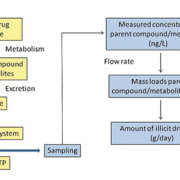
Sewage-based epidemiology (SBE) is an alternative method of monitoring population drug use by the analysis of excretion products of drugs in sewage (Fig. 1). SBE has been applied since 2005 as a complementary approach to classical investigation methods, such as interviews with users, medical records, population surveys, and crime statistics for estimating illicit drug use in communities [1–3]. Data obtained from SBE provide information on drug use in a direct, quick and objective way.

New psychoactive substances (NPS) are substances that are not controlled by the 1961 United Nations Single Convention on Narcotic Drugs or the 1971 Convention on Psychotropic Substances and that may pose a threat to public health [4, 5]. These compounds mimic effects of illicit drugs like cocaine, cannabis and amphetamines and are produced to evade law enforcement by introducing slight modifications to chemical structures of controlled substances [6]. Currently, more than 450 NPS are being monitored by the European Monitoring Centre for Drug and Drug Addiction (EMCDDA) with 101 new substances reported for the first time in 2014 to EU Early Warning System (EWS). Synthetic cannabinoids and synthetic cathinones are the largest groups in the NPS scene [7]. NPS are easily acquired through online vendors and in smart shops where they are sold with misleading information about their effects and safety [8]. They are considered a growing problem in many communities and are responsible for numerous fatal intoxications [9]. SBE has the potential to be usefully applied for the detection and quantification of NPS to document their occurrence to appropriate authorities. Being an emerging issue, only a few studies have applied SBE for the analysis of NPS [10–13]. In this contribution, the optimization, validation and application of an analytical method using liquid chromatography coupled to positive electrospray tandem mass spectrometry (LC–ESI-MS/MS) for the determination of seven NPS in sewage: methoxetamine (MXE), butylone, ethylone, methylone, methiopropamine, 4-methoxymethamphetamine (PMMA), and 4-methoxyamphetamine (PMA) is described together with a critical evaluation of the methodology.

LC-MS/MS methodology
An LC-MS/MS method was developed and validated using a Phenomenex Luna HILIC (hydrophilic interaction liquid chromatography) 200A (150 x 3 mm, 5 µm) column, with a mobile phase composed of A) 5 mM ammonium acetate in ultrapure water and B) acetonitrile. The mass spectrometer compound dependent parameters, fragmentor voltage and collision energy, were optimized to acquire two multiple reaction monitoring (MRM) transitions (qualifier and quantifier) for each compound, and one MRM for the internal standards (IS). The method was validated, assessing accuracy and precision, using blank sewage (samples collected prior to 2009 in which NPS have not been detected). A linear range with lower limits of quantification (LLOQ) of 0.5 ng/L (MXE and methylone) and 2 ng/L (all other compounds) and upper limits of quantification (ULOQ) of 200 ng/L was achieved for investigated compounds. The limit of detection (LOD) was between 0.02 and 0.2 ng/L for all compounds.

Sample collection and preparation
24-h composite influent sewage samples were collected from different wastewater treatment plants (WWTPs) in Belgium and one WWTP in Zurich. Before sample extraction, 50 mL sewage was filtered through a 0.7 µm glass filter to remove solid particles. After filtration, the samples were brought to pH 2 using a 6 M HCl solution and spiked with deuterated IS at a concentration of 100 ng/L. Thereafter the solid-phase extraction (SPE) procedure was performed using a mixed-mode strong cation exchange sorbent-Oasis MCX (Fig. 2).

Application of the procedure

The method could reliably differentiate the analytes and IS from endogenous components. MXE, methylone and ethylone could be detected. The method revealed the presence of MXE in sewage from five urban centres within two counties in Belgium. Methylone was detected and quantified in only two samples from Switzerland at levels slightly higher than LLOQ (Fig. 3). The compounds that were not detected could be absent in the sewage or present in the form of metabolites which were not targeted in the present study.

Advantages/limitations of the SBE methodology

Phenylethylamine-based compounds (synthetic cathinones and amphetamine-like substances) form a large group of NPS and they are very polar. Hydrophilic interaction was found to be a good and robust LC stationary phase to obtain retention for these high-polarity compounds. Furthermore, we showed for the first time in SBE that the use of a more realistic matrix for method development, such as real sewage, can help in overcoming challenges associated with matrix effects in MS detection. The results from these samples demonstrate the importance of developing highly sensitive analytical methods that can detect and quantify NPS at very low concentrations (<10 ng/L). Limitations of the present methods
It is difficult to determine if the low drug concentrations in sewage are related to low popularity of the NPS or due to the presence of an unknown form of the parent drug in sewage, urinary metabolites or transformation product from other in-sewer processes. SBE requires a specific, reliable and stable biomarker for the NPS of interest. Further studies on the metabolism and in-sewer transformation processes (which may affect stability of drug residues) of NPS needs thus to be carried out to provide SBE with information regarding additional biomarkers of NPS parent drugs.

Future of SBE in NPS analysis
Concentrations of NPS in sewage may be low depending on the area served by the WWTP and on the prevalence of its use [14]. Therefore, pooled urine analysis would be useful in detecting the occurrence of NPS before dilution into sewage [15]. It would be a valuable approach to combine pooled urine analysis and SBE to track down the actual use of NPS in communities.

Conclusion
In conclusion, SBE can help in revealing the occurrence of NPS within catchment areas of urban centres and showed the need to develop very sensitive analytical methods to detect NPS in sewage.

References
1. Bijlsma L, Sancho JV, Pitarch E, et al.  Simultaneous ultra-high-pressure liquid chromatography-tandem mass spectrometry determination of amphetamine and amphetamine-like stimulants, cocaine and its metabolites, and a cannabis metabolite in surface water and urban wastewater. J Chromatogr A 2009; 1216: 3078–3089.
2. Boleda MR, Galceran MT, Ventura F. Trace determination of cannabinoids and opiates in wastewater and surface waters by ultra-performance liquid chromatography-tandem mass spectrometry. J Chromatogr A 2007; 1175: 38–48.
3. Huerta-Fontela M, Galceran MT, Ventura F. Ultraperformance liquid chromatography-tandem mass spectrometry analysis of stimulatory drugs of abuse in wastewater and surface waters. Anal Chem 2007; 79: 3821–3829.
4. United Nations Office on Drugs and Crime (UNODC). Global synthetic drugs assessment. (United Nations publication, Sales No. E.14.XI.6), 2014. http://www.unodc.org/documents/scientific/2014_Global_Synthetic_Drugs_Assessment_web.pdf
5. King LA, Kicman AT. A brief history of ‘new psychoactive substances’. Drug Test Anal. 2011; 3: 401–403.
6. Dargan PI, Wood DM. Novel psychoactive substances classification, pharmacology and toxicology. Elsevier/Academic Press, 2013. ASIN: B00FK8HYY2.
7. European Monitoring Centre for Drugs and Drug Addiction (EMCDDA). New psychoactive substances in Europe. An update from the EU Early Warning System, 2015. http://www.emcdda.europa.eu/publications/2015/new-psychoactive-substances
8. EMCDDA. EMCDDA–Europol 2013 Annual Report on the implementation of Council Decision 2005/387/JHA, 2014. http://www.emcdda.europa.eu/publications/implementation-reports/2013
9. Vevelstad M, Øiestad E.L, Middelkoop G, et al. The PMMA epidemic in Norway: Comparison of fatal and non-fatal intoxications. Forensic Science International 2012; 219: 151–157.
10. Kinyua J, Covaci A, Maho W, et al. Sewage-based epidemiology in monitoring the use of new psychoactive substances: validation and application of an analytical method using LC-MS/MS. Drug testing and analysis 2015 ( In press).
11. Reid M.J, Derry L, Thomas K.V. Analysis of new classes of recreational drugs in sewage: Synthetic cannabinoids and amphetamine-like substances. Drug Test Anal. 2014; 6: 72–79.
12. Van Nuijs ALN, Gheorghe A, Jorens PG, et al. Optimization, validation, and the application of liquid chromatography-tandem mass spectrometry for the analysis of new drugs of abuse in wastewater. Drug Test Anal. 2014; 6: 861–867.
13. Kankaanpää A, Ariniemi K, Heinonen M, et al. Use of illicit stimulant drugs in Finland: a wastewater study in ten major cities. Sci Total Environ. 2014; 487: 696–702.
14. Archer JRH, Dargan PI, Lee HMD, et al. Trend analysis of anonymised pooled urine from portable street urinals in central London identifies variation in the use of novel psychoactive substances. Clinical Toxicol (Phila). 2014; 52: 160–165.
15. Archer JRH, Dargan PI, Hudson S, et al. Analysis of anonymous pooled urine from portable urinals in central London confirms the significant use of novel psychoactive substances. QJM 2013; 106: 147–152.

The authors
Juliet Kinyua MSc, Adrian Covaci PhD, Alexander L.N. van Nuijs* PhD
Toxicological Center, University of Antwerp, Belgium

*Corresponding author
E-mail: alexander.vannuijs@uantwerpen.be

https://clinlabint.com/wp-content/uploads/sites/2/2020/08/C197_Fig1_crop.jpg 327 500 3wmedia https://clinlabint.com/wp-content/uploads/sites/2/2020/06/clinlab-logo.png 3wmedia2020-08-26 09:43:172021-01-08 11:36:21Use of LC-MS/MS to measure new psychoactive substances in sewage: an application of sewage-based epidemiology
C211 Cook LAMP 1

Point-of-care diagnostics for malaria

, 26 August 2020/in Featured Articles /by 3wmedia

In spite of increased publicity in the Western world about malaria and drives to provide mosquito nets, the disease is still endemic in a large part of the world. This article discusses different methods of malaria diagnosis and the role that point-of-care tests can play in the ultimate goal of malaria elimination.

by Dr Jackie Cook

Finding the balance: over- and under-diagnosing malaria
Malaria remains a huge burden in many parts of the world, particularly in sub-Saharan Africa. Despite increased availability of effective treatments and interventions, malaria elimination is still out of reach for many countries. Whilst availability of effective interventions that reduce contact with infected mosquitoes, such as insecticide treated bed-nets or indoor spraying with insecticide are key to reducing malaria prevalence, case management also plays a key role. Many who need treatment are unable to get it, either through lack of access to healthcare, or because infections remain undiagnosed. Conversely, some studies suggest that many patients are receiving anti-malarials unnecessarily due to a tendency to diagnose based solely on clinical symptoms, many of which are similar to other infections, rather than using a diagnostic. In under-resourced settings, this can result in any child presenting with a fever being prescribed malaria drugs. This simultaneously means non-malaria fevers remain undiagnosed and untreated, as well as a large proportion of unnecessary prescriptions for malaria drugs, which increases healthcare costs and the risk of drug resistance, a very potent threat. In order to counteract this, the last few decades have brought a push from health officials, researchers, donors and governments alike to confirm every suspected case of malaria before prescribing treatment.

Microscopy
For many, malaria diagnosis is performed using microscopy, a procedure that is relatively cheap but requires a skilful operator. Malaria is caused by the plasmodium parasite and it undergoes several developmental and replication stages in the human. These stages can be seen through a microscope when blood is prepared on either a thin or thick film and stained, normally, with Giemsa or Wright’s stains. Experienced microscopists can detect down to 1 parasite per microlitre of blood, although the typically quoted sensitivity for microscopy is approximately 100 parasites per microlitre. In reality, the sensitivity of the test depends greatly on the microscopist. In areas where malaria transmission is declining, microscopists can go months without seeing a positive slide, and as such, skills may begin to decline. In addition, the need for well-maintained microscopes and access to slides and stain can mean microscopy is not always available.

Rapid diagnostic tests
The first malaria rapid diagnostic test (RDT) was developed in 1993 and in the decades since many variations have proliferated on the market. RDTs are typically immunochromatograhic tests that use monoclonal antibodies to detect the presence of plasmodium antigens (proteins produced by the parasite) which are present in the blood of infected, or recently infected, individuals. They are generally stable at a range of temperatures and do not require special storage conditions. RDTs require significantly less training for use than microscopy and a positive infection is easy to identify by visualization of a ‘positive’ line, meaning the results are much less subjective. Most RDTs require 15–20 minutes for development, meaning treatment can be given while patients wait at health facilities.

However, there are a few downsides to the use of RDTs. The presence of parasite antigen doesn’t always equate with a current infection, but can signify a recently cleared infection from within the previous two weeks. In addition, several studies have reported the deletion of certain antigens detected by RDTs in plasmodium parasites, meaning false-negative results may be obtained in areas using these types of RDTs [1]. The World Health Organization (WHO), in collaboration with the Foundation for Innovative New Diagnostics (FIND), has set up an RDT product testing programme, an essential quality assurance component considering the huge influx of RDT brands that have popped up in the past 20 years [2]. The reports from the programme make worrying reading with very low sensitivity for some brands, differences between batches of RDT and a general lower sensitivity for non-falciparum infections for nearly all brands.

The hidden reservoir: asymptomatic, low-density infections
In general, the limited sensitivity of both microscopy and RDT (unreliable detection in infections with a parasite density less than 100 parasites per microlitre) is not an issue for symptomatic malaria infections, the majority of which will consist of high parasite densities. However, asymptomatic infections are numerous, in high and low transmission settings. These asymptomatic infections pose a problem for control programmes. The carriers do not feel unwell so have no reason to present to a health facility for testing and yet, they may be infectious to mosquitoes, meaning they pose a risk for onward transmission. In order to detect and treat these asymptomatic infections, malaria programmes are now taking their diagnostics into the community in a strategy termed Mass Screening and Treatment (MSAT). This involves testing everyone within a community regardless of whether they have symptoms. Many of these infections are asymptomatic and therefore also likely to be low-density; hence which test you use can mean the difference between detecting 10 infections or 100 infections. Whilst RDT is ideal for field conditions, studies have shown that they can miss a large proportion of infections that are present [3].

Molecular tests
Polymerase chain reaction

More sensitive diagnostics are available in the terms of molecular tests. The most commonly used is polymerase chain reaction (PCR). Numerous PCR assays have been developed, many based on amplifying the 18S ribosomal RNA (18SrRNA), first published by Snounou and colleagues in 1993 [4]. PCR detects parasite nucleic acids and can detect much lower parasite densities than RDT or microscopy, with tests reportedly able to detect down to 1 parasite per microlitre of blood, as well as being able to accurately distinguish between plasmodium species. However, the number of assays available has resulted in calls for a standardized test so results can be compared across the world. PCR tests are generally performed on blood collected on filter paper but the equipment required for PCR and the expense of maintaining a sterile lab environment precludes PCR from being available in many health facilities. This means that samples need to be sent away, with an often long wait for results. Although more field-friendly PCR methods are in the pipeline, currently, PCR is not generally considered suitable for a point-of-care test, although it’s use in epidemiological studies is undisputed.

Loop-mediated isothermal amplification
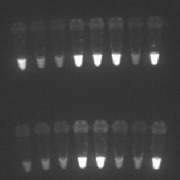
Loop-mediated isothermal amplification (LAMP) was first developed in 2000, with the aim to amplify DNA in a sensitive, specific and speedy manner (Figs 1, 2). One of the main advantages is the fact it can be performed under isothermal conditions, and thus averting the need for a thermocycler. LAMP can be thought of as a ‘rough-and-ready’ PCR, as it is also less sensitive to inhibitors present in biological samples, and therefore allows the use of simple and cheap DNA extraction methods. The fast time-to-results and the minimal equipment required make LAMP an attractive option for field diagnosis. In order to make this a viable option, FIND and partners Eiken Chemical Ltd, Japan, and the Hospital for Tropical Diseases (HTD), London, UK have developed a field-stable kit with all reagents freeze-dried into the lid of the reaction tube, which means minimal processing is required. Although still in the development and testing stage, current results of the use of the kit are promising, with strong agreement with PCR results and a considerably higher sensitivity than RDT [5-8]. Whilst seemingly the most sensitive of the point-of-care tests available, there are some downsides to LAMP. Results still take considerably longer than RDT, requiring patients to wait at clinics for 2 hours for results, or leaving the health facility staff with the complicated task of contacting and following up any positive patients. In addition, electricity is required for the processing of samples, making it not practical for many places.

Future for point-of-care diagnostics for malaria
These advances in molecular diagnostics mean infections that would previously have remained undetected can now be confirmed, treated and cleared. Identifying and treating all infections becomes a greater priority as transmission reduces and the possibility of elimination comes into focus. This is occurring in areas around the world such as Swaziland and Zanzibar in Africa and in South East Asia, where the need to eliminate has become ever more important with the emergence of drug-resistant parasites. In these areas, identification of every last parasite is the aim and development of a quick, sensitive and reliable diagnostic is key to that.

As more studies reveal the extent of the low-density parasite reservoir, there is a sense of ‘the more we look the more malaria we will find’. But do we need to find all these infections in order to eliminate malaria? It should be noted that these ‘super-sensitive’ tests are a relatively recent phenomena and that countries have succeeded in malaria elimination without them. The role these low-density parasitemias play in transmission is not fully understood but for now the aim remains to clear the last parasite standing.

References
1. Houze S, Hubert V, Le Pessec G, Le Bras J, Clain J. Combined deletions of pfhrp2 and pfhrp3 genes result in Plasmodium falciparum malaria false-negative rapid diagnostic test. J Clin Microbiol. 2011; 49(7): 2694–2696.
2. WHO, FIND, CDC. Malaria rapid diagnostic test performance: Results of WHO product testing of malaria RDTs: Round 5. 2013; http://www.who.int/malaria/publications/atoz/9789241507554/en/.
3. Cook J, Xu W, Msellem M, Vonk M, Bergström B, Gosling R, Al-Mafazy AW, McElroy P, Molteni F, Abass AK, Garimo I, Ramsan M, Ali A, Mårtensson A, Björkman A. Mass screening and treatment on the basis of results of a plasmodium falciparum-specific rapid diagnostic test did not reduce malaria incidence in Zanzibar. J Infect Dis. 2015; 211(9): 1476–1483.
4. Snounou G, Viriyakosol S, Zhu XP, Jarra W, Pinheiro L, do Rosario VE, Thaithong S, Brown KN. High sensitivity of detection of human malaria parasites by the use of nested polymerase chain reaction. Mol Biochem Parasitol. 1993; 61(2): 315–320.
5. Hopkins H, González IJ, Polley SD, Angutoko P, Ategeka J, Asiimwe C, Agaba B, Kyabayinze DJ, Sutherland CJ, Perkins MD, Bell D. Highly sensitive detection of malaria parasitemia in a malaria-endemic setting: performance of a new loop-mediated isothermal amplification kit in a remote clinic in Uganda. J Infect Dis. 2013; 208(4): 645–652.
6. Polley SD, González IJ, Mohamed D, Daly R, Bowers K, Watson J, Mewse E, Armstrong M, Gray C, Perkins MD, Bell D, Kanda H, Tomita N, Kubota Y, Mori Y, Chiodini PL, Sutherland CJ. Clinical evaluation of a loop-mediated amplification kit for diagnosis of imported malaria. J Infect Dis. 2013; 208(4): 637–644.
7. Aydin-Schmidt B, Xu W, González IJ, Polley SD, Bell D, Shakely D, Msellem MI, Björkman A, Mårtensson A. Loop mediated isothermal amplification (LAMP) accurately detects malaria DNA from filter paper blood samples of low density parasitaemias. PLoS One 2014; 9(8): e103905.
8. Cook J, Aydin-Schmidt B, González IJ, Bell D, Edlund E, Nassor MH, Msellem M, Ali A, Abass AK, Mårtensson A, Björkman A. Loop-mediated isothermal amplification (LAMP) for point-of-care detection of asymptomatic low-density malaria parasite carriers in Zanzibar. Malar J. 2015; 14(1): 43.

The author
Jackie Cook PhD
London School of Hygiene and Tropical Medicine, London, UK

E-mail: Jackie.cook@lshtm.ac.uk

https://clinlabint.com/wp-content/uploads/sites/2/2020/08/C211_Cook_LAMP-1.jpg 400 348 3wmedia https://clinlabint.com/wp-content/uploads/sites/2/2020/06/clinlab-logo.png 3wmedia2020-08-26 09:43:172021-01-08 11:36:33Point-of-care diagnostics for malaria
27034 Zivak new rev2

Full Automated Analysis Kits

, 26 August 2020/in Featured Articles /by 3wmedia
https://clinlabint.com/wp-content/uploads/sites/2/2020/08/27034-Zivak-new-rev2.jpg 988 700 3wmedia https://clinlabint.com/wp-content/uploads/sites/2/2020/06/clinlab-logo.png 3wmedia2020-08-26 09:43:172021-01-08 11:36:17Full Automated Analysis Kits
C223 Fig1 color crop

Ultrasensitive colorimetric detection of HIV-1 p24

, 26 August 2020/in Featured Articles /by 3wmedia

To reduce the window period for HIV-1 infection, a method for detecting trace amounts of HIV-1 p24 in blood is needed. We developed a simple de novo ultrasensitive colorimetric ELISA by adding a thio-NAD cycling solution to the standard ELISA. The limit of detection for p24 was 0.005 IU (i.e. attomoles) per assay by the ultrasensitive colorimetric ELISA.

by Dr A. Nakatsuma, M. Kaneda, H. Kodama, M. Morikawa, S. Watabe, et al.

Background
During the window period between infection with human immunodeficiency virus type 1 (HIV-1) and the appearance of detectable antibodies to HIV-1, the infection cannot be diagnosed. Attempts to shorten this period have been made using a fourth-generation immunoassay that detects both HIV-1/2 IgG/M and HIV-1 p24 antigens [1]. However, most of the commercially available detection systems for fourth-generation immunoassays use chemiluminescent measurement and thus require specialized, highly expensive automated measurement equipment. For this reason, fourth-generation immunoassays are performed only at diagnostics companies and hub hospitals. To overcome this limitation and to test many samples simultaneously, there is need of an immunoassay with increased sensitivity for the HIV-1 p24 antigen that nonetheless uses a common enzyme and does not require any specialized instruments.

In 2010, French health authorities mandated a limit of detection of at least 2 IU/mL of HIV-1 p24 antigen for a Conformité Européenne (CE)-marked HIV antigen/antibody assay [2]. According to this mandate, commercially available assay kits were manufactured to detect p24 antigen with limits of detection ranging from 0.505 to 1.901 IU/mL and from 11.9 to 33.5 pg/mL [2]. Units of pg/mL are used for the Société Française de Tranfusion Sanguine (SFTS) standard (i.e. recombinant proteins), versus IU/mL for the WHO (World Health Organization) standard. As 1 IU/mL is estimated to be equivalent to 10 pg/mL and MW = 24 000 for p24, the best sensitivity in these kits is 0.505 IU/mL, which is ~2 × 10⁻¹⁶ moles/mL.

To date, numerous methods have been proposed for the detection of p24 antigen. However, the limit of detection of p24 antigen is not expected to overcome the sensitivity of 10−17 to 10−18 moles/mL. In addition, we have to note that HIV testing of many samples requires not only ultrasensitive HIV-1 p24 detection but also rapidity, a reasonable cost, and a simple protocol without the requirement of special equipment. In the present review, we introduce a de novo ultrasensitive colorimetric enzyme-linked immunosorbent assay (ELISA) for HIV-1 p24 [3].

Mechanism of ultrasensitive colorimetric ELISA
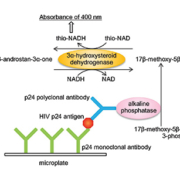
Watabe and colleagues developed an ultrasensitive ELISA to measure trace amounts of proteins by combining a conventional ELISA with thionicotinamide-adenine dinucleotide (thio-NAD) cycling [4]. Their rationale was that although proteins cannot be amplified by polymerase chain reaction (PCR) in the manner of nucleic acids, a detectable signal for proteins can be amplified. Thus, their ultrasensitive ELISA (Fig. 1) employs a sandwich method using a primary and a secondary antibody for antigens. An androsterone derivative, 3α-hydroxysteroid, is produced by the hydrolysis of 3α-hydroxysteroid 3-phosphate with alkaline phosphatase linked to the secondary antibody. This 3α-hydroxysteroid is oxidized to a 3-ketosteroid by 3α-hydroxysteroid dehydrogenase (3αHSD) with a cofactor thio-NAD. By the opposite reaction, the 3-ketosteroid is reduced to a 3α-hydroxysteroid by 3α-HSD with a cofactor NADH. During this cycling reaction, thio-NADH accumulates in a quadratic function-like fashion. Accumulated thio-NADH can be measured directly at an absorbance of 400 nm without any interference from other cofactors.

This method enables the detection of a target protein with ultrasensitivity (10−19 moles/assay) by measuring the cumulative quantity of thio-NADH by a colorimetric method without the use of any special instruments for the measurements of fluorescence, luminescence or radio isotopes [4]. Further, we should note that this ultrasensitive method will allow a technician to detect trace amounts of proteins simply by applying thio-NAD cycling reagents to the conventional ELISA system. We therefore applied this ultrasensitive ELISA to the detection of HIV-1 p24 antigen in blood [3].

Sensitivity and stability of the ultrasensitive colorimetric ELISA for HIV-1 p24
A typical linear calibration curve for HIV-1 p24 antigen provided by the ultrasensitive ELISA coupled with thio-NAD cycling was y = 0.27x + 0.019, R2 = 0.99 in the range of 0.1‒1.0 IU/mL. The limit of detection of p24 was 0.0055 IU/assay (i.e. ~2 × 10⁻¹⁸ moles/assay). These findings indicate that the ultrasensitive colorimetric ELISA succeeds in detecting p24 at the attomole level [3]. Because this measurement system employs a 50 µL solution for each assay, the detection limit corresponded to 0.1 IU/mL, or 10−17 moles/mL. Therefore, even in terms of the concentration per mL, our detection limit is less than one-tenth of that required by the French health authorities [2]. The coefficient of variation was 8% for 1 IU/mL.

Spike-and-recovery test using serum
We attempted to perform spike-and-recovery tests in which the HIV-1 p24 antigen was added to the control serum. Because our results demonstrated that the ratio was about 100% for 0.5 IU/mL of HIV-1 p24, which was less than the value (2 IU/mL) required for a CE-marked HIV antigen/antibody assay (see Background), the ultrasensitive method was judged to sufficiently detect IV-1 p24 antigen in human blood obtained from patients in the very early period after infection.

Detection of HIV-1 p24 in the early stages of infection
It is important to diagnose primary HIV-1 infection and begin antiretroviral treatment as early as possible. Most HIV-1/2 antibody diagnostic tests detect the antibodies for the antigens of HIV-1 gp41 and HIV-2 gp36, which are highly conservative transmembrane proteins. These tests are quick and easy, and thus have been widely used in many clinics and public health centres. However, when only the antibody diagnostic tests are used, there is a long delay (generally a 28-day window period) before diagnosis is possible [5]. Further, HIV-1/2 antibody tests in children younger than 18 months tend to be especially inaccurate as a result of the continued presence of maternal antibodies [6]. To shorten the delay and to validate HIV tests, the HIV-1 p24 antigen, the concentration of which is expected to increase before antibodies emerge, should be detectable in trace amounts. HIV-1 p24 in blood emerges transiently in the very early period after infection, and then its concentration quickly returns to the basal level [5]. An HIV-1 p24 test is, therefore, very useful as a screening test in the early stage of infection.

Closing the gap on PCR-based nucleic acid testing (NAT)
Generally, the gold standard for diagnosing HIV-1 is PCR-based nucleic acid testing (NAT) [7], but this method is expensive and has infrastructure requirements, a long measuring time, and high complexity, thereby limiting its usefulness for large numbers of samples. There is also the issue that much of the world lacks access to reliable NAT, and thus in many geographic regions the policy is to simply wait until symptoms develop. Use of ultrasensitive detection of HIV-1 p24 antigen for early diagnosis would be a simple and reasonable alternative to NAT, such as for monitoring HIV treatment and protecting the blood supply. Accordingly, it is time to reconsider whether NAT should be the gold standard for diagnosing HIV-1. Barletta et al. claimed that the target protein (i.e. HIV-1 p24 antigen) is present in the virion in much higher numbers than viral RNA copies (approximately 3000 HIV-1 p24 antigen molecules versus 2 RNA copies per virion) [8]. The 10−18 moles/assay value in our present results corresponds to 106 protein molecules/assay, or ~103 RNA copies/assay. Although under laboratory conditions a real-time PCR (i.e. NAT) can detect on the order of 101 RNA copies/assay, the limitation of detection is usually in the order of 102 RNA copies/assay [9]. Hence, the ultrasensitive ELISA coupled with thio-NAD cycling for HIV-1 p24 is closing in on the detection limit obtained by NAT, with a margin of difference of only one order of magnitude.

Conclusion
The ultrasensitive ELISA coupled with thio-NAD cycling is a very convenient method for the early testing of HIV-1 infection because it requires only the addition of a thio-NAD cycling solution to the usual ELISA without the use of any specialized measuring equipment. Consequently, the present method could be widely used as a powerful tool to test many samples simultaneously.

References
1. George CRR, Robertson PW, Lusk MJ, Whybin R, Rawlinson W. Prolonged second diagnostic window for human immunodeficiency virus type 1 in a fourth-generation immunoassay: Are alternative testing strategies required? J Clin Microbiol. 2014; 52: 4105–4108.
2. Ly TD, Plantier JC, Leballais L, Gonzalo S, Lemée V, Laperche S. The variable sensitivity of HIV Ag/Ab combination assays in the detection of p24Ag according to genotype could compromise the diagnosis of early HIV infection. J Clin Virol. 2012; 55: 121–127.
3. Nakatsuma A, Kaneda M, Kodama H, Morikawa M, Watabe S, Nakaishi K, Yamashita M, Yoshimura T, Miura T, Ninomiya M, Ito E. Detection of HIV-1 p24 at attomole level by ultrasensitive ELISA with thio-NAD cycling. PLoS One 2015; 10: e0131319.
4. Watabe S, Kodama H, Kaneda M, Morikawa M, Nakaishi K, Yoshimura T. Ultrasensitive enzyme-linked immunosorbent assay (ELISA) of proteins by combination with the thio-NAD cycling method. BIOPHYSICS. 2014; 10: 49–54.
5. World Health Organization (WHO). HIV/AIDS Fact sheet No 360. WHO 2015; http://www.who.int/mediacentre/factsheets/fs360/en/
6. Zijenah LS, Tobaiwa O, Rusakaniko S, Nathoo KJ, Nhembe M, Matibe P, Katzenstein DA. Signal-boosted qualitative ultrasensitive p24 antigen assay for diagnosis of subtype C HIV-1 infection in infants under the age of 2 years. J Acquir Immune Defic Syndr. 2005; 39: 391–394.
7. Patel P, Mackellar D, Simmons P, Uniyal A, Gallagher K, Bennett B, Sullivan TJ, Kowalski A, Parker MM, LaLota M, Kerndt P, Sullivan PS; Centers for Disease Control and Prevention Acute HIV Infection Study Group. Detecting acute human immunodeficiency virus infection using 3 different screening immunoassays and nucleic acid amplification testing for human immunodeficiency virus RNA, 2006-2008. Arch Intern Med. 2010; 170: 66–74.
8. Barletta JM, Edelman DC, Constantine NT. Lowering the detection limits of HIV-1 viral load using real-time immuno-PCR for HIV-1 p24 antigen. Am J Clin Pathol. 2004; 122: 20–27.
9. Wagatsuma A, Sadamoto H, Kitahashi T, Lukowiak K, Urano A, Ito E. Determination of the exact copy numbers of particular mRNAs in a single cell by quantitative real-time RT-PCR. J Exp Biol. 2005; 208: 2389–2398.

The authors

Akira Nakatsuma1 PhD, PhC; Mugiho Kaneda1 BAgr; Hiromi Kodama1 MAgr; Mika Morikawa1,2 BASc; Satoshi Watabe3 BPha; Kazunari Nakaishi2; Masakane Yamashita4 PhD; Teruki Yoshimura5 PhD, PhC; Toshiaki Miura6 PhD, PhC; Masaki Ninomiya1 PhD, PhC; Etsuro Ito*1 PhD

1 Kagawa School of Pharmaceutical Sciences, Tokushima Bunri University, Sanuki, Japan
2 TAUNS Laboratories, Inc., Izunokuni, Japan
3 BL Co., Ltd., Numazu, Japan
4 Faculty of Science, Hokkaido University, Sapporo, Japan
5 Faculty of Pharmaceutical Sciences, Health Sciences University of Hokkaido, Ishikari-Tobetsu, Japan
6 Graduate School of Pharmaceutical Sciences, Hokkaido University, Sapporo, Japan

*Corresponding author
E-mail: eito@kph.bunri-u.ac.jp

https://clinlabint.com/wp-content/uploads/sites/2/2020/08/C223_Fig1-color_crop.jpg 307 500 3wmedia https://clinlabint.com/wp-content/uploads/sites/2/2020/06/clinlab-logo.png 3wmedia2020-08-26 09:43:172021-01-08 11:36:16Ultrasensitive colorimetric detection of HIV-1 p24
Page 89 of 144«‹8788899091›»
Bio-Rad - Preparing for a Stress-free QC Audit

Latest issue of Clinical laboratory

November 2025

CLi Cover nov 2025
13 November 2025

New Chromsystems Product for Antiepileptic Drugs Testing

11 November 2025

Trusted analytical solutions for reliable results

10 November 2025

Chromsystems | Therapeutic Drug Monitoring by LC-MS/MS

Digital edition
All articles Archived issues

Free subscription

View more product news

Get our e-alert

The leading international magazine for Clinical laboratory Equipment for everyone in the Vitro diagnostics

Sign up today
  • News
    • Featured Articles
    • Product News
    • E-News
  • Magazine
    • About us
    • Archived issues
    • Free subscriptions
    • Media kit
    • Submit Press Release
clinlab logo blackbg 1

Prins Hendrikstraat 1
5611HH Eindhoven
The Netherlands
info@clinlabint.com

PanGlobal Media is not responsible for any error or omission that might occur in the electronic display of product or company data.

Scroll to top

This site uses cookies. By continuing to browse the site, you are agreeing to our use of cookies.

Accept settingsHide notification onlyCookie settings

Cookie and Privacy Settings


How we use cookies

We may ask you to place cookies on your device. We use cookies to let us know when you visit our websites, how you interact with us, to enrich your user experience and to customise your relationship with our website.

Click on the different sections for more information. You can also change some of your preferences. Please note that blocking some types of cookies may affect your experience on our websites and the services we can provide.

Essential Website Cookies

These cookies are strictly necessary to provide you with services available through our website and to use some of its features.

Because these cookies are strictly necessary to provide the website, refusing them will affect the functioning of our site. You can always block or delete cookies by changing your browser settings and block all cookies on this website forcibly. But this will always ask you to accept/refuse cookies when you visit our site again.

We fully respect if you want to refuse cookies, but to avoid asking you each time again to kindly allow us to store a cookie for that purpose. You are always free to unsubscribe or other cookies to get a better experience. If you refuse cookies, we will delete all cookies set in our domain.

We provide you with a list of cookies stored on your computer in our domain, so that you can check what we have stored. For security reasons, we cannot display or modify cookies from other domains. You can check these in your browser's security settings.

.

Google Analytics Cookies

These cookies collect information that is used in aggregate form to help us understand how our website is used or how effective our marketing campaigns are, or to help us customise our website and application for you to improve your experience.

If you do not want us to track your visit to our site, you can disable this in your browser here:

.

Other external services

We also use various external services such as Google Webfonts, Google Maps and external video providers. Since these providers may collect personal data such as your IP address, you can block them here. Please note that this may significantly reduce the functionality and appearance of our site. Changes will only be effective once you reload the page

Google Webfont Settings:

Google Maps Settings:

Google reCaptcha settings:

Vimeo and Youtube videos embedding:

.

Privacy Beleid

U kunt meer lezen over onze cookies en privacy-instellingen op onze Privacybeleid-pagina.

Privacy policy
Accept settingsHide notification only

Subscribe now!

Become a reader.

Free subscription