



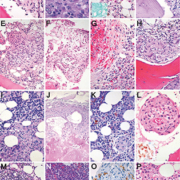
Granulomas are a rather uncommon, yet diagnostically helpful finding in trephine bone marrow biopsies. Being indicative for a rather limited number of various underlying diseases (ranging from infections to autoimmunopathies and malignant tumours), the finding of granulomas in the bone marrow should precipitate further analyses to uncover the underlying condition.
by Dr Thomas Menter and Dr Alexandar Tzankov
Microscopic aggregations of epithelioid histiocytes are referred to as granulomas and the respective inflammatory process is called granulomatous. Granulomas are a well-known feature in pathology, with the first description ranging back to the 17th century. They show variable morphologic features including central areas of necrosis (necrotizing granulomas) or suppuration (microabsceding or suppurative granulomas), incorporation of foreign material or presence of giant cells due to the fusion of macrophages. Granuloma formation is usually associated with local CD4+ T-cell activation (and numeric increase of CD4+ T-cells at the site of granuloma formation, thus ‘consuming’ CD4+ T-cells and leading to skewing of the CD4/CD8 ratio in the peripheral blood in favour of CD8) and production of interleukin 2 and 12, Interferon (IFN) γ, and tumour necrosis factor α (TNF-α) [1, 2]. In general, granulomas are provoked by agents that are difficult to eradicate by the enzymes of histiocytes, for example because of the different phospholipid composition of the former (e.g. mycolic acids) or because of the specific enzymo/immunogenetic background of the host. The number of causative agents in granulomatous responses is rather smaller than in other inflammatory patterns. Therefore granulomas are considered to be ‘specific’; narrowing down the possible causative factors, their identification and subsequent search for possible underlying agents and conditions supports the establishment of more precise clinicopathological diagnoses.
Morphology of bone marrow granulomas and etiologic considerations
Granulomatous processes involving the bone marrow (BM) can be divided into three subgroups based on morphology and clinicopathological context: (1) lipogranulomas, (2) infectious epithelioid granulomas, and (3) epithelioid granulomas associated with immune dysregulation. Importantly, most inborn immunodeficiency disorders are accompanied by increased granuloma formation [3]. Examples of these disorders include Blau syndrome, CVID (common variable immune deficiency), RAG (recombination-activating genes) deficiency, XIAP (X-linked inhibitor of apoptosis) deficiency and chronic granulomatous disease. Depending on whether solely the BM or other organs are also involved, granulomatous BM processes may represent isolated findings or reflect the involvement of a systemic disorder. It is obvious that detection of granulomatous BM processes should be followed by an integrative diagnostic work-up considering the clinical history (travel and drug history) and presentation, but also applying imaging techniques and molecular detection methods including serology, in situ uncover techniques and PCR- and sequencing-based procedures.
Lipogranulomas
Lipogranulomas are found in up to 10% of BM samples. They are not thought to be significant since probably not linked to specific underlying disorders. Yet, they may be more commonly observed in patients with acute febrile illnesses. They consist of aggregates of histiocytes with variably sized lipid vacuoles (Fig. 1A), which tend to gradually disappear with time resulting in a morphological appearance of lipogranulomas indistinguishable from epithelioid granulomas. When detecting BM lipogranulomas, special attention must be given to the periodic acid Schiff (PAS)/diastase-PAS stains so as not to miss involvement by Whipple’s disease, in which the foamy histiocytes stain positively (Fig. 1B); in suspect cases, the diagnosis of Whipple’s disease can be enhanced by additional Ziehl–Neelsen and Warthin–Starry stains as well as by PCR- and sequencing-based procedures. Granulomas in Erdheim–Chester disease might sometimes resemble lipogranulomas [4].
Epithelioid granulomas
Epithelioid granulomas are found in <1% of BM samples [5]. They are more frequent in certain geographic areas and in samples from patients with immune dysregulation. They are considered significant as they are associated with various infectious (Fig. 1C), immune dysregulatory (Fig. 1D) and neoplastic disorders (Fig. 1E). After clinicopathological and molecular work-up, a specific etiology of BM epithelioid granulomas can be attributed in up to 80% of cases. Such granulomas consist of loose [particularly in severely immunocompromised patients (the lower the CD4+ counts or the membrane-bound TNF-α and the more virulent the infectious agent, the looser the granuloma, Fig. 1F)] to cohesive clusters of epithelioid histiocytes with accompanying lymphocytes, eosinophilic (Fig. 1G) and neutrophilic granulocytes, and giant cells (Fig. 1H). In patients with infectious diseases, these granulomas mostly contain organisms, which should be actively sought for and if possible visualized (e.g. mycobacteria, histoplasmata, Bartonella henselae, treponemata, Leishmania spp., toxoplasmata) using special stains such as PAS, Ziehl–Neelsen, Fite, Grocott, May–Grünwald–Giemsa, Warthin–Starry, etc. Immunohistochemistry (Fig. 1L, insert) or molecular genetic methods might be necessary for etiologic assignment. A particular CD8 predominance in the BM interstitium often accompanies virus infections [e.g. cytomegalovirus (CMV) and Epstein–Barr virus (EBV)] and might serve as an additional diagnostic hint [6].
Different granuloma morphotypes
There are different granuloma morphotypes, which should be recognized because they may give a clue to the underlying disorder [7]. Caseating granulomas (i.e. granulomas with central necrosis) are usually caused by infectious agents such as mycobacteria, histoplasmata, Francisella tularensis, Yersinia pestis or brucellaceae. Ring-form granulomas (Fig. 1I) can be observed in acute virus infections (e.g. CMV), brucellosis, leishmaniasis and those appearing as ‘doughnut rings’ in Q-fever. Foreign body granulomas are rarely seen, but can be encountered in patients after repeated BM sampling (e.g. containing displaced keratin), or in patients with degenerative and debilitating disorders, in whom subchondral epithelioid clusters may raise differential diagnostic concerns of metastatic carcinomas (Fig. 1J).
Occasionally detached giant osteoclasts in patients receiving long-term bisphosphonate therapy may be conventionally indistinguishable from foreign body giant cells, but immunohistochemistry for tartrate-resistant acid phosphatase (TRAP) can be helpful, as osteoclasts are intensively positive. Sarcoid-type granulomas (Fig. 1K) consist of compact epithelioid collections and are less specific as they can accompany genuine sarcoidosis and autoimmune disorders such as, for example, rheumatoid arthritis [8].
The role of giant cells in granulomas
Another clue to the etiology in a granulomatous inflammation might be the type of giant cells present around the epithelioid histiocytes [9]. Langhans giant cells are characteristically seen in tuberculosis, and appear with nuclei arranged in a horseshoe-like fashion at the periphery of the cell below the cell membrane. In contrast, in Touton giant cells that are typically observable in areas of fat necrosis, the nuclei form a complete ring, and the cytoplasm is rather foamy than eosinophilic. In foreign body giant cells, the nuclei do not show a particular order but are rather haphazardly distributed. Besides, the foreign material incorporated in these cells (a clue to this diagnosis) is often visible by conventional or polarized light, being either pigmented or birefringent.
A particular vascular association of granulomas should raise suspicion of vasculitis, either primary like granulomatous polyangiitis (formerly known as Wegener’s disease), or secondary/infectious such as syphilis (Fig. 1L).
Granulomas and malignancies
Importantly, detection of BM granulomas does not exclude an underlying malignant process; on the contrary, BM granulomas may accompany various lymphoproliferative processes such as Castleman’s disease (Fig. 1M), B- and T-cell (so called ‘non-Hodgkin’) as well as Hodgkin lymphomas (HL) [10, 11], but also the BM spread of solid tumours such as lobular breast cancer [12]. There is a significant association between BM granulomas and non-Hodgkin lymphoma spread to the BM. Granulomas due to IFN therapy can be encountered in lymphoma patients [especially patients suffering from splenic marginal zone B-cell lymphoma and diffuse large B-cell lymphoma (DLBCL)] treated for underlying chronic hepatitis B- or C-virus (HBV, HCV) infections – both viruses are known to increase the risk of these lymphomas (Fig. 1N). Occasionally, granulomatous reactions might obscure lymphoma. This may particularly apply to HL, in which on the one hand granulomatous reactions can occur independently of BM infiltration by HL (not worsening patients’ prognosis; indeed 5% of HL patients have BM granulomas without BM involvement by lymphoma), and on the other hand BM involvement by HL is usually granulomatous with only a handful Reed–Sternberg cells. Therefore step-sections supported by immunohistochemistry (CD15, CD30) are warranted if BM granulomas are encountered in patients suffering from HL (Fig. 1O). Patients with lymphomas are at an increased risk of developing infections, which may also lead to granulomas and should therefore raise awareness for the differential work-up for infectious agents as described above. Finally, patients suffering from sarcoidosis are at increased risk of lymphoma (odds ratio 2) and incipient lymphomas [especially Burkitt lymphomas, DLBCL, small lymphocytic B-cell lymphomas, lymphoplasmacytic lymphomas and peripheral T-cell lymphomas (PTCL)] may provoke sarcoid-like reactions summarized in the so called ‘lymphoma-sarcoidosis syndrome’. To be comprehensive, apart from IFN, several other treatment compounds such as hematopoietic growth factors like G-CSF (Fig. 1K), TNF-α blockers, BCG vaccination, allopurinol, amiodarone, antipsychotics, phenytoin, sulfonamides, etc., can lead to BM granuloma formation [13].
Further etiologies of granulomas in bone marrow biopsies
Several other neoplastic and non-neoplastic conditions [like systemic mastocytosis, (Langerhans cell) histiocytoses], genuine histiocytic and metabolic/storage disorders (like Erdheim–Chester, Rosai–Dorfman and Gaucher’s disease), sea blue histiocytoses, hemophagocytic lympho-histiocytosis, T-cell and histiocyte-rich B-cell lymphomas or lymphomatoid granulomatosis (Fig. 1P) involving the BM can morphologically mimic granulomas and should be distinguished from the latter by means of ancillary studies.
Technical considerations
A comprehensive review on technical handling of BM biopsies to obtain optimal immunohistochemical results has been published recently [14]. Trephine BM biopsies are best taken from the iliac crest. For further analysis, they should be sent to the pathology institutions in 10% buffered formalin (final formaldehyde concentration 4%) in order to prevent autolytic changes and to allow for an optimally preserved morphology. For decalcification, chelate binders such as EDTA should be used. We discourage the use of other decalcificative agents such as formic acid or mercury containing agents such as SUSA-fixation because of the alteration of proteins and destruction of DNA as well as for health issues for the laboratory staff with regard to mercury exposure. Standard special stains of BM biopsies include H&E, PAS, Giemsa and Gömöri stains. Applying the PAS and the Gömöri stain can highlight fungi, but in the case of artefacts caused by BM fibrosis, other than Gömöri silver, stains such as a Grocott stain are helpful. The Giemsa stain is useful in the context of leishmaniasis and toxoplasmosis. Other histochemical stains used in the context of infectious diseases include Fite or Ziehl–Neelsen stains (for less or more acid-fast bacteria) and the Warthin–Starry stain. Besides which, many infectious agents including parasites, bacteria and viruses can be detected using immunohistochemistry or in situ hybridization methods. In the context of lymphoma or suspicion of carcinoma, additional immunohistochemical stains are recommended including CD3, CD5, CD15, CD20, CD30 and pan-cytokeratin.
Take home messages
1. 0.5% of BM biopsies display epithelioid granulomas, up to 10% lipogranulomas.
2. 80% of such patients with epithelioid granulomas are symptomatic and in 80% of them a specific integrative diagnosis is possible, mostly infectious diseases (30–50%), achievable by applying:
• special stains
• field studies (travelling, ethnicity, clinical exam, drug exposure)
• serology
• PCR-based molecular genetic studies.
3. Detection of BM granulomas does not exclude an underlying malignant process, in fact this possibility must be actively sought for and, if needed, excluded.
4. Genuine neoplastic and non-neoplastic histiocytic disorders represent important differential diagnoses to granulomatous BM process.
References
1. Zumla A, James DG. Clin Infect Dis. 1996; 23(1): 146–158.
2. Helming L, Gordon S. Trends Cell Biol. 2009; 19(10): 514–522.
3. Rosé CD, Pans S, Casteels I, et al. Rheumatology 2014; 54: 1008–1016.
4. Kim NR, Ko YH, Choe YH, et al. Int J Surg Pathol. 2001; 9(1): 73–79.
5. Brackers de Hugo L, Ffrench M, Broussolle C, et al. Eur J Intern Med. 2013; 24(5): 468–473.
6. Blanco P, Viallard JF, Parrens M, et al. Lancet 2003; 362: 1224.
7. Eid A, Carion W, Nystrom JS. West J Med. 1996; 164(6): 510–515.
8. Rao DA, Dellaripa PF. Rheum Dis Clin North Am. 2013; 39(2): 277–297.
9. Brodbeck WG, Anderson JM. Curr Opin Hematol. 2009; 16(1): 53–57.
10. Brunner A, Kantner J, Tzankov A. J Clin Pathol. 2005; 58(8): 815–819.
11. Brunning RD, McKenna RW. Pathol Annu. 1979; 14 Pt 1: 1–59.
12. Kettle P, Allen DC. J Clin Pathol. 1997; 50(2): 166–168.
13. Bhargava V, Farhi DC. Hematol Pathol. 1988; 2(1): 43–50.
14. Torlakovic EE, Brynes RK, Hyjek E, et al. Int J Lab Hematol. 2015; 37: 431–449.
The authors
Thomas Menter MD, Alexandar Tzankov* MD
Institute of Pathology, Basel, Switzerland
*Corresponding author
E-mail: alexandar.tzankov@usb.ch
Acknowledgment
This article is based on the presentation ‘Granulomatous infection (and reactions) in the bone marrow other than mycobacteria’ by Dr Tzankov at the 26th European Congress of Pathology in London, UK, 2014.

Biological markers (biomarkers) for Alzheimer’s disease (AD) assess risk as well as the presence and progression of the disease.
AD biomarkers are derived from cerebrospinal fluid (CSF) and plasma. Some biomarkers have been evaluated as part of regulatory guideline documents, often in Phase II drug development trials establishing safety and tolerance. Large-scale multi-centre trials are expected to validate biomarker candidates for use in Phase III studies.
Nevertheless, AD biomarkers face several hurdles which they must cross before attaining their full potential.
Challenges of timely or definitive diagnosis
The timely diagnosis of AD is difficult because its early symptoms are shared by a variety of disorders with similar neuropathological features. These include vascular dementia (VaD), frontotemporal lobe dementia (FTLD) and Lewy body dementia (LBD). Failure to distinguish AD from the others can be a challenge since clinicians are likely to select different approaches to treatment. Still, given that AD-related molecular mechanisms precede symptoms, biomarkers have the potential to be used as early indicators and markers of pre-clinical pathological change.
One of the major, underlying challenges with AD is that definitive diagnosis is not possible so far in living patients. Making such a diagnosis requires clinical assessment of AD via biomarkers as well as post-mortem verification of two main hallmarks: extracellular neuritic plaques and neurofibrillary tangles formed by post-translational modified tau protein.
These limitations mean that it is possible to only make a probable AD diagnosis “based on clinical criteria, including medical history, physical examination, laboratory tests, neuroimaging and neuropsychological evaluation.”
Beta-amyloid(1-42)
The best known AD biomarker is beta-amyloid(1-42) in cerebrospinal (CSF) fluid – customarily designated as CSF Aβ(1–42). Its level in AD patients has been shown to be significantly reduced compared to controls, while levels of shorter Aβ(1–40) forms either remain unchanged or increase. Reduced levels of Aβ(1–42) are due to lower clearance of Aβ from the brain to CSF, as well as enhanced aggregation and plaque deposition. In addition, changes in CSF Aβ levels differ based on the disease. Decreased levels of Aβ(1–38) correlate with frontotemporal lobe dementia (FTLD) while a reduction in Aβ(1–37) levels is associated with Lewy body dementia (LBD).
CSF Aβ levels are, however, not considered to be reliable on their own. In June 2014, a meta-analysis on 14 studies and 1,349 patients by researchers at Imperial College London concluded that CSF Aß levels had “marginal clinical utility” and “cannot be recommended as an accurate test for Alzheimer’s disease.”
To ensure greater accuracy in diagnosis, several studies recommend combining CSF Aβ(1–42) concentrations with Aβ42/Aβ40 ratios. However, this has not been uniformly accepted, as some researchers found no evidence of the utility of Aβ42/Aβ40 ratios.
Aβ42 and tTau
An alternative approach consists of combining CSF Aβ42 concentrations with another biomarker – total tau (tTau), which is a microtubule-associated protein. One study in Germany has suggested using both CSF Aβ42 and total tau as well as the Aβ42/Aβ40 ratio for diagnosing AD.
In healthy controls, levels of tTau increase with age, and some studies have sought to establish reference values for different age groups. tTau levels are measurably higher in AD patients as compared with age-matched control subjects and may be a prognostic marker for conversion from mild cognitive impairment (MCI) to AD. Studies have also found high CSF tau levels in 90% of MCI cases progressing at a later date to AD, but not in cases with stable MCI.
AD guidelines remain heterogeneous and in flux
The heterogeneous and evolving nature of diagnostic choices above is also echoed in the work of professional societies.
There are currently two sets of guidelines for the diagnosis of asymptomatic and symptomatic Alzheimer’s disease. One was published in 2007 by an International Working Group (IWG), while the second consists of recommendations in 2011 by the US National Institute on Aging and the Alzheimer’s Association (NIA–AA).
The NIA-AA criteria define three phases in the progression of AD: preclinical AD, mild cognitive impairment due to AD and dementia due to AD. NIA-AA highlights the need for significant additional research “to validate the application of biomarkers,” and acknowledges this is “likely to take more than a decade to fully accomplish.”
Interpreting the two guidelines poses its own challenges. A comparison made by a team in the Netherlands “revealed differences in approach, terminology, and use of cognitive markers and biomarkers.” However, it found that patients “who meet the International Working Group criteria will also meet the NIA-AA criteria and vice versa,” and called for further research “to validate the criteria.
Biomarkers redefine AD
In 2010, one year before the NIA–AA recommendations, the IWG revised its definition of AD in order to provide “broader diagnostic coverage” of the disease’s clinical spectrum. The key reason for the revision was “access to reliable biomarkers in vivo” which had “radically changed” the definition of AD.”
In the coming years, it is clear that field trials will be “needed to establish whether the diagnostic criteria will work effectively in clinical or research situations.”
Clinical and research requirements
The difference between clinical and research situations is an important one. A key question for both clinician and researchers is whether the new criteria “are meant for research purposes or for clinical use.” The former are targeted at fields like drug testing with their validation paving the way for (new) clinical criteria. Clinical criteria “have to pass a higher bar in terms of robustness and accuracy.”
Health authorities in the US and Europe have yet to formally qualify any AD biomarkers. Until then, most experts suggest that the IWG guidelines should be considered as research criteria, for use “in some drug trials and in academic medical settings that conduct clinical research.” The NIA/AA criteria, on their side, are published as a mixture of clinical- and research-grade, with the clinical portions of criteria meant for use in clinical settings, while “anything involving biomarkers and all of the preclinical AD criteria are for research use.”
Phospho-tau provides third dimension to tTau and Aβ(1–42)
As of now, it is accepted that the best method for diagnosing AD in patients is to measure CSF levels of Aβ(1–42) and tTau, along with a third biomarker phospho-tau (P-tau). Several studies have suggested “that abnormal hyperphosphorylation of tau in the brain plays a vital role in the molecular pathogenesis of AD.”
Tau is hyperphoshorylated at a potential total of 39 sites in AD. Its detection at position 181 and 231 in particular are “significantly enhanced in AD compared to controls.” Both have been shown to distinguish AD from controls and vascular dementia (VaD), frontotemporal lobe dementia (FTLD) and Lewy body dementia (LBD).
The combination of Aβ(1–42), tTau and P-Tau significantly increases diagnostic validity for sporadic AD, yielding “a combined sensitivity of >95% and a specificity of >85%. tTau and P-Tau have also been central to a major multi-centre trial in Europe, part of the European Alzheimer’s Disease Neuroimaging Initiative (E-ADNI).
Alternatives to CSF
AD diagnosis has been largely based on collecting CSF and this is accompanied by major limitations. CSF requires lumbar puncture, which is invasive and has many potential side effects. The routine screening of patients is therefore difficult. So too is their follow-up over several years.
Given this, researchers have sought to search for AD biomarkers in other body fluids. Saliva and urine are easily collected but “blood analysis is the gold standard.” Although the correlation of pathological changes in the brain to concentration of blood analytes remains unknown, a search for AD biomarkers in blood is likely to first target “accepted CSF markers, such as Aβ and tau-related biomarkers,” and then extend to factors involved in inflammation, protein ageing and cell death, and cerebrovascular dysfunctions. It seems very plausible that, at some point in the next few years, the combining of different blood-derived AD biomarkers leads to the definition of a patient-specific signature.
The pilot European trial on Alzheimer’s Disease Neuroimaging Initiatives (E-ADNI) measured both CSF and plasma-derived Aβ and found that higher diagnostic accuracy was obtained with frozen rather than fresh samples. E-ADNI also confirmed the feasibility of a multicentre AD biomarker programme for future clinical trials.
Microarrays and mass spectrometry
Meanwhile, researchers have been seeking to extend the search for other novel biomarkers.
One target is to use screening technologies such as microarrays and mass spectrometry, supported by bioinformatics. These would increase knowledge of disease-related changes in order to uncover novel AD biomarkers, open the way to quick and inexpensive diagnosis of AD and for gauging therapeutic relevance.
Some of the specific objectives here target the measurement of Aβ oligomers, to improve diagnostic specificity. A good example is surface-enhanced laser desorption/ionization-time-of-flight-mass spectrometry (SELDI-TOF-MS) which has emerged as an ideal method for the simultaneous detection and quantification of a variety of Aβ peptide cleavage products.,
Staying ahead
As disease modifying therapies based on new biomarkers are developed in clinical trials, it will be increasingly relevant to put the biomarkers to use. One way to do this is by accelerating the launch of interventions that arrest and (eventually) reverse AD.
The outlook is encouraging. A study recently published by researchers at Washington University in the US observes that clinicopathologic and more recent biomarker data suggest that AD pathology “begins to accrue approximately 10 to 20 years before any cognitive signs or symptoms”. This provides a window of opportunity for the initiation of secondary prevention trials that aim to prevent the development of symptoms in individuals while they are still cognitively normal.
Such steps were already foreseen by the NIA-AA criteria mentioned above. The guidelines note that if we can “definitively determine the risk of developing Alzheimer’s dementia in people who have biomarker evidence of brain changes but are not showing outward symptoms, we will open an important window of opportunity to intervene with disease-modifying therapies, once they are developed.

An increasing number of allergenic molecules are on the market for the goal of improving the diagnostic profile. These molecules give more information about poly-sensitizations, the distinction between co-sensitization or co-reactivity, and help to assess the potential severity of a clinical reaction, as some allergenic molecules can be ‘more dangerous’ than others. The commercially available molecules have a decision-making role within the framework of allergic immunotherapy (AIT) support and monitoring of immunological response during treatment.
by Dr F. Barocci, Dr M. De Amici, Dr S. Caimmi and Prof. G. L. Marseglia
Heterogeneity of ‘allergens’
A recombinant allergen is an allergenic molecule produced using biotechnology techniques originally identified from an allergenic extract. Recombinant allergens are produced without the proteins undergoing biological or genetic variation. This ensures consistent allergen quality, high standardization and identification of the allergenic profile of each patient, termed component resolved diagnosis (CRD) [1].
Recombinant DNA technology currently offers the possibility of producing well-defined and characterized allergens. It offers prospects of great interest from the point of view of both ‘diagnostic’ and ‘therapeutic’ avenues. The advent of recombinant allergen molecules provided new opportunities as the allergens can be produced in unlimited quantities, and innovative production techniques solve the problems concerning the cross-reactivity of IgE antibodies. Many different allergens from many different sources stimulate allergic responses from our immune system, and hence allergy diagnosis is evolving with the use of new technologies such as nanotechnologies, molecular biology, to determine ‘cross-reactivity’ and ‘co-sensitization’ [2].
Molecular-based allergy diagnostics represents a useful tool to distinguish genuine sensitizations from cross-reactions in poly-sensitized patients, where traditional diagnostic tests and clinical history are unable to identify the relevant allergens for allergen immunotherapy (AIT) [3].
AIT in an expensive treatment, typically used over longer periods of time (3 to 5 years) and correct diagnosis, selection of truly eligible patients, identification of the primary sensitizing allergen are important for optimal and cost-effective patient management.
In fact, the patient may present various positivities giving rise to a ‘poly-sensitization’, which can be differentiated into:
Allergenic molecules can be:
Examples of pan-allergens are the polcalcins, allergenic calcium-binding proteins (CBPs) present in pollen of all plant species; the profilins, cytoskeletal proteins of plants present in all pollen, but also in foods of plant origin; the lipid transfer protein (LTP), present in many plant foods (particularly those in the Rosaceae family); and cross-reactive carbohydrate determinants (CCD), found in pollen, plant foods, insects and venom.
Characteristics of allergenic proteins
Allergenic proteins belong to both the Plant kingdom and the Animal kingdom, perform functions as varied as metabolic enzyme activities, structural or storage roles, some are glycosylated and some are similar structurally based on the biological relationship. The most studied and the most common allergenic molecules in the plant world are the families of proteins PR-10 (pathogenesis-related protein), known as Bet v 1 homologous proteins; the non-specific lipid transfer protein (nsLTP); profilin, also termed Bet v 2, and homologous proteins (2S albumin, 7S/11S globulin).
The vast majority (90–98%) of patients allergic to birch (family Betulaceae, order Fagales) test positive for IgE to
Bet v 1 proteins, which are thermolabile and modified during digestion [5].
The Bet v 1 specific IgE antibodies cross-react with Bet v 1 homologues present in pollen of plants included such as hazel, alder and hornbeam (family Fagaceae, order Fagales) [6] and in foods of plant origin such as apple, carrot, celery, cherry and pear. The clinical manifestations are related to the oral allergy syndrome (OAS)-type clinical reactions localized in the oral cavity and patients allergic to protein Bet v 1 homologous frequently reported good tolerance for cooked foods and commercial fruit juices.
Allergenic molecules including the birch-related profilins, or Bet v 2, are recognized in 10–20% of patients allergic to trees, grasses, herbs, fruits, vegetables, nuts, spices and latex. The Bet v 4 or calcium binding protein (CBP) allergens are present in pollen (grasses, trees, and herbs). Pollen germination occurs in the presence of calcium ions and is under the control of a class of CBPs that are found only in mature pollen. Patients who produce IgE to CBP are allergic patients or are at risk of developing allergic symptoms after contact with pollen. However, these allergens are not involved in food-plant-derived allergies.
Molecular allergens are grouped into different families depending on their molecular conformation and can provoke clinical responses of lesser (oral allergy syndrome), or greater (systemic allergic reactions) severity. The proteins PR-10 and the profilins generally are sensitive to heat and protease, so the clinical expression is related primarily to the OAS-type events. The nsLTPs and the storage proteins are not sensitive to heat or gastric digestion, and so can cause systemic reactions; however, patients allergic to LTP frequently have a good tolerance to peeled fruit [7]. Plant-based foods are a major cause of allergy and sensitivity in populations of southern Europe (Italy and Spain).
The nsLTPs are present in the Rosaceae (e.g. Pru p 3), and are also in walnut, hazelnut, corn, sesame seeds, sunflower seeds, beer, grapes, peanuts, mustard (e.g. Cor 8) [8]. The presence of LTPs in tomatoes has been highlighted, because even with peeled tomatoes, there are other LTP isoforms in the pulp and seeds [9].
The family of ‘storage proteins’ are a heterogeneous group of proteins that belong to two different superfamilies: cupins (e.g. 7/8S and 11S globulins) and prolamins (e.g. 2S albumin). The presence of IgEs against storage proteins is considered as an important marker of severe systemic reactions, for example as in allergy to peanuts (Ara h 2, Ara h 3), cereals, walnut, hazelnut, sesame, etc. These proteins are highly resistant to heat and peptic digestion and also cause sensitization in both the gastrointestinal and respiratory tracts. The substantial difference between foods of plant origin and foods of animal origin is that plant-derived foods contain both stable and labile allergenic proteins; whereas those of animal origin are mostly characterized by allergenic proteins resistant to heat and digestion [10].
The ‘opportunity’ approach
Molecular-based allergy diagnostics has emerged into routine care due to its ability to improve risk assessment, particularly for food allergies. Different foods contain unique allergenic molecules that are stable or labile to heat and digestion. The stability of a molecule and a patient’s clinical history help the clinician evaluate the risk of systemic versus local reactions. Labile allergens are linked to local reactions (typically oral symptoms) and cooked food is often tolerated, whereas stable allergens tend to be associated with systemic reactions in addition to local reactions [11].
Here, we discuss some of the most commonly used recombinant molecules for evaluating allergic patients [12].
Egg albumin
The most common of the food allergies of animal origin described here is that of egg albumen sensitivity. In this case at least two more allergens should be tested: Ovomucoid (Gal d 1) and Ovalbumin (Gal d 2) [13]. Ovomucoid is resistant to heat, urea and digestive proteases and, therefore, can trigger severe allergic reactions when the egg is ingested raw or cooked. Ovalbumin is thermo-stable, thus loses part of its allergenicity after heat treatment, and is also digested by peptidases. Ovalbumin has, then, generally lower allergenicity than ovomucoid, causing less severe allergic reactions, although occasionally exceptionally severe reactions to flu vaccines have been noted. The development of tolerance to the major molecular components of eggs is achieved normally within 4 years for ovalbumin, although not normally reached for ovomucoid. In addition, it is important to test for a reaction to egg-white lysozyme. This so-called ‘hidden’ allergen is frequently used in food preparation as a preservative and additive (e.g. in hard cheese), to prevent the formation of bacterial colonies and poses a risk to patients because it is not normally listed on food ingredient labels.
Milk
Milk contains more than 40 proteins, all of which may act as antigens for humans. Beta-lactoglobulin (BLG) and alpha-lactoalbumin (ALA) are the main proteins that are synthesized from the mammary gland, causing moderate reactions; essentially they are sensitive to heat and usually tolerance develops within 4 years. The milk of various ruminants from buffalo to cow, sheep and goat contains the same or very similar proteins that share structural and functional characteristics. Human milk contains no BLG, and the most concentrated protein is ALA, which is important in the nutrition of the newborn. Human and bovine milk differ substantially in the proportion of serum protein casein present; approximately 60 : 40 in human milk and about 20 : 80 in bovine milk and in the proportion of specific proteins. Casein is found in milk and dairy products, especially cheese, and is also often used in other foods such as sausages, soups, etc., often as a hidden ingredient. It can cause severe reactions as it is not heat labile and so tolerance does not normally develop [14].
Soybeans
One of the most important vegetables that causes allergy is soybeans. These are either used fresh or as flour, flakes, soy milk or processed to collect the oil, which is a cause of occupational asthma and is used for pharmaceuticals, cosmetics and other industrial applications. The soy allergy prevalence is estimated at 0.4% in the general population, is found in 6% of atopic children and in 14% of patients who are allergic to milk. The greatest difficulty in making a diagnosis of true soy allergy is in the differentiation of cross-reactivity with birch and peanuts [15, 16].
Shrimp
The major allergen of shrimp is tropomyosin, Pen a 1, positive in 80% of patients allergic to shellfish. It is present in muscle tissues of all living beings and therefore has a strong homology in crustaceans and shellfish (shrimp, prawns, lobster, crab, oysters, snails, squid) justifying a cross-reactivity between different species. Shrimp tropomyosin also has a high structural identity to the tropomyosin in other invertebrates, such as mites and cockroaches [17]. Patients allergic to dust mites and cockroaches will also have reactivity towards Pen a 1 without having come into contact with shellfish. Targeted immunotherapy for mite allergy can induce allergic reactions to shrimp or snails. Hence, when such therapeutic approaches are used for mite allergy, there is always the risk of causing food sensitisation in the patient.
Conclusion
Diagnostic molecular allergology is valid for discriminating allergic patients; differentiating true ‘allergies’ from ‘cross-reactivity’; leading to a more accurate ‘diagnosis’ and so reducing the need for oral food challenges; and predicting ‘severe reactions’ and ‘persistence of allergy’. Molecular diagnostics must be used for ‘targeted’ lead to a correct evaluation, and to reduce the use of oral challenges.
When a food allergen is suspected of causing allergic-type reactions of greater or lesser severity the various components of cross reactions associated with food/pollens and cross reactions between foods must be taken into account. Therefore, allergy diagnostics in vitro has often traditionally looked like positivity among individual patients giving seemingly similar laboratory results, but only the use of molecular diagnostics can draw out and highlight the differences in laboratory data in order to have a detailed specificity for various allergenic components, and then a differential clinical significance. Hence, the real situation of the patient can be defined. In order to provide the correct therapy, it is essential to know if the patient has a ‘true allergic’ reaction to the molecules specific to a particular species or if the patient has many positive results because of structural homology between different proteins.
The request for specific IgE assays should always start from a clinical evaluation and an earlier investigation in vivo or in vitro, using allergenic extracts.
References
1. Maiello N. [Allergy diagnosis: component resolved diagnosis.] Società Italiana di Immunologia e Allergologia Pediatrica, www.siaip.it (in Italian).
2. Ballmer-Weber BK, Scheurer S, Fritsche P, Enrique E, Cistero-Bahima A, Haase T, Wüthrich B. Component-resolved diagnosis with recombinant allergens in patients with cherry allergy. J Allergy Clin Immunol. 2002; 110: 167–173.
3. Alberse RC. Assessment of allergen cross-reactivity. Clin Mol Allergy 2007; 5: doi: 10.1186/1476-7961-5-2.
4. Ledesma A, Barderas R, Westritschnig K, Quiralte J, Pascual CY, Valenta R, Villalba M, Rodríguez R. A comparative analysis of the cross-reactivity in the polcalcin family including Syr v 3, a new member from lilac pollen. Allergy 2006; 61: 477–484.
5. Jarolim E, Rumpold H, Endler AT, Ebner H, Breitenbach M, Scheiner O, Kraft D. IgE and IgG antibodies of patients with allergy to birch pollen as tools to define the allergen profile of Betula verrucosa. Allergy 1989; 44: 385–395.
6. Mari A, Wallner M, Ferreira F. Fagales pollen sensitization in a birch-free area: a respiratory cohort survey using Fagales pollen extracts and birch recombinant allergens (rBet v 1, rBet v 2, rBet v 4). Clin Exp Allergy 2003; 33: 1419–1428.
7. Asero R, Mistrello G, Roncarolo D, Amato S, Zanoni D, Barocci F, Caldironi G. Detection of clinical markers of sensitization to profilin in patients allergic to plant-derived foods. Allergy Clin. Immunol. 2003; 12(2): 427–432.
8. Fernández-Rivas M1, González-Mancebo E, Rodríguez-Pérez R, Benito C, Sánchez-Monge R, Salcedo G, Alonso MD, Rosado A, Tejedor MA, Vila C, Casas ML. Clinically relevant peach allergy is related to peach lipid transfer protein, Pru p 3, in the Spanish population. J Allergy Clin Immunol. 2003; 112: 789–795.
9. Asero R, Mistrello G, Roncarolo D, Amato S, Caldironi G, Barocci F, Van Ree R. Immunological cross-reactivity between lipid transfer proteins from botanically unrelated plant-derived foods: a clinical study. Allergy 2002; 57(10): 900-906.
10. Van Zuuren EJ Terreehorst I, Tupker RA, Tupker RA, Hiemstra PS, Akkerdaas JH. Anaphylaxis after consuming soy products in patients with birch pollinosis. Allergy 2010; 65(10): 1348–1349.
11. Macchia D, Capretti S, Cecchi L, Colombo G, Di lorenzo G, Fassio F. Position statement: in vivo and in vitro diagnosis of food allergy in adults. It J Allergy Clin Immunol. 2011; 21: 57–72.
12. Huang F, Nowak-Węgrzyn A. Extensively heated milk and egg as oral immunotherapy. Curr Opin Allergy Clin Immunol. 2012; 12(3): 283–292.
13. Vazquez-Ortiz M, Alvaro M, Piquer M, Dominguez O, Machinena A, Martín-Mateos MA, Plaza AM. Baseline specific IgE levels are useful to predict safety of oral immunotherapy in egg-allergic children. Clin Exp Allergy 2014; 44(1): 130–141.
14. Caubet JC, Nowak-Węgrzyn A, Moshier E, Godbold J, Wang J, Sampson HA. Utility of casein-specific IgE levels in predicting reactivity to baked milk. J Allergy Clin Immunol. 2013; 131(1): 222–224.e4.
15. Kerre S. [Anaphylactic reaction to a soya dietary drink in a birch pollen allergic patient]. Revue Francaise d’Allergologie et d’Immunologie Clinique 2007; 47; 416–417 (in French).
16. Holzhauser T, Wackermann O, Ballmer-Weber BK, Bindslev-Jensen C, Scibilia J, Perono-Garoffo L, Utsumi S, Poulsen LK, Vieths S. Soybean (Glycine max) allergy in Europe: Gly m 5 (beta-conglycinin) and Gly m 6 (glycinin) are potential diagnostic markers for severe allergic reactions to soy. J Allergy Clin Immunol. 2009; 123: 452–458.
17. La Grutta S, Calvani M, Bergamini M, Pucci N, Asero R. [Tropomyosin allergy: from molecular diagnosis to the clinic.] Rivista di Immunologia e Allergologia Pediatrica 2011; 2: 20–38 (in Italian).
Acknowledgement
The Authors declare no conflict of interest.
Thanks go to Cristina Torre, Giorgia Testa, Sabrina Nigrisoli for their active cooperation at the Laboratory of Immuno-Allergology, Pediatric Clinic, IRCCS Foundation Polyclinic San Matteo, Italy.
Alberto G. Martelli and Giovanni Traina, Department of Paediatrics, S. Corona Hospital, Garbagnate Milanese, Italy, are also thanked for their collaboration.
The authors
Fiorella Barocci*¹ PhD, Mara De Amici² PhD, S. Caimmi² MD, G. L. Marseglia² MD
1Department of Immunohematology and Tranfusion medicine, “di Circolo” Hospital, Rho, A.O.G Salvini Garbagnate Milanese, Italy
2Department Clinica Pediatrica, Università degli Studi di Pavia, Fondazione IRCCS Policlinico San Matteo, Pavia, Italy
*Corresponding author
E-mail: fiorellabarocci@yahoo.it

Delegates at ECCMID 2015, held in Copenhagen from 25th to 28th April 2015, attended a symposium introducing Beckman Coulter’s new DxN VERIS Molecular Diagnostics System.* DxN VERIS provides a fully automated sample to result platform with true single sample random access, integrating sample introduction, nucleic acid extraction, reaction setup, real-time PCR amplification, detection and results interpretation into a single system that is set to revolutionize laboratory workflows.
Speakers from four of the 10 DxN VERIS beta study sites shared their experiences and results from comparative evaluations of this new system.
Meeting molecular diagnostic needs
By way of introduction, Hervé Fleury described the molecular diagnostic needs in Europe, where laboratories are becoming fewer and larger, both in the public and private sectors. The number of molecular scientists available for routine tasks is also decreasing, he said, and there is a need for the level of automation, from preanalytics to analytical, that the DxN VERIS will bring.
He then described the DxN VERIS technology, which is able to provide results in approximately 75 minutes for DNA targets and in around 110 minutes for RNA targets, performing in excess of 150 and 100 results in 8 hours for DNA and RNA targets respectively. CE marked DxN VERIS assays for human cytomegalovirus (CMV) and hepatitis B virus (HBV) are already available, in addition to assays for hepatitis C virus (HCV) and human immunodeficiency virus (HIV). DxN VERIS products in the pipeline include assays for Chlamydia trachomatis and Neisseria gonorrhea (CT/NG), MRSA (screen), Clostridium difficile, respiratory virus multiplex and human papilloma virus (HPV).
Excellent performance criteria
All four speakers at the ECCMID Symposium described excellent analytical and clinical performance criteria for the VERIS assays evaluated.
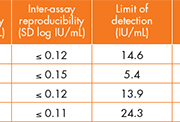
Jacques Izopet reported very good analytical performance results for all four VERIS assays that are currently available (table 1). In addition, these assays demonstrated good agreement with an alternative method (Cobas® Ampliprep/ Cobas® TaqMan™). Significantly, in a patient monitoring setting, the VERIS CMV assay demonstrated overlapping patterns compared to this alternative for plasma samples and compared to a whole blood reference method (figure 1).
Rafael Delgado then went on to present the results from his evaluation of the VERIS CMV and HBV assays. At his laboratory, both assays were extremely sensitive and specific, exhibited a high linearity and repeatability, and showed good correlation with an alternative method (Cobas Ampliprep/ Cobas TaqMan*) (figure 2). In addition, the system demonstrated no carry over when known high positive samples were interspersed among known negative samples.
Rafael Delgado concluded that the overall performance and easy to use design of the DxN VERIS platform facilitated the introduction of this technology in the laboratory and that the DxN VERIS CMV and HBV viral load assays are helpful new solutions for patient management.
In his evaluation of the DxN VERIS HBV assay, Duncan Whittaker observed excellent precision (within and between run), with a standard deviation of ≤ 0.12, and a limit of detection of 7.99 IU/mL, which is less than the manufacturer’s claim of 10 IU/mL. He described the existing method at the Sheffield laboratory as very manual (with separate extraction and amplification systems) which was adequate when they received just 10-12 HBV samples every two weeks but which struggles to cope now that they are receiving up to 80 samples per week.
Duncan Whittaker reported that the quantitative results from the VERIS assay were similar to their exisitng method (Qiagen) (figure 3) with improved precision at lower levels (table 2). He was also able to demonstrate excellent performance and reproducibility across HBV genotypes. In conclusion, he stated that the DxN VERIS Molecular Diagnostics System offers significant improvements in laboratory workflow and time.
Finally, Giovanni Gesu also shared his results from the evaluation of the DxN VERIS HBV assay. At the Niguarda ca’ Granda Hospital in Milan, DxN VERIS HBV demonstrated excellent within and between run precision (SD ≤ 0.156), linearity (1.63 – 8.82 log IU/mL) and sensitivity (limit of detection 6.82 IU/mL), and performed well compared to an alternative HBV real time method (Abbott m2000).
In order to demonstrate the potential workflow and throughput efficiences that the DxN VERIS platform could achieve, Giovanni Gesu applied the throughput capabilities of this new system to a typical day in his laboratory, in which 33 CMV, 17 HBV, 26 HCV and 21 HIV samples were received. With samples arriving at two hour intervals throughout the day between 10am and 4pm, the true single sample random access capability of the DxN VERIS platform combined with assay runtimes of around 70 minutes for DNA tests and around 110 minutes for RNA tests, would mean that samples would not need to be batched and that all results could be reported by 6pm on the same day (figure 4).
Conclusions
In conclusion, each of the speakers at the ECCMID Symposium agreed that the analytical performance of the DxN VERIS assays evaluated was excellent, and they compared well to other molecular diagnostic assays currently available. In addition, the sample-to- result automation and true single sample random access of the DxN VERIS Molecular Diagnostics System offer workflow improvements and laboratory efficiencies.
For further information about the DxN VERIS Molecular Diagnostics System and the DxN VERIS assays currently available, please contact: Tiffany Page, Senior Pan European Marketing Manager Molecular Diagnostics, Email: info@beckmanmolecular.com
*Not for sale or distribution in the U.S.; not available in all markets.
** TaqMan® is a registered trademark of Roche Molecular Systems, Inc. Used under permission and license.
Beckman Coulter, the stylized logo, DxN and VERIS are trademarks of Beckman Coulter, Inc. Beckman Coulter and the stylized logo are registered in the USPTO.



June 2026

Prins Hendrikstraat 1
5611HH Eindhoven
The Netherlands
info@clinlabint.com
PanGlobal Media is not responsible for any error or omission that might occur in the electronic display of product or company data.