Shimadzu Europe
  • News
    • Featured Articles
    • Product News
    • E-News
  • Magazine
    • About us
    • Digital edition
    • Archived issues
    • Free subscriptions
    • Media kit
    • Submit Press Release
  • White Papers
  • Events
  • Suppliers
  • E-Alert
  • Contact us
  • FREE newsletter subscription
  • Search
  • Menu Menu
Clinical Laboratory int.
  • Allergies
  • Cardiac
  • Gastrointestinal
  • Hematology
  • Microbiology
  • Microscopy & Imaging
  • Molecular Diagnostics
  • Pathology & Histology
  • Protein Analysis
  • Rapid Tests
  • Therapeutic Drug Monitoring
  • Tumour Markers
  • Urine Analysis

Archive for category: Featured Articles

Featured Articles

C207 Martin Crockard

Rapid DNA mutational profiling for Familial Hypercholesterolemia

, 26 August 2020/in Featured Articles /by 3wmedia

Since the mapping of the human genome was completed over a decade ago, our knowledge of genetic drivers of disease continues to evolve at an ever-quickening pace. Consequently, genetic testing and pharmacogenomics have become common within the healthcare system and have generated the knowledge that has empowered us to both understand and influence our lifelong health through pre-emptive intervention.  
Progress in medical genomics and its impact on healthcare cannot be understated; from genotyping patients to predict drug response, to stratifying patients according to the risk of a disease, molecular testing is having a very positive impact on many patient treatment pathways.
Undoubtedly, we are now more aware and in control of our health than ever before. It is no surprise then that the molecular diagnostic market has become the fastest growing segment of the IVD industry with assays serving the gamut of disease areas and breaking new boundaries in personalized healthcare. Despite the public appetite and availability of powerful molecular diagnostic assays that can unequivocally diagnose genetic disorders, their use has not gained universal acceptance. Many traditional diagnostic tests continue to under-diagnose, or diagnostic testing is not attempted, leading to missed opportunities for early and appropriate therapy intervention of potentially life-threatening diseases. One prime example where a molecular diagnostic approach can improve health is mutation profiling for Familial Hypercholesterolemia (FH).

Familial Hypercholesterolemia
Familial Hypercholesterolemia (FH) is a genetic disorder of lipoprotein metabolism. It is a common autosomal dominant, or inherited, disease which affects the plasma clearance of LDL-cholesterol (LDL-C), resulting in premature onset of cardiovascular disease (CVD) and a higher mortality risk.

Early diagnosis of FH is very advantageous as by the time heterozygous FH sufferers enter early adulthood they will have accumulated years of continuous build-up of fatty or lipid masses in arterial walls and are at one hundred-fold greater risk of a heart attack than their non-FH peers. If left untreated, men and women with heterozygous FH with total cholesterol levels of 8–15 mmol/L typically develop coronary heart disease (CHD) before age 55 and 60, while homozygotes with total cholesterol levels of 12–30 mmol/L typically develop CHD very early in life and if untreated die before age 20.
Clinical diagnosis of FH relies on five criteria: family history, clinical history of premature CHD, physical examination for xanthomas and corneal arcus, very high LDL cholesterol on repeated measurements, and / or a causative mutation detected by molecular genetics. To formally quantify this, a number of sets of statistically and genetically validated criteria have been devised; namely the Dutch Lipid Clinic Network Criteria and the Simon Broome Criteria. These classify suspected cases into definite, possible and probable diagnoses of FH. In the absence of definitive diagnosis through detection of a causative mutation using molecular genetics, clinical diagnosis could miss a considerable proportion of FH patients, particularly those with a mild phenotype and the pediatric population in whom the phenotype has not appeared yet.

The UK, US and international guidelines now recommend that probable or possible FH patients undergo a DNA test to confirm the diagnosis of FH. Recommendations also advocate that once an activating mutation has been found in one family member (the index case), cascade screening of that mutation in first degree relatives of the index case should proceed.  Cascade screening using a molecular assay can thus identify index family members who may otherwise be asymptomatic.

The good news is that if detected early, FH can be treated successfully with lipid lowering therapy and lifestyle changes.  In comparison to other hyperlipidemias, FH therapy tends to be more aggressive, so definitive diagnosis has additional benefits in determining care packages.  Statin drug therapy significantly reduces the morbidity and mortality from premature coronary disease in FH, particularly if affected individuals are identified and treated in childhood or early adulthood. Accurate and early diagnosis of specific mutations can result in a better overall outcome for patients through the prescribing of tailored treatments to reduce morbidity and mortality from premature cardiovascular disease. Different mutations can dictate different directions of management, such as the poorer response to lipid-lowering therapy with certain LDLR mutations. The identity of the gene involved can potentially aid the clinician to decide on how aggressive the treatment strategy will be.

Mutation diagnosis also provides clarity, and can help with an individual’s understanding and acceptance of their condition. Also a greater compliance with cholesterol lowering medication is observed with those who have been genetically diagnosed with FH.

Mutational profiling of FH
Currently, ~1200 mutations have been documented worldwide in LDLR; these affect all functional domains of the LDL receptor protein and include single-nucleotide mutations, copy number variations, and splicing mutations throughout the LDLR gene. A single mutation, Arg3500Gln, is the only common FH-related mutation in APOB, while c.1120G>T mutation is predominately detected in PCSK9. Heterozygous LDLR, APOB, and PCSK9 mutations are found in >90%, ~5%, and ~1%, respectively, of heterozygous FH subjects with a causative mutation. Prevalence varies geographically.

The abundance of different FH mutations can make genetic testing labour-intensive and costly, with many laboratories defaulting to performing expensive and lengthy Next Generation Sequencing (NGS) tests in an effort to ensure a comprehensive mutational screen. However, as our understanding of the genetic drivers of FH, as well as common population-specific mutations, increases, novel assays and techniques are being developed to meet the needs facing clinical genetics laboratories, including cost, throughput and time to result.

Randox Laboratories have developed The Familial Hypercholesterolaemia (FH) Arrays I and II that are rapid, simple and accurate diagnostic tests which enable simultaneous detection of 40 FH-causing mutations (20 mutations per array) within the LDLR, ApoB and PCSK9 genes. The assay is based on multiplex PCR followed by biochip array hybridization. Using mutation rate data from a study of 500 UK and Ireland families with genetically-confirmed FH, the Randox FH Arrays are capable of detecting approximately 71% of activating mutations in this population. The mutations will also be detected in other geographical regions.

The assay can be completed from extracted DNA to an easy-to-interpret result report in 3 hours, with the requirement for only 20ng of genomic DNA per array. The system can be used to detect small base changes, insertions and deletions within the same multiplex PCR, allowing addition of new FH mutational targets if required. The arrays are designed for use on the Evidence Investigator (Randox Laboratories Limited, Crumlin, UK). This instrument has been developed alongside Randox’s proprietary Biochip Array Technology (BAT), a multiplex testing platform founded on ELISA principles that currently has application within clinical immunoassays, drug development R&D, clinical research, forensic and clinical toxicology, veterinary drug residues and molecular diagnostics.

FH Array I and II workflow

Randox’s multiplex assays, such as FH Array I and II, have been specifically designed to detect the most common mutations, provide a cost-effective and clinically relevant alternative to NGS testing. Targeting the most commonly detected mutations in a given population enables diagnosis within hours rather than months. Where a mutation is identified in an index patient, cascade testing of family members only requires the mutation in question to be targeted; therefore negating the use of broad profiling approaches such as NGS in this setting.

Conclusion
FH is a common yet underdiagnosed condition that poses a significant risk to public health worldwide. In 2008, cardiovascular diseases were the leading cause of non-communicable deaths worldwide, with an estimated mortality rate of 17 million people. Raised cholesterol was attributed to 2.6 million deaths. Understanding a person’s genetic predisposition to cardiovascular disease through genetic testing will allow patients to receive appropriate therapeutic and interventional treatment to reduce morbidity and mortality associated with cardiovascular disease.
Pioneering multiplex diagnostic assays, tailored to incorporate the relevant FH-causing mutations, provide a promising future for both genetic laboratories, where a rapid, cost-effective approach to determine mutational status in cases of suspected FH is enabled, and the patient, whose treatment and care pathway is managed effectively.

The author
Martin Crockard, PhD
Randox Laboratories Ltd.
55 Diamond Road, Crumlin, Co. Antrim
U.K.

https://clinlabint.com/wp-content/uploads/sites/2/2020/08/C207_Martin-Crockard.jpg 300 300 3wmedia https://clinlabint.com/wp-content/uploads/sites/2/2020/06/clinlab-logo.png 3wmedia2020-08-26 09:43:172021-01-08 11:36:32Rapid DNA mutational profiling for Familial Hypercholesterolemia
26997 Instr

New ACL TOP Family 50 Series

, 26 August 2020/in Featured Articles /by 3wmedia
https://clinlabint.com/wp-content/uploads/sites/2/2020/08/26997-Instr.jpg 993 700 3wmedia https://clinlabint.com/wp-content/uploads/sites/2/2020/06/clinlab-logo.png 3wmedia2020-08-26 09:43:172021-01-08 11:36:15New ACL TOP Family 50 Series
26825 Biosystems OCTOBER AD

A broad range of systems to streamline the entire testing process….

, 26 August 2020/in Featured Articles /by 3wmedia
https://clinlabint.com/wp-content/uploads/sites/2/2020/08/26825-Biosystems-OCTOBER-AD.jpg 991 700 3wmedia https://clinlabint.com/wp-content/uploads/sites/2/2020/06/clinlab-logo.png 3wmedia2020-08-26 09:43:172021-01-08 11:36:14A broad range of systems to streamline the entire testing process….
26962 Beckman AD 50420 CLI June Veris Ad

Introducing the DxN VERIS Molecular Diagnostics System

, 26 August 2020/in Featured Articles /by 3wmedia
https://clinlabint.com/wp-content/uploads/sites/2/2020/08/26962-Beckman-AD-50420-CLI-June-Veris-Ad.jpg 949 700 3wmedia https://clinlabint.com/wp-content/uploads/sites/2/2020/06/clinlab-logo.png 3wmedia2020-08-26 09:43:172021-01-08 11:36:29Introducing the DxN VERIS Molecular Diagnostics System
27011 Shimadzu ClinicalLab 0915

LCMS-triple-quadrupole combines all UF technologie

, 26 August 2020/in Featured Articles /by 3wmedia
https://clinlabint.com/wp-content/uploads/sites/2/2020/08/27011-Shimadzu_ClinicalLab_0915.jpg 987 700 3wmedia https://clinlabint.com/wp-content/uploads/sites/2/2020/06/clinlab-logo.png 3wmedia2020-08-26 09:43:172021-01-08 11:36:18LCMS-triple-quadrupole combines all UF technologie
26988 Operon Anuncio Oligogen CLINICAL LABORATORY

OligoGen products

, 26 August 2020/in Featured Articles /by 3wmedia
https://clinlabint.com/wp-content/uploads/sites/2/2020/08/26988-Operon-Anuncio-Oligogen-CLINICAL-LABORATORY.jpg 1000 697 3wmedia https://clinlabint.com/wp-content/uploads/sites/2/2020/06/clinlab-logo.png 3wmedia2020-08-26 09:43:172021-01-08 11:36:29OligoGen products
p.6 01

Combined PCT and MR-proADM testing in the diagnosis and prognosis of severe sepsis and septic shock

, 26 August 2020/in Featured Articles /by 3wmedia

Early diagnosis of sepsis is essential for enabling appropriate treatment. PCT and MR-pro ADM have been shown to be independent biomarkers for sepsis and progression to septic shock, and simultaneous analysis seems to be more effective than the single marker approach.

by Dr S. Angeletti, M. De Cesaris, Dr A. Lo Presti, et al.

Introduction
Sepsis is a severe condition that represents the tenth most common cause of death in the USA. In Europe, sepsis occurs in more than 35% of the patients admitted in the intensive care unit. The mortality associated with sepsis is approximately 28% and it rises to 40–60% in cases of septic shock, despite adequate treatment administration. Nearly 9% of patients with sepsis experience severe sepsis and nearly 3% progress to septic shock leading to multi-organ failure. More than 50% of patients affected by septic shock do not survive [1–3]. Consequently, the rapid recognition and treatment of sepsis is mandatory to reduce both the mortality and the hospitalization with related costs [1-3].

Sepsis is commonly defined as the presence of infection in conjunction with the systemic inflammatory response syndrome (SIRS); severe sepsis, as sepsis complicated by organ dysfunction; and septic shock, as sepsis-induced acute circulatory failure characterized by persistent arterial hypotension despite adequate volume resuscitation and not explained by other causes [1, 4]. The diagnosis of sepsis and evaluation of its severity is complicated by the highly variable and non-specific nature of the signs and symptoms of sepsis [5]. However, the early diagnosis and stratification of the severity of sepsis is very important, increasing the possibility of starting timely and specific treatment [4, 6].

The gold standard for detection of bloodstream infections is blood culture. The time required for a positive blood culture result depends on the incubation time required for the culture to turn positive and the subsequent biochemical identification, along with an antibiotic sensitivity test, both of which usually take 48 h [7]. Furthermore, in some cases, blood culture results remain negative owing to empirical broad-spectrum antibiotics that are frequently started in the presence of SIRS and often continued for a prolonged time course despite the absence of clinical and microbiological data supporting a diagnosis of bacterial infection [4, 8]. Several studies have evaluated the diagnostic utility of various biomarkers, including ferritin, haptoglobin, interleukin 6, C-reactive protein (CRP) and procalcitonin (PCT) for suspected sepsis in the ICU patient population [9–11].

It remains difficult to differentiate sepsis from other non-infectious causes of SIRS [12] and there is a continuous search for better biomarkers of sepsis.

PCT is a polypeptide that has demonstrated the highest reliability in the early diagnosis of sepsis, severe sepsis or septic shock compared to other plasma biomarkers or clinical data alone [13]. Moreover, PCT has been advocated also to clarify the bacterial origin of some localized infections [14–15].

The mid-regional pro-adrenomedullin (MR-proADM) has been shown to play a decisive role in both the induction of hyper-dynamic circulation during the early stages of sepsis and the progression to septic shock [16–18], and recently it has been reported that MR-proADM differentiates sepsis from non-infectious SIRS with high specificity. Moreover, simultaneous evaluation of MR-proADM and PCT in septic patients increased the post-test diagnostic probabilities compared to the independent determination of individual markers [19–20]; probably the multimarker approach seems to be the more effective [14, 19].

The aim of the present study was to perform a focused evaluation of the role of the combination of PCT and MR-proADM in patients with severe sepsis and septic shock (SS) to differentiate it from patients with mild sepsis or SIRS for a prompt and specific treatment administration.

Methods
Patient and control characteristics
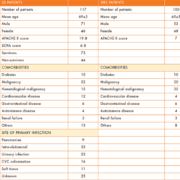
One hundred and seventeen patients with SS and 100 patients with SIRS, hospitalized at the University Hospital Campus Bio-Medico of Rome between the years 2012 and 2014, were enrolled in the study. The patients’ details are reported in Table 1.

Sepsis was defined by the American College of Chest Physicians/Society of Critical Care Medicine Consensus Conference definition of sepsis [4] based on the presence of a recognized site of infection and evidence of a SIRS occurring when at least two of the following criteria are present: body temperature higher than 38°C or lower than 36°C, heart rate higher than 90 beats per minute, respiratory rate higher than 20 breaths per minute or hyperventilation as indicated by an arterial partial pressure of carbon dioxide (PaCO2) lower than 32 mm Hg and a white blood cell count of higher than 12,000 cells/mm3 or lower than 4,000.

Patients were classified according to clinical signs into SS and SIRS. Acute physiological and chronic health evaluation (APACHE) II and sequential organ failure assessment (SOFA) scores were computed. APACHE II scores in SS and SIRS patients were calculated by Medscape, APACHE II scoring system calculator [21]. The SOFA score was calculated only for SS patients to better define the severity of the sepsis [22–23]. The study was approved by the Ethics Committee of the University Hospital Campus Bio- Medico, Rome, Italy.

Blood culture
Blood samples for blood culture were collected when patients showed the symptoms and signs of SIRS [1, 2, 4]. Blood culture included three sets (time 0, time 30 and time 60 min) of one aerobic and one anaerobic broth bottles (Bactec Plus Aerobic/F, Bactec Plus Anaerobic/F, Beckton Dickinson) per patient drawn during 1-h period of clinically suspected bloodstream infection. Blood culture vials were incubated in the Bactec 9240 automated system (Beckton Dickinson). Blood culture samples that turned positive were immediately processed for Gram staining and cultivated. Bacterial identification was performed by MALDI-TOF, as previously described [24].

PCT and MR-proADM measurement

The plasma concentrations of PCT and MR-proADM were measured by an automated analyser using a time-resolved amplified emission method (Kryptor, Brahms AG), with commercially available assays (Brahms AG) [25].

Statistical analysis
Data was analysed using MedCalc 11.6.1.0 statistical package (MedCalc Software). Plasma levels of PCT and MR-proADM were log-transformed to achieve a normal distribution. The normal distribution of each marker concentration was tested by the Kolmogorov–Smirnov test. PCT and MR-proADM in patients with SIRS and SS were compared using the Mann–Whitney test. Multiple logistic regression analysis (stepwise method) using SS versus PCT and MR-proADM was performed and the odds ratio (OR) computed. For OR calculation variables were retained for P<0.05 and removed for P>0.1.

Receiver operating characteristic (ROC) analysis was performed among independent variables associated with SS to define the cut-off point for plasma PCT and MR-proADM and their diagnostic accuracy to predict SS [26]. Pre-test odds, post-test odds and the consequent post-test probability were computed to investigate whether the combination of PCT and MR-proADM improves post-test probability. Likelihood ratios were used as these tests are not prone to bias due to prevalence rates [27].

Results
Patients with SS and SIRS characteristics
The mean age of the 117 patients with SS (71 men and 46 women) was 69 ± 3 years (Table 1). The principal comorbidities of patients with SS and SIRS and the sources of bacteremia are summarized in Table 1. In patients with SS the average APACHE II score value was 19.8, corresponding to 24% risk of death and the average SOFA score was 6.8 corresponding to a predicted mortality of <33%. In patients with SIRS the APACHE II score was 7, corresponding to 6% risk of death (Table 1). SS was caused by Gram-negative pathogens in 63/117 (54%) of patients and in Gram-negative sepsis, E. coli (28/63; 44.4%) was the most frequent isolate. Gram-positive SS was present in 24/117 (20.5%) of cases and the most frequent pathogen was S. aureus (14/24; 58.3%), whereas C. albicans was the most frequent isolate in yeast-positive cultures (10/117; 8.5%) and blood cultures were polymicrobial in 20/117 (17%) cases. Bacterial isolates from positive blood culture are reported in Table 2.

PCT and MR-proADM in patients with SS and SIRS
Median values, interquartile ranges (25th percentile and 75th percentile) and Mann–Whitney comparison of PCT and MR-proADM analysed in patients with SS and SIRS are reported in Table 3. PCT and MR-proADM values were significantly higher in patients with SS than SIRS (P<0.0001) (Table 3 and Figure 1). ROC curve and AUC analysis of PCT and MR-proADM in patients with SS
In SS patients, the area under curve (AUC) values of PCT and MR-proADM are reported in Table 4. Based upon ROC curve analysis and AUC characteristics, PCT and MR-proADM were considered applicable for sepsis diagnosis at the cut-off values of 0.5 ng/mL and 1 nmol/L, respectively (Table 4 and Figure 2).
Multiple logistic regression analysis
Multiple logistic regression analysis using SS as the dependent variable and PCT and MR-proADM as independent variables is reported in Table 5. Patients with MR-proADM >1 nmol/L have ‌~195 times the probability of being affected by SS than patients with SIRS, and patients with PCT values >0.5 ng/mL have the probability of developing SS 49 times more than SIRS.

Combined PCT and MR-proADM measurement in SS diagnosis: post-test probability calculation
In patients with SS, PCT and MR-proADM used as single markers have a post-test probability of 0.964 and 0.936, respectively. The combination of PCT and MR-proADM resulted in a higher value of post-test probability, 0.996 (Table 4).

Discussion
The early diagnosis and stratification of the severity of sepsis are essential, increasing the possibility of starting timely the specific treatment, especially in patients affected by SS. In this study, the combined measurement of PCT and MR-proADM in patients with SS was evaluated in order to establish the advantage derived from the use of a multimarker rather than a single marker approach.

PCT has been described as a reliable marker in the early diagnosis of sepsis compared to other plasma biomarkers or clinical data alone [13, 14, 19]. MR-proADM has been used as marker of disease severity in different clinical setting and recently its combination with PCT in bacterial infections and sepsis has been evaluated [28–32, 14, 19]. The combination of PCT and MR-proADM could allow the simultaneous evaluation of the presence of a bacterial infection as well as of the severity of this infection, giving to the ward clinicians a first useful indication waiting for blood culture positivity.

Results from this study demonstrated that in patients with SS, PCT and MR-proADM values are significantly higher than patients with SIRS. ROC curve analysis of PCT and MR-proADM demonstrated a high diagnostic accuracy of these two markers in SS diagnosis at the cut-off value of 0.5 ng/mL and 1 nmol/L, respectively. The logistic regression analysis showed higher OR values for both markers indicating a significant increased risk of having SS when these markers are higher than the cut-off values established. Furthermore, the combination of the two markers leads to a very high post-test probability value of about 99.6%.

These data confirmed the important role of the combination of PCT and MR-proADM in the diagnosis and prognosis of patients with sepsis rather than the single marker approach, because it combines the diagnostic ability of PCT with the prognostic value of MR-proADM, as already described in localized bacterial infections and not complicated sepsis [14, 19].

In conclusion, this study further support the advantage derived from the multi-marker approach in sepsis diagnosis and prognosis, especially in critically ill patients.

References
1. Dellinger RP, Levy MM, Rhodes A, Annane D, Gerlach H, et al. Surviving Sepsis Campaign: international guidelines for management of severe sepsis and septic shock, 2012. Intensive Care Med. 2013; 39: 165–228.
2. Levy MM, Fink MP, Marshall JC, Abraham E, Angus D, et al. 2001 SCCM/ESICM/ACCP/ATS/SIS international sepsis definitions conference. Crit Care Med 2003; 31: 1250–1256.
3. Angus DC, Linde-Zwirble WT, Lidicker J, Clermont G, Carcillo J, Pinsky MR. Epidemiology of severe sepsis in the United States: analysis of incidence, outcome, and associated costs of care. Crit Care Med. 2001; 29: 1303–1310.
4. American College of Chest Physicians/Society of Critical Care Medicine. American College of Chest Physicians/Society of Critical Care Medicine consensus conference: definitions for sepsis and organ failure and guidelines for the use of innovative therapies in sepsis. Crit Care Med. 1992; 20: 864–874.
5. Martin GS, Mannino DM, Eaton S, Moss M. The epidemiology of sepsis in the United States from 1979 through 2000. N Engl J Med. 2003; 348: 1546–1554.
6. Russell JA. Management of sepsis. N Engl J Med. 2006; 355: 1699–1713.
7. Cherkaoui A, Hibbs J, Emonet S, Tangomo M, Girard M, et al. Comparison of two matrix-assisted laser desorption ionization time of flight mass spectrometry methods with conventional phenotypic identification for routine identification of bacteria to the species level. J Clin Microbiol. 2010; 48: 1169–1175.
8. Gullo A, Bianco N, Berlot G. Management of severe sepsis and septic shock: challenges and recommendations. Crit Care Clin. 2006; 22: 489–501.
9. Biomarkers Definitions Working Group. Biomarkers and surrogate endpoints: preferred definitions and conceptual framework. Clin Pharmacol Ther. 2001; 69: 89–95.
10. Marshall JC, Reinhart K. Biomarkers of sepsis. Crit Care Med. 2009, 37: 2290–2298.
11. Nakamura A, Wada H, Ikejiri M, Hatada T, Sakurai H, et al. Efficacy of procalcitonin in the early diagnosis of bacterial infections in a critical care unit. Shock 2009, 31: 591.
12. Vänskä M, Koivula I, Jantunen E, Hämäläinen S, Purhonen AK, et al. IL-10 combined with procalcitonin improves early prediction of complications of febrile neutropenia in hematological patients. Cytokine 2012; 60: 787–792.
13. Assicot M, Gendrel D, Carsin H, Raymond J, Guilbaud J, Bohuon C. High serum procalcitonin concentrations in patients with sepsis and infection. Lancet 1993; 341: 515–518.
14. Angeletti S, Spoto S, Fogolari M, Cortigiani M, Fioravanti M, et al. Diagnostic and prognostic role of procalcitonin (PCT) and MR-pro-Adrenomedullin (MR-proADM) in bacterial infections. APMIS 2015; 123: 740–748.
15. Kojic D, Siegler BH, Uhle F, Lichtenstern C1, Nawroth PP, et al. Are there new approaches for diagnosis, therapy guidance and outcome prediction of sepsis? World J Exp Med. 2015; 5: 50–63.
16. Hirata Y, Mitaka C, Sato K, Nagura T, Tsunoda Y, et al. Increased circulating adrenomedullin, a novel vasodilatory peptide, in sepsis. J Clin Endocrinol Metab. 1996; 81: 1449–1153.
17. Kitamura K, Kangawa K, Kawamoto M, Ichiki Y, Nakamura S, et al. Adrenomedullin: a novel hypotensive peptide isolated from human pheochromocytoma. Biochem Biophys Res Commun. 2012; 425: 548–555.
18. Zhou M, Ba ZF, Chaudry IH, Wang P. Adrenomedullin binding protein-1 modulates vascular responsiveness to adrenomedullin in late sepsis. Am J Physiol Regul Integr Comp Physiol. 2002; 283: R553–560.
19. Angeletti S, Battistoni F, Fioravanti M, Bernardini S, Dicuonzo G. Procalcitonin and mid-regional pro-adrenomedullin test combination in sepsis diagnosis. Clin Chem Lab Med. 2013; 51: 1059–1067.
20. Suberviola B, Castellanos-Ortega A, Ruiz Ruiz A, Lopez-Hoyos M, Santibañez M. Hospital mortality prognostication in sepsis using the new biomarkers suPAR and proADM in a single determination on ICU admission. Intensive Care Med. 2013; 39: 1945–1952.
21. Knaus WA, Draper EA, Wagner DP, Zimmerman JE. APACHE II: a severity of disease classification system Crit Care Med. 1985; 13: 818–829.
22. Vincent JL, de Mendonça A, Cantraine F, Moreno R, Takala J. Use of the SOFA score to assess the incidence of organ dysfunction/failure in intensive care units: results of a multicenter, prospective study. Working group on “sepsis-related problems” of the European Society of Intensive Care Medicine. Crit Care Med. 1998; 26: 1793–1800.
23. Kajdacsy-Balla Amaral AC, Andrade FM, Moreno R, Artigas A, Cantraine F, Vincent JL. Use of the sequential organ failure assessment score as a severity score. Intensive Care Med. 2005; 31: 243–249.
24. Angeletti S, Dicuonzo G, D’Agostino A, Avola A, Crea F. Turnaround time of positive blood cultures after the introduction of matrix-assisted laser desorption-ionization time-of-flight mass spectrometry. New Microbiol. 2015; 38: 379–386.
25. Christ-Crain M, Morgenthaler NG, Struck J, Harbarth S, Bergmann A, Müller B. Mid-regional pro-adrenomedullin as a prognostic marker in sepsis: an observational study. Crit Care 2005; 9: R816–824.
26. Florkowski CM. Sensitivity, specificity, receiver-operating characteristic (ROC) curves and likelihood ratios: communicating the performance of diagnostic tests. Clin Biochem Rev. 2008;29(Suppl 1): S83–7.
27. Albert A. On the use and computation of Likelihood ratios in clinical chemistry. Clin Chem. 1982; 28: 1113–1119.
28. Maisel A, Mueller C, Nowak R, Peacock WF, Landsberg JW, et al. Mid-Region pro-hormone markers for diagnosis and prognosis in acute dyspnea. J Am Coll Cardiol. 2010; 55: 2062–2076.
29. Maisel A, Mueller C, Nowak R, Peacock WF, Ponikowski P, et al. MidRegion prohormone adrenomedullin and prognosis in patients presenting with acute dyspnea. J Am Coll Cardiol. 2011; 58: 10572–10567.
30. Paecock WF, Nowak R, Christenson R, DiSomma S, Neath SX, et al. Short-term mortality risk in emergency department acute heart failure. Acad Emerg Med. 2011; 18: 947–958.
31. Travaglino F, De Berardinis B, Magrini L, Bongiovanni C, Candelli M, et al. Utility of procalictonin (PCT) and mid regional pro-adrenomedullin (MR-proADM) in risk stratification of critically ill febrile patients in emergency department (ED). A comparison with APACHE II score. BMC Infect Dis. 2012; 12: 184.
32. Hagag AA, Elmahdy HS, Ezzat AA. Prognostic value of plasma pro-adrenomedullin and antithrombin levels in neonatal sepsis. Indian Pediatr. 2011; 48: 471–473.

The authors
S. Angeletti*1 MD, M. De Cesaris1, A. Lo Presti2 PhD, M. Fioravanti1, F. Antonelli1, R. Ottaviani1, L. Pedicino1, A. Conti1, A. M. Lanotte1, M. Fogolari1 MD, M. Ciccozzi2 PhD, G. Dicuonzo1 MD

1Clinical Pathology and Microbiology Laboratory, University Hospital Campus Bio-Medico of Rome, Italy
2Department of Infectious, Parasitic, and Immune-Mediated Diseases, Epidemiology Unit, Reference Centre on Phylogeny, Molecular Epidemiology, and Microbial Evolution (FEMEM), National Institute of Health, Rome, Italy

*Corresponding author
E-mail: s.angeletti@unicampus.it

https://clinlabint.com/wp-content/uploads/sites/2/2020/08/p.6_01.jpg 555 600 3wmedia https://clinlabint.com/wp-content/uploads/sites/2/2020/06/clinlab-logo.png 3wmedia2020-08-26 09:43:172021-01-08 11:36:10Combined PCT and MR-proADM testing in the diagnosis and prognosis of severe sepsis and septic shock
C206 Morreau Fig 1 ED AS cropped

Diagnostically challenging cases: distinguishing primary from secondary ovarian tumours

, 26 August 2020/in Featured Articles /by 3wmedia

Tumours found in the ovaries can be either from primary ovarian tumour processes or metastases (secondary tumours) foremost from colorectal cancer (CRC), appendiceal tumours or stomach cancer. Correctly distinguishing between these tumour subsets using hematoxylin-eosin staining in combination with immunohistochemistry can be problematic [1–3], but is crucial for correct treatment choice. Mutation profiles, generated in a fast and cost-effective way by (targeted) Next Generation Sequencing (NGS), can assist in correctly diagnosing ovarian tumours.

by Stijn Crobach and Prof. Hans Morreau

Background
The ovaries are a preferential location for metastases from, among others, colon, stomach, appendiceal, breast and endometrium carcinomas. The percentage of secondary ovarian tumours (metastases), varies in several reports ranging from 8–30% [4, 5]. Several reasons can be given to explain why the range of percentages is so broad. First, studies are different by design. Some studies are based on autopsy findings, others on prophylactic oophorectomies. Second, differences in incidence of primary tumours can cause a variance in patterns of metastases. For example, stomach cancer has a higher incidence in Japan than in many other countries; therefore, metastases of stomach cancer to the ovaries are expected to be more common in Japan. In general, however, the gastrointestinal tract (GIT) seems to be the main source of ovarian metastases [5].

Macroscopic and histologic approaches
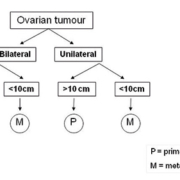
A gross distinction between primary and secondary ovarian tumours can be made taking tumour size and unilaterality versus bilaterality into account [6]. Following the decision tree depicted in Figure 1, it is possible to estimate whether an ovarian tumour is a primary tumour or a metastasis. A unilateral ovarian tumour with a diameter larger than 10 cm is probably a primary tumour. All bilateral and unilateral tumours smaller than 10 cm are much more likely to be metastases.

The histologic characteristics of metastatic GIT ovarian tumours can resemble primary endometrioid and mucinous ovarian tumours, but not serous papillary or clear cell tumours. Thus, based on histology a subset of primary ovarian tumours does not cause diagnostic doubt about the origin of the malignancy. Furthermore, other histologic findings can assist in defining the malignancy. For example, on the one hand, surface involvement by malignant epithelial cells is much more often seen in metastases than in primary ovarian tumours. On the other hand, however, an expansile growth pattern is more often seen in primary ovarian tumours. So, with the help of histopathological findings the characterization of a primary origin or a metastatic process becomes more achievable.

Immunohistochemical approaches
The logical next step in differentiating primary ovarian tumours from metastases is with the use of immunohistochemistry. For example, primary ovarian tumours are classically positive for keratin 7 and negative for keratin 20, whereas colorectal tumours show the opposed staining pattern (keratin 7 negative, keratin 20 positive) [7]. Other markers can also be used, not only to rule out an ovarian origin of the tumour but also to get an idea about the location of the primary tumour. Positivity of intestinal markers [such as carcinoembryonic antigen (CEA) and caudal type homeobox 2 (CDX-2)] can be an argument for an intestinal origin of the tumour cells [8].

Furthermore, when a colon carcinoma is already diagnosed before the ovarian tumour is discovered, the staining profile of the metastasis can be compared with the primary tumour. However, in up to 38% of cases the detection of ovarian metastases precedes the detection of the primary tumours. Also, secondary primary ovarian tumours can occur in patients that anamnestically suffered from another malignancy, complicating the diagnostic procedures. In practice, immunohistochemistry is frequently not fully discriminating. As mentioned, primary ovarian tumours tend to have a Ker7+/Ker20− immunoprofile and colonic metastases a Ker7−/Ker20+ immunoprofile. Nevertheless, keratin 7 positivity can be seen in proximal located GIT tumours, and keratin 20 positivity can also be seen in primary ovarian malignancies. In Figure 2, a guided immunohistochemical decision scheme is shown for complex cases.

Molecular diagnostic approaches
With the combined use of clinical information, histologic features and immunohistochemical staining patterns, differentiating primary tumours from metastases is possible in a substantial subset of cases. With a history of a colorectal tumour and the presentation of a large ovarian mass a few years later showing a similar immunoprofile, it is not difficult to decide that this tumour is a metastasis. Nevertheless, there are cases that are not as clear-cut. In those cases tumour size, unilaterality versus bilaterality and the histologic findings are not discriminating enough to solve the challenge. New approaches using massive parallel DNA sequencing (Next Generation Sequencing; NGS) have emerged in recent years.

Cancer driver genes (oncogenes and tumour suppressor genes) can be screened for DNA mutations in different tumour types. In the Catalogue Of Somatic Mutations In Cancer (COSMIC; http://cancer.sanger.ac.uk/cosmic), literature on these profiles has been compiled [9]. It was hoped that comparing mutational profiles of primary ovarian tumours versus metastases from different organs would reveal specific mutation patterns and/or mutation types in different tumour types.

NGS enables the screening of a large number of genes in a fast and cost-effective way. Previously, Sanger DNA sequencing was used to detect mutations in clinically relevant genes. However, screening complete genes and multiple genes in this way is a time-consuming process. Now, with the introduction of the disruptive NGS technology, it is possible to sequence multiple genes at the same time. NGS will become a standard technique in diagnostics for identifying gene mutations, chromosomal rearrangements and RNA expression/mRNA patterns [10]. One would expect that large scale screening of molecular alterations will results in very specific profiles per tumour type. Each tumour type could be defined by subsets of mutated genes. However, recent studies show that the mutation profiles do not differ so much between tumour types [11]. A few well-known so-called cancer driver genes seem to be important in many malignancies. Other (passenger) mutations, which are also needed in tumorigenesis, seem to be interchangeable. Apparently, there is wide overlap in mutation profiles. Looking at mutations described in the COSMIC database or The Cancer Genome Atlas (TCGA) at the current time, similar mutations can be seen in both primary ovarian tumours and metastases, although with different frequencies. The latter would suggest that the applicability of such tests is limited. However, a more select approach shows that certain genes can be discriminatory.

For example, CTNNB1 mutations are found in primary endometrioid carcinoma of the ovary. CTNNB1 mutations are also found in colon tumours, but only in mismatch repair deficient colon tumours, that do not tend to metastasize to the ovary. This reasoning could also be followed for APC, which is frequently mutated in colon carcinomas but not typically in mucinous and endometrioid primary ovarian carcinomas. However, genes such as these, which show such a ‘black-and-white’ phenomenon, are sparse. Therefore, mutation profiles that are used to guide clinical decision taking will probably be based on combining information from multiple genes. Most of these genes will not provide significant differences on their own, but a combination of odds-ratios will make one diagnosis more probable than the other.

Along with solutions at a mutational level, characterizing the transcriptome, methylation patterns and copy numbers of a tumour could also provide useful information. This field of ‘omics’ has developed rapidly in recent years. In diagnostically challenging cases from unknown primary tumours (UPT) or alternatively named carcinoma of unknown primary (CUP), expression array based assays were developed in order to identify the primary tumours. Genomics will also probably become effective in determining the origin of the tumour. Furthermore, in depth comparison of molecular features of synchronously presenting tumours at different sites might reveal whether the tumours have arisen independently or are clonally related. The readout of these tests can be seen in the context of increased odds-ratios. The use of such tests is still in a premature phase, and not used routinely in clinical practice.

Summary
In conclusion, a combination of the various molecular features will hopefully reveal specific molecular profiles that can be used to correctly identify the origin of malignancies in problematic cases. These techniques are applicable on ovarian tumours, to determine whether tumours are primary ovarian in origin or metastases to the ovaries [12].

References
1. Prat J. Ovarian carcinomas, including secondary tumors: diagnostically challenging areas. Mod Pathol. 2005; 18(Suppl 2): S99–111.
2. Young RH. From Krukenberg to today: the ever present problems posed by metastatic tumors in the ovary. Part II. Adv Anat Pathol. 2007; 14: 149–177.
3. Leen SL, Singh N. Pathology of primary and metastatic mucinous ovarian neoplasms. J Clin Pathol. 2012; 65: 591–595.
4. Moore RG, Chung M, Granai CO, Gajewski W, Steinhoff MM. Incidence of metastasis to the ovaries from nongenital tract primary tumors. Gynecol Oncol. 2004; 93: 87–91.
5. de Waal YR, Thomas CM, Oei AL, Sweep FC, Massuger LF. Secondary ovarian malignancies: frequency, origin, and characteristics. Int J Gynecol Cancer 2009; 19: 1160–1165.
6. Yemelyanova AV, Vang R, Judson K, Wu LS, Ronnett BM. Distinction of primary and metastatic mucinous tumors involving the ovary: analysis of size and laterality data by primary site with reevaluation of an algorithm for tumor classification. Am J Surg Pathol. 2008; 32: 128–138.
7. Ji H, Isacson C, Seidman JD, Kurman RJ, Ronnett BM. Cytokeratins 7 and 20, Dpc4, and MUC5AC in the distinction of metastatic mucinous carcinomas in the ovary from primary ovarian mucinous tumors: Dpc4 assists in identifying metastatic pancreatic carcinomas. Int J Gynecol Pathol. 2002; 21: 391–400.
8. Groisman GM, Meir A, Sabo E. The value of Cdx2 immunostaining in differentiating primary ovarian carcinomas from colonic carcinomas metastatic to the ovaries. Int J Gynecol Pathol. 2004; 23: 52–57.
9. Bamford S, Dawson E, Forbes S, Clements J, Pettett R, Dogan A, Flanagan A, Teague J, Futreal PA, Stratton MR, Wooster R. The COSMIC (Catalogue of Somatic Mutations in Cancer) database and website. Br J Cancer 2004; 91: 355–358.
10. Natrajan R, Reis-Filho JS. Next-generation sequencing applied to molecular diagnostics. Expert Rev Mol Diagn. 2011; 11: 425–444.
11. Vogelstein B, Papadopoulos N, Velculescu VE, Zhou S, Diaz LA Jr, Kinzler KW. Cancer genome landscapes. Science 2013; 339: 1546–1558.
12. Crobach S, Ruano D, van Eijk R, Fleuren GJ, Minderhout I, Snowdowne R, Tops C, van Wezel T, Morreau H. Target-enriched next-generation sequencing reveals differences between primary and secondary ovarian tumors in formalin-fixed, paraffin-embedded tissue. J Mol Diagn 2015; 17: 193–200.

The authors
Stijn Crobach BSc; Hans Morreau MD, PhD
Department of Pathology, Leiden University Medical Center, Leiden, the Netherlands

*Corresponding author
E-mail: j.morreau@lumc.nl

https://clinlabint.com/wp-content/uploads/sites/2/2020/08/C206_Morreau_Fig-1_ED-AS_cropped.jpg 281 500 3wmedia https://clinlabint.com/wp-content/uploads/sites/2/2020/06/clinlab-logo.png 3wmedia2020-08-26 09:43:172021-01-08 11:36:32Diagnostically challenging cases: distinguishing primary from secondary ovarian tumours
26853 Greiner 140x204 CLIX en

VACUETTE CLIX Safety Hypodermic Needle

, 26 August 2020/in Featured Articles /by 3wmedia
https://clinlabint.com/wp-content/uploads/sites/2/2020/08/26853-Greiner-140x204_CLIX_en.jpg 1000 682 3wmedia https://clinlabint.com/wp-content/uploads/sites/2/2020/06/clinlab-logo.png 3wmedia2020-08-26 09:43:172021-01-08 11:36:15VACUETTE CLIX Safety Hypodermic Needle
26834 Diagnostica Stago AP DT100 EN 140 x 204 HD

Think Smart, Think Tcoag

, 26 August 2020/in Featured Articles /by 3wmedia
https://clinlabint.com/wp-content/uploads/sites/2/2020/08/26834-Diagnostica-Stago-AP_DT100_EN_140-x-204-HD.jpg 1000 688 3wmedia https://clinlabint.com/wp-content/uploads/sites/2/2020/06/clinlab-logo.png 3wmedia2020-08-26 09:43:172021-01-08 11:36:08Think Smart, Think Tcoag
Page 85 of 144«‹8384858687›»
Bio-Rad - Preparing for a Stress-free QC Audit

Latest issue of Clinical laboratory

November 2025

CLi Cover nov 2025
13 November 2025

New Chromsystems Product for Antiepileptic Drugs Testing

11 November 2025

Trusted analytical solutions for reliable results

10 November 2025

Chromsystems | Therapeutic Drug Monitoring by LC-MS/MS

Digital edition
All articles Archived issues

Free subscription

View more product news

Get our e-alert

The leading international magazine for Clinical laboratory Equipment for everyone in the Vitro diagnostics

Sign up today
  • News
    • Featured Articles
    • Product News
    • E-News
  • Magazine
    • About us
    • Archived issues
    • Free subscriptions
    • Media kit
    • Submit Press Release
clinlab logo blackbg 1

Prins Hendrikstraat 1
5611HH Eindhoven
The Netherlands
info@clinlabint.com

PanGlobal Media is not responsible for any error or omission that might occur in the electronic display of product or company data.

Scroll to top

This site uses cookies. By continuing to browse the site, you are agreeing to our use of cookies.

Accept settingsHide notification onlyCookie settings

Cookie and Privacy Settings


How we use cookies

We may ask you to place cookies on your device. We use cookies to let us know when you visit our websites, how you interact with us, to enrich your user experience and to customise your relationship with our website.

Click on the different sections for more information. You can also change some of your preferences. Please note that blocking some types of cookies may affect your experience on our websites and the services we can provide.

Essential Website Cookies

These cookies are strictly necessary to provide you with services available through our website and to use some of its features.

Because these cookies are strictly necessary to provide the website, refusing them will affect the functioning of our site. You can always block or delete cookies by changing your browser settings and block all cookies on this website forcibly. But this will always ask you to accept/refuse cookies when you visit our site again.

We fully respect if you want to refuse cookies, but to avoid asking you each time again to kindly allow us to store a cookie for that purpose. You are always free to unsubscribe or other cookies to get a better experience. If you refuse cookies, we will delete all cookies set in our domain.

We provide you with a list of cookies stored on your computer in our domain, so that you can check what we have stored. For security reasons, we cannot display or modify cookies from other domains. You can check these in your browser's security settings.

.

Google Analytics Cookies

These cookies collect information that is used in aggregate form to help us understand how our website is used or how effective our marketing campaigns are, or to help us customise our website and application for you to improve your experience.

If you do not want us to track your visit to our site, you can disable this in your browser here:

.

Other external services

We also use various external services such as Google Webfonts, Google Maps and external video providers. Since these providers may collect personal data such as your IP address, you can block them here. Please note that this may significantly reduce the functionality and appearance of our site. Changes will only be effective once you reload the page

Google Webfont Settings:

Google Maps Settings:

Google reCaptcha settings:

Vimeo and Youtube videos embedding:

.

Privacy Beleid

U kunt meer lezen over onze cookies en privacy-instellingen op onze Privacybeleid-pagina.

Privacy policy
Accept settingsHide notification only

Subscribe now!

Become a reader.

Free subscription