


To be able to mobilise our healthcare system to treat patients as individuals rather than as members of larger, divergent groups, the IT Future of Medicine (ITFoM) initiative proposes to develop a new, data rich computation-based individualised medicine of the future, based on integrated molecular, physiological and anatomical models of every person (‘Virtual Patient’) in the healthcare system. The establishment of such ‘Virtual Patient’ models is now possible due to the enormous progress in analytical techniques, particularly in the ‘omics’ technology areas and in imaging, as well as sensor technologies. Complemented by continuing developments in ICT, these technological developments could, over the coming years, make the ‘Virtual Patient’ a key component in healthcare and disease therapy and prevention. ITFoM is an European consortium combining unparalleled expertise in medicine, analytics and ICT to develop the ‘Virtual patient’.
by the ITFoM consortium
Today´s medicine
Currently medicine assesses patients as parts of large, often inhomogeneous groups. Rather than as individuals, patients are treated as members of a group for which a specific therapy has been statistically shown to be more effective than other therapies. This is even regardless of the fact that this therapy might very well make the majority of patients more ill than they would be without treatment.
Today’s medicine does not take into account the tremendous diversity between human individuals. Moreover, diseases are not homogenous either in regard to clinical manifestation or underlying causative effects. In cancer this is taken to an extreme with each tumour being different, because each of these tumours is the product of a specific and unique accumulation of mutational events.
Symptoms and signs of disease often appear only late in disease progression when a large portion of the involved organ has already failed. The symptoms might be non-specific, making a diagnosis difficult. Today´s routine clinical workup of sick patients can be extensive, expensive and can have side effects. For these reasons, many advocate preventive measures that mandate predefined checkups to be carried out by primary care physicians. Only a few preventive measures are currently useful including blood pressure control, blood sugar and lipid measurements, colonoscopy in older people, gynaecological tests in women and last but not least weight control. Both in the presence or absence of symptoms and signs of diseases, the knowledge of the full genome, the metabolome, the proteome, the microbiome and the total exposure to toxins from the environment, would have a tremendous impact on both disease workup and preventive measures.
Tomorrow´s medicine
The medicine of the future will use a ‘Virtual Patient’ system that can integrate all molecular, physiological and anatomical data into personalised models of individual people, enabling prediction of the result of lifestyle choices and medical interventions on a tailored case-by-case basis. This innovative approach will revolutionise healthcare systems, with enormous benefits for prevention, diagnosis and therapy of patients. The possibility to personalise the models allows tailor-made therapy and treatment strategies for each individual. With the model-based decision of which drug or which doses of drugs will have the optimal effect in an individual patient, the model approach will help to optimise treatment and reduce side-effects dramatically. A model-based approach will also serve as a research tool to discover and validate new compounds for drug development, potential drug treatments and applications, but also new commercial opportunities in ICT, analytics and healthcare.
ITFoM: IT Future of Medicine
ITFoM – one of the six pilot initiatives within the European Future and Emerging Technologies Flagship scheme competing for a total of 1 billion EUR over a time span of 10 years – will lay the groundwork for a project that will integrate medicine, analytical techniques and IT hardware and software development for the IT driven, data-rich, individualised medicine of the future.
By now, it has become quite conceivable to develop sequencing strategies allowing the determination of the genome, epigenome and transcriptome of a tumour, for instance, in parallel to its surgical removal, allowing the surgeon to scale the extent of the operation based on the real time computational modelling of its detailed genomic, epigenomic and transcriptomic characterisation. Dramatic improvements are also expected in the capabilities of other molecular analysis techniques, such as proteomics and metabolomics.
Why ITFoM makes the difference in ‘personalised medicine’: next generation of molecular analytics
The generation of the first draft of the human genome was a worldwide concerted action that had a strong impact on the development of new technologies for molecular biology. During the last ten years high throughput technologies have been emerging not only for DNA sequencing, but also for protein and metabolite analysis. These high throughput technologies are called ‘omics’ technologies, highly parallelised approaches aiming at the generation of information on complete sets of molecules in organelles, cells, whole pathways or even organs in order to get a comprehensive view of a biological system. A variety of ‘omics’ subdisciplines have emerged, each developing its own instruments, techniques and processes. With the increasing amount of data generated by the ‘omics’ technologies, development of tools for intelligent mathematical analysis and data mining are needed. This demand has developed into a completely new area in biology, namely bioinformatics.
For the first driver of the ‘omics’ technologies, DNA sequencing, currently the so-called ‘third generation’ sequencing technology is already appearing on the market. This innovation will allow the sequencing of a whole genome within one day, the costs for sequencing are in almost free fall, it can be anticipated that very soon the goal of sequencing a whole genome for less than 1.000 $ will be reached. These innovations open the door to allowing the sequencing of the genome of each single patient and using this information for truly personalised medicine. DNA sequencing is also used to study transcriptional expression, microRNA, DNA methylation, hydroxymethylation, transcription factor
occupancy, histone modification at specific sites in the genome and overall organisation of genomes in cells.
The personal genome information will be a very important basis for future medicine, but more ‘omics’ information will be integrated: information about proteins and metabolites will allow a much more precise picture of the physiological status of a person. The aim for protein and metabolite analysis now is to apply a method that allows the detection of all proteins and all metabolites in a given sample or tissue. The same holds true for the information about protein modifications and interactions.
Other lab technologies for molecular analysis including imaging and sensor technology are also starting to increase in speed, precision, application range and information output.
Another level of complexity takes into account life style and environmental factors, and more specifically the microorganisms interacting with the human body.
All these technologies allow the generation of highly detailed information about an individual’s genetic make-up and physiological status to give an unprecedented insight into the functioning of a person’s cells, tissues, organs and even the individual as a whole.
Systems biology is a solution that provides the methodologies and tools for mathematical analysis, integration and interpretation of biological data, employing mathematical models of biological processes. Mathematical models support the understanding of data sets on a large scale and integrate existing knowledge for interpretation. Model approaches in the ITFoM will drive the development further into models that are able to generate computational simulations to predict what cannot be measured directly. The translation of these novel approaches into clinical application will allow identification of the optimal therapy or medical treatment for each person based on the individual data available.
To generate the models and implement the ‘Virtual Patient’ model into clinical practice, substantial advances must be made in underpinning hardware and software infrastructures, computational paradigms, human computer interfaces and visualisation, as well as in the instrumentation and automation of techniques required to gather and process all relevant information. Examples of the major challenges in the information and communication technologies are interoperability, data storage and processing, efficient use of computing power, statistics and medical informatics. Integration of the individual datasets is realised via the ITFoM ‘Virtual Patient’ models enabling the provision of concrete health advice on a personal basis.
The authors
IT Future of Medicine Consortium (ITFoM)
Max Planck Institute for Molecular Genetics
Ihnestrasse 63-73
14195 Berlin
Germany


According to applied physiologist Dr Brian Moore, and Dr Andrew Hodgson, Consultant Physician (Haematology) – co-founders of the Irish company ORRECO – one of the most difficult elements of competing in sport at a world class level is to balance training hard whilst ensuring adequate recovery. Dr Moore and his integrated team of high performance practitioners advised Olympic medalists and competitors at the last three Olympic games, and will do the same at the London Olympic games this year. CLi spoke to Dr Moore and his team to find out more about ORRECO’s mission and the methods it uses to help athletes reach peak performance without overtraining.
Q. Could you first tell us a little about your company. What inspired you to set up ORRECO and what did you hope to achieve? Briefly how does the company operate?
ORRECO was founded with the aim of joining the disciplines of clinical and sports haematology to deliver a unique proposition for world sport. We facilitate blood and saliva analysis for some of the world’s best athletes from an administrative base on Ireland’s western coast – the Innovation Centre at the Institute of Technology, Sligo.
Analysis occurs through a global network of partner laboratories that are located close to training (altitude, warm weather) and competition (World Cup, Championship, Olympic) venues. Results are reported in real time through our software solution DAVE (Download, Analyse, Validate and Export your results) to allow team physicians, coaches and performance staff to review information immediately and compare the results to an athlete’s performance. We cross-reference the results with training and competition data, (e.g. speed and power, GPS tracking) to understand the individual’s adaptation to training.
Recognising that testing and result reporting are just one part of the solution; we also provide a consultancy service for elite athletes and their teams. Our performance staff assists in interpretation and comparison of results against sports-specific reference ranges, as well as provides practical guidance and interventions where needed. This includes nutritional support, training-plan modification and more. Rather then rely on one specific biomarker, we use multiple assays that are aggregated by our bio-statisticians and map the athlete on a range from ‘well’ to ‘unwell’, and, from ‘peak performance’ to ‘over-reached’ or ‘over trained.’
Q. Tough training programmes are integral to sporting success, but what are the main problems that can occur if athletes over train?
We know that in the elite sport world, very small margins exist between defeat and victory. To succeed, an athlete must train extremely hard, and there are situations when a training programme requires an athlete, player or squad to be selectively overreached or overloaded for a short time period. With a subsequent, controlled reduction in training volume, a super-compensation occurs, allowing for a positive adaptation to the intense training dose and overall improved performance.
However, if athletes train too hard for too long in their pursuit of success, they will eventually fatigue and follow the performance continuum [Figure 1], which leads to injury and increased frequency of illness, such as upper-respiratory tract infections, immunosuppression, disturbed sleep patterns and depressed mood states. Biomarker analysis can help navigate the fine line required to balance adequate load with sufficient recovery.
Q. How did you establish which biomarkers were the most important for monitoring athletes in training and how do you carry out analysis of these biomarkers?
Our starting point is leveraging clinical markers that are routinely used for general health and wellness. In the context of training, we rely on biomarkers found in blood and saliva that are known signs of a normal process (e.g. adaptation), abnormal process (e.g. maladaptation), a particular condition (e.g. under performance syndrome) or disease (e.g. infection).
Biomarkers may be used to see how well the body responds to an intervention/process (e.g. training modification), a treatment (e.g. recovery solution) or a stress inducer (e.g. game, match). Our specialist team includes former speed and power coach to the New Zealand ‘All Blacks’ and Americas Cup sailing team, Dr Christian Cook; the first team physiologist to Real Madrid, Dr Carlos Gonzalez-Haro; the former Director of the Australian Institute of Sport Haematology Lab, Robin Parisotto; and Clinical and Performance Nutritionist to the British Olympic Team, Nathan Lewis (MSc). We have significant collective experience of applying, analysing and interpreting biomarkers across a range of elite sports at the very highest level of world competition. We facilitate analysis of markers that have been applied and validated in the world of elite sport. Our combined experience of working with thousands of elite athletes and monitoring them at key times during the season means we can discern trends that are consistent with either peak, or, at times, underperformance. We are especially interested in athletes’ cell counts, inflammatory markers, trace metal status, immunoglobulins and hormonal profiles.
Q. Are you satisfied with the methods and equipment used?
We are constantly looking for improvement and searching for markers that can give us objective information about an athlete’s response capabilities and/or status. For example, we utilise the routine parameters, including the differential WBC, haemoglobin and reticulocyte counts, available on the Siemens Healthcare Diagnostics ADVIA 2120 Haematology System, to give us rapid insights into an athlete’s health and wellness. We also rely on additional parameters available on this platform, such as the cellular haemoglobin of the reticulocyte (CHr) and the percentage hypochromasia of both the reticulocytes and mature red cells (%hypor and %hypom). These parameters are also routinely utilised in renal medicine to deliver specific information about the quality of erythropoiesis.
Historically, we would have used ferritin to assess the iron stores, but given the acute phase response of the parameter, we interpret the result in concert with the white cell counts and creatine kinase (CK), as we know the parameter is elevated in infection and inflammation. This information is especially important when an athlete is undertaking altitude or endurance training, as we can ensure enough iron is being made available to the developing red cells and they benefit from all their hard work. We can also pick up a functional or pre-latent iron deficiency before it impacts upon performance and track the responses to prescribed iron supplementation. Thus, in addition to looking for new techniques, we also seek to apply established principles in new ways.
Q. How do you see the future for sports medicine in general and ORRECO in particular?
As explained by our colleague, Dr Bruce Hamilton, sports medicine is no longer focused on just treating injury and illness in athletes. Increasingly, early recognition and prevention of injury and illness is the goal. Particularly when working with elite athletes, being able to identify athletes at risk of developing problems is a constant challenge, and vast amounts or research and resources are being directed at this task. Despite this, we are only just beginning to understand the risk factors behind even common injuries (e.g. hamstring muscle strains) and techniques that may be used to prevent them. Similarly, while illness and fatigue have been recognised as significant limitations to elite athletic performance for many years, to date, the understanding of risk factors and the ability to identify athletes at risk has been limited by both our knowledge base and our technical ability. The goal of tools, such as those developed by ORRECO, are to facilitate the identification and prevention of illness in highly tuned athletes, thereby allowing them to compete to the best of their ability. This is consistent with the aspirations of modern sports medicine around the world.
By integrating sports haematology and biochemistry with knowledge and expertise in clinical and performance nutrition, applied physiology, speed and power physiology, biostatistics and cellular nutrition across our team, whole avenues of possibility open up to performance science in general. ORRECO aims to provide a global resource for real-time sports haematology and biochemistry results for athletes training and competing around the world.
For more information go to www.orreco.com. An introductory video can be seen at http://vimeo.com/41485500.
Siemens Healthcare Diagnostics
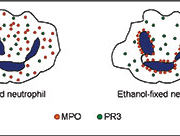
by Dr Petraki Munujos Systemic vasculitides are a group of inflammatory idiopathic clinical syndromes usually classified by the size of the vessels being affected. Among them, the small vessels vasculitides show clear associations with the presence in the patients sera of antibodies directed against cytoplasmic antigens of neutrophils (ANCA).

Genetic polymorphisms are well recognized as one of the main cause of variations in personal drug response. Pharmacogenetics investigates the role of polymorphisms in the individual response to pharmacological treatments in order to design specific genetic tests, which can be performed before drug administration to optimize drug response and reduce adverse events.
by Dr Francesca Marini and Professor Maria Luisa Brandi
Personalized medicine based on genetics
The complete sequencing of the human genome in 2001, by the Human Genome Project, has opened the new era of personalized medicine based on genetics. Polymorphic variations are suspected to cover at least 20% of the entire human genome. An average of about 6 million single nucleotide polymorphisms (SNPs) and other sequence variations (i.e. copy number variations, CNVs) are estimated to exist between any two randomly selected human individuals. Advancements in understanding of variations in the human genome and rapid improvements in high-throughput genotyping technology have made it feasible to study most of the human genetic diversity in relation to phenotypes. Today, the challenge for genomic medicine is contextualizing the myriad of genomic variations in terms of their functional consequences for disease predisposition and for different responses to medications.
The ability to predict the outcome of drug therapies, by a simple analysis of common variants in the genotype, is today one of the main challenges for individualised medicine. Pharmacogenetics and its whole-genome application, pharmacogenomics, are the utilization of individual genetic data to predict the individual response to drug treatment with respect to both beneficial and adverse effects.
They, currently, represent one of the disciplines most pursued by basic and clinical research. Pharmacogenetics examines the single gene and/or single polymorphism influences in drug response in terms of drug absorption and disposition (pharmacokinetics) or drug action (pharmacodynamics), including polymorphic variations in genes encoding drug-metabolizing enzymes, drug transporters, drug receptors and drug biological targets. Pharmacogenomics studies alterations in gene and protein expression that may be correlated with pharmacological function and therapeutic response, encompassing factors beyond those that are inherited, such as epigenetics (pharmacoepigenomics).
One of the main goals of pharmacogenetics and pharmacogenomics is the identification of genetic biomarkers that lead to the recognition, in advance, of patients who will not respond to a therapy, or who will be at risk of developing adverse reactions, in order to design specific pre-prescription genetic tests. A biomarker is most commonly a genetic variant, but can also include functional deficiencies, expression changes, chromosomal abnormalities, epigenetic variants, etc. A necessary step, for the application of pharmacogenetic results into clinical practice is the validation of biomarkers, a process that requires several stages: 1) the correct design of prospective association studies and setting of all experimental conditions to increase sensitivity, reliability and specificity of the assay; 2) replication of results in different, independent studies; 3) biomarker characterization, through evaluation of variability of a particular biomarker in different human populations to determine ethnical differences, relevant interactions and potential confounders; and 4) expression and functional studies, to establish the possibility of a casual relationship between a candidate biomarker and the response to a drug.
Pharmacogenetic data on more than 110 commonly used drugs and over 35 genes are currently depicted in the Food and Drug Administration (FDA)-approved “Table of Pharmacogenomic Biomarkers in Drug Labels” (http://www.fda.gov/drugs/scienceresearch/researchareas/pharmacogenetics/ucm083378.htm), and, for many of them, the list includes specific clinical actions to be taken based on genetic information. These specific tests are currently used in clinical practice, mostly in oncology, psychiatry, neurology and cardiovascular disease. The first clinical application of a pharmacogenetic test was approved by the FDA in January 2005: the AmpliChip CYP450 test that includes genetic variants of CYP2C19 and CYP2D6 genes (two drug–metabolising P450 cytochromes, responsible of the most frequent variation in phase I metabolism of approximately 80% of all prescribed drugs today). In June 2007, the FDA released an online “Guidance on pharmacogenetic tests and genetic tests for heritable markers” (available at http://www.fda.gov/MedicalDevices/DeviceRegulationandGuidance/GuidanceDocuments/ucm077862.htm), which presents general guidelines for the rapid transfer of experimental results to the clinical practice and for the correct performing and data handling of pharmacogenetics screenings. The application of rapid, simple and non-invasive pharmacogenetic tests, that can be easily performed on a blood sample and do not need to be repeated during the patient’s lifetime, would help clinicians in tailoring the best therapy for each patient, reducing adverse events and maximizing positive effects. Results from pharmacogenetic tests would allow clinicians to adjust dosages, choose between similar drugs or offer an alternative therapy, if available, before the administration of each treatment. Data obtained from pharmacogenetic tests should become part of the patient medical records, with access protected by medical privacy laws, and available, before drug administration, to clinicians granted the official permission of the patient.
The accuracy of pharmacogenetic testing and the correct management and interpretation of the results will become crucial factors in determining the benefits and/or risks for patients. Also, all the new technologies, including the development of pharmacogenetic diagnostic tools, will require a high level of expertise to be appropriately applied. Several studies have documented the lack of knowledge and confidence of primary care physicians in the field of genetic tests, with only 4% of general practitioners in the US and only 21% in the UK feeling confident and sufficiently prepared for counselling patients regarding genetic tests [1, 2]. Specific training programmes about pharmacogenetic testing for medical geneticists and health care professionals are strongly recommended and they should encompass clinical genetics, genetic counselling, knowledge of inherited and ancillary genetic data management and legal protection.
Pharmacogenetics and osteoporosis: state of the art and translation into clinical practice
Osteoporosis is the most common metabolic bone disorder of the elderly, affecting both sexes (with a higher prevalence in women) and all ethnicities, and is characterized by a low bone mass and bone microarchitectural deterioration, with a consequent increase in bone fragility and susceptibility to spontaneous fracture. Today it is well known that, despite the fact that osteoporosis is a multifactorial complex disorder, genetic factors exert a key role in the acquisition of personal bone mass peak, in the determination of microarchitectural bone structure, and in the regulation of bone metabolism. Numerous and effective anti-fracture treatments, acting on bone cells to restore a normal bone turnover, are today available: hormone replacement therapy (HRT), selective estrogen receptor modulators (SERMs), bisphosphonates, calcitonin, parathyroid hormone (PTH), Teriparatide, Strontium Ranelate, and anti-RANK monoclonal antibody (Denusomab), administered alone or in combination with supplements of vitamin D and calcium. Response to all of these drugs is variable among treated patients both in terms of efficacy [evaluated as bone mineral density (BMD) gain, reduction of bone turnover, reduction of fracture risk] and of adverse reactions. In the last two decades, some pharmacogenetic studies on anti-osteoporotic drugs have been performed, but their number is still very limited and no conclusive results are available yet.
The main characteristics and results of these studies have been summarized in some recent reviews [3–5]. Results, replicated in at least two different unrelated studies, seem to indicate that:
These preliminary data appear to be promising, but they surely need to be implemented and validated before any application to clinical practice. Association studies on pharmacogenetics of osteoporosis need to be confirmed in larger cohorts, different ethnical populations and multicentre studies, preferentially from prospective controlled clinical trials, including analysis of genetic variations in genes encoding for drug transporters, drug receptors, drug metabolizing enzymes and drug molecular targets. Moreover, the single gene-approach should be integrated with multi-candidate gene and genome-wide association studies on large cohorts to individuate also unsuspected candidate genes and polymorphisms. Subsequently, data obtained from genetic studies should be implemented and validated using gene expression and proteomic analyses and by performing specific functional in vitro and in vivo studies. Also, the effects of epigenetic mechanisms (i.e. histone modifications, cytosine methylation in gene promoters and microRNAs), on the regulation of expression of genes encoding drug metabolic enzymes, transporters receptors and targets, should be taken into account and investigated.
References
1. Burke W, Emery J. Nat Rev Genet 2002; 3(7): 561–566.
2. Suchard MA, Yudkin P, Sinsheimer JS, Fowler GH. Br J Gen Pract 1999; 49(438): 45–46.
3. Marini F, Brandi ML. Expert Rev Endocrinol Metab 2010; 5(6): 905–910.
4. Marini F, Brandi ML. Curr Osteoporos Rep 2012; 10(3): 221–227.
5. Marini F, Brandi ML. J Pharmacogenom Pharmacoproteomics 2012; 3(3): 109.
The authors
Francesca Marini PhD and Maria Luisa Brandi MD, PhD
Metabolic Bone Unit, Department of Internal Medicine, University of Florence, Florence, 50139, Italy.
E-mail: m.brandi@dmi.unifi.it

Noroviruses are the most common cause of viral gastroenteritis in humans. In recent years diagnostic methods for Noroviruses, especially real-time reverse transcription-polymerase chain reaction (RT-PCR) for the detection of Norovirus-RNA, have been improved and become more widely available.
by Dr Christoph Metzger-Boddien
Noroviruses are transmitted by fecally contaminated food or water, by person-to-person contact, and via aerosolization of the virus and subsequent contamination of surfaces. They are the most common cause of viral gastroenteritis in humans [15]. Symptoms include nausea, vomiting, diarrhea, and stomach cramping. Additional symptoms are fever, chills, headache, muscle aches and a general sense of tiredness. The onset of symptoms can begin quickly and an infected person may feel sick after a very short period of time. In most people, the illness lasts for about one or two days. People with Norovirus illness are contagious from onset of symptoms until at least three days after recovery. Some people may be contagious for even longer. Noroviruses are highly contagious. The estimated dose is as low as 18 viral particles. Approximately 5 billion infectious doses can be present in each gram of feces during peak shedding [16]. Infection can be more severe in young children and elderly people. Dehydration can occur rapidly and may require medical treatment or hospitalization [10].
Sporadic disease
In recent years diagnostic methods for Noroviruses, especially real-time reverse transcription-polymerase chain reaction (RT-PCR) for the detection of Norovirus-RNA, were improved and became more widely available. Subsequently, it became obvious that Noroviruses are the leading cause of sporadic gastroenteritis in all age groups. In Germany, since the implementation of the notification requirement according to §§6 and 7 of the infection protection act (Infektionsschutzgesetz, IfSG) a rise of reported cases can be observed with a seasonal accumulation during the winter months from October to March (2001: 9,223 cases, 2004: 64,973 cases, 2007: 201,242 and 2008: 212,769 cases, source: Robert-Koch-Institute, RKI, Berlin), but still a high estimated number of unreported cases remain.
Outbreaks
Noroviruses are the predominant cause of gastroenteritis outbreaks worldwide. Data from the United States and European countries show that Norovirus is responsible for approximately 50% of all reported gastroenteritis outbreaks (range: 36%–59%) [12]. Periodic increases in Norovirus outbreaks are associated with the emergence of new GII.4 strains. These emergent GII.4 strains are rapidly replacing existing strains predominating in circulation and sometimes cause seasons with high Norovirus activity, as in 2002–2003 and 2006—2007 [17, 20]. Genetic drift successfully promotes the re-emergence of GII-4 variants in the population [13]. Because the virus can be transmitted by food, water and contaminated environmental surfaces as well as directly from person to person, and because there is no long-lasting immunity to Noroviruses, outbreaks can occur in a variety of institutional settings (e.g. nursing homes, hospitals, and schools) and affect people of all ages. Multiple routes of transmission can occur within an outbreak; for example, point-source outbreaks from a food exposure often result in secondary person-to-person spread within an institution or community [4]. Of the 1,518 Norovirus outbreaks in the USA, during 2010 – 2011, laboratory confirmed by the CDC, 59% were from long-term care facilities (889 outbreaks); 8% were from restaurants (123 Outbreaks); 7% were from parties & events 7% (99 outbreaks); 4% were from hospitals (65 outbreaks); 4% were from schools (64 outbreaks); 4% were from cruise ships (55 outbreaks); and 14% were from other and unknown events (223 outbreaks) [10].
Foods that are commonly involved in outbreaks of Norovirus infection are e.g. leafy greens, fresh fruits, and shellfish. However, any food that is served raw or is being handled after cooking can get contaminated.
In Germany, according to data published by the RKI, the number of Norovirus outbreaks has increased by 20% between 2009 and 2010. Recently, the RKI published the final report of a huge outbreak of acute gastroenteritis in five Eastern German federal states. The source of the outbreak was a batch of deep-frozen strawberries. In total, over 11,000 cases of disease occurred. It was Germany’s largest foodborne outbreak of gastroenteritis, with several hundred institutions affected. In a considerable proportion of tested patients, Noroviruses were found [4].
Analysis of outbreak costs
In fact there is a huge socio-economic impact of Norovirus-associated diseases. A study of Johnston et al. 2007, showed the costs of an outbreak including the estimated loss of revenue because of unit closures, sick leave and cleaning expenses [7]. Because of the high contagiousness of Noroviruses early diagnosis in order to set up appropriate hygiene interventions is the most useful measure. In 2004, Lopman et al. showed, that diagnosis of the first case within three days instead of four reduces the duration of an outbreak by seven days [5, 8].
Diagnostic methods
The clinical specimens used for Norovirus diagnosis in most cases are stool and vomit samples. There is no cell culture method for the isolation of Noroviruses from clinical specimens available. Therefore, the majority of clinical virology laboratories perform RT-PCR assays for Norovirus detection. Additionally, for preliminary identification of Norovirus as the cause of gastroenteritis outbreaks, there are enzyme immunoassays (EIA) and rapid tests available. However, these kits are not recommended for individual diagnosis.
Real-time RT-PCR assays
The region between ORF1-ORF2 is the most conserved region of the Norovirus genome, with a high level of nucleotide sequence identity across strains within a genogroup [6]. This region is ideal for designing broadly reactive primers and probes for real-time RT-PCR (RT-qPCR) assays for high throughput screening in clinical diagnostic laboratories and for the detection of Norovirus RNA in
environmental samples (e.g. food and water).
The quality of the real time RT-PCR results is dependent on the quality of template RNA-extraction from clinical and environmental samples. The implementation of extraction controls in commercial RT-PCR duplex assays (e.g. Control-RNA in MutaREX Norovirus Kit, Immundiagnostik AG, Bensheim, Germany) minimizes the risk of false negative results due to inhibition or partial inhibition of the reverse transcription step and/or the PCR and due to processing errors during the extraction of RNA. Control RNA is added to a sample before RNA extraction with a commercial kit (e.g. High pure viral RNA Kit, Roche Diagnostics GmbH, Mannheim, Germany; or intron viral gene spin, gerbion, Kornwestheim, Germany) and its recovery is measured subsequently in the duplex real time RT-PCR. The latest generation of commercially available Norovirus real time RT-PCR Kits is extremely sensitive and specific [18]. Therefore such tests have become the gold standard for Norovirus laboratory diagnosis in the past few years.
Enzyme immunoassays
For detection of Norovirus antigen in clinical samples, rapid assays (e.g. EIA) offer an alternative to real time RT-PCR assays. However, the development of a broadly reactive EIA for Noroviruses has been challenging because of the number of antigenically distinct Norovirus strains and the high viral load required for a positive signal in these assays. Commercial kits include pools of cross-reactive monoclonal and polyclonal antibodies. In evaluation studies, the sensitivity of these kits ranged from 36% to 80%, and specificity has ranged from 47% to 100% compared with real time RT-PCR [1, 2, 3, 9, 11, 14, 19].
Summary
Norovirus real time RT-PCR Kits offer a sensitive, specific, fast and cost effective diagnosis. Results can be generated within one hour. But clearly only real time RT-PCR Kits containing control RNA used as extraction control for process monitoring produce feasible and reliable results. RNA extraction from clinical specimens and the reverse transcription of RNA to cDNA are the most crucial steps in Norovirus RT-PCR procedures. Errors in sample preparation and/or RT-reaction can lead to false negative results in conventional RT-PCRs as well as real time RT-PCRs when internal controls (RNA or DNA) are already added to the PCR master-mix. Laboratories performing in-house RT-PCR for Noroviruses should critically evaluate their tests with regard to these high quality standards. Because of the modest performance of Norovirus Enzyme Immunoassays, particularly their poor sensitivity, they are not recommended for clinical diagnosis of Norovirus infection in sporadic cases of gastroenteritis. Negative samples will have to be confirmed by real time RT-PCR in outbreaks as well as in sporadic cases.
References
1. Burton-MacLeod JA, et al. J Clin Microbiol 2004;42:2587–95.
2. de Bruin E, et al. J Virol Methods 2006;137:259–64.
3. Dimitriadis A, et al. Eur J Clin Microbiol Infect Dis 2005;24:615–8.
4. Großer Gastroenteritis-Ausbruch durch eine Charge mit Noroviren kontaminierter Tiefkühlerdbeeren in Betreuungseinrichtungen und Schulen in Ostdeutschland, 09-10/2012. Epidemiologisches Bulletin Nr. 41/12: 414-417, Oct 15th, 2012
5. Hansen S, et al. J Hosp Infect 2007; 65: 348–53
6. Hoehne M, et al. BMC Infect Dis. 2006; 6: 69.
7. Johnston CP, et al. Clin Infect Dis. 2007;45:534–40.
8. Lopman BA, et al. Emerg Infect Dis 2004; 10: 1827–34
9. Morillo SG, et al. J Virol Methods 2011, 173(1):13-16.
10. Norovirus. Centers for Disease Control and Prevention. CDC 24/7 12 Apr 2012.
11. Okitsu-Negishi S, et al. J Clin Microbiol 2006;44:3784–6.
12. Patel MM, et al. J Clin Virol 2009;44:1–8.
13. Reuter G, et al. J Clin Virol. 2008 Jun;42(2):135-40. Epub 2008 Apr 16.
14. Richards AF, et al. J Clin Virol 2003;26:109–15.
15. Said MA, et al. Clinical Infectious Diseases 2008; 47 (9): 1202–8.
16. Teunis PF, et al. J Med Virol 2008;80:1468–76.
17. Vega E, et al. Emerg Infect Dis. 2011;17(8):1389–95.
18. Vennema H, et al. QCMD Norovirus 2011 EQA Programme Final Report. Dec. 2011.
19. Wilhelmi de Cal I, et al. Clin Microbiol Infect 2007;13:341–3.
20. Yen C, et al. Clin Infect Dis. 2011;53(6):568–71.
The author
Christoph Metzger-Boddien, PhD
gerbion GmbH & Co. KG
Remsstr. 1, D-70806 Kornwestheim, Germany
May 2026

Prins Hendrikstraat 1
5611HH Eindhoven
The Netherlands
info@clinlabint.com
PanGlobal Media is not responsible for any error or omission that might occur in the electronic display of product or company data.